
The Value of Art in Society Beyond Productivity and Purpose
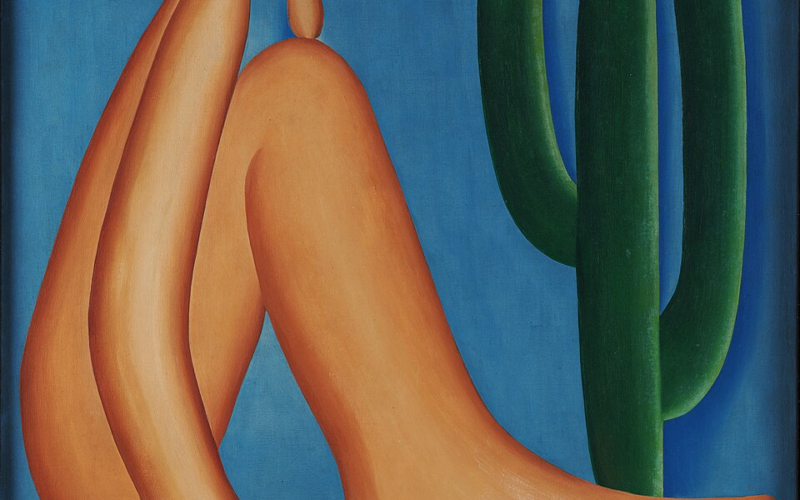
Stand in front of a painting with almost anyone, and the same question arrives within seconds. What is it about?
Then come the follow-ups. What is the artist trying to say? What does this piece do? Who does it speak for? What conversation is it part of?
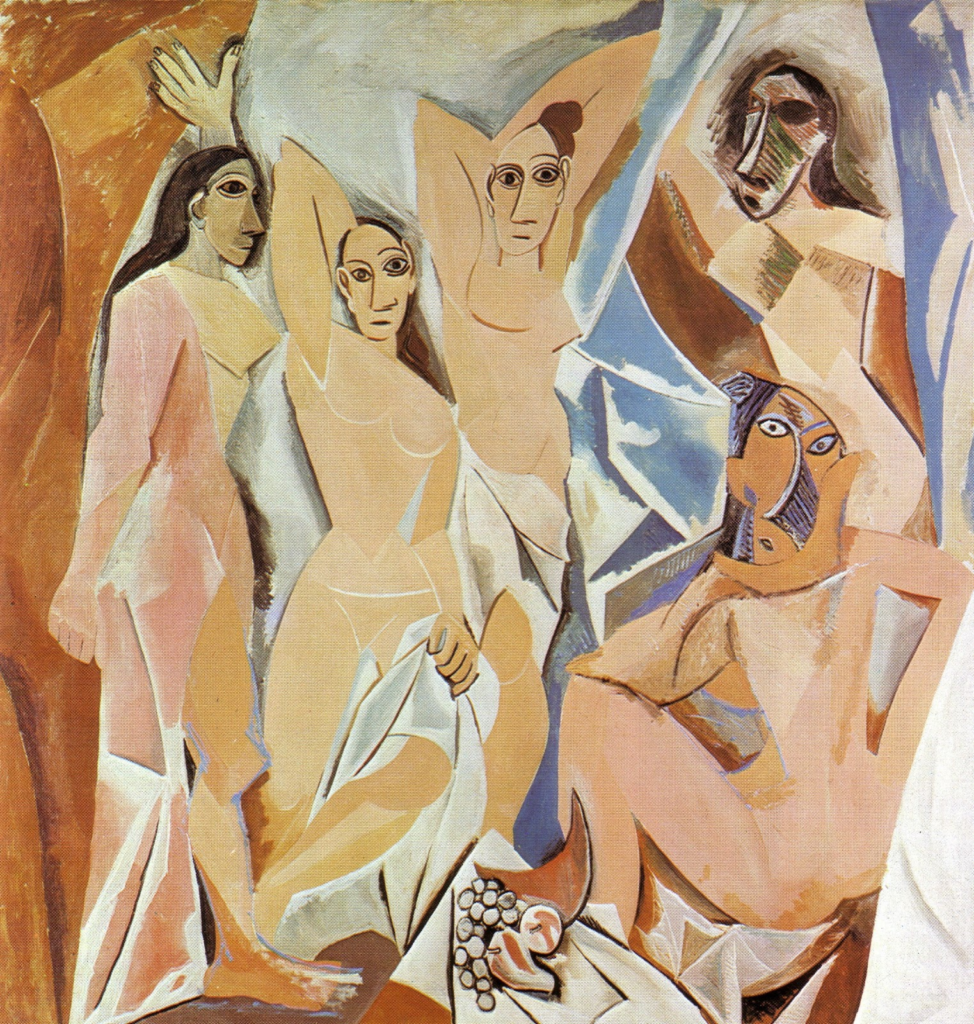
We ask these questions the way an employer asks about experience. The artwork sits there while we check its qualifications. If it answers well, it earns our attention. If it cannot, we move on and file it under decorative.
We Turned Art Into A Job Interview
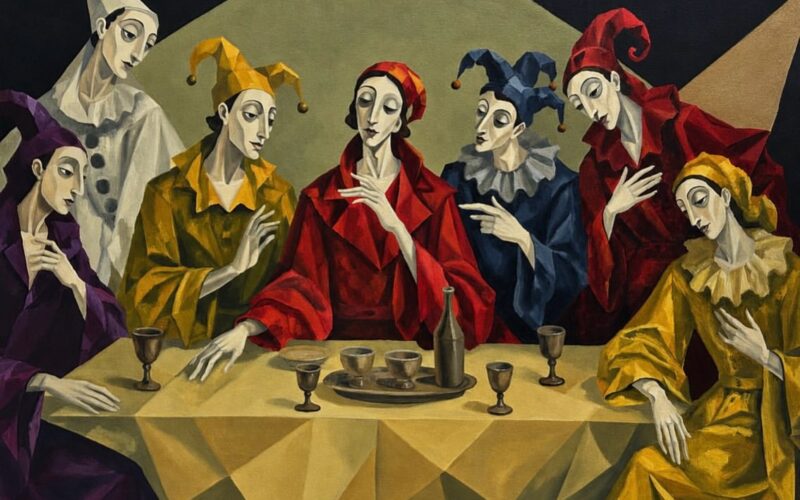
Every part of the system now asks the work to explain itself. Grant forms ask about impact. Open calls ask how a piece connects to a theme. Wall text explains significance before you have finished looking. Captions tell you what to feel about the image sitting directly above them.
None of this comes from bad intentions. Context helps people. Funders need to know where the money goes. Writers need something to write. But the effect builds up, and somewhere inside it, the value of art started getting measured by output.
Not Everything Meaningful Has To Be Useful
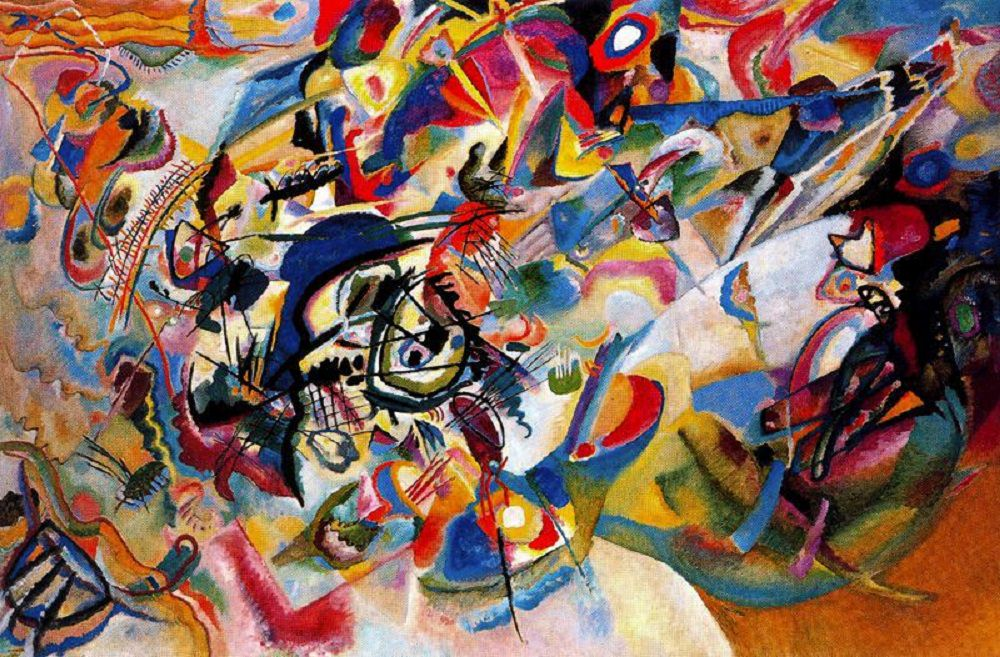
We are generous about this everywhere else. A sunset does not have to teach anyone anything. A song you played on repeat during a bad week does not need a thesis behind it. Flowers on a kitchen table are not solving a problem. A long conversation that goes nowhere in particular is still one of the better parts of being alive.
Nobody asks a sunset to justify itself or wonders what a memory contributes to the culture.
Read More: Before They Became Memories, They Were Just Ordinary Days
The value of art gets tied to outcomes in a way we would find strange if we applied it to almost anything else we love. Some of this comes from money. Art is bought, sold, funded, and reviewed, so it sits inside systems that want returns. Some of it comes from guilt. Attention feels expensive now, and we want a reason for spending it.
The Pressure To Make Important Art
Read enough open calls, and the same subject list appears: identity, politics, climate, trauma, memory, representation, and justice. There is nothing wrong with any of it. Some of the strongest work being made right now lives in those subjects, and it deserves the room it gets.
The pressure shows up elsewhere. An artist learns fast that a painting of a chair, made because the afternoon light hit it a certain way, is harder to place than a painting about grief. So the chair gets a story. The artist writes a statement about memory and domestic space and absence, and suddenly the work fits. The painting never changed; only the language around it did.
That gap is where a lot of artist statements now live. And it is where the value of art gets confused with the importance of its topic.
The Value Of Art Does Not Depend On What It Fixes
Ask what a specific artwork changed, and the honest answers tend to be small. It made someone stop walking. It made a room feel different. It gave a person a few minutes where nothing was expected of them.
Those effects sound minor when written down. They are also most of what art has done for most people across most of history. The value of art shows up in ordinary moments far more often than it shows up in movements.
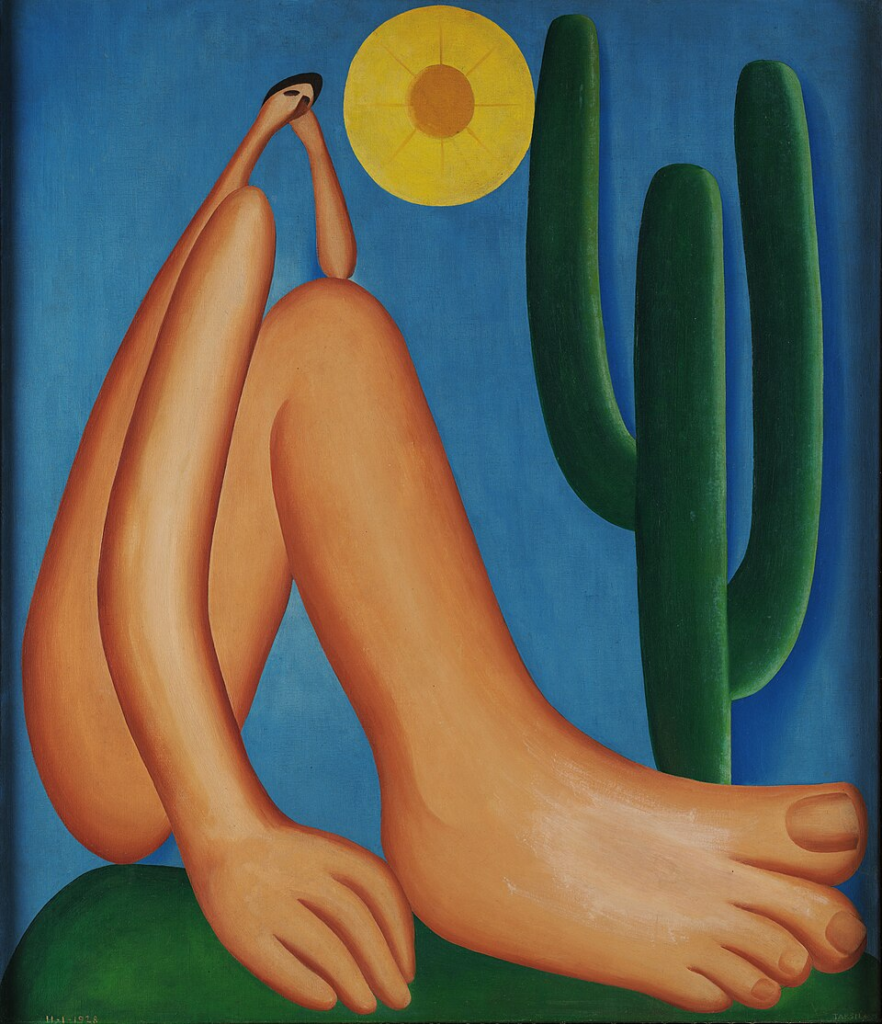
Giorgio Morandi painted bottles and jars. He arranged them on a table in Bologna, painted them, rearranged them, and painted them again for decades. There is no argument in those pictures and no position to take away from them. A man looked very carefully at dusty objects for most of his adult life, and people still travel to stand in front of the results.
Agnes Martin painted grids and pale horizontal bands. She talked about beauty and happiness rather than politics. Her work does not summarize into a press release.
Neither of them would get far with a brief asking how the work addresses urgent social questions. Both show that the value of art can sit entirely in attention, patience, and the decision to keep looking at one thing.
We Are Uncomfortable With Uselessness
This might be the real issue. We live inside a culture of optimization. Hobbies turn into side businesses. Reading turns into a yearly count. Walking turns into a step goal. Rest gets renamed recovery, which mostly means preparation for more work.
Art gets pulled into the same logic. It should improve us, teach us, heal us, raise money, or raise awareness. Anything outside that starts to feel indulgent.
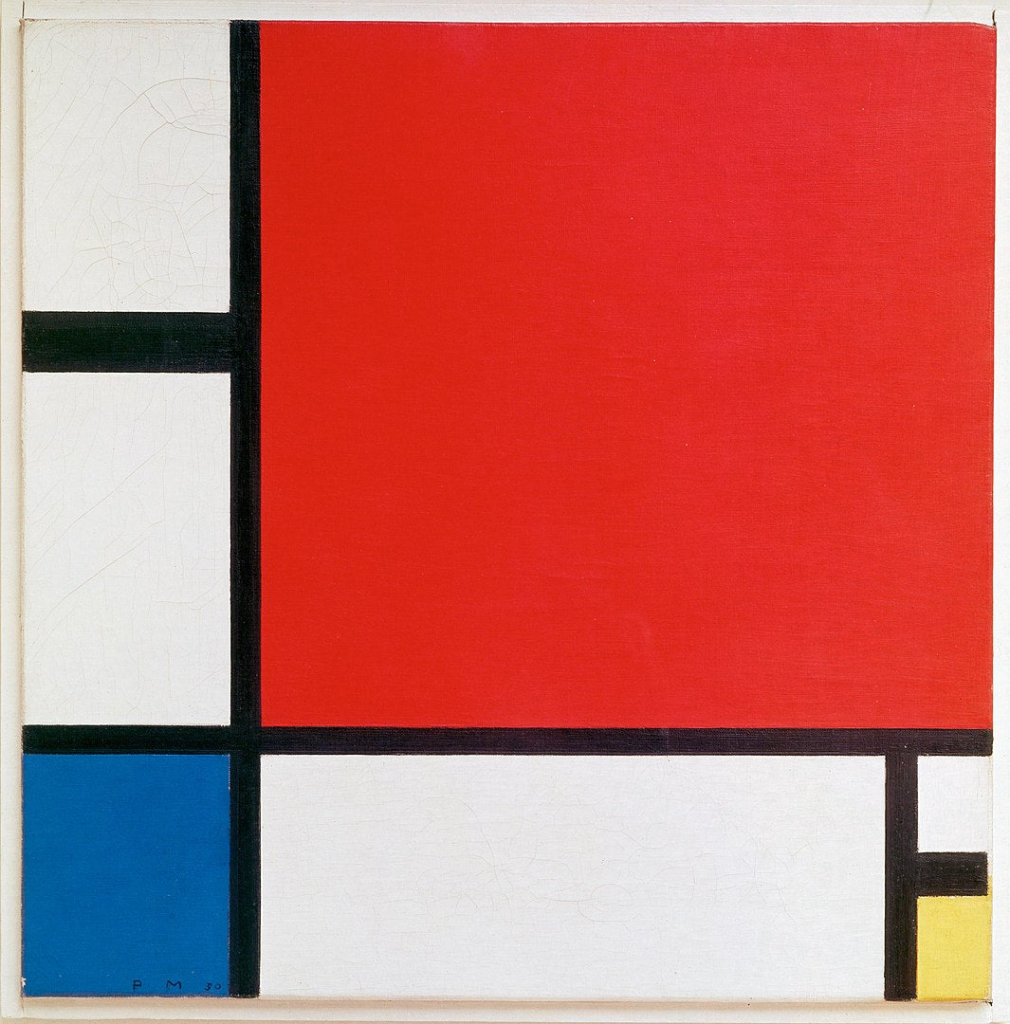
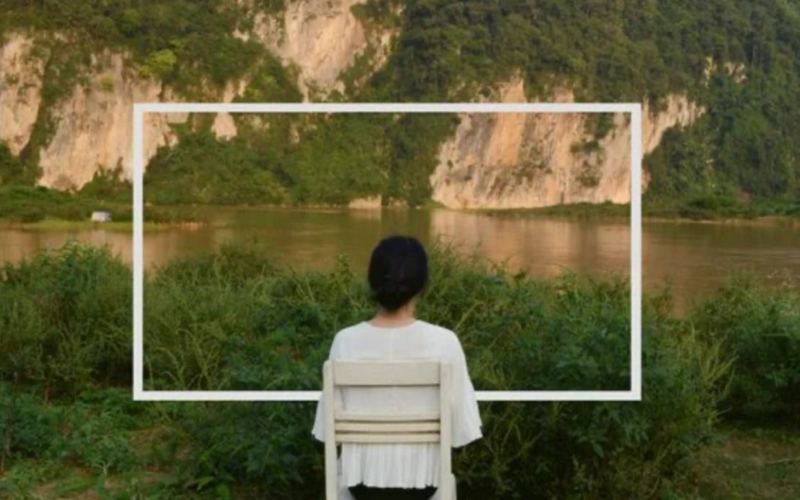
There is a case that uselessness is the entire point. A thing that refuses to be productive becomes one of the few places where nobody is asking you to perform or improve. The value of art may be at its strongest exactly where it is least useful.
Artists Do Not Owe Us Their Wounds
Art gets described as therapy constantly. Art heals. Art processes grief. Art builds community. All of that is sometimes true, and for some artists it is the reason they work at all.
The therapeutic frame still puts an odd demand on people. It suggests the most valuable work comes out of pain and that an artist carrying something difficult should be putting it on a wall for the rest of us to look at.
Some artists want that. Many do not. Some make bright, funny, obsessive work because their life already holds enough weight.
An artist is allowed to keep their history. The value of art does not require anyone to hand over the worst thing that happened to them.
Someone Wanted It To Exist
Here is the position worth defending. An artwork can be worth making because a person wanted to see it exist. That is a complete reason on its own.
Think about what actually happened before the work reached you. Someone chose a size. Someone mixed a color, disliked it, and mixed it again. Someone stood in one spot for hours. Someone spent money they probably needed on canvas and paint. Someone finished a thing that nobody had asked for.
Read More: Will I ever make it as an artist?
That decision counts for something. The value of art includes the plain fact that a person judged the thing worth their hours.
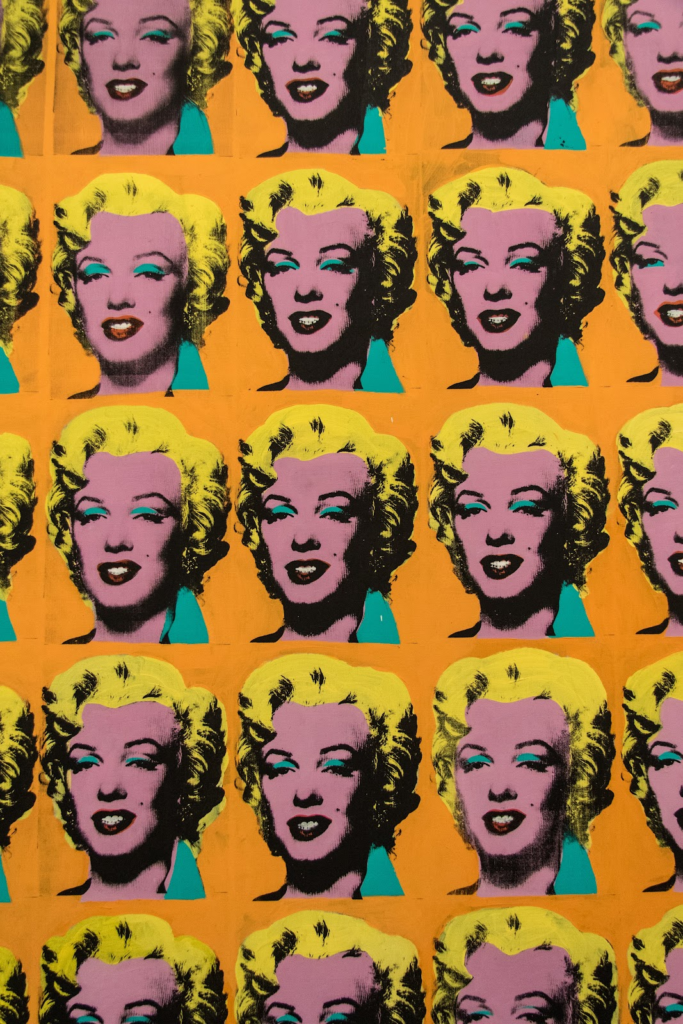
We already understand this with a child’s drawing on a fridge. Nobody asks what it contributes. Its worth is that a small person made it and wanted it seen. Somewhere between the fridge and the gallery, that permission disappears.
In Conclusion
None of this is an argument against art with a subject or a politics. That work matters, and it should keep being made, funded, and argued about.
The argument is about the default setting. Right now the first question is what does this do, and everything else follows from there. A better first question might be, “What is this, and do I want to keep looking at it?”
If the answer is yes, that is already enough. The value of art can be that simple.
Maybe the generous version looks like this. Artists get permission to make something because they want it in the world. The rest of us get permission to like it without preparing a defense. The value of art was never supposed to be a performance review.
Postscript: If any of this made you think about work you have been holding back because it does not seem to be about anything, the Art and Woman Edition 4 open call is worth a look. The theme is open. No brief to answer, no subject you have to address. Whatever you have been making because you wanted to make it belongs here as much as anything else.