


It Is Time to Retire the Myth of Tortured Artists
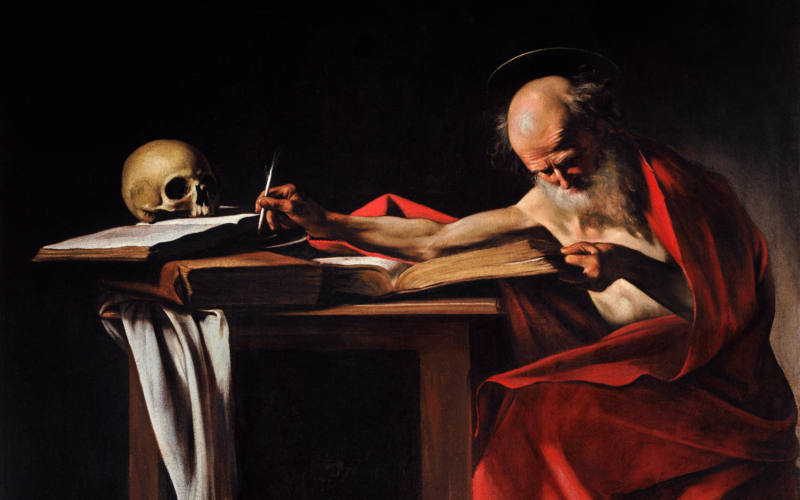
Vincent van Gogh did not eat yellow paint because he wanted to swallow happiness.
He ate it because he was trying to poison himself.
The first sentence travels far and beyond on Instagram. The yellow shows up in reels or tote bags of people who have never quite grasped the haunting life of Van Gogh. A man so starved for happiness that he tried to drink it from a paint tube might be a beautiful sentence. But it is also false. And I firmly believe that art without honesty is just empty.
During his time at the institution in Saint-Rémy, he wrote to his brother Theo: “It appears that I pick up filthy things and eat them, although my memories of these bad moments are vague.” The monthly notes kept by Dr. Peyron, his physician there, record that he was attempting to poison himself by eating paint and drinking turpentine.
Read the letter before you aestheticize Van Gogh again as the face of tortured artists globally. There is no genius in it. This is pain. As raw and open a wound can get.
We took that pain and made aesthetic merchandise and wallpapers out of it.
This is not an argument that artists do not suffer. Some of the most necessary work ever made came out of people who were falling apart while they made it. I am not asking anyone to pretend tortured artists are a sham.
All I am asking is, do they have to? And when we as a society insist on a symbiotic relationship between pain and art, who exactly benefits?
What We Are Really Buying When We Buy Tortured Artists
The tortured artists idea is as old as time. Aristotle said that exceptional people tended toward a melancholic temperament. By the Renaissance, the artist had shifted in the public imagination from skilled craftsman to inspired individual touched by melancholy.
Caravaggio is the founding text. He killed a man in Rome in 1606 and spent his remaining years moving between Naples, Malta, and Sicily, and for centuries critics have read the violence of his life straight into the violence of his light. For centuries, critics have connected the violence of his life to the dark themes of his art.
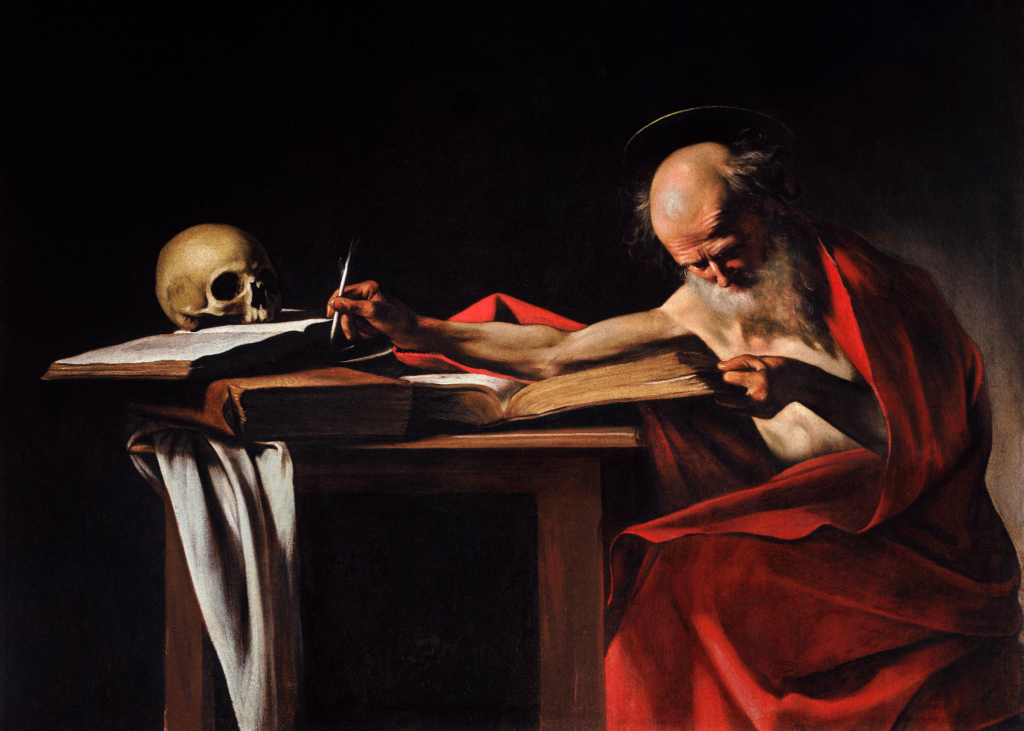
What that reading skips is that he was a highly disciplined painter who observed his models carefully, experimented with light, and worked within the expectations of powerful patrons.
The same tortured artists filter has been put over Van Gogh’s life. He is filed under madness, and the file leaves out the ten years of relentless study, the letters full of color theory, and the discipline of a man producing a body of work in barely a decade.
Here is a detail. Some of his greatest work came out of the year he spent in the asylum at Saint-Rémy, where he produced around 150 paintings, The Starry Night among them. That period was recovery, not collapse.
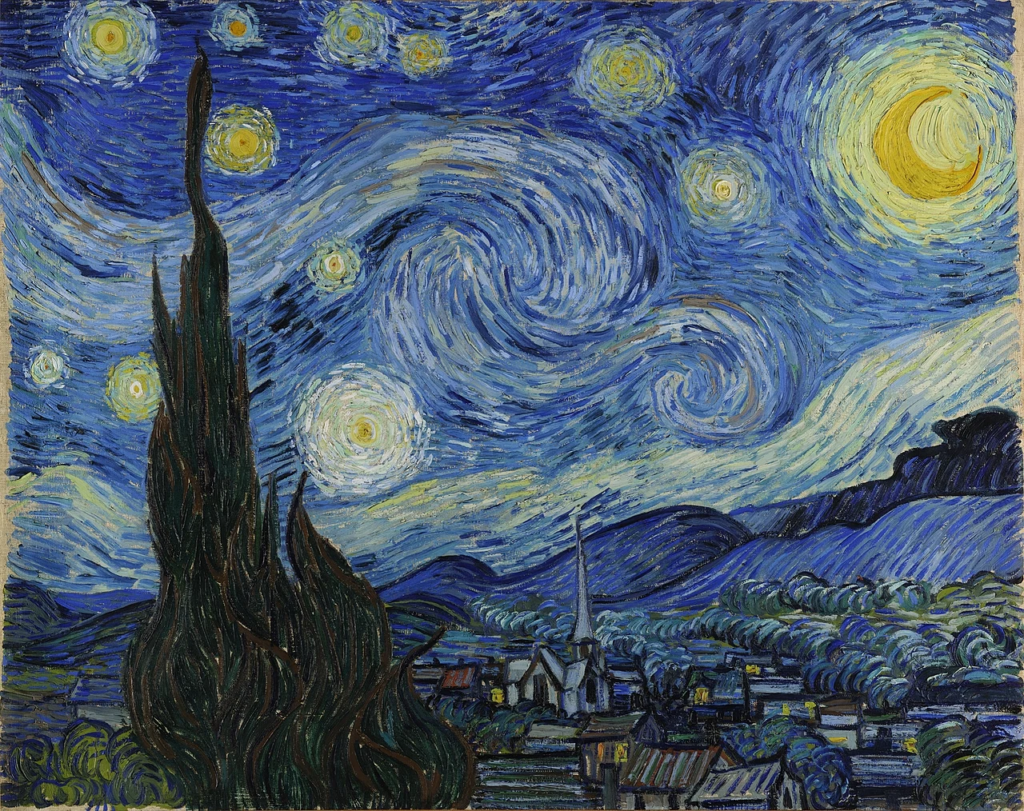
He painted best when he was being fed, watched over, and cared for. We turned that into a story about the power of anguish and instability.
In this tortured artists context, I really like what David Lynch has said:
“People might bring up Vincent van Gogh as an example of a painter who did great work in spite of, or because of his suffering. I like to think that Van Gogh would have been even more prolific and even greater if he wasn’t so restricted by the things tormenting him. I don’t think it was pain that made him so great, I think painting brought him whatever happiness he had.”
Nothing About Tortured Artists Was Beautiful
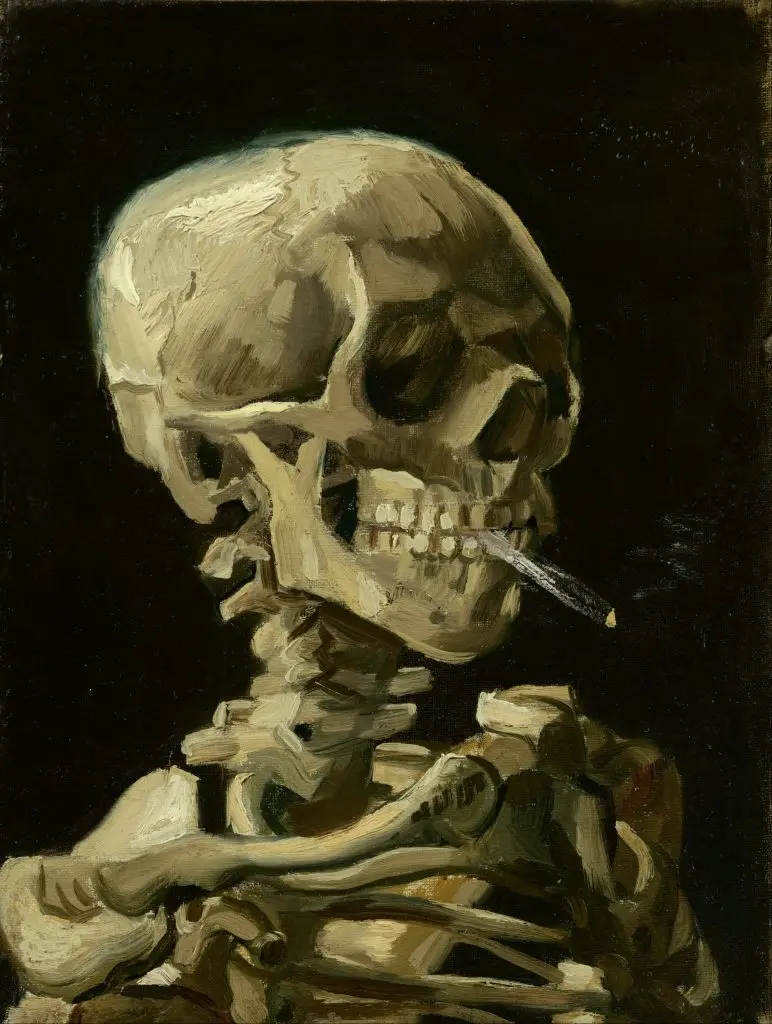
We have a picture in our heads when we say tortured artist. The burnt end of cigarettes thanks to Tumblr. A cold studio space. A bottle rolling on the floor to signify the numbness.
Here is what four in the morning actually looked like.
January 1889. Van Gogh is a week out of the hospital in Arles, still healing from the ear. He writes to Theo that the most fearsome thing is the insomnia, that his doctor has not raised it and neither has he, and that he is treating it himself with “a very, very strong dose of camphor in my pillow and my mattress.” He was afraid of sleeping alone in the house.
Camphor is toxic if swallowed. He soaked his bed in it and recommended the method to his brother.
Eight months later comes the letter about picking filthy things off the ground.
Read more: Why Iryna Grytsenko turned to art to explore fear, anxiety and self-doubt
This is the sequence of events in the life of your favorite tortured artist. It does not tell a story of a man’s genius. It is a man who is frightened by increasingly dangerous things in his head, trying to get through the night.
Plath was hospitalized and given electroconvulsive therapy at twenty, wrote The Bell Jar about it, and was thirty when she died with maybe a fifth of a career behind her. Basquiat died of a heroin overdose in 1988, at twenty-seven. Louise Bourgeois lived with insomnia for decades.
None of the aspects of tortured artists’ lives are pretty. It is vomiting, shaking, lying awake, forgetting your own name, and being terrified of your own house.
Read more: What does creative burnout actually feel like? Here’s the honest answer
Amy Winehouse is the clearest modern version. Back to Black came out of romantic devastation and active addiction, and it is a masterpiece. Then the crisis got worse. What followed was not a greater record. The years of intensifying crisis produced less and less work until there was none at all. The suffering ate the woman who built it, and then there was nothing.
Ask The Ones Who Are Still Here
The dead cannot correct the record. That is part of why the tortured artists myth survives. Vincent cannot object to the tote bags, Sylvia cannot object to the quotes, and Basquiat cannot object to the film.
So, let’s ask the people who are alive to answer.
Start with Tracey Emin. Her work, My Bed, went into the Turner Prize in 1999: the unmade bed, the vodka bottles, the cigarette packets, the debris of a woman falling apart, presented as a work of art and received as one. There has never been a purer object version of the tortured artists. And it was authentic. She was not performing it.
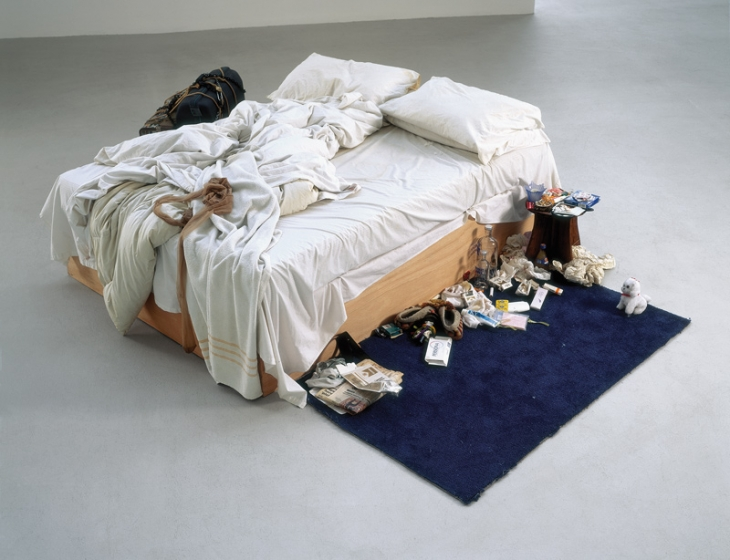
Then in 2020 she was diagnosed with aggressive bladder cancer and underwent surgery that removed most of her reproductive and urinary organs. She stopped drinking. And the work did not thin out. It exploded.
“I’ve done more in my last five years than in the whole rest of my life,” she has said. She asks the question the whole myth cannot survive: what she would have done with the last forty years “if I had been sober.”
Then Nick Cave, who is the cleanest case of all, because we have him on record on both sides.
In a 1997 interview, he laid out a pet theory: that his creativity could only flourish in loss and longing, that it needed catastrophes. It is the myth stated plainly by a man in his late thirties who believed it.
In October 2020, a reader in Seoul wrote to The Red Hand Files and asked, gently, whether he still believed it. Cave answered that reading that younger self now, the words sound like “the indulgent posturing of a man yet to discover what real suffering does to a person’s ability to function, let alone to create.”
None of these people are saying that happiness makes better art. Happiness is not a technique. What they are saying, separately, in different countries and different mediums, without coordinating, is that suffering was not the gift. It was the thing standing between them and the work. Every one of them made more, not less, once someone helped them carry the pain.
Retiring It, With Grace
Retiring tortured artists does not mean scrubbing the pain out of the record. It also does not mean there is no place for grief in the canvas. Pretending Basquiat’s addiction was incidental or that Plath’s depression was a footnote in the chapters of history is a disservice to their suffering.
It means treating suffering as a part of art rather than the price of admission into the art world.
Look at The Starry Night again today. What do you see?
Postscript: Your work does not need to come from a wound to be worth showing. If you are making something right now, from wherever you are, we would like to see it. Browse our open calls and submit your art.