


Watch & Listen to this podcast Episode.
There is a kind of conversation that almost never happens publicly in the creative world. The one where the person who built the thing turns the camera back on themselves and admits that the thing they built has started to drain them.
It wasn’t one of those, “I’m burnt out, please clap” ways but In the much quieter, much more dangerous way it actually happens to most people who care deeply about what they do.
That is the conversation Charuka Arora is having in this solo episode of Season 6 of the Arts to Hearts Podcast. And the way she has it, without performing the vulnerability, without packaging it into a tidy lesson, without pretending she has the answer at the end is one of the most honest things any creator has put on a microphone this year.
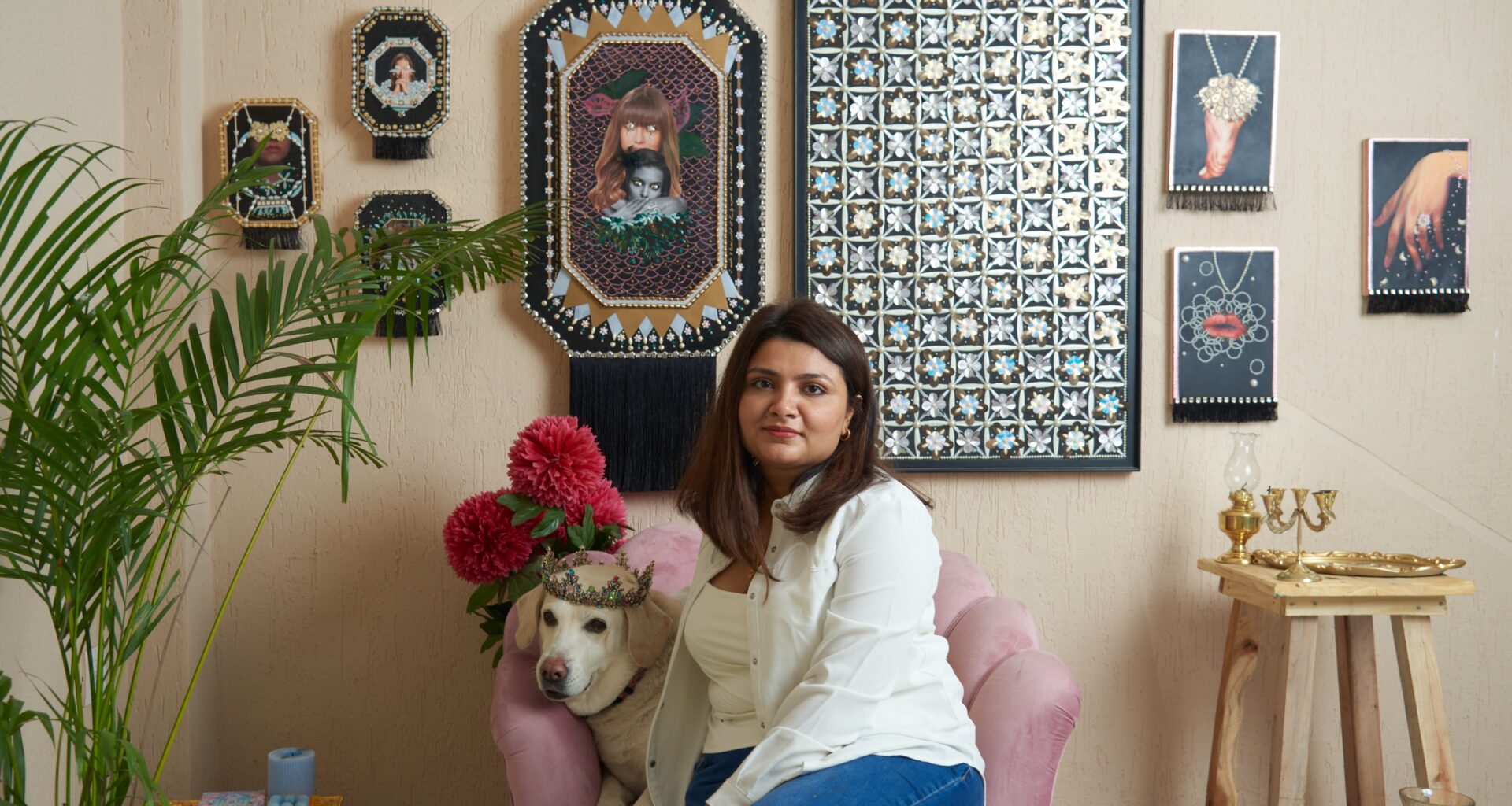
She is not okay right now. She is not lost. She is not quitting. She is somewhere in between running an organisation she loves, surrounded by a team she trusts, in front of a community she helped build, while the part of her that started all of it in the first place sits quietly in the corner waiting to be remembered.
She is, in her own words,
“running on empty”
And she is finally saying it out loud.
What makes this conversation rare is not the topic. Burnout among creative founders is hardly under-discussed in 2026. What makes it rare is the honesty of the framing. Charuka does not arrive with a lesson. She does not arrive with a solution. She arrives, by her own admission, with no clue what to do, and records anyway.
That decision tells you something. Most creators wait until they have figured it out before they say anything. Charuka is speaking from inside the not-figuring-it-out. And that might be the most useful place a public-facing creative person can speak from.
Burnout Rarely Looks the Way We Imagine
The cultural script around burnout suggests it is an event. A wall you hit. A day you cannot get out of bed. A dramatic, observable shift from fine to not fine. It almost never works like that.
The version of burnout that actually consumes most working creatives is much smaller, and much harder to spot. It looks like a competent person continuing to do competent things while quietly losing the version of themselves that made the work worth doing in the first place. It looks like a series of small, reasonable, completely defensible yeses, said over months and years, each one slightly nudging the most important things lower on the list.
There is no single yes that breaks anyone. There is no moment you can point to and say that one. There is only the slow accumulation, until one day someone with the calendar of a working professional realises they have not opened their sketchbook in months. Not because they stopped loving it. Because they stopped fitting it in.
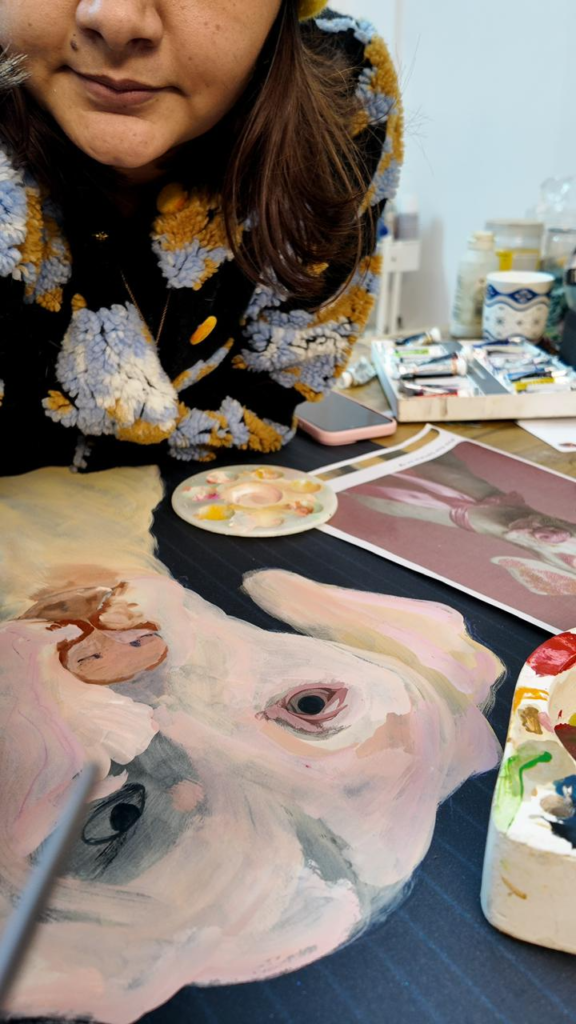
Almost every working creative will recognise this from the inside. The disappearance of the unstructured hours. The moment you catch yourself thinking I want to paint today and immediately remember the seven other things you said you would do first. The strange grief of realising that the thing you organised your entire life around has somehow been pushed off the schedule entirely. That is burnout. Not the dramatic collapse. The drift. And drift is harder to name than collapse, which is exactly why so few people name it in time.
The Second Kind of Lonely Nobody Warns You About
There are two kinds of lonely. The first is the one most artists know intimately. Alone in a studio, working in a language no one around you understands, surrounded by people who do not want the same things you want, quietly carrying the suspicion that you were built for a world that does not exist near you. That kind of lonely is the one that pushes people to build things. It is the lonely that produces communities, platforms, magazines, schools, and movements.
But there is a second kind of lonely, and it arrives precisely after you build the thing you wanted.
The second lonely is the one almost no one names. It is the lonely of being so connected, so needed, so accountable, and so constantly somewhere, that you forget how to sit alone in your own studio for a single hour without measuring it. The lonely of building the community you needed and then realising the community needs you so much that you no longer have access to the practice that made you worth building it around in the first place.
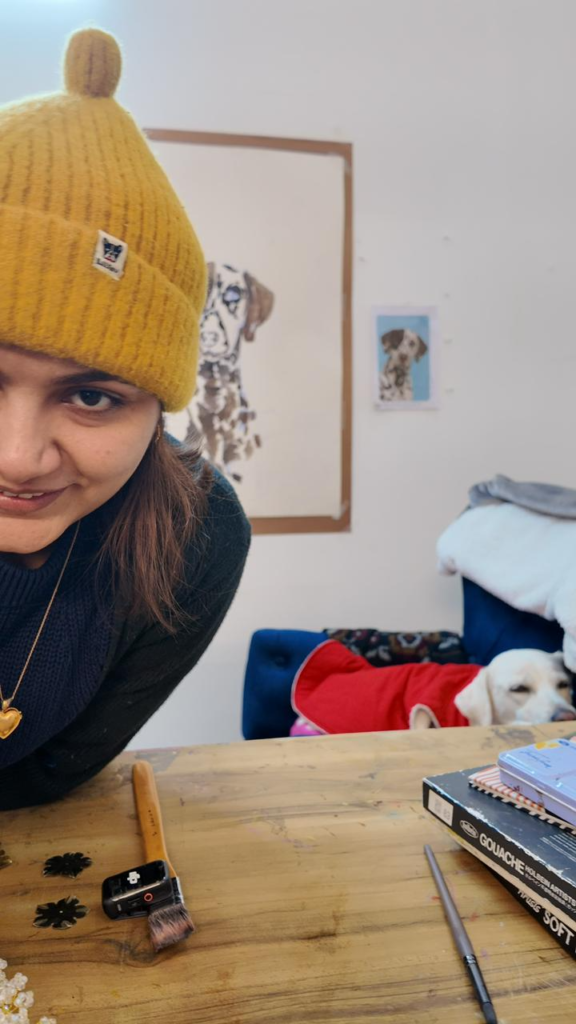
This second lonely is harder to discuss because it sounds like ingratitude. You wanted this. You worked for this. You are surrounded by exactly the people you wished for. How can you complain about being lonely inside something you built specifically to feel less alone?
And yet, almost every founder of a creative platform eventually sits inside it. The strange grief of missing the version of yourself you traded away to get here.
What makes Charuka’s framing useful is that she does not romanticise the first kind of lonely or pretend she would trade back what she has built. She names, plainly, that the second lonely is real, and that it is one of the most under-discussed costs of building a creative life around your own work.
What Art Was Always Actually For
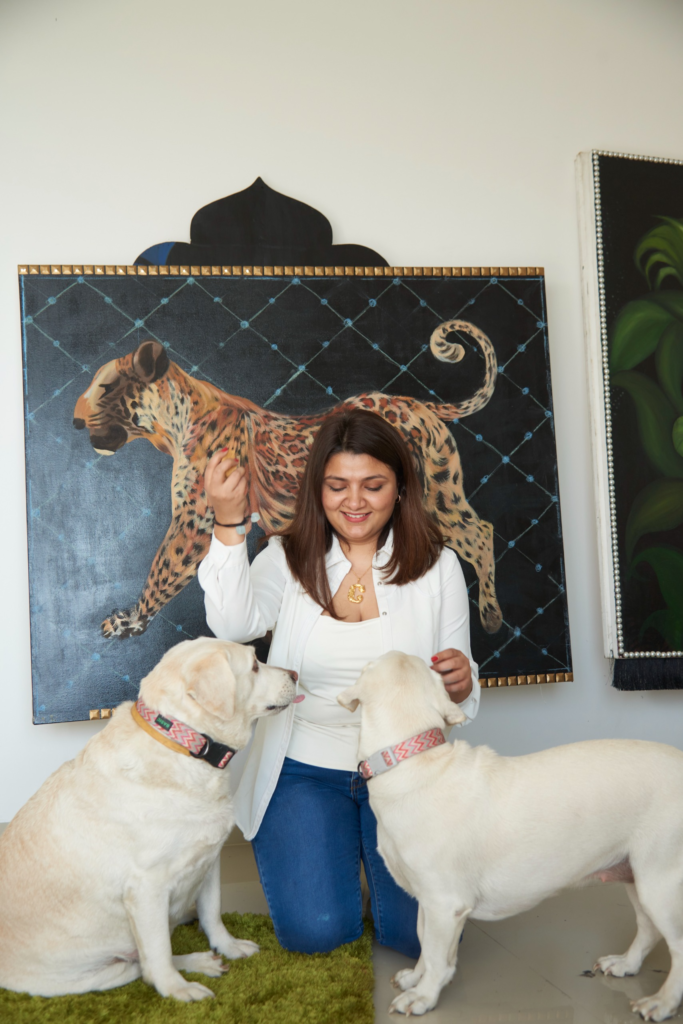
For Charuka, art has never been a career. Art has been the thing that brought her back to herself when nothing else could. Through her mother’s passing. Through losing her dogs. Through every hopeless day. Through every quiet collapse the public never saw.
Which makes the admission underneath this entire conversation the painful one — the medicine has been quietly missing from the routine.
The sketchbook is starting to feel scary to pick up. The studio time keeps losing to a meeting. The calendar keeps winning. The thing that has been her psychological lifeline for the last decade has been replaced, somewhere along the way, by the responsibility of running an organisation built around the love of it.
This is the loop almost no founder of a creative business will name publicly. The thing you build to protect your relationship with your work can quietly become the reason you can no longer access that relationship at all. The community needs you. The team needs you. The platform needs you. The audience needs you. And somewhere inside the building of the dream, the dream itself stops getting fed.
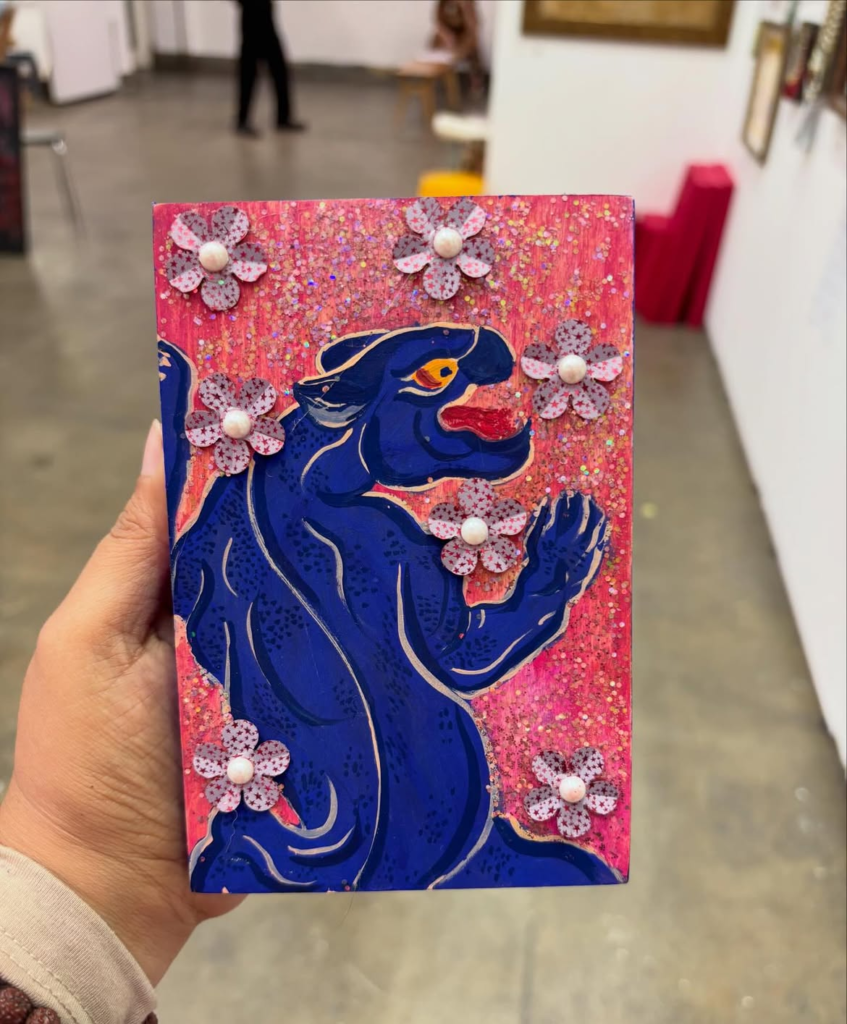
This is the actual structural problem underneath most creative-founder burnout, and it is rarely framed this clearly. The fuel that powered the project starts being treated as a luxury inside the project’s success. The thing that built it becomes the first thing sacrificed to keep it running.
Charuka is articulating the problem in a way that gives other working creators language for it. The cup is empty because the thing that fills the cup has been quietly removed from the schedule. That is the diagnosis. And it is far more common than most public-facing founders are willing to admit.
Choosing Yourself Without Abandoning the Thing You Built
The most generous part of this conversation is its refusal to collapse into a binary.
Charuka is not quitting Arts to Hearts project. She is not walking away. She is not collapsing the platform she has spent six years building. She is not making this an “I left it all to find myself” kind of decision, which would be both untrue and unhelpful to anyone staring at a similar fork in their own life. She is doing something much harder, and much rarer.
She is choosing to rewire the thing instead of abandoning it. To keep all of this and also start filling her own cup again. To keep showing up for the team, the community, and the platform, and also start showing up for the painter who has been waiting quietly in the corner for the last few years. To honour both versions of herself instead of accepting that one version has to be sacrificed for the other to continue.
This is, in essence, a public refusal to accept that running a creative platform requires permanently losing the creative person at the centre of it.
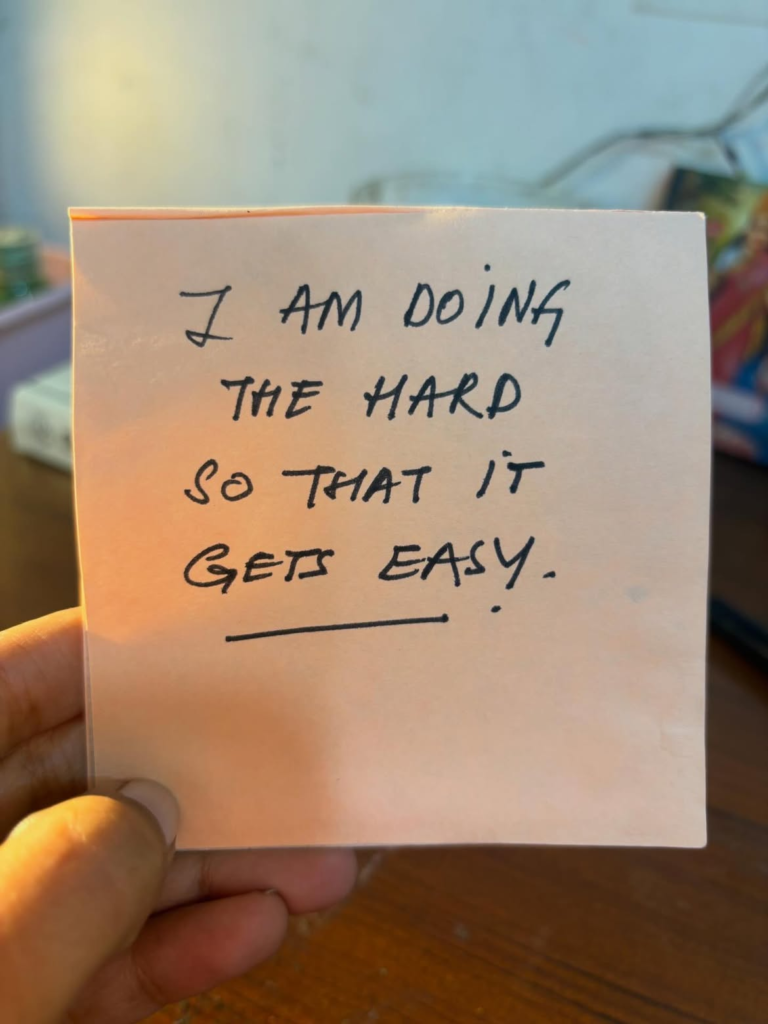
That refusal matters, because almost every creative founder eventually arrives at this exact crossroads, and the dominant scripts on offer are both bad. Quit everything and rediscover yourself is one. Stay the course and quietly disappear is the other. Most creatives end up alternating between these two scripts for years.
Charuka is publicly attempting a third option. Stay. Rewire. Take back the parts of yourself you traded away. Keep the work. Keep the community. But stop performing the version of you that has been gone for a while.
There is no roadmap for this. She does not pretend to have one. But the willingness to even try, in public, is its own quiet contribution to the conversation.
The Part Worth Carrying Around With You
The honest thing underneath all of this is something most working creatives recognise instantly but rarely say out loud.
Tired and grateful. Exhausted and still committed. Ready to change things without abandoning anything. That combination is the actual emotional reality most creative founders are living inside right now, and almost nobody talks about it openly because admitting it feels like ingratitude, weakness, or failure.
It is none of those things. It is what happens when you build something you love and then forget to keep building the version of yourself that started it in the first place.
Charuka closes by leaving the listener with one question that lands harder than anything else.
What is the thing you keep putting last? The one that fills your cup the most?
Almost everyone listening already knows the answer. The painting. The sketchbook. The slow morning. The novel. The studio hour. The friend you keep meaning to call. The version of yourself you keep promising you will get back to next week.
The hardest part of being a working creative right now is not the lack of opportunity, the algorithm, the market, or the money. It is the slow, almost invisible way the thing that matters most in your life keeps quietly moving down the list, until one day you cannot remember the last time you actually did it.
This is a public interruption of that drift, by someone who built a platform precisely because she did not want anyone else to drift the way she once had.
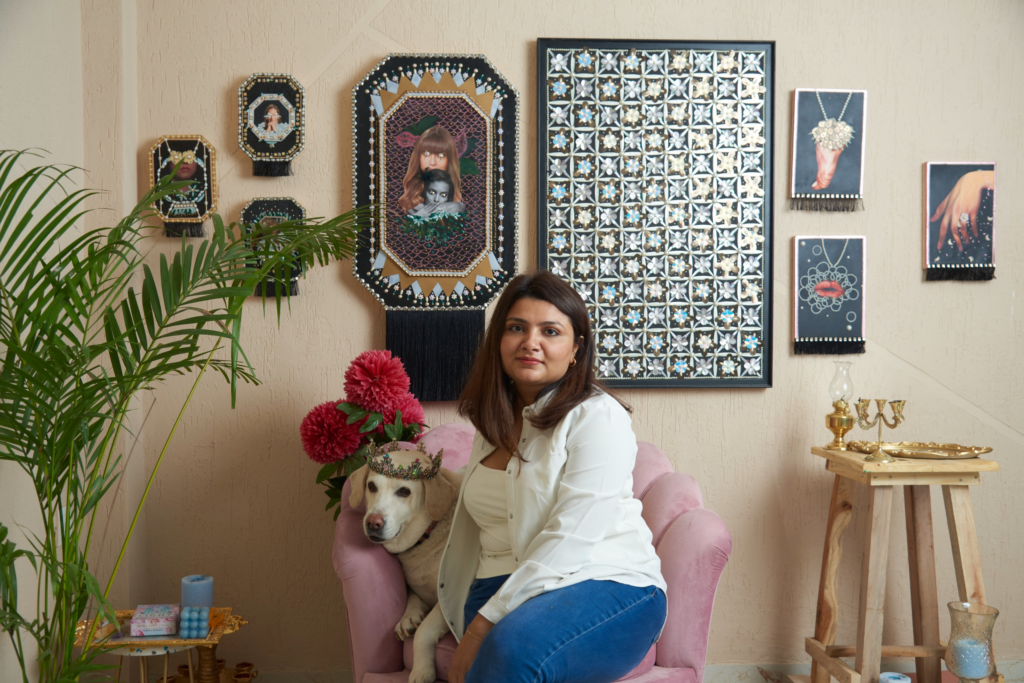
The founder of a creative community turning toward her own community and saying, plainly: I am tired too. I miss the work too. I am choosing myself this time. You are allowed to do the same.
That is the part worth carrying with you. It is also the part most of us have been quietly waiting a long time to hear someone in her position say first.
Watch the full episode now and hear Charuka talk honestly about burnout, choosing yourself, and what it actually looks like to start filling your cup again without giving up the thing you have built.
Watch & Listen to this podcast Episode.
Listen to this & other episodes on