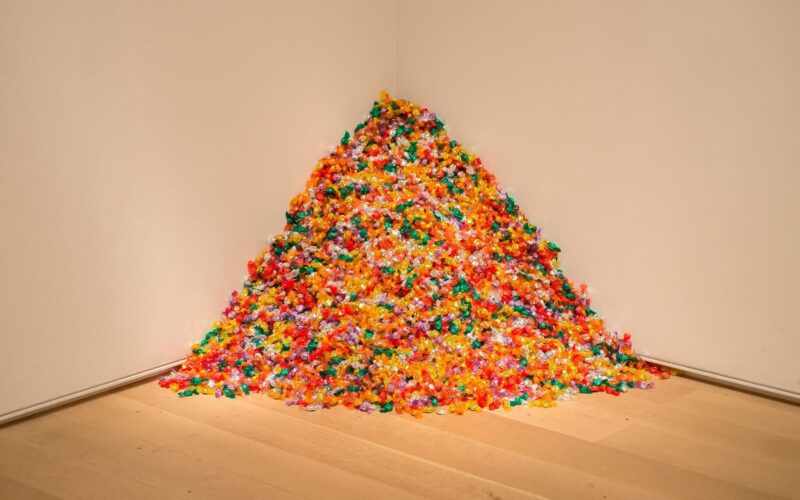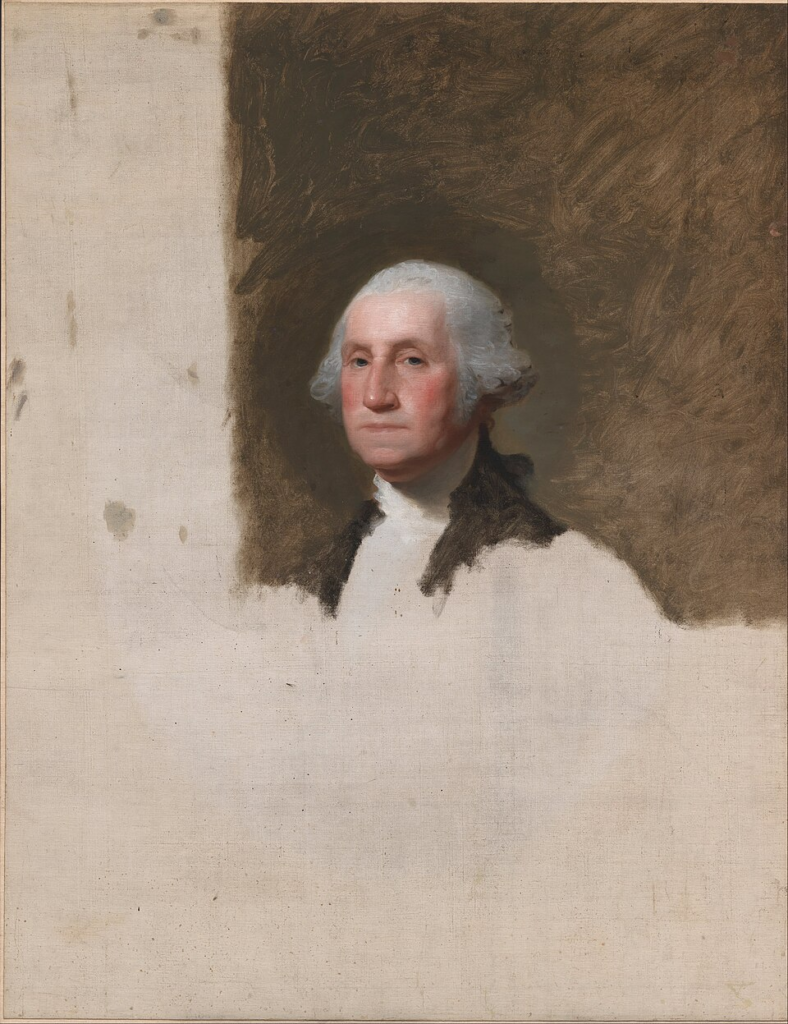




The Strangest Things Ever Sold at Auction
And Why People Paid Millions for Them
The auction world has always been a place of spectacle. Millions are spent on rare paintings, royal jewels, and historic artifacts every year, but sometimes the objects attracting the highest bids are the ones nobody expects. A toilet used by a Beatle. A cracker saved from the Titanic. Dentures belonging to a wartime leader. Even invisible art that technically does not exist. Many of these stories have become famous not because of what was sold, but because they rank among the strangest things ever sold at auction.
What makes these sales so fascinating is not just their absurdity, but the stories attached to them. Auctions reveal something strange about human nature: people are often willing to pay extraordinary amounts for objects that create a connection to fame, history, tragedy, or cultural mythology. The object itself may seem ordinary, but once tied to a larger story, it transforms into something unforgettable.
Over the years, auction houses have become filled with bizarre relics that blur the line between valuable artifact and complete nonsense. Some are deeply historical, others are hilariously random, and a few leave people genuinely questioning how the art and collectibles market even works.
From celebrity belongings to strange historical souvenirs, here are some of the weirdest things ever sold at auctions, and the unbelievable reasons people wanted them so badly.
1. Winston Churchill’s Dentures
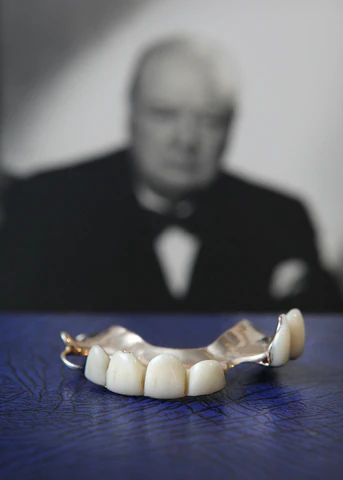
Before he became one of the most recognizable political figures in modern history, Winston Churchill was deeply self-conscious about his speech. Ironically, the very feature that made his wartime broadcasts unforgettable, his slight lisp and heavy delivery, was something he carefully preserved through a specially designed set of dentures. Churchill reportedly owned multiple pairs and carried backups constantly, terrified of damaging or losing them before important speeches. His dentist even crafted them in a way that maintained the natural sound of his voice rather than correcting it completely.
That tiny detail transformed the dentures into far more than a medical device. They became part of the machinery behind some of the most influential speeches of the twentieth century.
In 2010, one of Churchill’s partially gold-plated upper dentures sold at auction for more than £15,000. The sale fascinated collectors because it represented something unusually intimate. Most historical artifacts linked to powerful leaders are formal objects, medals, uniforms, handwritten documents. Dentures feel almost uncomfortably personal. They remind us that legendary figures were still human beings with insecurities, routines, and physical vulnerabilities.
The sale also revealed the emotional logic behind auctions. Buyers were not purchasing old teeth. They were purchasing proximity to history, an object connected to the voice that helped guide Britain through World War II.
Suddenly, something as ordinary as dentures became priceless.
2. Invisible Art That Sold for Thousands
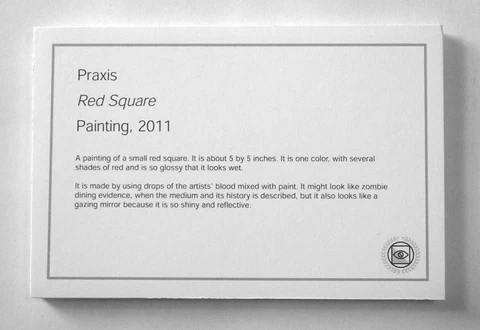
The contemporary art world has often been mocked with the phrase, “I could make that.” But invisible art took things to an entirely different level because there was literally nothing to make.
The Museum of Non-Visible Art became internationally famous for selling artworks that physically do not exist. Instead of paintings or sculptures, collectors purchase concepts and experiences imagined by artists. One of the museum’s most talked-about works, Fresh Air, sold for thousands of dollars despite consisting of absolutely nothing visible. No canvas. No installation. No object. Just an idea accompanied by a certificate of authenticity.
Naturally, people reacted with disbelief. Critics called it absurd, while supporters argued that conceptual art has always valued ideas over physical materials. After all, some of the most influential modern artworks are remembered not for technical skill, but for the conversations they started.
Invisible art pushes that philosophy to its most extreme point. It forces collectors to decide what exactly they are paying for. Is art the object itself? The artist’s intention? The emotional response? Or simply the story surrounding it?
That tension is exactly why sales like this continue to attract attention. Even people who hate the concept cannot stop talking about it.
And perhaps that is the true success of conceptual art, not whether everyone understands it, but whether it becomes impossible to ignore.
3. Lee Harvey Oswald’s Wedding Ring
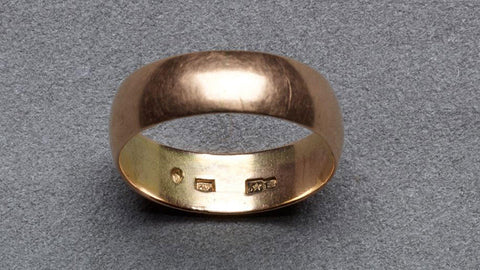
Some auction items are strange because they are ridiculous. Others are strange because they carry an unsettling emotional weight that never fully disappears. The wedding ring belonging to Lee Harvey Oswald falls into the second category.
On the morning of November 22, 1963, the day President John F. Kennedy was assassinated, Oswald reportedly removed his simple gold wedding band and left it behind at home before heading to work. That small gesture would later become one of the eeriest details connected to one of the most infamous moments in American history.
For decades, the ring remained a deeply uncomfortable historical artifact. Yet in 2013, it sold at auction for more than $100,000 to an anonymous buyer in Texas. The sale immediately reignited debates around the ethics of collecting objects tied to tragedy and violence. Why would someone want to own such a thing?
The answer lies in the psychology of historical memorabilia. Collectors are often drawn to objects that create a direct physical connection to events they have only read about in books or seen in documentaries. A wedding ring may seem ordinary, but when tied to a globally recognized historical moment, it transforms into something emotionally charged.
Unlike paintings or decorative antiques, objects like this carry tension. They are not beautiful. They are haunting.
And perhaps that discomfort is exactly what makes them so valuable at auction. They force history out of textbooks and into reality, tangible, personal, and impossible to fully separate from the story attached to them.
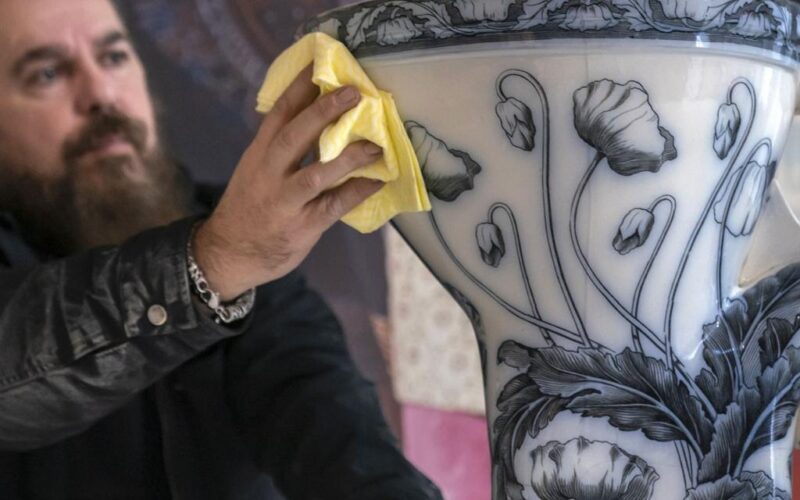
4. John Lennon’s Toilet
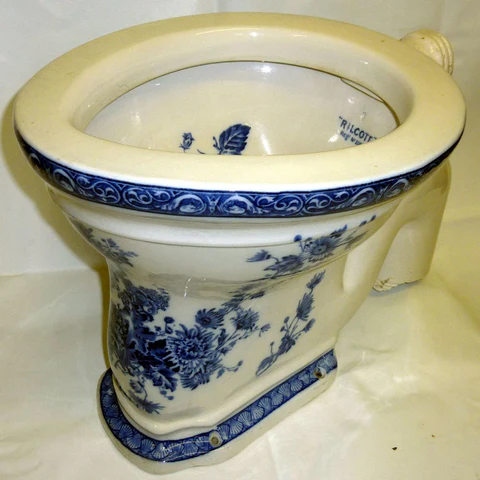
Celebrity memorabilia has always existed in a strange world where almost anything can become valuable. Signed guitars, handwritten lyrics, stage costumes, those make sense. But a toilet once owned by John Lennon proves that fame can turn even the most ordinary household object into an auction sensation.
The porcelain toilet originally sat inside Lennon’s Berkshire home during the late 1960s and early 1970s, at the height of Beatlemania. When the musician renovated the bathroom, he reportedly gave the old toilet to a builder working on the house. Instead of throwing it away, the builder used it as a flower planter in his garden for years, never imagining it would one day become an internationally discussed collectible.
That changed in 2010 when the unusual item appeared at auction and sold for far more than expected. Suddenly, a discarded bathroom fixture became a piece of pop culture history.
Part of what made the sale so fascinating was how perfectly it reflected celebrity obsession. Fans are often less interested in the object itself and more interested in the feeling of closeness it creates. A toilet is deeply personal, awkwardly human, and impossible to separate from the everyday life of its famous owner. That intimacy gives the object a bizarre kind of power.
The sale also highlights something larger about auctions: rarity matters, but storytelling matters even more. Thousands of identical toilets exist around the world, yet only one belonged to John Lennon.
And in the world of collectors, that single detail changes everything.

5. Christopher Wool’s Million-Dollar Word Paintings
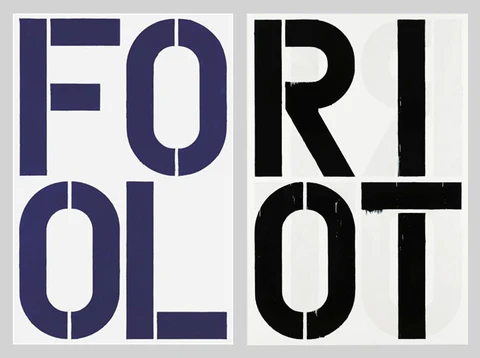
Few artworks divide audiences faster than text paintings. To some people, they feel bold and intellectual. To others, they look like something that could have been made in minutes. That tension is exactly what made the work of Christopher Wool one of the most controversial success stories in the contemporary art market.
Wool became famous for creating massive white canvases covered in black stenciled words and fragmented phrases. The paintings were intentionally stark, repetitive, and emotionally cold. One of his most famous works simply displayed the word “RIOT” in huge black letters. Another featured the word “FOOL.” Despite their apparent simplicity, these works sold for astonishing prices at major auctions, with some reaching tens of millions of dollars.
To people outside the art world, the reaction was predictable: confusion, disbelief, and endless jokes about modern art. How could a single word on canvas be worth more than historic masterpieces that took years to paint?
But collectors and critics viewed Wool’s work differently. His paintings emerged during a period when contemporary art became increasingly interested in language, advertising, urban culture, and psychological tension. The stark typography reflected the chaos and aggression of modern city life while also challenging traditional ideas of painting itself.
Whether people loved or hated the works, they could not ignore them, and that visibility only increased their cultural value.
In many ways, Wool’s paintings reveal one of the strangest truths about auctions: the art market does not simply reward technical skill. It rewards influence, conversation, rarity, and cultural impact.
And sometimes, a single word can become worth millions.
6. The Taxidermy Ostrich That Sold for Thousands
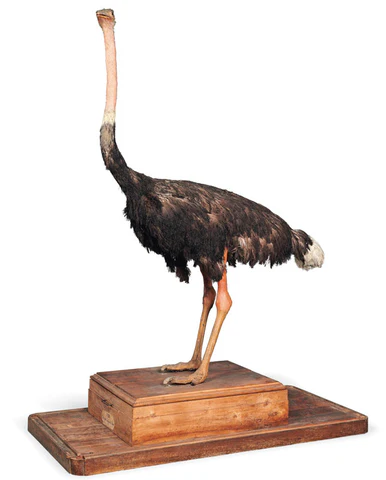
Auction houses are filled with beautiful paintings, antique jewelry, and rare furniture, but every now and then, an object appears that feels so bizarre it completely steals the spotlight. One such object was an eighteenth-century taxidermy ostrich that became one of the strangest stars of a high-profile auction.
The preserved bird, described as a “Rare North Italian Taxidermy Ostrich,” dated back to the late 1700s and reportedly once belonged to an extravagant Italian estate nicknamed “Little Versailles.” Standing tall with its dramatic feathers and elongated neck, the ostrich looked less like a museum specimen and more like something from a surreal film set. When it appeared at a themed “Out of the Ordinary” sale at Christie’s, collectors immediately became fascinated.
The ostrich eventually sold for tens of thousands of dollars, shocking people who could not understand why anyone would spend so much money on a stuffed bird.
But antique taxidermy exists in a strange cultural space where science, decoration, history, and art overlap. In aristocratic Europe, exotic animals were often displayed as symbols of wealth and curiosity. Owning rare creatures from distant places demonstrated status and sophistication, especially during the eighteenth and nineteenth centuries when cabinets of curiosities became fashionable among collectors.
Today, those same objects feel hauntingly surreal. They carry traces of another era’s obsessions while also functioning as dramatic visual statements.
And honestly, that is probably why collectors love them. A painting can quietly blend into a room. A giant antique ostrich absolutely cannot.
7. Marilyn Monroe’s “Happy Birthday” Dress
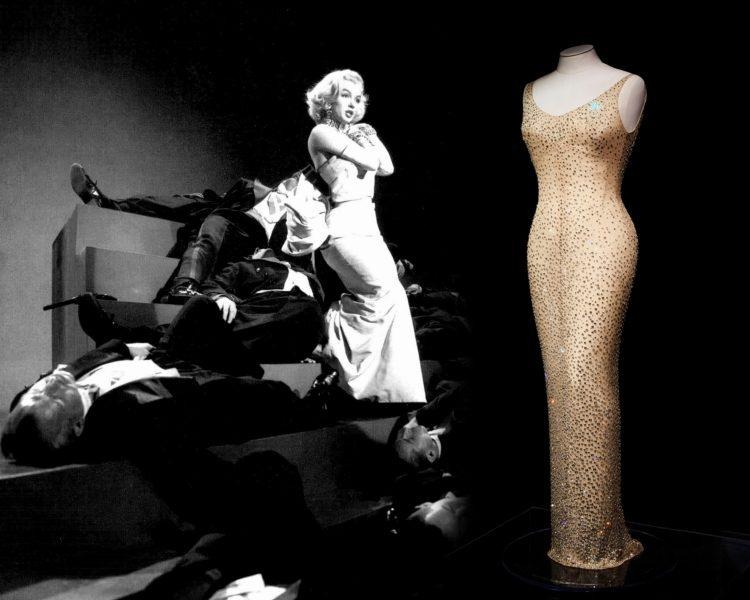
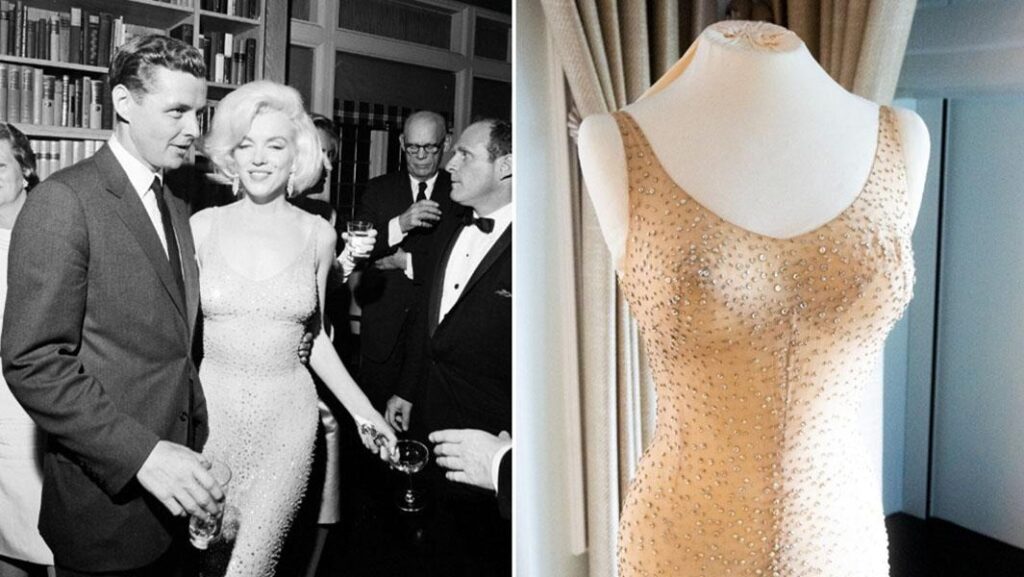
Some auction pieces become valuable because they are rare. Others become valuable because they are attached to a moment so iconic that it permanently enters cultural history. The sparkling gown worn by Marilyn Monroe during her famous “Happy Birthday, Mr. President” performance belongs firmly in the second category.
In 1962, Monroe appeared at Madison Square Garden to sing for President John F. Kennedy during a televised birthday celebration. But it was not just the performance that shocked audiences, it was the dress. Designed by Jean Louis, the skin-tight gown was covered in thousands of hand-sewn crystals and matched Monroe’s skin tone so closely that audiences initially believed she was nearly naked under the stage lights. The dress became instantly legendary, symbolizing old Hollywood glamour, celebrity scandal, and political intrigue all at once.
According to fashion history, Monroe was reportedly sewn directly into the dress moments before going onstage because it fit so tightly. That detail only added to the mythology surrounding the gown over the decades.
When the dress later appeared at auction, collectors were willing to spend millions to own it. The staggering price reflected more than fashion value. Buyers were purchasing one of the most recognizable moments in twentieth-century celebrity culture.
The gown also demonstrates how auctions transform clothing into cultural artifacts. Fabric alone is not valuable. Meaning is.
And very few garments in history carry as much mythology, glamour, controversy, and cinematic memory as Marilyn Monroe’s unforgettable birthday dress.
8. The Titanic Cracker That Survived More Than a Century
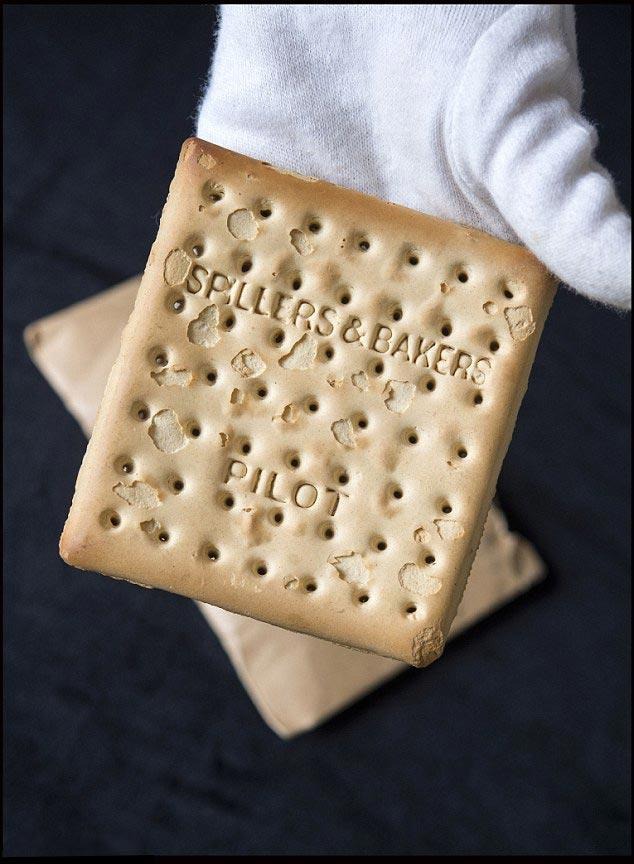
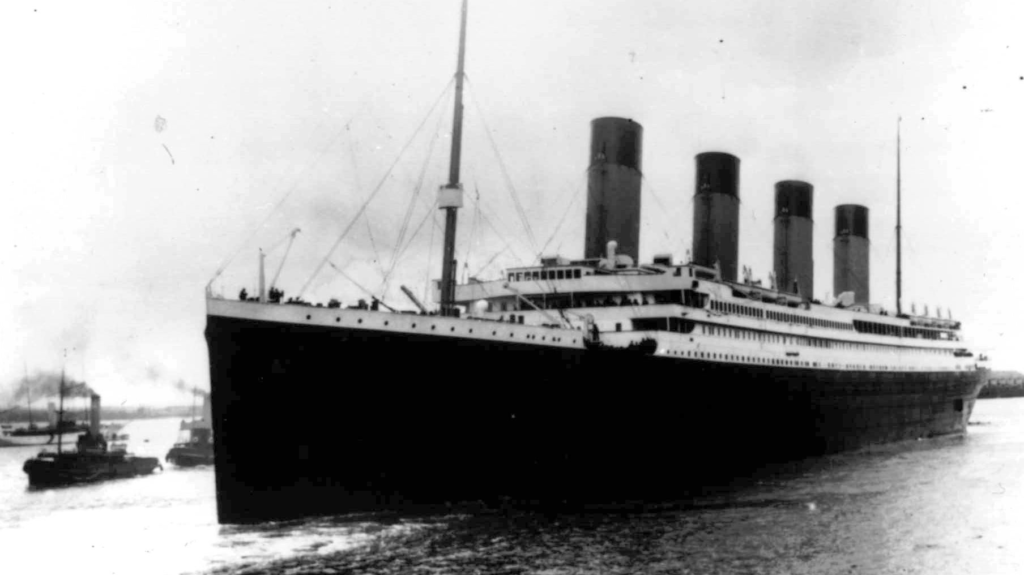
Out of all the strange objects ever sold at auction, few feel as unlikely as a century-old biscuit cracker from the Titanic disaster. It was not glamorous, artistic, or visually impressive. In fact, it looked exactly like what it was, an old cracker sealed inside a faded envelope. Yet collectors were willing to pay tens of thousands of dollars for it because of the extraordinary story attached to it.
After the Titanic sank in 1912, rescue ships rushed to save survivors from the freezing Atlantic Ocean. One passenger aboard the rescue vessel RMS Carpathia reportedly kept a biscuit from a Titanic lifeboat survival kit as a souvenir of the tragedy. Instead of eating it, he preserved it carefully for decades, passing it down through generations until it eventually appeared at auction more than a hundred years later.
The cracker was described as possibly the oldest surviving Titanic biscuit in existence, which instantly transformed it into a rare historical artifact. What fascinated collectors was not the object itself, but its survival. Almost everything connected to the Titanic was swallowed by the ocean, destroyed by time, or scattered across history. This tiny cracker somehow endured.
Titanic memorabilia has always carried enormous emotional weight because the disaster became larger than history itself. It evolved into legend, endlessly recreated through films, books, photographs, and cultural memory. Objects tied to the ship often feel almost sacred to collectors because they create a direct connection to a tragedy that continues to haunt the public imagination more than a century later.
And somehow, even a stale cracker became part of that mythology.
The strangest auction sales often sound unbelievable at first, but together they reveal something surprisingly human. People are not always buying objects for beauty or practicality. They are buying stories, emotions, memories, and the feeling of owning a tiny piece of history. Whether it is a century-old Titanic cracker, Marilyn Monroe’s iconic dress, or John Lennon’s discarded toilet, these objects become valuable because of the meaning attached to them.
In many ways, auctions are less about the item itself and more about the mythology surrounding it. A simple object can suddenly become priceless once it is connected to a famous person, a historical tragedy, or a cultural moment the world refuses to forget.
And honestly, that is what makes the auction world so endlessly fascinating. No matter how strange things become, there is always someone willing to raise the paddle for one more bizarre collectible.
If you enjoy uncovering the surprising stories hidden behind art and cultural history, you might also like reading The Woman Who Painted Abstract Art for the Future – the fascinating story of a visionary artist whose work changed the history of abstraction long before the world was ready for it.
But out of all these strange auction items, which one would you actually want to own?