
Celebrating Pride Month Through the Work of 8 LGBTQ+ Artists
Every June, Pride Month offers an opportunity to celebrate LGBTQ+ communities while reflecting on the stories, histories, and contributions that have shaped culture across generations. Celebrating Pride Month through art allows us to explore these narratives not only through the lives of artists but also through the artworks they created. Long before conversations around visibility, identity, and representation entered mainstream discussions, many artists were already exploring these themes through painting, photography, public art, and conceptual works.
Art has always had a unique ability to preserve experiences that might otherwise go undocumented. It can challenge conventions, capture personal narratives, create space for underrepresented voices, and encourage viewers to see the world through a different perspective. Throughout history, LGBTQ+ artists have contributed some of the most compelling and influential works in modern and contemporary art, creating images that continue to inspire conversations around identity, community, love, memory, and self-expression.
This Pride Month, we’re looking beyond biographies to explore the artworks that have become part of LGBTQ+ cultural history. From Claude Cahun’s groundbreaking self-portraits and Frida Kahlo’s intimate explorations of connection to Felix Gonzalez-Torres’s moving reflections on love and loss, these works reveal how art can document lives, challenge expectations, and leave a lasting impact far beyond the gallery walls.
Here are eight artists whose work continues to shape conversations about representation, visibility, and the power of creative expression.
Claude Cahun (1894–1954)
Self-Portraits That Challenged Identity Long Before the Modern Conversation Began
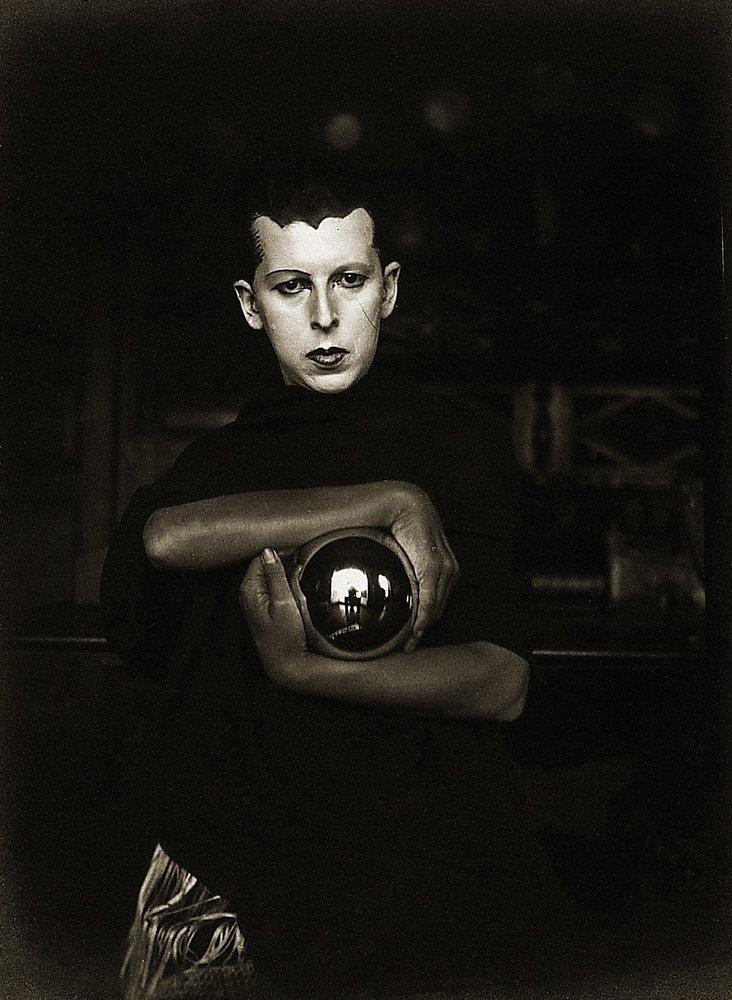
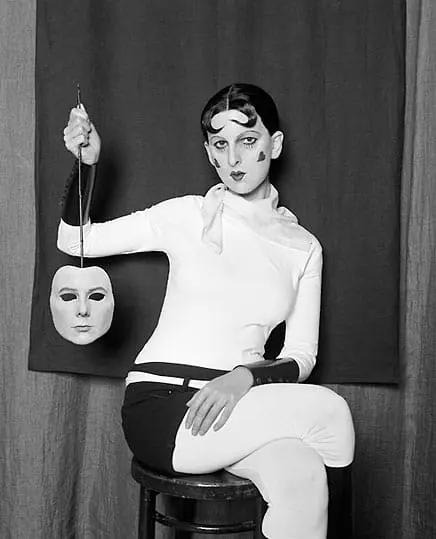
Decades before discussions about gender, identity, and self-representation entered mainstream culture, Claude Cahun was already exploring those ideas through photography. Working in the early twentieth century, the French artist created a remarkable series of self-portraits that continue to feel strikingly contemporary today. Rather than using photography to document who they were, Cahun used it to question whether identity could ever be fixed at all.
Across these photographs, Cahun appears in a variety of roles and personas. In some images, they wear theatrical costumes and heavy makeup; in others, they adopt masculine clothing, shaved hairstyles, or deliberately ambiguous presentations. Each portrait seems to offer a different version of the artist, making it difficult for viewers to settle on a single interpretation. This constant transformation became one of the defining features of Cahun’s work and is one of the reasons the photographs remain so influential today.
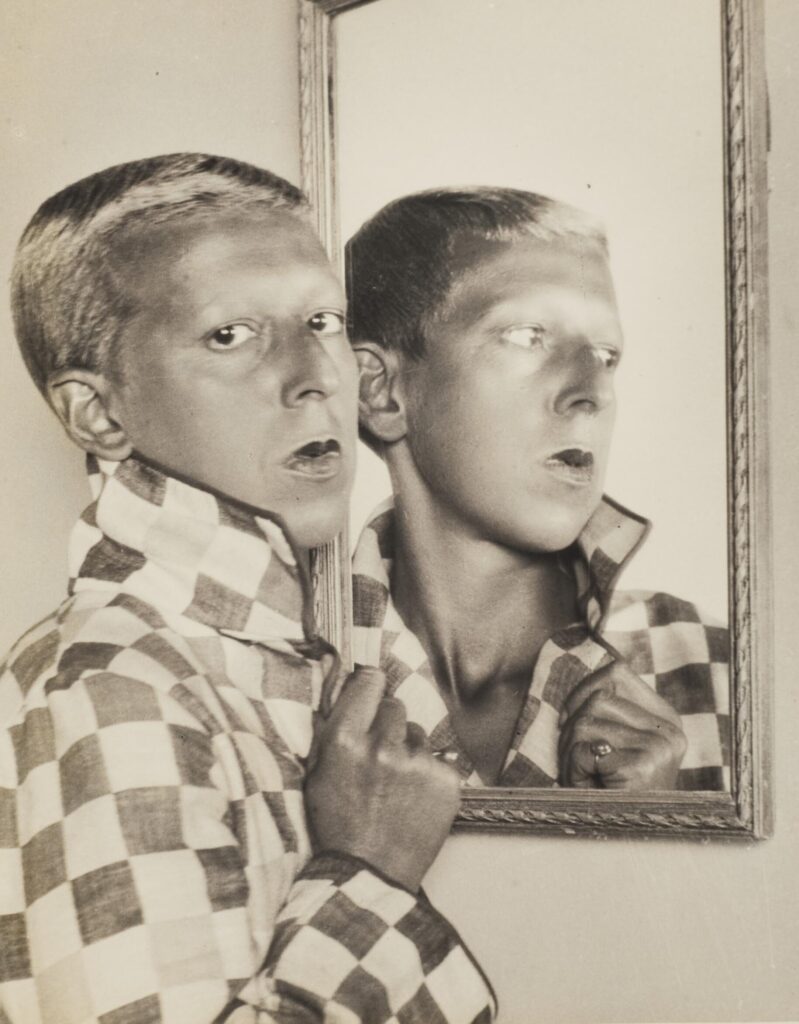
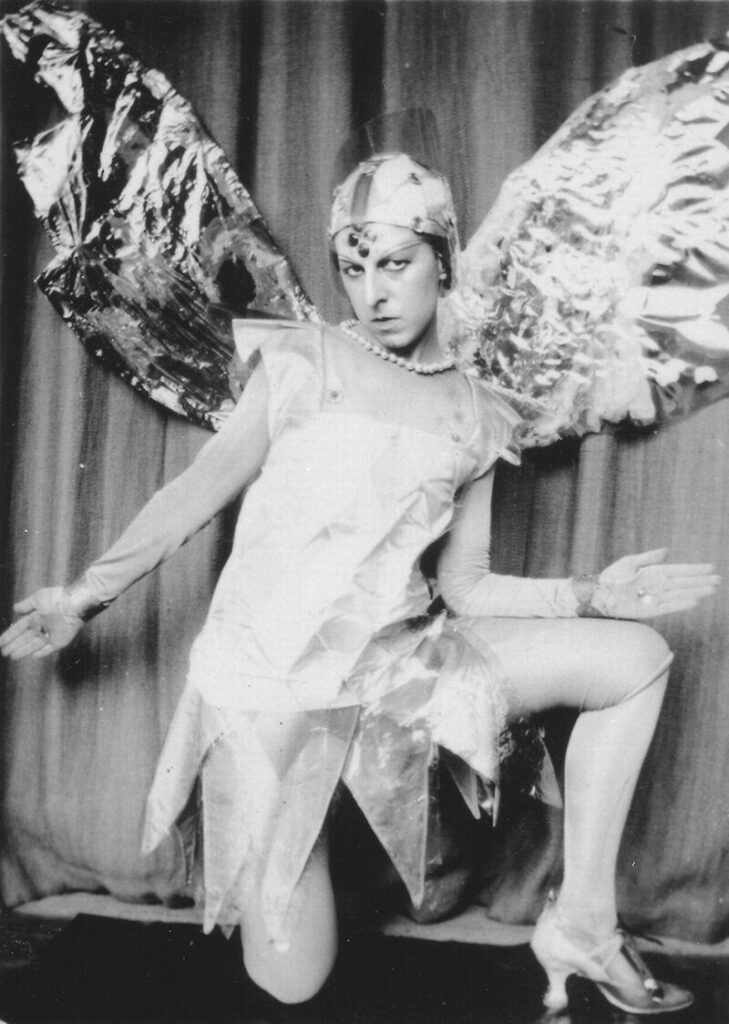
Created in collaboration with lifelong artistic partner Marcel Moore, these images challenged traditional expectations surrounding appearance, gender, and selfhood at a time when such conversations were rarely visible in public life. Rather than presenting identity as something stable, Cahun’s photographs suggest that it can be performed, reshaped, and reimagined. Art historians frequently point to these works as pioneering examples of self-portraiture that expanded the possibilities of photographic expression.
What makes Cahun’s work particularly relevant today is its openness to interpretation. The photographs do not provide simple answers or clear definitions. Instead, they invite viewers to consider identity as something layered and evolving. More than a century after many of these images were created, they continue to appear in major museum exhibitions and scholarly discussions, influencing generations of photographers and contemporary artists. Through a camera and a series of carefully constructed personas, Claude Cahun created a body of work that challenged conventions and expanded the visual language of self-representation in art history.
Tamara de Lempicka (1898–1980)
The Girls: Intimacy, Identity, and the Freedom to Defy Convention
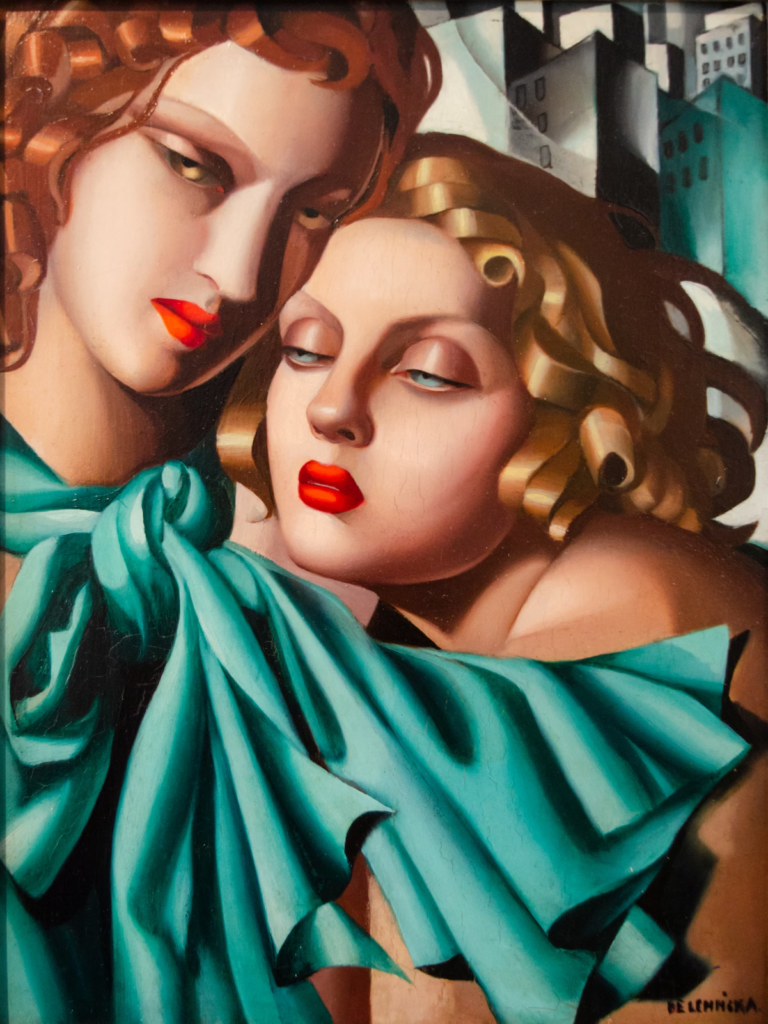
Few artists captured the glamour and confidence of the Art Deco era as vividly as Tamara de Lempicka. Known for her sleek portraits, bold compositions, and unmistakably modern style, she became one of the defining artists of the 1920s and 1930s. Among her most intriguing works, The Girls (1930) offers a glimpse into themes of intimacy, connection, and self-expression that continue to resonate today.
At first glance, the painting is unmistakably Lempicka. The two women are rendered with the smooth, sculptural forms and polished elegance that became her trademark. Yet beyond its visual sophistication, The Girls stands out for the relationship between its subjects. Rather than presenting women as passive figures or decorative muses, Lempicka places them at the center of the composition, emphasizing their presence and connection. Their closeness creates an atmosphere that feels both intimate and deliberate, inviting viewers to consider the emotional and personal bond they share.
The painting emerged during a period of significant cultural change. In the Paris of the 1920s and 1930s, artists, writers, and intellectuals were increasingly challenging traditional ideas about gender, relationships, and self-expression. Lempicka herself lived a life that often defied convention. Historians have documented her relationships with both men and women, and her life has since become an important part of LGBTQ+ cultural history. While The Girls does not make an explicit statement, many art historians view works like this as part of a broader conversation about visibility, desire, and the ways artists represented relationships between women during a time when such subjects were rarely discussed openly.
What makes The Girls particularly compelling today is its subtlety. Rather than relying on symbolism or overt narrative, the painting communicates through gesture, mood, and presence. It reflects a world in which artists were beginning to explore new possibilities for representation while pushing against established social expectations.
Today, The Girls remains one of the works that best reflects Tamara de Lempicka’s unique vision. Through its elegant composition and nuanced portrayal of connection, the painting continues to resonate within discussions of art, identity, and LGBTQ+ representation. Nearly a century after it was created, it stands as a reminder that art can capture forms of intimacy and self-expression that often exist beyond the boundaries of convention.
Frida Kahlo (1907–1954)
Two Nudes in a Forest: A Rare Glimpse into Desire and Intimacy
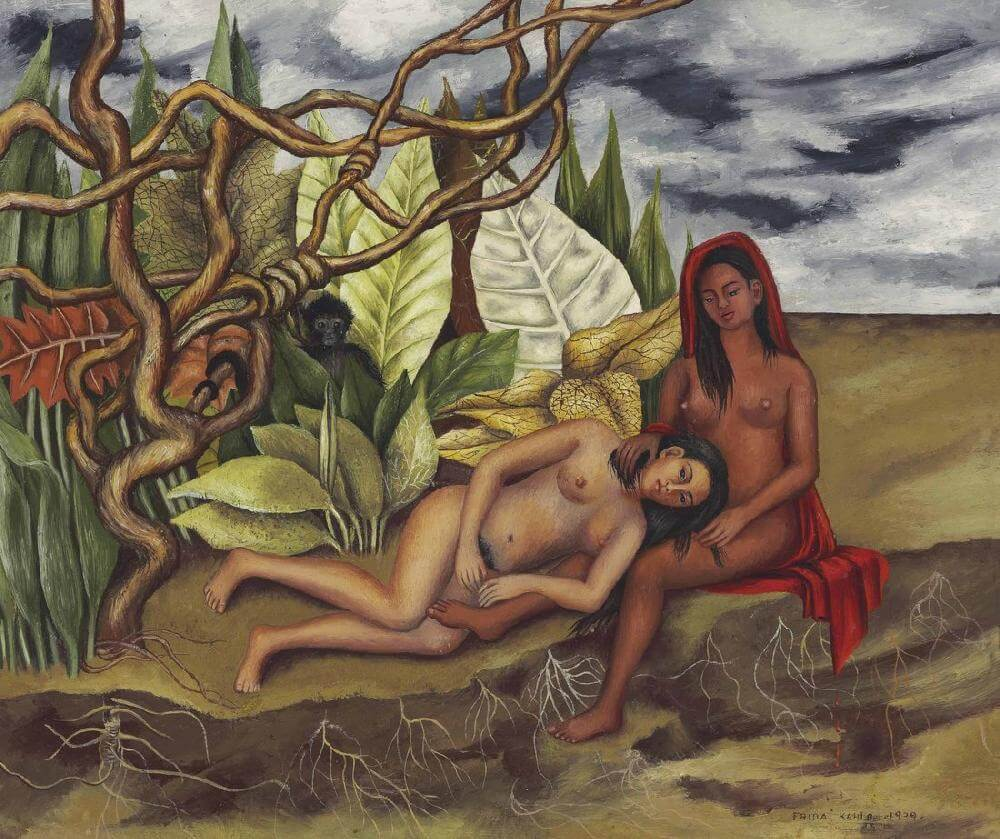
Among Frida Kahlo’s many celebrated works, Two Nudes in a Forest (1939) stands out as one of the paintings most frequently discussed within LGBTQ+ art history. The small painting depicts two nude women reclining together in a lush forest setting while a monkey watches from the surrounding foliage. Unlike many of Kahlo’s self-portraits, this work shifts attention toward the relationship between the two figures, creating a scene that art historians have often interpreted through themes of intimacy, companionship, and desire.
Kahlo’s personal life has been extensively documented, including her relationships with both men and women. While she is often remembered through her marriage to fellow artist Diego Rivera, scholars have also examined how her experiences and relationships informed aspects of her artistic practice. Two Nudes in a Forest has become one of the most cited examples of this conversation, offering a rare representation of female intimacy in twentieth-century art.
Yet the painting’s significance extends beyond its place in LGBTQ+ history. Like much of Kahlo’s work, it combines symbolism, emotion, and personal narrative into a visually compelling image. The dense foliage creates a dreamlike atmosphere, while the positioning of the figures encourages viewers to consider themes of vulnerability, connection, and identity. These layered interpretations have helped the painting remain relevant to audiences across generations.
Today, Frida Kahlo remains one of the most influential artists in modern art history. While works such as The Two Fridas and Self-Portrait with Thorn Necklace and Hummingbird are among her most famous, Two Nudes in a Forest continues to hold a special place within discussions of representation and visibility in art. It serves as a reminder that art can preserve stories, relationships, and experiences that might otherwise be overlooked, making it one of the most important works connected to Kahlo’s enduring legacy.
Andy Warhol (1928–1987)
Art, Collaboration, and the Creative Communities Behind Andy Warhol’s Work
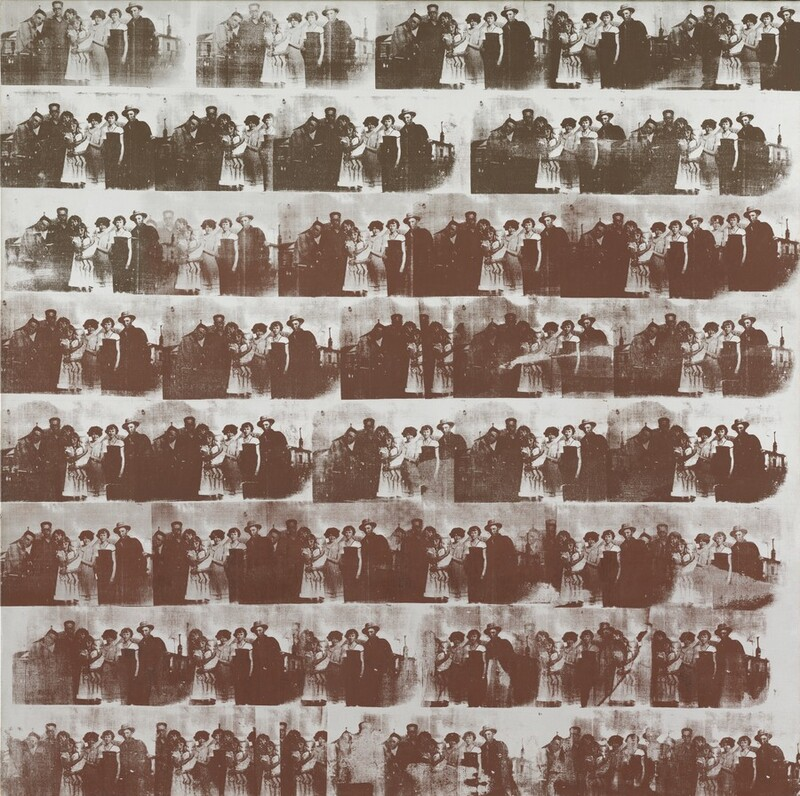
Andy Warhol is often remembered for his brightly colored portraits of celebrities, his Campbell’s Soup Cans, and his role in shaping the Pop Art movement. Yet behind the iconic imagery was an artist deeply connected to a creative community that helped define twentieth-century culture. While many discussions of Warhol focus on fame and consumerism, works such as Let Us Now Praise Famous Men (Rauschenberg Family) reveal a more personal side of his artistic world, one shaped by friendship, collaboration, and creative exchange.
Created in 1962, Let Us Now Praise Famous Men (Rauschenberg Family) was inspired by fellow artist Robert Rauschenberg, one of Warhol’s contemporaries and an important figure in postwar American art. The silkscreen work features repeated photographic imagery, a technique that would become one of Warhol’s defining artistic signatures. By reproducing the image multiple times across the canvas, Warhol transformed a family photograph into something both familiar and strangely distant, exploring ideas about memory, media, and repetition.
The artwork also reflects the network of artists, writers, musicians, and creatives who surrounded Warhol throughout his career. During the 1960s, his New York studio, The Factory, became a gathering place for some of the most influential cultural figures of the era. It was a space where artists collaborated across disciplines, experimented with new ideas, and challenged traditional boundaries between art and everyday life. As an openly gay artist working during a period of widespread social prejudice, Warhol’s visibility and influence helped create opportunities for greater representation within the art world.
Today, Warhol’s legacy extends far beyond Pop Art. His work fundamentally changed how artists engage with popular culture, celebrity, and mass media. Yet pieces like Let Us Now Praise Famous Men (Rauschenberg Family) remind us that behind the public persona was an artist deeply shaped by relationships, collaborations, and creative communities. Those connections remain an essential part of understanding both his work and his lasting impact on contemporary art.
Keith Haring (1958–1990)
Ignorance = Fear: When Art Became a Tool for Awareness and Action
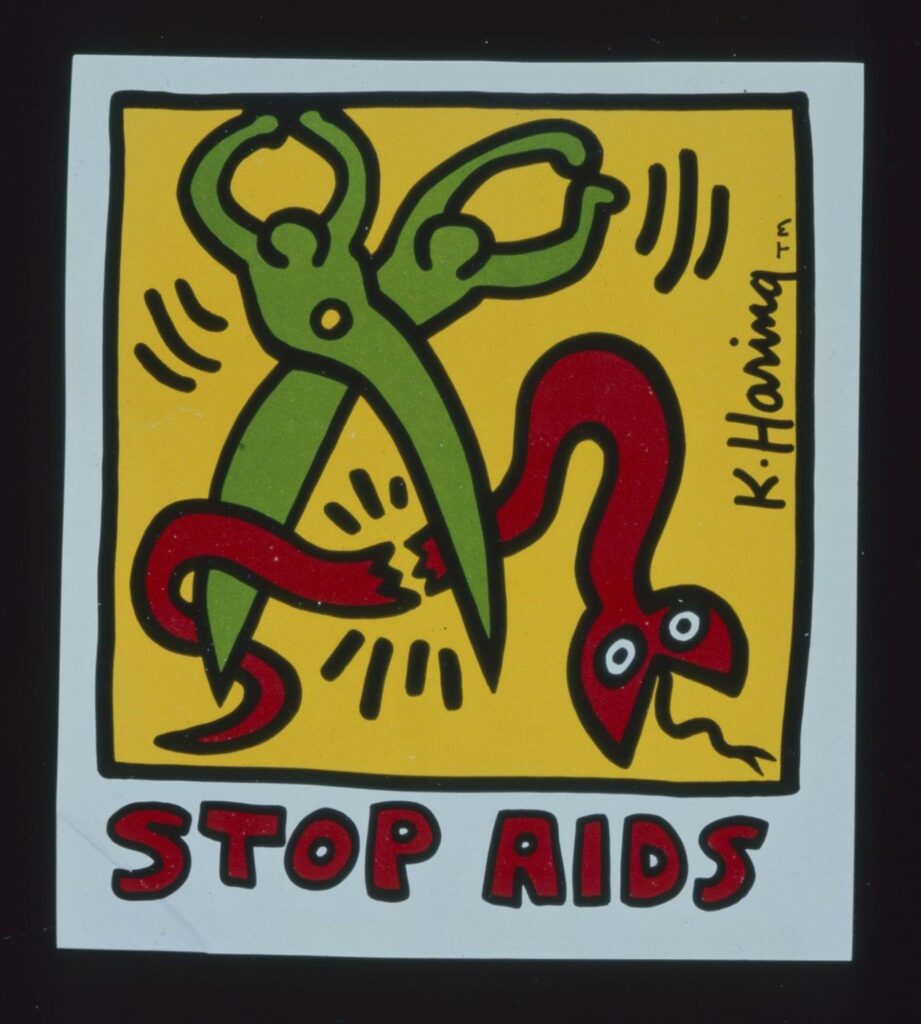
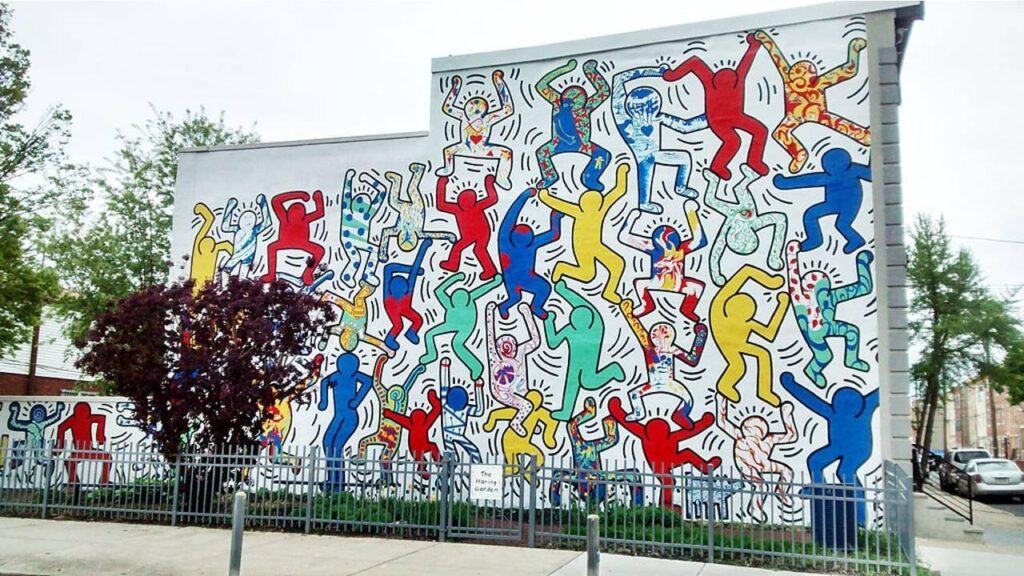
Few artists blurred the line between art and activism as effectively as Keith Haring. Known for his bold outlines, energetic figures, and instantly recognizable visual language, Haring believed that art should be accessible to everyone. While his subway drawings and public murals brought contemporary art into everyday spaces, some of his most powerful works emerged during the AIDS crisis of the 1980s, when artists and activists sought ways to respond to a rapidly unfolding public health emergency.
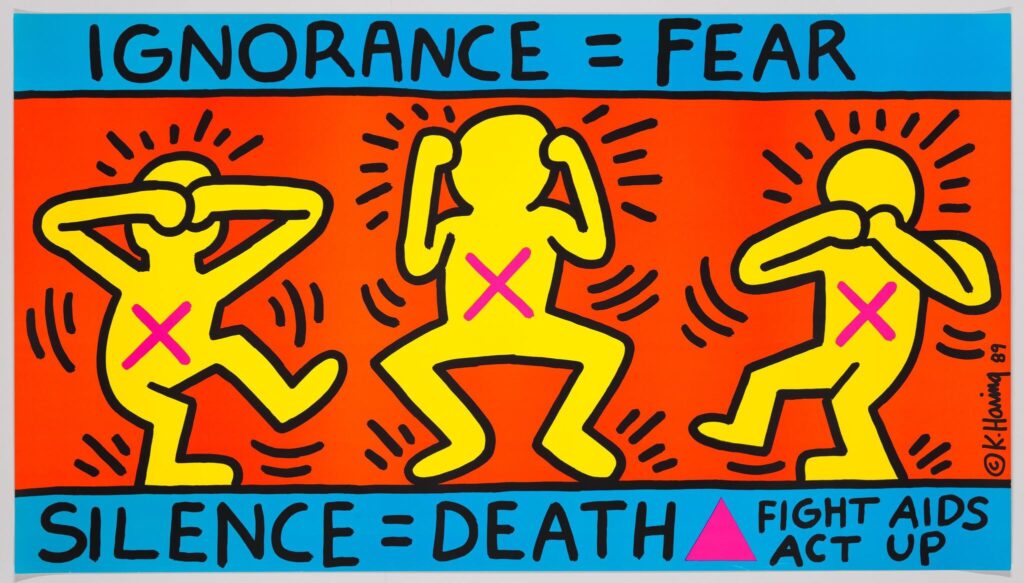
Among these works, Ignorance = Fear (1989) remains one of the most significant. Created as a poster, the image features three bright yellow figures covering their eyes, ears, and mouths, a visual reference to the familiar phrase “see no evil, hear no evil, speak no evil.” Above them, Haring placed the words “Ignorance = Fear” and “Silence = Death,” turning a simple graphic image into a direct call for awareness and action. At a time when misinformation, stigma, and political inaction surrounded the AIDS epidemic, the work challenged viewers to confront the consequences of remaining silent.
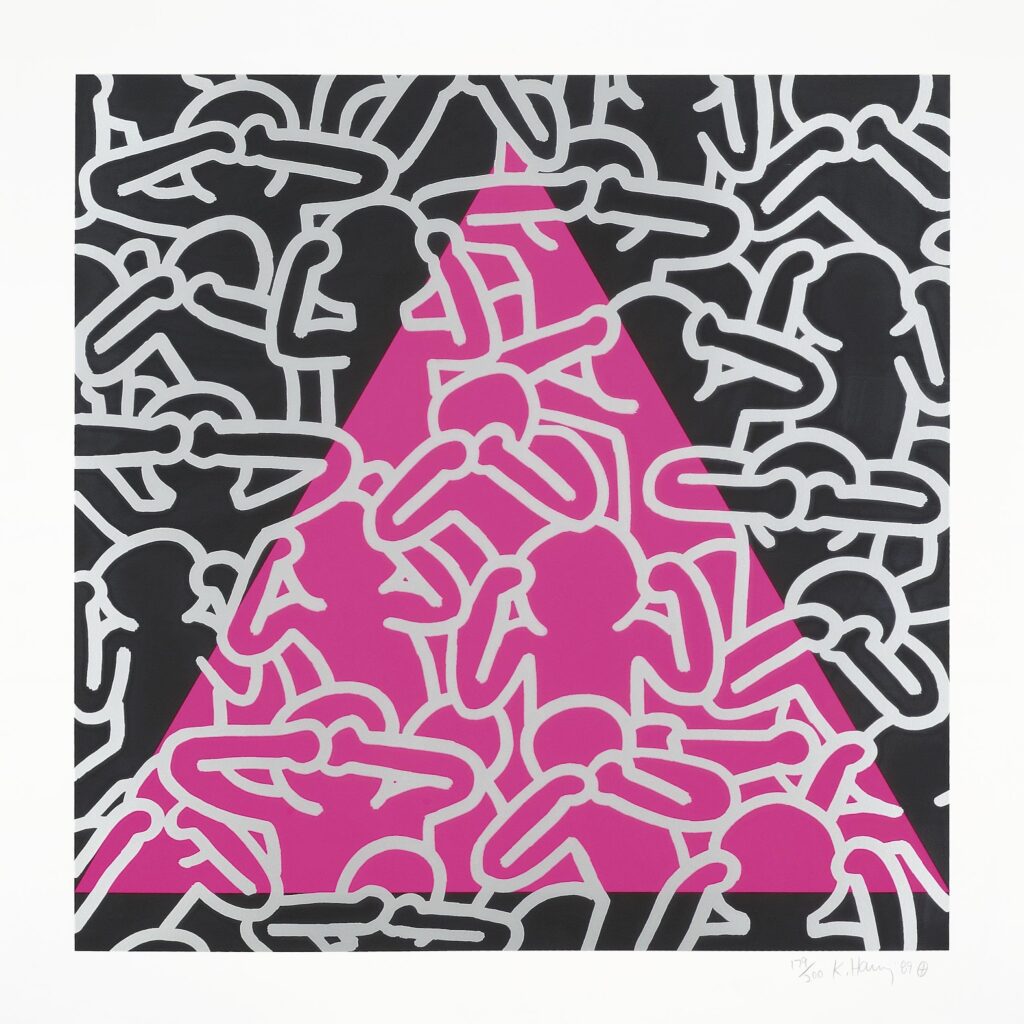
The poster reflected Haring’s belief that art could communicate complex ideas quickly and effectively. Rather than creating work solely for galleries or museums, he often used public spaces, posters, and community projects to reach broader audiences. This approach allowed his messages to circulate far beyond the traditional art world and connected his work to larger conversations about health, equality, and human rights.
Today, Ignorance = Fear is regarded as one of the defining images of AIDS-era activism and LGBTQ+ visual culture. More than three decades later, it continues to be reproduced in exhibitions, books, and educational materials around the world. The work demonstrates how visual art can become a powerful form of communication, transforming a poster into a lasting symbol of awareness, solidarity, and collective responsibility. Through pieces like this, Keith Haring showed that art could do more than reflect society, it could actively participate in shaping it.
David Wojnarowicz (1954–1992)
Arthur Rimbaud in New York: Identity, Belonging, and Life on the Margins
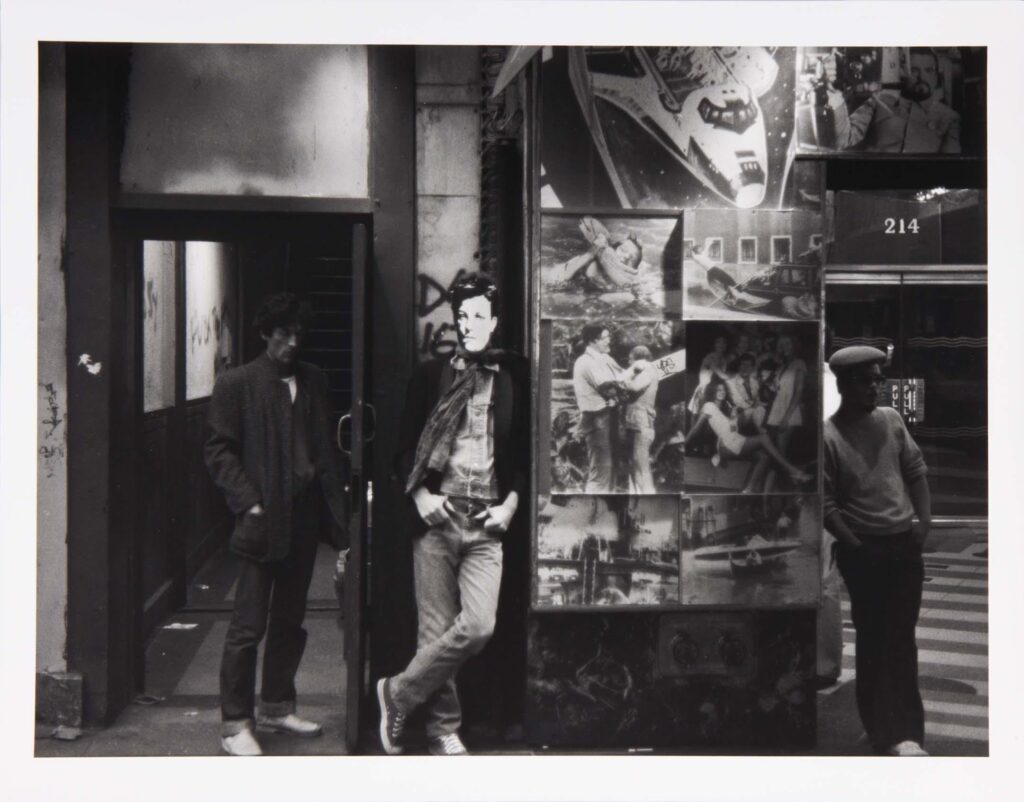
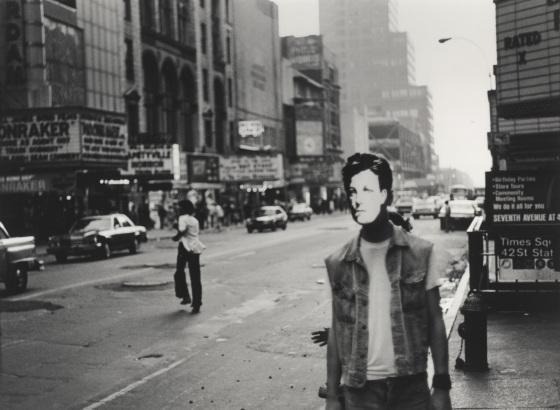
Before David Wojnarowicz became one of the most influential artistic voices of the late twentieth century, he was documenting the world around him through photography, writing, painting, and film. Among his most widely recognized projects is Arthur Rimbaud in New York (1978–79), a photographic series that transformed a nineteenth-century French poet into a symbol for questions of identity, alienation, and belonging in modern urban life.
The series features friends of Wojnarowicz wearing a paper mask of French poet Arthur Rimbaud while standing in locations across New York City. The masked figure appears in subway stations, diners, rooftops, street corners, and other everyday settings. At first glance, the photographs can seem playful or even humorous. Yet beneath the surface lies a deeper exploration of what it means to feel like an outsider. By placing Rimbaud, a poet long associated with rebellion, nonconformity, and artistic freedom, into contemporary American life, Wojnarowicz created a visual metaphor for people navigating spaces where they often felt unseen or misunderstood.
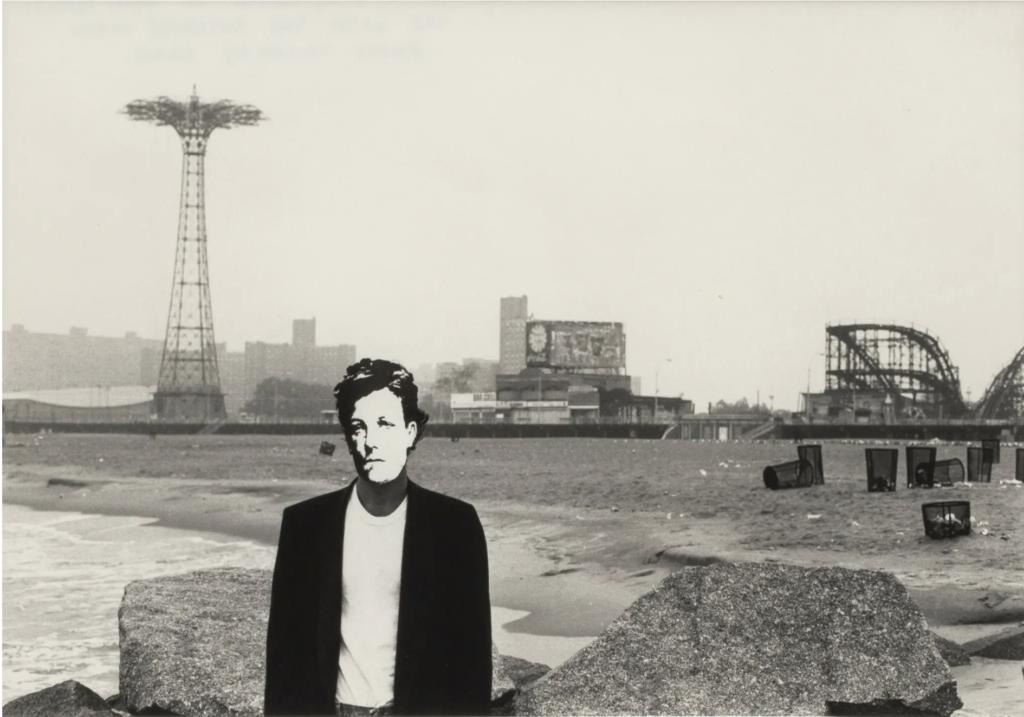
Art historians frequently view the project as an early example of themes that would define Wojnarowicz’s career. His work consistently explored identity, displacement, sexuality, and the experiences of marginalized communities. Rather than presenting straightforward portraits, Arthur Rimbaud in New York uses performance and symbolism to invite viewers into a larger conversation about visibility and belonging. The photographs challenge conventional ideas about who occupies public space and how individuals construct their sense of self within society.
Today, the series remains one of Wojnarowicz’s most celebrated works and a landmark project in contemporary photography. It continues to resonate because its central questions remain relevant: How do people find community? How do they maintain their identity in environments that may not fully accept them? Through a simple paper mask and a camera, Wojnarowicz created a body of work that speaks to those questions with remarkable clarity, securing its place within both contemporary art history and LGBTQ+ cultural history.
Felix Gonzalez-Torres (1957–1996)
Untitled (Portrait of Ross in L.A.): A Powerful Reflection on Love and Loss
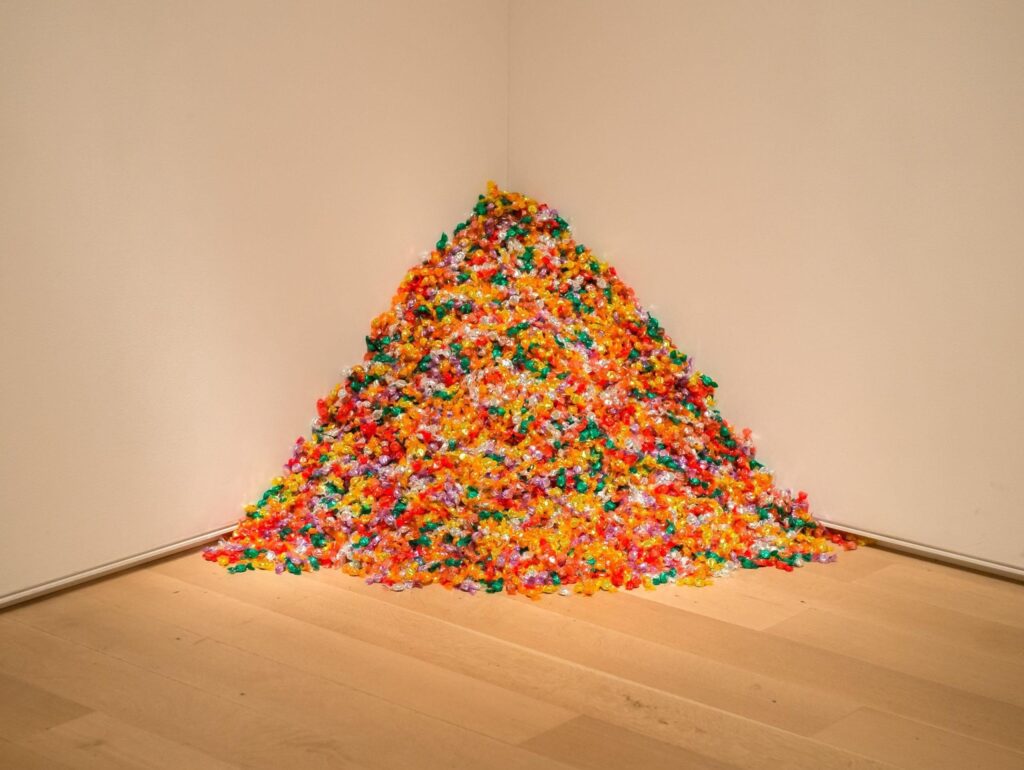
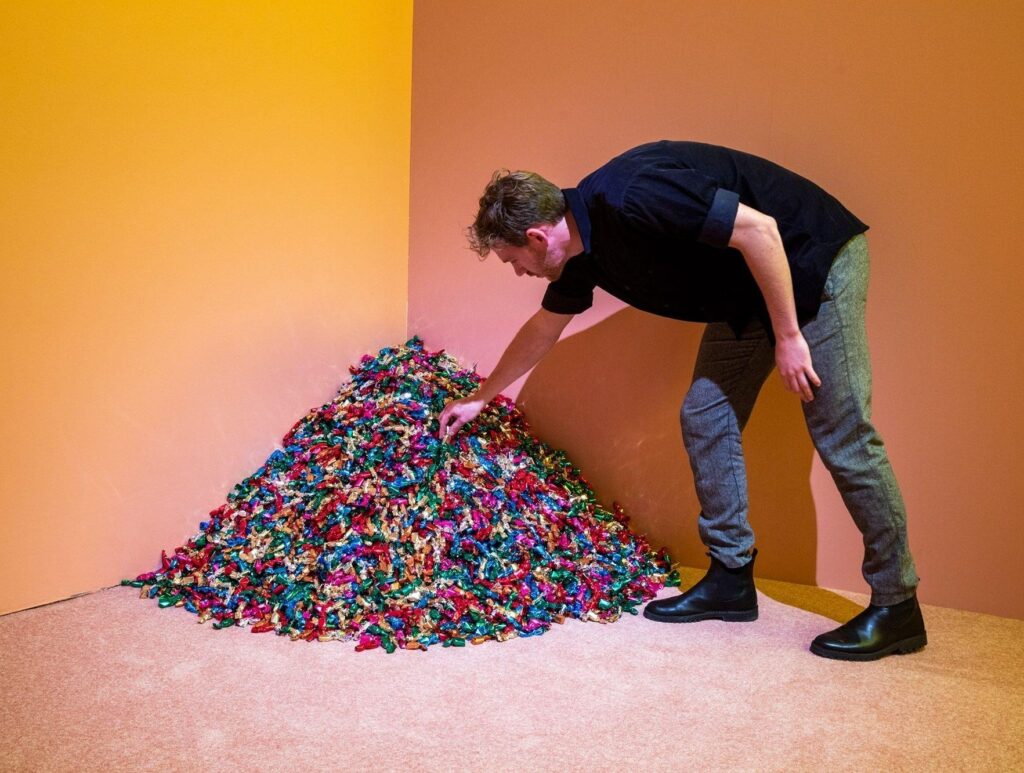
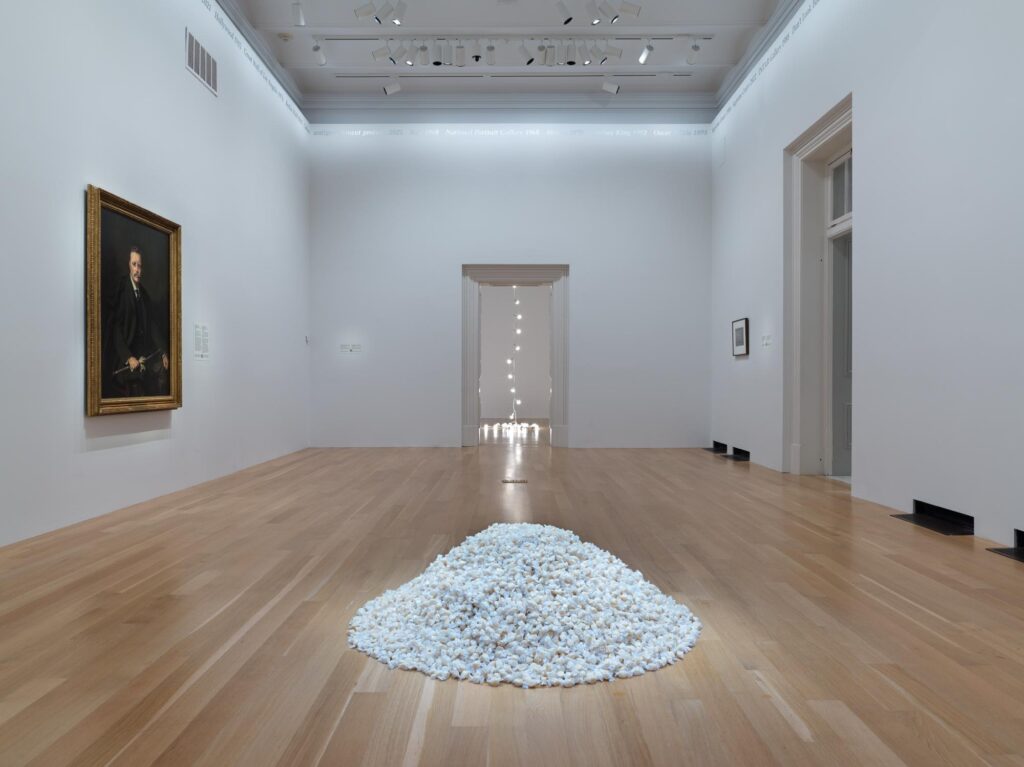
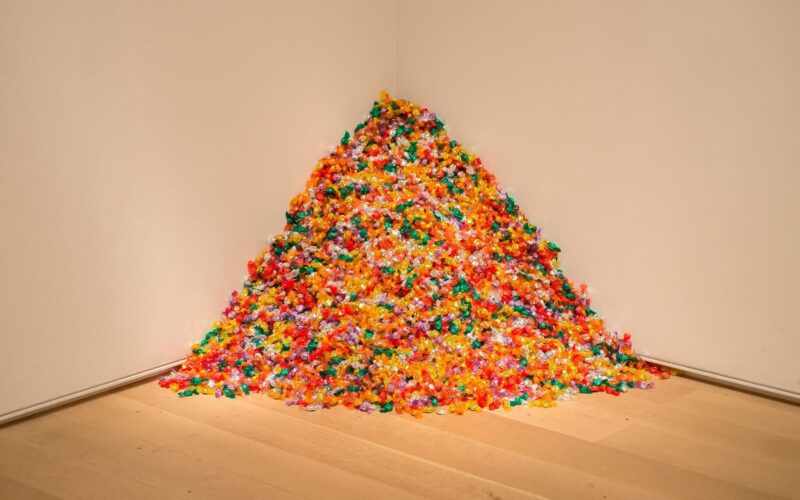
At first glance, Untitled (Portrait of Ross in L.A.) (1991) may not look like a traditional artwork. The installation consists of a pile of brightly wrapped candies placed on the gallery floor, weighing approximately 175 pounds. Visitors are invited to take a piece of candy, gradually reducing the size of the pile over time. Yet behind this deceptively simple concept lies one of the most moving and widely discussed works in contemporary art.
The artwork was created by Felix Gonzalez-Torres in memory of his partner, Ross Laycock, who died from AIDS-related complications in 1991. The ideal weight of the candy pile corresponds to Ross’s healthy body weight, transforming an everyday object into a deeply personal portrait. As visitors remove pieces of candy, the shrinking installation can be interpreted as a reflection of physical loss, fragility, and the devastating impact of the AIDS epidemic. At the same time, museums often replenish the candy, allowing the work to continually renew itself, a gesture many viewers associate with memory, endurance, and love.
What makes Untitled (Portrait of Ross in L.A.) so remarkable is its ability to communicate profound emotions through minimal means. Rather than depicting grief directly, Gonzalez-Torres invites viewers to participate in the artwork. Each person who takes a piece becomes part of the work’s ongoing story, creating a shared experience that blurs the boundary between artist, artwork, and audience.
Today, the installation is regarded as one of the most significant artworks connected to LGBTQ+ cultural history and the AIDS crisis. It has been exhibited in major museums around the world and continues to resonate with audiences who may know little about the historical context in which it was created. Through simplicity, participation, and symbolism, Gonzalez-Torres transformed a pile of candy into a lasting meditation on love, remembrance, and the enduring power of human connection.
Zanele Muholi
Faces and Phases: Building a Visual Archive of Lives Often Left Out of History
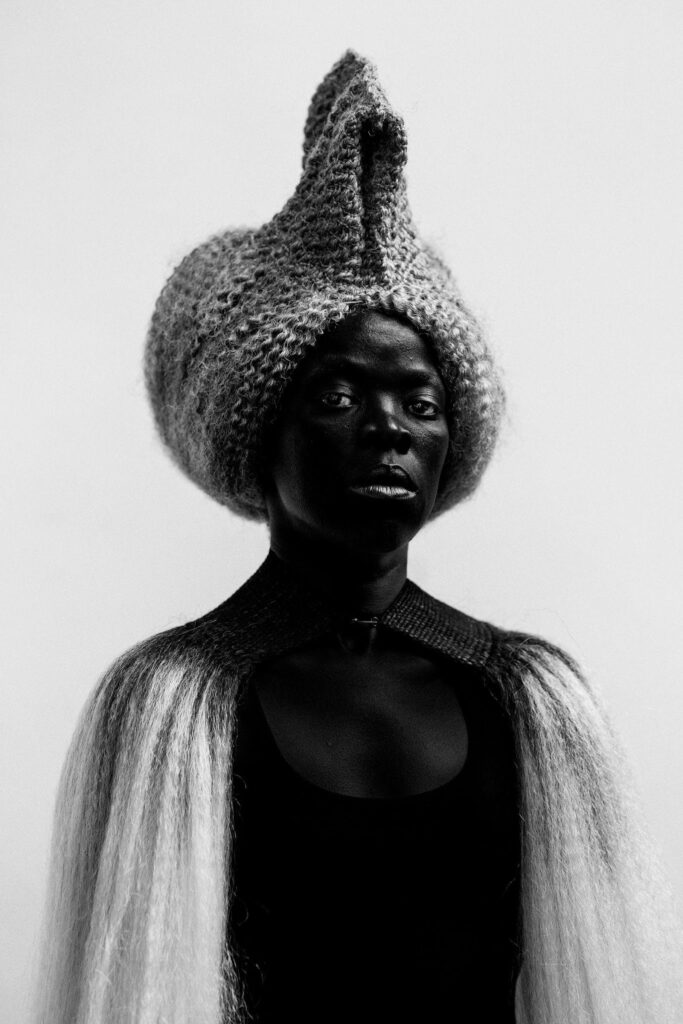
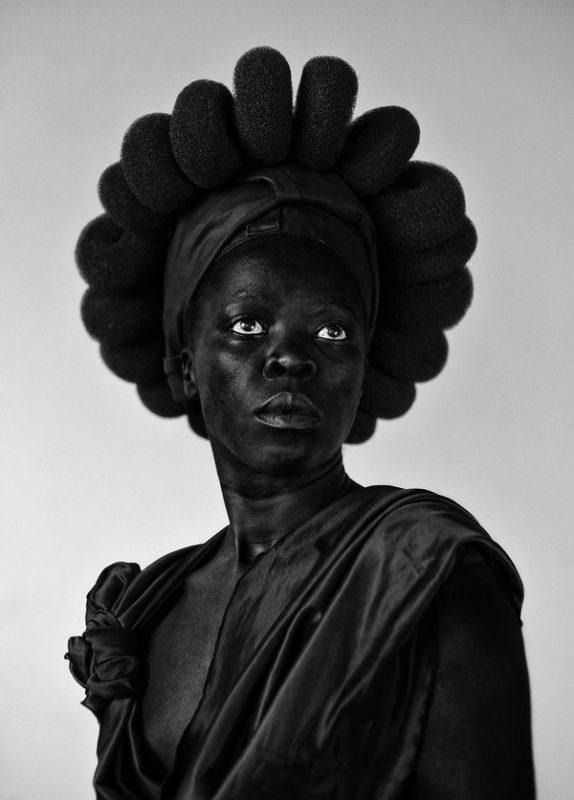
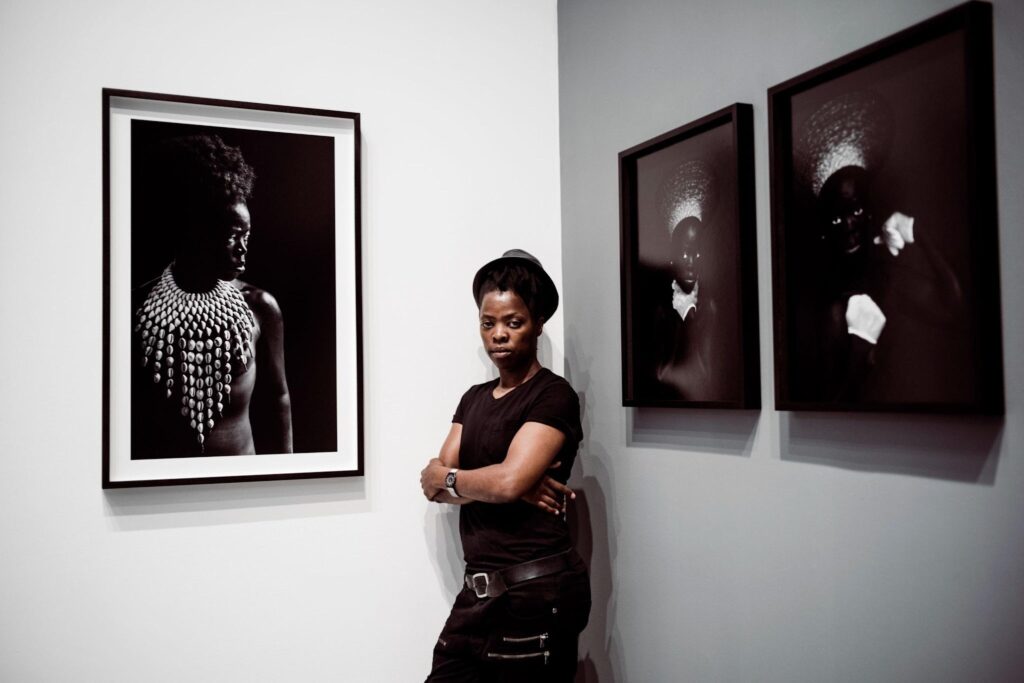
When Zanele Muholi began Faces and Phases in 2006, the project started as a portrait series. Over time, however, it evolved into something much larger: an ongoing visual archive documenting Black lesbian, queer, transgender, and gender-nonconforming individuals in South Africa. Through hundreds of carefully composed black-and-white photographs, Muholi has created one of the most significant bodies of work exploring visibility, identity, and community in contemporary photography.
The title itself carries meaning. “Faces” refers to the people being photographed, while “Phases” acknowledges the evolving journeys and experiences that shape individual lives. Rather than treating portraiture as simple documentation, Muholi approaches each image as an act of recognition. Subjects often meet the viewer’s gaze directly, creating a sense of presence and dignity that encourages viewers to engage with them as individuals rather than symbols. The result is a collection of portraits that feels deeply personal while also serving as a broader record of community and history.
Muholi has frequently described their work as “visual activism,” a term that reflects the project’s purpose beyond the gallery space. While South Africa’s constitution is among the most progressive in the world regarding LGBTQ+ rights, many individuals continue to face discrimination and violence. Faces and Phases responds by creating a space where people can be seen, remembered, and represented on their own terms. In this way, the series functions both as art and as an archive, preserving stories that might otherwise be overlooked or forgotten.
Today, Faces and Phases is recognized as one of the most important photographic projects of the twenty-first century. Exhibited internationally, the series has expanded conversations about representation while demonstrating the power of portraiture as a tool for documentation and cultural memory. Through these images, Muholi has created a lasting record of resilience, visibility, and community, one that continues to grow and inspire audiences around the world.
The artists featured in this list worked across different countries, movements, and generations, yet their artworks share a common thread: they expanded the possibilities of what art could express. Whether through photography, painting, public murals, or conceptual installations, each artist created work that continues to resonate because it speaks to deeply human experiences, identity, belonging, love, memory, resilience, and self-expression.
What makes these works so enduring is that they are not simply historical artifacts. They continue to invite new interpretations, inspire contemporary artists, and encourage viewers to engage with perspectives that may differ from their own. In many ways, they remind us that art has the power to preserve stories, challenge assumptions, and create connections across time and place.
As we celebrate Pride Month, revisiting these artists and their work offers an opportunity to reflect on the role creativity plays in shaping culture and expanding conversations around representation. Their contributions continue to enrich art history while inspiring future generations to tell their own stories through creative expression.
Who would be your pick for a ninth artist on this list?
If you’re interested in the stories and symbolism behind iconic artworks, you might also enjoy exploring how mystery and myth have shaped art history in our feature on paintings that many believed carried a dark reputation: Paintings People Believed Were Cursed.