

Artists On Rest
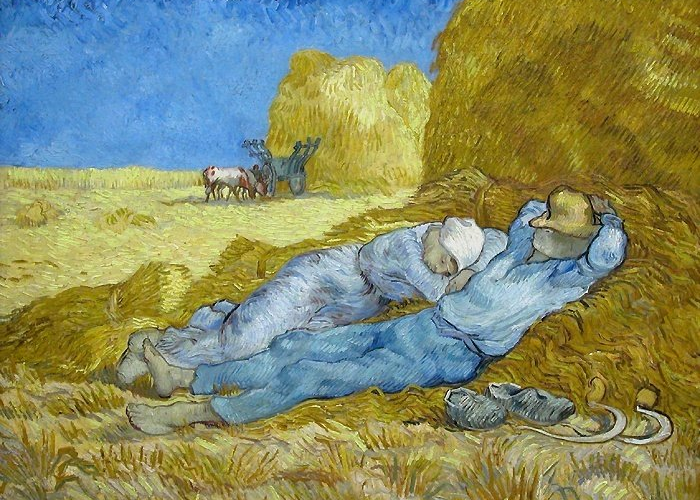
10 Artists Share Their Thoughts On Rest, Slowing Down, and Taking Care of Yourself
As artists, we often talk about the importance of showing up, staying inspired, experimenting with new ideas, and continuing to create even when things get difficult. We celebrate the finished paintings, the exhibitions, the projects, and all the little milestones that make an artistic journey worthwhile. But there is another part of being an artist that deserves just as much attention: knowing when to stop and give yourself a break.
Creative work can be incredibly fulfilling, but it can also be exhausting. Between deadlines, personal projects, financial pressures, expectations, and the constant desire to make something meaningful, it is easy to forget that artists are people before they are creators. Sometimes, you need to step away from the canvas, put your camera down, close your sketchbook, and allow yourself to simply exist without thinking about what you should be making next.
And rest does not always mean sleeping or doing absolutely nothing. It can mean spending an afternoon outdoors, taking a long walk, reading a book, enjoying time with loved ones, or allowing yourself a few days without worrying about your next creative project.
In fact, stepping away from your work can sometimes be exactly what you need to reconnect with it.
Here’s what ten artists from different creative backgrounds have to say on rest, creative burnout, slowing down, and looking after yourself. Their words are gentle reminders that taking a break does not make you any less dedicated to your art. You deserve the same care and attention that you give to your creative practice.
1. Amoke Awele Kubat: Give Yourself Permission To Rest
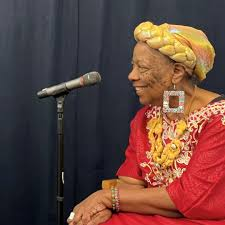
“Rest is very important for us to rejuvenate on all levels.”
Artist, writer, and storyteller Amoke Awele Kubat has a beautiful way of thinking about rest. In an interview for the Minnesota Museum of American Art’s Im/perfect Slumbers exhibition, she spoke about the importance of allowing ourselves to slow down, sleep when we are tired, and stop feeling guilty about not being productive every moment of the day.
Kubat reflected on how easily people fall into the habit of pushing themselves beyond their limits. Between work, family responsibilities, and the pressure to keep up with everyday life, rest can start to feel like something we have to earn.
She also shared something particularly important: we need to be kind to ourselves before we can truly care for others. After years of trying to do everything while barely sleeping, she came to recognise how much that constant exhaustion had taken from her.
Her words are a lovely reminder that resting is not a sign of laziness or a lack of ambition. Sometimes, the kindest thing you can do for yourself is put everything aside, get comfortable, and allow yourself to recharge.
2. Ileana García Magoda: Learn To Slow Down
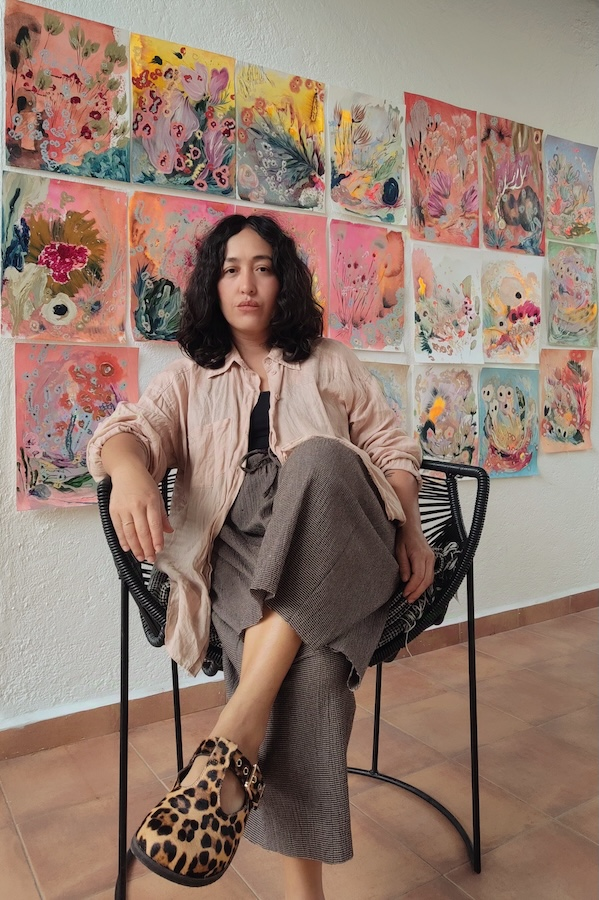
“I honestly think the slower you’re able to go, the richer you are.”
Mexican painter Ileana García Magoda offers a refreshing perspective on the relationship between creativity, time, and wellbeing. In an interview with The Creative Independent, she spoke about how changing her relationship with time and learning to listen to her body had also changed the way she approached painting.
After years of working in demanding creative industries, health challenges encouraged her to reconsider how she spent her days. She began paying closer attention to nature, observing plants, spending time in her garden, and allowing herself to move at a gentler pace.
She explained that time spent away from the canvas can become part of the artistic process too. Watching plants, noticing changes in the light, or simply being outdoors can offer experiences that eventually find their way into an artwork.
There is something particularly lovely about this idea. We sometimes become so focused on making things that we forget to experience the world around us. But artists need those experiences, too. Not every meaningful moment has to result in a finished piece of work. Sometimes, simply being present is enough.
3. Woody De Othello: Step Outside And Let Your Mind Wander
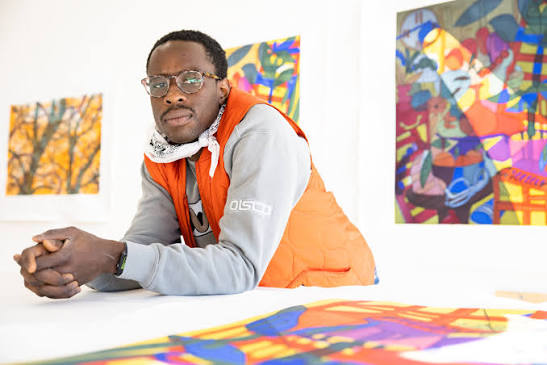
“I take a break and get outside in nature somewhere, usually go on a nice hike or run, maybe ride my bike and make a nice meal.”
American artist Woody De Othello is known for his distinctive ceramic sculptures and paintings, often incorporating everyday objects, furniture, and references to the human body. His work encourages viewers to look at familiar things in unfamiliar ways.
In a conversation featured by Artnet, Othello shared how he approaches creative blocks. Rather than sitting in the studio and forcing himself to come up with an idea, he prefers to step away, spend time outdoors, move his body, and enjoy a good meal.
He also emphasised the importance of getting proper rest and trusting that things will eventually work out.
This is a lovely reminder for anyone who has ever spent hours staring at an unfinished painting, feeling frustrated because nothing seems to be coming together. Sometimes, the answer isn’t another hour of trying harder. It might be a walk, a change of scenery, or an afternoon spent doing something completely unrelated to art.
You can always return to the studio when you feel ready.
4. Frida Orupabo: You Don’t Always Have To Be Creating
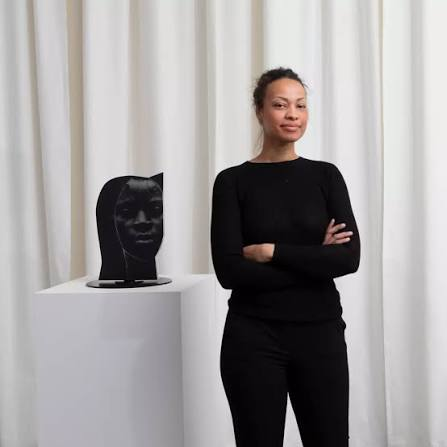
“I have been resting a lot more than usual, moving at a slow speed.”
Norwegian-Nigerian artist Frida Orupabo is known for her thought-provoking collage works, which explore identity, race, gender, representation, and the body.
In a conversation with curator Zoé Whitley, published by Galerie Nordenhake, Orupabo reflected on how her creative process had changed during a period of uncertainty. She spoke about experiencing days when creating felt more intense and others when it simply wasn’t happening.
Rather than forcing herself to maintain a constant level of productivity, she allowed herself to rest more and move at a slower pace.
Her words are particularly meaningful because artists can sometimes feel pressured to produce work continuously, especially when they are building a career or trying to maintain visibility. There can be an expectation to always have something new to share, whether it is a finished artwork, a studio update, or an exciting project.
But creativity does not always follow a predictable schedule. Some days are full of ideas, while others are better spent stepping back and taking care of yourself.
And both are perfectly valid parts of an artistic life.
5. Hunter Shaw: Let Yourself Have A Day Off
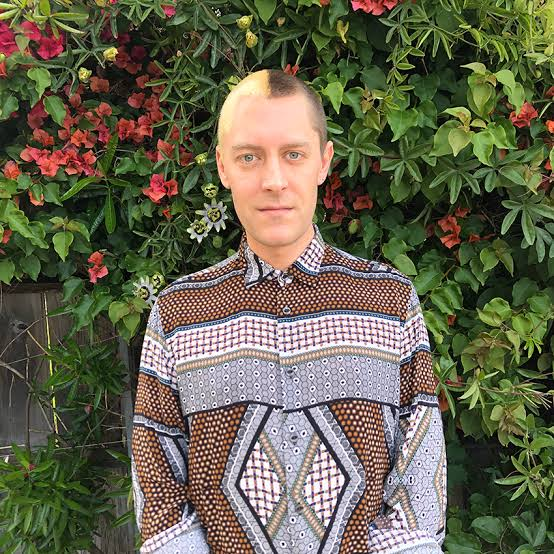
“If you need to rest, if you need to binge-watch whatever, do it.”
Artist Hunter Shaw shared this wonderfully reassuring thought in a conversation with Contemporary Art Review Los Angeles about making art during a particularly uncertain period.
When discussing the pressure artists sometimes feel to remain productive, Shaw challenged the expectation that everyone must emerge from difficult circumstances with an impressive collection of new work.
He explained that if working feels therapeutic and healthy, there is nothing wrong with continuing to create. But if someone needs to rest, watch television, or spend their time doing something else, they should feel free to do that too.
It is such a simple thought, but one that many creatives need to hear.
You do not have to turn every difficult experience into inspiration. You do not need to make something beautiful out of every emotion, and you certainly do not need to prove your dedication by working through exhaustion.
Sometimes, a completely ordinary day spent doing absolutely nothing related to your artistic practice is exactly what you need.
6. Alanis Morissette: Take Care Of Yourself Before Looking For Inspiration
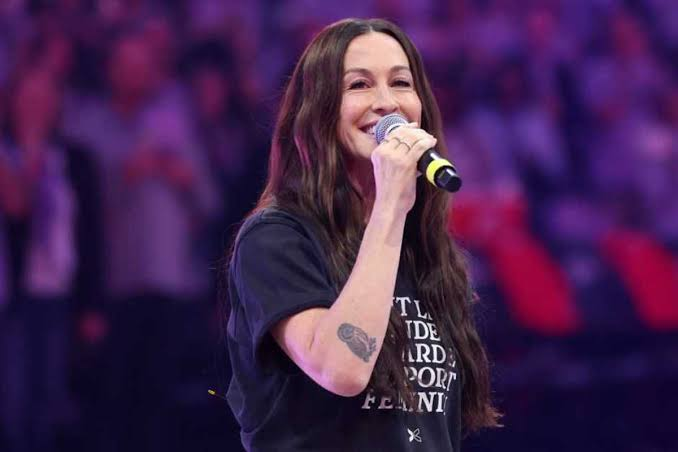
“When I take care of myself, I am always filled with inspiration to express something.”
Singer-songwriter Alanis Morissette has an interesting perspective on creative blocks. In an interview with the Omega Institute, she spoke about the everyday practices that help her maintain her creativity, particularly while travelling and working.
Her routine includes cooking, meditation, exercise, conversations with friends, spending time in the sun, and enjoying the little things that make everyday life feel fulfilling.
When asked how she deals with moments when she does not feel inspired to write, Morissette explained that she does not necessarily see them as creative blocks. Sometimes, it simply means she should not be writing at that particular moment. Perhaps she needs to make a sandwich, watch a movie, or get some rest instead.
Her approach is a lovely reminder that creativity and wellbeing are closely connected. We cannot expect ourselves to be endlessly imaginative while neglecting the very things that help us feel good.
Sometimes, looking after yourself is the most productive thing you can do for your creative practice.
7. Hayley Williams: Saying No Can Be An Act Of Self-Care
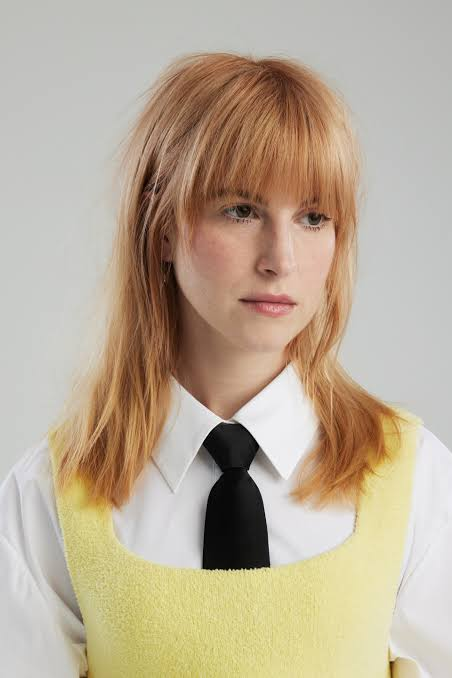
“Sometimes, saying ‘no’ is just as lucrative as saying ‘yes.’”
Hayley Williams, the lead singer of Paramore, has spoken openly about the pressures of working in the music industry and the importance of recognising when you need a break.
In an interview with Spotify for Artists, she reflected on the band’s experiences with burnout, the challenges of navigating success at a young age, and the importance of prioritising mental health.
Paramore took breaks from touring and working together, giving the members time to focus on their individual lives and creative interests. Williams explained that these pauses were beneficial not only for their mental and emotional wellbeing but also for their relationship with music.
She particularly highlighted how difficult it can be for successful artists to admit that they are struggling or need help. There can be an expectation to remain grateful, available, and constantly productive, even when the demands become overwhelming.
Her words offer an important lesson for creatives at every stage of their careers. Not every opportunity needs to be accepted, and not every request deserves an immediate yes.
Protecting your time, setting boundaries, and giving yourself room to breathe can be just as important as pursuing the next exciting opportunity.
8. Joaquin Lopez: Remember That Your Body Has Limits
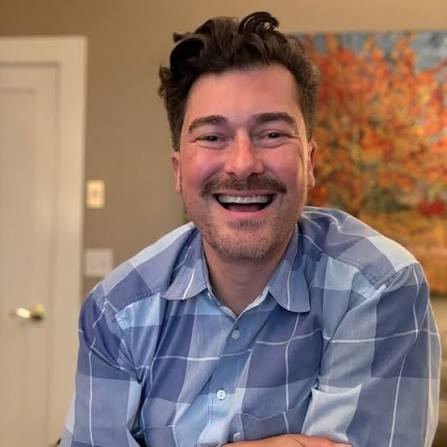
“My mind is endless, but the body is finite, right?”
Musician, actor, performer, and counsellor Joaquin Lopez shared this thought during a conversation on the More Devotedly podcast about how artists can take care of themselves and avoid burnout.
When asked what he would say to an artist who felt completely exhausted and wanted to stop working, Lopez offered a rather straightforward answer: stop, take a rest, and return when you have a little more perspective.
He spoke about his own experiences with overworking, particularly the pressure to make everyone happy and prove himself by doing more than was actually expected of him.
Over time, he realised that constantly going above and beyond was not always necessary. Learning to establish boundaries and recognise what was genuinely required of him made a difference.
His words are especially relevant for artists who juggle their creative practices with other jobs, responsibilities, and personal commitments. It is easy to forget that our imagination may have endless possibilities, but our bodies still need sleep, nourishment, movement, and time away from work.
You do not have to exhaust yourself to prove how much you love what you do.
9. Machine Woman: Make Time For The Things That Make You Feel Good
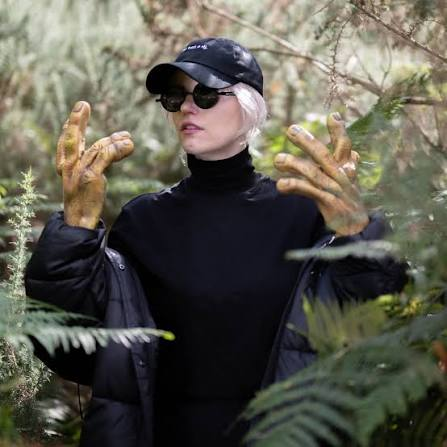
“It’s important to look after your health, and mental health. Taking regular breaks away from your music.”
Electronic music producer and DJ Machine Woman shared some thoughtful advice on avoiding creative burnout in an interview published by LANDR.
Her approach to maintaining a healthy creative practice includes taking walks, enjoying a coffee or tea, reading books, switching off from music, and developing a routine that leaves room for experiences outside of work.
She also highlighted something that many artists struggle with: comparing themselves to others.
When surrounded by people who seem to be constantly creating, exhibiting, releasing music, or achieving new milestones, it is easy to feel as though you are not doing enough. But constantly measuring your progress against someone else’s can take away the enjoyment of your own journey.
Machine Woman encourages artists to give themselves permission to step away when the pressure starts building. She also reminds them that asking for help is perfectly okay.
Sometimes, taking care of your creative practice begins with taking care of the person behind it.
10. Milena Pafundi: Find Inspiration Outside Your Usual Creative Routine
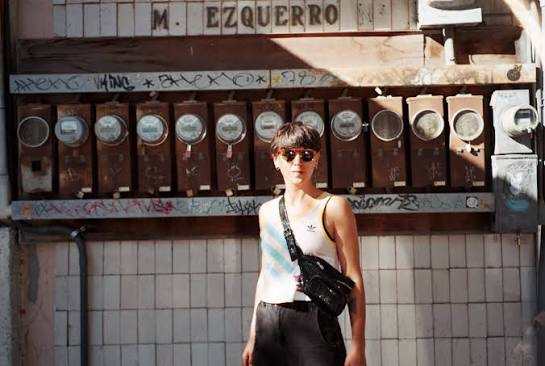
“One of the forms that I find as relaxing for mental rest is research.”
Artist Milena Pafundi offers a slightly different perspective on taking a break. For her, rest does not necessarily mean stepping away from everything creative. Sometimes, it means changing the way she engages with it.
In her conversation with LANDR about creative burnout, Pafundi explained that when she feels exhausted, she turns to reading, watching films, exploring tutorials, and learning more about the subjects she is interested in.
She also enjoys spending time with her friends and connecting with other artists as they work through their own creative processes. Seeing how other people approach their ideas can be both relaxing and inspiring.
There is something lovely about this approach because it reminds us that creativity does not have to be a constant cycle of producing and finishing things. Sometimes, it can be about absorbing new experiences, exploring unfamiliar subjects, and allowing your curiosity to take the lead.
You might not be making anything at that moment, but you are still giving yourself opportunities to grow, discover, and reconnect with the things that make creating enjoyable in the first place.
Find out what artists have to say about color and joy.
A Final Thought: You Deserve A Break, Too
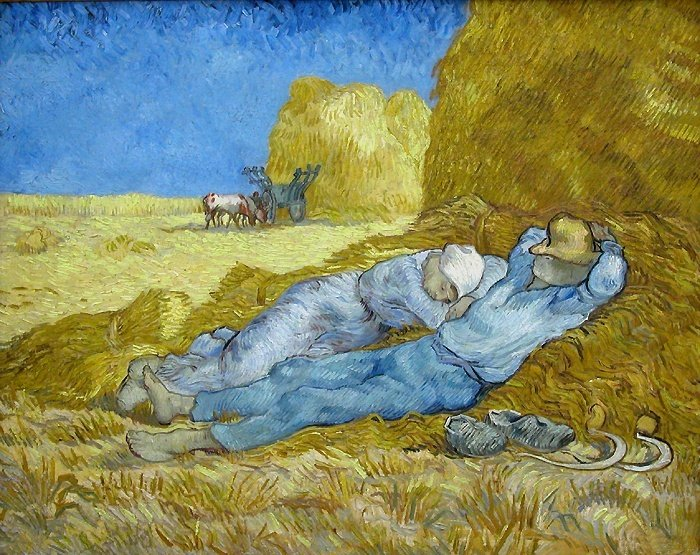
Perhaps one of the most important things to remember as an artist is that your creative practice is only one part of your life. It can be a source of happiness, fulfilment, connection, and even comfort, but it should not come at the expense of your wellbeing.
There will be days when you feel full of ideas and cannot wait to get back to your studio. There will also be days when you would rather spend the afternoon reading, taking a walk, catching up with a friend, or simply getting some extra sleep. Neither makes you a better or worse artist.
You do not have to turn every experience into artwork, meet every deadline at the cost of your health, or constantly prove that you are working hard enough. Your creativity deserves patience, and so do you.
So, the next time you feel exhausted, uninspired, or overwhelmed, consider giving yourself permission to pause. Put your work aside for a little while. Enjoy the world beyond your studio, take care of your body and mind, and let yourself experience life without the pressure of having to create something from it.Your art will still be there when you return. And so will you.