




5 Art Scandals and Forgeries That Shocked the Art World
The art world has always been fascinated by masterpieces. A painting attributed to a celebrated artist can attract millions of dollars, find its way into prestigious collections, and become part of art history. But what happens when a masterpiece turns out to be a very convincing lie?
Art forgery has a long and complicated history. Some forgers have spent years studying the techniques of famous painters, while others have gone much further, creating entire histories of imaginary artworks to convince buyers that their discoveries are genuine. And surprisingly, some of these fakes have fooled people who have spent their entire careers studying art.
From a fake Vermeer that ended up in a Nazi collection to a family producing supposedly ancient Egyptian treasures in a garden shed, these five stories reveal some of the most extraordinary moments of deception in art history.
1. Han van Meegeren: The Man Who Fooled the Vermeer Experts
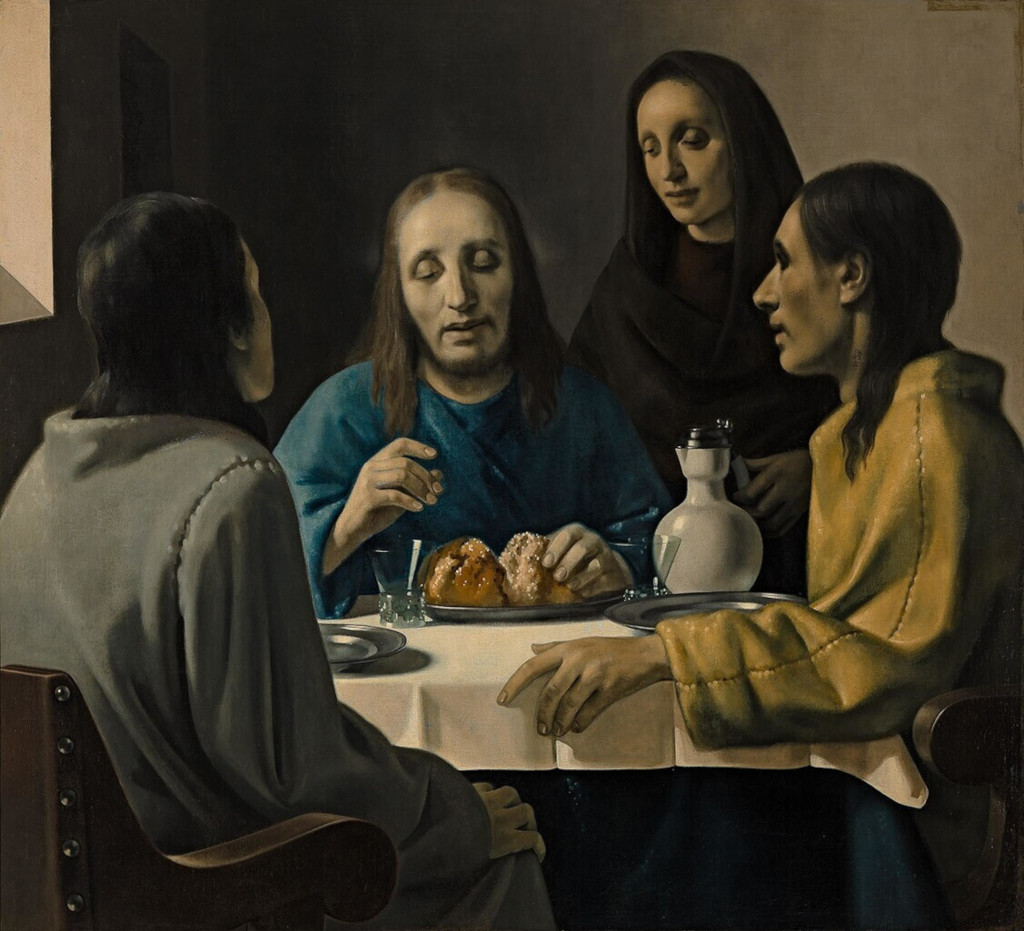
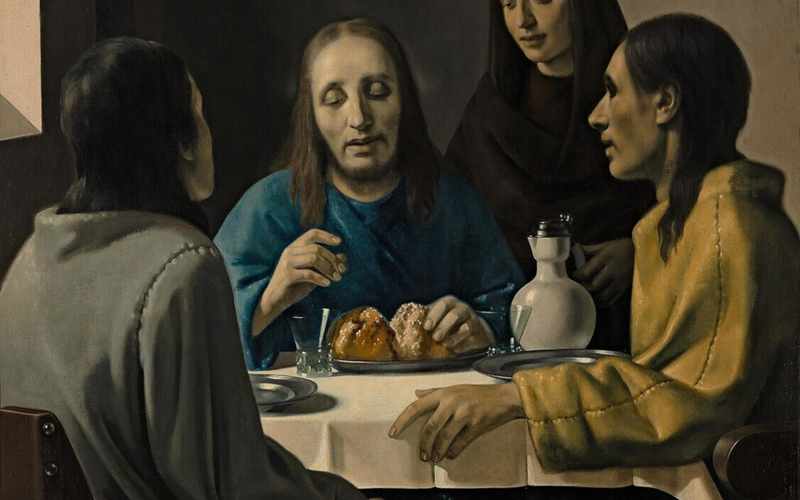
Few art forgery stories are as extraordinary as that of Han van Meegeren, a Dutch painter who managed to convince respected art experts that his own paintings belonged to one of the greatest artists of the Dutch Golden Age, Johannes Vermeer.
Van Meegeren was a talented painter, but his own work never received the recognition he wanted. Frustrated by the art establishment, he decided to prove just how easily its experts could be fooled. He began producing paintings that looked as though they had been created centuries earlier, carefully imitating the techniques and visual language of seventeenth-century Dutch painting.
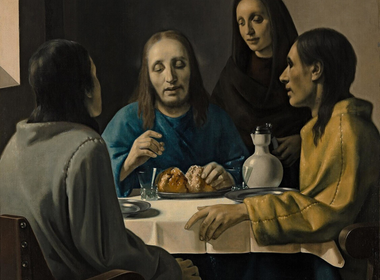
His most famous forgery was The Supper at Emmaus, which he presented as a previously undiscovered work by Vermeer. The painting depicted a biblical scene in the artist’s familiar style and was enthusiastically received by prominent art historian Abraham Bredius, who considered it an exceptional discovery.
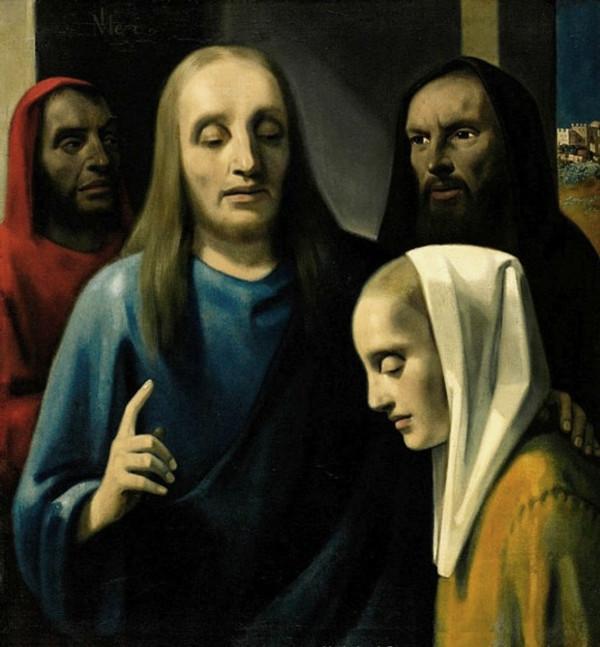
In 1938, the painting was purchased for the Museum Boijmans in Rotterdam for 520,000 Dutch guilders, an enormous sum at the time. But the story took an even more dramatic turn during the Second World War. One of Van Meegeren’s supposed Vermeer paintings, Christ and the Adulteress, ended up in the collection of Hermann Göring, one of Hitler’s most powerful associates.
After the war, Van Meegeren was arrested on suspicion of collaborating with the Nazis by selling Dutch cultural heritage to Göring. Facing a potentially devastating charge, he made an astonishing confession: the painting was not a Vermeer. He had painted it himself.
To prove his claim, he even produced another painting in the style of Vermeer while under observation during his trial.
Van Meegeren was eventually convicted of forgery and fraud in 1947. His story became one of the most famous reminders that even celebrated experts can be misled when an artwork comes with a convincing story.
2. Wolfgang Beltracchi: The Forger Who Invented Missing Masterpieces

What if someone created an entirely new painting in the style of a famous artist and convinced the world that it was a lost masterpiece?
That was essentially the business of German art forger Wolfgang Beltracchi. Unlike forgers who simply copied existing paintings, Beltracchi created original compositions that looked as though they could have been painted by celebrated modern artists. His imitations included works attributed to Max Ernst, Heinrich Campendonk, André Derain, and other well-known figures.
But painting convincingly was only one part of his operation. Beltracchi and his wife, Helene, also created false histories for the artworks. They invented collections, fabricated documents, and used photographs to make it appear that the paintings had existed decades earlier.
One of the most notorious examples was Red Picture with Horses, attributed to German Expressionist painter Heinrich Campendonk. The painting reportedly sold for €2.8 million in 2006.
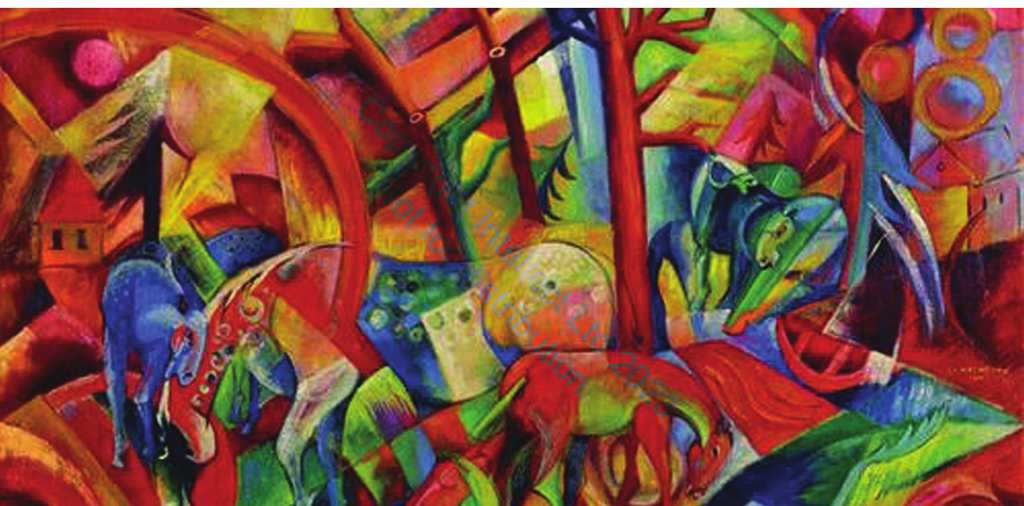
For years, the operation continued to deceive the art market. The turning point came when scientific analysis revealed traces of titanium white in the painting, a pigment that was not available when the supposed original was created in 1914.
This seemingly small technical detail exposed the larger deception. In 2011, Wolfgang Beltracchi was sentenced to six years in prison, while his wife received a four-year sentence. Their case involved 14 works at the center of the criminal proceedings, with investigators uncovering a much wider network of suspected forgeries.
What makes this story particularly fascinating is that Beltracchi was not simply reproducing the work of famous artists. He was inventing paintings that art historians had never seen before and giving them convincing histories.
3. The Knoedler Gallery Scandal: When a Prestigious Gallery Sold Fake Masterpieces
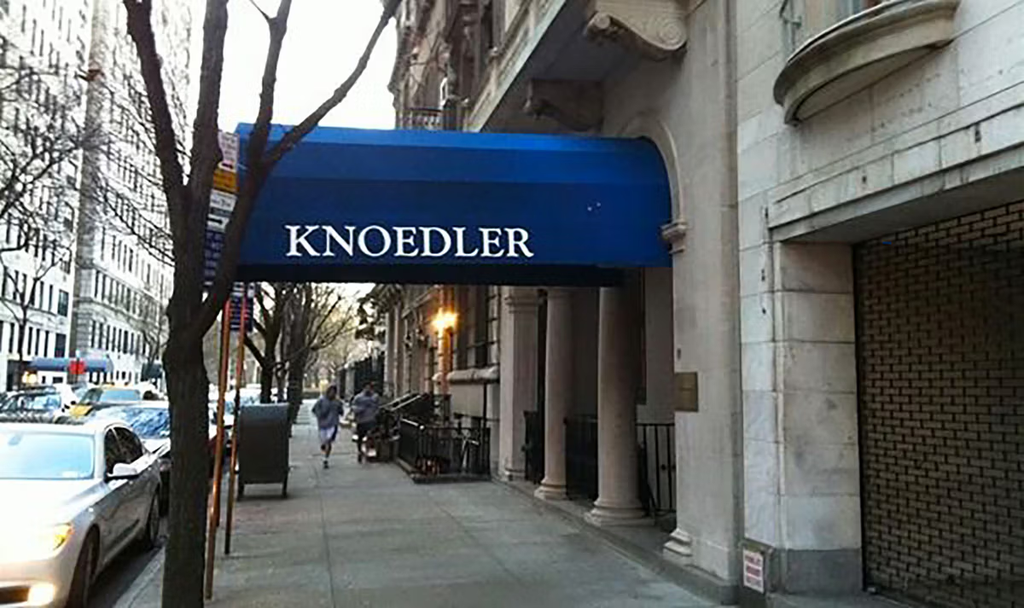
Not every art forgery scandal begins in a secret workshop. Sometimes, it unfolds inside one of the most respected galleries in the art world.
Knoedler & Company was one of New York’s oldest art galleries, with a history stretching back to the nineteenth century. Its reputation made the events surrounding its closure in 2011 particularly shocking.
For years, the gallery had been selling paintings attributed to major Abstract Expressionist artists, including Jackson Pollock, Mark Rothko, and Robert Motherwell.
The paintings were supposedly part of a private collection belonging to an anonymous collector known as “Mr. X.” A dealer named Glafira Rosales claimed to represent this mysterious owner and supplied the works to the gallery.
There was just one problem: the paintings were not authentic. The works had actually been created by Pei-Shen Qian, a Chinese-born artist living in Queens, New York. He painted them in the styles of famous American artists, while the people behind the operation supplied the false stories that made the paintings appear genuine.
Some of these works sold for millions of dollars. One painting attributed to Jackson Pollock was sold for $17 million, while another supposedly by Mark Rothko was purchased for $8.3 million.
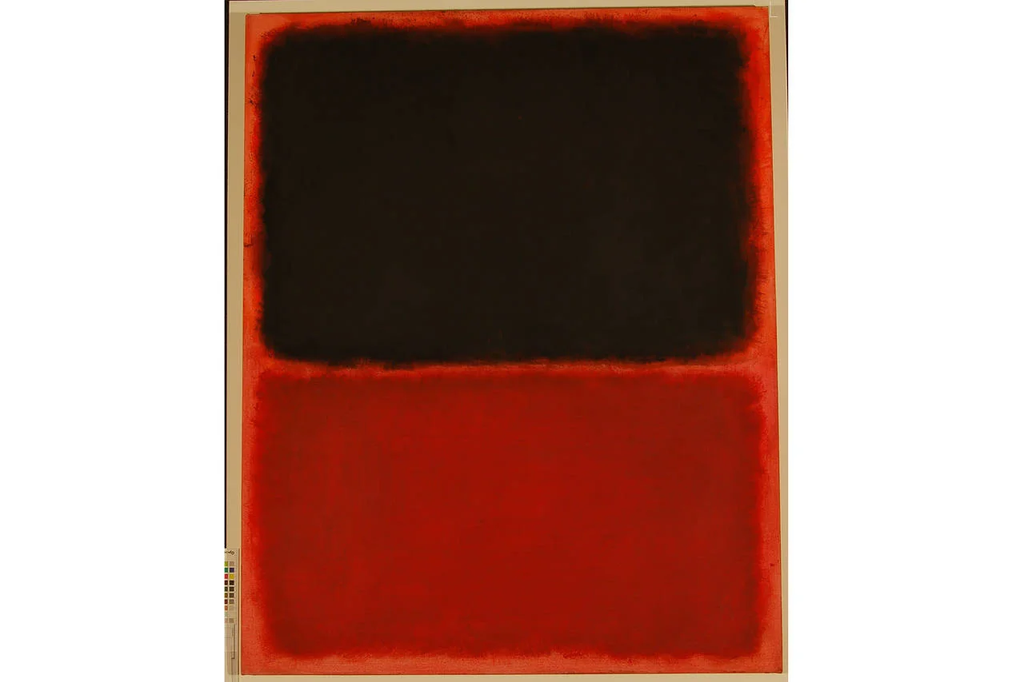
When questions about authenticity began to surface, the scandal quickly grew into a series of lawsuits and investigations. Rosales eventually pleaded guilty to fraud-related charges, admitting that the paintings she had supplied were fake. Knoedler Gallery closed in November 2011 after 165 years in business.
The scandal raised serious questions about how much trust buyers place in prestigious galleries and how carefully artworks are authenticated before being sold. It also demonstrated how an established reputation can sometimes become part of the deception itself.
4. Shaun Greenhalgh: The Family Making Fake Art in a Garden Shed
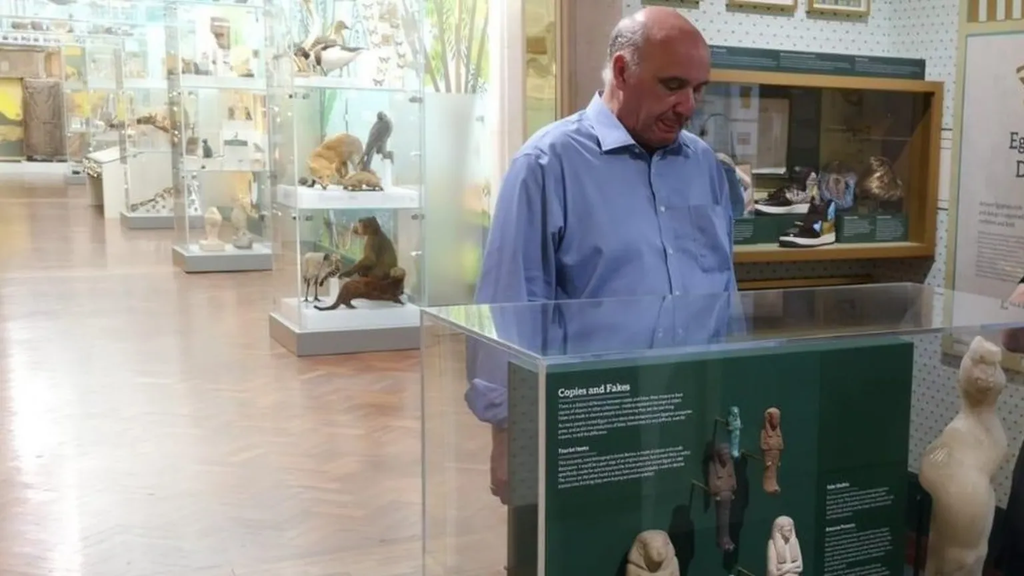
Some art forgery stories sound almost too unusual to be true, and the case of Shaun Greenhalgh is certainly one of them. Based in Bolton, England, Greenhalgh worked with his elderly parents to produce counterfeit artworks and historical objects from their family home. Their operation continued for years, targeting museums, galleries, and collectors.
The family’s most famous deception involved a sculpture they presented as an ancient Egyptian figure known as the Amarna Princess. The work was supposedly around 3,300 years old and connected to the period of Pharaoh Akhenaten and Queen Nefertiti.
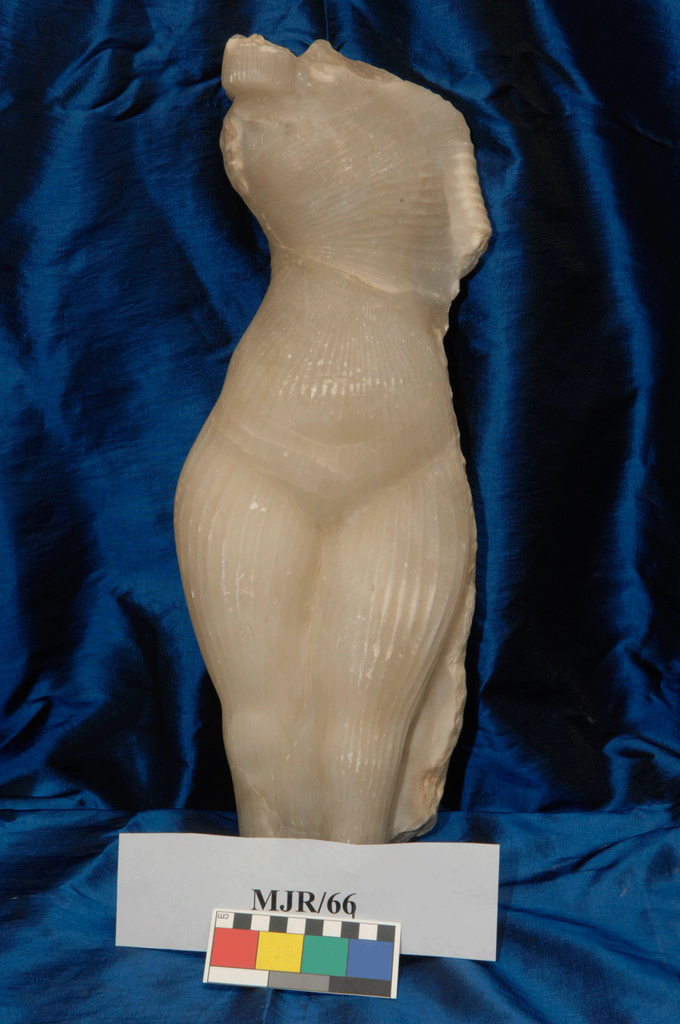
Bolton Museum and Art Gallery purchased the sculpture for £440,000, believing it to be an important archaeological discovery.
In reality, Greenhalgh had made it in a garden shed. And this was not the only object the family fabricated. Their operation included works presented as pieces from different historical periods, with Greenhalgh demonstrating an unusual ability to imitate a range of artistic styles and materials.
The deception was eventually uncovered, and the family admitted to conspiring to defraud art institutions. In 2007, Shaun Greenhalgh was sentenced to four years and eight months in prison.
What makes this case especially remarkable is the sheer range of objects involved. Rather than concentrating on one famous painter, the family exploited the interest in historical treasures, creating objects that appeared to belong in museum collections.
It is a reminder that forgery is not limited to paintings. Sculptures, archaeological objects, decorative pieces, and historical artefacts can all become targets.
5. John Myatt and John Drewe: The Forgery That Went Beyond the Canvas

A convincing fake painting can deceive a buyer, but what if someone also creates the documents that supposedly prove where the painting came from?
That was the particularly clever and disturbing element of the forgery operation involving British painter John Myatt and his accomplice John Drewe.
Myatt was originally an art teacher who began producing paintings in the styles of famous modern artists. What started as an attempt to make money through imitation eventually developed into a much larger criminal operation. Drewe played a different role. He created false provenance records, which are documents that establish an artwork’s ownership history and help demonstrate its authenticity.
He went as far as gaining access to museum archives, where he altered and inserted documents to make the fake paintings appear to have legitimate historical backgrounds. Together, the two men managed to introduce numerous forged paintings into the art market. Myatt created works attributed to artists such as Alberto Giacometti, Henri Matisse, and other modern masters, while Drewe supplied the fabricated histories that made them more believable.
The operation continued for years before it was exposed in the 1990s. Scotland Yard investigated the case, and both men were eventually convicted. Myatt received a one-year prison sentence, while Drewe was sentenced to six years.
There is an interesting twist to what happened next. After serving his sentence, Myatt returned to painting and became known for producing and selling what he calls genuine fakes: openly labelled imitations made in the styles of famous artists.
His story highlights something important about the art market. A painting’s authenticity is not judged by appearance alone. Its ownership history, documentation, and the credibility of the people presenting it can be just as influential.
What These Art Scandals Tell Us About the Art World
These stories are fascinating because they reveal that art forgery is rarely just about making a painting look old or copying another artist’s brushstrokes.
It can involve years of research, scientific tricks, fabricated documents, invented collectors, and carefully constructed stories. Sometimes, the people buying these works are not simply purchasing an image on a canvas. They are purchasing the history they believe comes with it.
And that is perhaps what makes these scandals so unsettling. A painting can look convincing, carry an impressive signature, and come from a supposedly prestigious collection, yet still be entirely false.
The art world has become increasingly reliant on scientific analysis, provenance research, and careful authentication to identify forgeries. But these five cases remind us that no reputation, price tag, or expert opinion should replace a closer look. After all, sometimes the most extraordinary story behind a masterpiece is that it was never a masterpiece to begin with.