


How Artists Can Turn Their Creativity Into Digital Products
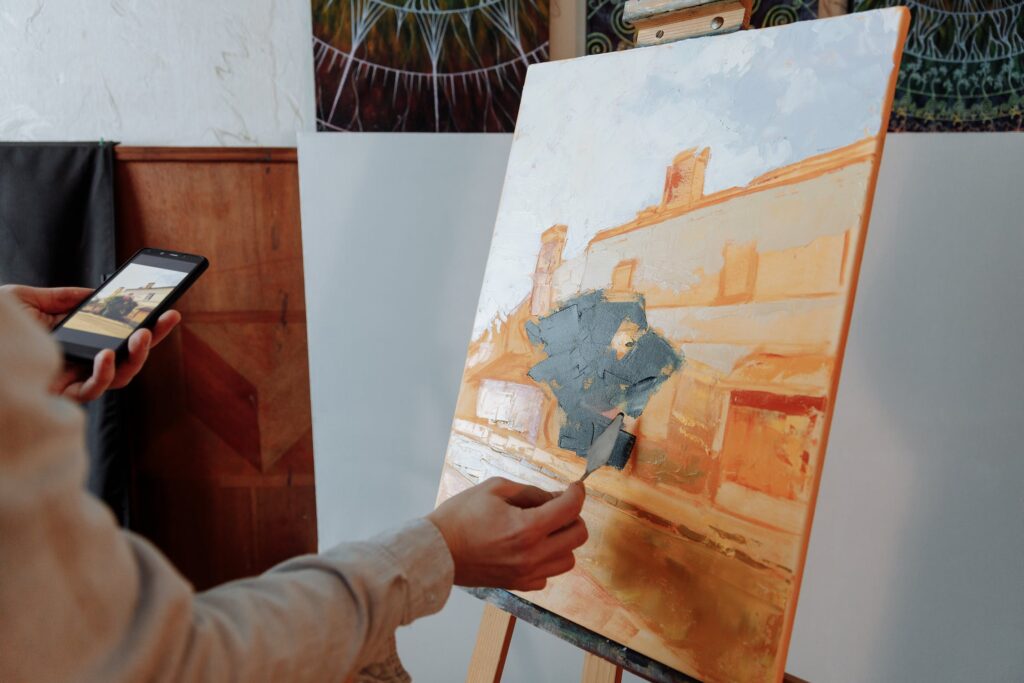
For a long time, selling art usually meant selling an original painting, finding someone interested in buying it, or getting your work into a gallery or exhibition. While these opportunities are still important, the way artists make a living from their creativity has expanded considerably.
Today, an artist can turn a collection of illustrations into printable wall art, create digital brushes for other artists, sell photography presets, design creative templates, teach an online workshop, or even explore blockchain-based art through NFTs. Some of these products take very little to set up, while others require more planning, technical knowledge, and ongoing work.
What makes digital products particularly interesting is that they allow artists to share their skills and creative ideas in different formats. Instead of relying entirely on original artwork sales or commissioned projects, artists can build additional income streams around things they already know how to make.
If you have ever thought about selling something beyond your original artwork, here are some practical ways to turn your creativity into digital products.
1. Turn Your Artwork Into Downloadable Products
One of the simplest ways to begin is by taking artwork you have already created and adapting it into downloadable products. Think about illustrations, paintings, photographs, patterns, or graphic designs that could work in a digital format. These can become printable wall art, phone wallpapers, desktop backgrounds, greeting cards, digital postcards, colouring pages, or even themed illustration collections.
For example, an artist who creates botanical illustrations could put together a collection of downloadable botanical prints. Someone who works with abstract shapes and colours could create a set of phone wallpapers. A photographer might sell a collection of high-resolution landscape images for personal use.
The important thing is to think about how someone might actually use your work outside the original format. You can sell these products through platforms such as Etsy, Gumroad, or Payhip, or through your own website. Customers receive the files after purchasing and can download them without waiting for physical delivery.
A little preparation makes a difference here. Offer files in useful formats and sizes, provide clear previews, and explain exactly what the customer will receive. If you are selling printable artwork, for instance, mention the available dimensions and whether the purchase includes high-resolution files.
2. Create Digital Tools Other Artists Can Use
Artists do not always have to sell finished artwork. Sometimes, the creative tools they use to make that artwork can become valuable products in their own right. If you work digitally, you might already have brushes, textures, colour palettes, patterns, or other resources that could help someone else’s creative process.
Here are a few ideas worth exploring:
- Digital brushes: Create custom brush sets for Procreate, Photoshop, or other illustration software.
- Texture packs: Sell collections of paper textures, grain effects, backgrounds, or hand-drawn patterns.
- Colour palettes: Put together carefully selected colour combinations for illustrators, designers, and painters.
- Lightroom presets: Photographers can sell editing presets that help others achieve a particular visual look.
- Fonts and lettering: Artists who enjoy typography and hand lettering can create downloadable fonts, lettering sheets, and decorative elements.
- Stock illustrations: Offer individual graphics, icons, patterns, or design elements that other creatives can license for their projects.
These products are particularly interesting because they allow artists to share something useful without having to create a completely new piece of artwork every time.
However, make sure your products are compatible with the software you advertise. Include installation instructions, sample images, and a clear explanation of what is included in each download.
3. Share Your Knowledge Through E-books, Guides, and Online Workshops

Every artist has something they have learned along the way. It could be a particular painting technique, experience with a medium, knowledge of art materials, or an understanding of how to prepare work for exhibitions. That knowledge can become a digital product.
An artist who specialises in watercolour might create a beginner’s guide to mixing colours. A portrait artist could develop a short ebook about understanding facial proportions. Someone experienced in printmaking might record a series of demonstrations explaining the process from beginning to end.
You do not need to write a lengthy book or produce an elaborate online course to get started. A well-organised PDF guide, a collection of recorded demonstrations, or a short video workshop can be a useful first product.
Some possibilities include:
- Ebooks about specific art techniques or creative processes.
- Step-by-step painting and drawing tutorials.
- Recorded workshops that customers can access at their own pace.
- Downloadable practice sheets and workbooks.
- Guides to building a portfolio or preparing an exhibition submission.
- Short courses teaching a particular skill or creative technique.
Platforms such as Gumroad and Patreon offer ways to sell digital content, while dedicated course platforms can help artists organise longer lessons.
The best approach is to teach something specific. Rather than creating a course called How to Become a Better Artist, consider something more focused, such as Understanding Colour Mixing for Beginner Painters. A clear subject makes it easier for potential customers to understand what they are paying for.
4. Build Templates and Resources Around Your Creative Practice
Templates are another digital product worth considering, particularly for artists who enjoy organisation, graphic design, or working with creative software. Not every product needs to be an artwork. Some of the most useful digital resources help people manage everyday tasks.
Artists can create editable portfolio templates, exhibition planning worksheets, art inventory spreadsheets, commission forms, pricing calculators, social media templates, artist statement worksheets, or creative project planners.
For example, an artist who has spent years organising exhibitions might create a downloadable exhibition checklist that helps emerging artists prepare their applications. A graphic designer could develop a collection of editable Instagram templates for independent creatives. Someone who regularly manages commissions might create a client information and project-tracking template.
Canva, Adobe InDesign, and other design tools can be used to create these resources, depending on the format.
What makes a good template is not simply how attractive it looks. It should save someone time, make a confusing task easier, or help them organise something they might otherwise struggle with.
Think about the questions people regularly ask you or the tasks you have learned to manage through experience. Those can be excellent starting points for a useful digital product.
5. Explore NFTs and Digital Collectibles
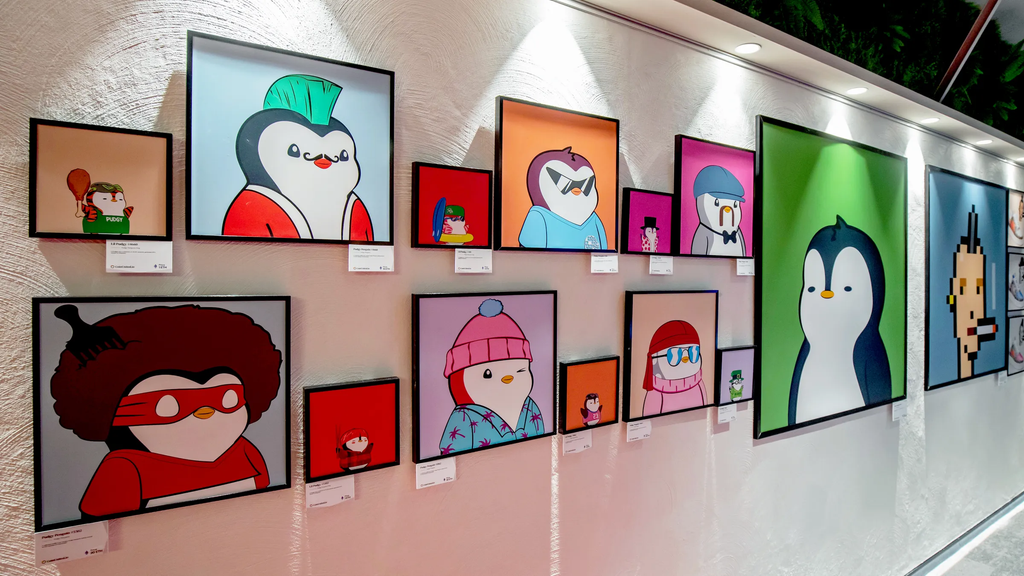
For artists interested in technology and contemporary digital art, NFTs are another option to understand. An NFT, or non-fungible token, is a unique digital token recorded on a blockchain. In the art world, NFTs have been used to represent ownership or provenance associated with digital artworks and collectibles.
Artists can mint digital illustrations, animations, photographs, generative art, or other digital creations as NFTs and offer them to collectors through NFT marketplaces. Platforms such as OpenSea and other blockchain-based marketplaces have helped make this process more accessible to independent creators.
However, there is an important distinction worth understanding: buying an NFT does not automatically mean buying the copyright to the artwork. The buyer’s rights depend on the terms set by the artist. Copyright, reproduction rights, and commercial use should be clearly explained before a sale.
NFTs also come with considerations that are different from ordinary digital downloads. Artists need to understand cryptocurrency wallets, blockchain networks, transaction fees, marketplace charges, and the risks associated with fluctuating cryptocurrency values. The market can be unpredictable, and there is no guarantee that an NFT will attract buyers or retain its value.
For this reason, NFTs are best approached as one possible avenue for artists who are genuinely interested in digital ownership and blockchain technology, rather than something everyone needs to pursue.
6. Offer Exclusive Content Through Digital Memberships
Some artists enjoy sharing their creative process as much as the finished work. If that sounds familiar, a digital membership might be worth exploring. Instead of selling one product at a time, artists can offer subscribers access to exclusive content in exchange for a recurring payment.
Depending on your practice, this could include studio updates, behind-the-scenes videos, early access to new collections, monthly downloadable artwork, tutorials, sketchbook pages, or live online sessions.
Patreon is one platform that supports this kind of arrangement. Artists can also use membership features on their own websites or explore other subscription-based services. The key is to offer something people genuinely want to return for. A monthly membership should have a clear purpose and a manageable schedule.
For example, an illustrator might share a new collection of digital brushes every month, while a painter could offer subscribers a monthly recorded studio demonstration and access to their creative notes.
It is also important to be realistic about the time involved. A membership is an ongoing commitment, so start with a schedule you can comfortably maintain rather than promising more content than you can deliver.
7. Start Small, Understand Your Audience, and Give Your Product a Purpose
With so many possibilities, it can be tempting to create several digital products at once. But a better starting point is to focus on one idea and understand whether people actually want it. Look at your existing creative practice. What do people compliment you on? What do they regularly ask you to teach? Which resources do you use yourself? Are there particular subjects or techniques that your audience consistently responds to?
These questions can help you identify a product that feels natural to create rather than something you are making simply because it is popular online. Before investing too much time, research similar products on marketplaces and pay attention to their presentation, pricing, customer feedback, and the needs they address. This is not about copying another artist’s work. It is about understanding what buyers are looking for and finding your own way to offer something valuable.
Start with a manageable product, create a few attractive previews, write a clear description, and decide what customers are allowed to do with the files they purchase.
This last point matters. A personal-use download should not automatically give someone permission to reproduce your artwork commercially, redistribute the files, or claim them as their own. Include simple licensing terms that explain the permitted uses. You can also use lower-resolution preview images or watermarks in your listings to discourage unauthorised use.
Finally, remember that a digital product is still a product. It needs thoughtful presentation, appropriate pricing, promotion, and occasional customer support. Creating it once does not mean it will sell on its own.
Your Creativity Can Exist In More Than One Form
Turning creativity into digital products does not mean changing your artistic identity or spending less time making the work you love. It simply means finding additional ways to share what you already create and know.
A painting might become a printable collection. A photographer’s editing process might become a preset pack. Years of creative experience might turn into a workshop that helps someone just starting out. You do not need a large following, an expensive website, or a dozen products to begin. One thoughtfully made resource that serves a real purpose can be a good first step.
The most important thing is to create something that feels connected to your practice, offers genuine value to the person buying it, and gives your creativity another way to reach the world.
Editor’s Note:
At Arts to Hearts Project, 101 Art Books have always been a huge part of our physical publications. After 15 successful editions, we are now accepting submissions for the 16th Edition of 101 Art Book: Garden Edition. Artists have until December 13 to submit their artwork.