
Artists on Discipline
10 Artists Share What Discipline Means to Them and How They Keep Creating
Some days, creating art feels effortless. Ideas flow, the work comes together, and we lose track of time doing something we love. On other days, even getting started feels difficult. Inspiration seems far away, and we find ourselves waiting for the right moment to begin again.
But a creative practice is not built on inspiration alone. It also grows through the little things we do consistently, whether that means spending time in the studio, experimenting with a new technique, or returning to a project that has been sitting unfinished for weeks.
Discipline does not have to mean following a strict schedule or pushing ourselves to create every single day. Sometimes, it simply means making a little space for our creativity, even when life gets busy.
We looked at the words and experiences of ten artists, writers, and filmmakers whose thoughts remind us that creative growth takes patience, practice, and a willingness to keep going.
1. Twyla Tharp on Making Creativity a Habit
“Creativity is a habit, and the best creativity is the result of good work habits.”
Choreographer Twyla Tharp explores the connection between creativity and routine in her book The Creative Habit. Her approach reminds us that we do not always have to wait for inspiration to arrive before we begin.
For artists, building a creative habit might mean drawing every morning, spending an hour in the studio, or keeping a notebook close by to record ideas. These small routines make it easier to return to our work, even on days when motivation feels a little distant.
2. Vincent van Gogh on Learning Through Practice
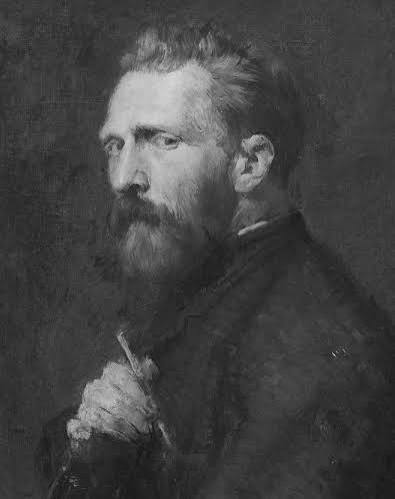
“I am always doing what I can’t do yet in order to learn how to do it.”
Vincent van Gogh’s words capture something every artist experiences: the discomfort of trying something new before knowing exactly how to do it.
Growing as an artist means allowing ourselves to be beginners sometimes. We might experiment with unfamiliar materials, struggle with a composition, or make several attempts before something feels right. Each experience teaches us something that the finished work alone cannot.
Discipline, in this sense, is the willingness to keep learning, even when the results are not quite what we imagined.
3. David Hockney on the Value of Practice
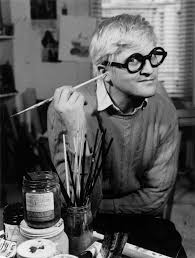
“Well, you get better if you do this, anybody would.”
Artist David Hockney has explored painting, drawing, photography, and digital art throughout his career. His reflections on drawing remind us that improvement comes from spending time with our chosen medium.
It is easy to look at another artist’s finished work and forget the hours of practice behind it. Returning to the fundamentals, experimenting with techniques, and learning from mistakes all help us develop our skills.
Sometimes, we do not need a completely new idea. We simply need to keep working with the curiosity to see what we can learn.
4. Stephen King on Showing Up
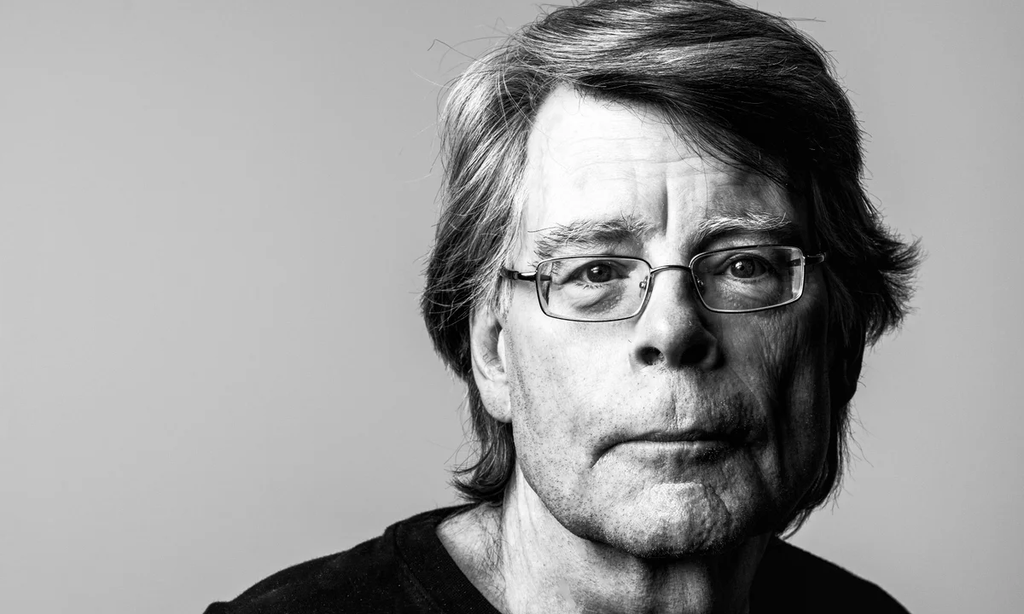
“Amateurs sit and wait for inspiration, the rest of us just get up and go to work.”
Writer Stephen King has often emphasised the importance of treating writing as a practice rather than waiting for inspiration to strike.
The same idea applies to artists working in any medium. Not every session will produce something wonderful, and not every idea will turn into a finished piece. But showing up gives us the opportunity to experiment, make mistakes, and discover something unexpected.
We do not have to feel completely ready before we begin. Sometimes, beginning is what helps us find our way.
5. Frida Kahlo on Continuing to Create
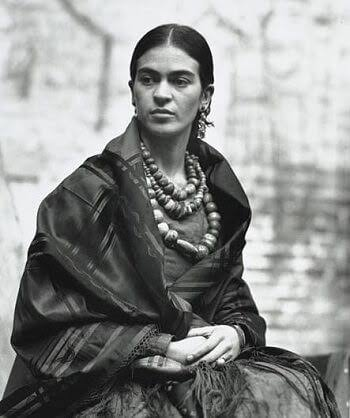
“I am not sick. I am broken. But I am happy to be alive as long as I can paint.”
Frida Kahlo made art an important part of her life, continuing to paint through periods of physical pain and recovery. Her work became deeply personal, reflecting her experiences, emotions, and the world she saw around her.
Her journey reminds us that discipline does not always mean working harder or doing more. Sometimes, it means finding a way to stay connected to what matters to us, even when life becomes difficult. Every artist faces moments when creating feels challenging, whether because of self-doubt, exhaustion, or responsibilities outside the studio.
We may not always be able to work at the pace we imagined, and that is okay. What matters is finding our own way back to the work, allowing our practice to grow alongside us.
6. Octavia E. Butler on Building Habits
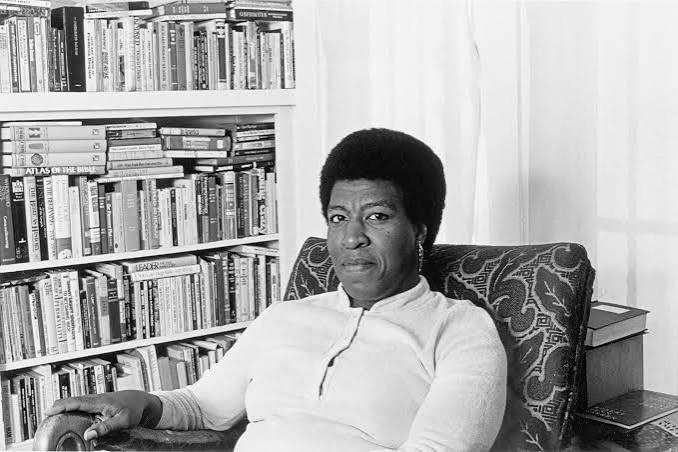
“First forget inspiration. Habit is more dependable.”
Science fiction writer Octavia E. Butler understood the value of developing a consistent writing practice. Her essay Furor Scribendi explores the habits and persistence that support a creative life.
A creative habit does not need to be complicated. It could mean writing a few lines each evening, sketching during your lunch break, or setting aside one afternoon each week for personal projects.
The important thing is finding a rhythm that works for you. When creativity has a place in our everyday lives, our ideas have more opportunities to grow.
7. Maya Angelou on Doing the Work
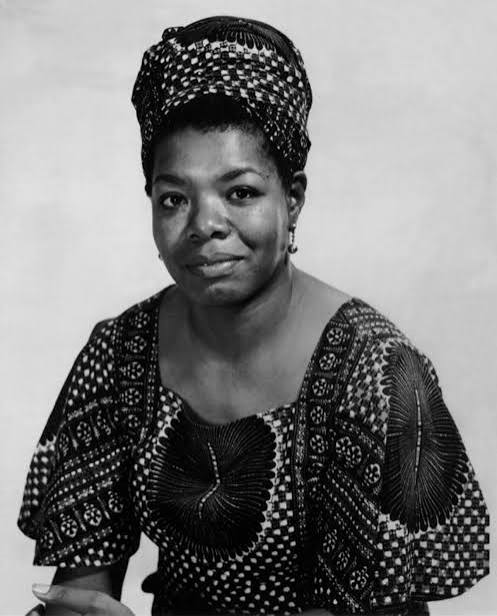
“Nothing will work unless you do.”
Writer, poet, and performer Maya Angelou’s words offer a simple reminder that meaningful progress requires effort.
As artists, we cannot control every opportunity, exhibition, or response our work receives. What we can do is continue developing our skills, learning from experience, and finding ways to share what we create.
When progress feels slow, it helps to focus on the next small step. Finish that painting, update your portfolio, or apply for the opportunity you have been considering. Small actions can carry us further than we realise.
8. Ira Glass on Growing as an Artist
“The most important possible thing you can do is do a lot of work.”
Radio producer Ira Glass has spoken about the gap between the work we admire and the work we are capable of creating when we begin.
Many artists experience this frustration. We know what we want our work to look like, but our current skills do not always match our vision. That gap can feel discouraging, but it is also part of learning.
Making more work gives us room to experiment, recognise our strengths, and understand what needs improvement. Not every piece has to be extraordinary. Sometimes, a project is valuable simply because it teaches us something new.
9. Elizabeth Gilbert on the Creative Journey
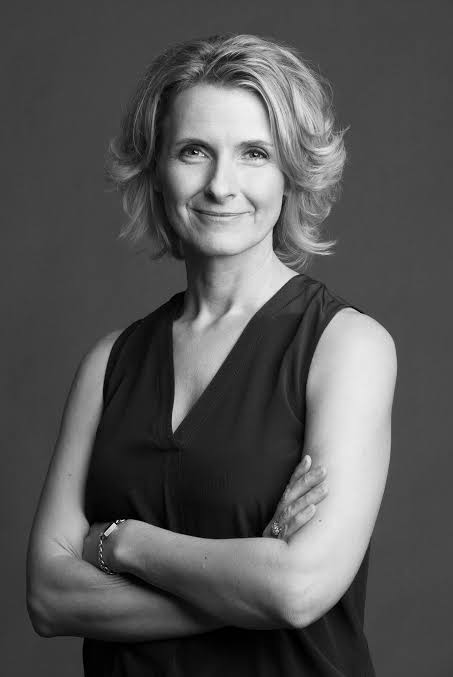
“You can measure your worth by your dedication to your path, not by your successes or failures.”
In Big Magic: Creative Living Beyond Fear, writer Elizabeth Gilbert explores the emotional side of making things and pursuing creative ambitions.
It is natural to want recognition for our work, but it can be difficult when opportunities do not arrive as quickly as we hoped. Discipline helps us remain connected to the practice itself, rather than letting every outcome define our progress.
A project that receives little attention can still teach us something. An unsuccessful application can help us grow. Our creative journeys hold value beyond the moments when everything goes according to plan.
10. Akira Kurosawa on Learning to Observe
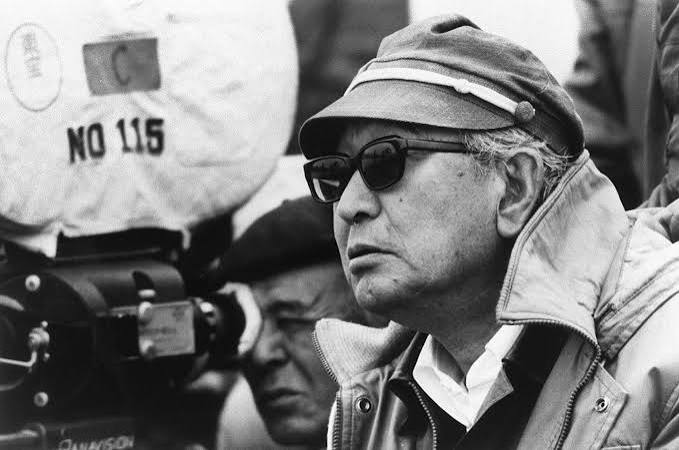
“To be an artist means never to avert one’s eyes.”
Filmmaker Akira Kurosawa, known for films such as Seven Samurai and Ikiru, reminds us of the importance of paying attention to the world around us.
Discipline is not only about making art. It is also about learning to see. A painter might notice the changing light in a room, while a photographer might discover an entire story in an ordinary street scene.
Taking time to observe, explore, and remain curious can become an important part of our practice. Sometimes, the work begins long before we pick up a brush or camera.
If you enjoyed exploring what artists have to say about discipline and how important it is on a creative journey, you might as well enjoy reading our articles on what artists have to say on solitude and money.
A Little Reminder for Every Artist
Discipline does not always look like spending eight hours in a studio or following a perfectly planned routine. Sometimes, it is opening your sketchbook after a long day. Sometimes, it is returning to a painting you almost gave up on, or allowing yourself to experiment without worrying about the result.
Our creative lives change with time, and so do our routines. There will be days when the ideas come easily and others when everything takes a little more effort. Neither makes you any less of an artist. What matters is finding small, meaningful ways to stay connected to the work you care about. You do not have to finish everything today or know exactly where your next idea will lead.
Just begin where you are. Give yourself time to learn, room to make mistakes, and permission to grow at your own pace. Because sometimes, discipline is simply choosing to return to something you love, one little step at a time.