
10 Movies Every Art Lover Should Watch
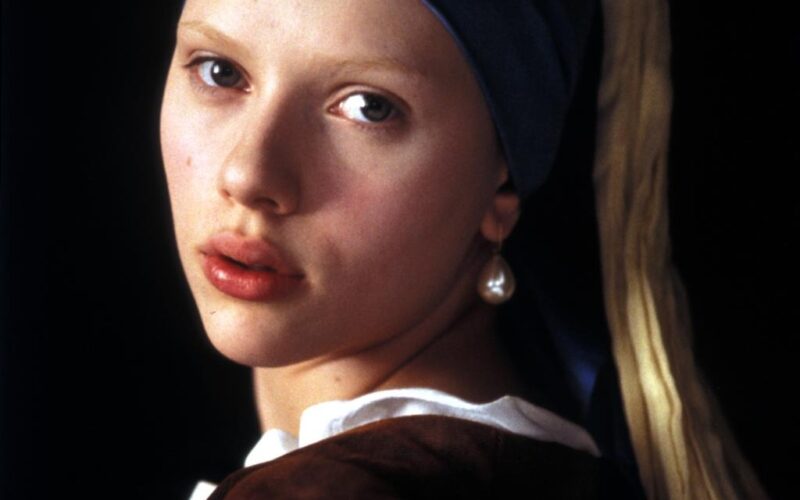
There’s something about movies that we all love. The comfort of sitting down with a good film, getting pulled into a different world, and forgetting everything else for a while. But if you’re someone who loves art, that experience goes a little further.
You don’t just watch, you notice.
A colour palette reminds you of a painting. A frame feels like it could hang on a gallery wall. A character’s process, their struggle, their way of seeing the world, starts to feel familiar in a way that’s hard to explain. Suddenly, it’s not just entertainment, it’s inspiration showing up where you didn’t expect it.
That’s what makes films so special for art lovers. They don’t just tell stories, they show you how to look, how to feel, and sometimes, how to create. Whether it’s watching an artist at work, stepping into a beautifully composed world, or questioning what art even means, these films open up something deeper.
In this list, we’ve brought together ten movies that every art lover should watch. Some will inspire you, some will challenge you, and a few might stay with you longer than you expect. So the next time you’re picking a movie, maybe choose one that doesn’t just entertain you, but also sparks something creative.
1. Frida

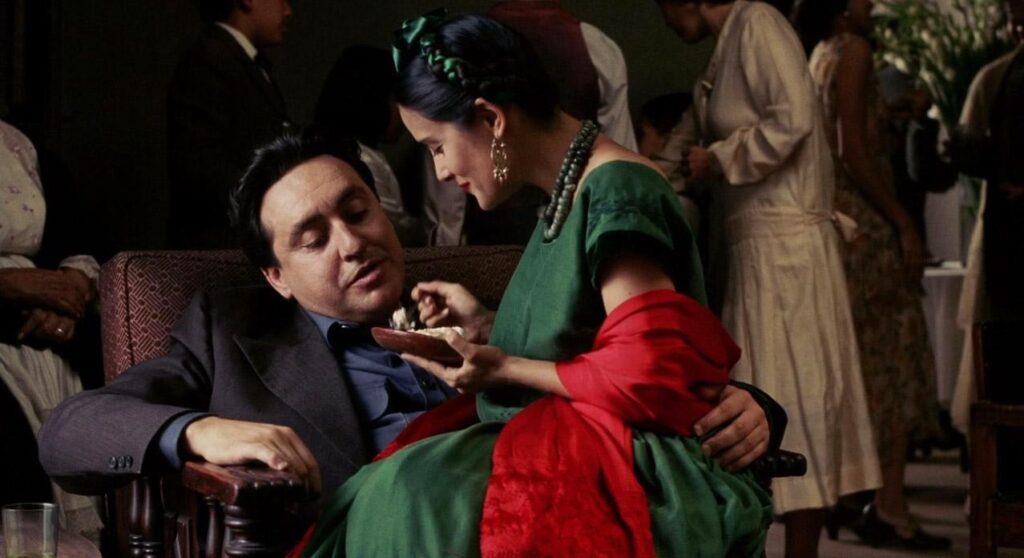
There are some artists whose lives feel inseparable from their work and then there is Frida Kahlo, where the line disappears entirely. Frida doesn’t just narrate her life; it immerses you in a world where pain, identity, love, and art exist side by side, often indistinguishable from one another.
The film traces her journey through physical trauma, complicated relationships, and an unyielding desire to create, but what makes it resonate is how intimately it captures the act of making. Frida isn’t romanticised as a distant genius. Instead, she appears deeply human, painting through discomfort, isolation, and emotional upheaval. Her canvases become extensions of her inner world, translating experiences that words often fail to hold.
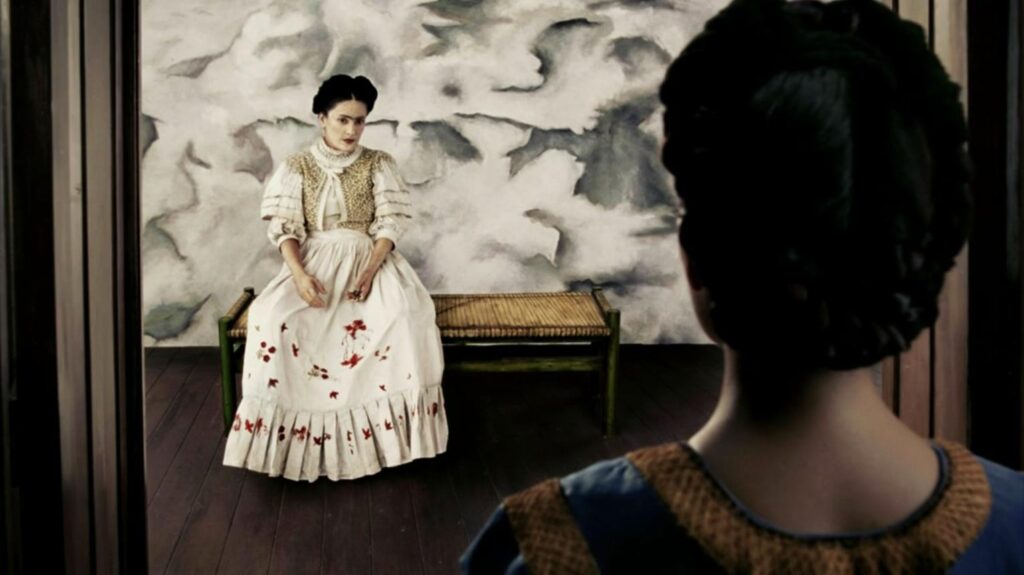
Visually, the film mirrors her practice. Moments slip between reality and imagination, echoing the symbolic, dreamlike quality of her work. It’s not just storytelling, it feels like stepping inside a painting as it forms.
There’s also something quietly grounding in its portrayal of process. The materials, the spaces, the imperfections, they remind you that art doesn’t require ideal conditions. It asks only for honesty and the courage to continue.
What stays long after the film ends is not just Frida’s story, but the way she lived through her art. It leaves you reflecting on expression itself, not as something polished or perfected, but as something necessary, raw, and deeply personal.
2. Pollock
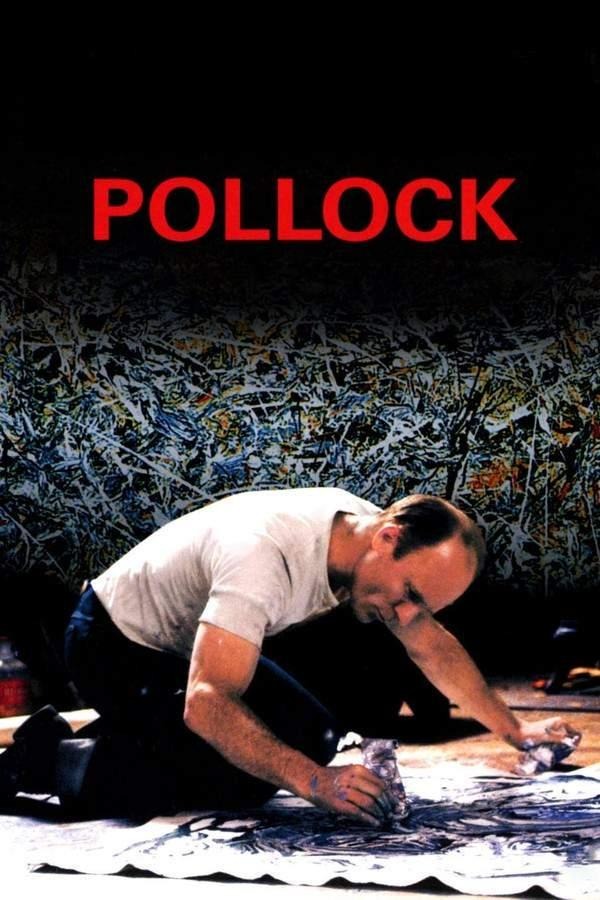
There’s a certain myth around artists, the idea of chaos, genius, and self-destruction, and Pollock steps right into it without trying to soften the edges. It brings you into the life of Jackson Pollock not as a legend, but as a man constantly negotiating between control and surrender, both in his work and within himself.
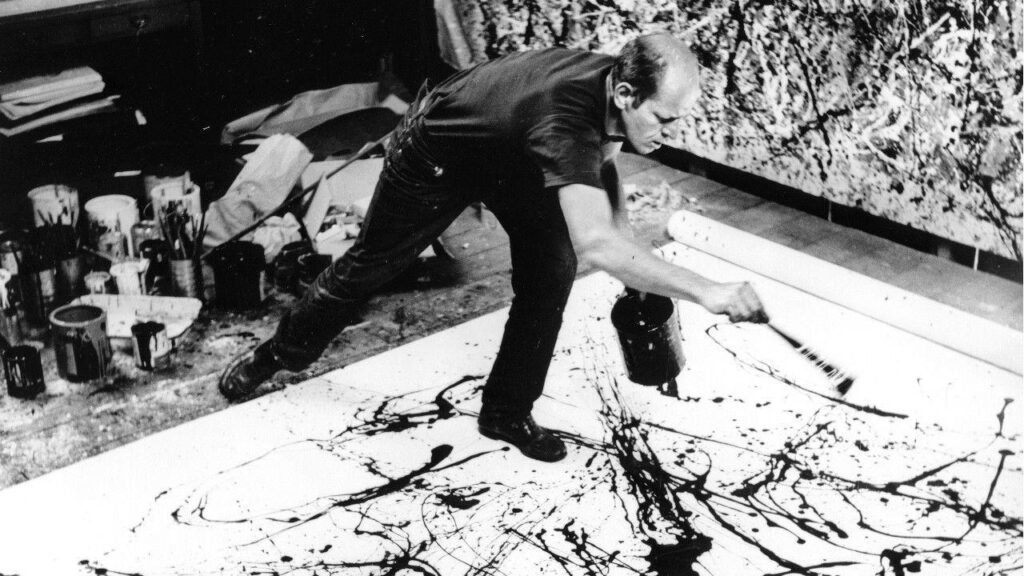
What makes the film compelling isn’t just the story of his rise, but the way it captures his relationship with painting. The now-iconic drip technique doesn’t arrive as a sudden stroke of brilliance; it unfolds through experimentation, frustration, and a need to break away from expectation. Watching him work, with canvases spread across the floor and paint poured, flung, and guided, feels less like observing a method and more like witnessing a physical conversation between artist and surface.
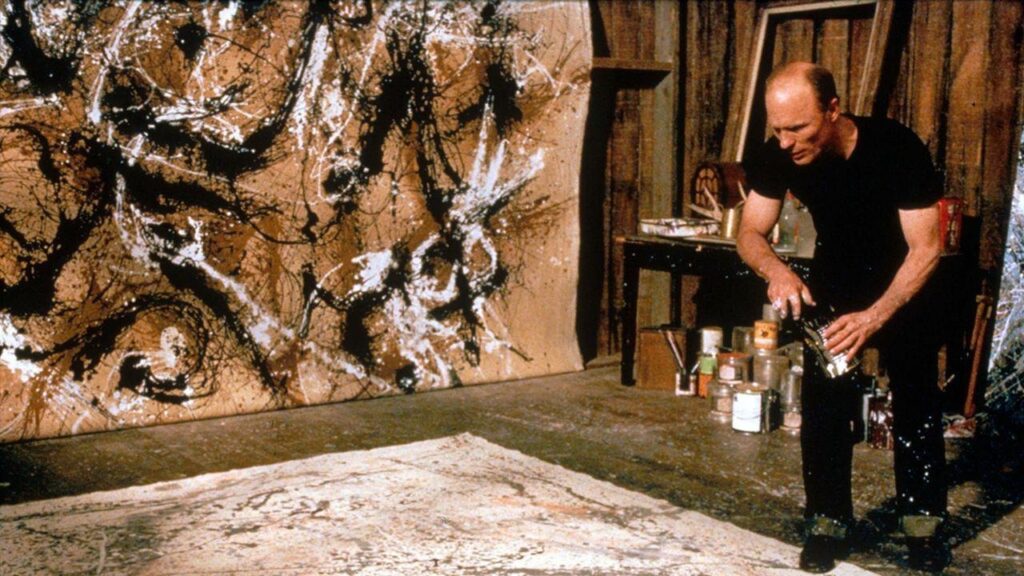
There’s something almost confrontational about it. The act of painting becomes movement, rhythm, and instinct rather than precision. It challenges the traditional idea of what “skill” looks like, replacing careful control with presence and energy.
At the same time, the film doesn’t romanticise the cost of that intensity. Pollock’s personal struggles run parallel to his creative breakthroughs, reminding you that the process of making can be as demanding as it is liberating.
By the end, what stays with you is not just the work, but the permission it quietly offers to experiment, to make a mess, to step outside structure, and to trust that something meaningful can emerge from it.
3. Loving Vincent
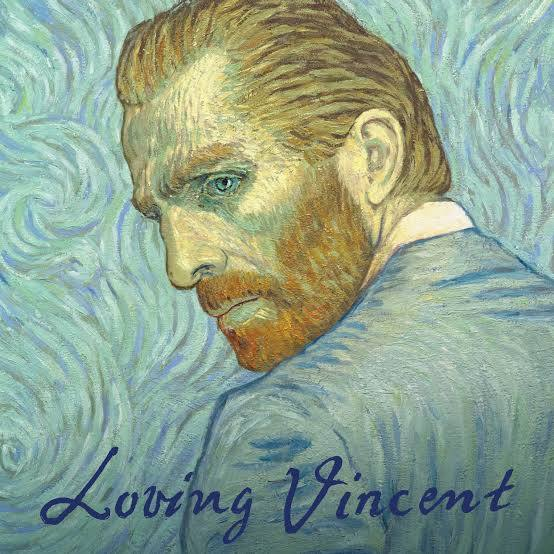
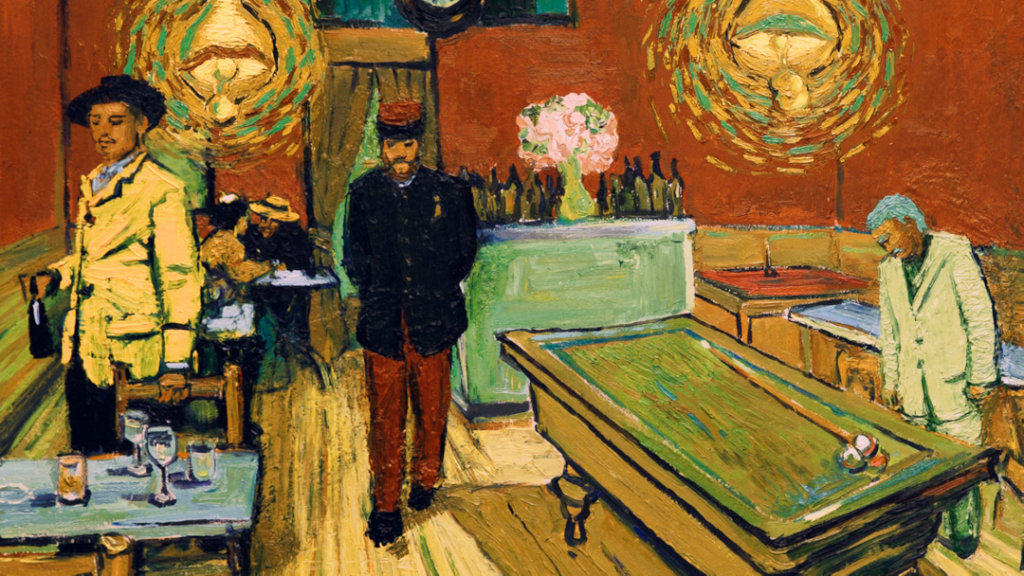
Some films tell a story. Loving Vincent becomes one. Every frame, every movement, every flicker of light is painted by hand, making it less of a film you watch and more of a painting you move through.
Built entirely from oil paintings inspired by Vincent van Gogh’s style, the film carries a tactile quality that’s impossible to ignore. You can almost feel the thickness of the paint, the direction of each brushstroke, the rhythm in the way colour is layered and pulled across the surface. It slows you down in the best way, asking you to look a little longer, a little closer.
At its core, the film explores the final days of Van Gogh’s life, but it doesn’t approach him as a distant, tragic figure. Instead, it pieces together his story through conversations, memories, and fragments, much like how we experience art itself, never fully complete, always open to interpretation.
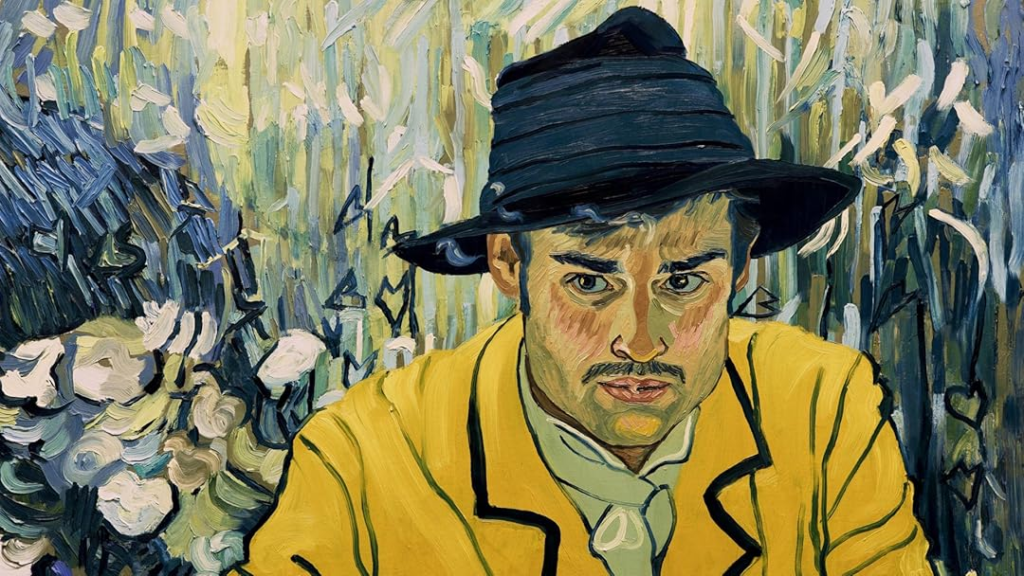
What makes Loving Vincent especially powerful is how it bridges process and narrative. It reminds you that painting isn’t just an outcome, it’s a language. Each stroke carries intention, emotion, and movement. Watching the film feels like witnessing that language unfold in real time.
There’s also something quietly humbling in knowing how many hands came together to create it. Dozens of artists painting thousands of frames, each contributing to a collective act of making.
By the end, the film leaves you with a renewed sensitivity to both art and effort, to the patience it takes, and to the beauty that exists within the process itself.
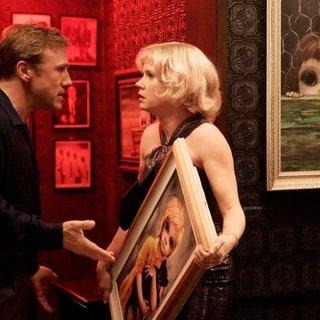
4. Big Eyes
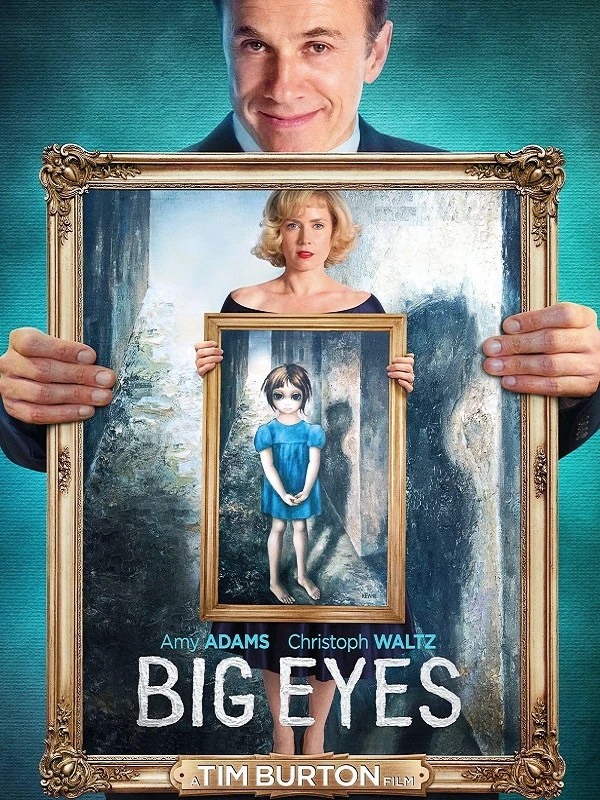
Not all art stories are about creation alone. Some are about ownership, visibility, and the quiet fight to be recognised. Big Eyes brings this tension into focus through the story of Margaret Keane, whose distinctive portraits became widely famous, even as her name remained hidden behind someone else’s.
At first glance, the film feels almost gentle in its visual world. The paintings, with their exaggerated eyes and soft melancholy, carry an immediate emotional pull. But beneath that surface lies something far more unsettling, a narrative about control, authorship, and the ways in which art can be separated from the artist.
What makes this film particularly striking is how it captures the act of repetition in practice. Margaret paints continuously, almost mechanically at times, yet each piece carries subtle shifts in emotion and depth. It reflects a reality many artists recognise, that creating isn’t always driven by inspiration alone, but often by persistence, discipline, and circumstance.
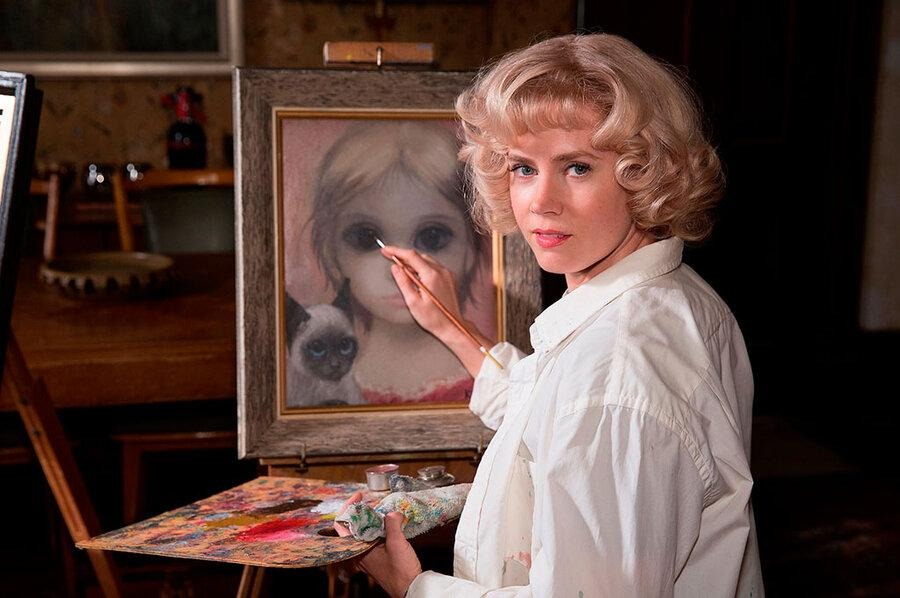
There’s also a deeper question that lingers throughout the film. What gives art its value? Is it the work itself, the name attached to it, or the story behind it? As Margaret begins to reclaim her voice, the film quietly shifts from one of suppression to one of authorship and identity.
By the end, Big Eyes doesn’t just leave you thinking about the paintings, but about the importance of being seen and acknowledged for what you create. It’s a reminder that art is not only about expression, but also about claiming space for that expression to exist.
5. Girl with a Pearl Earring
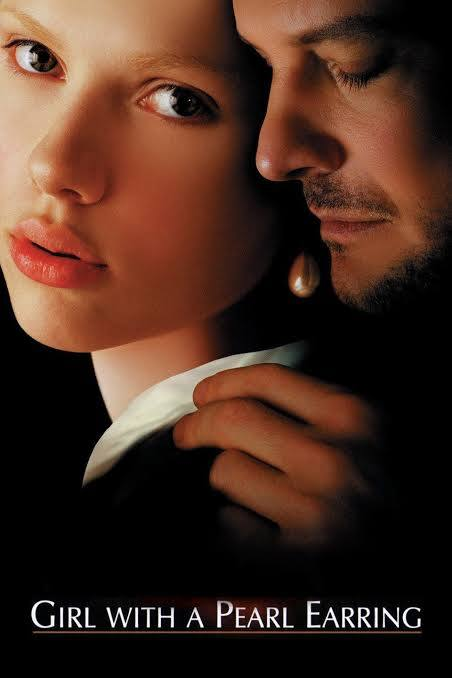
Some films feel loud and expressive, while others draw you in through quiet observation. Girl with a Pearl Earring belongs to the latter. It unfolds slowly, almost delicately, inviting you to pay attention to light, silence, and the spaces in between.
Inspired by Johannes Vermeer’s iconic painting, the film imagines the story behind the image, but what makes it truly memorable is its attention to detail. Every frame feels composed like a painting. Light enters through windows softly, colours remain restrained yet luminous, and even the simplest gestures carry weight. It’s less about plot and more about atmosphere, about the act of seeing.
What stands out is the relationship between the artist and the subject, not in dramatic terms, but in subtle shifts of attention. The way a glance lingers, the way light is adjusted, the way a moment is held just long enough before it becomes something permanent. It reflects a truth many artists understand, that creating is often about noticing what others might overlook.
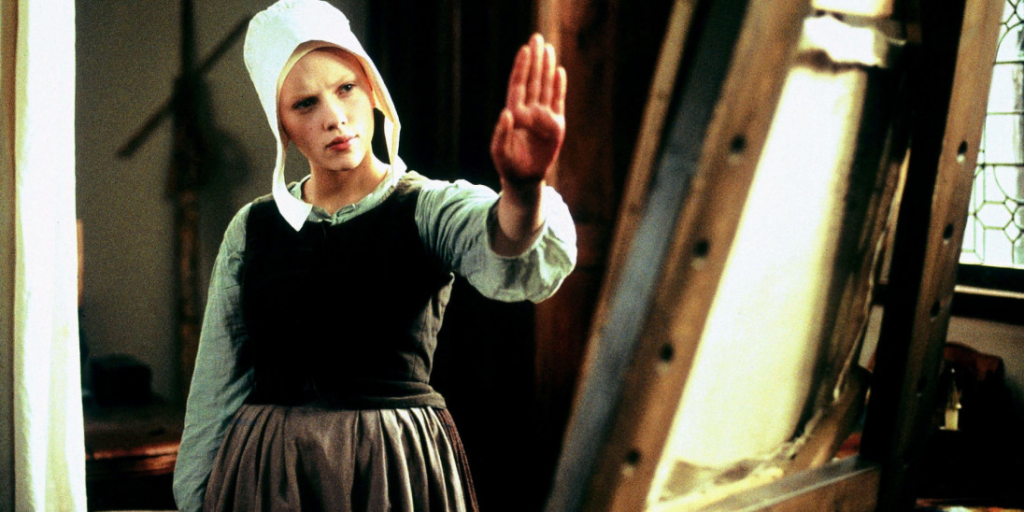
The film also brings focus to process in the smallest ways. Grinding pigments, adjusting composition, waiting for the right light. It’s a reminder that art is built slowly, through patience and precision rather than urgency.
By the time the final image comes into place, it feels inevitable, as though it was always waiting to be seen. And that’s what the film leaves you with, a heightened awareness of detail, of light, and of the quiet, attentive way in which art comes into being.
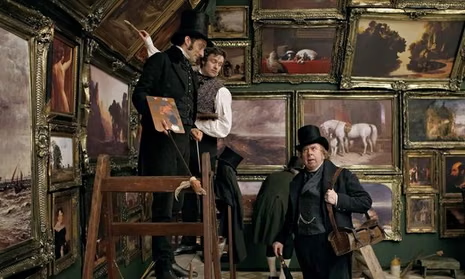
6. Mr. Turner
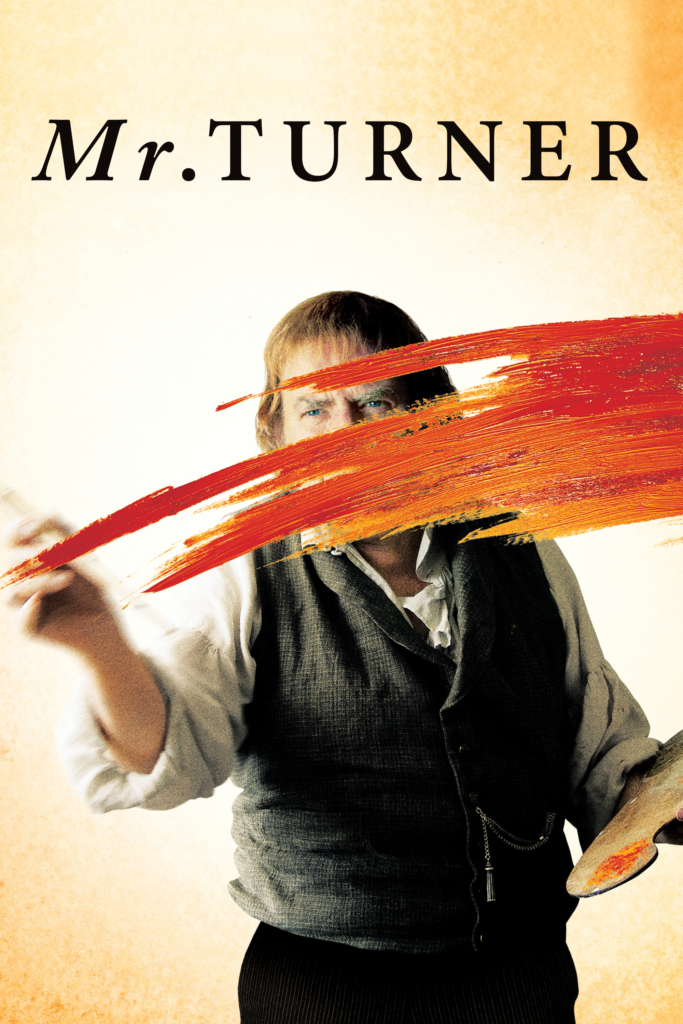
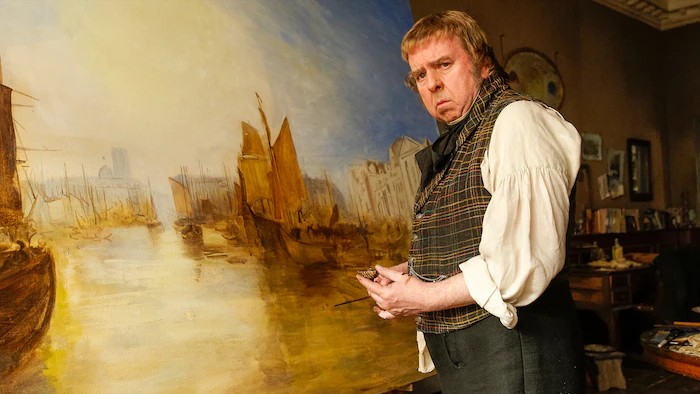
There’s something deeply atmospheric about Mr. Turner, as if the film itself is painted in layers of light, weather, and time. Rather than following a conventional narrative, it drifts through the later years of J.M.W. Turner’s life, observing his world the same way he painted it, through shifting skies, fleeting light, and an almost obsessive attention to nature.
What makes the film stand out is how closely it aligns the artist’s inner world with his surroundings. The landscapes aren’t just backdrops; they feel alive, constantly changing, unpredictable, and overwhelming at times. You begin to understand how Turner saw the world not as fixed forms, but as movement, atmosphere, and emotion.
His process, too, feels instinctive and physical. Whether he’s sketching outdoors or working in the studio, there’s a sense that painting is less about control and more about responding to what’s in front of him. Smudging, layering, even working with his hands, it all points to a practice that is immersive rather than restrained.
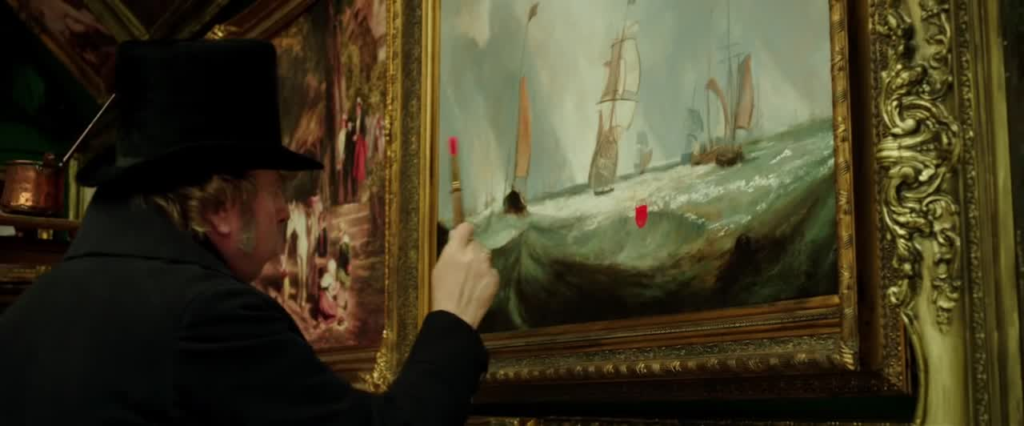
The film doesn’t try to make him easily likeable or fully understood. Instead, it allows space for contradiction, for brilliance alongside difficulty. And in doing so, it reflects a more honest portrait of what it means to dedicate your life to making.
By the end, what lingers isn’t just Turner himself, but the way the film reshapes how you look at the world around you. Light feels softer, skies feel heavier, and ordinary moments begin to carry a quiet, painterly weight.
7. Portrait of a Lady on Fire
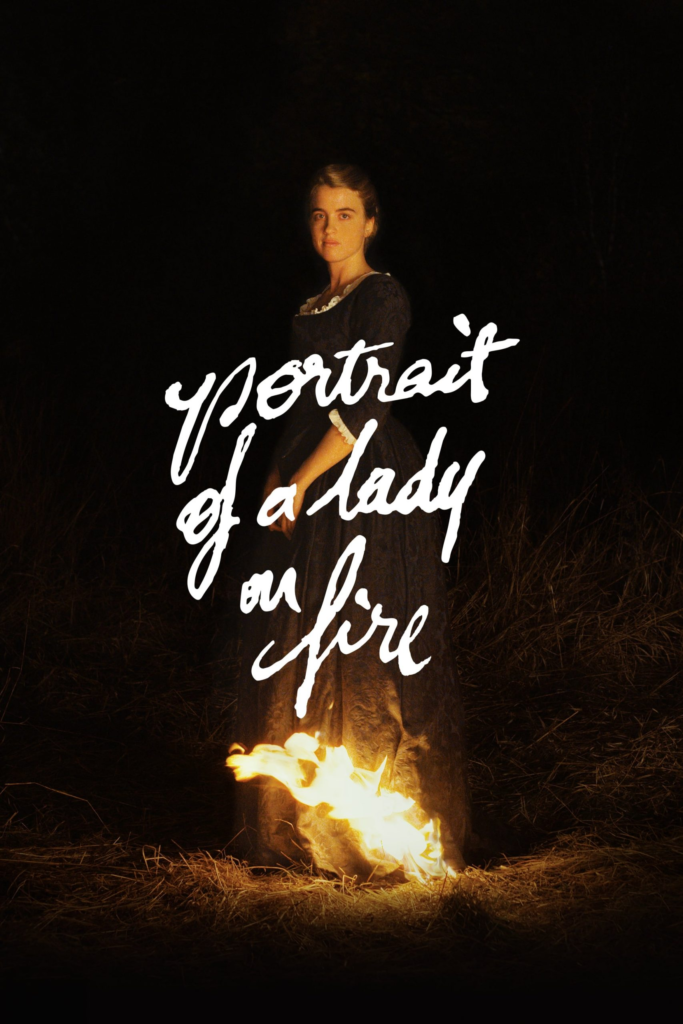
At its heart, Portrait of a Lady on Fire is about the act of seeing and being seen. Not in a fleeting, observational way, but in a manner that feels deliberate, almost consuming. It slows everything down, asking you to sit with a moment until it begins to reveal something deeper.
Set in the 18th century, the film follows a painter commissioned to create a portrait in secret, observing her subject by day and painting from memory by night. This dynamic turns looking into something layered and complex. Every glance holds intention, every silence feels charged, and the distance between artist and subject gradually dissolves.
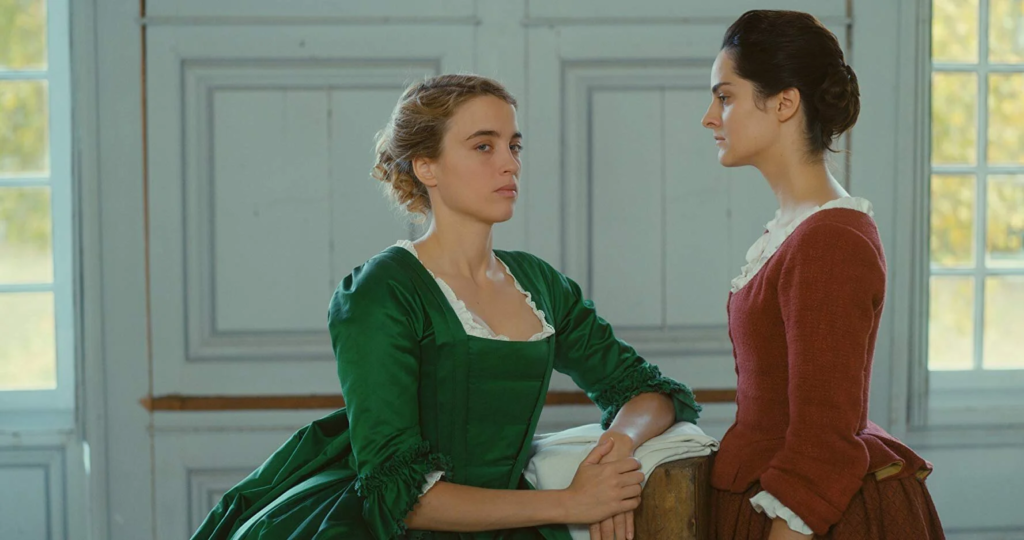
What stands out is how the film treats attention as a form of intimacy. The process of painting isn’t shown through dramatic gestures, but through careful observation, memory, and restraint. It reflects a quieter truth about making, that sometimes the most important part happens before the brush even touches the surface.
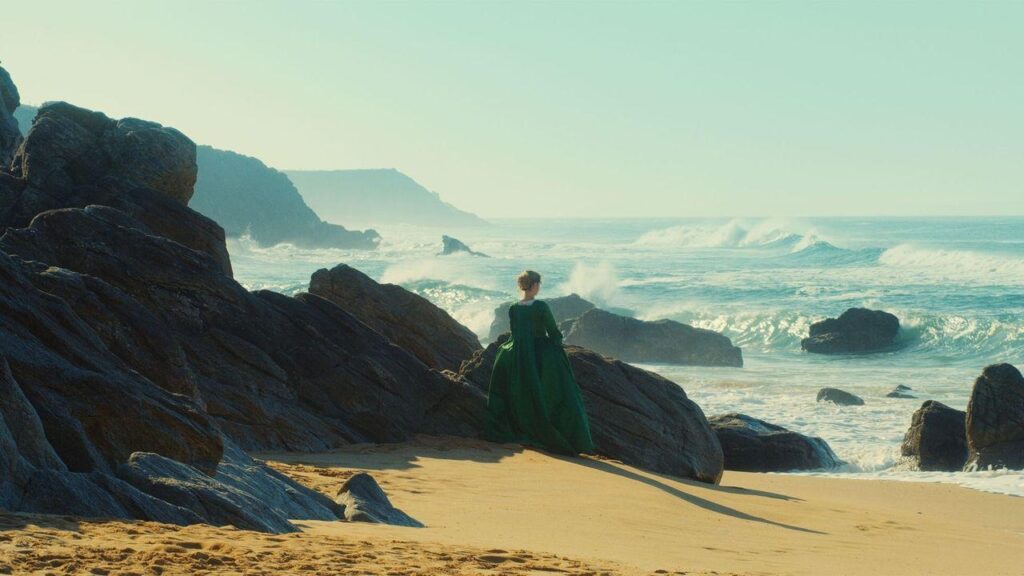
Visually, the film carries a stillness that feels almost suspended in time. The compositions are minimal yet precise, and the use of light, especially fire and candlelight, gives each frame a softness that feels painterly without trying too hard.
As the portrait takes shape, it becomes more than representation. It holds emotion, presence, and a shared understanding between two people. And by the end, the film leaves you thinking less about the finished work, and more about the depth of attention it takes to truly see something.
8. Exit Through the Gift Shop
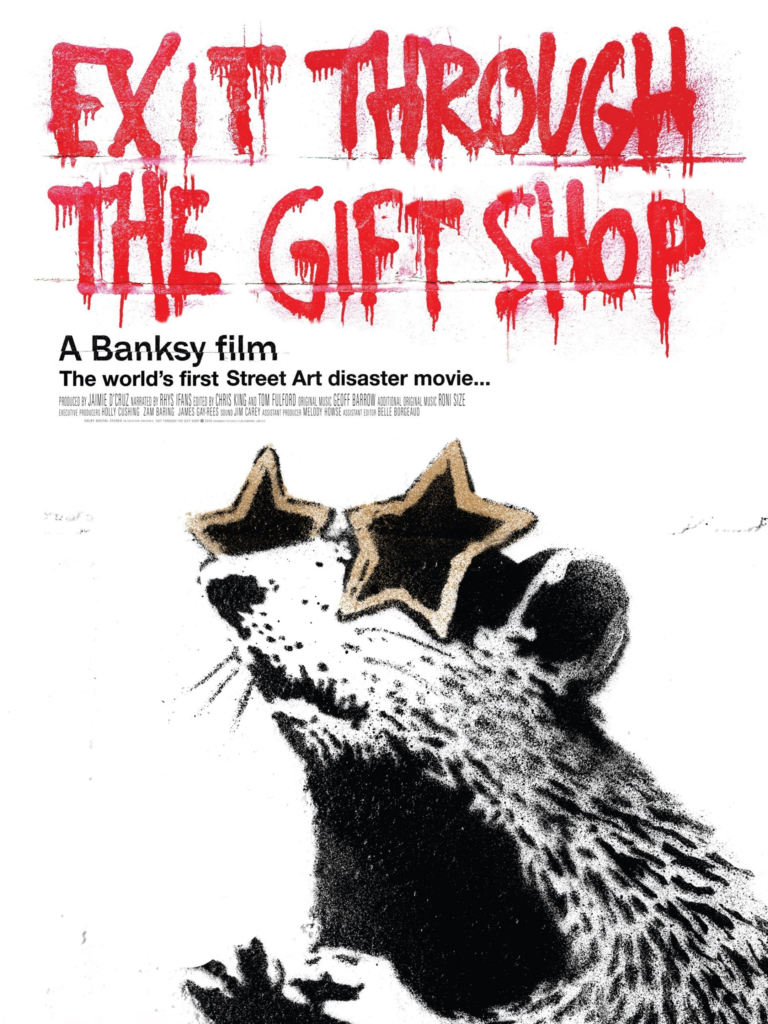
Not all art lives inside galleries or quiet studio spaces. Exit Through the Gift Shop pulls you into a very different world, one that exists on streets, walls, and public spaces, where art is immediate, unpredictable, and often anonymous.
Presented as a documentary, the film follows the rise of street art through figures like Banksy, while also turning its attention to the strange and unexpected journey of Thierry Guetta. What begins as an attempt to document artists slowly transforms into something far more complex, blurring the line between observer and creator.
What makes this film stand out is how it questions the very idea of what art is, and who gets to be called an artist. Is it about skill, intention, originality, or simply visibility? As the narrative unfolds, those distinctions begin to feel less stable, almost deliberately so.
There’s also an underlying tension between authenticity and commercialization. Street art, once rebellious and anti-establishment, starts entering galleries, selling for high prices, and gaining mainstream attention. The film doesn’t offer clear answers, but instead leaves you navigating that ambiguity yourself.
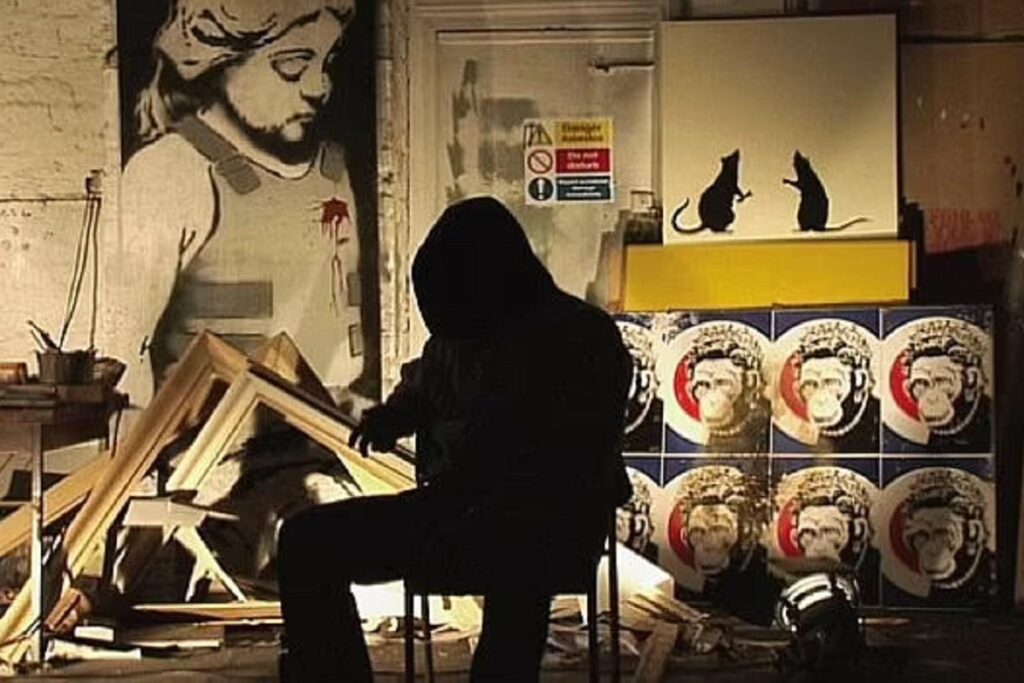
Visually, it’s chaotic, fast-paced, and layered, mirroring the energy of the world it captures. Spray paint, stencils, posters, everything feels immediate and alive.
By the end, Exit Through the Gift Shop doesn’t just show you art, it challenges your assumptions about it. It leaves you questioning value, authorship, and the systems that shape how art is seen, consumed, and defined today.
9. Blow-Up
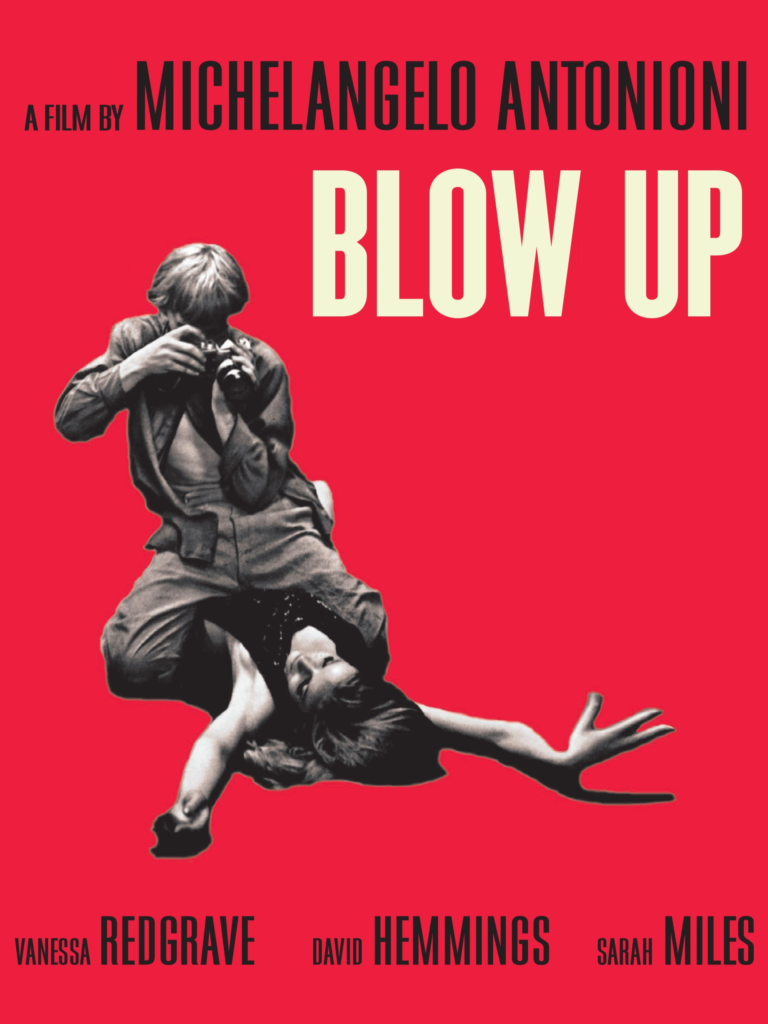
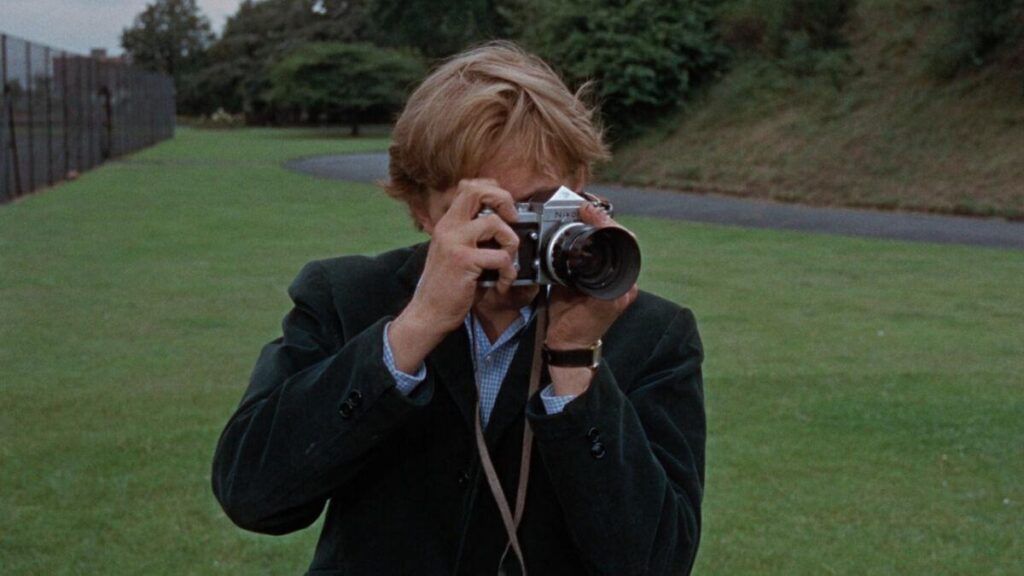
There are moments when looking closely at something doesn’t bring clarity, but confusion. Blow-Up builds itself around that idea, following a photographer who believes he may have captured something significant, only to find that the more he examines it, the less certain it becomes.
Set in 1960s London, the film moves through a world of fashion, images, and surfaces, where everything appears sharp and composed on the outside. But as the photographer enlarges a seemingly ordinary photograph, searching for truth within its details, the image begins to break apart into grain, abstraction, and doubt.
What makes this film resonate is how it mirrors the experience of observing art itself. The act of looking becomes unstable. The closer you get, the more meaning slips away, leaving you questioning whether what you see is real, imagined, or constructed entirely through perception.
There’s a quiet tension running through the film, not driven by action, but by uncertainty. It asks whether images reveal truth or simply create the illusion of it. And in doing so, it shifts your attention from what is being seen to how it is being seen.
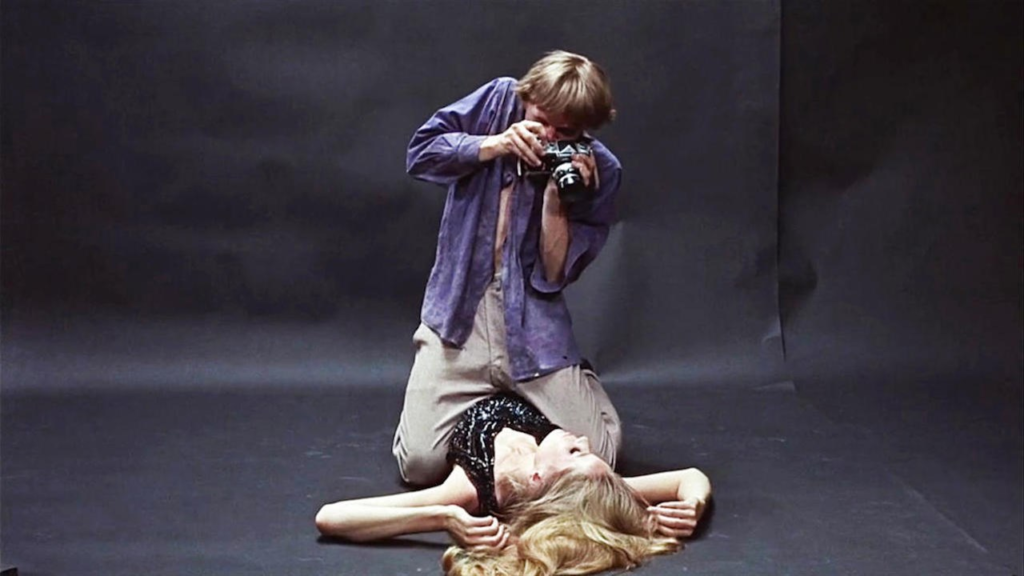
By the end, Blow-Up doesn’t offer resolution. Instead, it leaves you with a lingering awareness that seeing is never neutral. Every image holds ambiguity, and every interpretation carries its own uncertainty. It’s a film that changes the way you look, not just at art, but at the act of looking itself.
10. Basquiat
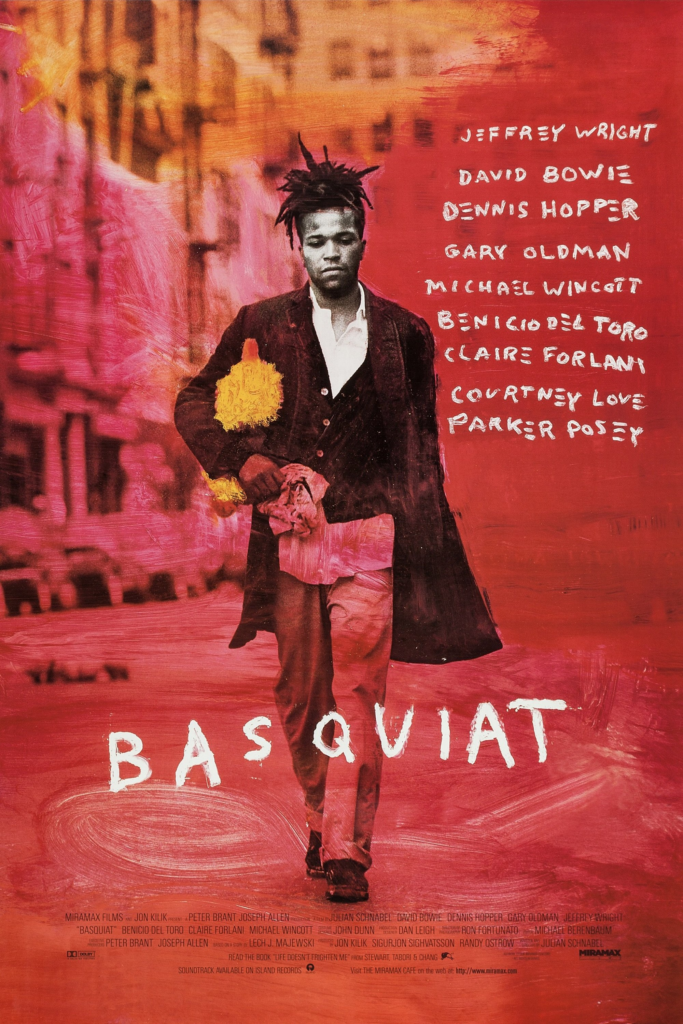
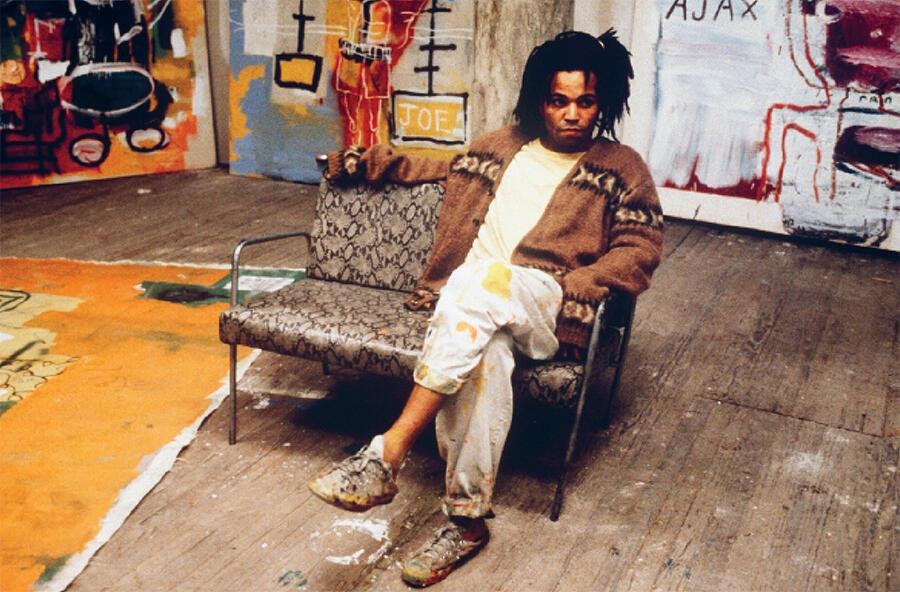
There’s a different kind of energy in Basquiat, one that feels immediate, restless, and constantly in motion. It captures a moment in the 1980s New York art scene where boundaries between street and gallery began to blur, and where art wasn’t just created, it was lived, performed, and consumed at an intense pace.
The film follows Jean-Michel Basquiat’s rise from graffiti artist to art world sensation, but what makes it compelling is not just the trajectory, it’s the environment around him. The city feels alive, chaotic, and full of possibility, shaping the kind of work that emerges from it.
His paintings carry that same urgency. Raw, layered, and unapologetically expressive, they don’t ask for permission or explanation. Words, symbols, and figures collide on the canvas, reflecting a mind that is constantly processing culture, identity, and experience all at once.
What the film does particularly well is show how quickly recognition can shift the space an artist occupies. As Basquiat moves from the streets into galleries, the relationship between art and audience begins to change. There’s visibility, success, and validation, but also pressure, expectation, and a growing sense of distance from where it all began.
By the end, Basquiat leaves you thinking about the pace at which art exists in the world today. About how quickly it can be seen, valued, and consumed. And within that, it quietly brings you back to the core of making, the need to create something honest, even when everything around it is moving too fast.
At the end of the day, films like these do more than just fill time, they shift something quietly. They remind you why art matters, not just as something we look at, but as something we feel, question, and return to in our own ways.
Some of these stories stay with you because of the artists behind them. Others because of how they’re told. And a few simply because they make you see things differently, whether it’s a colour, a moment, or even your own process.
You might not walk away wanting to paint like Van Gogh or live like Basquiat, but you do carry a certain awareness with you. A reminder that art can come from anywhere, take any form, and mean something entirely different to each person who experiences it.
And maybe that’s the best part, there’s no one way to engage with it.
So the next time you’re watching a film, pay a little closer attention. You never know what might stay with you, or what it might quietly inspire you to create next.
Which of these films would you recommend to a fellow artist or art lover, and why?
If these films sparked your interest in how art connects across different mediums, there’s more to explore. Music, much like cinema, carries its own visual language, and album covers have played a huge role in shaping that experience. You can dive deeper into this in our feature on the art behind iconic album covers, where we explore how visuals become an extension of sound and storytelling.