




10 Famous Artists and Their Pets
Long before pets became a part of our everyday vocabulary, animals had already found their place in art, etched onto cave walls, woven into mythology, and painted into stories that tried to make sense of the world. But somewhere along the way, that relationship shifted. What we now see in stories of famous artists and their pets reflects this change, Animals were no longer just symbols or subjects; they became companions. And for artists, that companionship often translated into something deeper, something that quietly shaped the work itself.
Across studios, centuries, and styles, artists have lived alongside animals in ways that feel both ordinary and profound. A dog sleeping in the corner of a studio. A cat wandering across unfinished canvases. A bird, a monkey, or something far more unexpected, simply existing within the rhythm of daily life. These weren’t always grand or intentional muses, but they were constant, witnesses to process, to struggle, to moments of stillness between creation.
Sometimes, they made their way into the artwork, painted, sketched, or subtly included within larger scenes. At other times, they remained just outside the frame, shaping the atmosphere rather than the image. In both cases, their presence mattered. It offered comfort, routine, and a kind of grounding that balanced the intensity of artistic practice.
This article looks at artists not just through their work, but through the lives they built around it, lives where animals were not separate from creation, but quietly, consistently a part of it.
1: Pablo Picasso
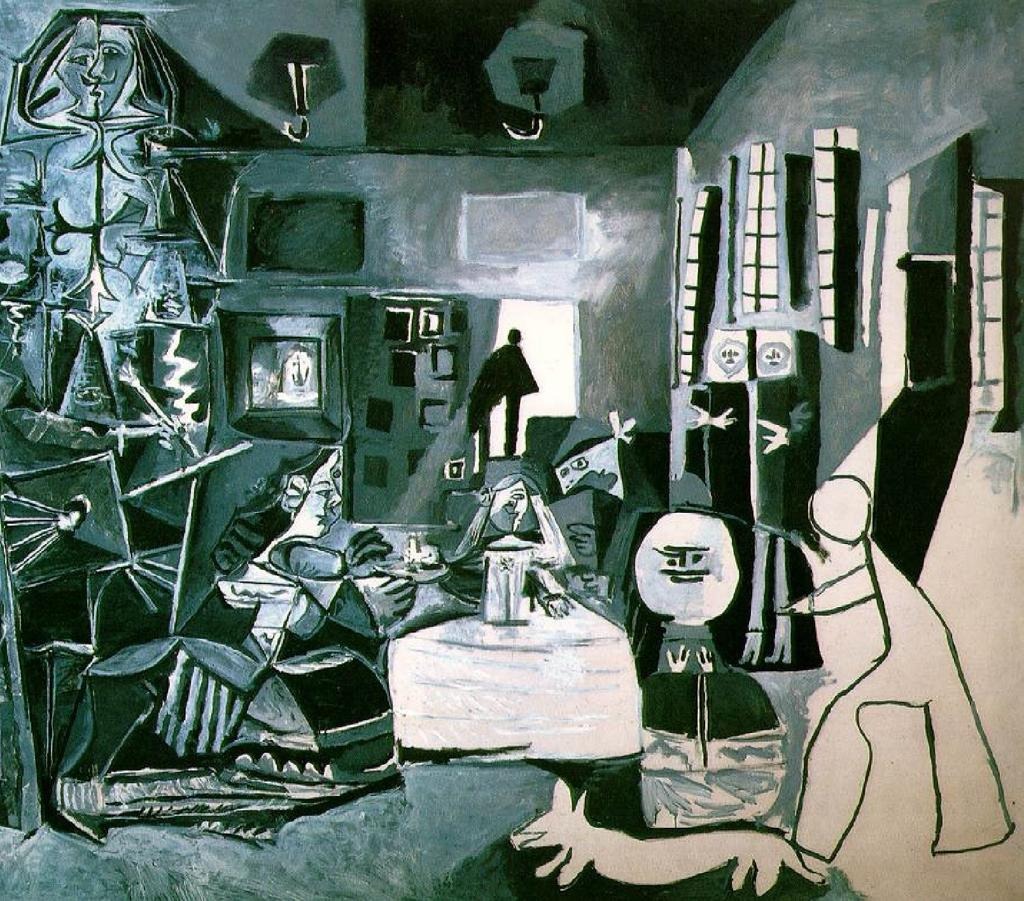
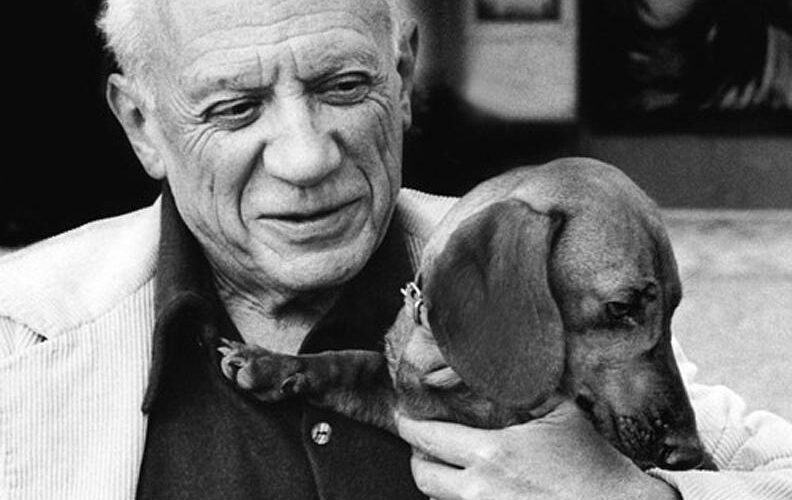
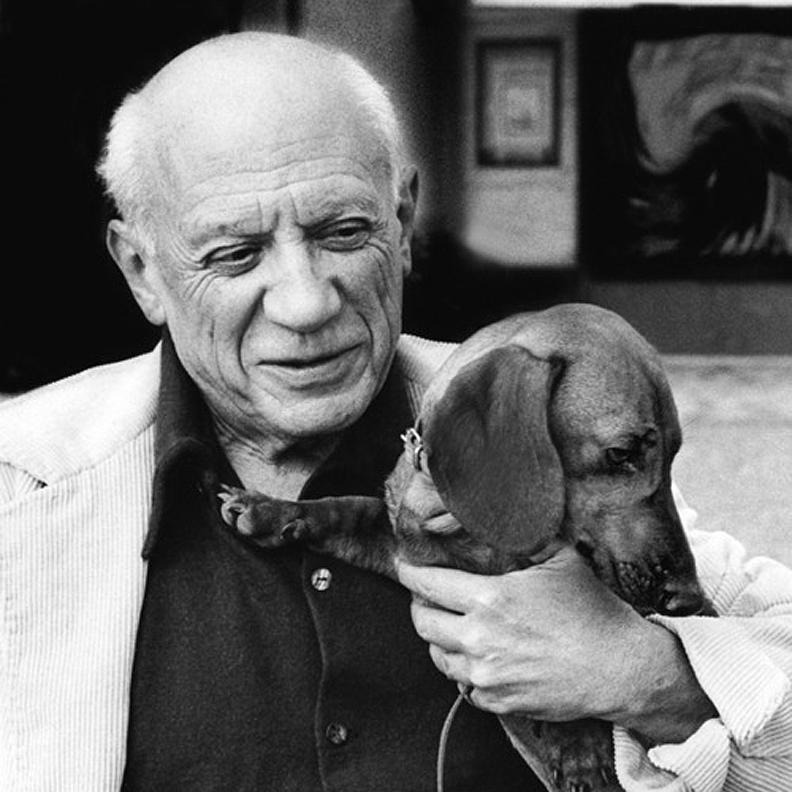
Pablo Picasso’s relationship with animals was never distant or purely observational, it was lived, intimate, and constantly evolving. Throughout his life, he kept a range of companions, from cats and owls to goats and dogs, each quietly entering his creative world. Among them, Lump, his dachshund, remains one of the most recognizable. More than a pet, Lump was part of Picasso’s daily rhythm, moving freely through his studio, appearing in sketches, and even finding a place within his reimagined versions of Las Meninas. It felt less like Picasso inserted the dog into his work, and more like Lump simply belonged there.
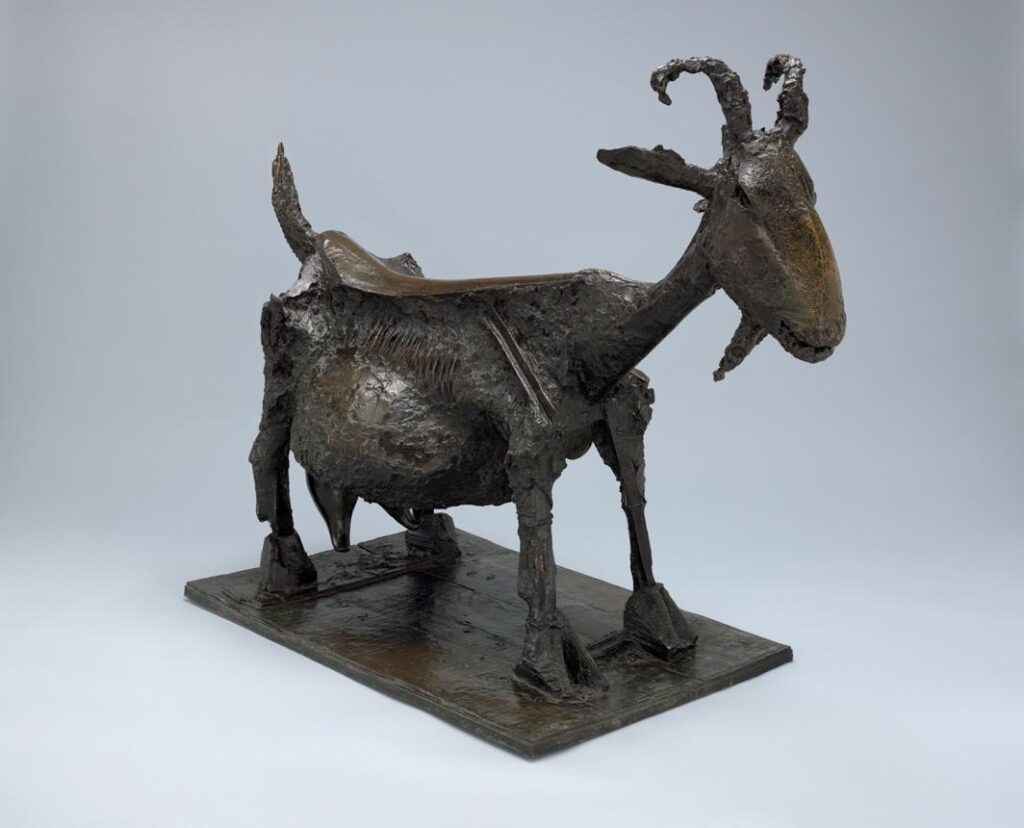
But Picasso’s connection to animals wasn’t only affectionate, it shaped how he saw and constructed form. His goat, Esmeralda, became the inspiration behind She-Goat (1950), a sculptural assemblage built from unexpected materials like wicker baskets and ceramic fragments. The work captures something beyond likeness, it holds presence, texture, and a certain raw vitality that mirrors the animal itself.
For Picasso, animals were never just subjects to observe; they were part of the environment he absorbed and reinterpreted. They grounded his restless experimentation, offering moments of familiarity within constant change. Whether loosely sketched, abstracted, or simply nearby, his pets existed within the same creative space, unseparated from the art he was continuously shaping.
2: Frida Kahlo
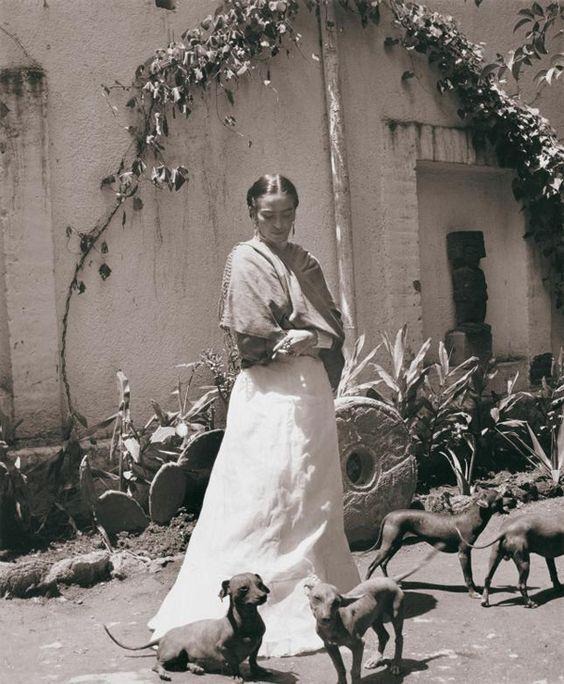
Frida Kahlo was rarely ever alone, despite often painting solitude, she lived surrounded by animals that became inseparable from her identity. At her home, La Casa Azul, monkeys, parrots, dogs, a deer, and even eagles moved through her world as companions rather than curiosities. Among them, her Xoloitzcuintli dogs and spider monkeys appear most frequently in her work, not as background details, but as emotional extensions of herself.
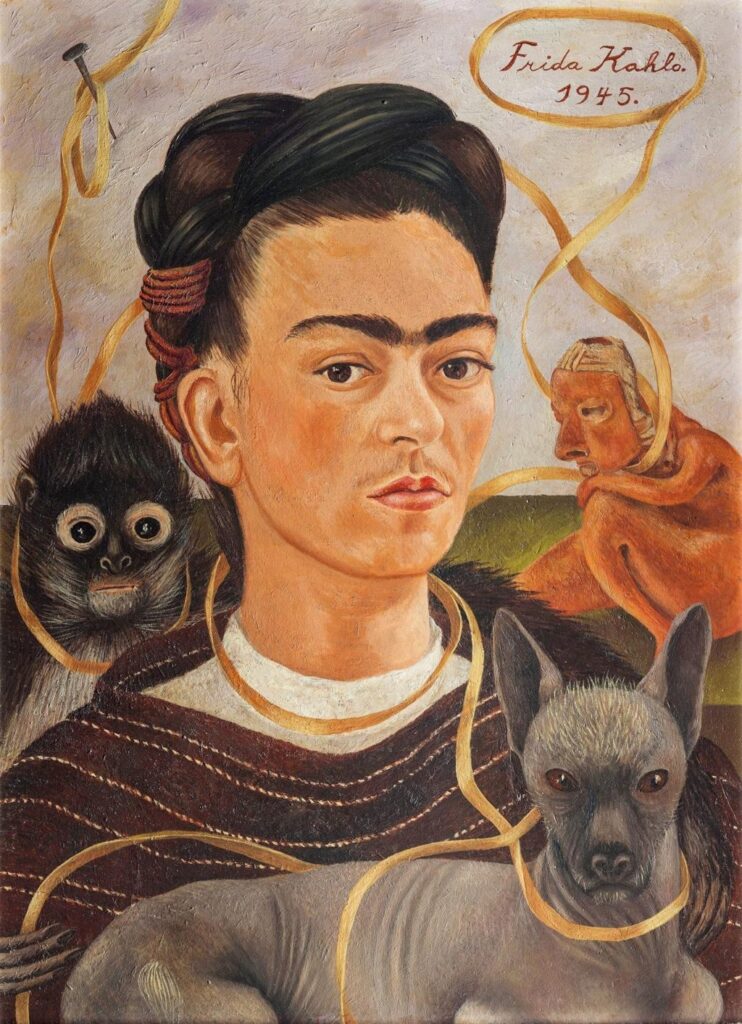
Kahlo once said she painted herself because she was the subject she knew best. Yet, in many of her self-portraits, she is not alone. A monkey clings to her shoulder, a dog rests at her feet, or birds sit quietly behind her. These animals were not decorative, they carried meaning. Rooted in Mexican mythology and personal symbolism, they often represented protection, vulnerability, or even unspoken pain. Her pets became a visual language through which she expressed what words could not hold.
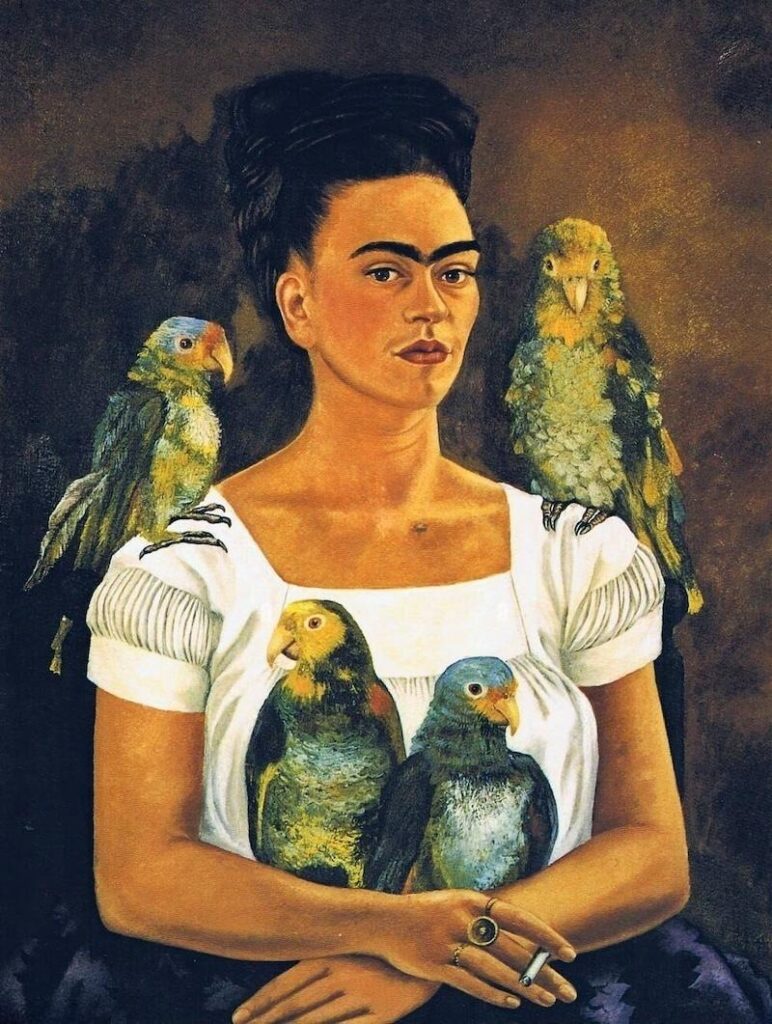
At the same time, they offered something deeply human: comfort. Through illness, heartbreak, and physical isolation, these animals were constant. They filled the silence, softened the loneliness, and grounded her in moments when her world felt fractured. In Kahlo’s paintings, the boundary between self and companion dissolves. The animals are not separate, they are part of her story, her body, her emotional landscape.
To look at her work is to understand that for Kahlo, these creatures were never just pets. They were presence, protection, and pieces of herself she chose to paint.
3: David Hockney
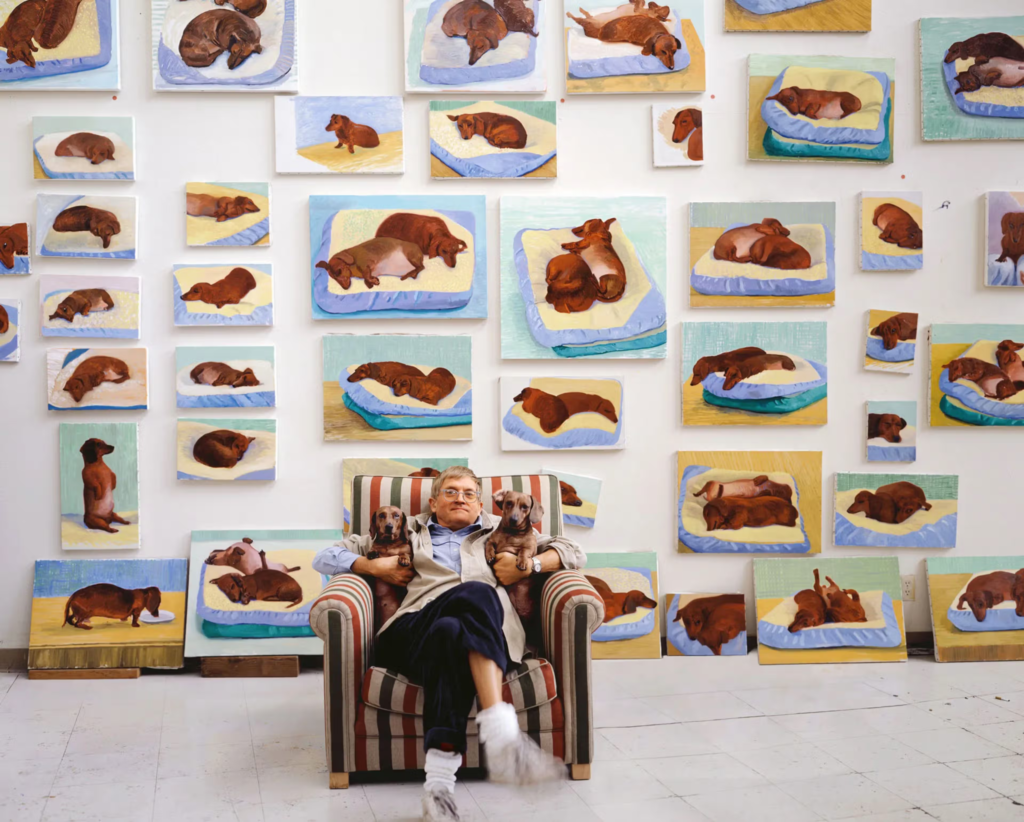
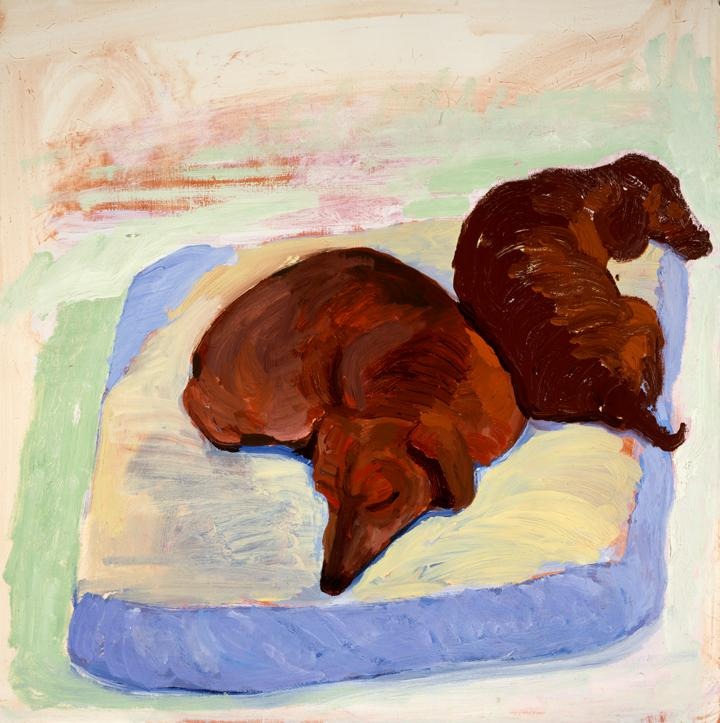
For David Hockney, painting his dogs was never about novelty, it was about love, repeated and observed over time. His dachshunds, Stanley and Boodgie, entered his life during a period of emotional difficulty, quickly becoming not just companions, but a quiet source of stability. Unlike grand landscapes or complex portraits, these paintings were intimate, almost meditative, focused on the small, everyday moments that often go unnoticed.
Hockney didn’t paint his dogs once and move on. He painted them again and again, sleeping, sitting, stretching, simply existing. This repetition wasn’t about variation, but attention. It was his way of holding onto fleeting gestures, of noticing how presence changes across time, even when the subject remains the same. In his series often referred to as Dog Days, Stanley and Boodgie are not idealized or symbolic; they are exactly as they are, familiar, loved, and entirely themselves.
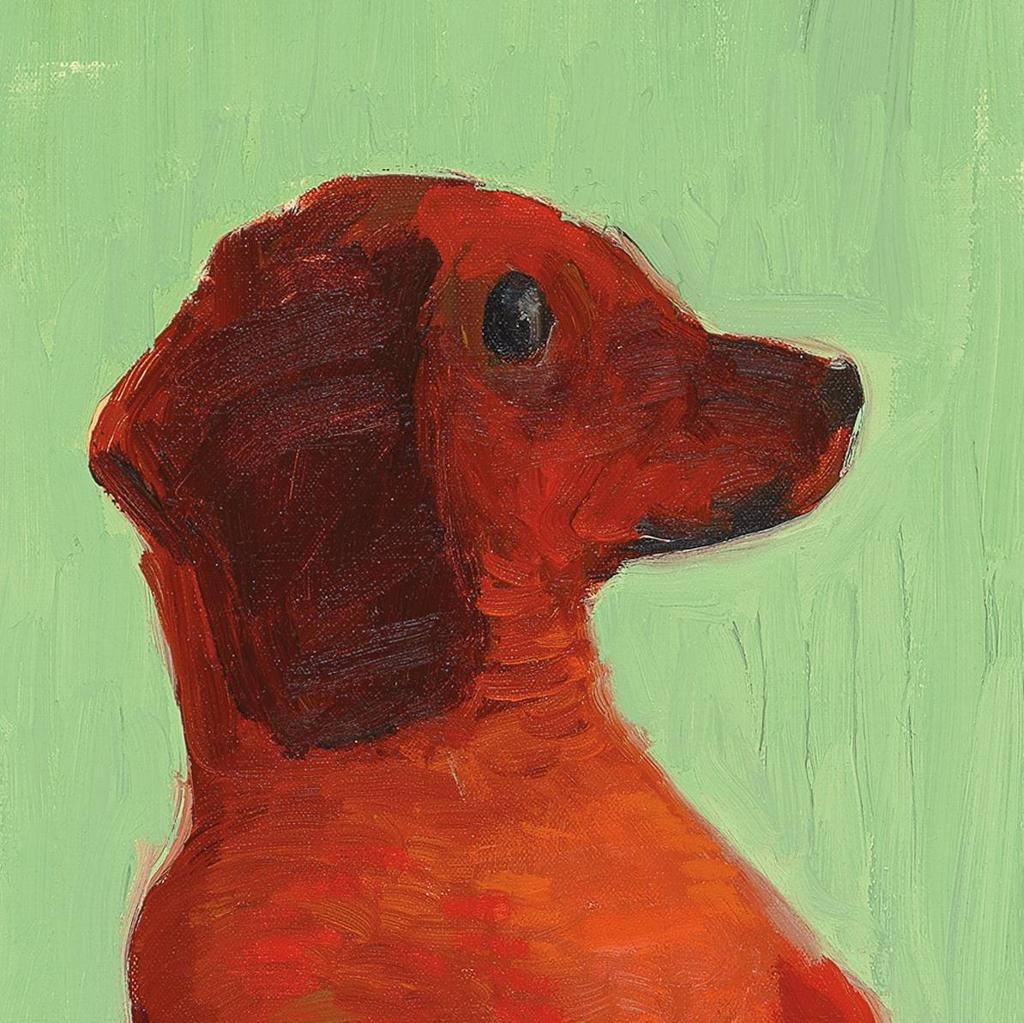
What makes these works resonate is their honesty. There is no attempt to dramatize or elevate the subject beyond its reality. Instead, Hockney leans into affection as a form of observation. The dogs become a reason to slow down, to look closer, to care more deeply about what is already there.
In painting them, Hockney wasn’t just documenting his pets, he was documenting a relationship. One built not on spectacle, but on quiet, enduring companionship.
4: Andy Warhol
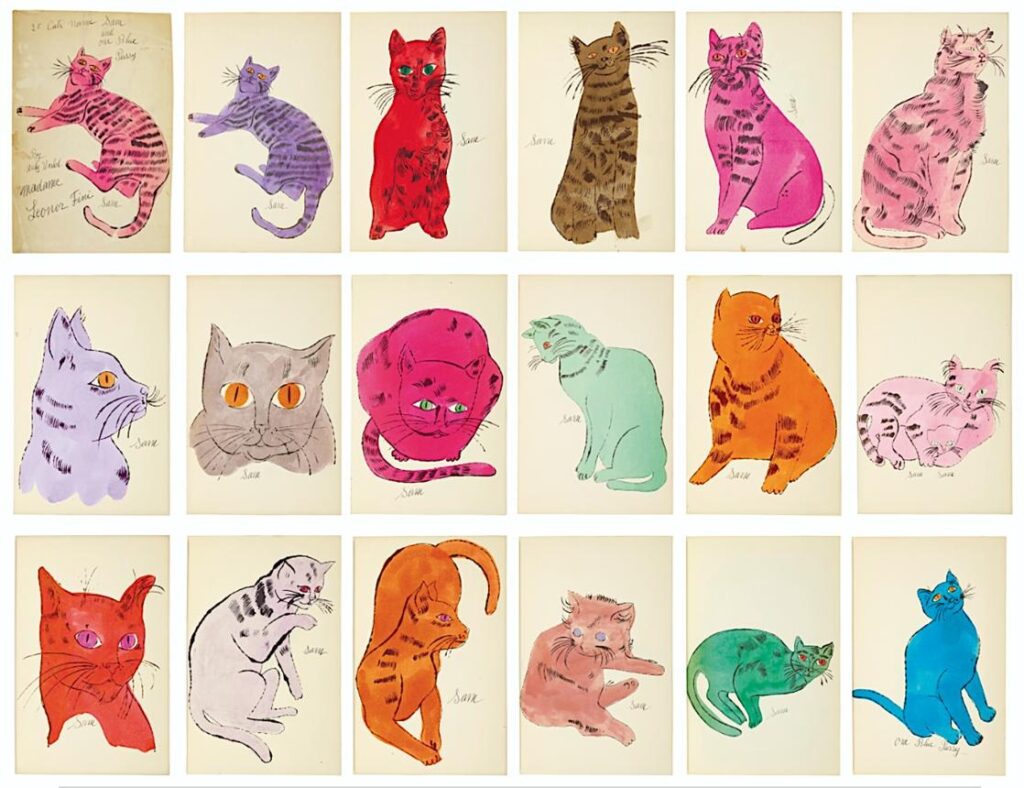
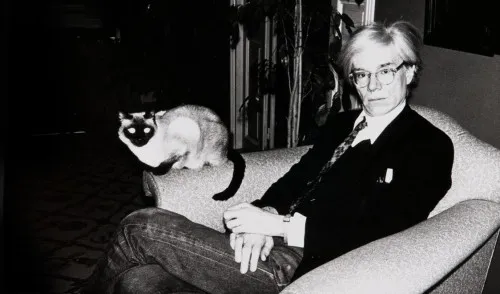
Andy Warhol’s world was often described as loud, glamorous, and filled with spectacle, but at home, it was surprisingly softer, shaped by the quiet presence of animals. Long before the parties and pop icons, Warhol shared his space with cats, many of them. In fact, he and his mother famously lived with over 20 cats, most of them named Sam, an oddly repetitive but endearing detail that reflected his affection for them. This love translated directly into his work through his whimsical book 25 Cats Name Sam and One Blue Pussy, where his signature style met a more playful, personal subject.
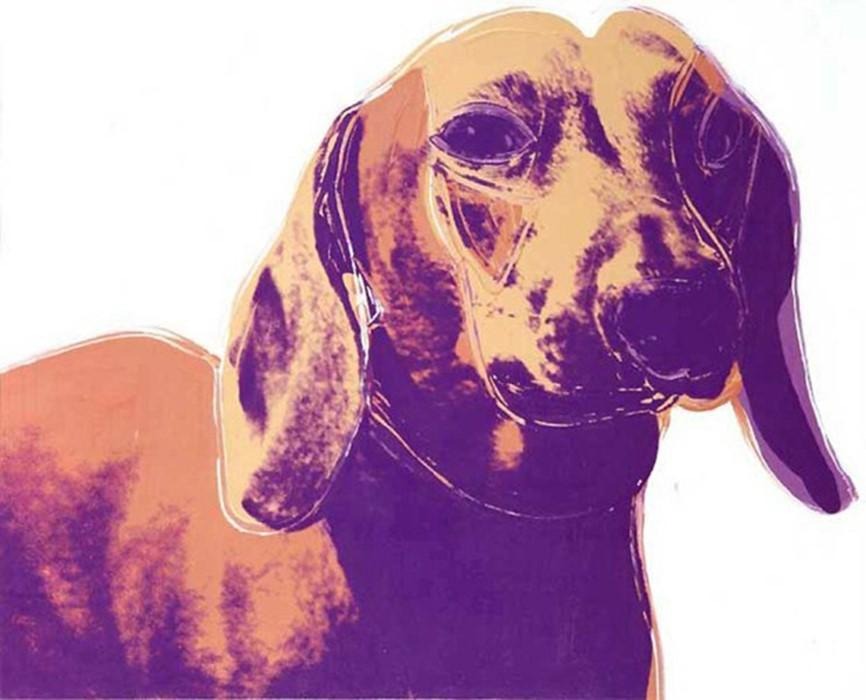
Later in life, Warhol’s companionship shifted toward dogs, particularly his dachshunds Archie and Amos, who became constant presences in his daily routine. Unlike his public persona, which thrived on attention, these relationships were grounded in intimacy and routine, walks, quiet moments, and the simple comfort of having something living and loyal nearby. He even illustrated Archie, turning his pet into a subject with the same care he gave to celebrity portraits, though with far more tenderness.
What’s striking about Warhol’s relationship with animals is how it contrasts with his artistic identity. In a career built on repetition, mass production, and cultural commentary, his pets existed outside of all that. They weren’t icons or statements, they were personal.
In them, Warhol found something unfiltered. Not an audience, not a subject to transform, but a presence that didn’t need to be anything more than what it already was.
5: Salvador Dalí
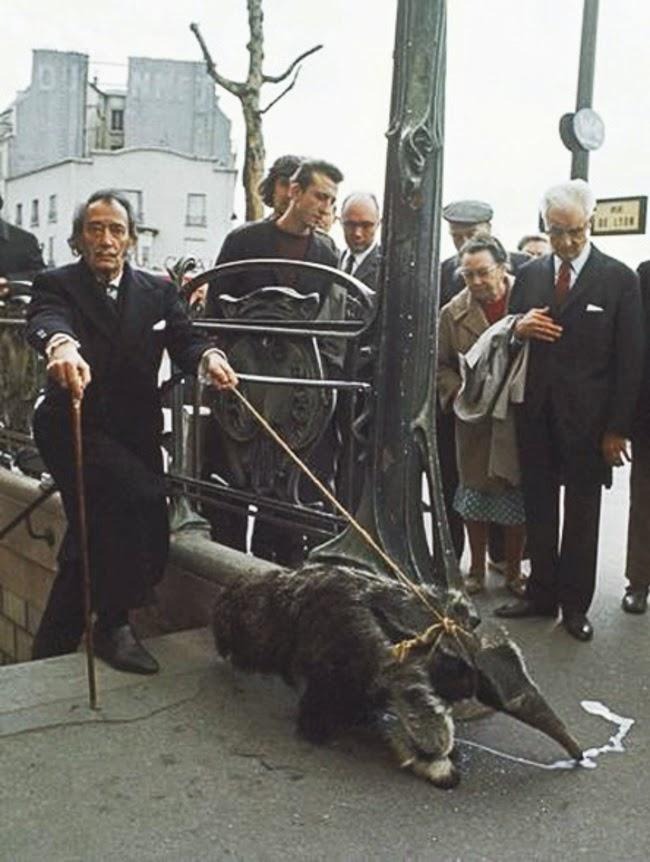
Salvador Dalí’s life was as theatrical and surreal as his paintings, and his relationship with animals followed the same logic. Among his most famous companions was Babou, a wild ocelot he often brought into public spaces, from luxury hotels to Parisian cafés, as if it were the most ordinary thing in the world. Draped over his arm or walking beside him on a leash, Babou became an extension of Dalí’s carefully constructed persona, eccentric, unpredictable, and impossible to ignore.
But Babou wasn’t the only unusual presence in Dalí’s life. He was also known to keep anteaters, once famously appearing on television with one, letting it wander freely across the studio floor. For Dalí, animals were never just companions in the traditional sense, they were statements. They blurred the line between reality and performance, much like his art itself.
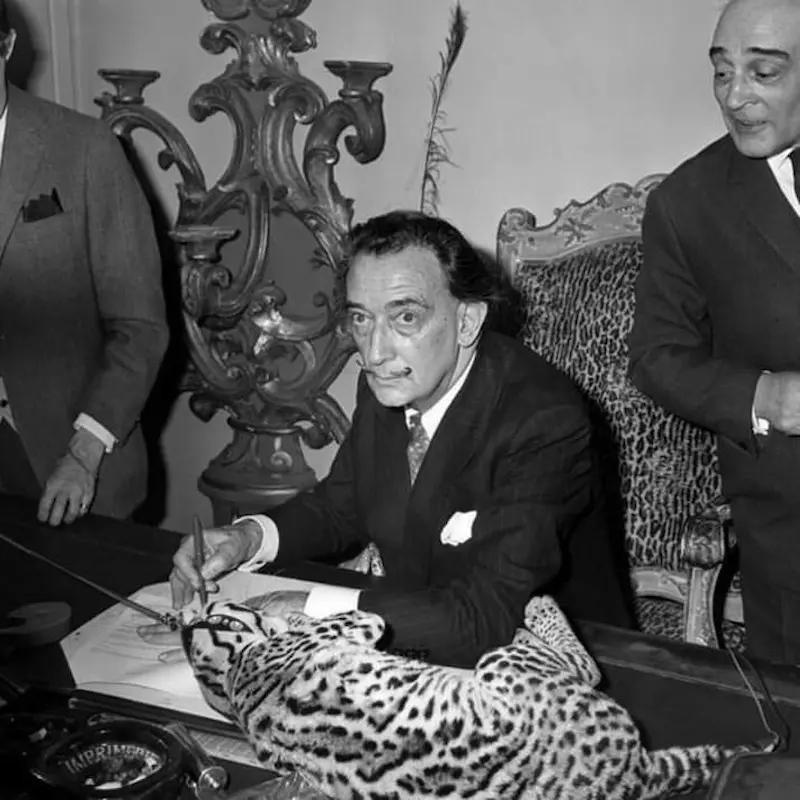
Yet beneath the spectacle, there is something more telling. Dalí didn’t choose animals that blended quietly into domestic life; he chose ones that disrupted it. In doing so, he revealed a different kind of connection, one rooted not in comfort, but in fascination. These animals mirrored his worldview: strange, symbolic, and slightly unsettling.
In many ways, Babou was less a pet and more a living surrealist gesture. With Dalí, even companionship became art, something to be staged, questioned, and reimagined.
6: Henri Matisse
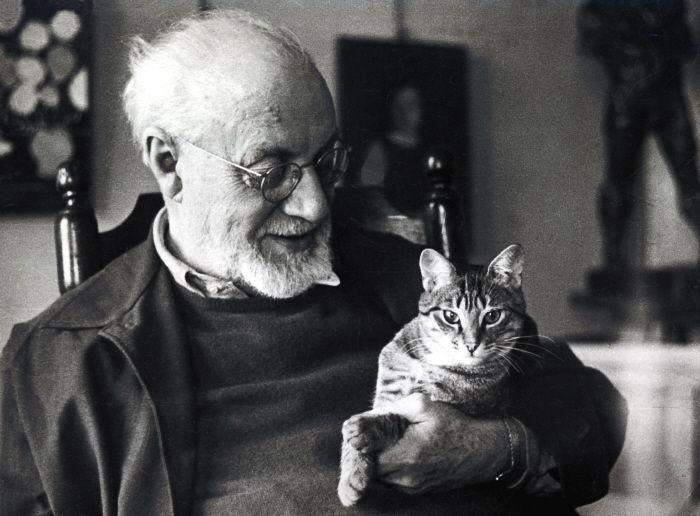
In the later years of his life, when illness confined him largely to bed, Henri Matisse’s world became smaller, but never empty. Around him moved a quiet, familiar presence: his cats, Minouche, Coussi, and La Puce. They wandered through his studio, curled beside him as he worked, and became part of the gentle rhythm that shaped his days.
Unlike the bold, expressive color that defined his paintings, Matisse’s relationship with his cats was understated, almost meditative. They didn’t demand attention; they existed alongside him, offering a kind of calm continuity. It’s said he would feed them pieces of brioche in the mornings, small, tender rituals that reveal a softer dimension of the artist often associated with visual intensity.
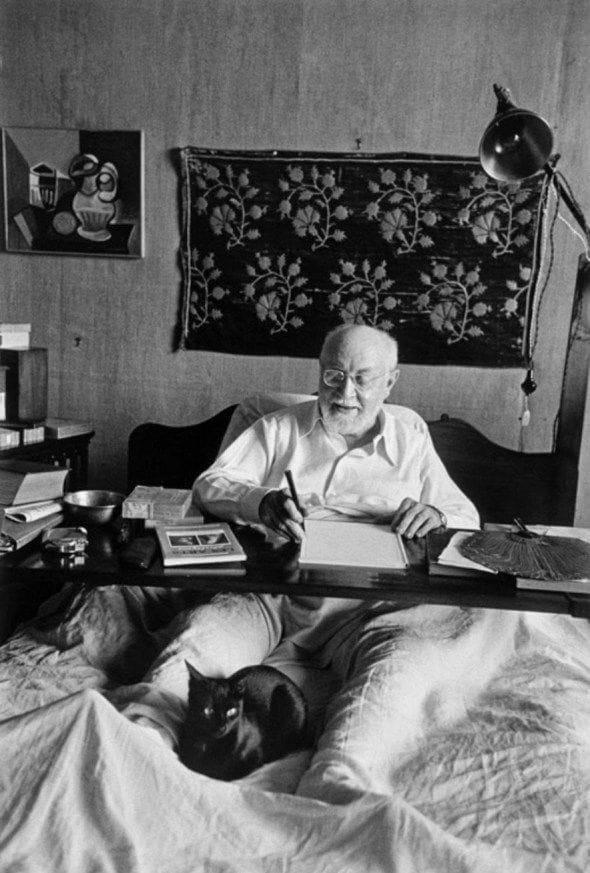
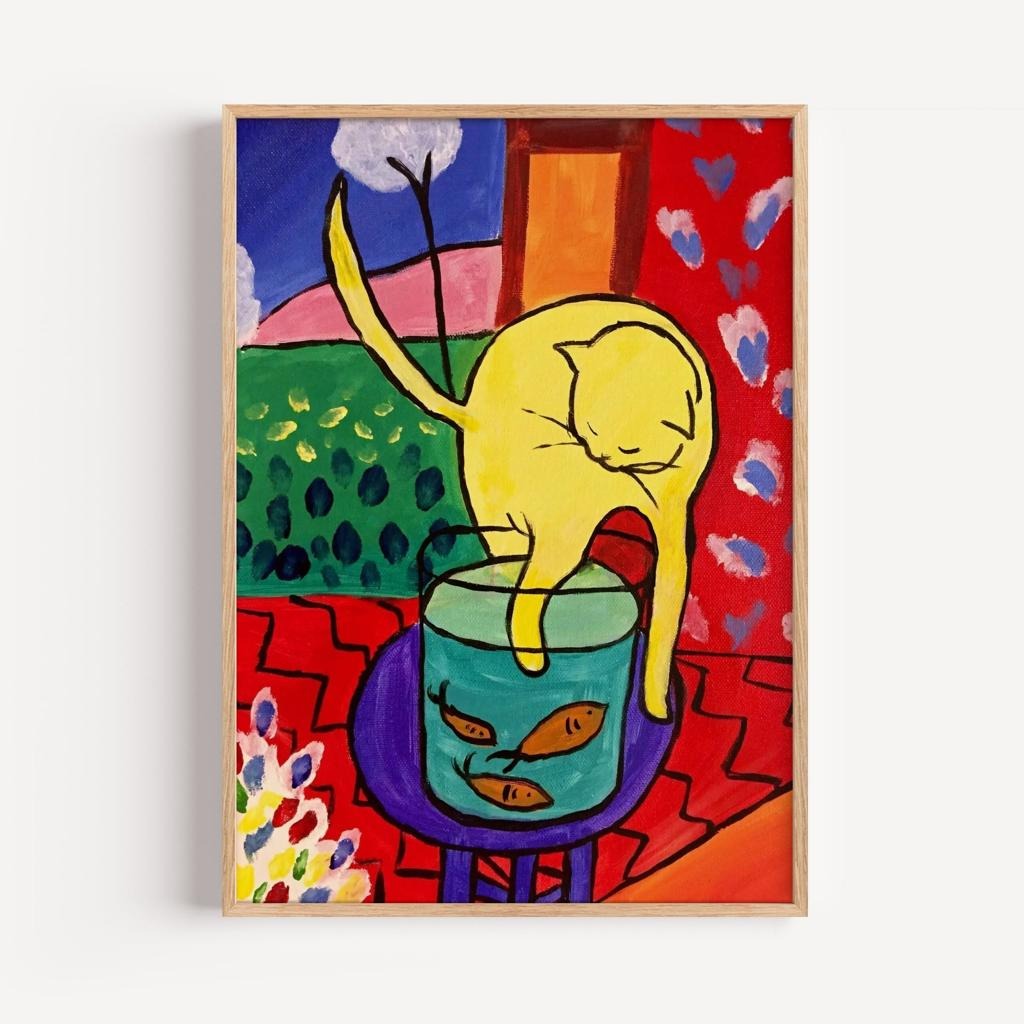
While cats do appear in some of his works, their importance lies less in how often they were depicted and more in how present they were in his life. They became part of his environment, just like the light in his room or the shapes he cut from paper. In moments when his physical world was restricted, these animals brought movement, warmth, and a sense of companionship that didn’t need explanation.
For Matisse, art was about balance, harmony, and joy, and perhaps his cats embodied that philosophy in its simplest form. Quietly, without spectacle, they became part of the life from which his art continued to grow.
7: Jackson Pollock
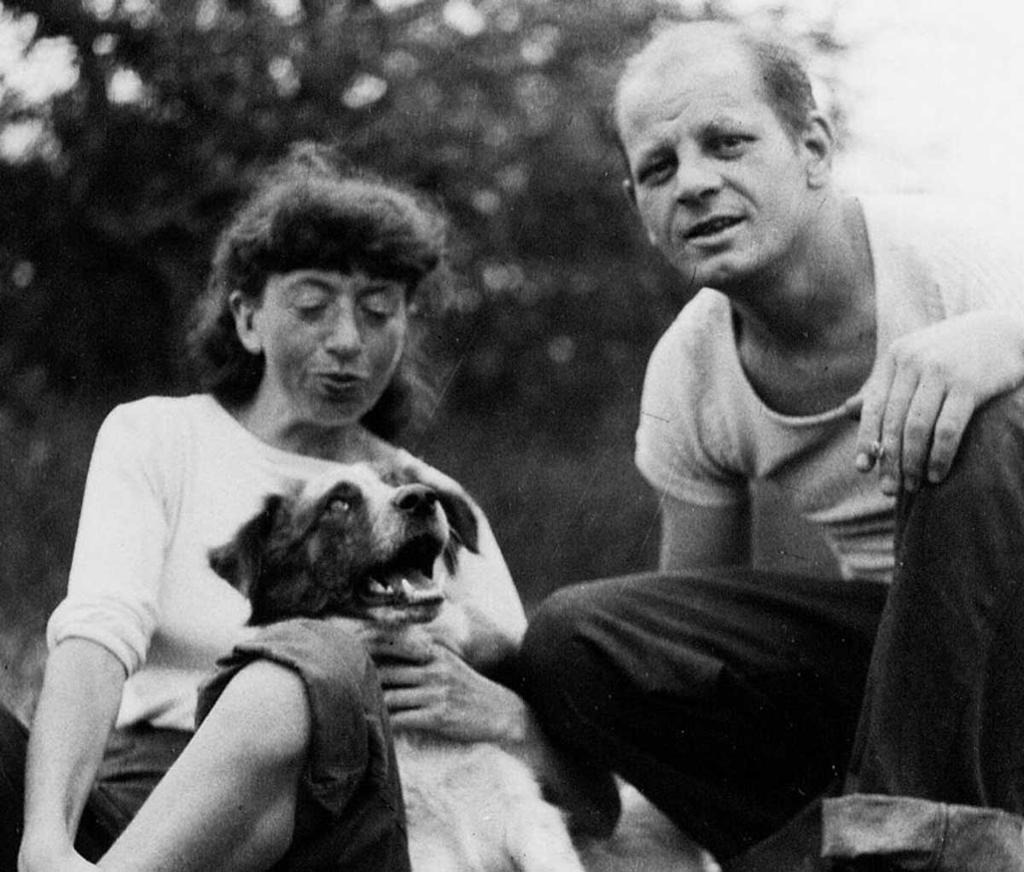
Jackson Pollock’s studio was anything but controlled, paint dripped, splattered, and moved with an energy that felt almost alive. Within that chaos, there was a quieter, steadier presence: his dog Gyp, a German Shepherd mix he had adopted from a shelter. Gyp wasn’t just a companion at home; he followed Pollock into the studio, becoming part of the environment in which some of the most iconic works of Abstract Expressionism were created.
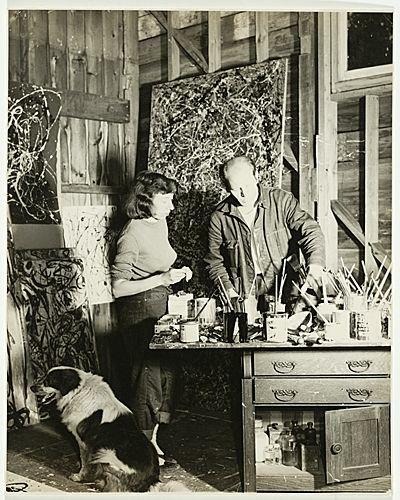
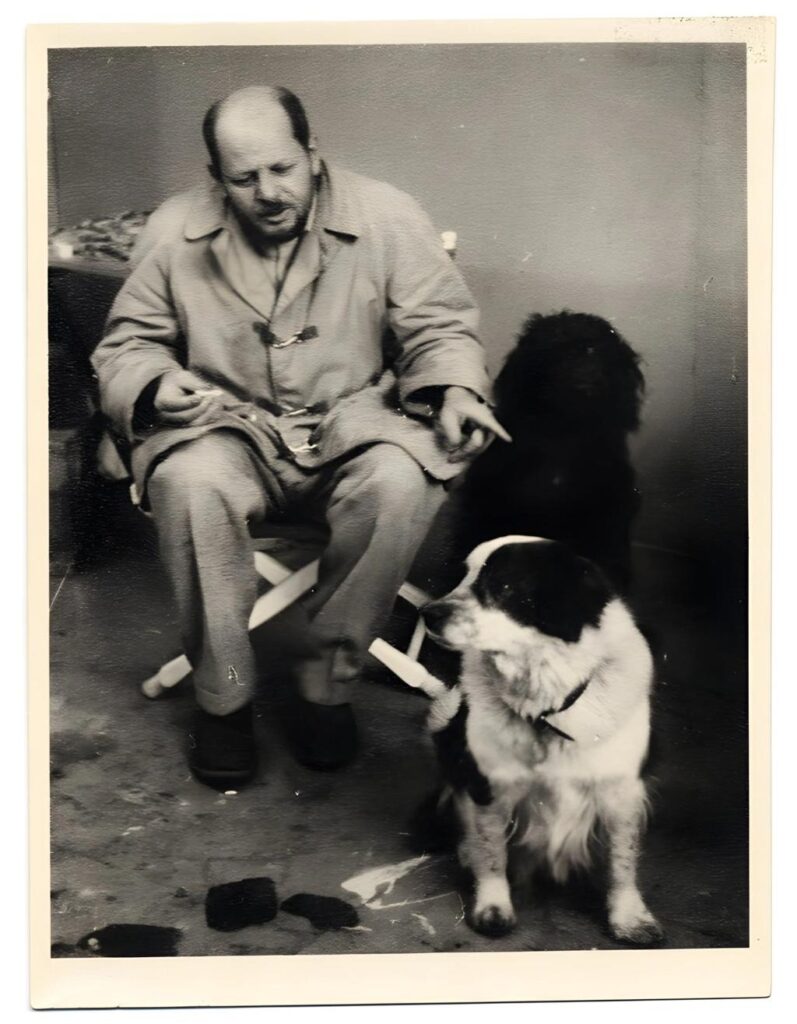
There are photographs of Pollock working with Gyp nearby, the dog resting or observing as paint moved across canvas laid on the floor. In a space defined by motion and unpredictability, Gyp offered something grounding, an unspoken stability that didn’t interrupt the process but existed within it. Pollock also had a poodle named Ahab, another quiet companion who shared his world beyond the canvas.
What makes this relationship compelling is how naturally it fits into Pollock’s practice. His work rejected structure and embraced instinct, and in many ways, so did his relationship with his animals. They weren’t staged or symbolic; they were simply there, present in the same space where creation unfolded.
In the midst of his turbulent life and intense artistic process, these animals offered a different kind of rhythm. Not one of control, but of presence, steady, familiar, and entirely unspoken.
8: Leonardo da Vinci
Leonardo da Vinci’s fascination with animals was rooted less in ownership and more in observation yet there are traces of quiet affection that suggest a deeper connection. Among the many creatures he studied, cats held a particular interest. His notebooks are filled with lively sketches of felines, stretching, curling, leaping, captured with an attentiveness that goes beyond anatomy and into character. It is widely believed he kept a cat as a companion, allowing him to observe these movements so intimately.
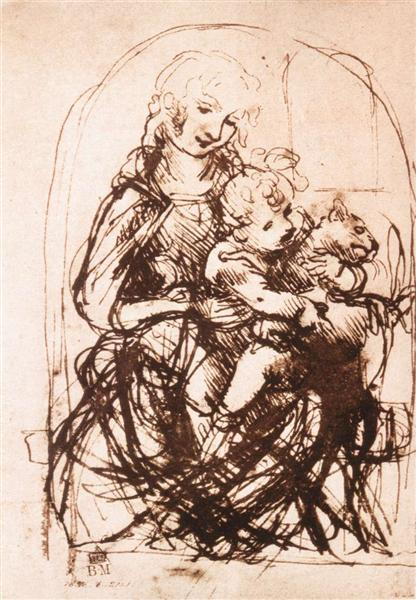
One of his most intriguing unrealized ideas, Madonna with a Cat, exists only through preparatory sketches. In these drawings, the child Christ clutches a cat that twists and resists, creating a dynamic tension within the composition. The animal is not passive, it has its own will, its own energy, something Leonardo seemed deeply interested in capturing.
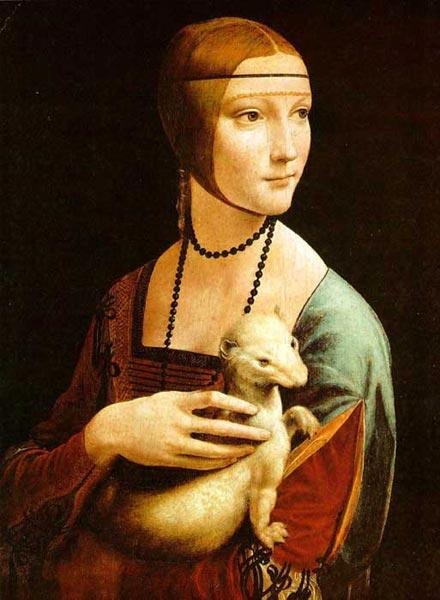
Even in finished works like Lady with an Ermine, the animal becomes more than an accessory. The ermine, delicately held, adds layers of symbolism, but also presence, it feels alive, alert, responsive. Leonardo’s genius lay in his ability to study life so closely that even the smallest creature carried weight and meaning.
For him, animals were not separate from human experience; they were part of the same intricate system of movement, emotion, and form. Whether through a beloved cat or a carefully observed study, they became another way for Leonardo to understand the world, one gesture at a time.
9: Pierre-Auguste Renoir
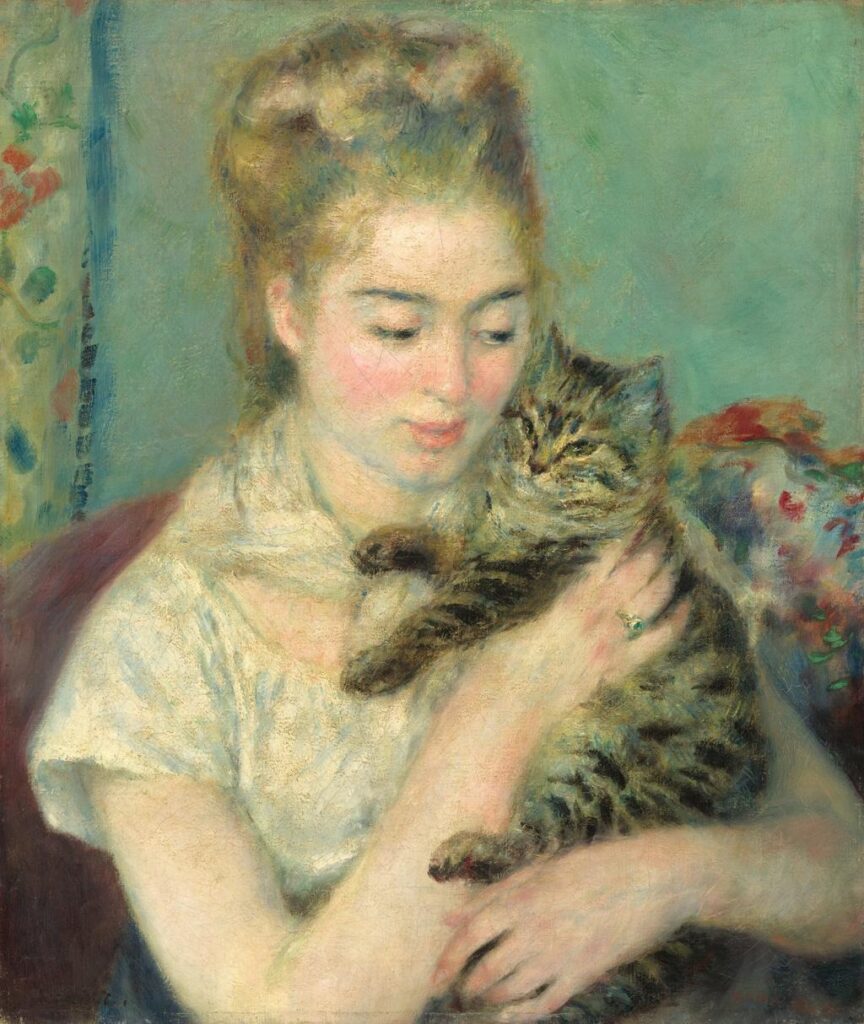
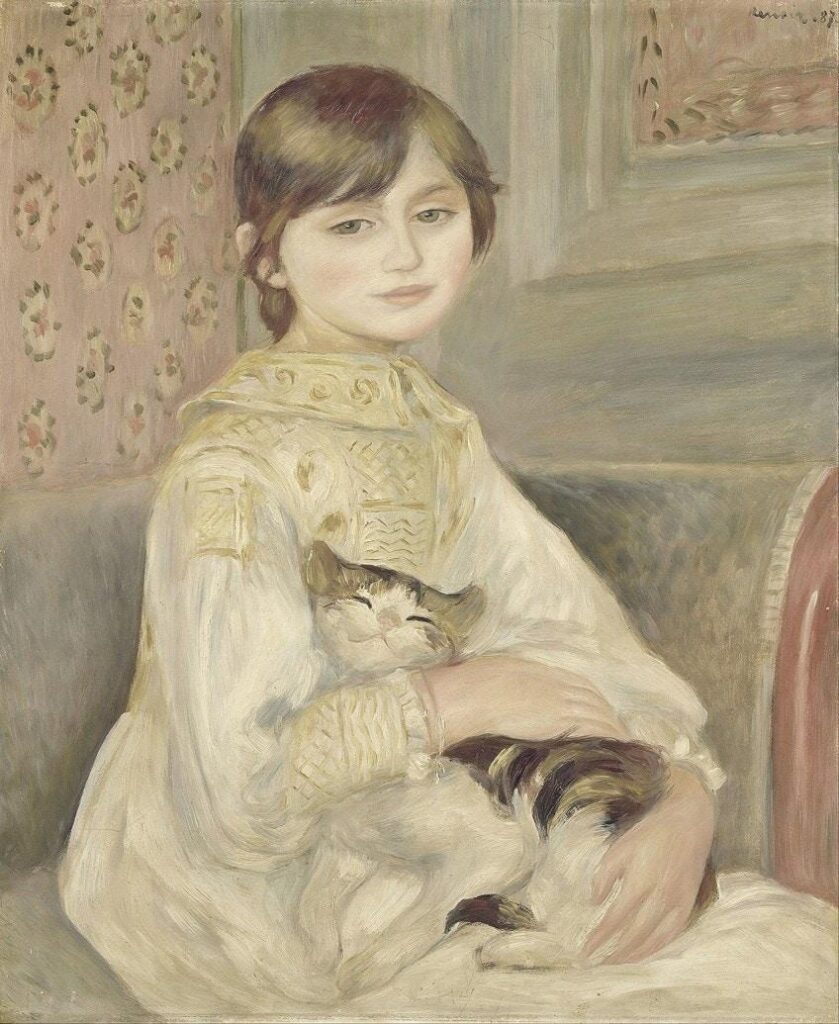
Pierre-Auguste Renoir’s paintings are often filled with warmth, soft light, gentle gestures, and an unmistakable sense of intimacy. Within these scenes, animals appear not as focal points, but as quiet companions that deepen the emotional atmosphere. Among them was his cat Grisette, who found her way into several of his works, including Woman with a Cat. In these paintings, the animal is not dramatic or symbolic; it simply rests, held or nearby, adding a layer of familiarity to the moment.
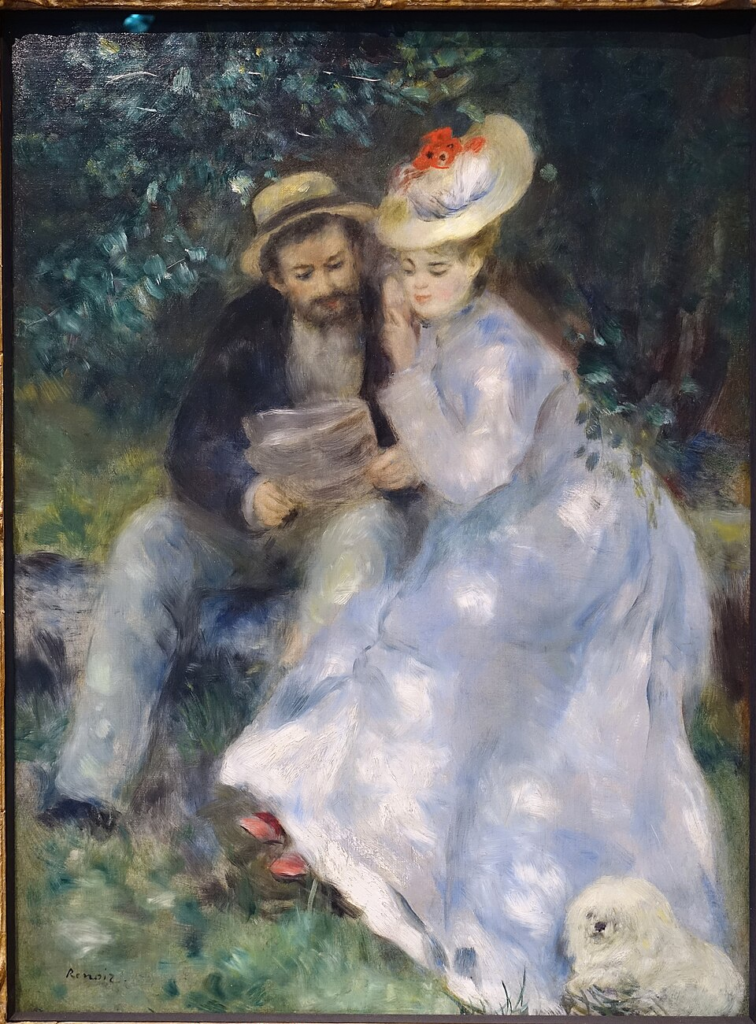
Renoir’s approach to animals mirrors his broader artistic philosophy. He painted life as it was lived, tender, social, and full of small, fleeting interactions. Cats and dogs appear in his compositions the same way they do in everyday life: naturally, without announcement. In works like Girl with a Watering Can, the presence of a cat subtly softens the scene, while in Confidence (Secrets), a dog becomes part of an intimate exchange between figures, reinforcing themes of trust and closeness.
There is no sense of spectacle in these portrayals. Instead, Renoir treats animals with the same sensitivity he gives to human subjects, through light, texture, and gesture. They are part of the rhythm of domestic life, woven seamlessly into moments of rest and connection.
In Renoir’s world, pets are not elevated or transformed. They are simply loved and that, in itself, is enough.
10: Norman Rockwell
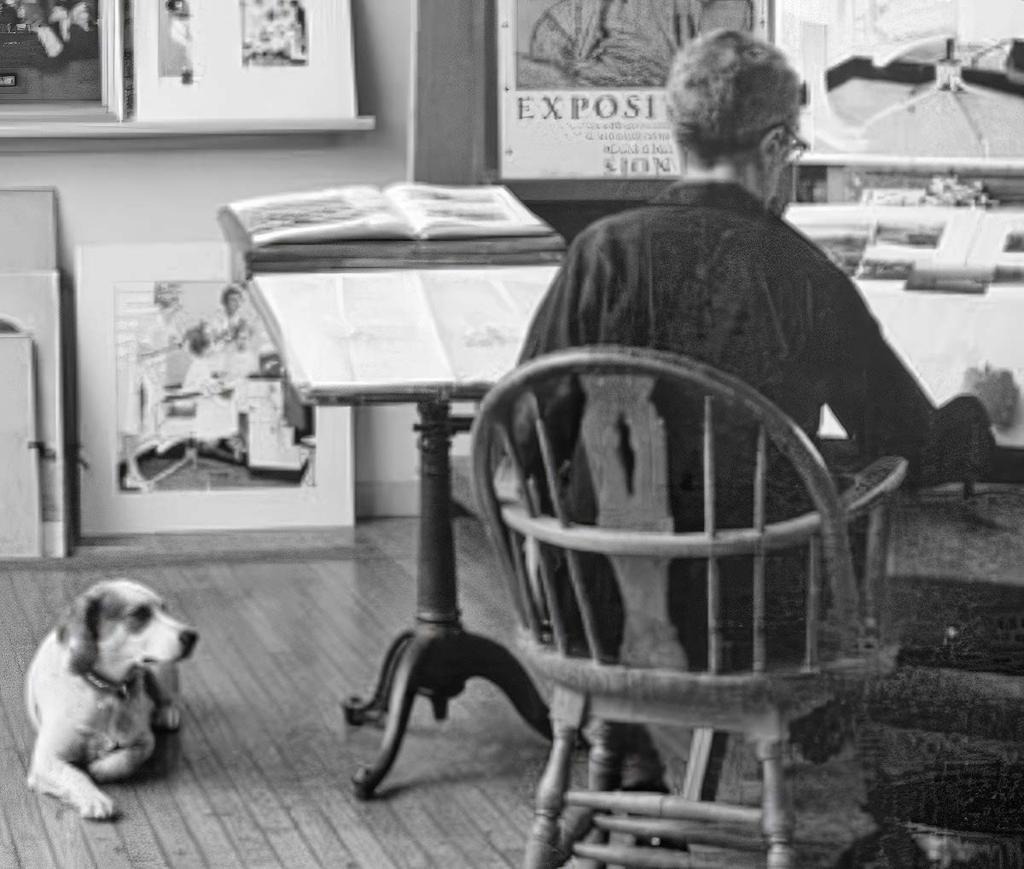
Norman Rockwell’s art is often remembered as a portrait of everyday life, warm, familiar, and deeply human. Within these scenes, dogs appear again and again, not as central subjects, but as essential parts of the world he was building. They sit beside children, follow their owners, nap quietly in corners, always present, always belonging. This wasn’t incidental. Rockwell himself lived and worked alongside dogs, who often accompanied him to his studio, settling nearby as he painted.
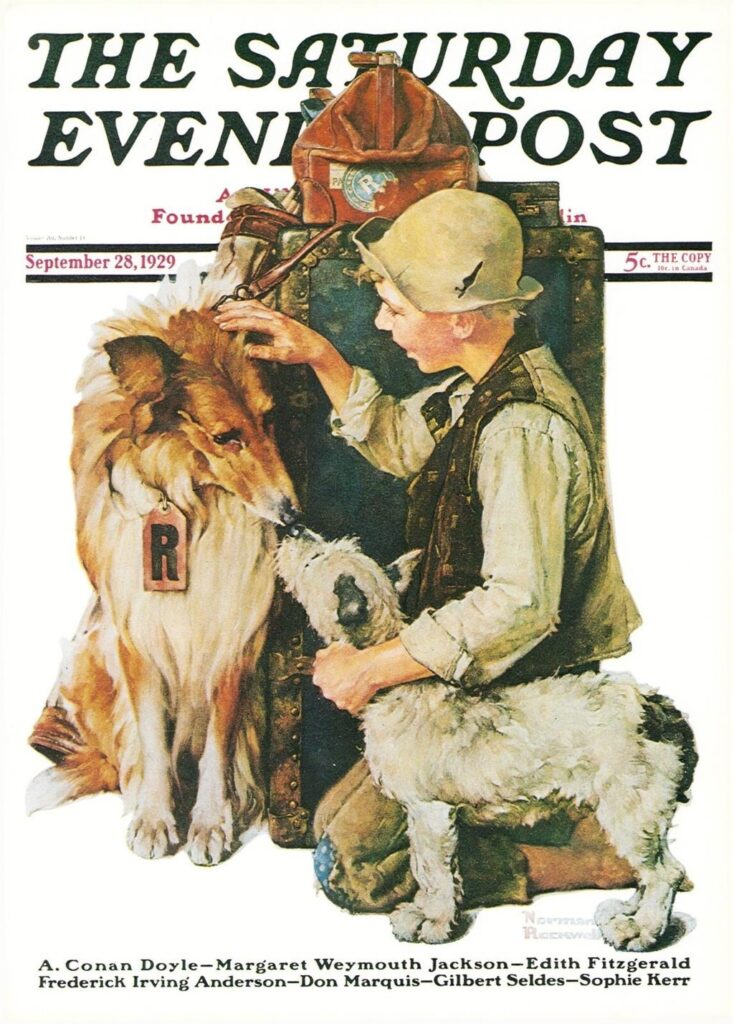
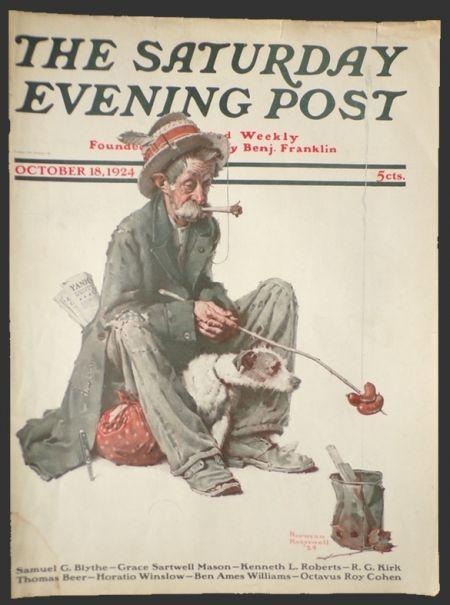
Unlike artists who used animals symbolically or as expressive subjects, Rockwell treated them as he did everything else, with realism and affection. His dogs were not exaggerated or idealized; they behaved exactly as dogs do. Curious, patient, loyal. In many of his illustrations for The Saturday Evening Post, they act as emotional anchors, subtly reinforcing the tone of the scene, whether it’s humor, tenderness, or nostalgia.
There’s a sense that Rockwell understood something fundamental about companionship. His dogs are never staged for attention, yet they often become the detail that makes the image feel complete. They ground his compositions, making them feel lived-in rather than constructed.
In Rockwell’s work, pets are not just part of the background, they are part of the story. Quiet witnesses to the moments he chose to preserve, reflecting the same sense of trust and familiarity that defined his vision of life.
A Continuing Presence: Dogs in Contemporary Art
If artists across history have returned to animals as companions, subjects, and quiet witnesses, it’s perhaps no surprise that this relationship continues to evolve in contemporary practice. Among all animals, dogs hold a particularly enduring presence. They exist not just beside us, but within the emotional fabric of our lives, appearing in moments both ordinary and profound.
Dogs are not only observed; they are felt. They become expressions of loyalty, vulnerability, protection, and memory. Sometimes they appear as detailed portraits, other times as fleeting gestures, suggested through movement, posture, or absence. What remains constant is their ability to carry emotion without language, to hold meaning without explanation.
This ongoing connection is at the heart of the 101 Art Book: Dog Edition, part of the larger 101 Art Book Project by Arts to Hearts Project. Bringing together 101 artists from around the world, the edition explores how dogs continue to exist within contemporary creative practices, not just as visual forms, but as relationships, experiences, and narratives shaped by individual perspectives.
Much like the artists who came before, today’s practitioners are not simply depicting animals, they are responding to them. Through painting, photography, sculpture, and experimental mediums, dogs reappear as companions within the creative process itself.
In this way, the presence of dogs in art is not fixed or historical. It is ongoing, quietly carried forward, one artist, one story, one work at a time.
Across centuries, styles, and geographies, one thing remains constant, artists have never truly worked alone. Beyond the canvas, beyond the studio walls, there has often been a quiet presence: an animal moving through the same space, sharing the same time, witnessing the process without interruption. Whether it was a dog resting at an artist’s feet, a cat slipping between brushes and paper, or something far more unexpected, these companions became part of the rhythm of creation itself.
What makes these relationships so enduring is their simplicity. They are not bound by expectation or interpretation in the way human relationships often are. They exist in gestures, in routines, in shared moments of stillness. And perhaps that is why they appear so naturally in art, not always as central subjects, but as presences that complete a scene, soften a composition, or deepen an emotional undercurrent.
To look at these works is to recognize something familiar. Not just in the artists, but in ourselves. The way a pet becomes part of our daily lives, our memories, our sense of home. The way they stay, quietly and consistently, without needing to be asked.
In the end, these animals are more than muses or motifs. They are witnesses to lives lived alongside art, unrecorded in many ways, yet deeply felt. And perhaps that is their truest place in art history: not always seen, but always there. Which of these stories stayed with you the most?
If this relationship between artists and their companions feels layered, it’s because animals in art have always carried meanings beyond what we see. You can explore this further in our piece on The Secret Lives of Cats in Art