
Can Art Help You Rebuild Yourself | Claudia Hermosilla

This interview offers a close look at the life and work of Hermöcè, the artistic name of Claudia Hermosilla, whose path to painting was shaped by many years spent far from the studio. She speaks about growing up with an instinct to draw, then setting it aside while she built a long career as a forensic psychologist, working daily with people at their most exposed. Those years sharpened her way of seeing and listening, but they also carried a heavy toll that eventually forced her to stop.
As the conversation unfolds, Hermosilla shares how watercolour returned to her life during a period of physical and mental collapse. What began as a way to cope slowly became a way to rebuild concentration, coordination, and emotional balance. Her understanding of neuroplasticity moved from theory into lived experience, and painting became central to her recovery. Choosing to commit fully to art at 56 was not a sudden decision, but a careful return to something she had always known.
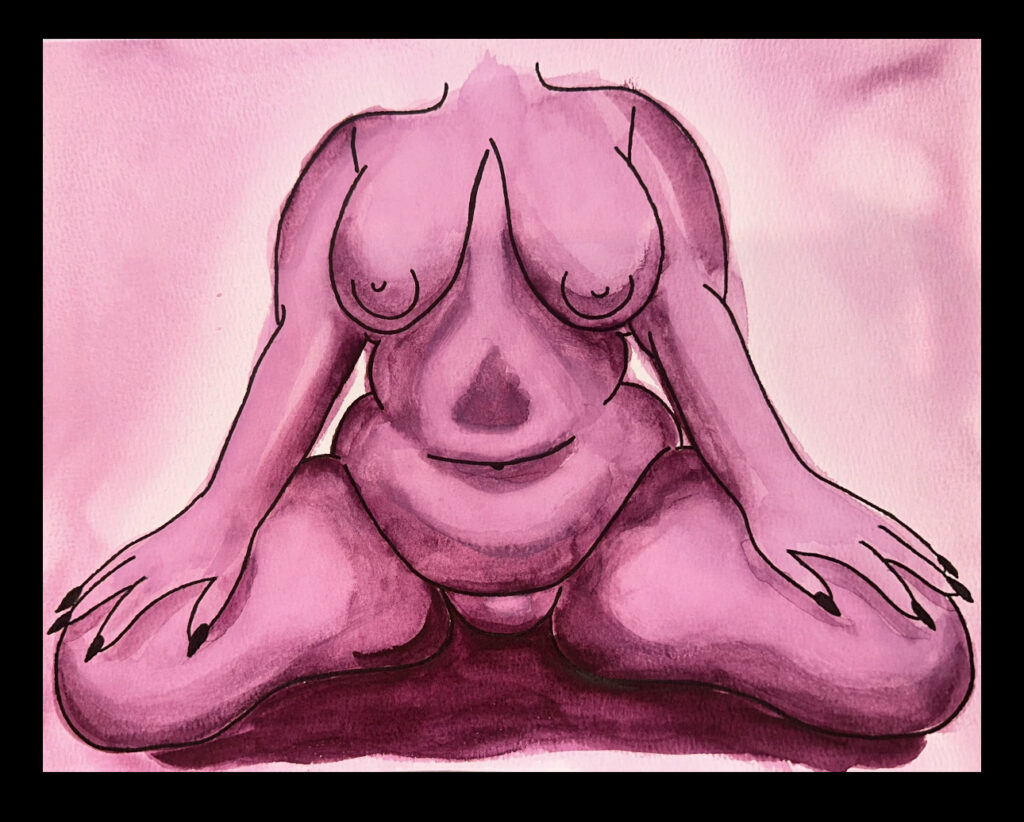
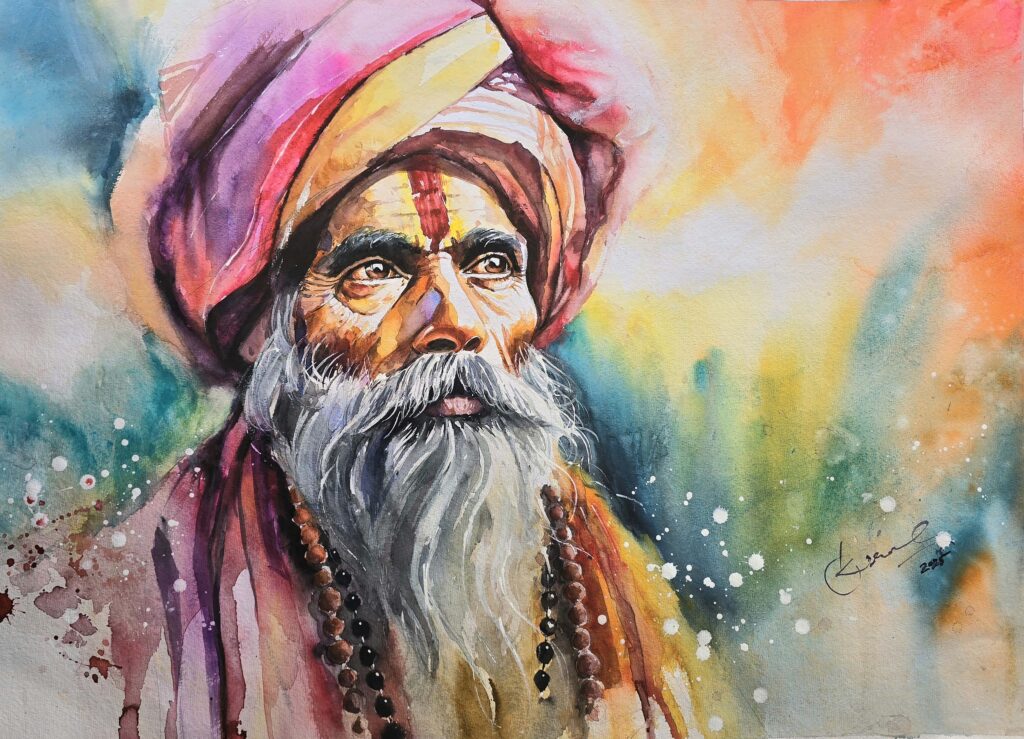
She also explains how her background in psychology continues to inform her portraits of women. Rather than focusing on surface likeness, she works toward moments when clarity and direction quietly appear. Real women inspire some figures, while others arrive without a clear source, asking only to be given space on paper. Watercolour, with its unpredictability, supports this way of working by allowing chance and intuition to guide the final image.
What we learn through this interview is not just how Hermöcè paints, but why her work resonates with so many viewers. Women often respond to her images with recognition, seeing their own pauses, struggles, and new beginnings mirrored back to them. This conversation reveals an artist who understands transition through lived experience and uses painting to speak to starting again, even when the path forward is uncertain.
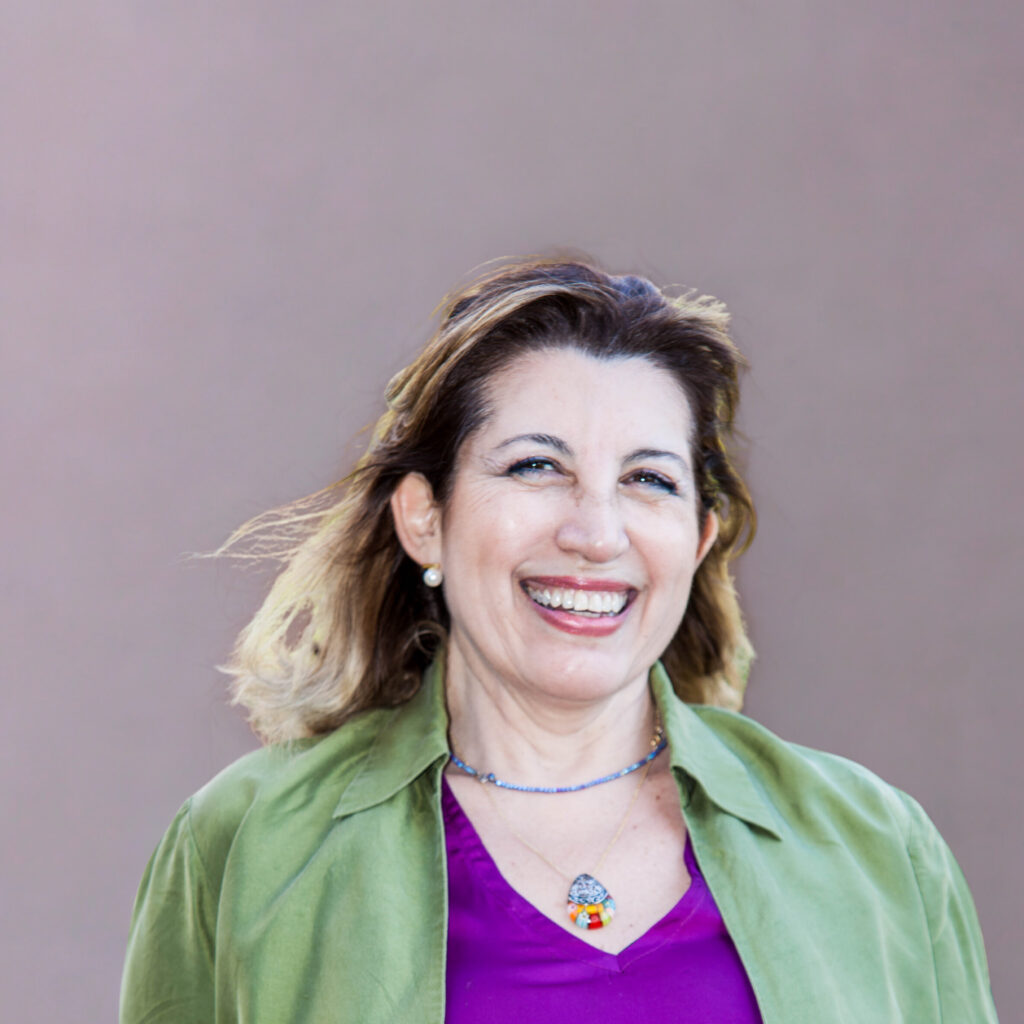
I was born an artist, long before I ever dared to call myself one. As a child, I drew everywhere—on walls, notebooks, the margins of my schoolwork. Colours, shadows and human expressions were my first language. Yet I kept that part of me silent for decades, choosing a profession where I walked daily into the most vulnerable corners of human experience. For over thirty years, I worked as a forensic psychologist, listening to stories marked by violence, pain and fragility. I entered the intimacy of people’s emotions, thoughts and hidden truths. It shaped my eye, my sensitivity, and my understanding of the human condition—but it also led me into a darkness that slowly eroded my own well-being. When my health collapsed, I instinctively returned to watercolour.
What began as refuge became a profound restoration. Through painting, something rewired inside me: my memory sharpened, my concentration returned, my fine motor skills reawakened. My mood lifted, my clarity strengthened. Everything I knew theoretically about neuroplasticity became real in my own body. At 56, I chose light. I returned to the essence I had silenced. Art became my freedom, my voice, my stability, my life. And from this rebirth, Hermöcè emerged—an artistic identity rooted in women’s emotional landscapes, in quiet truths, in resilience, and in the beauty of what cannot be spoken.
My work explores the internal moment when a woman regains herself—her clarity, her path, her pulse. Some portraits come from real women; others arrive like revelations, appearing on cotton paper as if they had been waiting for me. My role is to let them speak.
1. What was the moment that made you decide to leave forensic psychology after so many years and commit fully to watercolour?
I reached a point where my body and mind could no longer hold the weight of the stories I carried. After decades immersed in violence, pain and human fragility, something inside me broke. My health deteriorated, and I was forced to stop. In that pause, the only thing that soothed me was painting. Watercolour felt like breathing again. It awakened a part of me that had been waiting since childhood. One day, someone looked at my work and took it seriously—and that small gesture opened a door I had closed for years. I realised that my most actual desire had always been to live in colour, water and light. Leaving forensic psychology wasn’t sudden; it was a return. A return to the artist I always was, to the language I had abandoned. When I chose art, I chose life.
Watercolor felt like breathing again.
Claudia Hermosilla
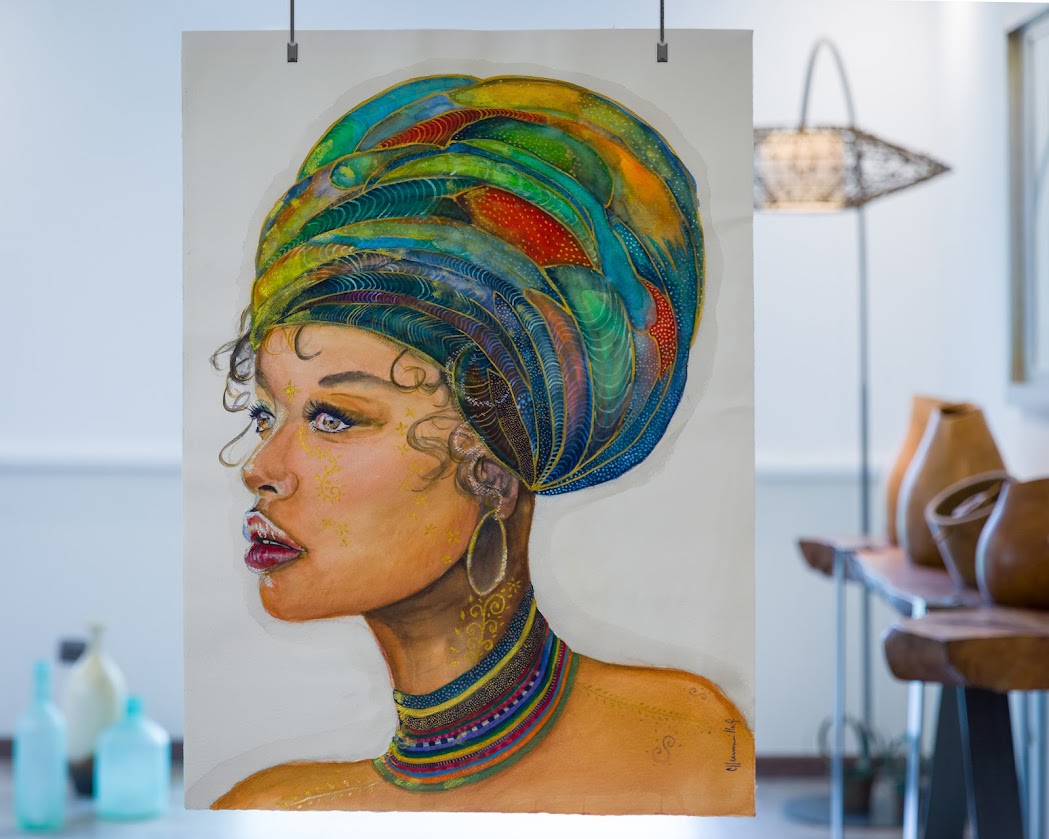
2. How has working for decades with stories marked by conflict and vulnerability shaped the way you approach a portrait today?
Those years trained me to see beyond what is visible. I learned to read micro-gestures, silences, tensions, and emotional vibrations. When I paint, I don’t try to “capture” a state—I seem to enter the person’s frequency. Something resonates, and when that resonance appears, a trace remains on the paper. Not all my women are based on real models. Many appear as if they arrived from a deeper place, from something that needed to be expressed without words. They reveal truth, freedom and mystery. My portraits are, in many ways, conversations with what is usually kept silent.
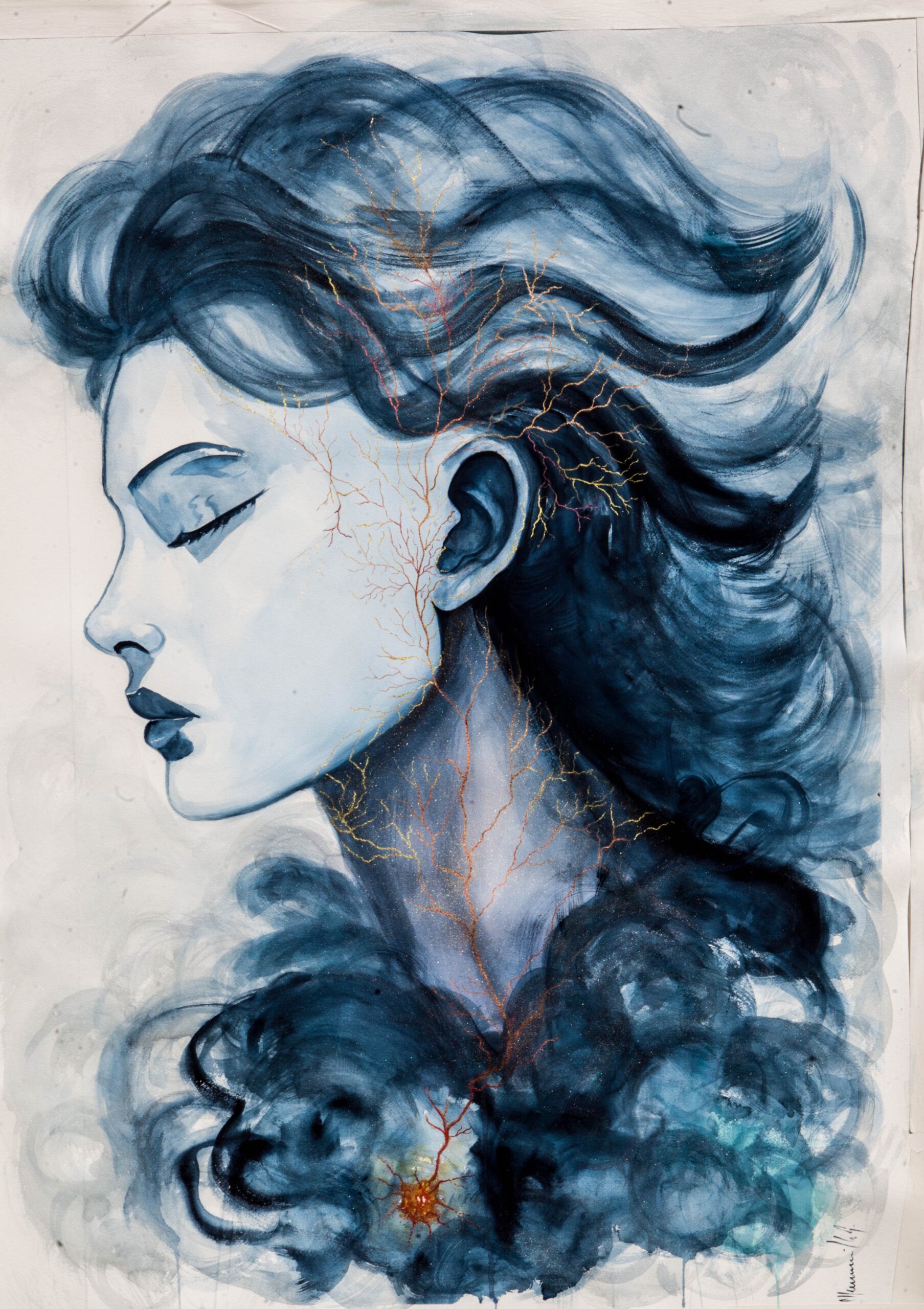
3. You speak about reinvention at 56. How did that transition unfold for you on an emotional and practical level?
Emotionally, it was a return to light after years in darkness. I had to become ill—physically and mentally—to finally listen to myself. The collapse forced me to stop, to breathe, to rebuild. And watercolor became the bridge back to myself. Practically, it meant dedicating all my energy to creating, learning, experimenting and trusting. It required courage: to start over, to accept uncertainty, to show my work publicly for the first time. But each step restored something in me. Reinvention wasn’t a leap—it was remembering who I had always been.
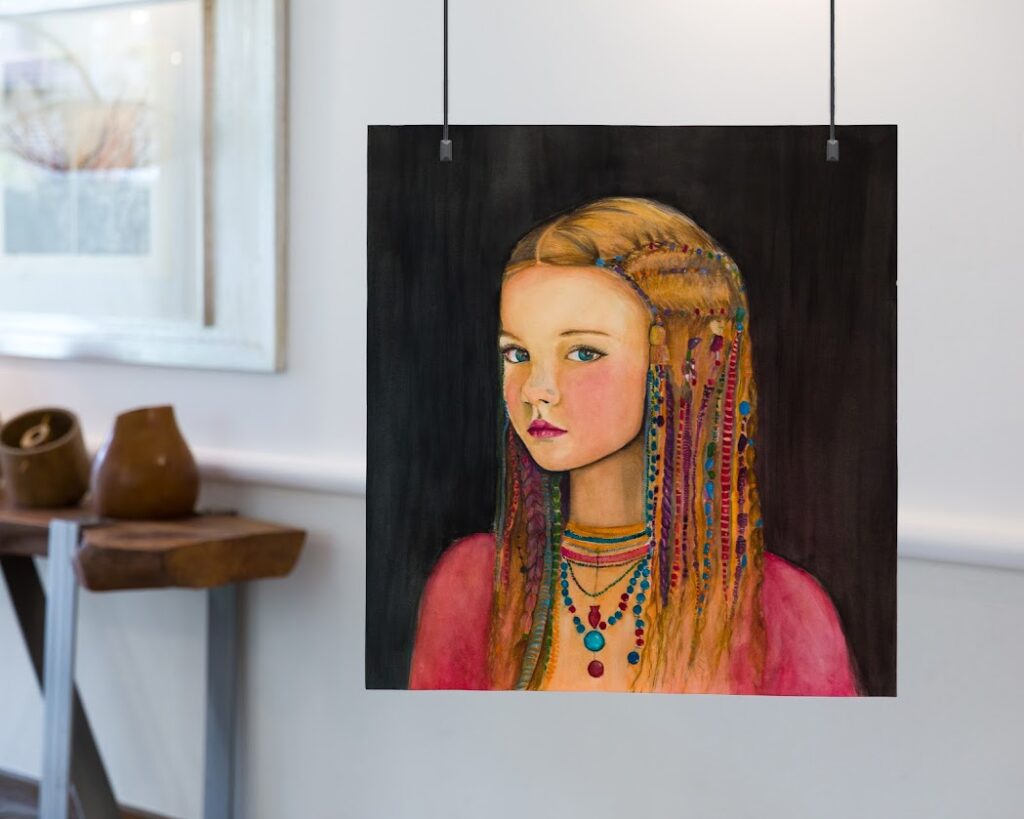
4. In your portraits, you focus on the instant when someone regains clarity or direction. How do you recognise that moment when you paint?
It isn’t analytical. It emerges naturally. I begin with an idea, but the deeper emotional expression appears only at the end, almost without my noticing. Watercolour allows that freedom: the emotion surfaces, not through control but through letting go. There are rules, techniques and challenges, yes, but the essential moment comes when I allow imperfection, risk and intuition. Painting clarity requires vulnerability from me as well. I follow the water, the accident, the luminosity. When the portrait breathes, when something quiet inside me settles—that’s when I know the moment has appeared.
When I chose art, I chose life.
Claudia Hermosilla
5. Your work often connects watercolour with ideas from neuropsychology. How do those two fields meet in your creative process?
They meet in my body first. After my health collapsed, painting became neurological rehabilitation. As I worked with colour and water, I experienced firsthand how attention, memory, emotional regulation, and fine motor circuits reorganised. What I had studied for decades became embodied truth. That is why neuropsychology is now part of my Hermöcè Method. For me, watercolour is not only aesthetic—it is sensory, cognitive, and emotional. It is a way to restore presence, rebuild inner order, and invite the brain to reconnect with itself. Art transformed me from the inside out, and now it informs how I create.
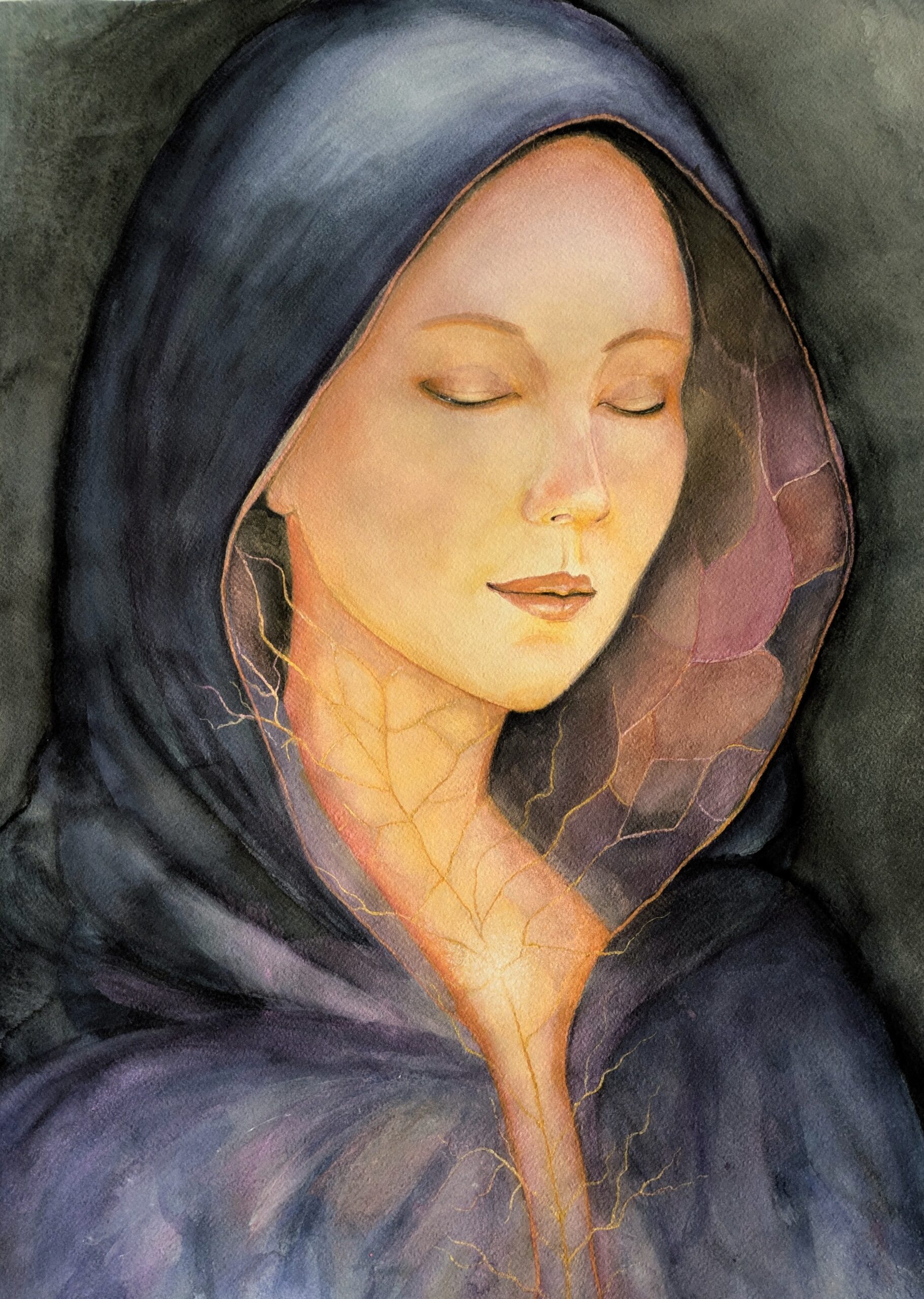
6. Many women relate to starting again later in life. What conversations or reactions from viewers stay with you as you explore that theme?
Women often approach my work in tears. They see themselves in the portraits—moments of exhaustion, resilience, rebuilding, or awakening. Many tell me they feel “seen” or “spoken to” without words. What moves me most is when they say: “I thought it was too late for me. Your story makes me want to begin again.” Those encounters are my greatest inspiration. Painting women is a way of honouring our shared silences, our invisible strengths, and the inner landscapes that shape who we are.
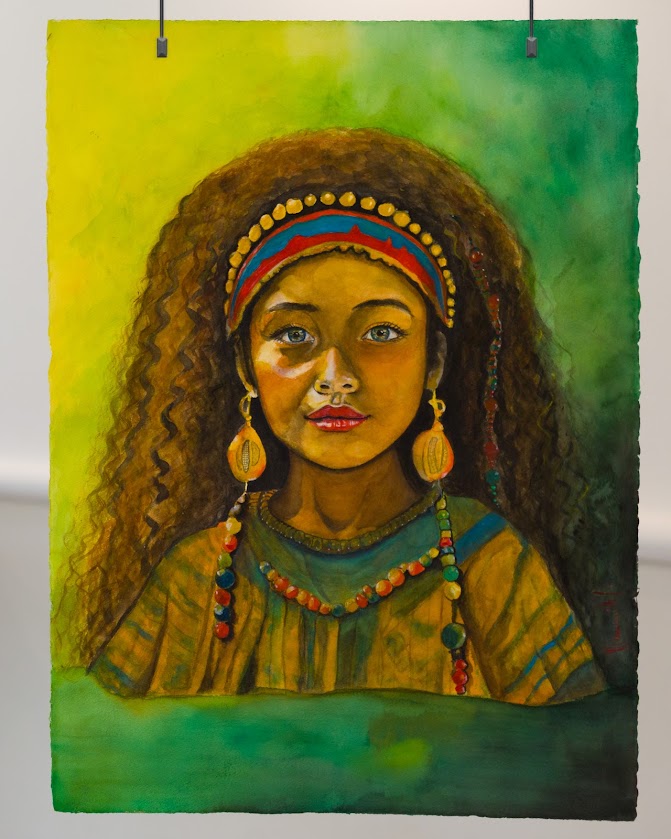
Claudia Hermosilla’s work under the name Hermöcè centres on the quiet point where a woman begins to steady herself and move forward again. Her paintings are less about appearance and more about inner presence and transition. Shaped by more than 30 years in forensic psychology, her work draws on a clear understanding of vulnerability, restraint, and human complexity.
What we learn from her journey is that starting again does not require erasing the past. Her return to watercolour shows how creativity can support recovery, rebuild focus, and offer direction later in life, even after long periods spent on a very different path.
To learn more about Claudia, click the following links to visit her profile.
Arts to Hearts Project is a global media, publishing, and education company for
Artists & Creatives. where an international audience will see your work of art patrons, collectors, gallerists, and fellow artists. Access exclusive publishing opportunities and over 1,000 resources to grow your career and connect with like-minded creatives worldwide. Click here to learn about our open calls.