



The Art of Collecting – Part 01: Small Mistakes That Damage Art Fastest
Collecting art is often described through the exciting parts: finding an artist you love, living with a work, discovering something unexpected at a gallery, or slowly building a collection that begins to feel like a record of your own taste. But there is another side to collecting that is much less glamorous and arguably more important: keeping the things you love in good condition by avoiding these common mistakes.
You do not need a mansion, a private museum, or a six-figure collection to think about conservation. A person with one painting above their desk has many of the same preservation questions as someone with an entire room of art. Where should it hang? Is the sunlight too strong? Is the room too damp? Is it safe to lean another frame against it? What happens when the air conditioner is switched on and off every day?
These questions matter because art does not remain unchanged simply because we want it to. Every material ages. Paint, paper, canvas, wood, metal, photographs, textiles, plastics and adhesives all respond to their surroundings. Preventive conservation is essentially about slowing that process by reducing the risks around an object. Museums commonly identify light, pests, pollutants, temperature, humidity, physical forces, water, fire, theft and neglect of documentation as major threats to collections.
That may sound intimidating, but caring for a collection is not about turning your home into a museum. It is about making a few thoughtful decisions before damage becomes visible.
“Every passion borders on the chaotic, but the collector’s passion borders on the chaos of memories.”
Walter Benjamin, Unpacking My Library
For many collectors, that is exactly what is at stake. A work is rarely just an object. It might mark the first artist you bought, a gift from someone you love, a trip, a particular period of your life, or simply the moment you saw something and knew you wanted to live with it. Preserving it means preserving part of that story.
Light: The Damage You May Not Notice Until It Is Too Late
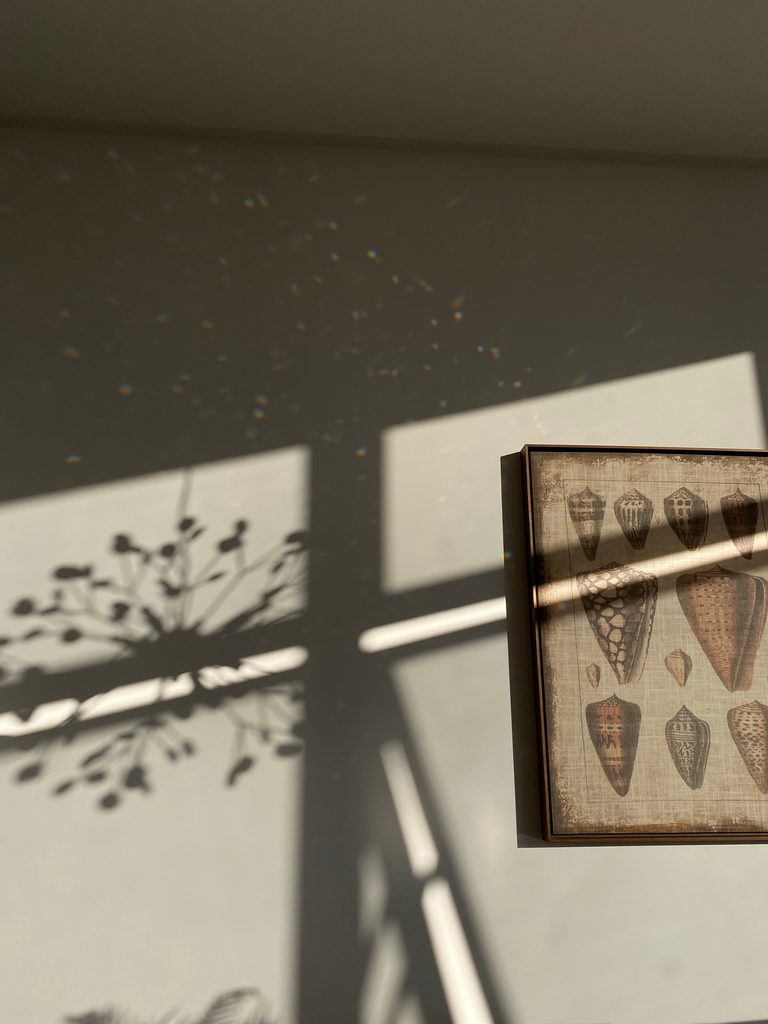
Light is one of the most underestimated threats to art because it does not usually look destructive while it is happening. A painting can sit beautifully in a bright room for years while colours slowly shift. A photograph can gradually lose density. Paper can yellow or become weaker. Dyes and some pigments are particularly vulnerable.
The important thing to understand is that light damage is cumulative. Turning a lamp on for one afternoon is not the issue; repeated exposure over years is. Ultraviolet radiation can accelerate fading and deterioration, but visible light itself can also damage sensitive materials.
This does not mean every artwork needs to live in darkness. It means the brightest window in your home is probably not automatically the best place for your most light-sensitive work.
Damp, Humidity and the Problem of Constant Change
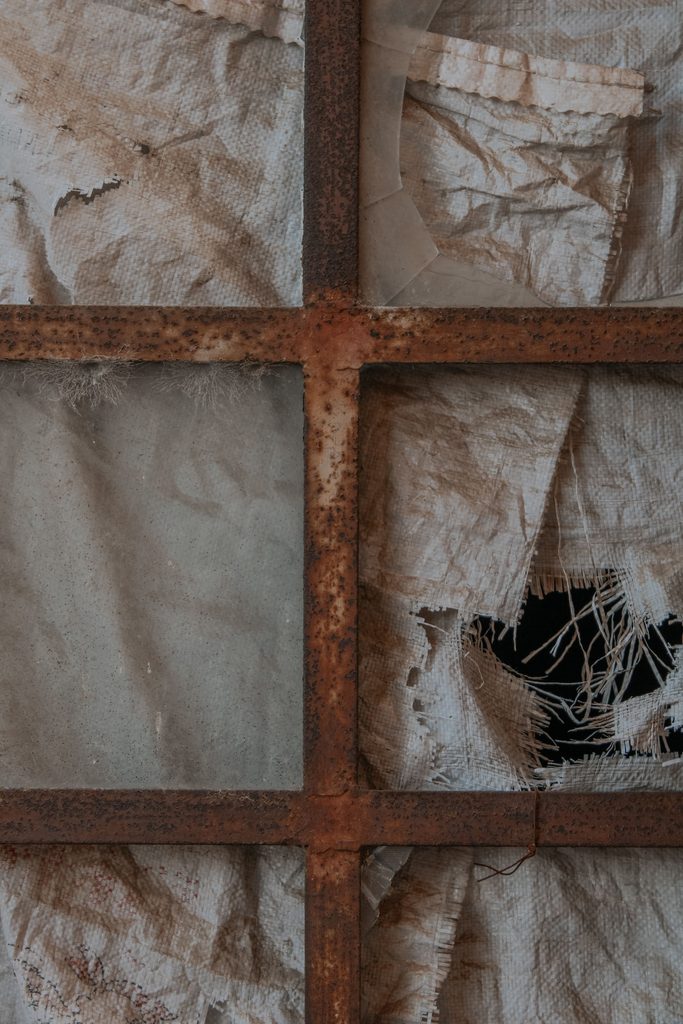
For collectors living in humid climates, moisture deserves particular attention. High relative humidity can encourage mould, corrosion and biological activity, while materials such as paper, canvas, wood and other hygroscopic materials can absorb and release moisture as conditions change. The problem is not only “too much humidity.” Rapid fluctuations can also cause materials to expand and contract, putting stress on layers that were never meant to move at exactly the same rate.
This is why a damp wall, a room with persistent condensation, or a storage area that becomes humid during rainy weather should not be treated as harmless simply because the artwork looks fine today.
If you live somewhere with strong seasonal changes, you do not necessarily need to create a perfectly controlled museum environment. Stability is the more useful goal. Museum guidance commonly discusses moderate, stable relative humidity, with 40–60% often used as a general range for many collections, while noting that different materials require different conditions.
Heat and Temperature Swings
Heat can quietly speed up chemical deterioration. High temperatures accelerate chemical reactions and can also cause some organic materials to dry out, lose flexibility and become more prone to cracking. But constant switching between very different temperatures can be a problem too, especially when it causes corresponding changes in relative humidity.
This is where everyday habits matter. Placing art directly above a radiator, next to a heater, against a heat-producing appliance, or in a room that becomes extremely hot every afternoon creates unnecessary stress. The same goes for storing art in a hot attic, uninsulated garage or enclosed space that experiences dramatic temperature changes.
Air, Dust and Invisible Pollutants
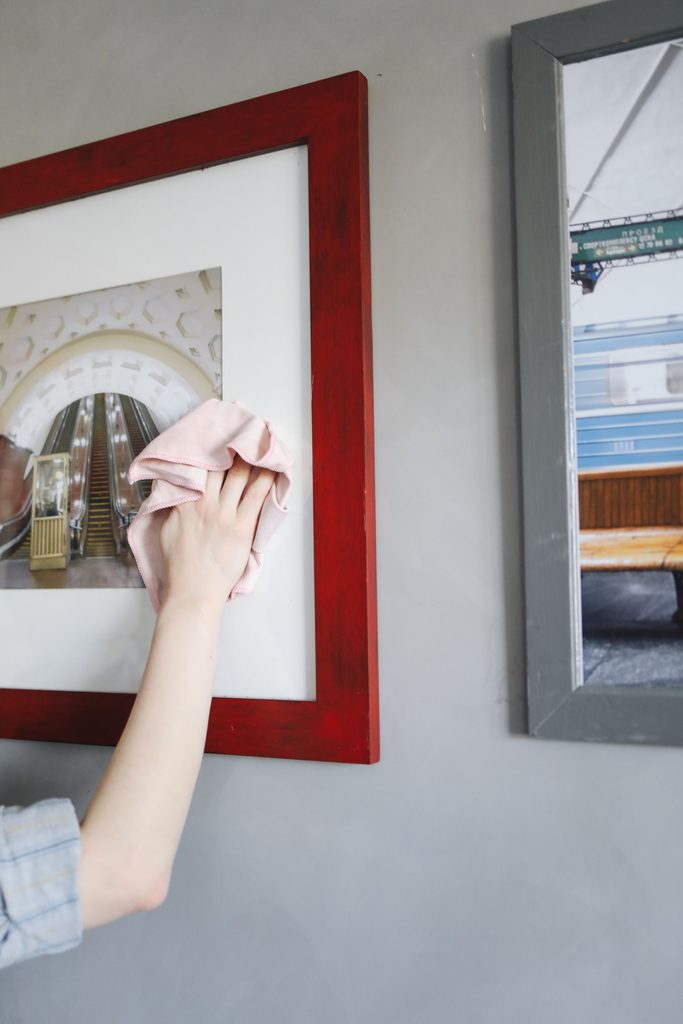
Not all damage comes from something you can see.
Dust can settle into textured surfaces, corners and frames, while airborne pollutants and volatile chemicals can contribute to deterioration. Some materials used in furniture, construction, adhesives, paints and display cases can release chemicals that are harmful to sensitive objects over time. Museums therefore pay attention not only to what an object is made from, but also to what surrounds it.
This is particularly relevant when framing or storing art. A cheap backing board, acidic material, unsuitable adhesive or freshly manufactured material placed directly against an artwork may create a problem that is invisible at first.
Pests Are Not Just a Storage-Room Problem
Insects can damage more than old books. Organic materials such as paper, textiles, wood and some natural fibres can attract pests, and humid conditions can make biological activity more likely. Mould is another concern, especially where moisture and warmth meet.
You do not need to panic every time you see an insect in your home. The useful habit is inspection. Look behind frames, inside storage areas and around works that contain vulnerable organic materials. Small signs, droppings, holes, webbing, mould spots or unexplained powder, are worth investigating before they become a larger problem.
Water, Fire and the Things You Hope Never Happen
Some risks are slow; others are catastrophic. A leaking roof, burst pipe, overflowing bathroom, flood, kitchen accident or fire can destroy a collection far faster than years of gradual deterioration.
Where you display art matters here too. Hanging valuable or irreplaceable work directly beneath plumbing, beside a bathroom, in a basement prone to flooding, or immediately above a radiator may create avoidable risk. Museums treat water, fire and physical forces as major agents of deterioration for exactly this reason.
You do not need a sophisticated disaster-management system at home. You do need to know what could realistically go wrong in your space and avoid putting your most vulnerable pieces directly in harm’s way.
Framing and Storage Can Make or Break a Work
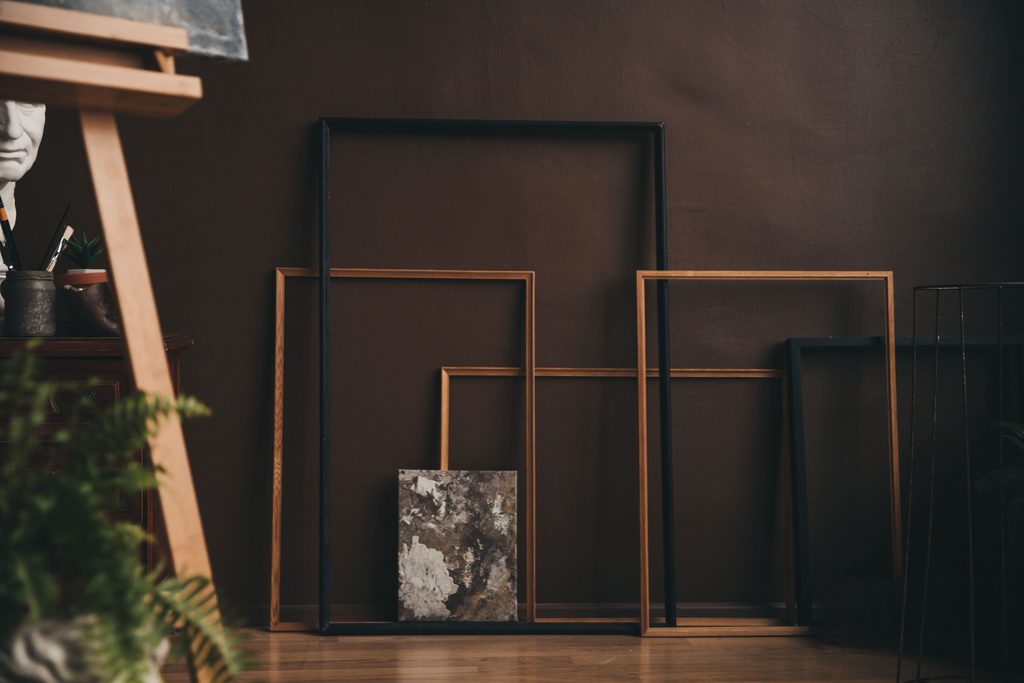
Framing is not only about presentation. It can be part of the artwork’s protection.
A suitable frame can help reduce physical damage, limit contact with dust and provide a safer barrier between the work and its surroundings. But poor framing can do the opposite. Art should not be forced into an unsuitable frame simply because the dimensions match. Works on paper, photographs, textiles and other sensitive materials may need specific mounting, glazing, backing and spacing considerations.
Storage deserves the same attention. Do not place works directly on damp floors, squeeze them into overcrowded cupboards, or stack objects where their weight will press against fragile surfaces. The ideal storage solution is not necessarily expensive. It is clean, stable, dry, physically safe and appropriate to the material.
Read our guides on how to preserve paintings and 3D sculptures for more detailed, medium-specific care.
How Do You Actually Make Art Last?
The good news is that preservation is usually less about buying expensive equipment and more about building good habits.
1. Learn what you own
Before deciding how to care for a work, find out what it is made of. Oil painting, watercolour, photograph, print, textile, ceramic, metal sculpture and mixed-media work do not all respond to their environment in the same way. When you buy a work, keep its artist information, medium, date, dimensions and any care instructions provided by the artist or gallery.
2. Watch the environment
A simple thermometer and hygrometer can tell you far more than guessing. Monitor rooms where you keep sensitive works, especially if you live in a climate with significant heat or humidity. The aim is not to obsess over a perfect number but to notice problematic extremes and fluctuations. Environmental monitoring is considered a foundational part of preventive conservation.
3. Control sunlight before buying expensive solutions
Use curtains, blinds, shades or UV-filtering glazing where appropriate. Keep particularly light-sensitive works away from direct sunlight. Remember that reducing cumulative exposure matters; you do not have to eliminate every source of light.
4. Give art breathing room
Do not crowd works together so tightly that you cannot inspect them. Leave enough space to clean around them and check for signs of pests, moisture or physical damage. Good arrangement is also good conservation because you can actually see what is happening to your collection.
5. Clean the room, not the artwork
Regularly dust shelves, floors, frames and surrounding surfaces. But do not automatically wipe or spray the artwork itself. Cleaning an artwork is not the same as cleaning furniture, and an apparently harmless household product can cause permanent damage. When a surface needs actual treatment, ask a qualified conservator rather than experimenting.
6. Document everything
Photograph each piece when you acquire it. Keep purchase records, certificates, artist information, exhibition history and conservation reports. Note any existing scratches, cracks, fading or other condition issues. Documentation helps you notice changes and becomes extremely useful if the work ever needs treatment, insurance or relocation.
Read our detailed guide on keeping detailed collection records
7. Inspect, don’t just admire
Every few months, look closely at your collection. Check the backs of frames, corners, hanging hardware and storage areas. Look for changes in colour, mould, cracking, lifting paint, corrosion, insects or warping. Early detection is one of the most valuable forms of conservation because a small problem is usually easier to manage than an established one.
8. Know when not to DIY
If a work has serious mould, flaking paint, structural damage, corrosion, water damage or an unknown substance on its surface, resist the temptation to fix it with household products. Conservation is a specialised field, and the wrong intervention can remove original material or make future treatment more difficult. Professional conservation generally emphasises minimal intervention, suitable materials, reversibility where possible and documentation of changes.
Collecting Is Also Caring
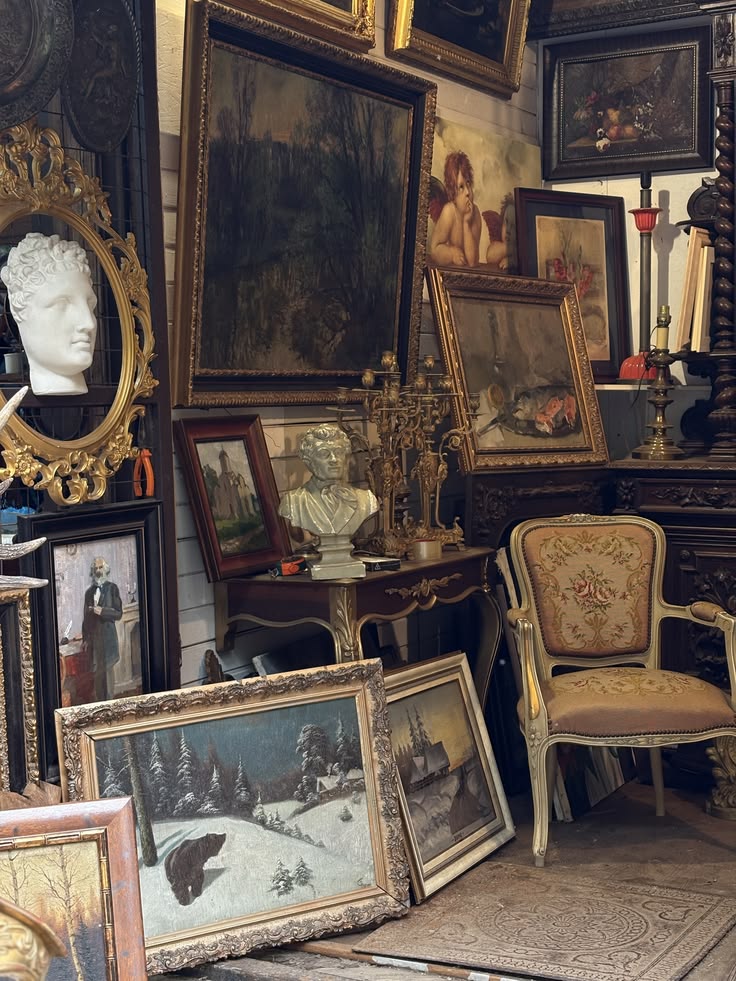
There is a tendency to imagine collecting as the moment when an artwork becomes yours. But ownership is only one part of the relationship. Once a work enters your collection, you also become responsible for the conditions in which it will spend its next chapter.
That responsibility does not have to look the same for everyone. A new collector with two prints can start by framing them properly and keeping them away from direct sunlight. Someone with a larger collection might invest in environmental monitoring, professional storage or periodic condition assessments. What matters is not whether your collection looks like a museum. It is whether you understand the needs of the things you have chosen to keep.
The best collections are not necessarily the biggest ones. They are collections that are lived with, understood and cared for. An artwork can outlive its first owner, move into another home, enter another collection, or eventually find its way into an institution. Good collecting leaves that future possible.
So before you buy the next piece, look around at the ones you already own. Ask where they are sitting, what they are exposed to, and whether they are actually as protected as you think they are.
Because collecting art is not only about bringing beautiful things home. It is about making sure those things can remain beautiful, and meaningful, for much longer than we will.