
This Artist Uses Colour and Symbolism to Create Story-Driven Art│Tree Tree Tes
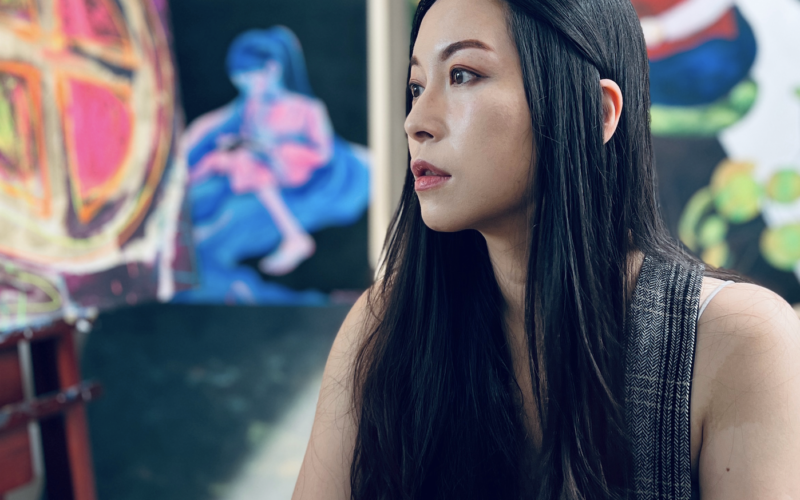
At Arts to Hearts Project, our Women Artists on the Rise Edition 4 is a portrait of women shaped by very different lives, from every corner of the world. A hundred stories of women who make things, told through the work they couldn’t stop making.
And every now and then, one story holds two whole worlds inside it. Tree Tree Tes carries two at once, one built in Hong Kong and one begun again in Canada. The pull between them is what makes her paintings feel so alive. That is what drew us in.
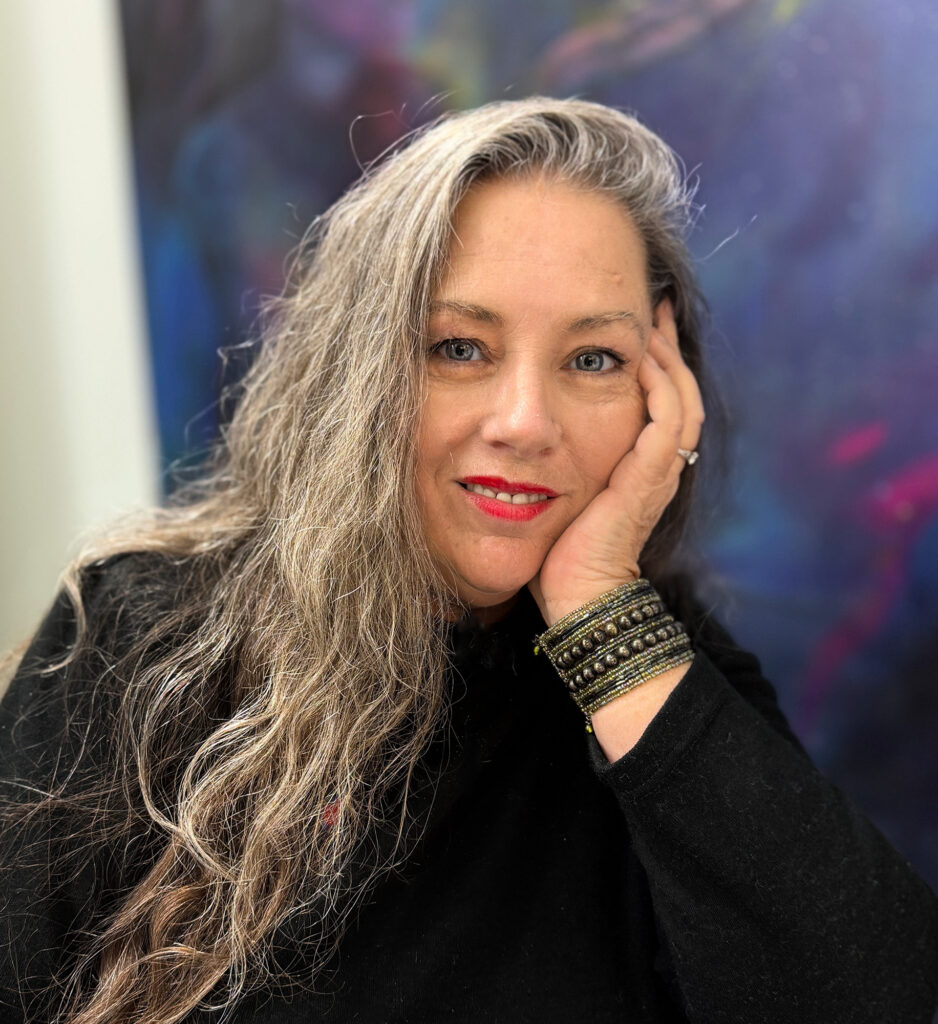
Tree Tree is a Hong Kong-born artist now living in Winnipeg, Canada. She works mostly in watercolour and mixed media. More than anything, she is a storyteller. Her paintings are made to make you feel something and to start a conversation. They look playful and dreamlike at first, full of wonder and odd little characters. But stay with them a moment and you feel the weight underneath. Resilience. Hope. Healing. The quiet strength it takes to keep going when life is hard.
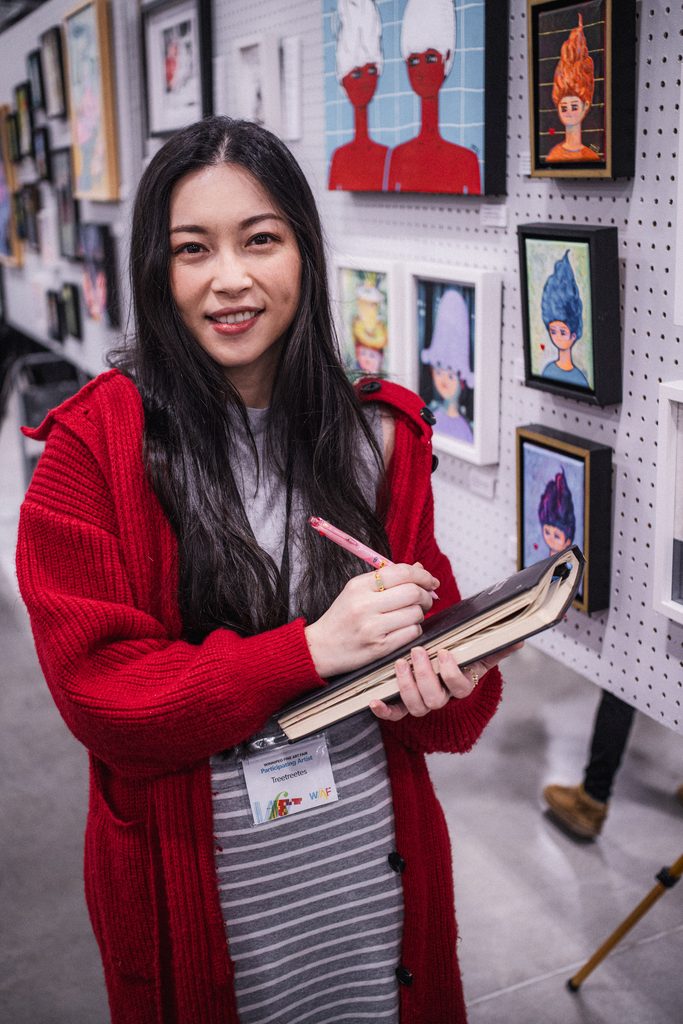
It is easy to miss how much she has already done. Tree Tree is not new to this. She studied art and design in Hong Kong, and she has been working since 2002. For years she worked in design and illustration. Her early work appeared in newspapers like Sing Tao Daily and The Standard.
She even worked with Visit Britain and painted an ecological map. She started her own galleries and studios, and she is a professional member of the Hong Kong Society of Illustrators. She had already built a whole life in art.
And then she left it to build another. Arriving as a newcomer to Canada’s art scene, she rebuilt from the ground up, and a mentee place in MAWA’s mentorship program in Winnipeg became the turning point that led her back to her own work.
What she makes now is more personal than anything before it, rooted in the honest stories of starting over that so many people quietly recognise as their own.
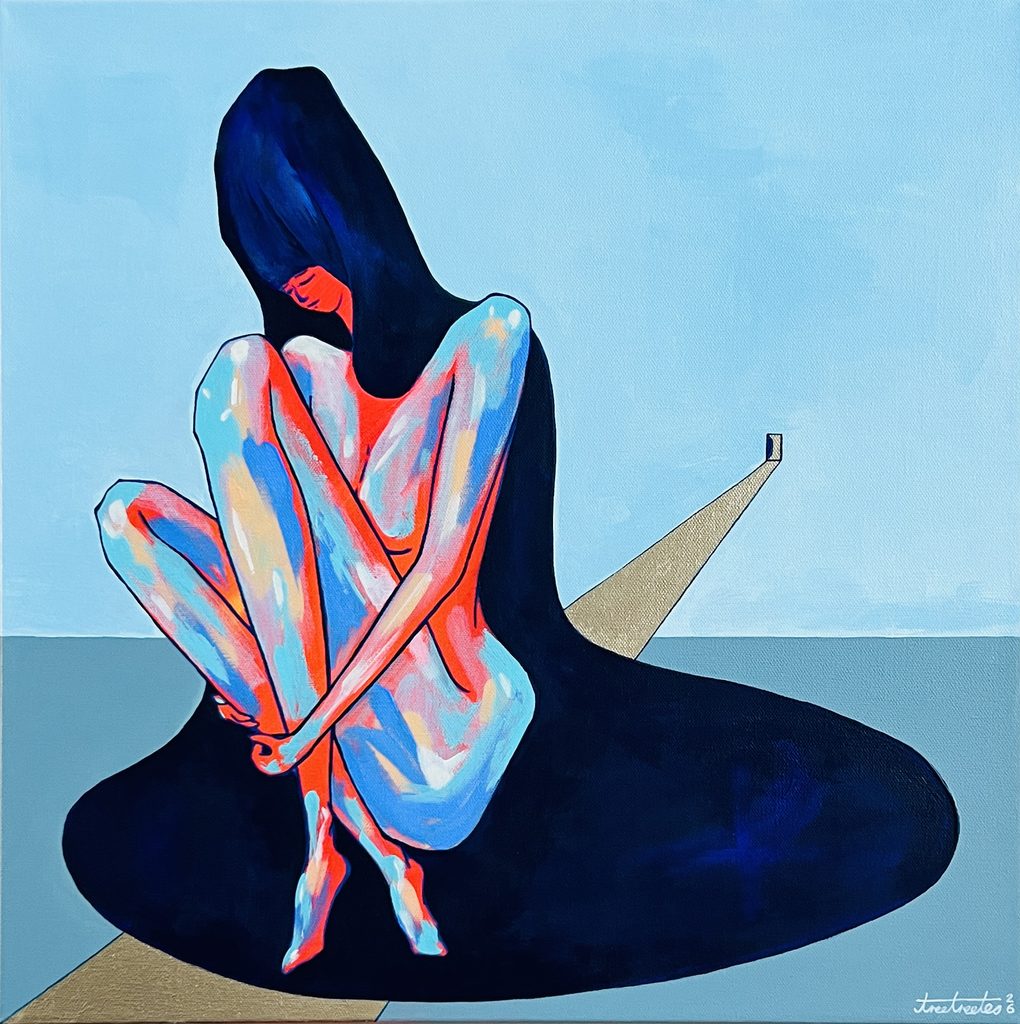
Watercolour is her favourite, but she rarely uses it on its own. She adds ink, pencil, and anything else a painting needs. She loves to play with materials and see what happens when she mixes things together. Her paintings are also full of small symbols. These are little details from her own memories and hopes, and they show up again and again in different paintings. Over time, they turn her work into a world you can step into.
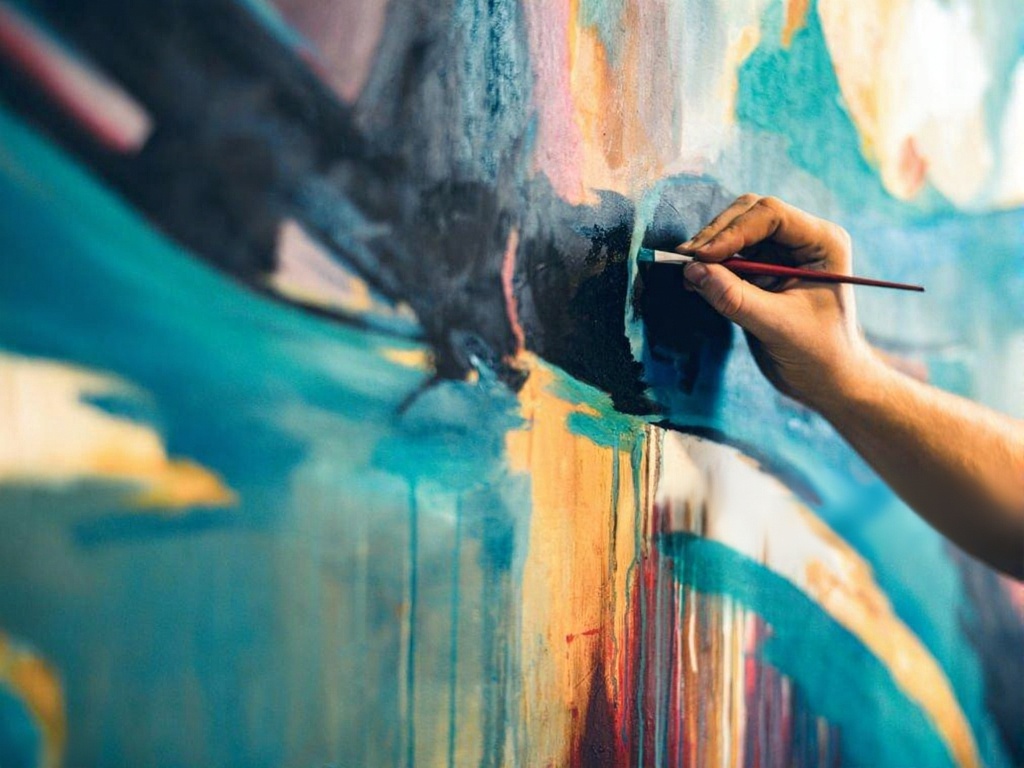
She is a rising artist whose reach keeps growing. She shows her work often, paints live for audiences, and stays close to her art community. What began in one small corner of the world is quietly finding its way to people everywhere.
Now let’s hear from Tree Tree about starting again, experimenting with materials, and what it takes to keep going as an artist.
Q1. Can you share your journey from Hong Kong to Canada and how it shaped your art?
Moving from Hong Kong to Canada was one of the hardest decisions I have ever made. Before immigrating, I worked as a Creative Director and Art Director for multiple companies, including media and advertising agencies, as well as art galleries. My career was well established, but I wanted to give my family a new beginning. When I arrived in Winnipeg, Manitoba, I quickly realized that opportunities in the creative industry were very limited compared to Hong Kong.
Because I came to Canada on a work permit with a limited timeframe, finding stable full time employment became my family’s top priority. Instead of working in the creative field, I started from the very beginning in a restaurant, washing dishes before gradually becoming a sushi chef who prepared sashimi. I stayed in the restaurant industry for almost three years. Although I was grateful for the opportunity to support my family, I always felt that something was missing. After my first year in Canada, I could not ignore the feeling that I needed to reconnect with my artistic identity.
I began searching for an art mentor who could help me rebuild my career in a new country. That was when I found MAWA, Mentoring Artists for Women’s Art. Joining their mentorship program was a turning point in my life. It did not just help me develop professionally. It reminded me who I really was.
It truly saved my soul because deep down I always knew that being an artist was my calling.
The move to Canada also transformed the way I create. In Hong Kong, much of my work revolved around commercial projects, branding, and creative direction. During my final years there, I spent more time leading creative teams than making artwork for myself.
While I enjoyed that work, my own artistic voice gradually became quieter. Living in Canada gave me the space to rediscover it. Today, I create by listening to my heart, observing the world around me, and connecting with the stories within my community. My work has become much more personal. I paint about resilience, hope, healing, and the quiet strength that helps us move forward through difficult times.
Rather than creating for the market, I create to tell honest stories that resonate with people who have experienced similar struggles. One of the most rewarding parts of this journey has been discovering that there are people who truly connect with my work. I found my community in Canada, and from there my artwork has gradually reached audiences around the world. That is very different from my experience in Hong Kong, and it has taught me that the more authentic I become as an artist, the more meaningful those connections are.
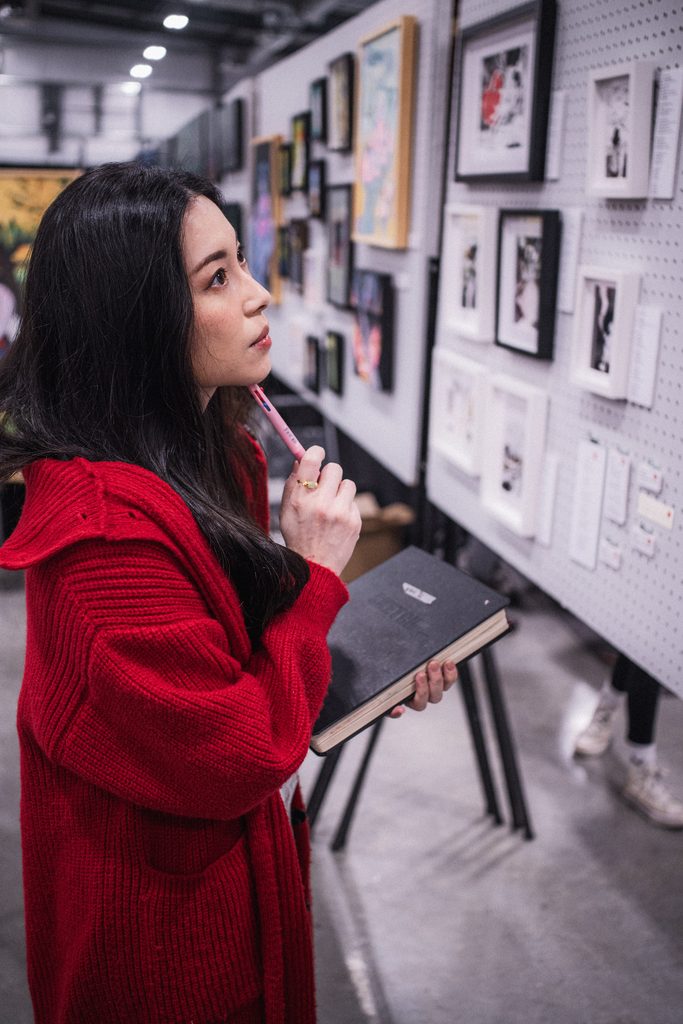
Q2. Your work is whimsical and story-driven. What first drew you to storytelling?
I have always appreciated many different styles of art, and the more I explore experimental practices and contemporary art, the more I realize what I truly want is for people to connect with my work and feel the stories and emotions behind it.
For me, art is not only about visual beauty or technique. It is a way to communicate experiences, memories, emotions, and the invisible connections between people.
I love sharing stories from my own life, as well as stories I have encountered through the people and communities around me. I believe many of these stories are meaningful, and they deserve to be seen, heard, and shared. I also believe there are many different ways to capture the real world, genuine emotions, and the atmosphere or energy I want to express. Sometimes reality itself is not enough to describe what we feel, so I use imagination, symbolism, and a sense of wonder to bring those emotions to life. The reason I describe my art as whimsical is because that is often the first word people use when they see my work. Many people will look at my art, say “whimsical,” and walk away. But the people who stay longer often have a different reaction.
They might say, “It’s so weird, and I love it.” That moment of curiosity and connection is what excites me. This is also why I created the concept of Whimsicalism and used it as the title for a live painting performance with another artist, Pink Panda. My goal is to explore and define what this feeling represents. It is not simply surrealism. It is something beyond that. It is about embracing imagination, emotion, curiosity, and the freedom to see the world differently.
As an artist who brings this vision to life, I hope to create a space where people can proudly identify with Whimsicalism and celebrate the power of wonder, storytelling, and emotional connection.
Q3. Watercolour is one of your favourite mediums. What keeps bringing you back to it?
I love how watercolour is both unpredictable and predictable at the same time. In the beginning, I actually disliked watercolour because I found it difficult to control. But after truly learning and understanding the medium, I started to appreciate its unique character and beauty. Watercolour is an unforgiving medium. It requires planning, patience, and a clear understanding of what you want to create. Every decision matters, from which area to paint first, to how you combine it with other mediums such as pencil or ink. It is also a conversation between the artist, the paper, the brand of watercolour, and most importantly, the water itself.
The water is the heart of the medium. You need to learn how to control it, observe it, and feel its movement. To me, it is similar to the concept of Chi in Tai Chi. There is a natural flow and balance that you cannot force. You have to understand it, work with it, and allow it to become part of the creative process. There are always new things to discover, and that is what makes watercolour so exciting. Beyond its artistic qualities, I also love its simplicity and accessibility.
It is a medium I can easily bring outdoors, whether I am hiking, travelling, or simply observing the world around me. The convenience of carrying a small set of watercolours allows me to capture moments whenever inspiration appears. After so many years of creating, watercolour feels like a close friend to me. It is a medium I can trust, learn from, and continue having conversations with.
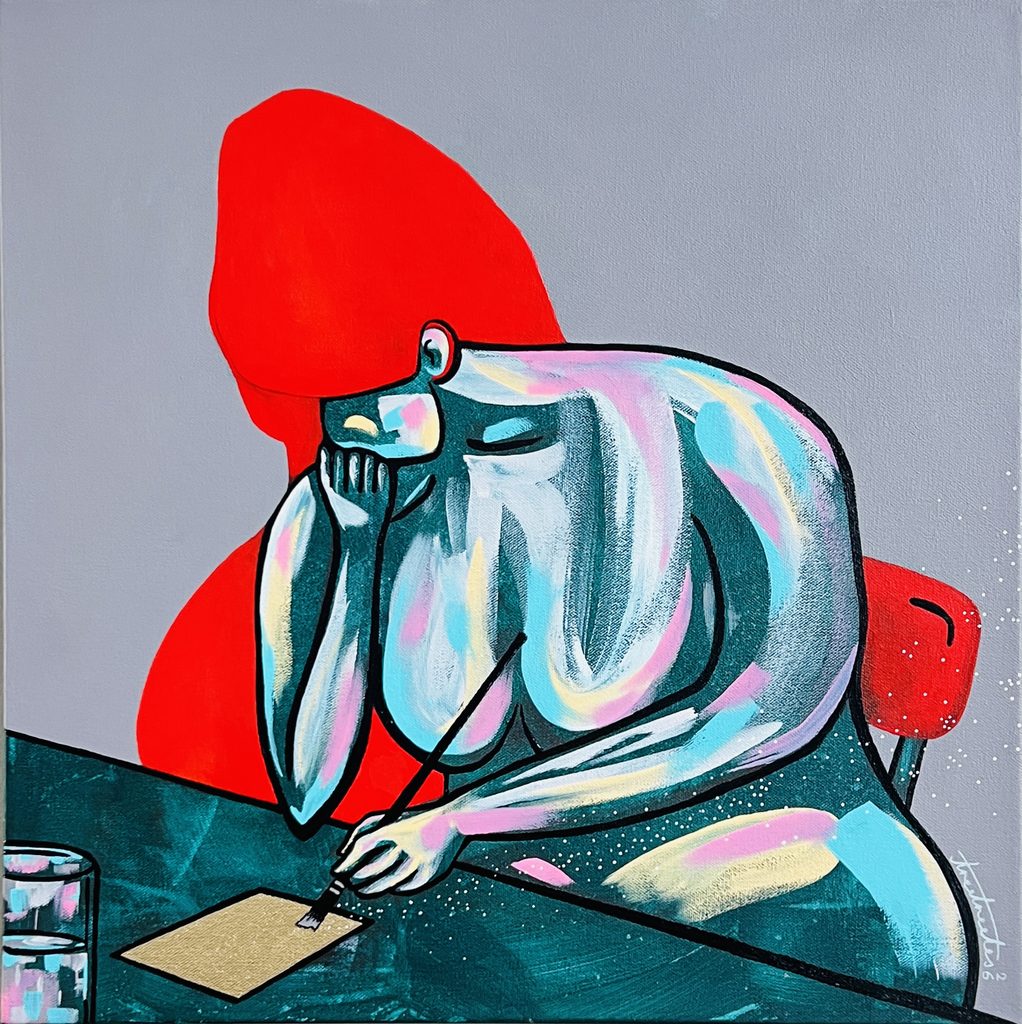
Q4. Your paintings feature recurring symbols. How do you decide which ones return?
The symbolic details I include in my paintings are deeply connected to my inner world. They represent the fears, hopes, memories, and emotions within my soul. When I first created these symbols, I did not expect so many viewers to connect with them so deeply. It has been surprising and meaningful to see people recognize their own feelings and stories within these small details. In today’s fast paced world, where people often experience images through a quick social media scroll or spend only a short moment with an artwork at a gallery or art fair, I am always amazed by how much emotion viewers can discover within a painting in such a brief encounter.
For me, these symbols are not limited to a specific series. They return naturally whenever they are needed. For example, the door from my The Wayout series represents hope and the possibility of a future beyond our current situation. If I feel that same message is needed in another artwork, such as in my Ink.n.Poem series, the symbol can appear again. Similarly, the Starchild, with its distinctive tall head, first appeared as a symbol in one body of work but later became part of my RGB (Ready To Go Beyond) series as well. I do not decide where symbols belong based on categories or series boundaries. Instead, I ask myself during the creative process:
Does this symbol need to exist in this piece? Does it help express the emotion or story I want to share? If the answer is yes, then it naturally becomes part of the artwork. To me, symbols are like a visual language. They continue to evolve with me, carrying different meanings at different moments, while always remaining connected to the core emotions behind my work.
Q5. What does mixed media allow you to express beyond watercolour alone?
This is a very interesting and challenging question. I truly enjoy working with watercolour alone, and I believe the medium itself has endless possibilities. However, when I combine watercolour with different materials, it opens up another layer of creative exploration. Mixed media allows me to play with different textures, lines, surfaces, and visual sensations.
Each material has its own personality and way of communicating, and when they come together, they create a new conversation within the artwork. To me, it is similar to a fusion cuisine. Each ingredient has its own character, but when combined thoughtfully, they create a new experience that cannot be achieved with just one ingredient. The same happens in my creative process.
Different mediums bring different emotions and possibilities, making the journey of creating even more exciting.
Ultimately, mixed media gives me more freedom to express the complexity of the stories and feelings I want to share.
Q6. How do you create paintings that encourage viewers to pause and look longer?
I always try my best to create the most engaging composition, colour relationships, and visual experience within each artwork. I agree that capturing people’s attention today is challenging because we are surrounded by an endless flow of images, especially through social media. However, one of the most meaningful pieces of feedback I have received from my collectors and audience is that they do not need to see my name or account before recognizing my work.
The moment they see an artwork, they know it is mine. To me, that connection comes from developing a consistent visual language and an authentic artistic voice. I love exploring different styles and experimenting with new ideas, but at the same time, I am always building cohesive bodies of work that share a common emotional foundation. I believe an artist’s voice is not only created by repeating the same visual style, but by consistently expressing a unique way of seeing and understanding the world. Sometimes people may not immediately connect with an artwork the first time they encounter it.
However, when an artist continues creating, sharing, and developing their vision over time, viewers begin to notice the journey. They become curious about why this artist continues to create in this way, and that curiosity can invite them to slow down and take a deeper look. For me, encouraging people to pause is not only about creating a visually striking image. It is about building a relationship with the viewer and creating a visual world they want to return to.
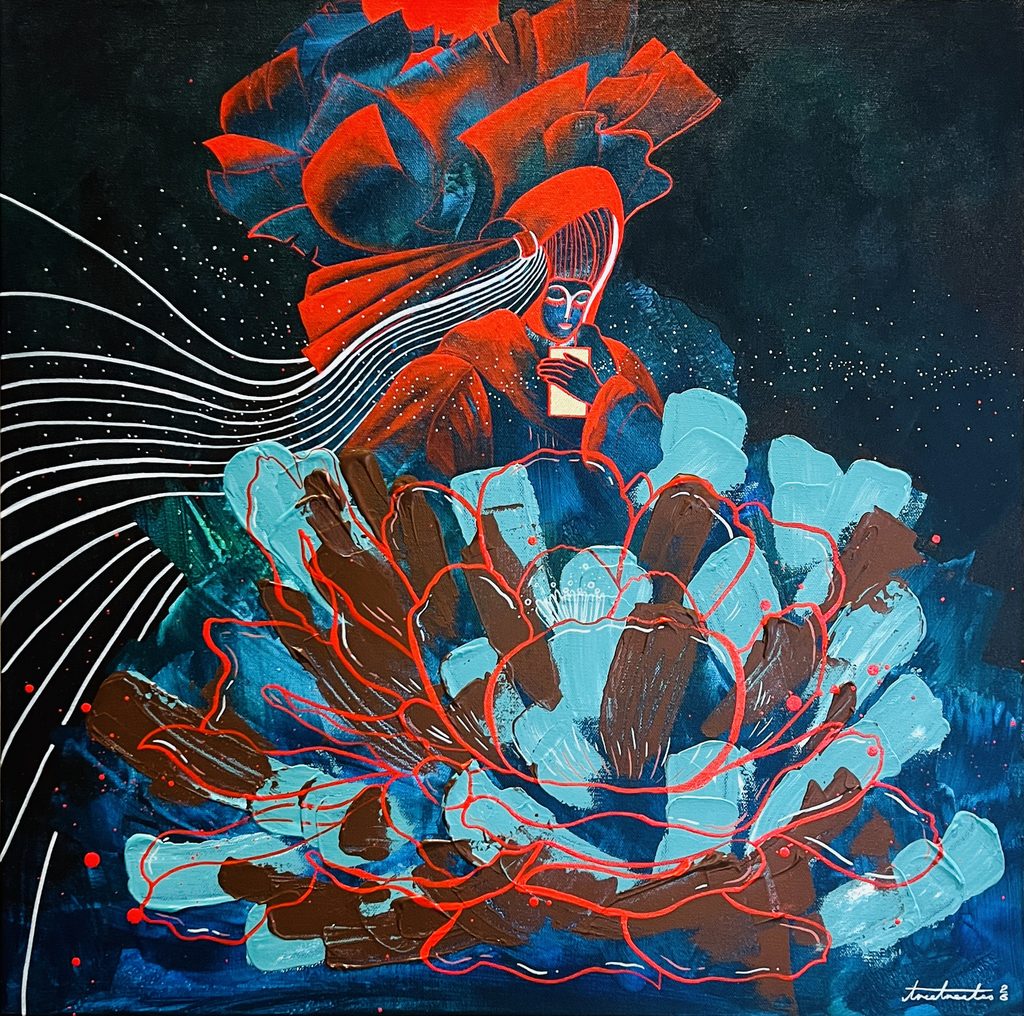
Q7. As a watercolor teacher, what have your students taught you about creativity?
I have to say that some of my students are incredibly creative and naturally artistic. One of the biggest things they have taught me is the importance of approaching creativity with less pressure and more curiosity. Watching them explore a new medium, especially one they have never tried before, reminds me to approach art with the same sense of play and discovery that we often have as children. Even though all of my students are adults, their excitement when learning something new and their willingness to experiment bring a fresh perspective to my own creative practice.
Sometimes, when I help students solve a painting challenge that I previously considered “common sense,” it makes me realize that every artist sees and understands the creative process differently.
Their questions encourage me to look at techniques, materials, and problem solving from new angles. Teaching has reminded me that creativity is not only about knowledge or experience. It is also about curiosity, openness, and the joy of exploring something for the first time.
Q8. Is there a series that best represents where your practice is today?
My latest series, RGB (Ready To Go Beyond), which consists of 39 pieces, best represents where my artistic practice is today. This series reflects many different parts of my current creative journey. It includes figurative works that I once felt too vulnerable to share, as well as more abstract pieces that represent the quiet moments, emotions, and reflections within my heart. It also contains some powerful and expressive works that feel almost like a voice calling out, asking viewers to stop, look, and truly experience what is in front of them.
The title RGB carries a deeper meaning. The letters represent Rebirth, Growth, and Breakthrough, which are experiences that I continue to go through as both an artist and as a person. I believe every artist is constantly evolving, searching, questioning, and looking for new breakthroughs in their creative journey. Although this series began from my own personal experiences, I believe its message extends beyond myself.
Many people are also continuing to pursue their dreams, overcome challenges, and find the courage to move forward. Through RGB, I hope viewers can see a reflection of their own journey and feel encouraged to keep going beyond their own limits.
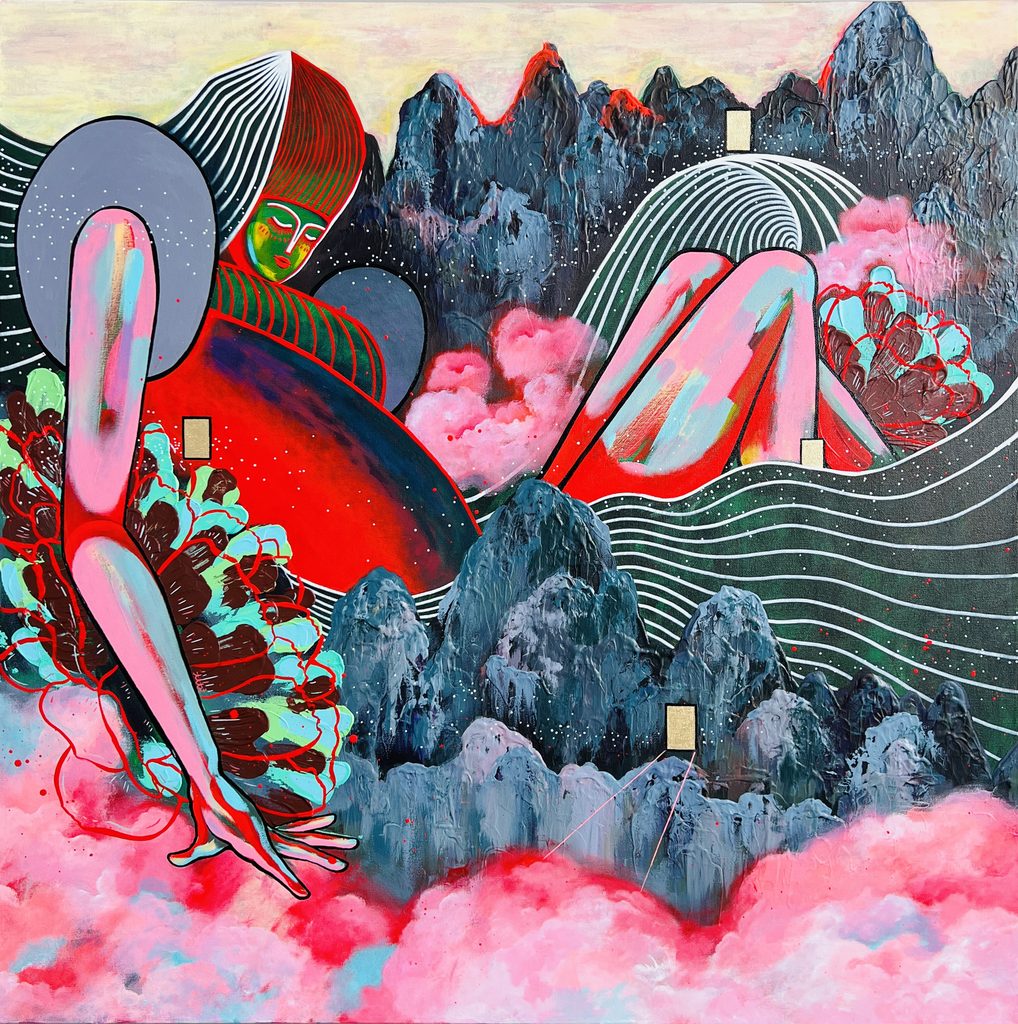
Q9. How do you see your practice moving between illustration and fine art?
I have always been interested in challenging the idea that illustration and fine art must exist separately. My own journey has always existed between these two worlds. I worked as an illustrator for several years while developing my fine art practice at the same time, and I received professional training in both areas through different art and design programs. Because of this experience, I have never seen illustration and fine art as completely separate forms of expression.
Sometimes I find it limiting when people automatically dismiss illustration as something that cannot be considered fine art simply because of its label. Of course, I understand that illustration is often created for a specific purpose, such as supporting an article, advertisement, or commercial project. In those situations, the artist may be responding to an external requirement rather than expressing their own personal vision. However, when a contemporary illustrator creates work from their own perspective, using illustration as a language to communicate their emotions, ideas, and personal stories, I believe it deserves the same consideration as any other form of artistic expression.
For me, what matters most is not the category, style, or method. It is the intention behind the work. Art history has continuously challenged traditional definitions of what can be considered art. If photography, everyday objects, or ordinary materials can become meaningful artistic expressions, then why should illustration be excluded simply because of its name?
Ultimately, I believe the value of a work comes from the artist’s intention, creativity, and ability to communicate something meaningful.
Illustration and fine art may use different approaches, but at their core, both are powerful ways to express human experiences and emotions. In my own practice, I see myself moving naturally between these worlds. My work carries the storytelling qualities, imagination, and accessibility often associated with illustration, while also exploring personal themes, emotions, and concepts that are central to contemporary fine art. For me, these two worlds are not opposites. They are different languages that can come together to create a more complete expression.
Q10. What advice would you give artists still searching for their own style?
Never stop trying. I believe an artist’s voice is not something we suddenly discover. It is something we gradually build through continuous exploration, experimentation, and self-reflection. Sometimes, the medium or style we dislike at first can teach us something unexpected. If you hate a particular material or feel frustrated by a certain approach, try pushing it further and exploring its possibilities before giving up. Sometimes, what challenges us the most can open our eyes to a new way of creating. For artists who enjoy exploring different styles and find it difficult to create a consistent body of work,
I would suggest giving each direction enough time to develop. For example, instead of creating only one piece in a particular style and moving on, try creating a small series of four or five works, or even at least two pieces. A single artwork may only show an experiment, but multiple works begin to reveal patterns, emotions, and connections.
That is often where an artist starts to recognize their own visual language. Finding your style is not about forcing yourself to become consistent too early or limiting your creativity. It is about creating enough work, paying attention to what feels authentic, and noticing which ideas continue to return naturally. The most important thing is to keep creating. Your artistic voice will become clearer through the process.
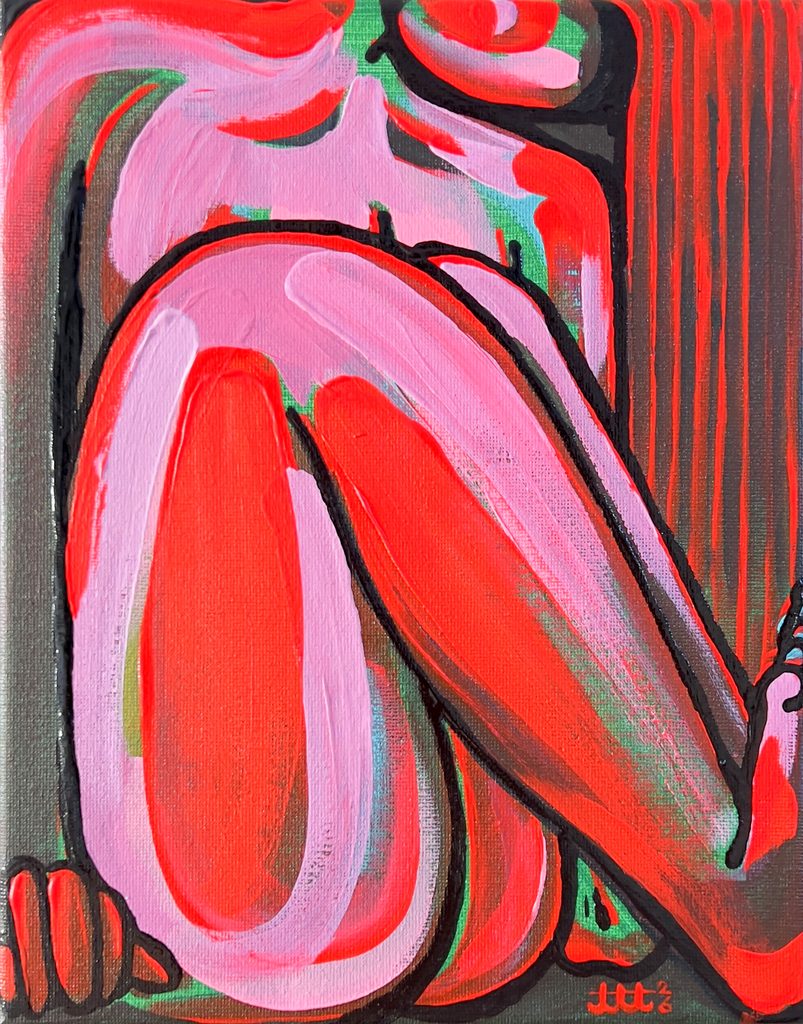
As our conversation with Tree Tree came to a close, we found ourselves thinking about reinvention. About how rare it is for someone to give up a whole life they have built and be brave enough to start again from nothing.
Most of us are taught to protect what we have. To pick a path, stay on it, and never look too far off the road we know. Tree Tree did the opposite. She let go of an entire career and a whole identity, and trusted that the artist inside her was worth rebuilding for. And what strikes us most is that the work never turns that struggle into something heavy or bitter.
It turns it into wonder. Into play. Into strange, gentle little worlds you actually want to spend time in. That, to us, is its own kind of strength, choosing joy on the other side of something hard.
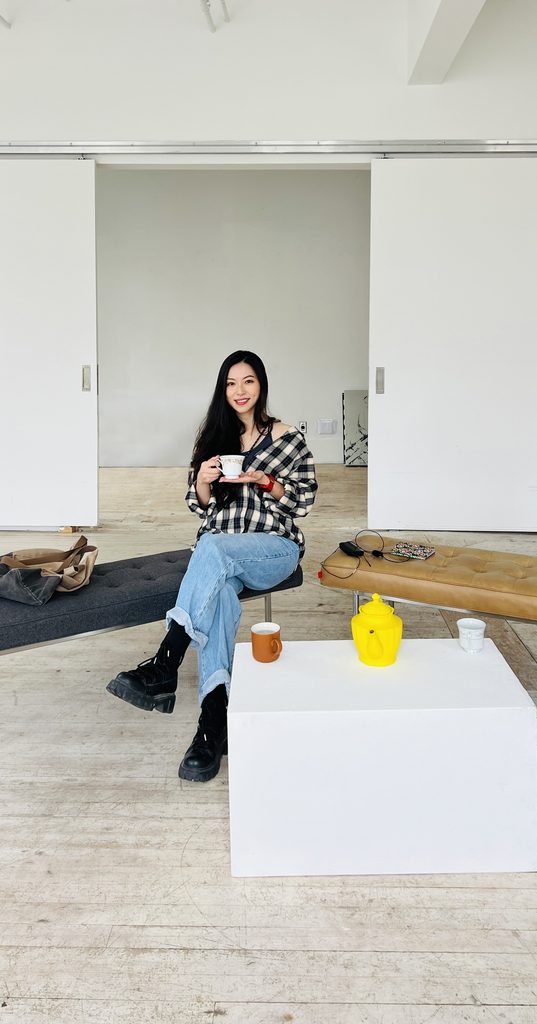
We think every artist needs to see this. Because so much pressure in the art world pushes you to pick one lane, to be one recognisable thing, to decide early and never change. Tree Tree’s whole journey says something braver. That you can carry more than one world inside you.
That illustration and fine art, East and West, playfulness and depth, do not have to compete, they can live in the same painting and make it richer. There is real freedom in an artist who refuses to shrink herself to fit a category.
For art lovers and collectors, her work brings something rare into a space. It rewards the people who slow down and look twice, who notice the small things hidden in plain sight. Living with a piece like hers is like keeping a little window open onto someone’s imagination, and a quiet reminder that the hardest chapters of a life can still become the most beautiful things we make.
Follow Tree Tree Tes through the links below and see her work for yourself.
There is a woman behind every piece of art, and a whole life behind her. Our Art and Woman edition wants the work that carries it, and there are only 4 days left to share yours before submissions close on 30 August. The victories, the doubts, the quiet years, the moments that changed you, we want to see how it lives in your work. Medium, geography, and career stage are irrelevant. A real woman and a real story are everything. Every featured artist once submitted before the deadline passed. This is your last chance to be one of them.