
The parts of creation that artists love & the parts they don’t
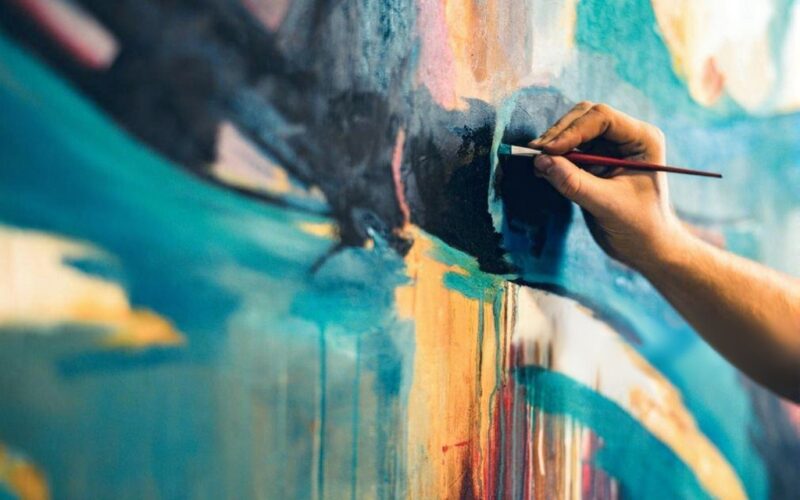
Every finished artwork tells only part of the story. Long before a painting is framed, a photograph is captured, or a sculpture reaches its final form, there are countless moments of experimentation, uncertainty, failure, and discovery. It’s in those quiet, unseen moments that an artist’s voice truly begins to take shape.
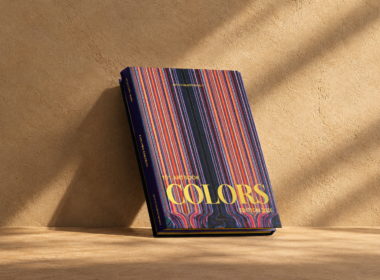
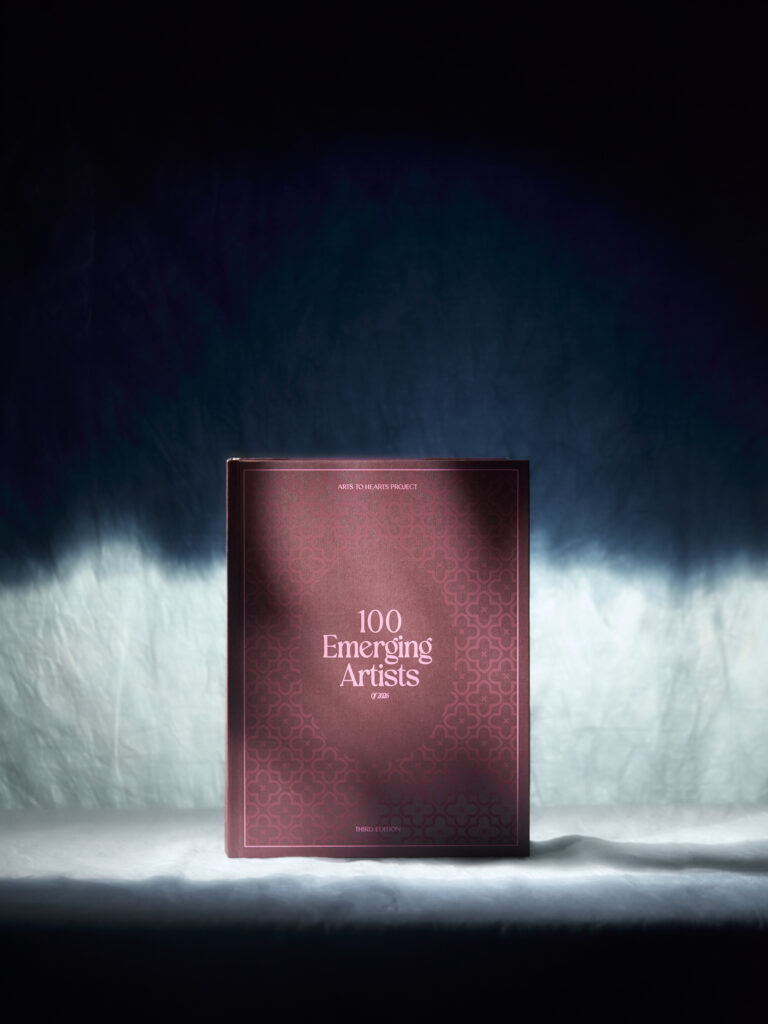
100 Emerging Artists of 2026 is our celebration of that journey. A premium hardcover coffee table book featuring 100 of the most promising emerging artists from around the world, across all genders, disciplines, and creative backgrounds.
Created for collectors, curators, and anyone who believes that discovering an artist early is one of the greatest privileges of loving art, this book brings together voices that are shaping contemporary art right now before the rest of the world catches up. Beyond introducing remarkable artists, it offers a glimpse into the thoughts, routines, and experiences that shape their creative lives.
We’re always drawn to the honest version of things, so we asked every featured artist the same question: Which part of your creative process brings you the most joy, and which part gives you the most trouble?
The answers reminded us why we do what we do. They weren’t just about techniques or materials. They were about doubt and discovery, excitement and frustration, moments of confidence, and moments of uncertainty. Some artists spoke about the thrill of beginning, others about the quiet satisfaction of finishing, and many admitted that the hardest parts are often the ones that help them grow the most.
Together, these reflections offer something deeply human. They remind us that every finished artwork carries an invisible story of experimentation, persistence, and countless small decisions along the way.
Let’s begin with our first featured artist.
Colour and playfulness can hide a lot of hours. The artist always knows how many.
We tend to assume that bright means easy. That if something makes us smile it probably came together quickly. That the work which feels like play must have been play to make. It is one of the most persistent and unfair assumptions people bring to art. And it falls hardest on the artists whose work is full of colour and life and a kind of visual generosity that draws you in before you even know why.
Here is how Kat @kat.vandal describes it:
“What I enjoy most in my art process is being surrounded by toys. They remind me of my own childhood, of my children’s childhood, and in a way, I get to play with them again. I also love experimenting with new ideas, more than repeating the same process. What I struggle with most is making the technical side visible. Because my work is playful and colourful, people can assume it is easy or quick to make. But it involves a lot of material research, testing and problem-solving. I work with objects that are smooth, rounded, plastic, shiny, or made from different materials, so transforming them into lasting artworks takes time, technique and care.
Kat Vandal
Toys are not easy to work with. They are smooth and shiny and made to be played with, not preserved. Turning them into lasting artworks takes a lot more than most people would ever guess. Every finished piece carrying inside it a whole invisible history of testing and failure and trying again. The joy in Kat’s work is real. So is everything it took to get there.
The uncomfortable middle of a painting is where some artists do their best work.
There is a point in almost every creative process where things stop feeling good. Where the early excitement has worn off and the end is not yet in sight and everything in between feels uncertain and wrong and like it might not come together at all. Most people want to escape that feeling as quickly as possible. A certain kind of artist has learned to stay.
Moksananda @moksananda understands this better than most. She puts it this way:
I enjoy the whole process, even the struggles, and consider myself amazingly fortunate to be a full-time artist. Perhaps the most difficult part of being an artist are the moments of doubt, whether it’s during the painting process itself or when it comes to showing the work. At the same time an ability to dwell in uncertainty is incredibly rewarding as an artist, as it is invariably through sticking at it in such moments that I find breakthroughs occur
Moksananda
Most people treat doubt like a waiting room. Something to sit through until the real work can begin again. But Moksananda does not treat it that way. She dwells in it. Which is a completely different thing. Dwelling means you are not waiting to leave. You are actually there. Paying attention to what the uncertainty is doing, what it is asking, what it might be pointing toward. And more often than not, that is exactly where the breakthrough was hiding all along.
Layer, erase, cover, scratch, rebuild. Somewhere in all of that the painting becomes itself
There is a version of the creative process that looks like execution. You have the idea, you know what you want, and you make it. And then there is the version that most honest artists will tell you about if you ask. The one where the idea is just the starting point. Where the real work begins when things start going in a direction you did not expect and you have to decide whether to follow or fight it. The artists who follow are usually the ones who make the most interesting work.
Ruben Orgye @rubenorgye tells it like this:
What I enjoy the most is the moment when the painting starts to reveal something I did not fully plan. I usually begin with an idea, a face or a tension, but the real energy appears through the process: layering, erasing, covering, scratching and rebuilding. I enjoy that moment when the image stops being controlled and begins to feel alive. What I struggle with the most is knowing when to stop. Sometimes I want to push the work further, but there is always a risk of losing its rawness. I struggle between control and instinct, between refining the image and allowing it to remain vulnerable, open and unresolved
Ruben Orgye
Vulnerable, open and unresolved. Three words that most people would use to describe a problem. Ruben uses them to describe a goal. Because the paintings that feel finished are not always the ones that feel alive. And keeping something raw enough to breathe while also knowing when to put the brush down is one of the most difficult balancing acts in all of art. Ruben has not solved it. He has just learned to live inside it honestly.
The real work does not begin when you pick up the brush. It begins when everything feels wrong
Every artist knows that stage. The one that arrives somewhere in the middle, after the excitement of starting has worn off and before the relief of finishing has arrived. Where the painting looks like nothing it was supposed to be and every decision feels questionable and the easiest thing in the world would be to walk away and start something new. That moment is not a sign that something has gone wrong. For a lot of artists it is a sign that something is finally beginning.
Patricia de Llano @dashofpat puts it this way:
The part I enjoy most is the moment when the painting begins to reveal its own logic. I usually start with an emotional or symbolic idea, but at some point, the colors, composition, and figure begin to speak back. That is the most exciting part. The hardest part is trusting the middle stage, when everything feels unresolved and slightly disastrous. I have to remind myself that uncertainty is not failure; it is often where the real work begins
Patricia de Llano
Uncertainty is not failure. That is not just something Patricia tells herself to get through the hard days. It is a creative philosophy that took time to arrive at and takes conscious effort to hold onto every time the middle stage comes around again. Because it always comes around again. And the artists who have learned to trust it rather than fight it are the ones who make it to the other side with something worth keeping.
Favourite pieces rarely come from the tightest grip. They come from the loosest one.
We talk about creative control as if it is always something to aspire to. As if the most skilled artists are the ones who can make the work do exactly what they want. But some of the most extraordinary things that happen in art happen precisely because the artist let go. Because they stopped directing and started listening. Because they followed something they did not plan and ended up somewhere they never would have found otherwise.
Claudia Interrante @claudiapaint describes her process like this:
Sometimes I approach a painting with an idea in my head or photograph. This can be challenging with the pouring process because the paint rarely behaves the way you think it’s going to. Other times I just start by pouring my paint and moving it around on the canvas. I then look for a concept within the swirls. Either way I have to stay open to the outcome. Let go of the reins and trust the process. Some of my personal favourite pieces have come out of this approach
Claudia Interrante
She did not always know what she was making. And her favourite pieces came from exactly those moments. There is something quietly radical about that. Most of us are taught to have a plan. To know the destination before we begin. But Claudia’s practice is built on the opposite. On showing up with open hands and seeing what the paint decides to do. And more often than not, what it decides is better than anything she could have planned for herself.
What struck us reading through all of these was not how different the answers were. It was how honest they all were.
Nobody pretended the process was easy. Nobody claimed they had it figured out. Every artist we heard from described a practice that was alive with uncertainty, with doubt, with the specific frustration of loving something that does not always cooperate. And every single one of them kept showing up for it anyway.
That is what emerging really means. Not unfinished. Not unready. Just still in the middle of becoming. Still asking the hard questions. Still finding out what the work is capable of when you give it enough time and enough trust.
100 Emerging Artists of 2026 is full of artists exactly like this. One hundred voices, one hundred practices, one hundred different relationships with the beautiful difficulty of making art. If you want to discover them before the rest of the world does, the book is available now at the link below.
And if any part of this conversation felt familiar, if you recognised your own doubt or your own process or your own way of talking yourself through the hard middle of a piece, then we think you belong in this conversation too.
Art and Woman Edition 4 is open for submissions. Not for the finished and polished version of you. For the real one. The one who shows up anyway.