


The Complete Guide to Storing, Framing, and Preserving Your Painting Collection

Every artwork tells two stories. The first belongs to the artist who created it. The second belongs to the people who care for it long after it leaves the studio.
Whether it’s a newly acquired painting, a limited-edition print, a family heirloom, or a sculpture displayed in your home, every piece begins to respond to its environment from the moment it is installed. Light slowly alters pigments, humidity causes materials to expand and contract, dust settles into delicate surfaces, and even something as simple as an unsuitable frame can quietly shorten an artwork’s lifespan. Most of these changes happen so gradually that they often go unnoticed until restoration becomes necessary.
The good news is that preserving art doesn’t require a museum-sized conservation department. A few informed decisions, where you display a painting, how you frame works on paper, or the way you store sculptures and textiles, can make a remarkable difference over the years. Understanding how different materials naturally age also helps collectors distinguish between normal changes and signs that an artwork may need professional attention.
This guide brings together the essential principles of art storage, framing, and conservation from a collector’s perspective. From oil paintings and works on paper to sculptures, photographs, textiles, and mixed-media installations, we’ll explore how different materials respond to time and environment, along with practical steps you can take to help preserve your collection for years, and generations, to come.
Why Every Artwork Ages Differently
One of the biggest misconceptions new collectors have is that all artworks age in the same way. In reality, every piece is made from a unique combination of materials, each responding differently to its surroundings. An oil painting on canvas behaves very differently from a watercolor on paper, a bronze sculpture, or a textile installation. Understanding these differences is the first step toward preserving an art collection.
Unlike furniture or decorative objects, works of art are created from materials that continue to change long after they leave the artist’s studio. Oil paints slowly cure over decades, acrylics remain flexible but attract dust, paper naturally becomes more fragile with age, wood expands and contracts as humidity fluctuates, while metals gradually oxidize when exposed to moisture and pollutants. None of these changes necessarily indicate poor quality; they are simply part of how artistic materials naturally evolve over time.
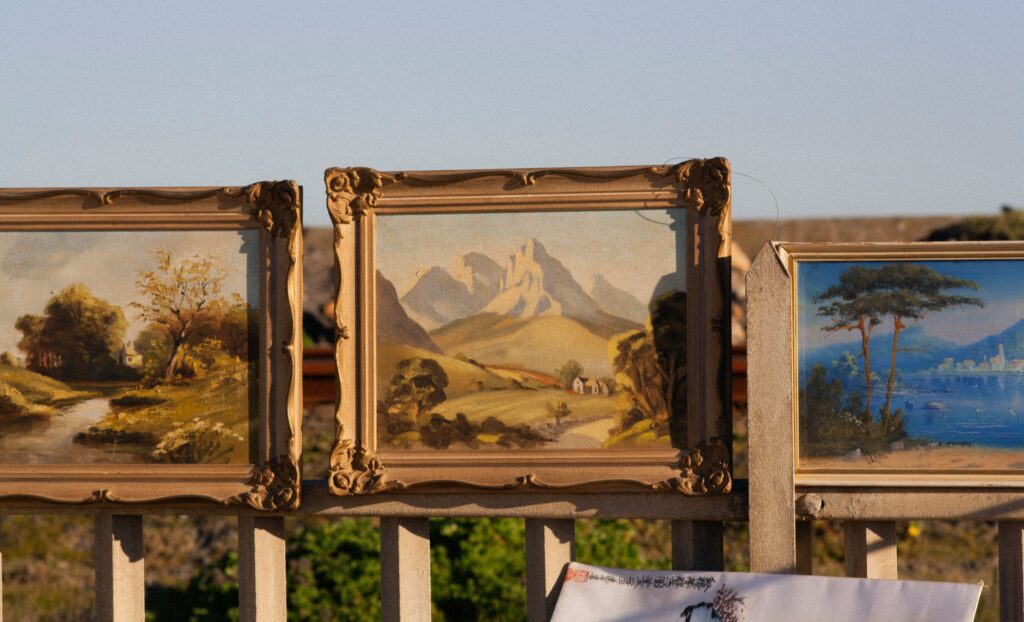
The environment plays an equally important role. Light, temperature, humidity, airborne pollutants, and even the way an artwork is handled all influence its long-term condition. Direct sunlight may fade pigments, excessive humidity can encourage mold growth, while extremely dry conditions can cause wooden supports to crack or paintings to become brittle. Even displaying artwork near fireplaces, kitchens, radiators, air-conditioning vents, or frequently opened windows can expose it to damaging fluctuations in heat, smoke, grease, and moisture.
Fortunately, most deterioration is preventable. Museums and professional collectors rarely rely on restoration after damage has occurred. Instead, they focus on preventive conservation, a proactive approach that minimizes risks before they become visible. Choosing the right frame, maintaining a stable indoor environment, handling artworks correctly, and storing pieces with archival materials all contribute to extending an artwork’s life while preserving its original appearance.
The Five Biggest Threats to Any Artwork
Regardless of the medium, nearly every artwork is vulnerable to these common risks:

Light
Ultraviolet (UV) rays and prolonged exposure to strong visible light gradually fade pigments, yellow paper, weaken textiles, and accelerate the aging of varnishes.
Humidity
Excess moisture encourages mold, corrosion, and warping, while very low humidity can dry out organic materials, causing cracking, shrinkage, or separation.
Temperature Fluctuations
Rapid changes in temperature cause materials such as canvas, wood, metal, and paint to expand and contract at different rates, increasing the risk of structural damage over time.
Dust, Dirt, and Airborne Pollutants
Household dust, cooking oils, smoke, and airborne pollutants slowly accumulate on surfaces, dulling colors and making future cleaning more difficult.
Improper Handling and Storage
Leaning paintings against rough walls, stacking artworks without protection, touching painted surfaces with bare hands, or using non-archival packing materials can cause avoidable damage within a surprisingly short period.
Before looking at individual mediums and conservation methods, it’s important to remember one principle: the goal of preservation isn’t to keep art looking new forever. It’s to slow unnecessary deterioration while respecting the natural aging process of the materials themselves.
Collectors who understand this distinction are far better equipped to care for their collections and preserve them for future generations.
Caring for Oil Paintings
Oil paintings are among the most collected works of art in the world, valued for their rich colors, depth, and remarkable longevity. Many museum masterpieces created centuries ago continue to survive today, proving that oil paintings can last for generations when cared for properly. At the same time, they are far from indestructible. Their layered structure, consisting of canvas or wood, ground layers, paint, and often varnish, means they respond continuously to changes in their environment.
One important fact many collectors don’t realize is that oil paint never truly stops aging. While a painting may feel dry to the touch within weeks or months, the curing process continues for years as the oils slowly harden. During this time, and even long afterward, the paint surface expands and contracts with fluctuations in temperature and humidity. Frequent environmental changes place stress on these layers, eventually increasing the risk of cracking, lifting paint, or distortion of the canvas.
Best Display Practices
Where you hang an oil painting matters just as much as how it was created.

Choose a location that offers stable environmental conditions throughout the year. Avoid placing paintings in direct sunlight, where ultraviolet light gradually fades pigments and yellows protective varnishes. Likewise, avoid hanging artwork above fireplaces, near radiators, heating vents, air conditioners, kitchens, or bathrooms, where constant changes in temperature, humidity, smoke, or grease can slowly damage the painting.
A well lit room with indirect natural light or controlled gallery style lighting is usually the safest option.
Understanding Varnish
Many oil paintings are protected with a layer of varnish. This transparent coating serves several important purposes. It enhances color saturation, creates an even surface finish, and acts as a sacrificial protective layer that collects dust and pollutants before they reach the paint itself.
Over time, however, varnish naturally ages. Older natural resin varnishes may yellow, become cloudy, or lose their clarity after several decades. This does not necessarily mean the painting itself is deteriorating. In many cases, a professional conservator can safely remove the aged varnish and apply a fresh one, restoring the original vibrancy of the artwork without affecting the paint beneath.
For collectors, the most important rule is simple. Never attempt to remove or replace varnish yourself.
Cleaning an Oil Painting
Dust is inevitable, but cleaning requires restraint.
If loose dust appears on the frame or surface, it is generally safest to leave the painted area untouched. Household cleaning sprays, damp cloths, feather dusters, and commercial cleaning products can permanently alter the paint surface or damage the varnish.
If a painting becomes noticeably dirty, develops mold, or shows discoloration, consult a qualified art conservator instead of attempting a home remedy. Improper cleaning is one of the leading causes of irreversible damage in privately owned collections.
Collector’s Checklist
✓ Display paintings away from direct sunlight.
✓ Maintain consistent indoor temperature and humidity.
✓ Keep artwork away from kitchens, fireplaces, bathrooms, and heating or cooling vents.
✓ Dust only the frame unless advised otherwise by a conservator.
✓ Never use water, solvents, furniture polish, or household cleaners on the painted surface.
✓ Do not remove, replace, or retouch varnish yourself.
✓ If you notice cracking, flaking paint, mold, sagging canvas, or yellowed varnish, seek professional conservation before the condition worsens.
With thoughtful placement and minimal intervention, an oil painting can remain stable for centuries. In art conservation, the safest approach is often the simplest. Protect the artwork from unnecessary risks, avoid overhandling, and allow trained conservators to address problems that require specialized care.
Caring for Acrylic Paintings
Acrylic paintings have become one of the most popular forms of contemporary art, appreciated for their vibrant colors, versatility, and durability. Unlike oil paint, acrylic dries quickly and remains more flexible over time, making it less prone to the extensive cracking often associated with older oil paintings. However, this flexibility comes with its own conservation challenges that many collectors overlook.
One of the most distinctive characteristics of acrylic paint is that it remains slightly softer than oil, even after it has fully cured. Because of this, the surface tends to attract and hold onto dust, airborne particles, and pollutants more easily. Over time, these contaminants can become embedded in the paint film, making cleaning far more difficult than many collectors expect.
Displaying Acrylic Paintings
The same environmental principles that protect oil paintings also apply to acrylic works. Display paintings in areas with stable temperature and humidity, and avoid direct sunlight whenever possible. Although acrylic pigments generally offer excellent lightfastness, prolonged exposure to intense sunlight can still fade certain colors over many years and weaken supporting materials such as canvas, paper, or wood panels.

Keep acrylic paintings away from fireplaces, kitchens, bathrooms, and heating or cooling vents. Smoke, grease, moisture, and rapid environmental fluctuations gradually affect both the paint surface and its support.
Because acrylic paint is more susceptible to surface scratches than fully cured oil paint, it is also important to hang artworks where they are unlikely to be bumped, brushed against, or exposed to frequent contact.
Understanding Protective Coatings
Some acrylic paintings are finished with a removable conservation varnish, while many contemporary artists intentionally leave the surface unvarnished to preserve the natural appearance of the paint. Neither approach is right or wrong. It simply reflects the artist’s preferred finish.
Collectors should never assume that an acrylic painting has a protective coating. Before attempting any conservation treatment, it is helpful to know whether the artist applied a varnish and what type was used. If this information is unavailable, consult a professional conservator rather than experimenting with cleaning methods.
Cleaning Acrylic Paintings
Cleaning acrylic paintings requires particular caution because the paint surface can be sensitive to pressure, moisture, and many common cleaning products.
Never use glass cleaner, alcohol, soap solutions, furniture polish, baby wipes, or damp cloths directly on the painted surface. Even gentle rubbing can permanently alter the texture or sheen of acrylic paint, especially if the surface contains heavy brushstrokes or matte finishes.
If noticeable dust accumulates or stains appear, professional conservation is the safest option. Modern acrylic paints often contain additives that respond differently to cleaning than traditional oil paints, making specialized knowledge essential.
Collector’s Checklist
✓ Display acrylic paintings in stable indoor conditions.
✓ Keep artworks away from direct sunlight and high humidity.
✓ Avoid touching the painted surface with bare hands.
✓ Never lean objects against the painting or allow anything to rub against the surface.
✓ Do not assume the painting is varnished.
✓ Never clean the surface using household products or water.
✓ Seek a conservator if dirt, stains, scratches, or surface damage become noticeable.
Although acrylic paintings are often considered low maintenance, they still benefit from thoughtful care. Preventing damage is always easier than treating it later, and a carefully displayed acrylic painting can retain its brilliance and structural stability for decades without requiring major conservation.
Caring for Watercolors, Drawings, Prints, and Other Works on Paper
Works on paper are among the most delicate pieces in any art collection. Whether it is a watercolor, charcoal drawing, pastel, pencil sketch, etching, lithograph, woodcut, or limited edition print, paper is naturally vulnerable to light, moisture, acids, and improper handling. Unlike paintings on canvas, damage to paper often happens gradually and is difficult, or sometimes impossible, to reverse.
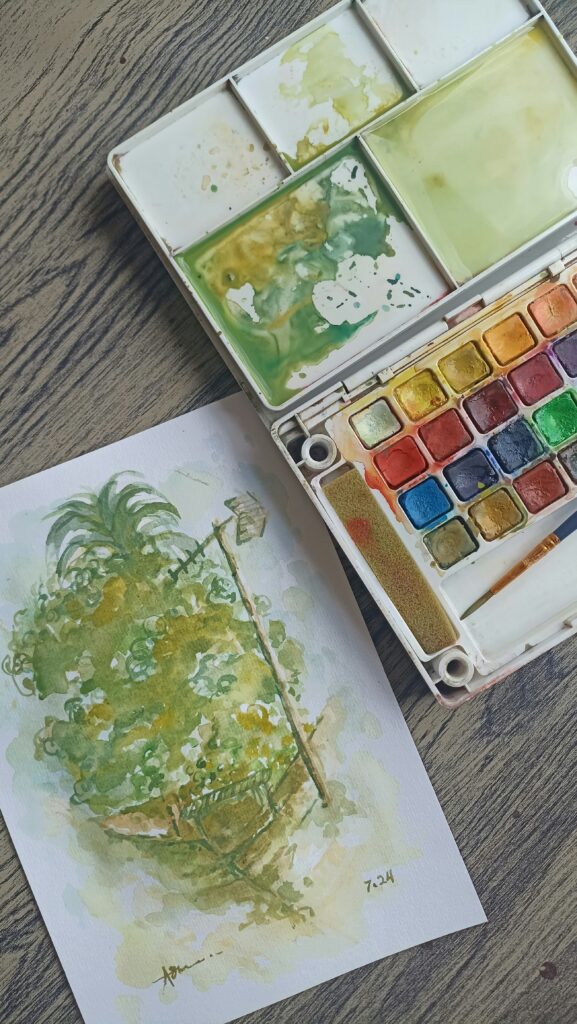
One of the most common forms of deterioration is discoloration. Over time, paper can yellow, become brittle, or develop brown spots known as foxing, especially when exposed to humidity or acidic materials. Colors may also fade if artworks are displayed in strong natural light for long periods. Even museum quality papers are not immune to aging, which is why collectors often rotate particularly sensitive works instead of displaying them continuously throughout the year.
Framing Matters More Than You Think
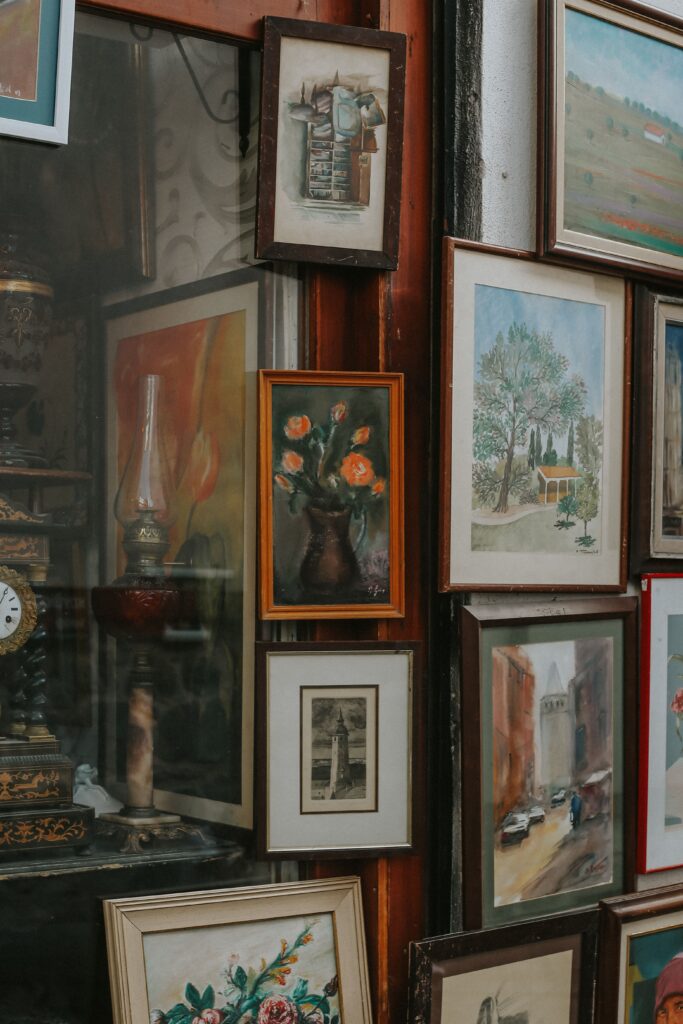
The frame protects far more than the artwork’s appearance. A properly framed work on paper is shielded from dust, pollutants, insects, and sudden environmental changes.
Whenever possible, choose archival quality framing materials. Acid free mat boards help prevent yellowing and staining, while museum or conservation grade backing boards provide long term structural support. The artwork should never touch the glass directly, as moisture can cause the paper to stick permanently to the glazing. A window mat or spacer creates a small air gap that allows the artwork to breathe safely.
If your collection includes particularly valuable prints or watercolors, consider using UV filtering glass or acrylic. While it cannot eliminate all light damage, it significantly reduces harmful ultraviolet exposure that contributes to fading.
Displaying Works on Paper
Paper artworks should always be displayed in stable indoor conditions with indirect lighting. Avoid hanging them opposite large windows or in rooms that receive intense afternoon sunlight.
Bathrooms, kitchens, laundry rooms, and basements are also poor locations because fluctuating humidity encourages mold growth and paper distortion. Even small environmental changes repeated over many years can gradually weaken paper fibers.
Many collectors rotate light sensitive works every few months, storing them safely between displays. This simple practice greatly extends the lifespan of delicate artworks.
Proper Storage
When paper works are not on display, store them flat whenever possible inside archival boxes, folders, or portfolios made from acid free materials.
Avoid rolling artworks unless absolutely necessary. Repeated rolling and unrolling places stress on paper fibers and may create permanent creases. Never store artworks inside ordinary cardboard boxes, newspaper, plastic sleeves not intended for conservation, or attics and garages where temperature and humidity fluctuate dramatically.
If stacking multiple works, place acid free tissue paper between each piece to prevent abrasion.
Collector’s Checklist
✓ Use acid free mats, backing boards, and storage materials.
✓ Frame valuable works with UV filtering glass or acrylic.
✓ Keep paper artworks away from direct sunlight.
✓ Never allow the artwork to touch the glazing.
✓ Store works flat inside archival portfolios or boxes.
✓ Handle paper only with clean, dry hands or cotton gloves when appropriate.
✓ Consult a paper conservator if you notice foxing, mold, tears, discoloration, insect damage, or rippling.
Works on paper reward careful stewardship. While they may be among the most sensitive objects in a collection, they are also among the most enduring when protected from light, moisture, and acidic materials. With proper framing and thoughtful storage, collectors can help preserve these delicate works for generations while maintaining both their beauty and historical value.
Preserving Art Means Preserving Its Story
Every artwork is more than a composition of paint, paper, stone, metal, or fabric. It carries the artist’s ideas, the context in which it was created, and the journey it takes through each collection it becomes part of. As a collector, you become one chapter in that story. The way you display, store, handle, and care for an artwork influences how it will be experienced years, decades, or even centuries from now.
The good news is that responsible collecting doesn’t require expensive equipment or museum level expertise. More often, it comes down to informed decisions and thoughtful habits. Choosing the right location for a painting, investing in archival framing, maintaining a stable environment, and recognizing when professional conservation is needed can significantly extend the life of an artwork while preserving its authenticity.
Perhaps the most important principle to remember is that conservation is about respect, not perfection. Every artwork will naturally change with time, and those changes are part of its history. The goal is not to prevent aging altogether, but to protect each piece from avoidable damage so that its beauty, craftsmanship, and meaning can continue to be appreciated by future generations.
A carefully preserved collection is more than a collection of objects. It is a legacy of creativity, culture, and human expression, one that deserves to be protected with the same care and thoughtfulness with which it was created.