






An Art Collector’s Checklist: 5 Questions to Ask Before Buying

The art of collecting begins with asking the right questions. Art collecting is about far more than acquiring beautiful objects. Every artwork carries a story, a vision, and the imprint of the artist who created it. Whether you’re purchasing your very first original piece or thoughtfully expanding an established collection, each acquisition becomes part of a larger journey, one that reflects your interests, values, and personal connection to art.
For many collectors, the excitement of discovering a work they love can make it tempting to make a quick decision. While instinct and emotion are an important part of collecting, informed choices often lead to the most rewarding collections. Taking the time to ask a few thoughtful questions before making a purchase can help you better understand the artwork, the artist, and the long-term value of your investment.
The best collectors know that collecting isn’t about buying the most expensive artwork or following the latest trends. It’s about building a collection with intention, one that tells a story, supports artists, and grows in meaning over time. Every thoughtful question brings you one step closer to making a purchase you’ll appreciate not just today, but for years to come.
“The artist is a collector. Not a hoarder, mind you, there’s a difference: Hoarders collect indiscriminately, artists collect selectively. They only collect things that they really love.”
— Austin Kleon.
At its heart, collecting is about choosing with intention. The same idea applies to art collectors: the most meaningful collections are not built by simply accumulating more works, but by carefully selecting pieces that create a genuine connection.
Before adding your next artwork to your collection, here are five essential questions every collector should ask.
Why Collectors Are Vital to the Art World
Collectors do far more than purchase artworks. Every acquisition supports an artist’s practice, allowing them to continue creating, experimenting, and sharing their work with the world. Whether they collect works by emerging or established artists, collectors play an essential role in helping creative careers flourish.
Their impact extends beyond individual artists. Many significant museum collections and cultural institutions began as private collections built by passionate art lovers. By collecting thoughtfully, collectors help preserve artistic voices, support the future of the arts, and become part of each artwork’s ongoing story.

Whether you’re purchasing directly from an artist, through a gallery, at an art fair, or from an online platform, asking the right questions before making a purchase can make all the difference. It not only helps you make informed decisions but also ensures you’re building a collection that is meaningful, well-documented, and one you’ll value for years to come.
Here are five essential questions every collector should ask before buying an artwork.
1. Does the Artwork Come with a Certificate of Authenticity?
A Certificate of Authenticity (COA) may seem like a simple piece of paperwork, but it is one of the most important documents you can receive when purchasing an artwork. It verifies that the piece is genuine and provides essential information such as the artist’s name, the artwork’s title, medium, dimensions, year of creation, and, in some cases, edition details. Think of it as the artwork’s official identity.
While not every emerging artist automatically provides a certificate, it’s always worth asking. Reputable artists and galleries are usually happy to issue one or explain how they document the authenticity of their work. Having proper documentation not only gives you confidence in your purchase but also becomes valuable if you ever decide to insure the artwork, lend it to an exhibition, or pass it on in the future.
Without a Certificate of Authenticity, it can become much more difficult to verify an artwork’s provenance years later. Even if you have no intention of selling the piece, keeping accurate records helps preserve its history and ensures that the story of the artwork stays connected to the artist who created it. Asking this simple question takes only a moment, but it can protect your collection for years to come.
2. How Does This Artwork Fit Within the Artist’s Body of Work?
An artwork is rarely created in isolation. Every piece is part of an artist’s larger creative journey, reflecting their experiences, ideas, techniques, and the evolution of their practice. Before purchasing, take the time to understand where this particular artwork fits within the artist’s overall body of work. Is it part of a larger series? Does it represent a new direction in their practice? Does it reflect themes they have explored throughout their career?
This question allows you to look beyond the surface and build a deeper connection with the artwork. A piece may become even more meaningful when you understand the ideas, experiments, or personal stories that led the artist to create it.
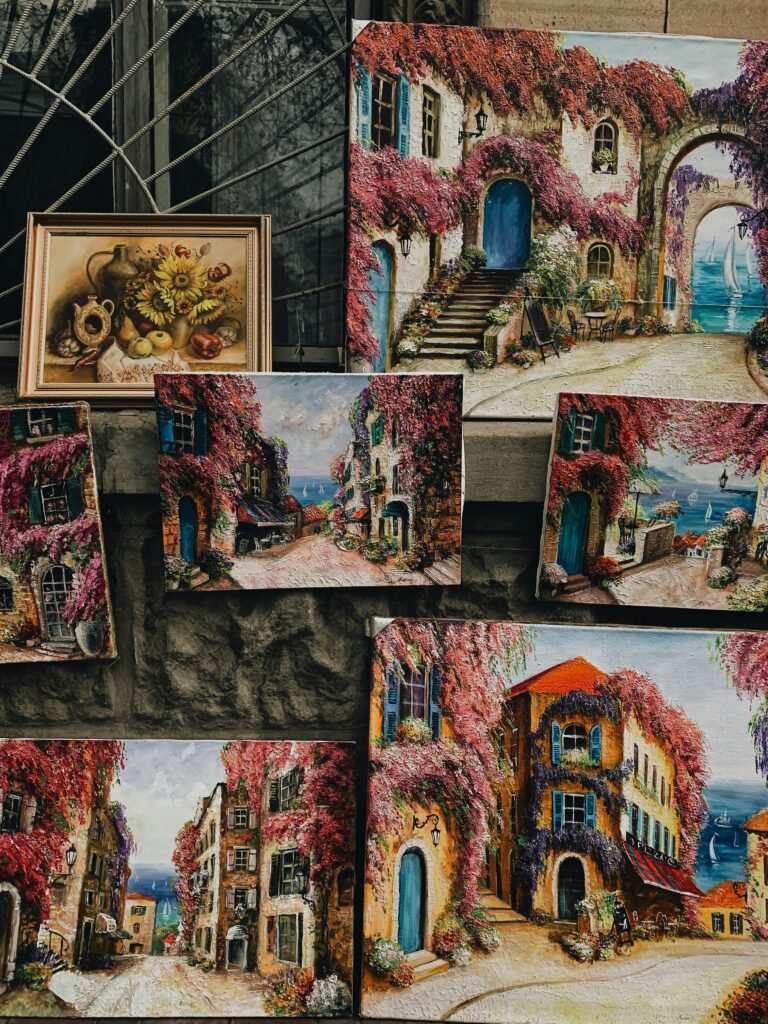
Without this context, collectors may sometimes purchase an artwork based only on its immediate visual appeal without fully appreciating its significance within the artist’s journey. Learning about the artist’s practice can also help you build a more thoughtful collection, where each piece has a story and a reason for being there.
Ask the artist, gallery, or curator about their creative process, previous works, and the ideas behind the piece. The more you understand the artist’s world, the more meaningful your relationship with the artwork becomes. A great collection is not just made up of beautiful objects; it is built through curiosity, connection, and appreciation for the stories behind each work.
3. What Materials Were Used, and How Should the Artwork Be Cared For?
Every artwork has its own needs. The materials an artist chooses, whether oil paint, acrylic, watercolor, photography, textiles, wood, metal, or mixed media, can greatly affect how a piece should be displayed, handled, and preserved over time. Before bringing an artwork into your collection, it is important to understand what it is made of and what care it requires.
A painting that needs protection from direct sunlight, a textile piece that requires specific humidity levels, or a mixed-media artwork with delicate elements may all need different approaches to conservation. Asking about materials and care instructions helps you protect your investment and ensure the artwork remains as the artist intended for years to come.
Without this information, collectors may unintentionally damage a piece through improper placement, cleaning methods, lighting, or environmental conditions. Something as simple as hanging an artwork near a window with strong sunlight or exposing certain materials to moisture can affect its appearance and longevity.
Before purchasing, ask the artist or gallery about recommended display conditions, cleaning methods, framing requirements, and any special considerations. Caring for an artwork is part of the collecting experience. When you understand how to preserve a piece, you are not only protecting your collection but also respecting the time, skill, and creative effort behind the work.
4. How Should This Artwork Be Displayed or Installed?
Buying an artwork is only the beginning of your relationship with it. How a piece is displayed can completely change the way it is experienced, both by you and by anyone who views it. Before making a purchase, ask about the best way to install and present the artwork in your space. Does it require a specific type of frame? Does it need special lighting? Are there particular wall conditions or installation requirements to consider?
This question is especially important for larger works, sculptures, textile pieces, installations, and mixed-media artworks, which may require more than simply hanging a frame on the wall. Understanding these details beforehand helps you prepare the right environment and ensures the artwork can be appreciated as the artist intended.

Without proper display considerations, even a beautiful piece can lose some of its impact. Incorrect lighting, unsuitable framing, or an inappropriate placement can affect how colors, textures, and details are experienced. It can also create practical issues later if installation requirements were not considered before purchase.
A thoughtful collector does not only ask, “Do I love this artwork?” but also, “How will this artwork live in my space?” Taking the time to understand its display needs allows the piece to become a meaningful part of your environment while preserving its beauty and integrity for years to come.
5. Will This Artwork Still Matter to Me Years From Now?
This is a more personal question, one that only you as a collector can answer. While the previous questions help you understand the artwork, its history, and its care, this one asks you to look inward. Before bringing a piece into your collection, pause and consider: does this artwork speak to me beyond the moment of purchase? Will it continue to hold meaning when the excitement of owning something new has faded?
Art is something you live with. Unlike many other purchases, an artwork often becomes part of your everyday surroundings, accompanying you through different chapters of your life. The pieces that become the most treasured are not always the most expensive or the most talked about. They are the ones that continue to spark emotion, memories, and curiosity years after they first entered your space.
Without asking yourself this question, it can be easy to buy based on trends, external opinions, or the fear of missing out. While recognition and market value can play a role in collecting, the strongest collections are built on genuine connection.
A meaningful artwork should feel like more than an object on your wall. It should feel like a story you want to keep returning to. Before making your next purchase, ask yourself if this is a piece you will still feel drawn to years from now. If it is, you may have found something that will become a true part of your collection and your life.
What Collectors Should Avoid When Building a Collection
Building a meaningful art collection takes time, curiosity, and intention. While every collector develops their own approach, many experienced collectors learn that the most valuable decisions are not always the quickest ones. Beyond knowing what to look for, understanding what to avoid can help you create a collection that feels personal, thoughtful, and lasting.
Avoid Collecting Without Understanding the Artist
A beautiful image may catch your attention, but learning about the person behind it adds another layer of meaning. Explore the artist’s journey, ideas, influences, and larger body of work before making a purchase. Understanding the context behind a piece often transforms it from something you simply admire into something you truly connect with.
Avoid Rushing Because of Fear of Missing Out
The thrill of discovering a new artwork can be powerful, especially when a piece feels rare or highly sought after. However, experienced collectors often emphasize patience. Take time to reflect, ask questions, and make sure the artwork feels right for your collection rather than making a decision based on urgency.
Avoid Building a Collection Without a Personal Point of View
A collection does not need to follow trends, impress others, or look a certain way. The most memorable collections often reflect the personality, experiences, and interests of the person who built them. Instead of asking only what is valuable or popular, ask what stories, ideas, and emotions you want your collection to represent.
Avoid Forgetting That Art Needs Care
Collecting does not end after the purchase. Proper storage, display, documentation, and maintenance are all part of being a responsible collector. Caring for an artwork is also a way of respecting the artist’s time, creativity, and craftsmanship.
A Collection That Reflects You
Art collecting is ultimately about creating a relationship with the works you choose to bring into your life. Beyond trends, prices, or popularity, the most meaningful collections are built on curiosity, connection, and a genuine appreciation for the stories behind each piece. Every artwork has the potential to become more than something you own; it can become a memory, a conversation, and a reflection of your personal journey.
Whether you are a first-time buyer or an experienced collector, taking the time to ask thoughtful questions can transform the way you experience art. Learn about the artist, understand the work, trust your instincts, and choose pieces that continue to speak to you long after the purchase is made. Because the most memorable collections are not simply filled with artworks; they are filled with stories, emotions, and moments that remain meaningful for years to come.