

The Art of Collecting — Part 08: How to Navigate Art Price Discussions with Artists
Collecting art is about so much more than finding something beautiful and bringing it home. It is about connecting with an artist’s vision, discovering the stories behind their work, and choosing pieces that mean something to us. And as we begin collecting, one question naturally comes up: how do we talk about the price of an artwork?
Art prices can sometimes feel confusing, especially when we are new to collecting. Why does one painting cost a few hundred dollars while another, perhaps similar in size, costs several thousand? Are prices negotiable? Are prints a good alternative to originals? And what happens when we fall in love with a piece that sits outside our budget?
These are all fair questions. Understanding how art is priced can help us become more confident collectors, but it can also help us approach artists with greater understanding and respect.
The most important thing to remember is that a conversation about art prices is not simply a conversation about money. It is also a conversation about creative labour, artistic independence, and the value of making art possible.
Understanding the Price of Original Artwork
An original artwork is exactly that: an original. Whether it is a painting, a sculpture, a ceramic piece, or a work made using an unconventional material, it represents a particular moment in an artist’s creative journey that cannot be recreated in precisely the same way.
When we purchase an original, we are not simply paying for the canvas, paint, clay, or other materials used to make it. We are investing in the artist’s vision, years of practice, developed skills, experimentation, and the countless decisions that brought the work into existence. Sometimes, a piece that looks simple at first glance carries years of learning behind it.
There are also the less visible costs of maintaining an artistic practice: studio rent, equipment, research, preparation, documentation, packaging, shipping, and the time spent managing a creative business. Artists have to account for these things while making a living, just like professionals in other fields.
Of course, not every artist calculates their prices in the same way. Some consider the size of a work, its medium, the time involved, and the cost of materials. Others follow a consistent pricing structure across a series, while an artist’s experience, exhibition history, demand, and previous sales may also influence their prices.
This is why two artworks of similar size can have very different price tags. Size is only one part of the picture.
Is It Okay to Negotiate the Price of an Original?
This is where we need to approach the conversation with particular care.
In some situations, an artist may be open to discussing their price. They might offer a payment plan, adjust the scope of a commission, or suggest another work within your budget. Others may have firm prices that they have carefully established to support their practice.
If an artist is not willing to negotiate the price of an original artwork, that is completely okay. An artist’s price is not an invitation to bargain, and a refusal to discount a piece is not a personal rejection of a collector. The price may reflect a considered decision about the work, the artist’s livelihood, and the consistency of their wider practice.
It is also worth remembering that artists may sell through galleries or other representatives, where commissions and contractual arrangements can affect what discounts are possible. An artist may not have the freedom to change a listed price, even if they wanted to.
If you genuinely love a piece but cannot afford it, you can simply express that. You might ask whether the artist has smaller works available or whether payment in installments is an option. And if neither is possible, it is perfectly fine to admire the work and return to it when the time is right.
We do not have to own every artwork we love. Sometimes, appreciating it is enough for now.
How to Start a Price Conversation Thoughtfully
If you would like to ask an artist about pricing, begin with curiosity rather than an expectation of a discount. Ask what is included in the listed price, whether framing or shipping is separate, and whether there are different sizes or formats available. If you have a specific budget, you can share it honestly and ask whether the artist has anything that might work for you.
Avoid suggesting that a piece should cost less simply because it looks easy to make, because you have seen something similar elsewhere, or because another artist charges less. Every practice has its own circumstances, and comparing prices without understanding those differences can be misleading.
A thoughtful conversation leaves room for both people to make decisions comfortably. The goal is not to persuade an artist to accept less, but to find out whether there is an option that works for everyone.
Exploring More Affordable Ways to Collect Art
The wonderful thing about collecting art is that it does not have to begin with a large investment. While an original may be outside your budget today, there are other ways to support artists and bring their work into your home.
Prints and editions are particularly useful for collectors who want to start small, discover new artists, or build a collection gradually. Understanding the different types can help you choose what feels right for you.
Open-Edition Prints
Open-edition prints are reproductions of an artwork that are not restricted to a predetermined number of copies. An artist can continue producing them as demand allows.
Their prices generally reflect the print’s size, paper quality, production costs, presentation, and the artist’s own pricing structure. Because the number of copies is not capped, they are often among the more accessible options for collectors.
An open-edition print can be a lovely way to live with an image you adore without purchasing the original. It can also be a meaningful purchase that directly supports the artist, especially when bought through their own shop or an authorised seller.
Limited-Edition Prints
A limited edition contains a fixed number of prints. An artist might release an edition of 25, 50, or 100, for example, and number each print to show its place in the series.
You may see a notation such as 7/25, meaning that the print is number seven in an edition of 25. Limited editions may also be signed by the artist and accompanied by a certificate of authenticity, depending on the artist’s practice.
These prints can cost more than open editions because the artist has set a limit on how many will be produced. The edition size, printing method, materials, signature, and demand can all influence the price.
If you purchase a limited edition, take a moment to understand what the edition includes and how it is described. A limited-edition print is not the same as an original painting, but it can still be a carefully made, collectible artwork in its own right.
Fine-Art and Giclée Prints
You may also come across the terms fine-art print and giclée print. Giclée generally refers to a high-quality inkjet printing process used to reproduce artwork, often on archival paper or canvas.
The final quality depends on factors such as the printer, inks, paper, image preparation, and colour accuracy. Some artists offer signed or numbered giclée editions, while others sell them as open editions.
A giclée print can reproduce the colours and details of an original beautifully, but it remains a reproduction. It does not become the original simply because it uses high-quality materials or looks remarkably similar.
Pricing varies considerably according to size, production quality, edition type, and the artist’s market. It is worth asking about the paper or canvas used and whether the print is signed, numbered, or part of a limited edition.
Hand-Pulled Prints and Artist-Made Editions
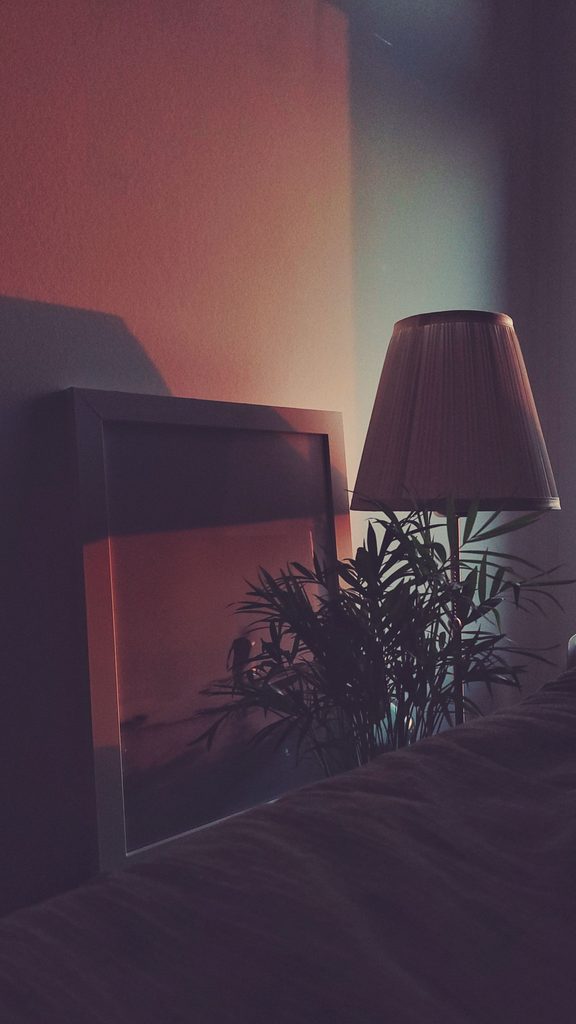
Not every print is a digital reproduction of a painting. Artists also create original prints using techniques such as linocut, woodcut, etching, lithography, and screen printing.
These processes involve making an image from a carved block, plate, screen, or another printing surface. The artist may print each impression by hand, sometimes with variations that make individual prints distinctive.
Their prices depend on the technique, materials, labour, edition size, and the artist’s experience. A hand-pulled print can be an original work of art in its own right, even though multiple impressions exist.
This distinction is important: an original print is not necessarily an original painting. Both can be authentic works created by the artist, but they are different forms of art with different production processes and pricing considerations.
Small Works, Studies, and Works on Paper
Another option is to explore an artist’s smaller pieces. Sketches, studies, drawings, watercolours, and smaller paintings may be more accessible than their larger finished works, although this is not always the case.
A study may offer a glimpse into an artist’s process, while a small finished painting may carry the same thought and intention as a much larger piece. Neither should automatically be considered less valuable simply because of its size.
If you are working with a particular budget, browsing these categories can help you discover something special without asking an artist to reduce the price of a piece they have already priced.
Commissions: When an Artwork Is Made Just for You
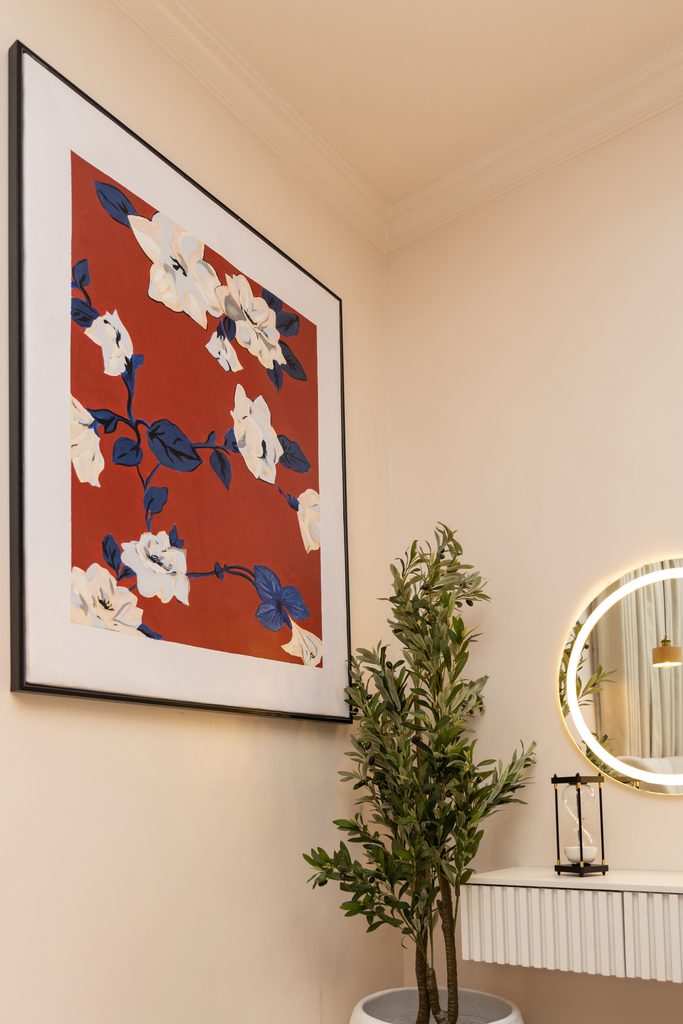
Commissioning an artwork is another beautiful way to collect, particularly if you have a specific subject, memory, space, or idea in mind.
However, a commission is not simply an existing artwork made in a different colour or size. It often involves conversations, research, sketches, planning, revisions, and a creative process that develops around the collector’s brief.
This is why commissioned work may cost more than a comparable piece that an artist has already created. The artist is taking on additional work, adapting their process, and setting aside time for a project that may require several rounds of communication before it is complete.
Before agreeing to a commission, discuss the details openly. What size will the artwork be? Which materials will be used? How many revisions are included? What is the expected timeline? Is framing included? Will the artist retain copyright, and what can the collector do with the finished work?
Many artists request a deposit before beginning, with the remaining balance due at an agreed stage or upon completion. Payment schedules vary, so make sure you understand the terms before committing.
Most importantly, remember that commissioning an artist means trusting their creative vision. You can communicate your preferences and expectations clearly while allowing them the freedom to interpret your ideas in their own way.
A good commission should feel like a collaboration, not a situation in which an artist is expected to deliver unlimited changes for the same price.
Collaborations and Licensing: Understanding What You Are Paying For
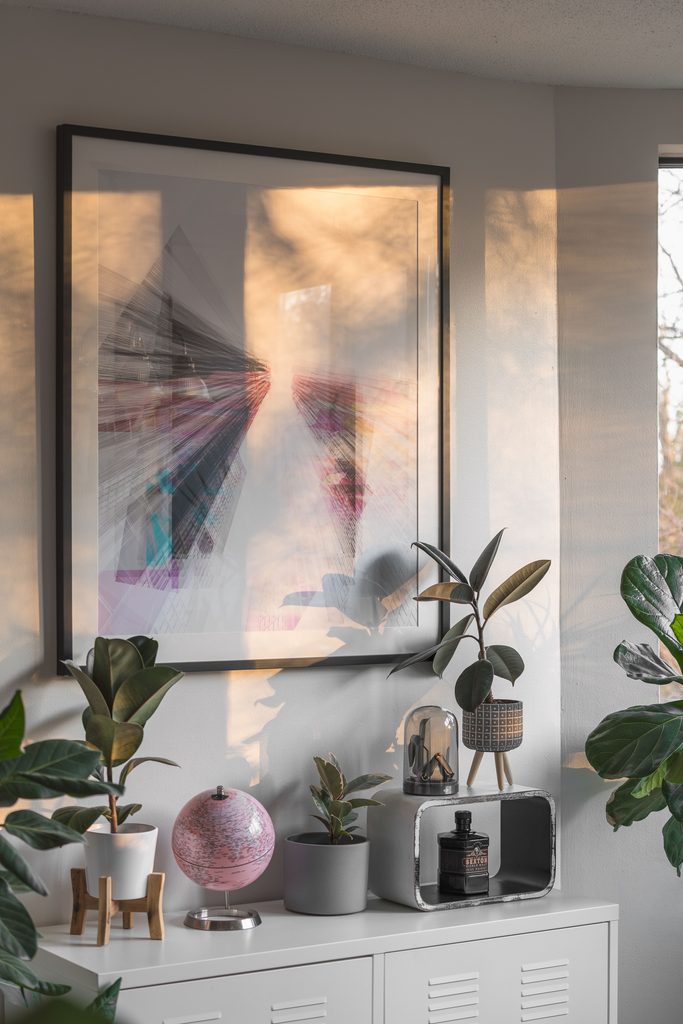
Sometimes, a collector or business may want to work with an artist beyond purchasing an existing artwork. This might involve creating a piece for a brand, developing illustrations for a publication, or using an existing artwork on products, packaging, or promotional material.
These arrangements work differently from purchasing an original.
In a collaboration, the price depends on the scope of the project, the work involved, the timeline, and the responsibilities agreed upon by both parties. If the artist is creating something new, the fee may cover the creative process as well as the final deliverables.
Licensing is different again. Rather than buying the artwork itself, the client pays for permission to use the artist’s work under agreed conditions.
For example, an artist might license an illustration for a magazine cover, a limited product run, or a particular advertising campaign. The fee can depend on where the image will appear, how long it will be used, the geographical territory, the size of the audience, and whether the permission is exclusive.
A licensing agreement may involve a one-time fee, royalties, or a combination of the two. There is no single formula that applies to every project.
As a collector or client, it is important to distinguish between purchasing an artwork, acquiring copyright, and obtaining permission to use an image. These are not automatically the same thing.
Discuss the intended use before agreeing on a price, and make sure the terms are documented. Clear expectations protect both the artist and the person commissioning or licensing the work.
A Few Things to Check Before Purchasing
Beyond the artwork’s listed price, a few practical details can help you understand the full cost of collecting.
- Framing and presentation: Ask whether the artwork is framed or sold unframed. A custom frame can add considerably to the final cost.
- Shipping and insurance: Large, fragile, or international shipments may involve additional packaging, insurance, customs duties, or taxes.
- Gallery commissions: Artists selling through galleries may have different pricing arrangements from those selling directly. A gallery’s commission is generally part of its business arrangement with the artist, not necessarily a separate fee added to the collector’s bill.
- Payment plans: Some artists offer instalments or staged payments. Ask about the terms rather than assuming this option is available.
- Authenticity and documentation: For an original or collectible edition, ask what documentation accompanies the work. Invoices, certificates where applicable, edition details, and records of purchase can be useful for your collection.
- Consistency of pricing: If you are purchasing directly from an artist, compare prices across their official channels when relevant. If something seems inconsistent, ask politely for clarification rather than assuming the artist is overcharging.
These small details can make the buying experience much clearer and help you plan your budget realistically.
What If an Artwork Is Outside Your Budget?
First, allow yourself to love it anyway. Collecting art is not a competition, and building a collection does not require purchasing every piece that catches your attention. Some collectors begin with small prints, postcards, or works on paper before gradually investing in originals. Others save for months to purchase one particularly meaningful piece.
There is no single correct way to collect. If you have your heart set on an original, you can ask the artist whether they have smaller works available, whether a payment plan is possible, or whether they expect to release other pieces in the future. You can also follow their work and save towards a future purchase.
If the price is firm, respect that decision. An artist does not owe a discount, just as a collector does not have to purchase something beyond their means.
And if you decide not to buy, a kind message expressing your appreciation for the work is always welcome. A respectful conversation can leave the door open for another opportunity without putting pressure on either person.
Collecting With Curiosity, Not Pressure
At the heart of collecting is a relationship between the person who makes the work and the person who chooses to live with it. Every purchase helps sustain creative practices, but every collector also has their own circumstances, priorities, and budget.
Understanding art prices allows us to approach this relationship with greater confidence. It helps us ask better questions, explore different formats, recognise the work behind an artwork, and make choices that feel right for us. And perhaps the most important part is remembering that respecting an artist’s price is just as important as respecting a collector’s budget.
You can ask questions without demanding a discount. You can admire an original without being able to afford it. You can begin your collection with a print and still be a thoughtful, passionate collector.
The goal is not to negotiate every price or find the lowest possible number. It is to discover art you genuinely connect with, understand what you are purchasing, and build a collection in a way that feels meaningful to you while honoring the people who make the work possible. Because the best collecting experiences are not only about what we bring home. They are also about the care, understanding, and appreciation we bring to the process.
Editor’s Note:
Submissions for our Open Call: 101 Art Book Texture Edition are closing in a few hours! If any part of your creative practice explores texture through paint, fabric, mixed-media or any of the acceptable mediums, this is your chance to submit. The deadline is October 15, 2026.