


The Five Bookstores to Visit in New York
Spend enough time in New York and books start appearing everywhere. They fill the windows of independent shops, sit on café tables, travel through the subway in tote bags, and occupy entire blocks in neighborhoods that have long attracted writers, artists, publishers, and readers. The city’s bookstores reflect that same variety. Some are vast and historic; others are highly specialized, built around photography, artists’ books, design, or a particular neighborhood.
For this list, the most interesting bookstores are not necessarily the ones with the longest shelves or the most famous names. They are the places that tell you something about the city around them. Strand carries the history of New York bookselling in its many floors. Rizzoli brings together art, fashion, architecture, photography, and design. Printed Matter belongs to the story of artists’ publishing in New York, while Dashwood has built an international reputation around photography books. Three Lives & Company offers something altogether different: the experience of a small neighborhood bookseller where the selection is shaped by people who know their readers.
Five bookstores are hardly enough to cover New York’s literary landscape, but they make a good route through some of its most interesting corners.
1. Strand Book Store
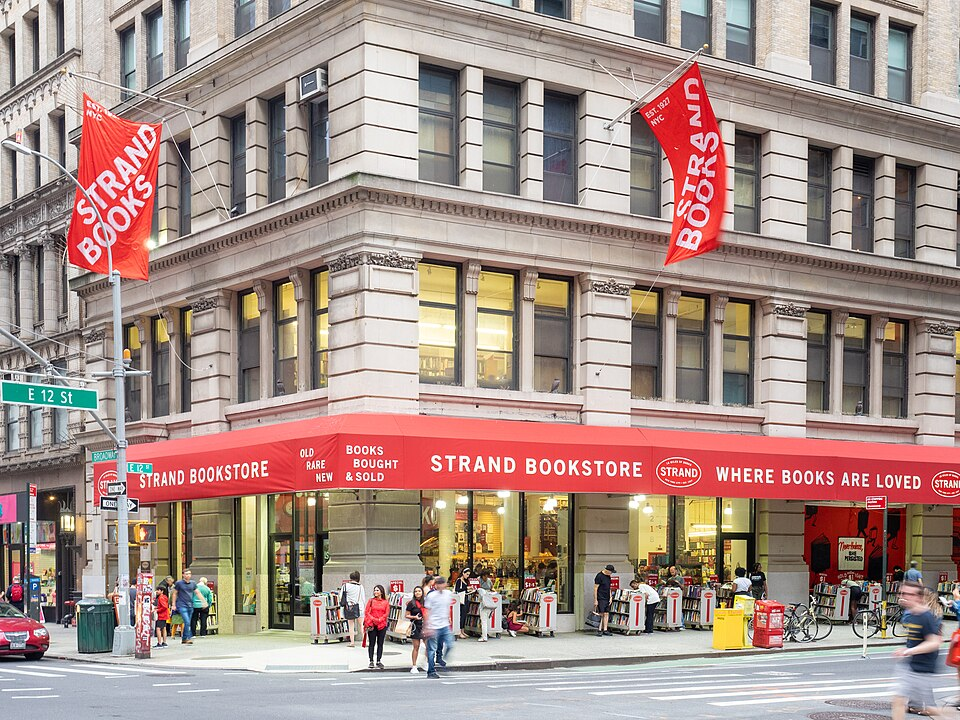
Strand has been part of New York’s bookselling landscape since 1927, when Benjamin Bass opened the store on Fourth Avenue, then part of Book Row. The six-block stretch was once home to 48 bookstores; Strand is the only one from that original group still operating. Its flagship in Union Square now carries more than 2.5 million new, used, and rare books, from current releases and classic literature to out-of-print titles, art monographs, and signed first editions.
The scale is part of what makes a visit worthwhile. Strand is not really a bookstore you can “finish.” You might arrive looking for one particular title and end up several floors away, looking through a section you had no intention of visiting. The combination of new and used books makes that kind of detour especially easy. A familiar author turns up in an unexpected edition; a book you had forgotten about appears on a table; an obscure title catches your attention simply because you have never seen it before.
Its rare-book selection adds another layer to the experience, while the store’s art department makes it a particularly good stop for readers interested in visual culture. The current Strand also continues to operate as a busy working bookstore rather than a historical monument: booksellers help customers track down titles, events take place in the store, and new stock constantly changes what you will find on the shelves.
For someone visiting New York for the first time, Strand is an easy recommendation, but not simply because it is famous. It gives you a sense of how deeply bookselling is woven into the city’s history. Nearly a century after its doors first opened, it remains a place where browsing is as much a part of the visit as buying a book.
2. Rizzoli Bookstore
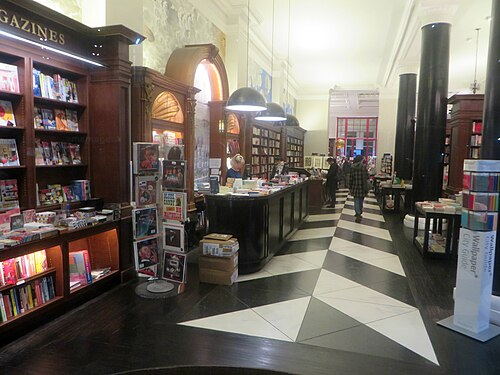
Rizzoli has a different kind of appeal. Here, the books themselves are very much part of the experience.
The current New York flagship opened in 2015 in NoMad, inside the historic St. James Building. The 5,000-square-foot space was designed around the architectural character of the building, with high ceilings, large windows, chandeliers, wood bookcases, and other details that recall the grandeur of Rizzoli’s earlier Manhattan bookstore.
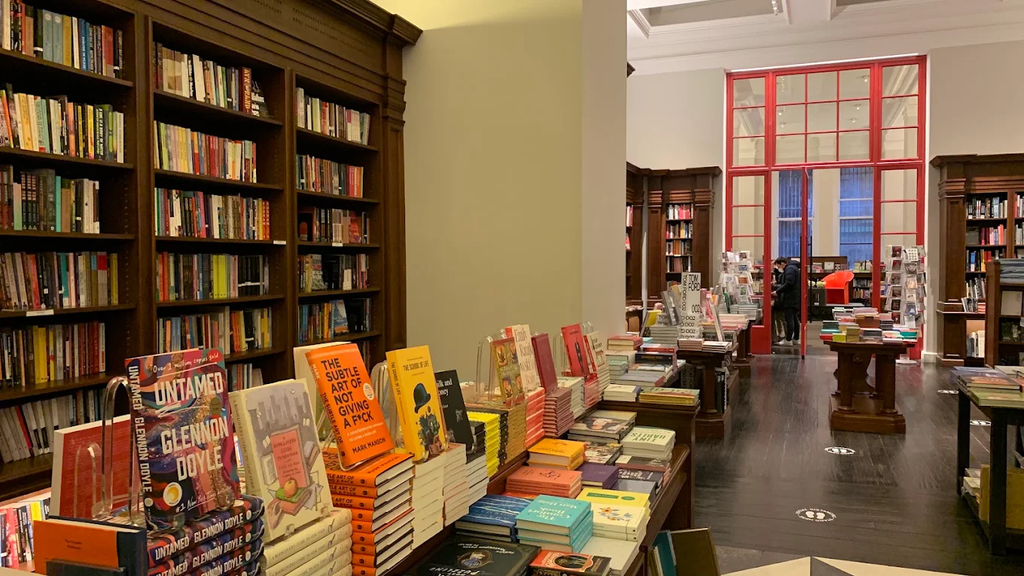
The selection is especially strong in areas where image and design matter: art, architecture, interiors, fashion, photography, literature, and illustrated books. Rizzoli’s publishing history is part of the reason for that particular sensibility. Its catalogue today continues to span categories including art, architecture, design, fashion, photography, interiors, travel, literature, and world history and culture.
That makes Rizzoli particularly rewarding for anyone who pays attention to how books are made as well as what they contain. A monograph is not simply a collection of images; the scale of the photographs, the paper, typography, sequence, binding, and overall design all influence how the work is encountered. The bookstore gives you plenty of opportunities to notice those details.
It is also a place where the boundaries between disciplines become pleasantly blurry. A visit might begin in photography and end in architecture, or take you from fashion history to interiors and then to a novel. Rizzoli continues to host author and publishing events, giving the store a life beyond its shelves.
If you are interested in art and visual culture, this is one bookstore in New York where it is worth taking your time.
Read more : Five Bookshops to Visit in Paris
3. Printed Matter
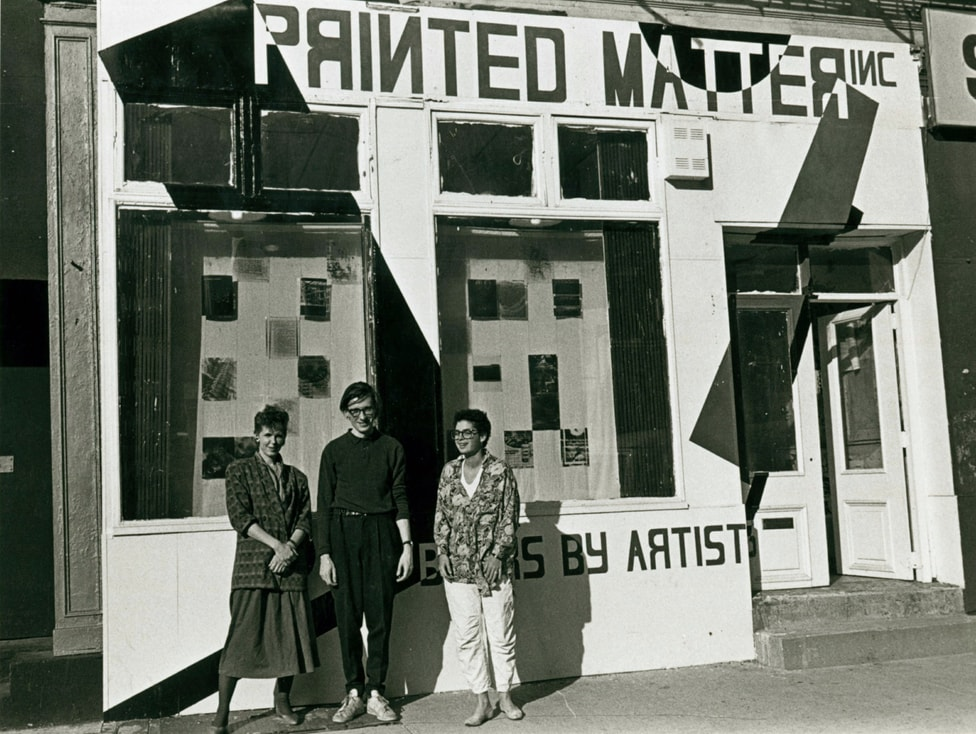
Printed Matter comes from a different part of New York’s cultural history. Its beginnings go back to 1976, when it was established by artists and art workers including Sol LeWitt and Lucy Lippard. The organization grew out of a period when artists were increasingly exploring publications as a way to make, distribute, and encounter art outside the traditional gallery system. Its own archive traces that history from the organization’s founding to the present.
That idea remains central to Printed Matter. Its Chelsea bookstore focuses on artists’ books, editions, zines, and other publications that can occupy an unusual space between book, artwork, document, and multiple. The bookstore’s catalogue demonstrates just how broad that field can be, with publications ranging from photography and conceptual art to artist-run magazines, experimental formats, and small-edition works.
The organization has also built a much larger publishing and events ecosystem around the bookstore. Its programming includes exhibitions, book launches, talks, and the NY Art Book Fair, which has become an important meeting point for artists, publishers, independent presses, and collectors.
For an artist, art student, collector, writer, or anyone curious about the relationship between art and publishing, Printed Matter is one of the most useful stops on this list. You may recognize names you already know, come across a publication from an artist you have never encountered, or discover a form of publishing that does not fit neatly into the categories of a conventional bookstore.
The point is not to arrive knowing exactly what you are looking for. Give yourself time to look.
4. Dashwood Books
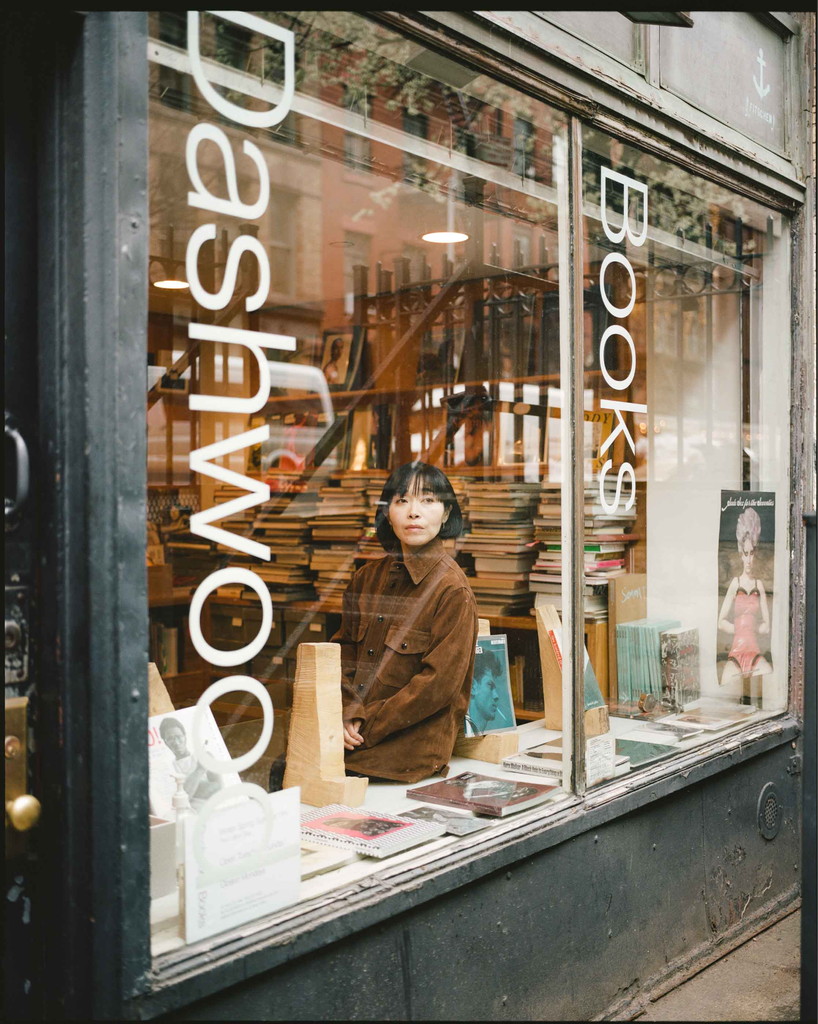
Photography has its own bookstore in New York, and Dashwood Books has spent the past two decades building it.
Opened in September 2005 in NoHo, Dashwood specializes in contemporary photography and has become known for books that can be difficult to find elsewhere in the United States. Its selection includes limited press runs from Japan, Germany, and the Netherlands, artists’ self-published books, signed copies, and carefully selected collectible and post-war photography titles. The store also builds collections for museums, educational institutions, designers, and fashion houses.
That international range is one of the reasons the store has developed such a strong following among photographers, artists, collectors, and art directors. It is small enough for the selection to feel deliberate, but broad enough to move between established names, independent publications, vintage books, and new work.
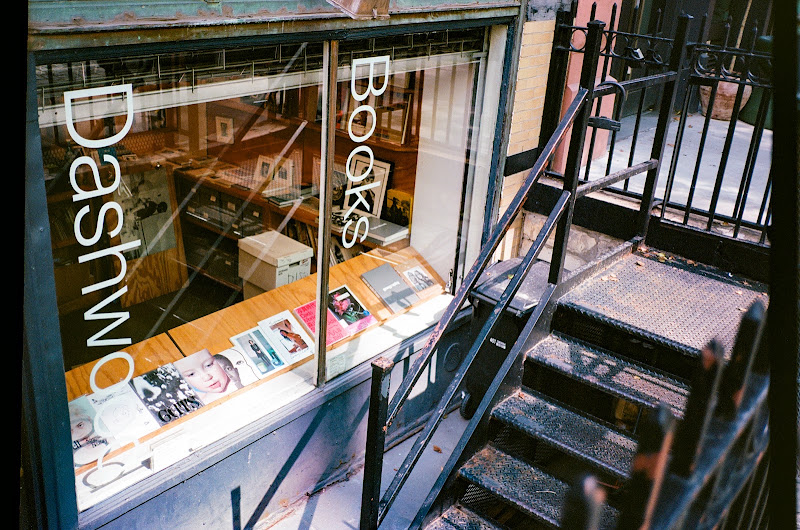
Dashwood is also a publisher in its own right. Its publishing programme began in 2008 with Ari Marcopoulos’s The Chance is Higher and has since expanded into photography and drawing monographs, artist zines, posters, and other projects made with artists and graphic designers. The bookstore also regularly hosts launches and signings, creating another connection between the books on its shelves and the people who make them.
That combination of bookselling and publishing makes Dashwood particularly interesting. You are not simply browsing a collection of photography books; you are seeing a small part of the network through which photographers, publishers, designers, collectors, and readers encounter one another.
Even if you do not consider yourself a photography specialist, it is worth spending time here. A good photobook can completely change the way a body of work is experienced, and Dashwood has made that kind of encounter its speciality.
5. Three Lives & Company
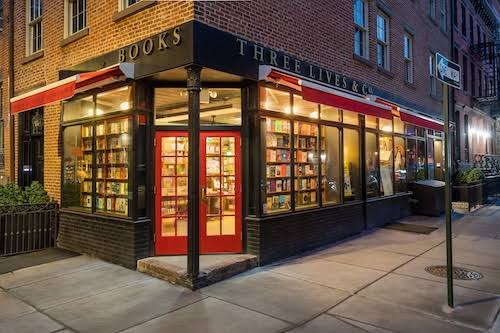
Three Lives & Company brings the scale of the list back down to a neighborhood corner.
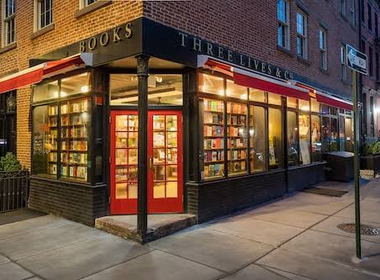
The West Village bookstore was founded in 1978 by Jenny Feder, Jill Dunbar, and Helene Webb. It first opened on Seventh Avenue before moving to its present location at West 10th Street and Waverly Place. In 2001, Feder and Dunbar sold the store to bookseller Toby Cox, who continues to run it.
The shop became known for its carefully selected inventory and knowledgeable booksellers, with a particular emphasis on literary fiction and nonfiction. Its history is closely connected to New York’s literary community: writers, editors, publishers, and readers have long treated the store as a place to discover books and exchange recommendations.
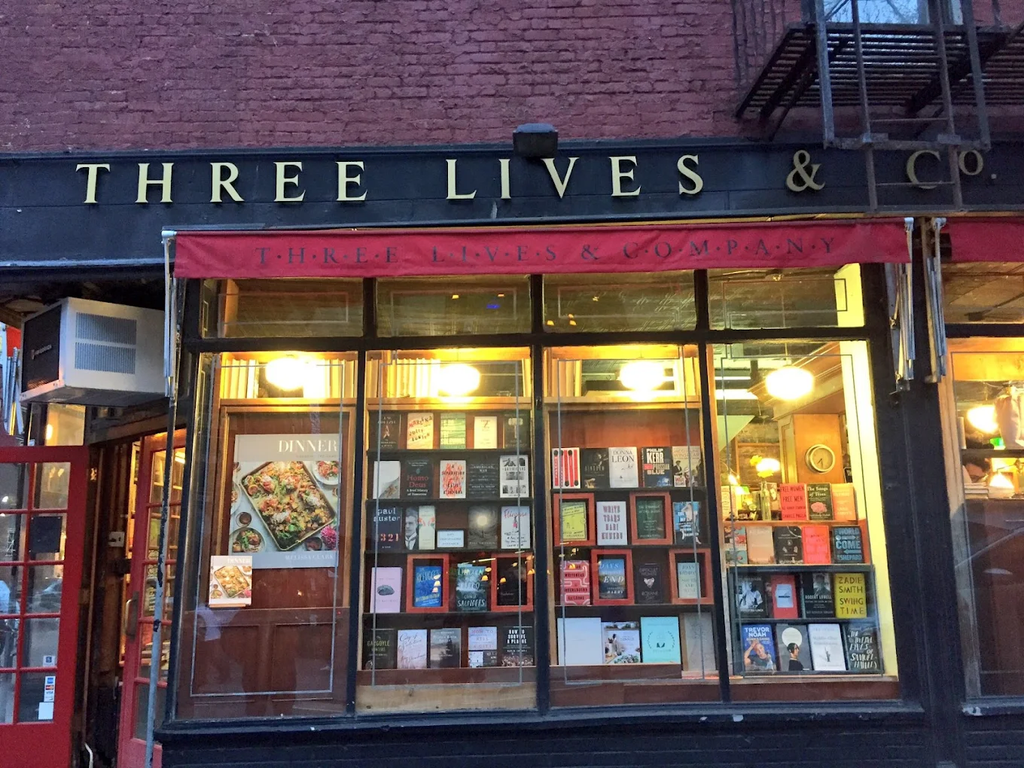
Its small scale is important. Three Lives does not try to compete with a giant bookstore by offering everything. The selection is edited, and that makes the act of browsing feel different. You are looking at books that someone has chosen to put on the shelf rather than working your way through an inventory designed to accommodate every possible taste.
The bookstore also has a strong connection to its West Village surroundings. Its current location sits at a corner that has long been part of the neighborhood’s cultural life, and the shop has weathered the pressures that have forced many independent New York bookstores to close.
That history makes Three Lives worth visiting for reasons that go beyond its shelves. It is a reminder of what an independent bookstore can mean to a neighborhood over several decades: a place where booksellers remember customers, readers return regularly, and a recommendation can still come from a person standing behind the counter.
More Bookstores to Keep on Your New York List
These five are only a starting point. If you have more time to explore, New York has plenty of other bookstores worth putting on your route. McNally Jackson is a good stop for a broad independent selection, with several locations across the city, while Books Are Magic brings an energetic neighborhood feel to Brooklyn. Albertine is a natural choice for French-language literature, Argosy Book Store is worth seeking out for rare books, maps, prints, and other antiquarian material, and The Mysterious Bookshop is devoted entirely to readers who love mystery, crime, detective fiction, thrillers, and suspense. For readers interested in art, design, and specialist publishing, Mast Books, Ursus, and 192 Books are also worth knowing. You could easily build an entire New York itinerary around bookstores alone and still have a few left for the next trip.
Five Bookstores, Five Ways Into New York
These five bookstores offer five very different ways into New York’s book culture.
Strand gives you the city’s bookselling history on an enormous scale. Rizzoli brings together art, design, fashion, architecture, photography, and publishing. Printed Matter shows how the book itself can become part of an artist’s practice. Dashwood narrows the focus to photography and the international world of photobooks. Three Lives & Company brings the experience back to the neighborhood bookseller and the knowledge that comes from years of paying attention to readers.
That variety is what makes a bookstore trail through New York worthwhile. You can spend an afternoon moving between very different kinds of collections, or choose one neighborhood and see where the shelves take you. You do not need a carefully planned reading list, either. In fact, it may be better without one.
Walk in looking for something specific, by all means. But leave enough time to find something you were not looking for.
New York has plenty of bookstores for that.
Explore the current open calls and submit your work: apply.artstoheartsproject.com