







The Strange Stories Behind 10 Paintings People Believed Were Cursed
Art is often celebrated for its beauty, creativity, and ability to capture moments in time. But not every masterpiece inspires admiration alone. Throughout history, certain paintings have developed reputations that are far more unsettling. Some have been blamed for mysterious accidents, strange illnesses, recurring nightmares, and even tragic deaths. Others have become the center of ghost stories, urban legends, and paranormal investigations that continue to intrigue people decades, or even centuries, after their creation. Many of these stories revolve around paintings people believed were cursed, transforming ordinary artworks into enduring legends.
Of course, there is no scientific evidence that a painting can be cursed. Yet the stories persist. A portrait survives a devastating house fire while everything around it burns. A haunting image becomes linked to a string of misfortunes. A museum artwork develops a reputation so unnerving that students refuse to sit near it during exams. Whether these tales are the result of coincidence, folklore, psychological suggestion, or something more mysterious, they reveal humanity’s enduring fascination with the unknown.
What makes these stories especially compelling is that many of them are attached to real artworks that still exist today. Some hang in museums, some remain in private collections, and others have achieved near-mythical status online. Their legends have become almost as famous as the paintings themselves.
From haunted portraits and supposedly cursed canvases to artworks surrounded by decades of strange rumors, these are ten of the most infamous paintings ever associated with mystery, misfortune, and the unexplained.
1. The Hands Resist Him: The Painting That Allegedly Walked Out of Its Frame
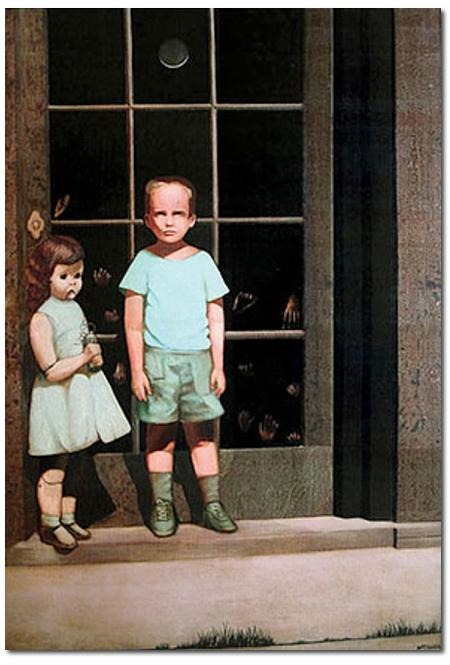
At first glance, The Hands Resist Him looks like an unusual but ordinary surrealist painting. Created in 1972 by Bill Stoneham, the artwork depicts a young boy standing beside a life-sized doll in front of a glass door. Behind the glass, dozens of shadowy hands press against the surface, creating a scene that feels both dreamlike and deeply unsettling.
For nearly three decades, the painting attracted little public attention. That changed dramatically in 2000 when it appeared in an online auction listing. The sellers claimed that strange things had happened in their home after acquiring the artwork. According to the description, the figures inside the painting appeared to move during the night. They alleged that the doll sometimes left her position, while the boy seemed to step outside the frame. The listing also included photographs that supposedly documented these changes.
As the story spread across internet forums and email chains, the painting quickly gained a reputation as one of the world’s most haunted artworks. Some viewers reported headaches, nausea, feelings of anxiety, or disturbing dreams after simply looking at images of it online. Others claimed electronic devices malfunctioned while the painting was displayed on their screens.
Skeptics argue that the painting’s notoriety is a perfect example of suggestion and the power of storytelling. The eerie imagery, combined with a sensational auction description, created an internet-age ghost story that took on a life of its own.
Whether cursed or simply misunderstood, The Hands Resist Him remains one of the most famous examples of how an artwork can become larger than the canvas itself. Its unsettling imagery continues to fascinate viewers, proving that sometimes a painting’s greatest power lies not in what it shows, but in what people believe it can do.
2. The Crying Boy: The Painting That Survived the Flames
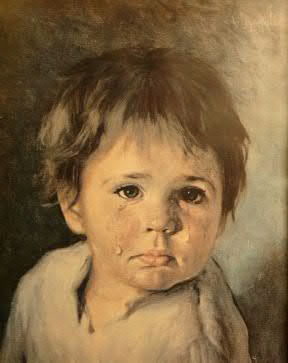
Few artworks have sparked a public panic quite like The Crying Boy. Painted by Italian artist Giovanni Bragolin, the pseudonym of Bruno Amadio, the image depicts a tearful child staring directly at the viewer. During the mid-20th century, reproductions of the painting became enormously popular across Europe, particularly in the United Kingdom, where thousands of copies hung in homes.
The artwork’s eerie reputation emerged in the 1980s when British newspapers began reporting a strange pattern. Families who had experienced devastating house fires often claimed that while their furniture, walls, and possessions had been destroyed, prints of The Crying Boy were found remarkably intact among the ashes. The stories multiplied quickly. Firefighters reportedly encountered the painting at multiple fire scenes, and soon rumors spread that owning the image invited bad luck, or worse.
As public fascination grew, so did the legend. Some versions claimed the child portrayed in the painting had died in a tragic fire and that his spirit remained trapped within the artwork. Others suggested the image carried a curse that brought disaster to anyone who displayed it. The story became so widespread that some owners reportedly destroyed their copies out of fear.
Yet the truth appears far less supernatural. Investigations later suggested that the prints had been coated with a fire-resistant varnish. Because the string holding the picture often burned away first, the artwork would fall face-down during a fire, protecting the printed surface from the worst of the flames. Researchers and fire experts pointed to this explanation as the most likely reason for the painting’s surprising survival.
Even so, The Crying Boy remains one of the most famous cursed artworks ever discussed. The combination of tragic imagery, media sensationalism, and a series of remarkable coincidences transformed an ordinary print into a modern urban legend, one that continues to captivate people decades later.
3. Man Proposes, God Disposes: The Painting Students Fear Most

At first glance, Man Proposes, God Disposes appears to be a dramatic Arctic landscape. Painted in 1864 by Edwin Landseer, the artwork depicts two polar bears scavenging among the wreckage of a failed expedition. Torn sails, broken timber, and scattered remains hint at a devastating tragedy, creating one of the most haunting images of the Victorian era.
The painting was inspired by the ill-fated Franklin Expedition, a real Arctic voyage led by Sir John Franklin in 1845. The expedition set out to discover the Northwest Passage but vanished into the frozen wilderness. Subsequent searches uncovered evidence that the crew had succumbed to starvation, disease, and the brutal conditions of the Arctic. Landseer’s painting transformed this historical disaster into a stark meditation on human ambition and nature’s indifference.
Over time, however, the artwork acquired a reputation that extended far beyond its historical subject matter. The painting hangs at Royal Holloway, University of London, where generations of students have associated it with bad luck. According to a long-running campus legend, a student sitting an exam beneath the painting suffered a mental breakdown and blamed the polar bears before taking their own life. Despite the persistence of the story, the university has never found evidence that such an incident actually occurred.
Nevertheless, the legend became so widespread that students began treating the painting almost like a curse. For years, it was reportedly covered with a flag during examinations to prevent anxious students from seeing it. What began as a rumor evolved into a tradition, reinforcing the artwork’s ominous reputation.
Unlike many supposedly haunted paintings, Man Proposes, God Disposes is not associated with ghosts or paranormal sightings. Instead, its power lies in something arguably more fascinating: the way a compelling story can transform a historical artwork into a symbol of fear. More than 150 years after it was painted, Landseer’s masterpiece continues to remind viewers that legends can be just as enduring as art itself.
4. The Dead Mother: A Portrait of Grief That Refuses to Let Go
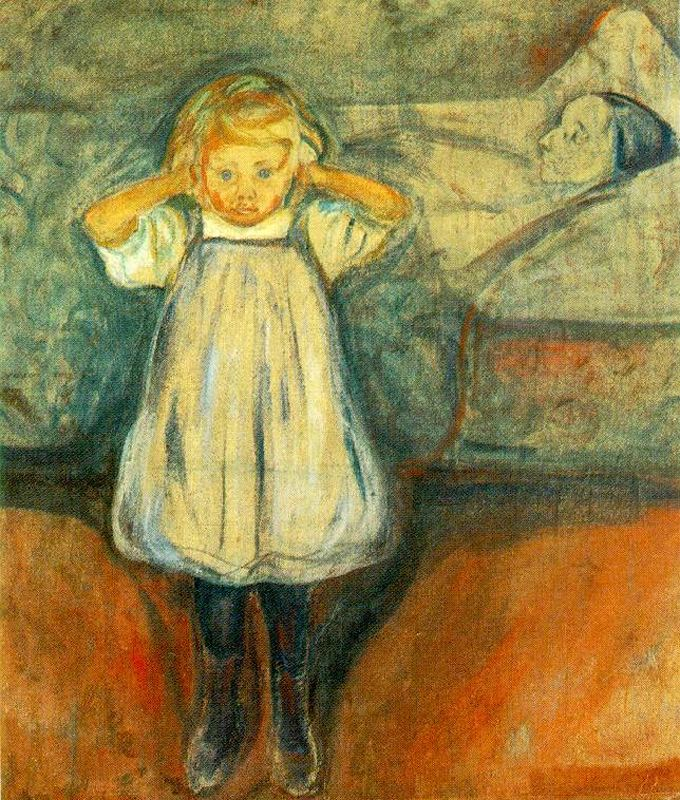
Few artists explored loss and psychological anguish as intensely as Edvard Munch. Best known for The Scream, Munch spent much of his career transforming personal trauma into art. Among his most unsettling works is The Dead Mother, painted in 1899, a haunting image rooted in one of the defining tragedies of his life: the death of his mother from tuberculosis when he was just five years old.
The painting presents a stark and emotionally charged scene. In the background lies the body of a woman on her deathbed, partially obscured by white sheets. In the foreground stands a young girl, believed to represent Munch’s sister Sophie, staring directly at the viewer with wide, terrified eyes while covering her ears. Rather than focusing on death itself, the artwork captures the shock and psychological devastation left behind in its wake.
Over the years, The Dead Mother has become the subject of various unsettling stories. Some visitors have claimed the girl’s eyes seem to follow them around the room. Others have reported feeling an overwhelming sense of sadness while viewing the painting. More dramatic accounts suggest that people have heard faint rustling sounds near the artwork or imagined movement in the bed linens surrounding the deceased figure. These stories remain anecdotal and unverified, yet they have contributed to the painting’s reputation as one of the eeriest works in Munch’s catalogue.
Unlike many supposedly cursed artworks, however, the unsettling power of The Dead Mother may not come from supernatural forces at all. Art historians often point to Munch’s extraordinary ability to convey grief, fear, and emotional trauma. The painting feels haunted because it was born from genuine heartbreak. More than a century after its creation, it continues to confront viewers with one of humanity’s most universal experiences: the lingering pain of loss.
In that sense, the painting’s true curse may be its emotional honesty. It reminds us that some wounds never fully disappear, they simply learn how to live alongside us.
5. The Portrait of Samantha Houston: The Little Girl Who Never Seems to Leave
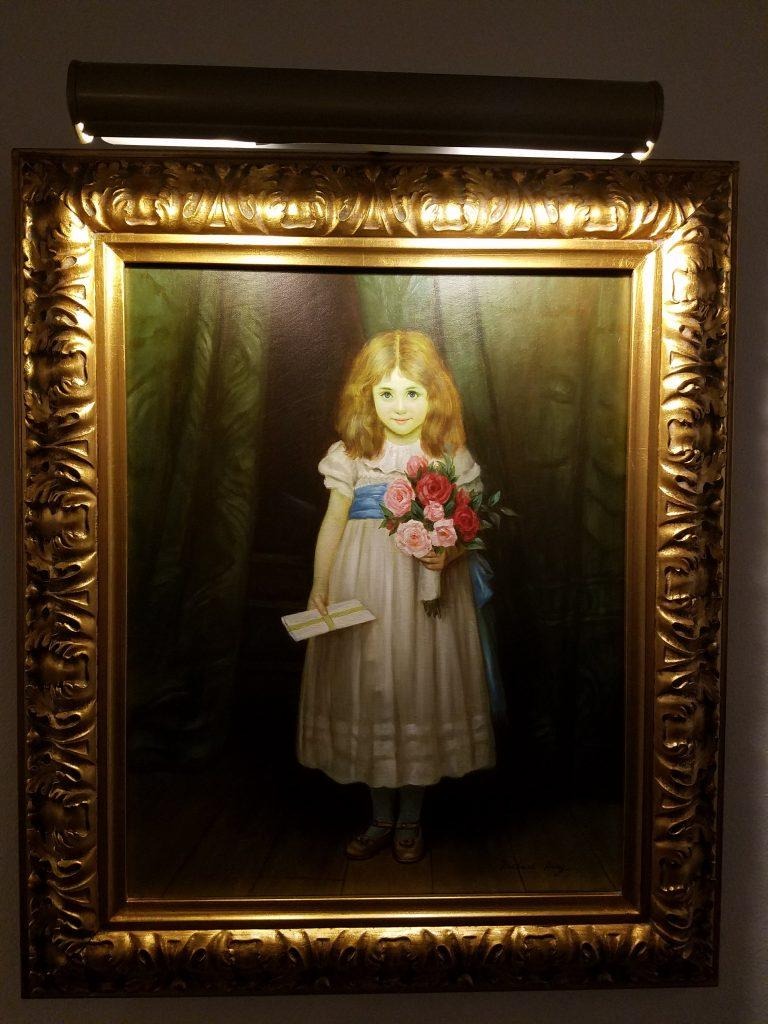
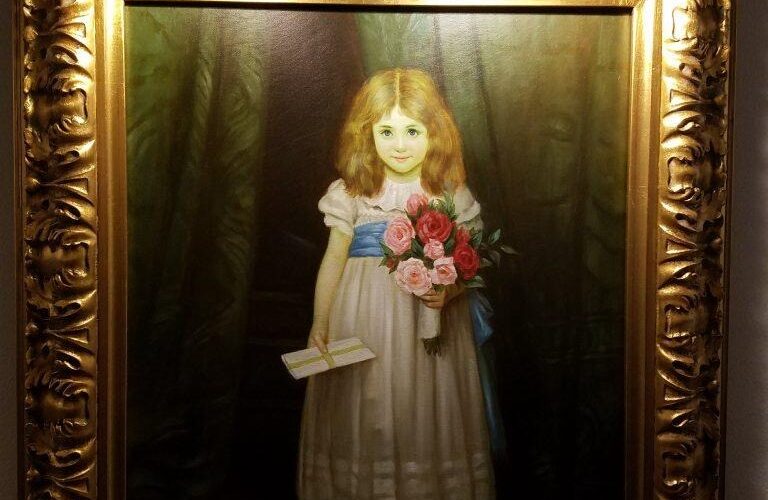
In the grand halls of The Driskill Hotel hangs a portrait that has become one of the most famous haunted artworks in the United States. The painting depicts Samantha Houston, the young daughter of a prominent Texas senator. What began as a memorial portrait has, over the years, become the center of countless ghost stories, unsettling experiences, and paranormal legends.
According to hotel lore, Samantha was playing with a ball on the hotel’s grand staircase when she fell to her death. While details of the story vary depending on who tells it, the tragedy became closely linked with her portrait, which remains a popular attraction for curious visitors. Guests have long reported unusual experiences while standing before the painting. Some claim that Samantha’s eyes appear to follow them across the room, while others insist her facial expression subtly changes when viewed from different angles.
The stories become even stranger. Visitors have described feeling sudden chills near the artwork, hearing the faint sound of a child laughing, or sensing someone standing beside them when no one was there. A few guests have even reported feeling as though an unseen child tugged at their clothing before quickly disappearing. None of these claims have been verified, but they have helped cement the portrait’s reputation as one of America’s most talked-about haunted paintings.
Of course, there are more grounded explanations for these experiences. Portraits are often designed so that the subject’s gaze appears to follow viewers, a well-known artistic effect that can create an uncanny feeling. Combined with the hotel’s reputation for ghost stories and its historic atmosphere, it’s easy to see how visitors might become more sensitive to unusual sensations or coincidences.
Whether one believes in ghosts or not, the portrait of Samantha Houston demonstrates how a tragic story can transform a simple painting into something much larger. Today, many visitors arrive at the Driskill not just to admire the artwork, but to see whether the famous little girl is truly looking back.
6. The Anguished Man: The Internet’s Most Famous Haunted Painting
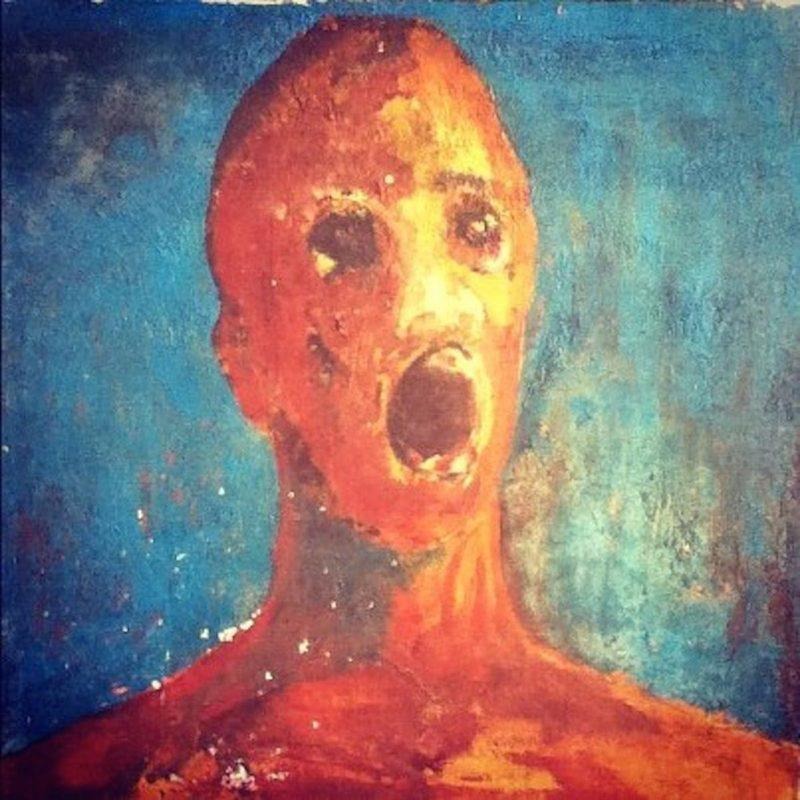
Unlike many cursed artworks whose legends developed over decades, The Anguished Man rose to fame in the age of YouTube, paranormal investigations, and viral storytelling. The painting depicts a distorted human face twisted in visible agony, emerging from a dark and shadowy background. Its unsettling appearance alone is enough to leave many viewers uncomfortable, but it is the story behind the artwork that transformed it into one of the internet’s most infamous haunted paintings.
According to its owner, Sean Robinson, the painting came from his grandmother, who had kept it hidden in her attic for years. She allegedly warned him never to display it, claiming the artist who created the work had mixed his own blood into the paint before taking his own life shortly after completing it. Whether this story is true remains impossible to verify, but it became the foundation of the painting’s eerie reputation.
After bringing the artwork into his home, Robinson began documenting a series of strange occurrences. He reported hearing unexplained noises, footsteps, doors slamming, and seeing shadowy figures moving through rooms. Videos uploaded online appeared to show unusual sounds and disturbances, attracting millions of views and sparking debate among believers and skeptics alike.
What makes The Anguished Man particularly fascinating is that there is no well-documented historical record attached to it, unlike many famous cursed paintings. Much of its legend exists through personal testimony and internet folklore. Supporters argue that the consistency of reported experiences is compelling, while critics point out that none of the claims have been independently verified.
Regardless of where one stands, the painting demonstrates how modern myths are created. In previous centuries, stories spread through newspapers and word of mouth. Today, they spread through videos, forums, and social media. The Anguished Man may or may not be haunted, but it has already secured its place as one of the most talked-about cursed artworks of the digital age.
7. Henrietta Nelson’s Portrait: The Woman Who Followed Her Painting
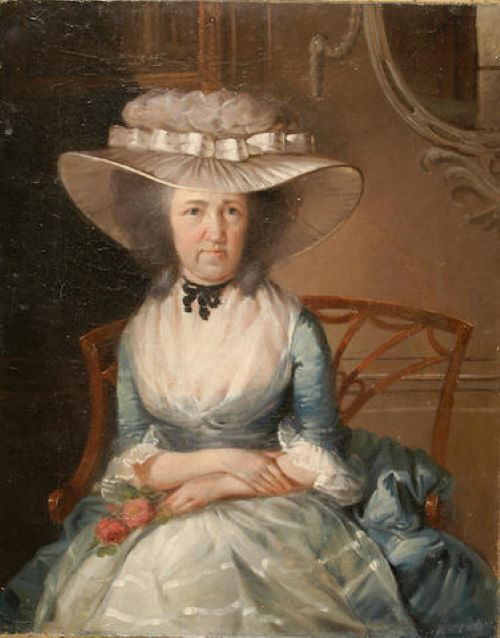
Not every cursed artwork is associated with tragedy on the canvas itself. In the case of Henrietta Nelson’s portrait, the mystery lies in the belief that the woman depicted never truly left the painting behind.
Painted around 1780 by William Johnson, the portrait shows Henrietta Nelson dressed in an elegant blue gown and wide-brimmed hat, holding a cluster of red roses. By all appearances, it is a conventional aristocratic portrait of its era. Yet over the centuries, the artwork became linked to stories of hauntings, ghostly sightings, and a restless spirit said to accompany the painting wherever it goes.
Henrietta Nelson lived at Yaxley Hall in Suffolk, England. Following her death in 1816, local legend claimed she wished to remain on the estate forever. A mausoleum was reportedly constructed on the grounds to honor that desire. However, after the property changed ownership, the mausoleum was demolished and her remains were moved elsewhere. According to folklore, this disturbance prevented her spirit from resting peacefully.
The portrait’s most famous chapter emerged centuries later when a subsequent owner reportedly claimed to have seen a woman wandering the grounds wearing the exact clothing depicted in the painting. He believed he had encountered Henrietta herself. Even more intriguingly, when the portrait was stolen, he allegedly remarked that the strange sightings ceased, as though the spirit had departed with the artwork. When the painting was eventually recovered, stories linking it to Henrietta’s ghost resurfaced.
Unlike many cursed artworks associated with violent events or paranormal disturbances, Henrietta Nelson’s portrait is tied to a quieter kind of haunting. There are no reports of moving figures, mysterious noises, or sudden disasters. Instead, the legend centers on the enduring idea that a person’s attachment to a place can survive long after death.
Whether viewed as a ghost story or a piece of local folklore, the portrait remains a fascinating example of how history, memory, and imagination can transform an ordinary painting into something far more mysterious.
8. The Woman of Rain: The Painting Owners Kept Returning
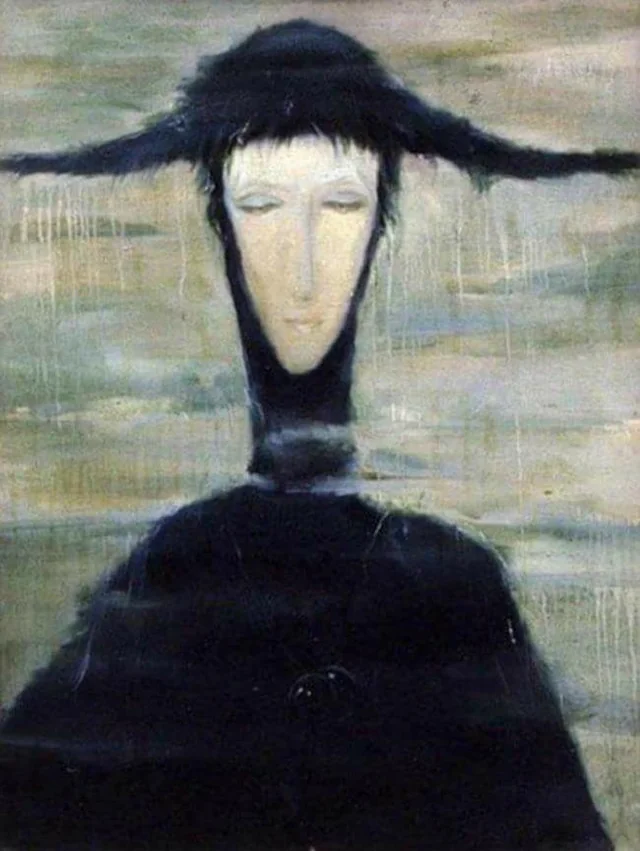
Some cursed artworks are centuries old, their legends shaped by generations of retellings. The Woman of Rain is different. Its story emerged in the twenty-first century, proving that even in an age of science, technology, and instant communication, mysterious paintings can still capture the public imagination.
The artwork was painted in 1996 by Ukrainian artist Svetlana Telets. It portrays a pale woman with dark hair gazing directly at the viewer through a curtain of rain. The figure’s expression is difficult to interpret, neither welcoming nor hostile, but strangely distant. Many people who encounter the painting describe feeling as though the woman is watching them rather than the other way around.
The legend surrounding the artwork began after several prospective buyers reportedly returned it shortly after purchasing it. According to accounts shared by the artist, some owners claimed they experienced unexplained anxiety, insomnia, recurring dreams, or a persistent feeling of being watched while the painting was in their homes. Others allegedly found themselves repeatedly drawn to the artwork despite finding it unsettling.
As stories spread, the painting gained a reputation as a cursed object. Paranormal enthusiasts pointed to the repeated returns as evidence that something unusual surrounded the work. Skeptics, however, offered a simpler explanation. The painting’s haunting atmosphere, combined with knowledge of its growing legend, may have influenced how viewers reacted to it. Psychologists often note that expectation can play a powerful role in shaping perception, particularly when people are primed to anticipate unusual experiences.
What makes The Woman of Rain so fascinating is that it illustrates how modern myths are born. Unlike folklore that develops over centuries, this legend unfolded in real time through media reports, interviews, and online discussions. Whether one sees it as a genuinely cursed artwork or simply an exceptionally evocative painting, The Woman of Rain demonstrates that humanity’s fascination with mystery is far from fading.
Sometimes, all it takes is a single unsettling gaze to turn a painting into a legend.
9. The Stagecraft (The Hanging Man): The Painting Wrapped in Mystery

Among the many artworks rumored to be cursed, few are as elusive as The Stagecraft, sometimes referred to as The Hanging Man. Unlike famous paintings housed in museums or galleries, this work occupies a murky space between documented history and urban legend. Its uncertain origins have only deepened its reputation, turning it into one of the most mysterious entries in the world of allegedly haunted art.
The painting is said to depict a dimly lit theatre stage. At first glance, viewers notice an ordinary performance setting, complete with curtains and scenery. Yet hidden within the composition is a disturbing detail: a human figure hanging above the stage. According to the legend, many people fail to notice the figure immediately, only spotting it after several moments of careful observation. Once seen, it becomes impossible to ignore.
Stories surrounding the artwork claim that it is connected to a tragic accident involving an actor who died during a theatrical performance. Over time, rumors emerged that the painting captured not just the scene but also the lingering presence of the deceased performer. Viewers have allegedly reported feelings of unease, sudden dizziness, whispers, or the sensation that something in the painting is shifting just beyond their peripheral vision.
Unlike many of the other artworks on this list, however, reliable historical documentation for these claims is difficult to find. The painting’s reputation survives largely through retellings on paranormal websites, folklore discussions, and ghost-story collections. This lack of verifiable evidence makes it one of the most controversial examples of a supposedly cursed artwork.
Yet that uncertainty may be exactly why the story endures. The less people know about an object, the more space there is for imagination to fill in the blanks. Whether The Stagecraft is a genuine haunted artifact or simply a modern legend, it demonstrates how mystery itself can become part of an artwork’s power. Sometimes the most unsettling stories are the ones we can never fully verify.
The truth behind these artworks is often far less supernatural than the legends suggest. Fire-resistant varnish can explain a painting surviving a blaze, psychological suggestion can make a portrait seem to follow viewers across a room, and decades of retelling can transform an ordinary coincidence into a haunting myth. Yet reducing these stories to simple explanations misses part of their appeal.
Art has always been a vessel for human emotion, and the strongest works often leave a lasting impression long after we stop looking at them. Fear, grief, anxiety, loss, and mystery are powerful feelings, and many of the paintings on this list tap into them with remarkable intensity. Whether through unsettling imagery, tragic histories, or the legends that have grown around them, these artworks continue to blur the line between fact and folklore.
Perhaps that’s why stories of cursed paintings never seem to disappear. Every generation discovers them anew, adding fresh theories, experiences, and interpretations. The paintings remain the same, but the stories surrounding them continue to evolve.
And who knows? Maybe the real power of these artworks isn’t that they’re cursed at all, it’s that they’ve convinced us to keep wondering whether they might be.
Which of these paintings would you be most nervous to hang in your home?
If you’re fascinated by the strange stories that surround art, you might also enjoy exploring some of the unexpected paths to fame taken by history’s most celebrated artists in “The Weirdest Ways Artists Became Famous, From Van Gogh to Banksy.”



Comments 1