






The Art of Collecting — Part 04: How to Find Out What You Actually Like
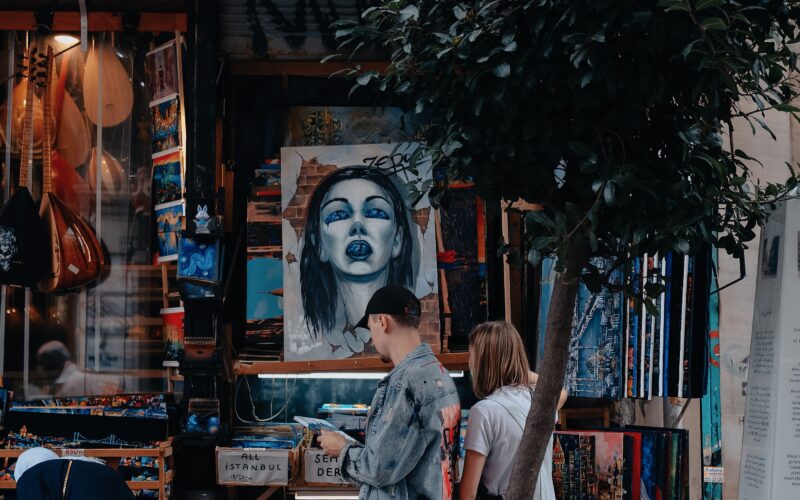
You walk into a gallery, scroll through an art fair online, or find yourself looking through an artist’s website, and suddenly there are hundreds of paintings in front of you. Abstracts, portraits, landscapes, ceramics, photographs, strange little sculptures, enormous canvases, quiet monochromes, bright compositions. You like some of them. You dislike others. And then, somewhere in the middle, you start wondering:
What do I actually like collecting? It sounds like a simple question, but developing your own taste can take time.
The art world gives us an almost endless number of things to look at, and it can be surprisingly easy to confuse what we genuinely respond to with what we have been told is important, collectible, fashionable, or “good.”
When you are building a collection, knowing your own taste is one of the most useful things you can develop. Not because your taste needs to fit neatly into one category, but because it gives you a starting point for making decisions that feel personal. And the good news is that you do not need to figure it all out before you buy your first artwork.
Start With What You Keep Looking At
One of the easiest ways to begin understanding your taste is to pay attention to your own attention. Not what you think you should like. Not what gets the most likes on Instagram. Not what everyone at the art fair seems to be talking about.
Look at what makes you stop. Maybe you are scrolling through an exhibition and keep returning to paintings with figures in them. Maybe you are drawn to messy brushwork even though you usually tell people you prefer “clean” art. Maybe landscapes catch your attention again and again, but it is actually the tiny details in the sky that you love.
These repeated reactions are clues. Instead of asking, “Is this a good painting?” try asking, “What made me look at this for another five seconds?” That question can tell you much more about your personal taste.
Create A “Maybe” Collection
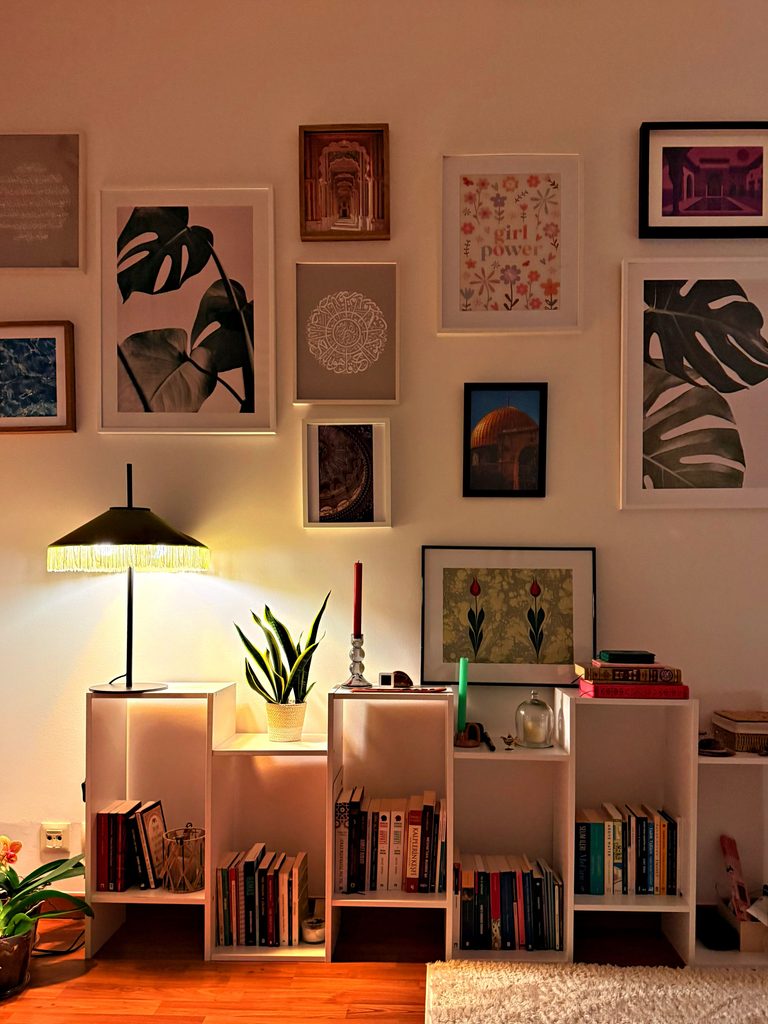
Here is something that can be surprisingly useful when you are starting to collect: create a folder of artworks you are not sure about. Most people save the pieces they immediately love. That is useful, but the uncertain ones can teach you just as much.
Save artworks that you find interesting even if you cannot explain why. Include paintings you almost love, works that confuse you, pieces that you keep thinking about, and even artworks you dislike but cannot stop looking at. After a few weeks or months, go back through the folder. You may notice patterns that were invisible when you were looking at each artwork individually.
Perhaps you keep saving paintings with muted colors. Perhaps you are repeatedly drawn to paintings with visible texture. Perhaps you like figurative work when it is slightly surreal, but not when it is highly realistic. Your taste often becomes clearer when you see your choices next to each other.
Your Taste Can Have More Than One Style
This is where many new collectors get stuck. They think they need to decide that they are an “abstract art person” or a “portrait person” or someone who only collects contemporary painting.
You really don’t. Your collection can contain contradictions. You can love an expressive abstract painting and also fall completely in love with a quiet nineteenth-century-inspired portrait. You can collect ceramics alongside paintings. You can prefer minimalism in one room and something wonderfully chaotic in another.
Taste does not have to be a single aesthetic identity. In fact, some of the most interesting collections are built around connections that are not immediately obvious. Two very different artworks might share a particular feeling, color relationship, subject, material, or way of handling space.
Instead of asking, “What style do I collect?”, try asking: “What connects the things I am drawn to?” That question gives you much more room to explore.
Look For The Feeling Behind The Preference
Sometimes the thing you like about an artwork is not the subject at all. You might think you love botanical paintings because you have always liked flowers. But after looking more closely at the artworks you save, you may realize that what you really respond to is softness, repetition, delicate detail, or a sense of stillness.
You might think you like portraits because you are interested in people, only to discover that you are actually drawn to unusual compositions and expressive hands. If you understand why something appeals to you, it becomes easier to find other artists whose work might speak to you too. It also stops you from becoming dependent on one particular artist or trend.
Spend Time With Art Outside Your Feed

Your algorithm can become a very narrow art advisor. If you keep liking one kind of painting, your feed will quickly give you more of it. Before long, you may think that is all there is to contemporary art.
So deliberately interrupt it. Visit galleries. Look through online gallery programs. Browse artist websites. Go to art fairs when you can. Visit museum collections. Look through exhibition archives. Explore artists from different countries and generations.
And do not only look at the artists who are already popular. When you are thinking about buying art, this wider look is especially valuable because it introduces you to work that you might never have encountered through your usual social media circles. Sometimes the artwork that changes your taste is the one you were not looking for.
Learn The Language, But Do Not Let It Decide For You
As you spend more time around art, you will come across words like expressionism, minimalism, abstraction, figurative painting, conceptual art, surrealism, and many more. Learning what these terms mean can absolutely help. It gives you better ways to search, better questions to ask artists and galleries, and a clearer understanding of what you are seeing.
But there is a difference between understanding art history and using art vocabulary to decide whether you are allowed to like something. You do not need to know the correct theoretical explanation before you can respond to a painting. You can know exactly what a work is trying to do and still not want it on your wall. And you can adore something without being able to explain it academically. Both are completely fine.
Compare Artworks Instead Of Judging Them Alone
Here is another useful exercise when you are developing your eye: compare. Instead of looking at one painting and deciding whether you like it, put two or three artworks next to each other.
Which one would you want to live with? Which one would you notice first in your home? Which one would you still want to see after a year? Which one makes you curious about the artist? Which one would you miss if it disappeared?
These questions shift the experience from simply judging an artwork to imagining a relationship with it. That is particularly important for collectors. You are not only deciding whether something is interesting. You are deciding whether you want to spend money on it and live alongside it.
Let Your Taste Change with Time

One of the best things you can do as a collector is leave room for your taste to evolve. The work you buy at 25 does not need to look like the work you buy at 35. Your first collection does not need to predict your entire collecting life. As you see more art, travel, meet artists, learn more about art history, and experience different exhibitions, your preferences will probably change.
You may suddenly understand a type of work you once dismissed. You may move away from something you once loved. You may discover an artist working in a medium you had never considered collecting. That is not inconsistency. That is development. A collection can become a record of how your eye has changed over time.
Build Around Artists, Not Just Aesthetics
Once you start identifying what you like, it can be tempting to search only by appearance.
“Blue abstract paintings.” “Neutral portraits.” “Large landscape paintings.”
Those searches can be useful, but do not stop there. If a particular artwork catches your attention, follow the artist. Look at their wider body of work. Read their statement. See how their practice has developed. Look at earlier and newer pieces.
Sometimes you discover that the artwork you initially loved was only one small part of what makes an artist interesting. And when you eventually buy, you may find yourself choosing an artwork because you believe in the artist’s practice, not simply because the piece matches your sofa. That is where collecting starts to become much more meaningful.
Always Ask Yourself “Why” Before You Buy
You do not need a complicated collecting philosophy. But before buying an artwork, try to finish this sentence:
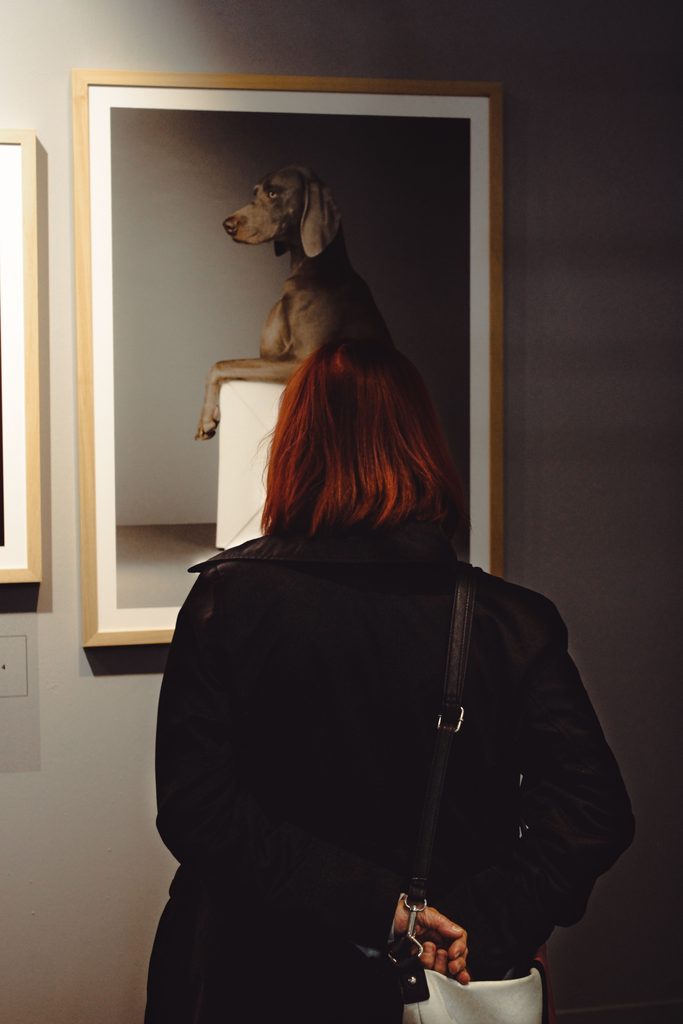
“I want this because…”
If the answer is, “Because everyone seems to love this artist,” give yourself more time.
If the answer is, “Because it reminds me of something I care about,” that is worth paying attention to.
If the answer is, “Because I have been looking at it for three months and I still think about it,” even better.
The reason does not have to sound sophisticated. It just needs to be yours. And remember that taste and value are not the same thing. An artwork can be historically important, critically acclaimed, and valuable on the market and still not be something you want to collect. Likewise, a relatively emerging artist’s work can become one of the most meaningful pieces in your collection. The point of developing your taste is not to prove that you have good taste. It is to become more confident in recognizing your taste.
If you want to discover more about where to buy art, read part 3 of our ‘Art of Collecting’ series, Where Art is Really Sold?
Your Collection Does Not Have To Make Sense To Everyone
Eventually, you may look around your home and realize that your collection does not follow one perfectly coordinated visual language.
Maybe there is a delicate portrait beside an energetic abstract. Maybe a ceramic piece sits underneath a photograph. Maybe one artwork is calm and another is completely chaotic. They do not have to match. They can simply belong together because they belong to you.
The most personal collections often make sense when you know the person who built them. There is a story behind the choices, even when the artworks themselves look completely different. So if you are still figuring out what you like, do not rush to find a label.
Look widely. Save freely. Compare. Revisit things. Follow artists. Ask yourself why you keep coming back to certain works. Let yourself be surprised. Your taste is not something you have to discover in one afternoon.
It is something you build every time you stop in front of an artwork and think, “There is something about this.” And sometimes, that is more than enough reason to start looking a little closer.