
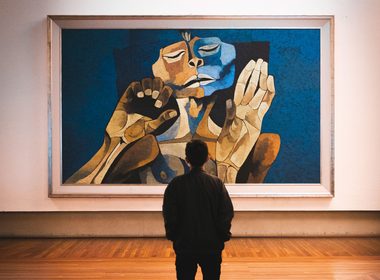


The 2000s Films That Made Visual Storytelling An Art Form
Some films stay with us because of their stories. Others leave us remembering a particular color, a beautifully arranged room, the way sunlight falls across a character’s face, or a scene that feels almost too beautiful to be real. And then there are films that make us want to pause every few minutes just to take in what is happening on the screen.
The 2000s gave us quite a few of these. It was a decade when filmmakers experimented with visual storytelling in fascinating ways, borrowing from painting, photography, fashion, architecture, theatre, and even traditional forms of handmade art. Their films were not simply telling stories through dialogue and performances. They were building entire visual worlds, with every detail contributing to the experience.
For anyone interested in art, these films offer something beyond entertainment. They are wonderful reminders of how colour can communicate emotion, how composition can guide the eye, and how costumes, settings, and objects can become part of a story.
We have picked five films from the decade that deserve a place on every art lover’s watchlist. Each has its own visual language, and each approaches the relationship between cinema and art a little differently.
1. Frida (2002)
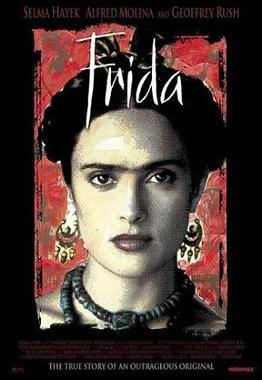
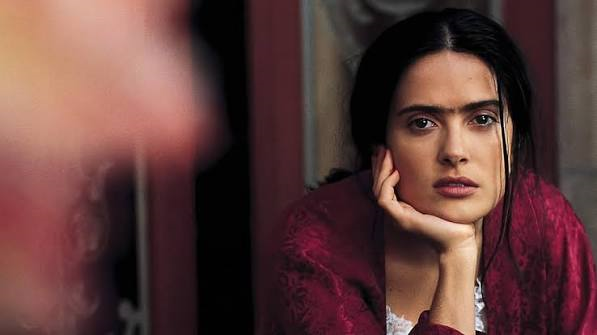
If there is one film that belongs on a list about cinema and visual art, it is Frida. Based on the life of Mexican artist Frida Kahlo, the film follows her personal relationships, artistic journey, physical struggles, and the experiences that shaped some of her most recognisable paintings.
But what makes it particularly interesting is the way director Julie Taymor approaches the paintings themselves. Rather than treating Kahlo’s artwork as something that simply appears in the background, the film allows her artistic imagination to become part of its visual storytelling.
At different moments, scenes move beyond the conventional language of a biographical film. Characters and settings seem to emerge from paintings, familiar compositions take on a new life, and certain moments in Kahlo’s personal history are translated into surreal visual sequences. It gives the audience a glimpse of how an artist might experience and interpret the world around her.
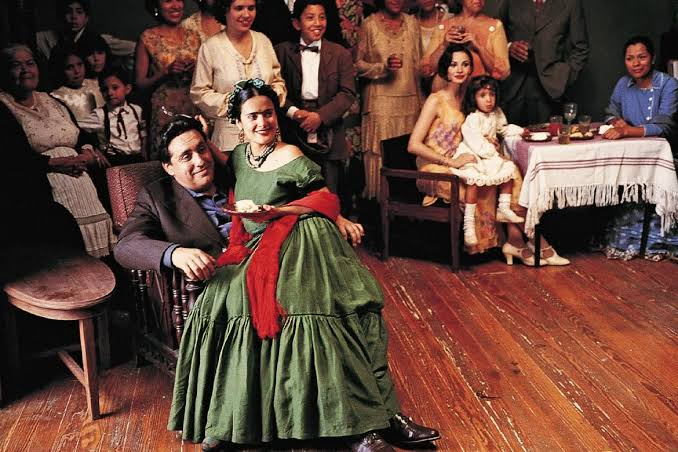
The film also makes wonderful use of color. Rich reds, vivid yellows, deep blues, traditional Mexican clothing, and the unmistakable blue walls of Casa Azul create a visual atmosphere that feels closely connected to Kahlo’s cultural identity and artistic practice.
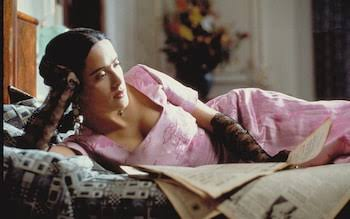
What makes this even more meaningful is that the filmmakers looked directly at Kahlo’s paintings and the real places associated with her life when developing the film’s appearance. Taymor has spoken about wanting the paintings to come alive rather than simply recreating a conventional artist biopic.
For artists, Frida is a beautiful example of how personal experiences, cultural surroundings, and imagination can become a visual language of their own.
2. Girl With A Pearl Earring (2003)
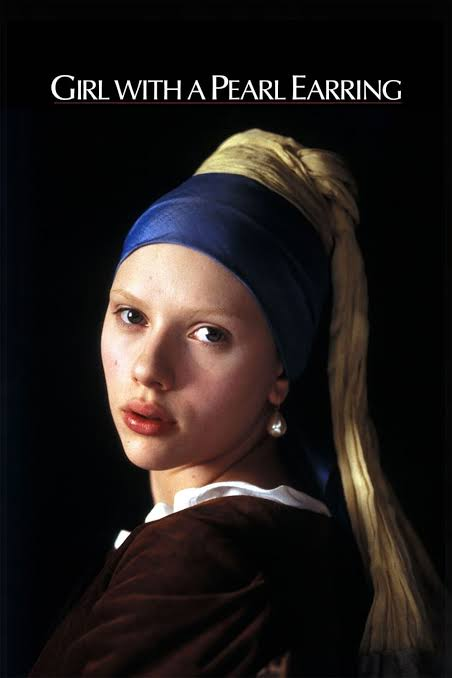
What happens when a film tries to capture the atmosphere of a painting rather than simply tell the story behind it? Girl With A Pearl Earring offers a particularly beautiful answer.
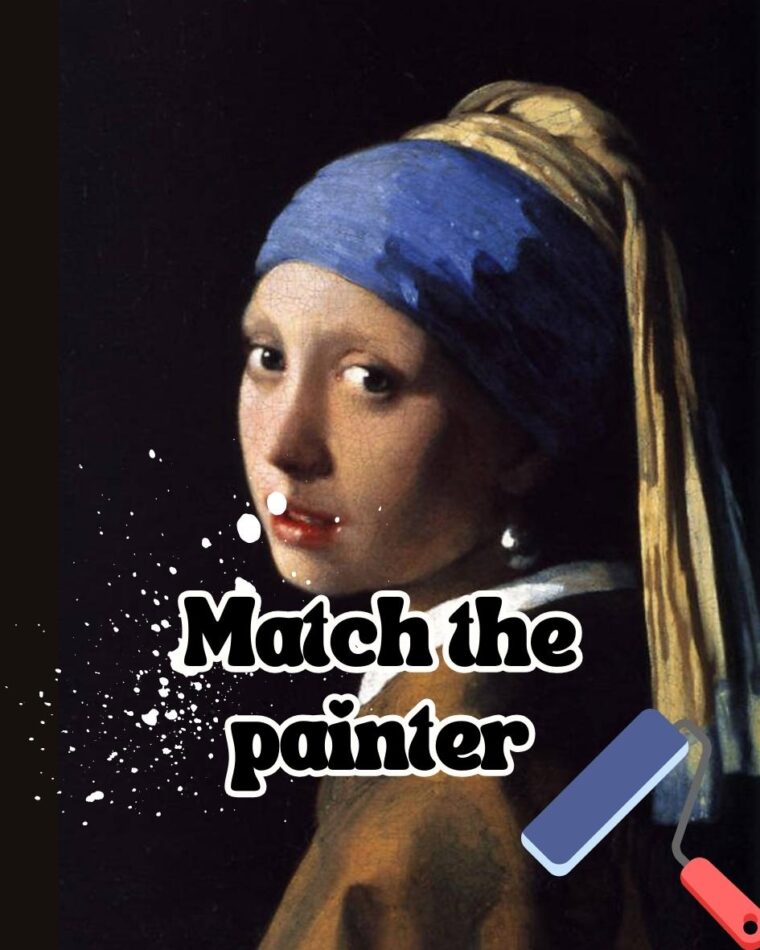
Inspired by Tracy Chevalier’s novel, the film imagines the story behind Johannes Vermeer’s famous painting of the same name. It follows Griet, a young servant who enters the painter’s household and gradually becomes involved in his artistic world.
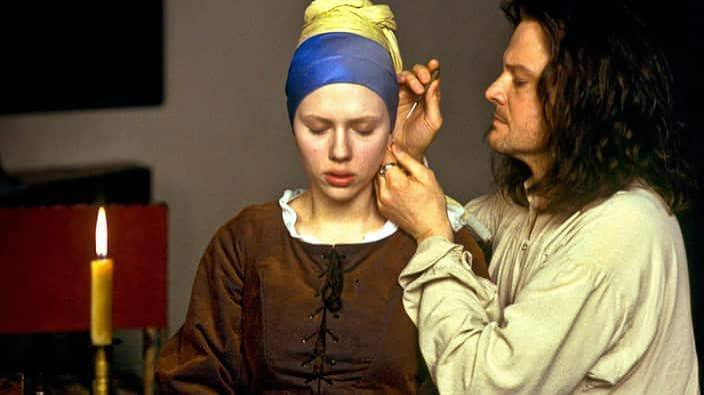
Set in seventeenth-century Delft, the film is a visual study of light, shadow, colour, and composition. Its cinematography draws heavily from the qualities that make Vermeer’s paintings so distinctive. Think quiet interiors, cool blue tones, warm ochres, carefully positioned objects, and natural light entering through windows.
There is something almost meditative about watching the film. A woman standing near a window, a table arranged with everyday objects, or a face partially illuminated by sunlight can hold as much visual interest as an elaborate scene. The camera gives these ordinary moments the attention an artist might give to a carefully composed still life.
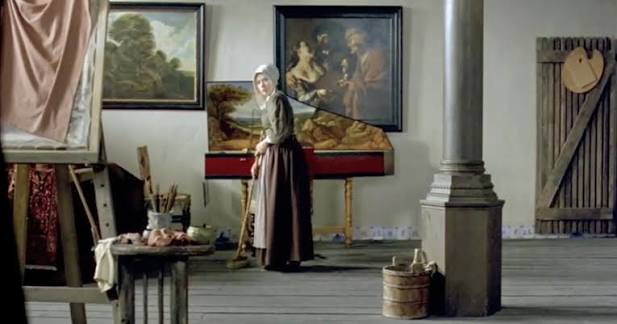
The connection to Vermeer goes beyond the costumes and historical setting. Cinematographer Eduardo Serra studied the painter’s use of light and composition, helping create images that feel as though they could belong in a seventeenth-century Dutch painting. The film also explores the process of making art, including the relationship between the artist, his subject, and the act of observation.
For anyone who loves painting, this film is a particularly rewarding watch. It encourages us to notice the things we might otherwise overlook: the direction of light, the space between objects, the balance of a composition, and the emotions that can exist in a seemingly quiet image.
3. Marie Antoinette (2006)
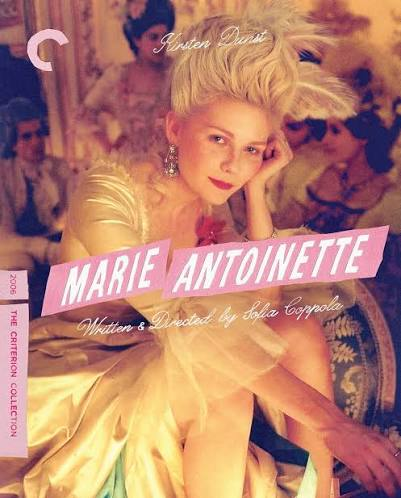
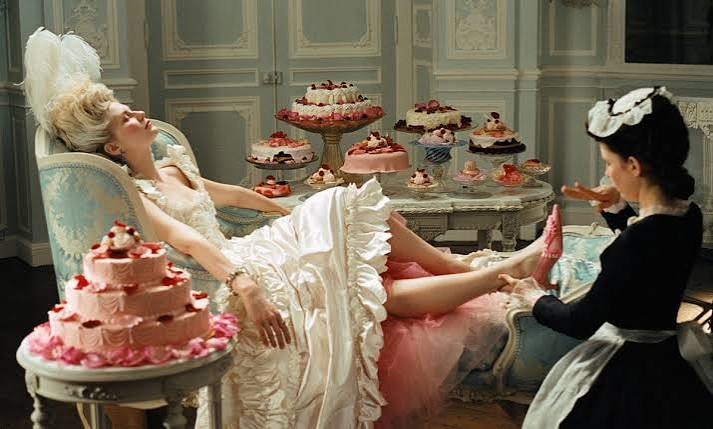
There are films that use costumes and beautiful locations to recreate a historical period, and then there is Sofia Coppola’s Marie Antoinette. It takes the visual language of eighteenth-century France and gives it a distinctly modern personality.
Starring Kirsten Dunst as the young French queen, the film follows Marie Antoinette’s life at Versailles, from her arrival at the royal court to her increasingly isolated existence within its elaborate traditions.
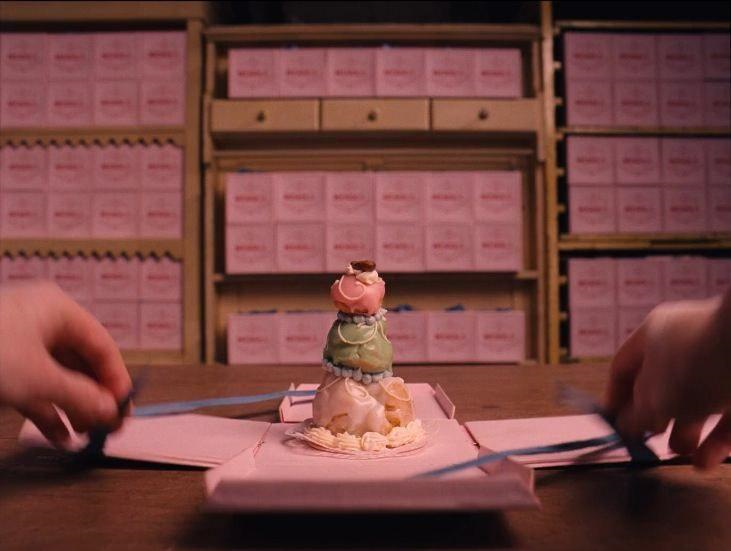
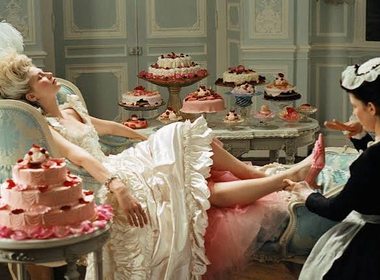
Visually, it is an absolute treat. Pastel pinks, powder blues, soft greens, elaborate gowns, extravagant cakes, delicate floral arrangements, and ornate interiors create a world that feels almost like stepping inside a fashion editorial or an illustrated fairytale.
But there is more to its visual appeal than beautiful things placed in beautiful rooms. The film uses art direction to communicate character and emotion. The extravagant surroundings reflect the world Marie Antoinette inhabits, while the carefully selected colors and costumes help express her changing moods and desire for personal freedom.
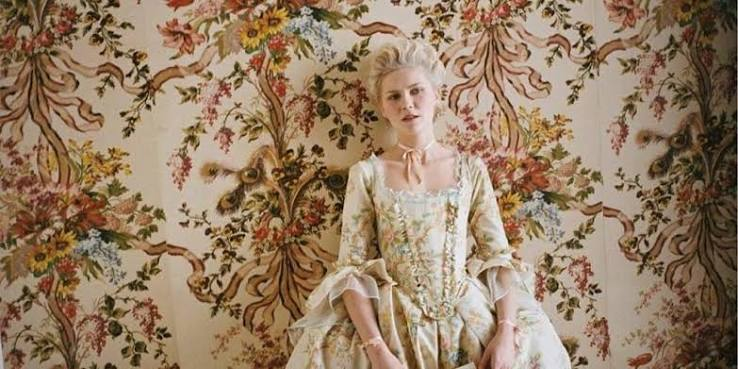
Costume designer Milena Canonero’s work is especially worth appreciating. The gowns draw from historical silhouettes but incorporate stylised fabrics and colours that give them a contemporary sensibility. The film even includes an unexpected glimpse of Converse sneakers among the elaborate eighteenth-century footwear, a small detail that tells you exactly what kind of historical film Coppola wanted to make.
The production design by K.K. Barrett also makes Versailles feel like a character in its own right. Its grand rooms, gardens, and decorative details create an environment that is visually overwhelming, yet often emotionally isolating.
For artists and designers, Marie Antoinette is an interesting lesson in building a visual identity. It shows how a consistent colour palette, thoughtful styling, and carefully chosen details can make an entire film instantly recognisable.
4. The Fall (2006)
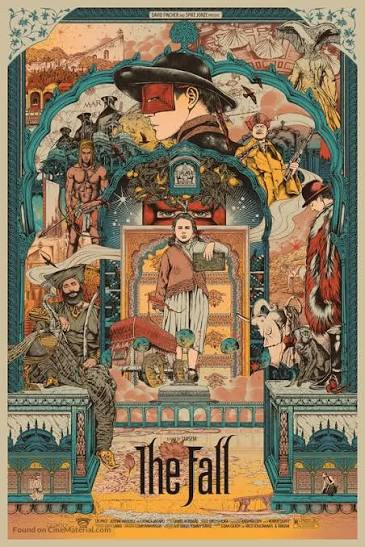
Some films are difficult to describe without immediately wanting to show someone a collection of their stills. The Fall is one of them.
Directed by Tarsem Singh, the film follows Roy, a stuntman recovering in a hospital, who begins telling an elaborate adventure story to a young girl named Alexandria. As the story develops, the imagined world becomes increasingly extravagant, drawing from different cultures, landscapes, costumes, and architectural traditions.
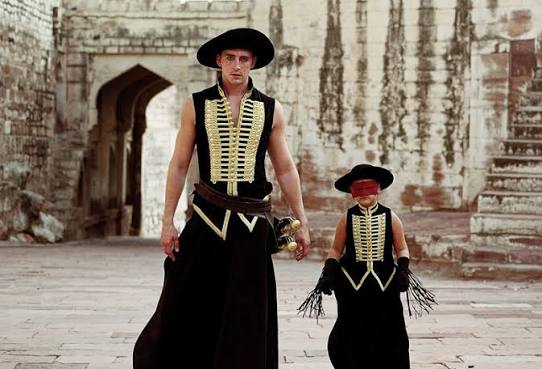
What makes The Fall extraordinary is that its fantasy sequences do not feel like generic computer-generated worlds. Much of the film’s visual richness comes from real locations, practical effects, striking architecture, and carefully considered compositions.
Shot across 24 countries over four years, it brings together some remarkable visual environments. We see vast deserts, intricate palaces, extraordinary natural landscapes, and buildings that look almost impossible. Each location adds another layer to the story Roy is creating, while Alexandria’s imagination influences how these places and characters are presented.
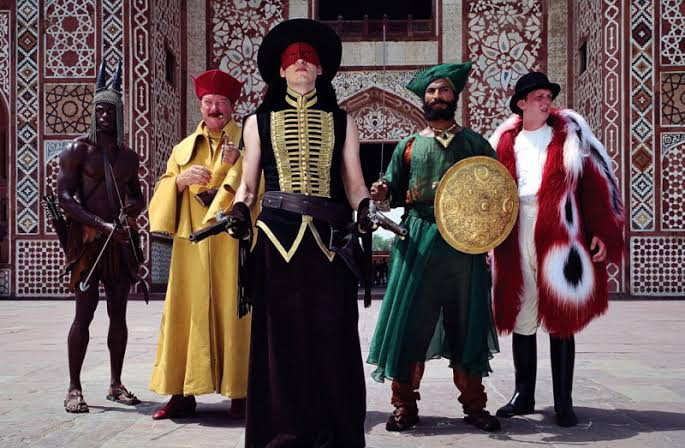
Costume design by Eiko Ishioka is another reason the film deserves attention. The costumes are bold, theatrical, and full of personality. They help transform ordinary characters into figures from an elaborate fantasy, making clothing an essential part of the storytelling rather than a decorative addition.
There is also an interesting artistic idea at the centre of the film. The fantasy world is being constructed through the imagination of a storyteller, but it is also being reshaped by the imagination of the child listening to him. It becomes a reminder that visual storytelling is not always about presenting a fixed image. Sometimes, it is about leaving enough room for the audience to create something of their own.
For art lovers, The Fall is a wonderful exploration of colour, scale, architecture, costume, and visual imagination.
5. The Science Of Sleep (2006)
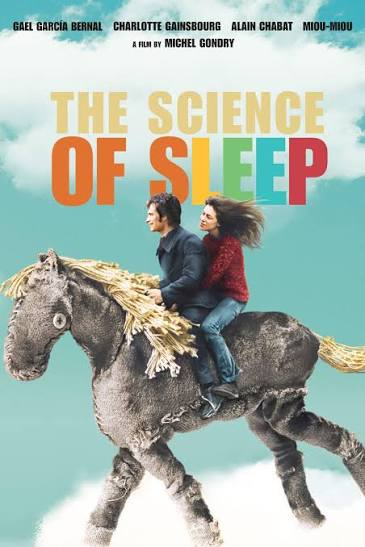
Not every visually interesting film needs elaborate historical costumes or breathtaking locations. Sometimes, all it takes is cardboard, fabric, paper, a little imagination, and a willingness to make something wonderfully unusual.
Michel Gondry’s The Science of Sleep is a perfect example.
The film follows Stéphane, an imaginative young man whose dreams begin to interfere with his everyday life. As the boundaries between reality and fantasy become increasingly blurred, the film takes us through a world of handmade sets, miniature landscapes, unusual objects, and playful visual experiments.
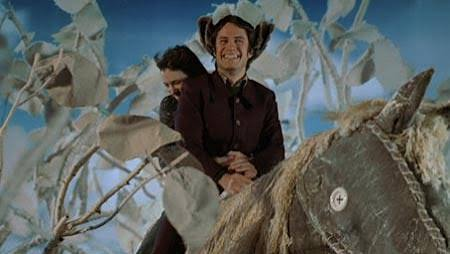
What makes it particularly special is its tactile quality. Instead of relying entirely on digital effects to create dream sequences, Gondry uses puppets, stop-motion animation, cardboard constructions, fabric, and practical visual tricks. The result feels wonderfully personal, almost as though we are looking directly at the inside of someone’s sketchbook.
There are miniature cities, oversized objects, paper machines, and dreamlike environments that seem to have been assembled from whatever materials happened to be available. Nothing needs to look perfectly realistic. In fact, the slightly imperfect appearance of these creations is part of their charm.
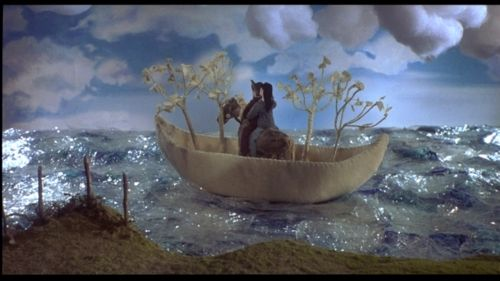
For artists, this film is an enjoyable reminder that creative expression does not always require expensive materials or sophisticated technology. A simple object can become something entirely different when approached with imagination.
It also offers an interesting perspective on the relationship between art and everyday life. Stéphane’s creativity does not exist separately from his surroundings. It transforms the ordinary things around him into something unexpected.
If you enjoy experimental art, handmade animation, collage, miniature sets, or unconventional visual storytelling, this film is worth adding to your watchlist.
When A Film Becomes A Work Of Art
One of the loveliest things about revisiting films from the 2000s is noticing just how much thought went into their visual worlds. These five films approach art and storytelling from very different directions. Some take direct inspiration from painters and their work, others build entire worlds through colour and design, while a few remind us that even the simplest materials can produce extraordinary creative results.
And perhaps that is what makes them so interesting to watch from an artistic perspective. They show us that visual storytelling is not simply about making something look beautiful. It is about making every visual decision mean something.
A colour can tell us how a character feels. A room can reveal the life someone leads. A costume can communicate identity, and a carefully arranged frame can hold an entire story without needing a single word.
So, the next time you sit down to watch a film, perhaps take a moment to look beyond the plot. Pay attention to the colours, the details, the spaces, and the images that stay with you long after the credits roll. You might find that some of the best art lessons are waiting right there on your screen.
Editor’s Note:
Only 2 days remain to submit your art to our Open Call : Dear Creatures, Big and Small. Arts to Hearts Project will be presenting this virtual exhibition on Artsy, the theme we have kept is Animals. Artists from anywhere around the World are welcome to submit their art and become part of this virtual experience. The Submission deadline is November 3, 2026!