


The Thomas Crown Affair | 1999 : What Does It Mean to Own Art?
There are movies about art, and then there are movies that make you want to stop everything, open a bottle of wine, put on your best outfit, and walk straight into a museum.
The Thomas Crown Affair (1999) is very much the second kind.
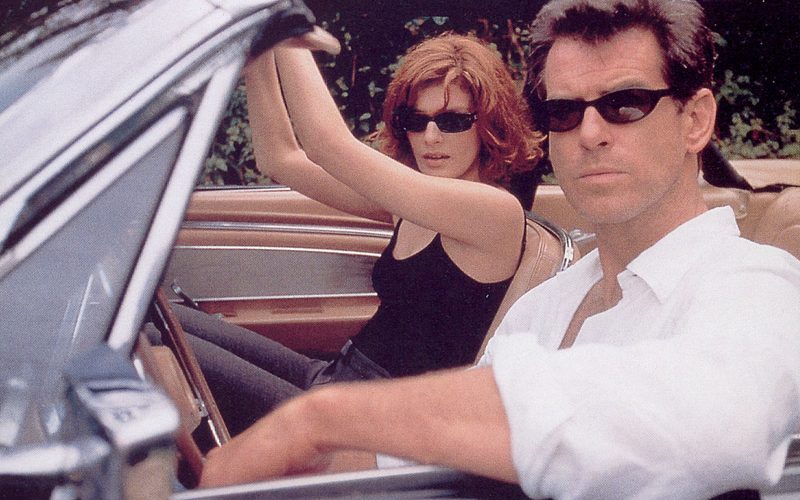
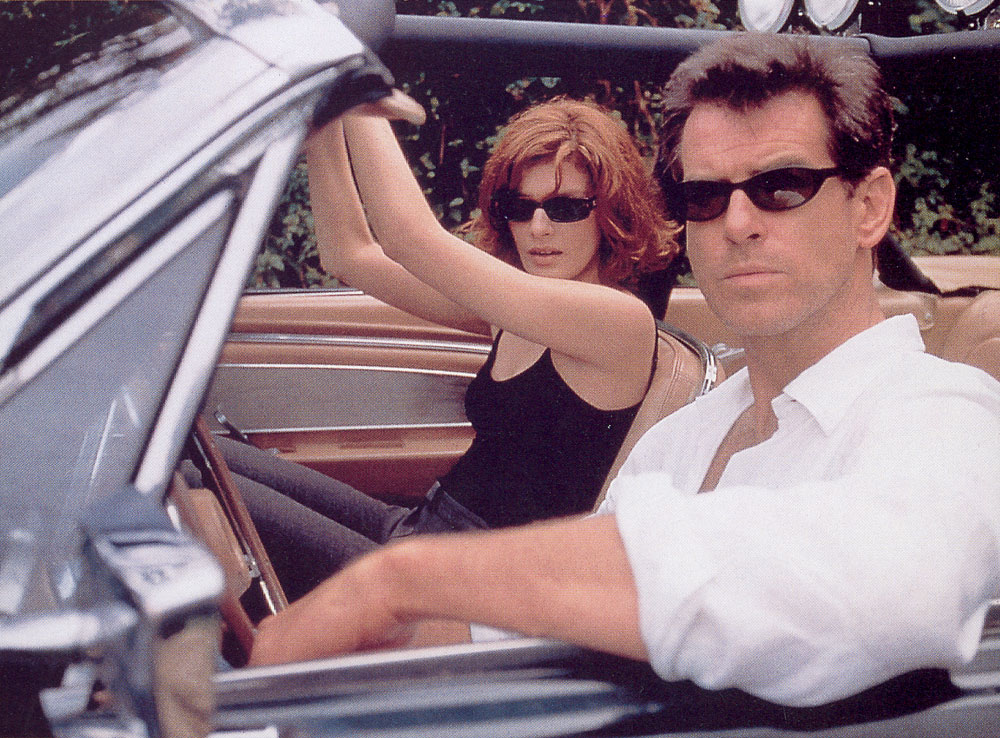
Directed by John McTiernan and starring Pierce Brosnan and Rene Russo, this sleek art-heist romance follows Thomas Crown, a self-made billionaire who has reached the slightly unusual problem of having too much of everything. Money? Plenty. Luxury? Everywhere. Beautiful women? Certainly. The next challenge, then, is to find something money cannot simply buy.
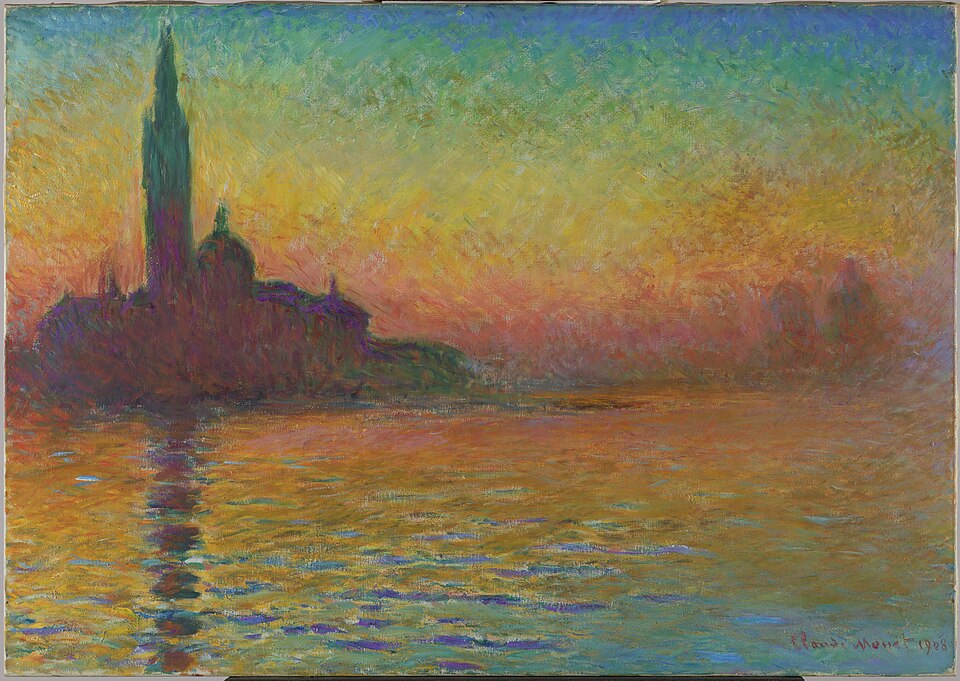
His answer is a Monet.
Crown steals Claude Monet’s San Giorgio Maggiore at Dusk from a New York museum in an elaborate scheme that is less about financial gain than the thrill of getting away with something impossible. Enter Catherine Banning, an insurance investigator hired to recover the missing painting. She quickly suspects Crown, but proving it is another matter entirely.
What follows is part art heist, part detective story, part romance and, perhaps most interestingly, a meditation on why humans become so emotionally attached to objects that can be worth millions.
If you love art, this is one of those films you really should watch. Not because it teaches you art history. It doesn’t. Watch it because it understands something artists, collectors and museum-goers already know: sometimes we don’t just want to look at art. We want to possess it.
Thomas Crown: When Buying Art Is Not Enough
Thomas Crown is introduced as a man who can buy almost anything. That is precisely his problem. He lives surrounded by beautiful things. His home is filled with paintings, his wardrobe is immaculate, his money gives him access to spaces most people never enter. But ownership has stopped feeling exciting because almost everything is accessible to him.
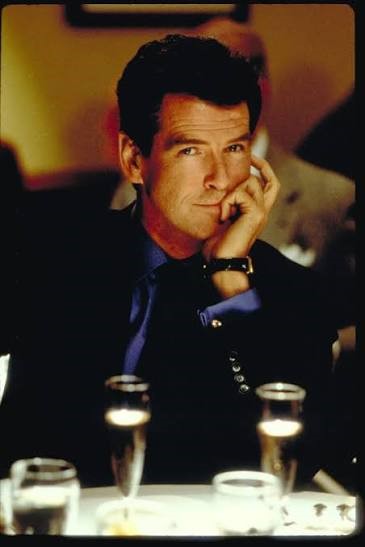
So he chooses something that cannot simply be purchased. A masterpiece.
Crown’s theft of Monet is deliberately extravagant, but his motivation is surprisingly personal. He isn’t trying to sell the painting. He doesn’t need the money. He wants the experience of taking something extraordinary and making it his.
Why do people spend enormous amounts of money on paintings when they could buy perfectly attractive objects for much less? Why does owning an original matter when we can see high-resolution reproductions online? Why does a painting become more desirable when we are told it is rare, historically important or almost impossible to acquire?
Crown takes this desire to an extreme. He isn’t simply collecting art. He is collecting the experience of possession. And that makes his relationship with art fascinatingly uncomfortable.
The film never really asks us to approve of his theft. Instead, it makes us understand the seduction of it. The museum becomes a playground, the painting becomes a prize, and Crown becomes the kind of person who sees the art world not as a collection of rules but as a collection of games.
His wealth gets him close to art. His boredom makes him want to break the rules around it.
Catherine Banning: The Woman Who Sees Through the Game

If Crown represents possession, Catherine Banning represents pursuit. Played by Rene Russo, Catherine is an insurance investigator brought in to recover the stolen Monet. She is sharp, confident and completely unwilling to be impressed by Crown’s wealth. And this is what makes their chemistry work.
Catherine doesn’t fall for Crown because he is rich. In fact, one of the most enjoyable things about the film is watching her treat his wealth almost like background noise.
She is interested in the puzzle. She studies the theft. She notices inconsistencies. She understands that the elaborate robbery was designed as a distraction and eventually connects Crown to the missing painting. But Catherine is also fascinated by him. Because Crown gives her something her job rarely does: a worthy opponent.
Their relationship becomes a strange extension of the art heist itself. They are constantly trying to figure out who is watching whom, who has the upper hand and who will make the next move.
In that sense, Catherine is not simply the investigator chasing the art thief. She becomes another collector of sorts. She wants to collect evidence. Crown wants to collect experiences. Both are obsessed with the chase.
And the film cleverly blurs the line between professional pursuit and attraction until Catherine has to confront a much more difficult question: if she catches him, what exactly is she going to do with the person she has come to understand?
Her character also gives the film some much-needed balance. Crown can afford to treat the world like a game. Catherine cannot. She has a professional responsibility, a reputation and a very real case to solve.
Yet she is also tempted by the game. That tension is what makes her more interesting than simply being “the woman who catches the thief.”
The Paintings Are Characters Too
One of the reasons The Thomas Crown Affair is such a treat for art lovers is that the paintings actually matter. They are not random background decoration.
Monet’s San Giorgio Maggiore at Dusk is the obvious star. It is beautiful, recognizable and valuable enough to justify the entire plot. But the movie keeps introducing us to other works, creating a visual world around Crown and Catherine.
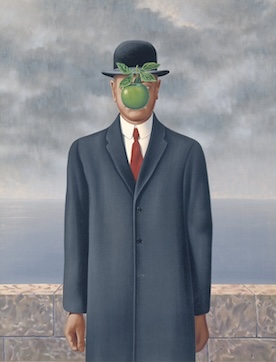
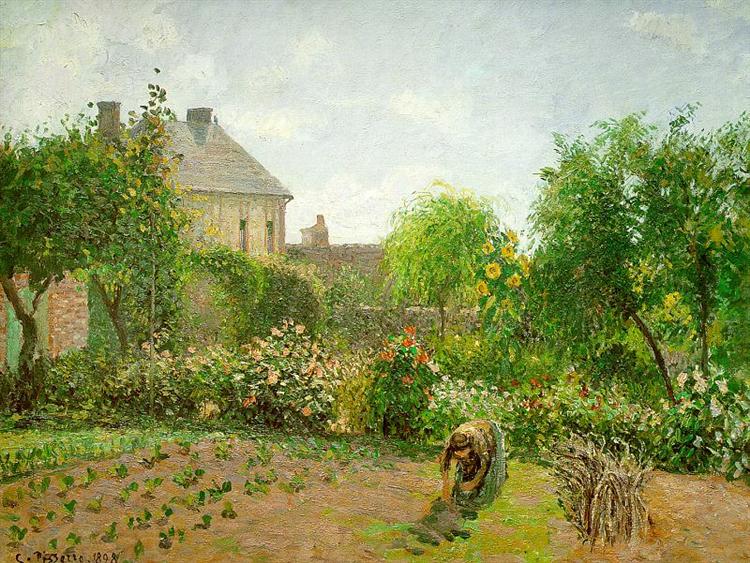
There is René Magritte’s The Son of Man, Camille Pissarro’s The Artist’s Garden at Eragny, Edouard Manet’s The Banks of the Seine at Argenteuil, and other paintings woven into Crown’s home and the museum.
The selection tells us something about him. Crown doesn’t surround himself with art because he needs empty walls filled. He has an eye for works that carry cultural weight, visual intrigue and a certain intellectual prestige.
And then there is the brilliant use of the fake Monet. The stolen painting is eventually revealed to be an imitation, part of Crown’s elaborate deception. The film turns authenticity itself into a plot twist.
What makes something an original? What makes a copy valuable? And how much of our response to art depends on what we believe we are looking at? These questions are particularly delicious for artists.
Because artists spend their lives thinking about originality. About influence. About imitation. About what makes a work unmistakably their own.
The Thomas Crown Affair takes those ideas and turns them into a thriller. The fake painting isn’t merely a clever plot device. It becomes a reminder that in the art world, authenticity can be as powerful as appearance.
Art as Status and Art as Desire
There is another layer to the film that becomes more interesting the more you think about it: Crown’s relationship with art is deeply connected to status. Art has always existed somewhere between personal expression and social currency.
A painting can be emotionally meaningful to one person and financially significant to another. It can belong to a museum, a private collector, an artist or a family. Its monetary value can change dramatically while the physical object remains exactly the same. Crown understands this world instinctively.
He knows that a masterpiece carries a history. He knows that people will react differently when they hear the name Monet. He knows that the painting is not simply paint on canvas. It is reputation. It is scarcity. It is cultural memory. It is desire.
And perhaps that is why the film’s opening setup is so clever. When a teacher tells bored schoolchildren that the Monet in front of them is worth $100 million, suddenly everyone pays attention.
The painting has not changed. Only the information around it has. For artists, that is an uncomfortable but important reality to sit with.
We often want people to believe that art should be valued purely for what it communicates or how it makes us feel. But the art world also runs on provenance, reputation, scarcity, collecting histories, institutions and market value.
The Thomas Crown Affair doesn’t lecture us about this. It simply makes the entire system look incredibly seductive.
Why Artists and Art Lovers Should Watch This Movie
If you’re an artist, there is something particularly useful about watching The Thomas Crown Affair with the art world in mind. Look beyond the romance.

Look at the way paintings are framed, displayed and discussed. Notice how a museum changes the meaning of a work. Notice how Crown’s home becomes an extension of his identity through the art he chooses to live with. And pay attention to the difference between seeing art and owning it. Artists spend years making objects that eventually leave their hands.
A painting begins in a studio, becomes a finished work, enters an exhibition, gets photographed, perhaps gets sold, and then continues its life somewhere else.
The artist creates it. The collector possesses it. The museum protects it. The public experiences it. Who does the work ultimately belong to? The film doesn’t answer that question, but it makes you think about it. And that is where The Thomas Crown Affair becomes much more than a stylish 1999 thriller.
It understands that art has a peculiar power because it sits at the intersection of beauty, money, identity and desire.
The Final Game
Without giving away every delicious twist, the film’s ending brings everything together beautifully.
Crown’s final game involves disguises, replicas, museum crowds, sprinklers and another painting. Catherine eventually has to decide what matters more: catching the man she has been chasing or understanding the game he has been playing with her.
And that is really the heart of The Thomas Crown Affair. Thomas Crown doesn’t steal art because he needs it. He steals it because it makes him feel something. Catherine doesn’t pursue him simply because she has a job to do. She pursues him because he finally gives her something worth chasing.
And the paintings sit between them, silently absorbing all of this desire. Maybe that is the most interesting answer the movie gives us to its own question: Why do we want to own art?
Sometimes it is because we love beauty. Sometimes because we want status. Sometimes because we want history inside our homes. Sometimes because owning something rare makes us feel rare ourselves. And sometimes, perhaps, we simply want something that still has the power to make us feel.
That is what makes The Thomas Crown Affair such a delicious watch for anyone who loves art. It isn’t really a movie about stealing a Monet.
It is a movie about wanting something you cannot have, and discovering how much more exciting the desire can become because of it.
Editor’s Note
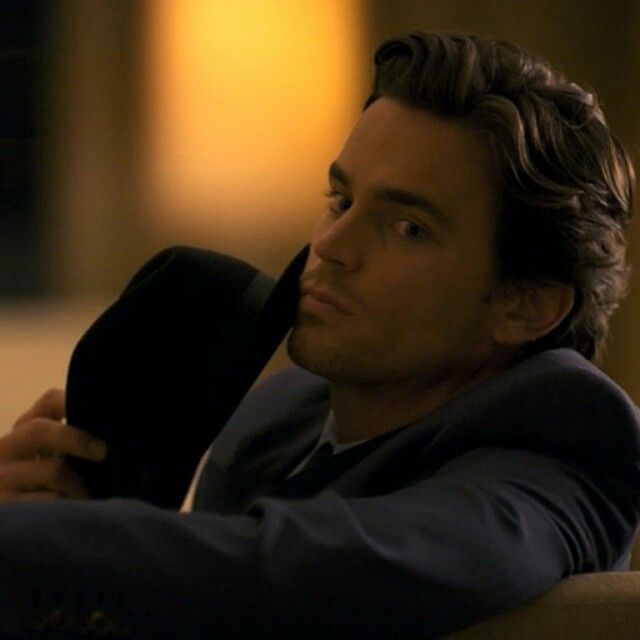
Looking for a wholesome TV show to binge-watch with art at its heart? Explore White Collar in our featured article and discover how the series brings art, mystery, and unforgettable characters together in one captivating watch.