

Watch & Listen to this podcast Episode.
At Arts to Hearts Project, we’ve spent years speaking to artists about visibility who gets seen, who gets overlooked, and how difficult it can sometimes feel to find your place within the art world.
Because for a long time, the art world ran through closed circles. Galleries decided who was visible. Artists waited for opportunities. And for many emerging creatives, getting in front of the “right people” felt harder than making the work itself.
Over the last decade, that has started to shift. Artists are building audiences on their own. Creating communities online. Running independent exhibitions. Questioning systems that once felt untouchable. And no longer waiting quietly for permission to participate. Which is exactly why this conversation feels relevant right now.
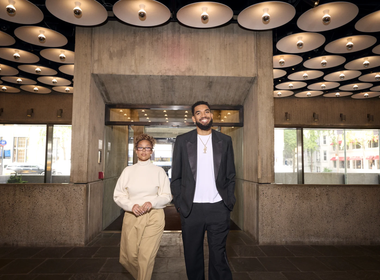
For Episode 3 of Season 6, Charuka Arora is joined by Ryan Stanier, founder of The Other Art Fair and now Fair Play someone who has spent the last fifteen years rethinking how artists experience visibility, opportunity, and art fairs themselves.

What makes Ryan’s story especially interesting is that he didn’t come from a traditional art world background at all. He studied business, moved to London as a teenager, and slowly found himself surrounded by artists across the city. Very quickly, he noticed something frustrating. Incredibly talented artists were constantly putting on exhibitions, but in spaces where almost nobody actually saw the work. Basements. Temporary studios. Forgotten corners of the city.
The work was strong. The audience wasn’t there. That observation eventually led Ryan to do something almost laughably simple. He spent weeks cold-calling estate agents across central London, asking if artists could temporarily use empty retail spaces for free. Hundreds of phone calls.
Most went nowhere. Then a developer called Shaftesbury said yes and the chief surveyor, whose husband happened to be an artist, handed him the keys to a shop on Russell Street.
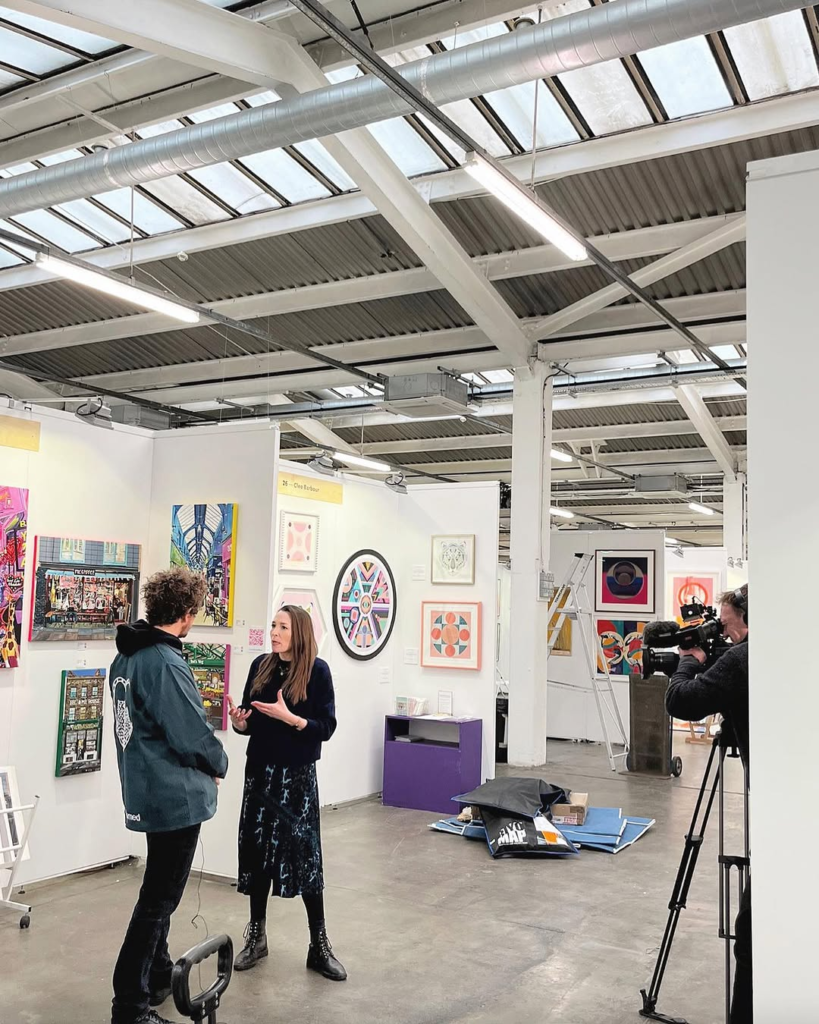
That shop became Artbeat. A one-week lease became three months. Three months became a year. It stayed free for the artists from start to finish.
What started as that small experiment eventually became The Other Art Fair one of the first major fairs built around artists exhibiting and selling their own work directly to audiences instead of through galleries.
Over fifteen years, it grew into twelve fairs a year across Brooklyn, Chicago, Dallas, Sydney, Melbourne, and Los Angeles. Saatchi Art eventually acquired it. By the time Ryan left two years ago, the fair had worked with more than six thousand artists across twenty-five countries and sold around one hundred thousand artworks.
And now with Fair Play, Ryan is questioning the model once again, this time asking whether art fairs themselves can become more sustainable, collaborative, and financially realistic for artists today.
What follows is a conversation about more than just art fairs. It is about visibility, vulnerability, money, mistakes, and what it takes to keep building something honest inside an industry that doesn’t always make space for honesty. Here is what stayed with us.
Artists Were Expected to Stay in the Background
One of the most fascinating parts of the conversation is hearing Ryan talk about the resistance he faced early on when building The Other Art Fair.
At the time, there was still a strong belief within the industry that artists weren’t good at talking to buyers, presenting themselves professionally, or handling the business side of their careers.
As Ryan says during the episode, the assumption was always:
“Artists aren’t good at selling.”
But what he noticed was something completely different.
The artists he knew were already building communities around their work. They wanted conversations. They wanted visibility. They wanted opportunities to connect directly with people instead of waiting for traditional gatekeepers to validate them first.
Honestly, listening to this part of the conversation now feels interesting because so much of today’s creative economy is built around exactly that idea. Artists today are expected to tell stories, build audiences, document process, market themselves, and create emotional connection around their work online. In many ways, Ryan’s original vision for The Other Art Fair arrived before the wider creative industry fully shifted in that direction.
Social media eventually helped accelerate the change. Ryan talks about Instagram in particular with a level of optimism that feels rare these days. While most conversations around social media now focus on burnout and algorithms, Ryan points out that it genuinely helped artists become more visible, more accessible, and more independent than they were before. Artists no longer have to wait for institutional approval to build audiences. They can speak directly to people. Build communities. Share process. Create relationships around the work itself.
It is the same belief he had in 2011, only now the rest of the world has caught up.
The Cost of Art Fairs Was Catching Up to Artists
As the conversation continues, Charuka and Ryan move into something many artists quietly struggle with but don’t always talk about openly: art fairs have become incredibly expensive.
Booth fees. Shipping. Framing. Travel. Printing. Marketing. And after all of it, no guarantee the work even sells.
For many artists, participating in a fair becomes a huge financial gamble before a single artwork leaves the studio. After running fairs for over fifteen years, Ryan openly admits he kept hearing the same thing from artists over and over again:
“It’s just becoming too expensive.”
That frustration eventually became the starting point for his newest project: Fair Play.
Unlike traditional art fair models, Fair Play removes booth fees entirely. There is only a small application fee so a selection committee can review the work. After that, the fair only makes money when artists make sales themselves. What makes this idea compelling isn’t just the business model. It is the philosophy behind it.
Ryan explains that if the fair’s success depends entirely on artists succeeding, then suddenly the relationship changes. The fair becomes far more invested in helping artists prepare, present themselves well, market the work properly, and continue selling even after the event ends.
It shifts the structure from “pay for your booth and good luck” to something far more collaborative.
There is also a second layer most fairs don’t offer. After Fair Play closes, the fair takes one month of exclusivity on the displayed work and continues selling on behalf of the artist essentially acting as a temporary gallery for that period.
Maybe Artists Need More Support Than We Admit
One of the strongest moments in the episode comes when Ryan talks about how many artists arrive at fairs unprepared for what the experience actually demands emotionally.
Because beyond the logistics, art fairs require artists to become public-facing versions of themselves for days at a time. Talking constantly. Explaining the work repeatedly. Meeting strangers. Handling rejection. Learning how to transition conversations into sales without feeling uncomfortable.
And as Charuka points out during the discussion, for many artists the emotional weight becomes even heavier because the work itself is deeply personal. You are not simply selling a product. You are presenting pieces of your inner life to strangers, over and over again. That is probably why one of Ryan’s biggest pieces of advice throughout the conversation feels surprisingly simple:
Don’t hide your work.
Whether through fairs, exhibitions, or social media, he repeatedly returns to the importance of artists allowing themselves to be visible even when it feels uncomfortable. At one point, he talks about visiting a painter whose work he loved but who barely shared it publicly because she felt awkward promoting herself online.
It is hard not to recognise how many artists still relate to that feeling.
The Most Human Part of the Episode Comes Unexpectedly
There is also a beautiful shift in the conversation midway through the episode when Charuka begins speaking about her own journey. Growing up in India. Starting in fashion. Finding her way back to painting after years of trying to balance creativity with survival. Losing her mother during COVID. And the role art and even her dogs played in helping her survive one of the hardest periods of her life.
Charuka shares all of this openly. And in response, Ryan admits that if he weren’t doing this work, he would probably want to be a ballet dancer.
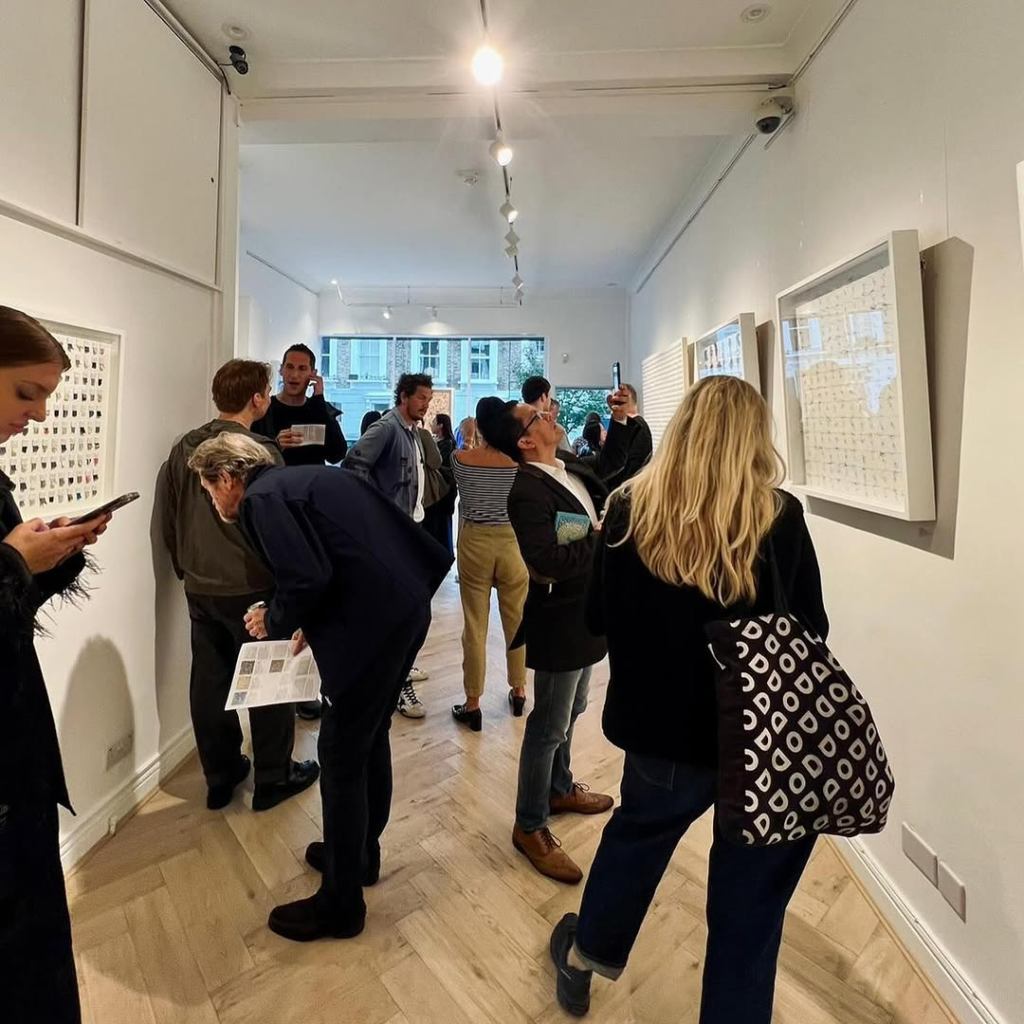
It is the kind of moment that doesn’t necessarily sound important when written down, but somehow changes the feeling of the entire conversation. Suddenly the episode stops feeling like an interview about fairs, business models, or entrepreneurship. It becomes a conversation between two people who genuinely understand what it means to build a life around art.
Even when they are talking about booth fees, sales, collectors, and commissions, they are really talking about something much deeper underneath it all — the emotional need people have to stay connected to creativity in whatever form they can.
Maybe that is why the conversation feels so human. Neither of them sounds transactional. They sound like people who genuinely believe art changes lives because it changed theirs first.
What Fair Play Is Really Trying to Solve
After fifteen years, three art fairs, and an acquisition by one of the biggest names in the industry, Ryan Stanier is still questioning the system. Still experimenting. Still trying to figure out how artists can be supported better, represented better, and given more sustainable opportunities to grow.
And once you listen to the full conversation, what Fair Play is actually trying to solve becomes clear.
It is not about being a cheaper art fair. It is about removing the financial gamble artists are quietly asked to take every time they show. The booth fee that has to come out of savings before a single piece sells. The shipping costs that pile up before the work even arrives. The fact that, historically, the fair gets paid whether the artist succeeds or not.
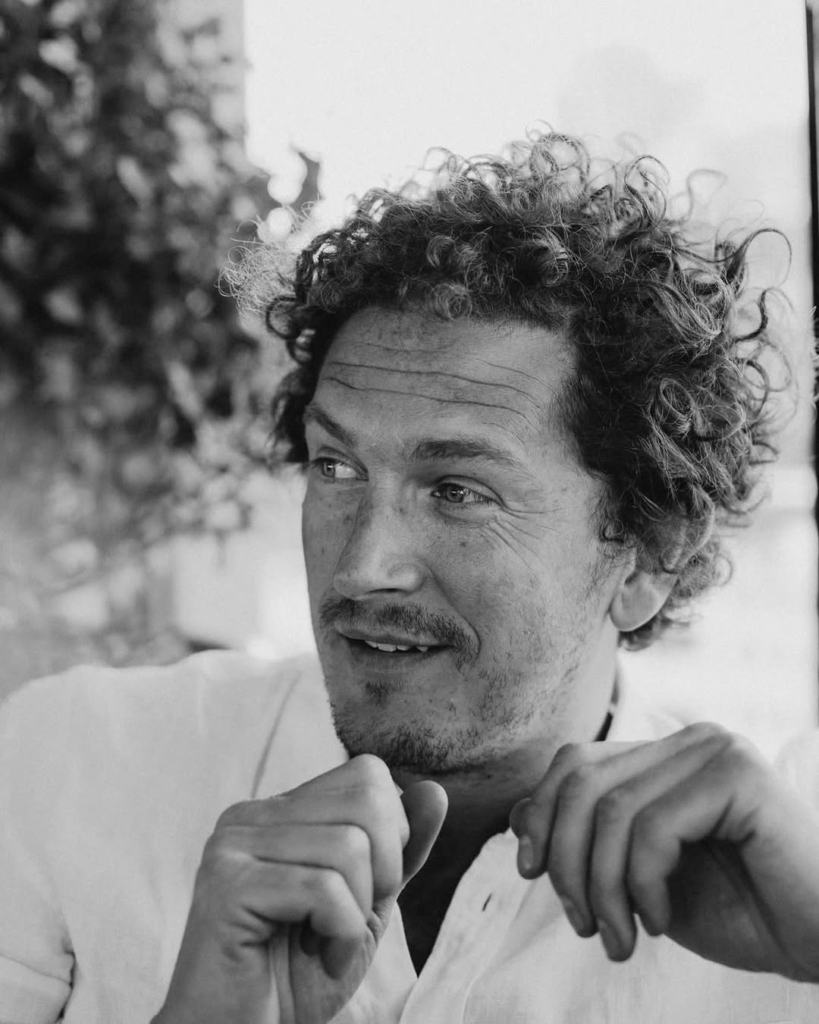
It is also about something less obvious. The emotional cost of standing on your feet for four days, presenting deeply personal work to strangers, with very little preparation or support around you. Fair Play is built differently curators working with artists in the lead-up, workshops, one-on-one conversations, and a month of post-fair representation where the fair keeps trying to sell the work even after the doors close.
What Fair Play is really trying to solve, in the end, is the uncomfortable truth that the structures around artists have not evolved at the same pace as artists themselves. Because while the art world has changed massively over the last decade, one thing hasn’t changed enough being an artist is still financially, emotionally, and creatively difficult.
The first time, Ryan built a pop-up gallery out of cold calls.
The second time, he built a fair for artists who weren’t allowed in the room.
The third time, he is building a fair where artists don’t pay to be in the room at all.
Each one has tried to fix something the last one couldn’t. And that, in the end, is the real answer to the question this episode keeps asking.
Watch the full conversation with Charuka Arora and Ryan Stanier to hear more about the journey from Artbeat to The Other Art Fair and now Fair Play and why he still believes artists deserve better systems around them.
Watch & Listen to this podcast Episode.
Listen to this & other episodes on