



7 of the Most Dramatic Love Stories in Art History
Love has inspired some of the world’s greatest works of art, but not every artistic romance was a fairy tale. Behind many famous paintings, sculptures, and masterpieces were relationships filled with passion, obsession, betrayal, rivalry, heartbreak, and loss. Some couples found themselves torn apart by fame, infidelity, or tragedy, while others transformed their most intimate emotions into art that continues to captivate audiences centuries later.
From marriages marked by scandal to romances that ended in devastating loss, these stories remind us that artists often lived lives every bit as dramatic as the works they created. In many cases, their relationships became the inspiration for their greatest achievements, leaving behind masterpieces that still carry the emotional weight of the love stories that shaped them.
Here are seven of the most dramatic love stories in art history.
1. Frida Kahlo & Diego Rivera: The Marriage That Turned Heartbreak Into Art
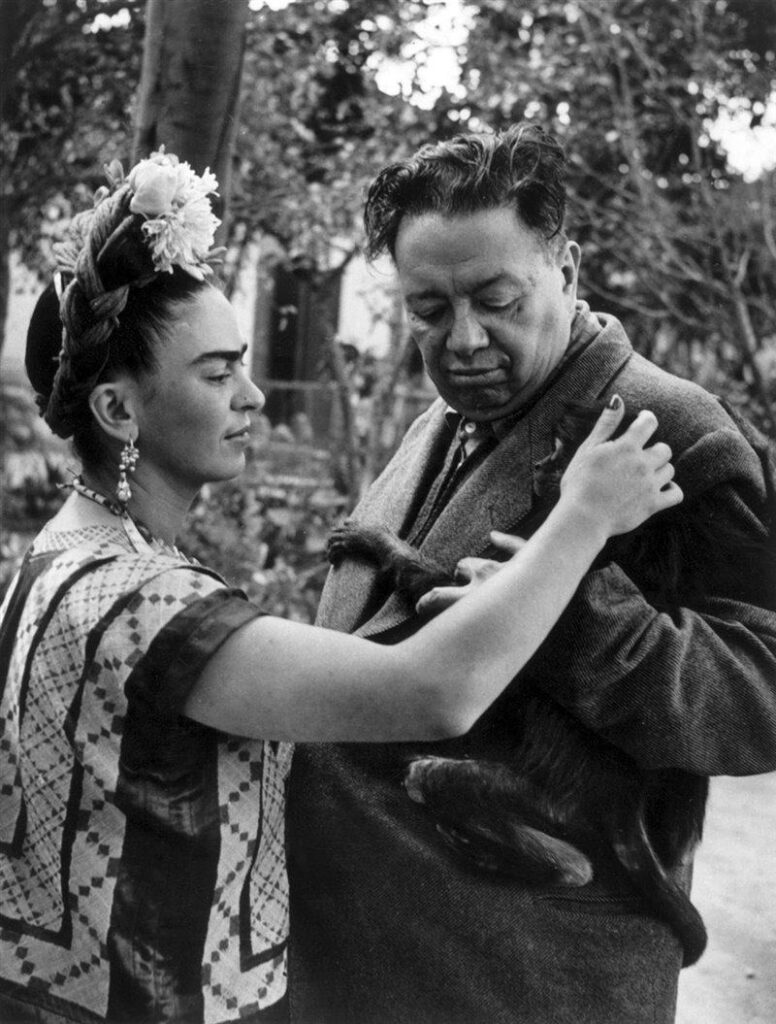
Few love stories in art history were as passionate, chaotic, and unforgettable as that of Frida Kahlo and Diego Rivera. When they married in 1929, many people struggled to understand the match. Rivera was already one of Mexico’s most celebrated artists, while Kahlo was still developing the distinctive artistic voice that would later make her a global icon. Their differences were impossible to ignore. He was nearly twenty years older, physically imposing, and famous. She was younger, fiercely independent, and recovering from the life-altering injuries of a bus accident that had left her in chronic pain. Frida’s mother reportedly nicknamed them “the elephant and the dove,” a description that has followed the couple ever since.
What began as a passionate romance soon evolved into one of the most turbulent marriages in art history. Both artists engaged in affairs, but the deepest betrayal came when Rivera became involved with Frida’s younger sister, Cristina. The revelation shattered Kahlo. Rather than retreating from her pain, she poured it into her paintings. Works created during and after this period reveal raw emotions, grief, anger, loneliness, and resilience, making her personal heartbreak part of her artistic legacy.
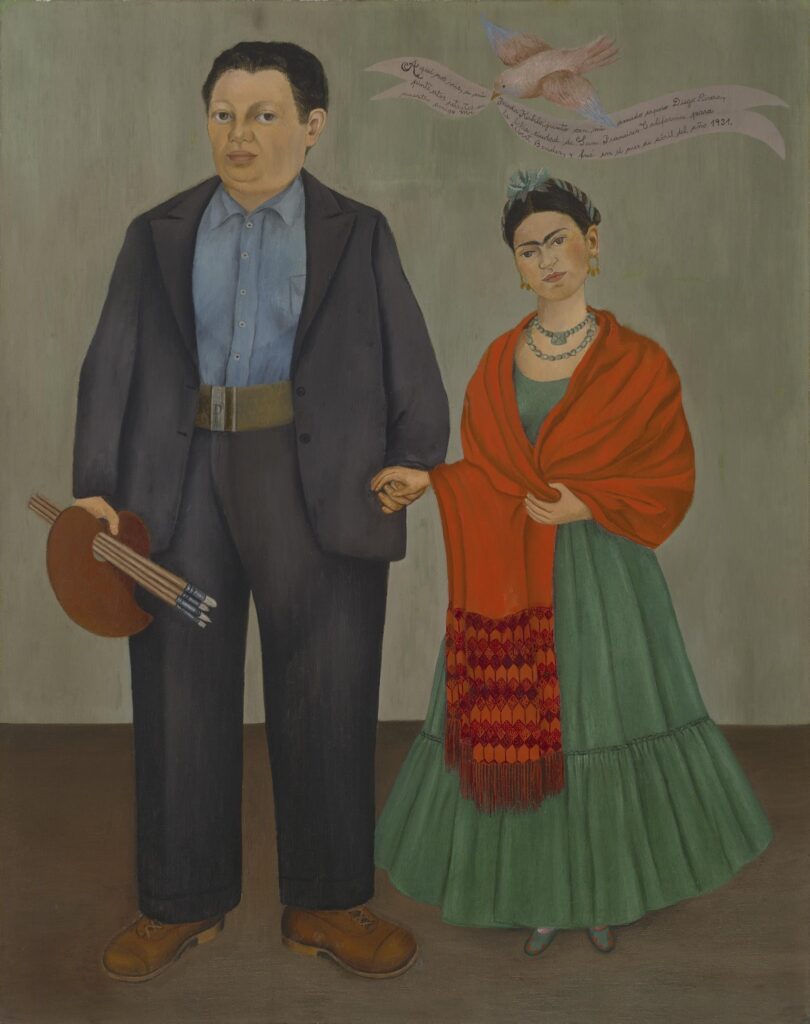
By 1939, the strain became too much, and the couple divorced. Yet their story did not end there. Just one year later, they remarried. Friends and observers often struggled to understand why they repeatedly returned to one another despite the emotional damage they inflicted. The answer may lie in the fact that they shared something few others could understand: an all-consuming devotion to art and an equally intense connection to each other.
Their relationship remains one of the most discussed romances in art history because it defies the idea of a perfect love story. It was filled with betrayal, jealousy, admiration, and enduring affection. Out of that turmoil came some of the twentieth century’s most memorable artworks, proving that for Frida and Diego, love and creativity were impossible to separate.
2. Dante Gabriel Rossetti & Elizabeth Siddal: The Love Story That Continued Beyond the Grave
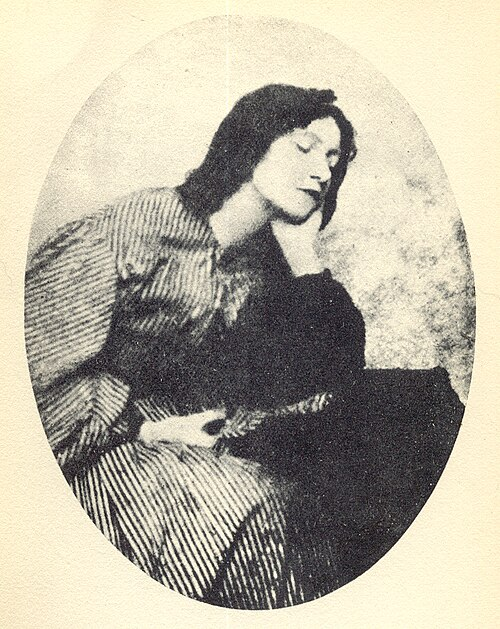
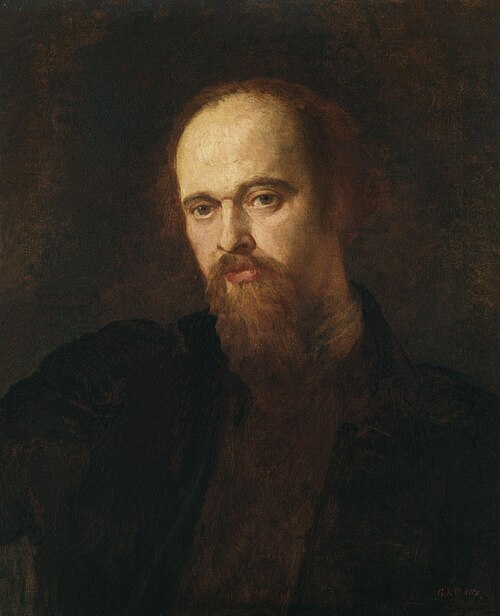
Some love stories are dramatic. Others are tragic. The relationship between Dante Gabriel Rossetti and Elizabeth Siddal somehow managed to be both.
Their story began in the heart of Victorian England when Siddal, a working-class young woman, was discovered by artists associated with the Pre-Raphaelite movement. With her striking red hair and distinctive features, she quickly became one of the most recognizable models of the era. She posed for some of the movement’s most famous paintings, including Ophelia, but she was far more than a model. Siddal was also a talented artist and poet in her own right.
Rossetti became captivated by her almost immediately. Their relationship was passionate but far from simple. He painted her repeatedly, turning her into the face of many of his most celebrated works. Yet despite their deep attachment, the couple experienced years of delays, uncertainty, and emotional strain before finally marrying in 1860.
By then, Siddal’s health had already begun to decline. She suffered from chronic illness, and her struggles were compounded by personal tragedies. Just two years after their wedding, she died at the age of 32. Rossetti was devastated. In an extraordinary act of grief, he placed a manuscript containing many of his unpublished poems inside her coffin before she was buried.
Most people would assume the story ended there. It did not.
Several years later, Rossetti decided he wanted the poems published after all. To recover them, permission was obtained to reopen Siddal’s grave and retrieve the manuscript. The event quickly became the stuff of legend, fueling Victorian gossip and ensuring that their romance would be remembered as one of the most haunting in art history.
Even today, their story feels more like a Gothic novel than real life. It is a tale of artistic devotion, loss, regret, and a love so consuming that it literally followed one artist beyond the grave.
3. Amedeo Modigliani & Jeanne Hébuterne: The Tragic Romance That Ended Too Soon
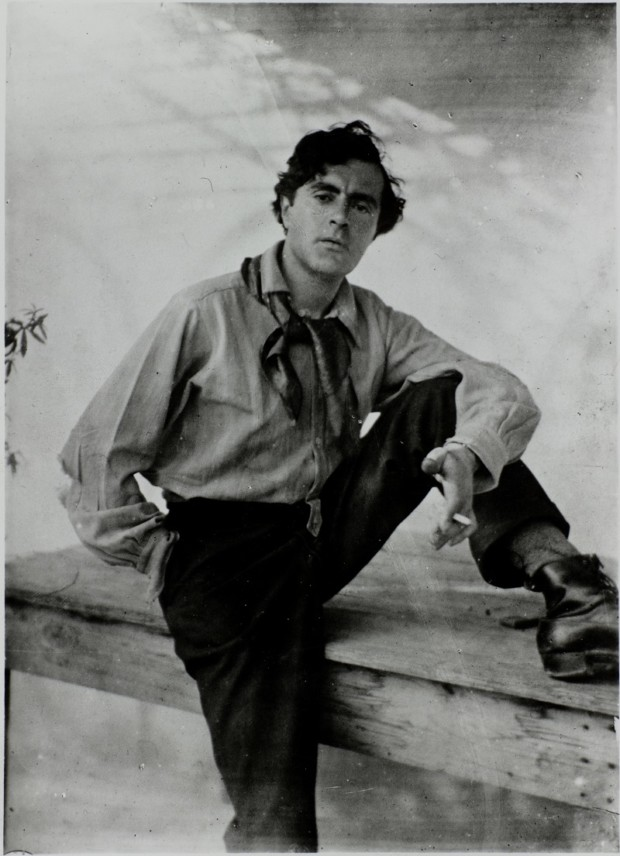
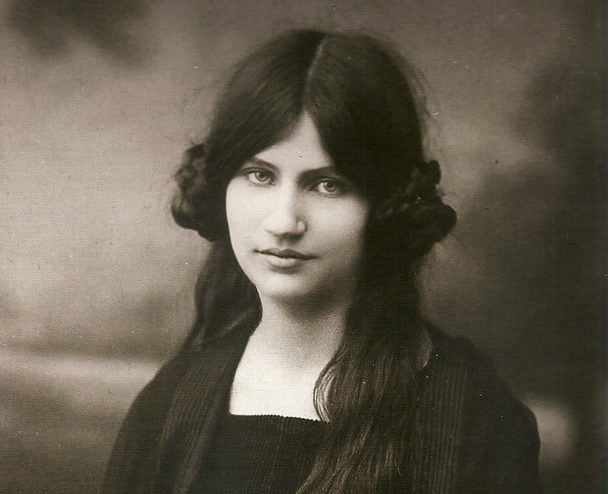
Few love stories in art history are as heartbreaking as that of Amedeo Modigliani and Jeanne Hébuterne. Their relationship was filled with devotion, artistic passion, family opposition, and a tragedy so profound that it has become one of the most enduring legends of the art world.
The couple met in Paris around 1917, during the city’s vibrant bohemian era. Modigliani was already known among artists for his talent, but he was equally famous for his self-destructive lifestyle. He struggled with poverty, excessive drinking, and worsening health. Jeanne, by contrast, was a young art student from a conservative Catholic family. Quiet, intelligent, and talented, she quickly fell in love with the charismatic painter despite her family’s strong disapproval.
As their relationship deepened, Jeanne became Modigliani’s greatest muse. He painted her more than twenty times, creating some of the most recognizable portraits of his career. With her elongated features, graceful pose, and calm expression, she appeared again and again on his canvases. These paintings remain among the most intimate works he ever produced, offering a glimpse into the affection he felt for her.
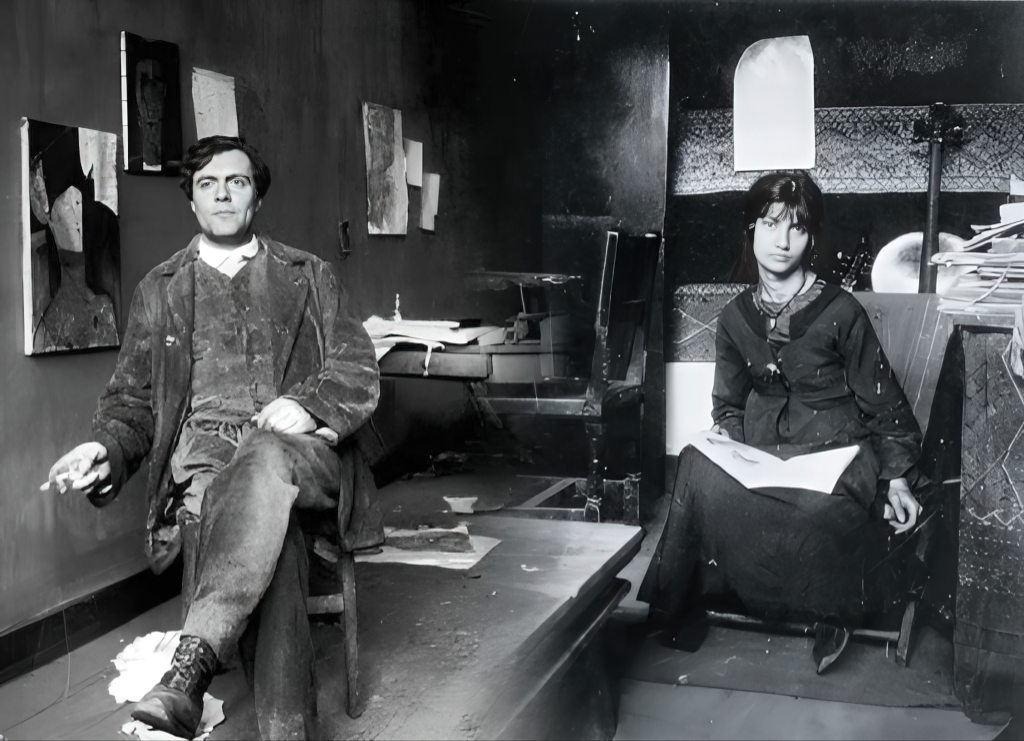
Life together, however, was far from easy. The couple often struggled financially and lived in difficult conditions. Modigliani’s health continued to deteriorate as tuberculosis slowly took its toll. Yet Jeanne remained by his side, even after becoming pregnant with their child and later expecting a second.
In January 1920, tragedy struck when Modigliani died at just 35 years old. Jeanne, devastated by the loss and heavily pregnant, faced a future she could hardly imagine. The events that followed transformed their romance into one of art history’s most sorrowful stories. Within days, the young woman who had inspired so many of Modigliani’s paintings was gone as well.
Today, their story endures because it captures both the beauty and fragility of love. Through the portraits he left behind, Modigliani ensured that Jeanne would never be forgotten, preserving their brief but unforgettable romance in some of the most poignant artworks of the twentieth century.
4. Camille Claudel & Auguste Rodin: The Love Affair That Became an Artistic Tragedy
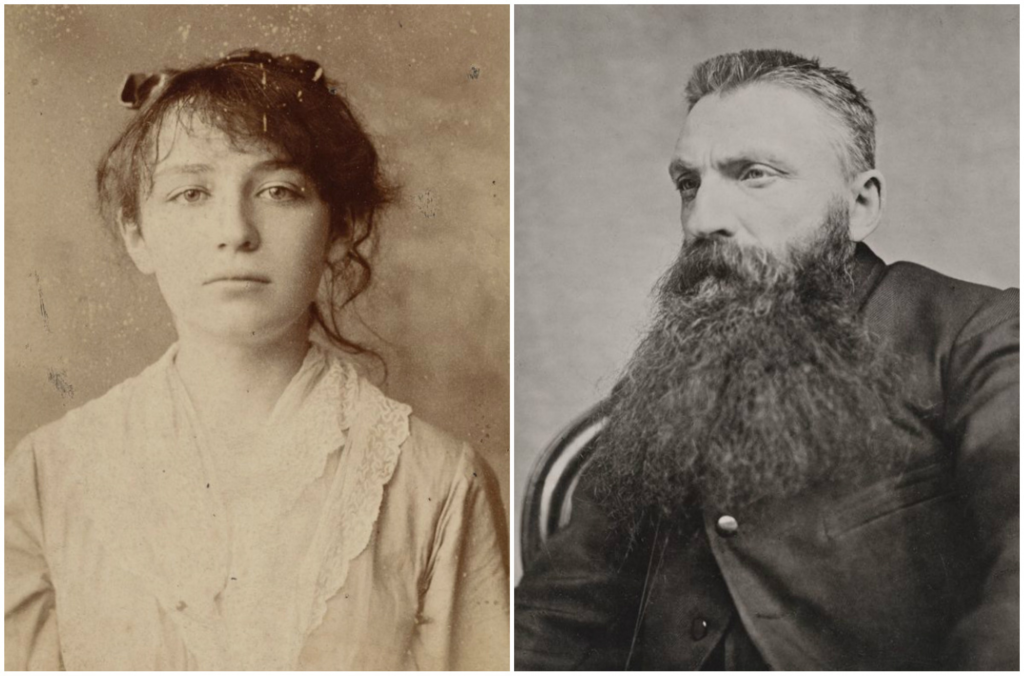
The relationship between Camille Claudel and Auguste Rodin began as one of the most exciting artistic partnerships of the nineteenth century. It would eventually become one of its most heartbreaking.
Claudel first met Rodin in the early 1880s when she was a young sculptor determined to make a name for herself in a field dominated by men. Rodin, already an established artist, immediately recognized her extraordinary talent. She joined his studio, where she worked as an assistant, collaborator, and eventually his lover. Their creative connection was undeniable. Both artists pushed each other to experiment, innovate, and create works filled with emotion and movement.
For years, their lives became deeply intertwined. Claudel contributed to projects within Rodin’s workshop while simultaneously developing her own artistic voice. Many historians believe her influence can be seen in some of Rodin’s most celebrated works. Yet their relationship was never equal. Rodin remained attached to his longtime companion, Rose Beuret, and despite promises, he never fully committed to building a future with Claudel.
As time passed, frustration and resentment began to grow. Claudel wanted recognition for her own achievements rather than being viewed simply as Rodin’s muse or assistant. She was producing remarkable sculptures that demonstrated a talent every bit as compelling as that of her famous lover, yet public attention often focused on Rodin alone.
The breakup was painful and bitter. Claudel became increasingly isolated and convinced that Rodin was working against her career. Whether those fears were justified remains a matter of debate, but the emotional toll was undeniable. In later years, her life took a tragic turn, and she spent decades confined to a psychiatric institution, largely forgotten by the art world she had once helped shape.
Today, many scholars and art lovers see Claudel not merely as a footnote in Rodin’s story but as a major artist in her own right. Their romance remains one of art history’s most dramatic tales because it combined passion, ambition, rivalry, heartbreak, and the painful struggle for recognition. It was a love story that left lasting marks on both artists—and on the history of sculpture itself.
5. Salvador Dalí & Gala: The Surreal Love Story That Defied Every Convention
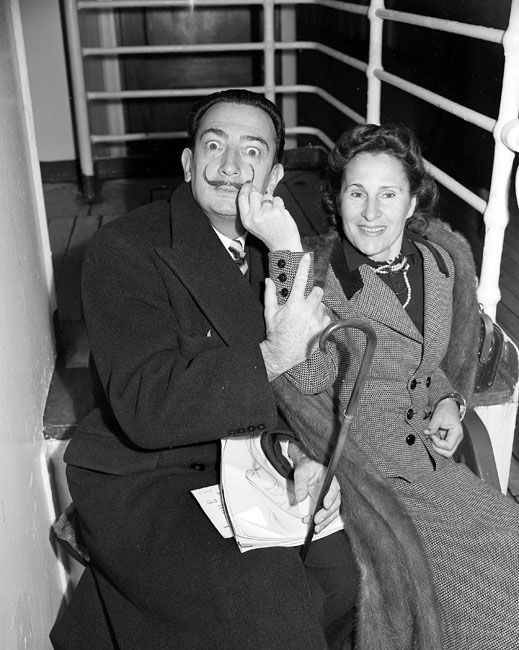
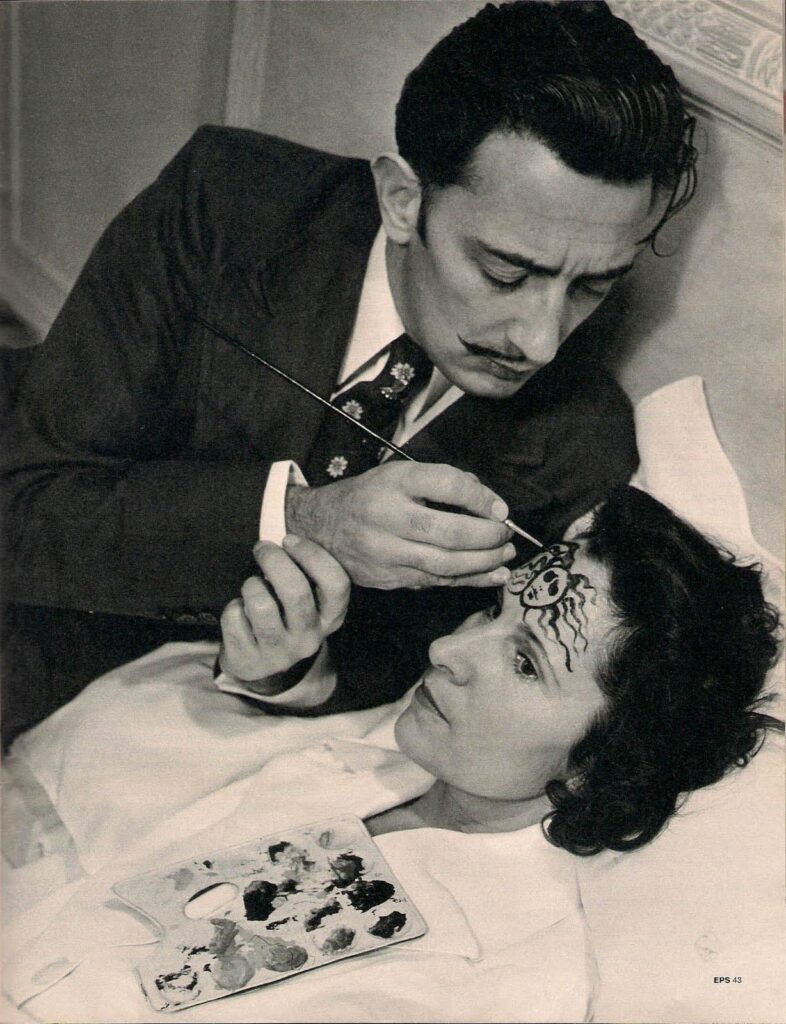
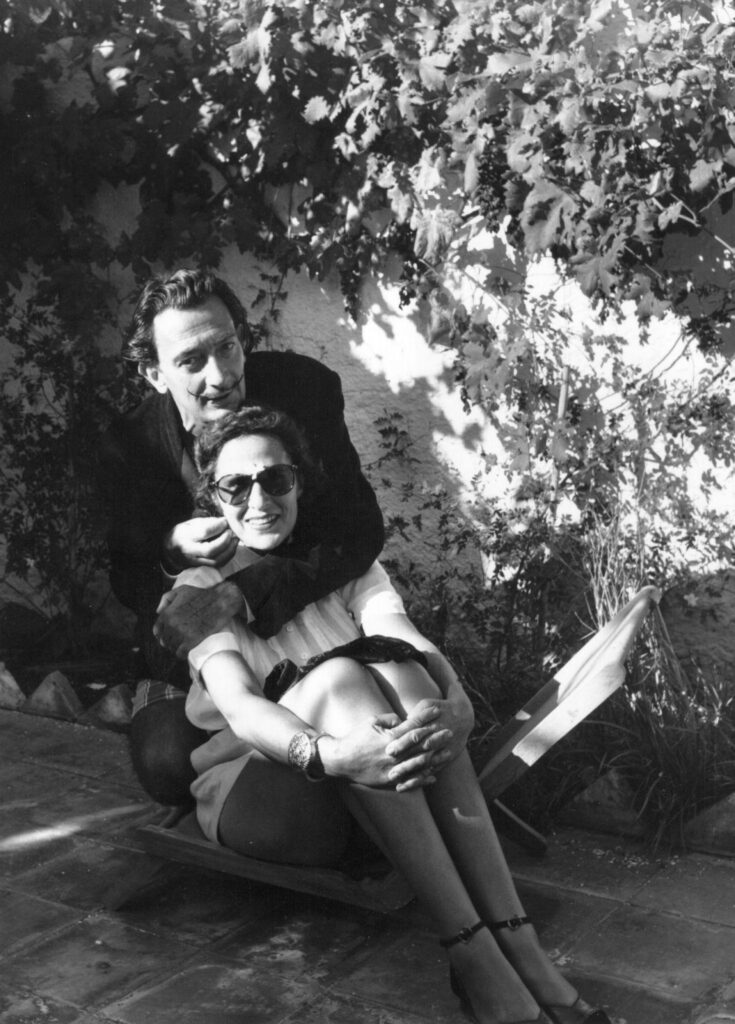
If any romance was destined to be unconventional, it was the one shared by Salvador Dalí and Gala Dalí. Their relationship was filled with obsession, controversy, devotion, and eccentricity, so much so that it often seemed as surreal as the paintings that made Dalí famous.
When they met in 1929, Gala was already married to the poet Paul Éluard and was ten years older than Dalí. Yet the attraction between them was immediate. Dalí later described the encounter as life-changing, claiming he knew almost instantly that Gala would become the central figure in his life. Before long, she left her husband, and the two began a partnership that would last for decades.
Unlike many artist-muse relationships, Gala was far more than an inspiration for paintings. She became Dalí’s manager, business strategist, confidante, and greatest supporter. At a time when many considered the young artist eccentric or even unstable, Gala believed in his talent and helped guide his career. Her influence was so significant that Dalí frequently signed works with both of their names, insisting that many of his achievements belonged to her as well.
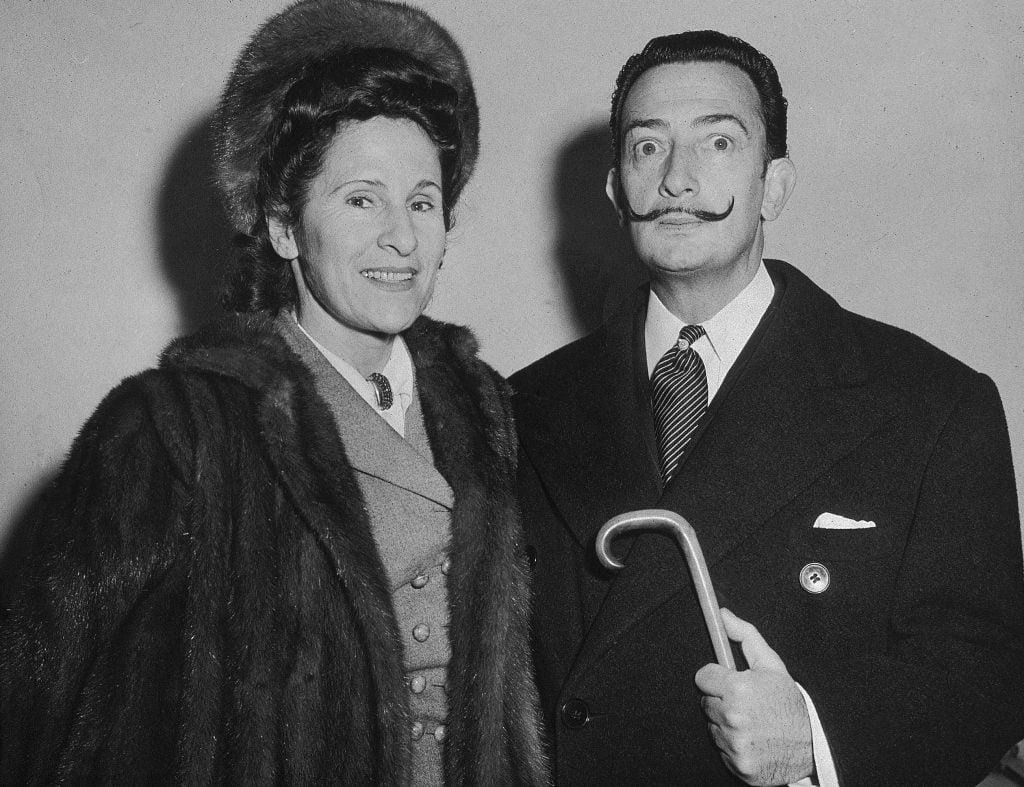
Gala appeared in countless paintings throughout his career, becoming one of the most recognizable faces in Surrealist art. Yet their marriage was anything but ordinary. Rumors, unconventional arrangements, separate living spaces, and public fascination followed them for years. Their relationship often baffled outsiders, but it seemed to operate according to rules understood only by the couple themselves.
As Dalí’s fame grew, so did the mythology surrounding their romance. Some viewed Gala as a manipulative figure who controlled access to the artist. Others saw her as the person who transformed a brilliant but chaotic painter into an international sensation. The truth likely lies somewhere in between.
What makes their story so dramatic is not simply its longevity but its uniqueness. In a world of conventional love stories, Dalí and Gala created one entirely their own. Their relationship blurred the lines between romance, collaboration, business, and artistic inspiration, becoming one of the most unusual and unforgettable partnerships in art history.
6. Pablo Picasso & Dora Maar: The Muse Behind Picasso’s Darkest Masterpieces
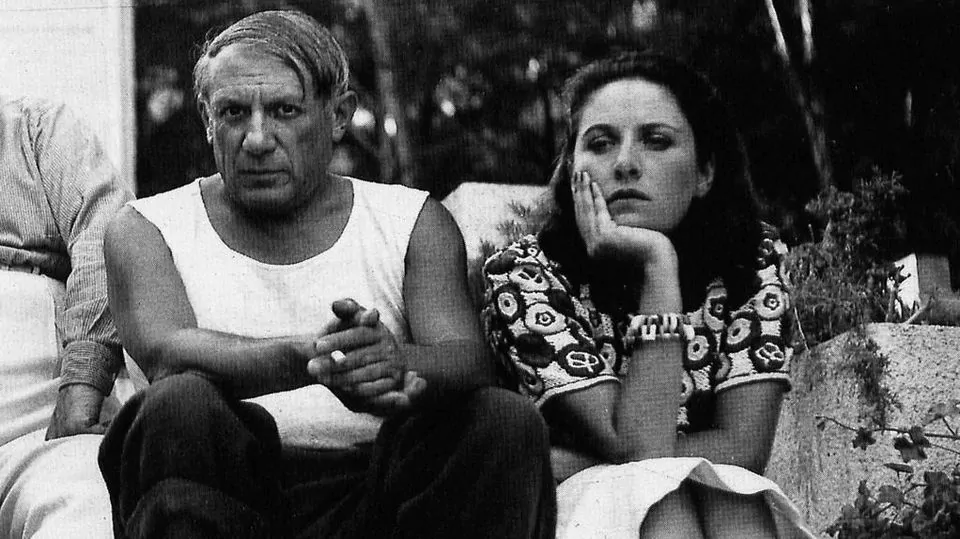
The relationship between Pablo Picasso and Dora Maar was one of the most intense, influential, and emotionally turbulent romances in modern art. It was a relationship that produced extraordinary works of art while leaving lasting scars on those involved.
When Picasso met Dora Maar in Paris in 1935, she was already an accomplished photographer, artist, and intellectual. Far from being merely a model or admirer, Maar was deeply involved in the city’s avant-garde circles and had built a reputation for her striking Surrealist photography. Picasso was immediately fascinated by her intelligence, confidence, and artistic vision. Their connection quickly evolved into a passionate relationship.
The timing proved significant. Europe was moving toward political upheaval, and Picasso was entering one of the most important periods of his career. Dora became closely involved in the creation of Guernica, documenting the painting’s progress through a remarkable series of photographs that remain invaluable historical records today. Few muses in art history were as directly connected to the making of a masterpiece.
Yet beneath the creative partnership lay a relationship marked by emotional strain. Picasso’s personal life was notoriously complicated, and Dora became one of several women caught within his orbit. As their romance progressed, she increasingly appeared in his paintings, often depicted with distorted features, tears, and expressions of anguish. These images eventually inspired the famous series known as The Weeping Woman, which became some of the defining works of Picasso’s career.
The end of their relationship was painful. As Picasso turned his attention elsewhere, Dora struggled with the emotional consequences of the breakup. Over time, she withdrew from public life and spent years living in relative isolation, while Picasso’s fame continued to grow.
Today, their story remains one of art history’s most dramatic romances because it raises difficult questions about genius, power, inspiration, and sacrifice. Dora Maar was not simply Picasso’s muse; she was a talented artist whose own achievements were often overshadowed by the legend of the man she loved. Their relationship produced unforgettable art, but it also serves as a reminder that creative brilliance and personal happiness do not always go hand in hand.
7. Marina Abramović & Ulay: The Breakup That Became a Work of Art

Some love stories end with an argument. Others end with a goodbye. The relationship between Marina Abramović and Ulay ended with a journey across one of the world’s most famous landmarks, making it one of the most unforgettable romances in contemporary art history.
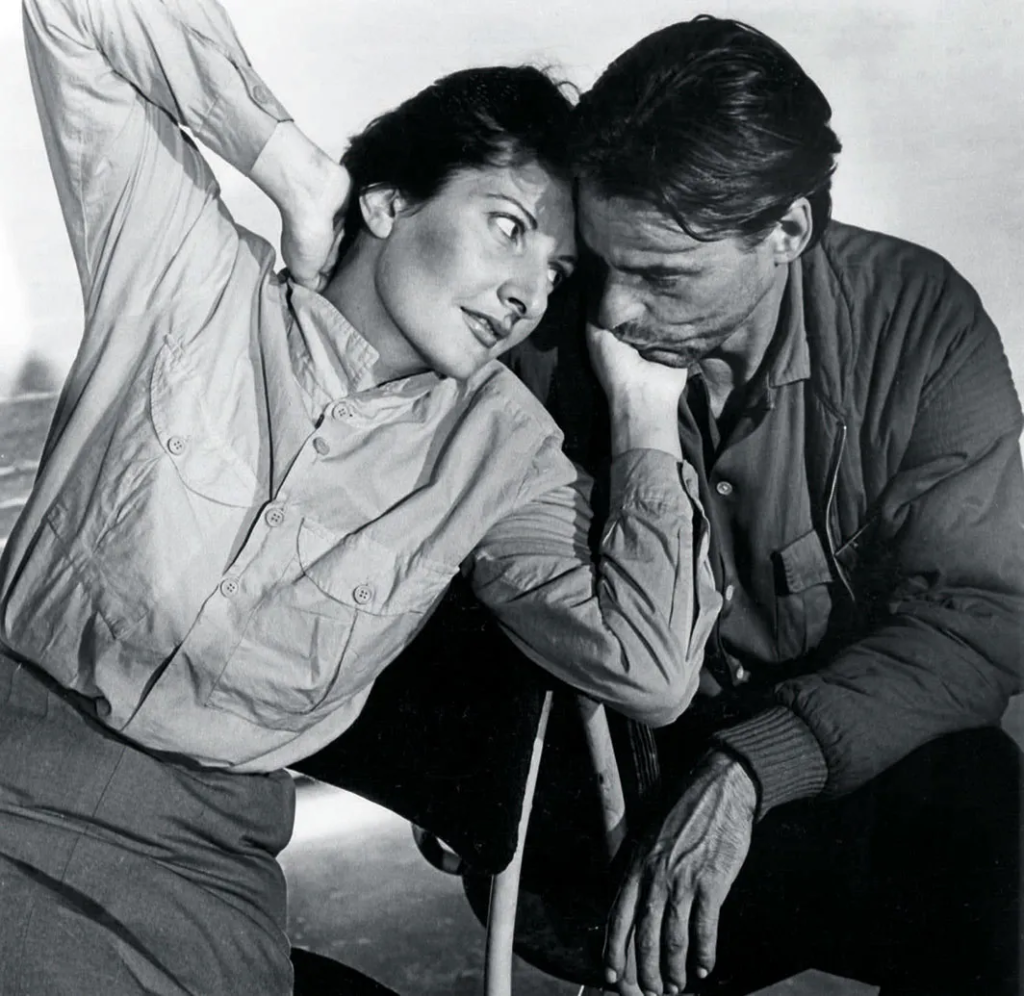
The two artists met in Amsterdam in the mid-1970s and quickly became inseparable. Their connection was so intense that they often described themselves as two halves of a single artistic identity. Rather than creating art separately, they built a career around exploring trust, vulnerability, endurance, and human relationships through performance art. Their works frequently pushed physical and emotional boundaries, testing not only themselves but also their bond with one another.
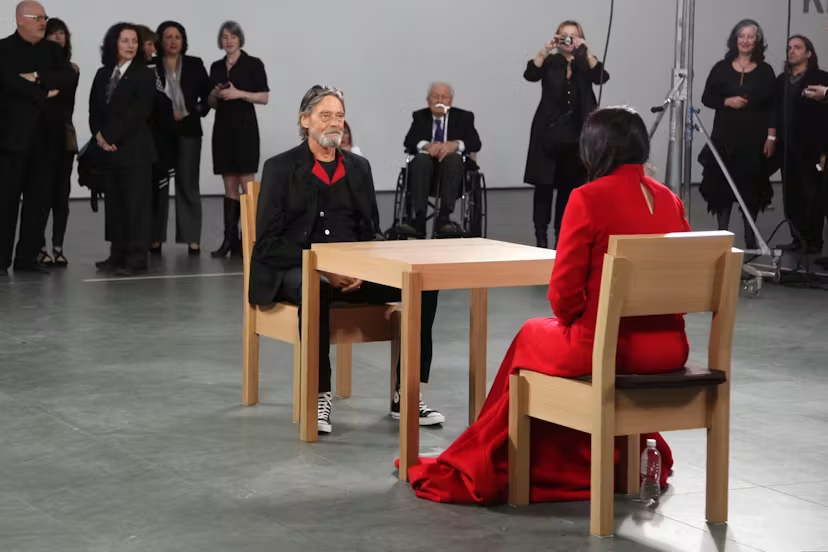
For more than a decade, Abramović and Ulay lived, traveled, and worked together. Their relationship became the foundation of their art, and their art became the foundation of their relationship. Audiences around the world watched them undertake performances that required extraordinary levels of trust. In one famous work, they stood face-to-face and breathed into each other’s mouths until they nearly collapsed. In another, they held a drawn bow and arrow, with the arrow pointed directly at Abramović’s heart, relying entirely on trust to avoid disaster.
By the late 1980s, however, their relationship had begun to unravel. Instead of ending it privately, they transformed the breakup into one final artistic collaboration. The plan was astonishingly simple and emotionally devastating. Each artist began walking from opposite ends of the Great Wall of China. After months of walking, they met in the middle, embraced, said goodbye, and went their separate ways.
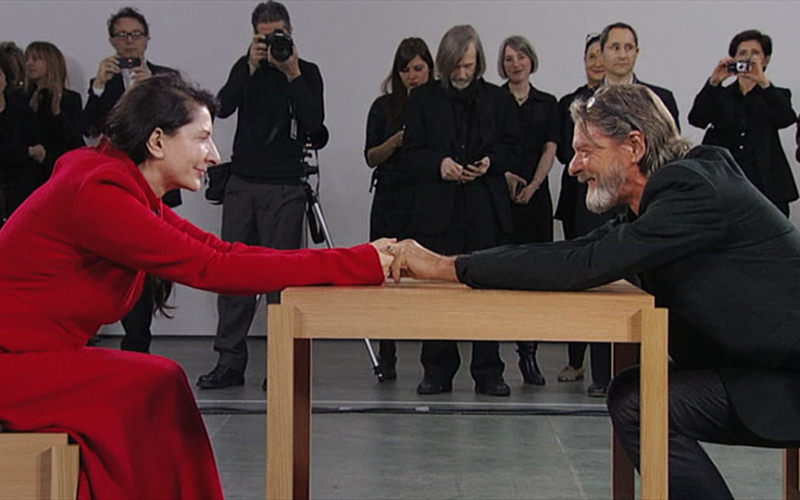
Most love stories would end there. Yet decades later, during Abramović’s famous performance piece The Artist Is Present, Ulay unexpectedly sat across from her. Without speaking a word, the former lovers shared an emotional moment that quickly became one of the most widely viewed and discussed scenes in the art world.
Their story remains one of history’s most dramatic artistic romances because it transformed love, separation, and reunion into art itself. Few couples have blurred the line between life and creativity so completely, and few breakups have become as legendary.
Art history is often told through paintings, sculptures, and exhibitions, but behind many of those masterpieces were deeply personal stories of love. The relationships featured here were rarely simple. They were filled with devotion and betrayal, creative partnership and rivalry, joy and heartbreak. Yet despite their differences, each of these couples left a lasting mark on the art world, proving that love can be one of the most powerful forces behind artistic creation.
Whether it was Frida Kahlo turning heartbreak into self-portraits, Dante Gabriel Rossetti immortalizing his grief, or Marina Abramović transforming a breakup into performance art, these stories continue to fascinate because they reveal the very human emotions behind legendary artists. Long after the relationships ended, the art they inspired remains.
Which couple would you add to this list?
If stories of passion, tragedy, and obsession in art history fascinate you, you may also enjoy exploring how artists imagined the darkest corners of the afterlife in The 9 Most Haunting Depictions of Hell in Art History.