


How to Build Multiple Income Streams From One Artwork
Every artist knows the feeling of finally completing a piece of work. After hours, days, or even weeks of sketching, painting, refining, and making countless creative decisions, the artwork is finished. It is photographed, shared online, perhaps exhibited, and hopefully, sold. For many artists, that’s where the story ends.
But what if it didn’t have to?
One of the biggest misconceptions in the art world is that an artwork has only one opportunity to generate income: when the original is sold. In reality, that same piece can continue creating value long after it leaves your studio. It can introduce new collectors to your work, open doors to collaborations, become part of licensed products, inspire educational content, and create additional sources of income without requiring you to start from scratch every time.
This shift isn’t about turning your creative practice into a business machine or treating your art like a product. It’s about recognizing the full potential of something you’ve already poured your time, skill, and creativity into. After all, if an artwork took weeks to create, why should it only work for you once?
Today’s artists have more opportunities than ever before. Digital platforms, print services, licensing, online teaching, and direct-to-collector sales have transformed the way creative careers are built. Many successful artists no longer rely on original sales alone. Instead, they create multiple, thoughtful income streams that allow one artwork to support their practice in different ways over time.
In this guide, we’ll explore practical and realistic ways your artwork can continue making you money long after the paint has dried, helping you build a more sustainable art business without compromising your creativity.
One Sale Doesn’t Have to Be the End
Selling an original piece is often seen as the finish line. The piece finds a new home, the transaction is complete, and artists naturally move on to creating the next work. While there’s nothing wrong with this approach, it can sometimes cause artists to overlook the lasting potential of what they’ve already created.
An artwork doesn’t lose its value once it’s sold. In fact, for many artists, that’s only the beginning of its journey. Unless you’ve transferred the copyright along with the artwork, you still own the rights to your creation. That means the same piece can continue to open new opportunities, from prints and licensing to educational content and future commissions.
Long before artists began talking openly about building sustainable creative careers, Andy Warhol recognized that art and business could go hand in hand. As he famously said:
“Making money is art and working is art and good business is the best art.”— Andy Warhol
Think of each artwork as more than a single sale. It represents hours of skill, experimentation, and creative thinking. Rather than asking, “How can I sell this painting?” consider asking, “How else can this artwork continue supporting my practice?”
This mindset has become increasingly common among professional artists today. Instead of relying solely on original sales, they look for thoughtful ways to extend the life of an artwork, allowing one piece to create value in multiple forms while preserving the integrity of the original.
The goal isn’t to commercialize every painting or squeeze every possible dollar out of your work. It’s to recognize that your creativity deserves more than one opportunity to support your artistic journey. Sometimes, the original sale is simply the first chapter.
How Your Artwork Can Keep Making You Money
Once you begin looking at your artwork as more than a one-time sale, new opportunities start to emerge. Some generate income directly, while others help attract collectors, clients, collaborations, and future sales. You don’t need to pursue every option at once. Instead, choose the ones that best fit your artistic practice, goals, and audience. Here are some of the most practical ways a single artwork can continue creating value long after it’s finished.
1. Sell the Original Artwork
It may sound obvious, but the original artwork is still the foundation of your art business and, often, your most valuable sale. Whether you sell through your own website, galleries, art fairs, exhibitions, social media, or directly from your studio, original pieces carry a unique appeal that no reproduction can replace.
Collectors aren’t simply buying an image. They’re investing in the original expression of your creativity. Every brushstroke, layer of paint, texture, and small imperfection tells the story of how the piece came to life. That authenticity is what makes original art so meaningful and, in many cases, commands the highest price.
The key is not to think of selling the original as the end of your relationship with that artwork. Instead, view it as the first chapter. The collector takes home a one-of-a-kind piece, while you retain the opportunity to build upon the artwork’s success in other ways.
In other words, the original sale doesn’t limit your earning potential. It creates the foundation for everything that can come next.
2. Offer Fine Art Prints
For many artists, prints are the natural next step after selling an original. They allow a single artwork to continue reaching new collectors while creating an additional source of income that can grow over time.
One of the biggest advantages of offering prints is accessibility. Not everyone can invest in an original painting, but many people are happy to purchase a high-quality print that fits both their budget and their space. By offering artwork at different price points, you make your work available to a wider audience without compromising the value or exclusivity of the original.

Artists typically choose between limited edition prints, where only a set number are produced, and open edition prints, which can be printed as demand grows. Limited editions often appeal to collectors who value rarity, while open editions make it easier for new collectors to begin building an art collection.
The quality of your prints matters just as much as the artwork itself. Investing in professional photography or scanning, archival inks, and premium paper ensures your reproductions remain true to the original. When done well, a fine art print isn’t simply a copy. It’s a carefully crafted extension of your artistic practice.
One original painting may only belong to one collector, but thoughtfully produced prints allow that same artwork to continue finding new homes for years to come.
3. License Your Artwork
Licensing is one of the most overlooked income streams in the art world, yet it has the potential to generate revenue from a single artwork without requiring you to sell the original or give up ownership of your creation.
In simple terms, licensing means giving a company or publisher permission to use your artwork on their products for an agreed period of time while you retain the copyright. Depending on the agreement, you may receive a one-time licensing fee, ongoing royalties, or a combination of both.
Artwork can be licensed for a wide variety of purposes, including book covers, magazines, stationery, calendars, greeting cards, fabric, home décor, puzzles, packaging, and other thoughtfully designed products. Many brands are constantly looking for original artwork that aligns with their aesthetic, making licensing an opportunity worth exploring.
The beauty of licensing is that your artwork continues working for you while remaining your intellectual property. The same painting that hangs in a collector’s home could also appear in a beautifully designed planner, a set of greeting cards, or the cover of a novel, introducing your work to entirely new audiences.
While licensing often requires research, contracts, and the right partnerships, it can become one of the most rewarding long-term income streams for artists looking to build a sustainable creative business.
4. Turn Your Artwork Into Thoughtfully Designed Products
Not every artwork has to remain on a gallery wall. Some pieces naturally lend themselves to products that allow collectors and art lovers to enjoy your work in their everyday lives while creating another source of income for your business.
This doesn’t mean putting every painting on every product you can find. The most successful artists choose products that complement both their artistic style and their audience. A botanical illustration might become a beautiful greeting card, while an abstract painting could translate into a notebook cover, bookmark, desk calendar, or journal.
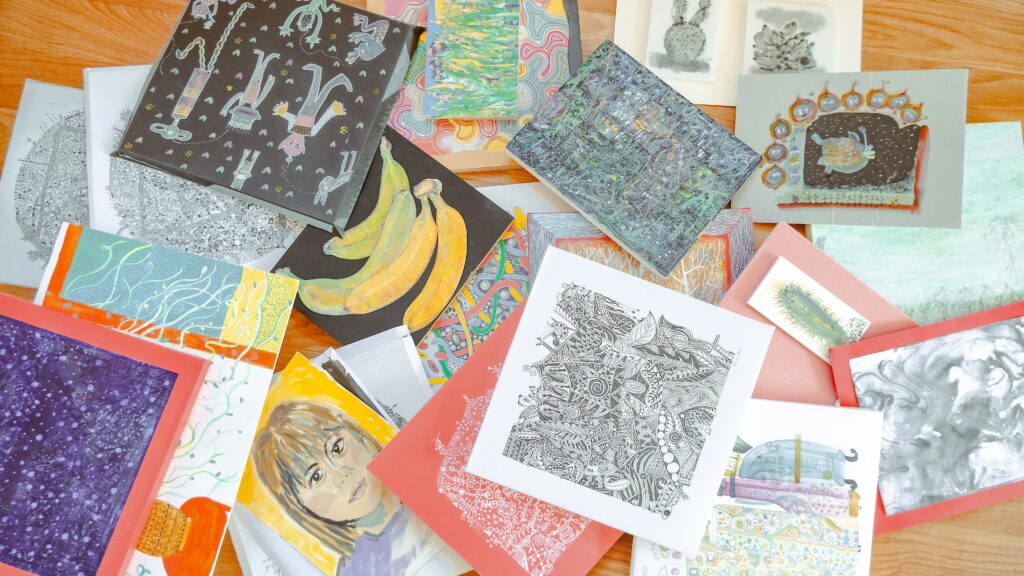
The key is to be intentional. Start with a small collection of products that feel like a natural extension of your artwork rather than trying to create an entire merchandise line overnight. This gives you the opportunity to test what resonates with your audience while maintaining the quality and identity of your brand.
When approached thoughtfully, art-inspired products can help your work reach new audiences, provide more affordable ways for collectors to support your practice, and allow a single artwork to continue generating income long after the original has been sold.
5. Create Digital Products From Your Artwork
As the art world continues to embrace digital spaces, artists have more opportunities than ever to earn from their work without creating a physical product. A single artwork can be thoughtfully adapted into digital offerings that appeal to collectors, art lovers, and creative audiences around the world.
Depending on your style and audience, your artwork could become printable wall art, phone or desktop wallpapers, digital planner covers, journal pages, or other downloadable designs. These products require no inventory or shipping, making them a practical way to generate additional income while reaching buyers across the globe.
Artists can sell these digital products through their own Shopify store, online marketplaces, or other e-commerce platforms. They can also use platforms like Pinterest to drive traffic to their website or shop, allowing their artwork to reach people actively searching for creative inspiration and unique art.
Like any income stream, the goal isn’t to create digital products for the sake of it. Choose formats that genuinely suit your artwork and provide value to your audience. When approached thoughtfully, digital products can become another meaningful extension of your creative practice while helping build a more sustainable art business.
6. Turn One Successful Piece Into a Series
Sometimes, one art piece tells you where to go next. It resonates with collectors, receives an enthusiastic response online, or simply sparks new ideas you can’t stop thinking about. Instead of moving on to something completely different, consider building on that momentum.
Expanding a successful artwork into a series allows you to explore the same subject, color palette, concept, or technique from different perspectives. What begins as a single painting can grow into a cohesive body of work, creating new opportunities for original sales while strengthening your artistic identity.
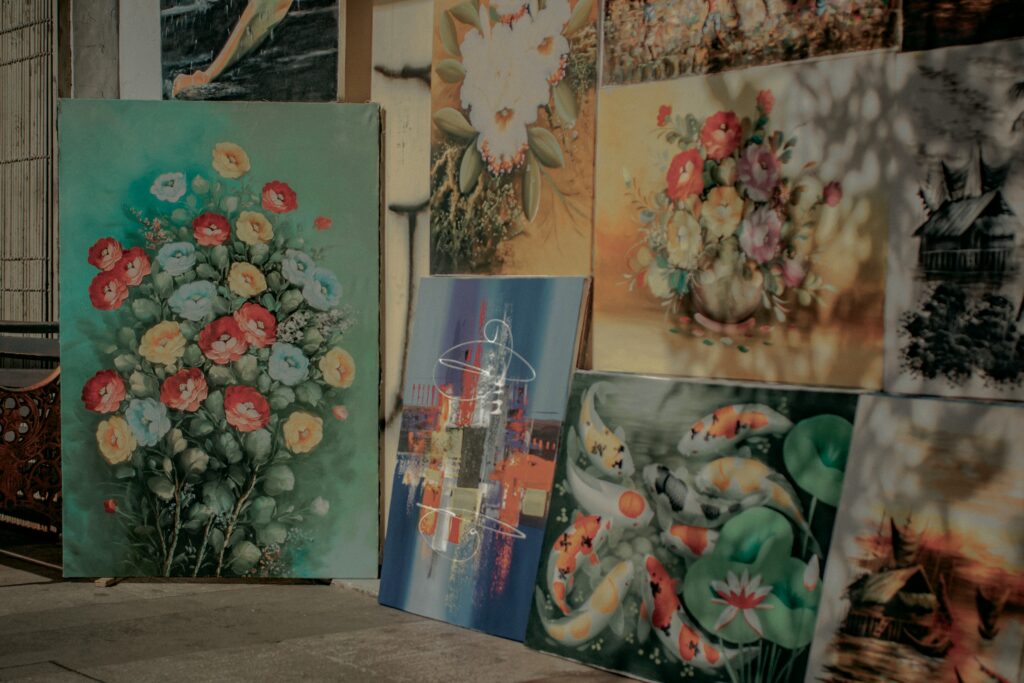
Collectors are often drawn to series because they reveal the evolution of an idea rather than a single moment of inspiration. A cohesive collection can also open doors to solo exhibitions, gallery presentations, art books, and themed print collections, extending the earning potential far beyond one original piece.
Not every artwork needs to become a series. But when a piece truly resonates, it may be worth asking yourself, “Is this the beginning of something bigger?” Sometimes, the most successful collections begin with just one painting.
The Goal Isn’t to Do It All
Reading through these ideas, it can be tempting to think that every piece you create should become a print, a product, a digital download, a workshop, and more. But that’s not the goal.
Not every income stream will suit every piece, and not every opportunity will align with your artistic practice. Some works may be perfect for limited edition prints, while others might naturally lead to commissions, licensing opportunities, or even an entire series. The key is to be intentional rather than trying to do everything at once.
As you explore different ways to build income from your art, keep these things in mind:
- Start small. You don’t need to launch multiple income streams overnight. Focus on one or two that feel like the most natural fit for your work.
- Prioritize quality over quantity. Whether it’s a fine art print or a digital download, every extension of your work should reflect the same care as the original.
- Understand your rights. In most cases, selling an original doesn’t mean giving away your copyright. Knowing the difference can open the door to future opportunities like prints and licensing.
- Choose products with purpose. Not every piece belongs to every product. Select formats that genuinely complement your work and your audience.
- Keep your artistic vision at the center. Multiple income streams should support your creative practice, not distract from it.
A sustainable art business isn’t built by doing everything. It’s built by making thoughtful decisions that allow your creativity and your business to grow together.
One Piece, Endless Possibilities
Every piece you create represents far more than the materials used to make it. It reflects hours of experimentation, creative problem-solving, technical skill, and a perspective that only you can bring to the world. Allowing that work to continue creating value isn’t about commercializing your creativity. It’s about recognizing the full potential of something you’ve already invested so much in.
Not every piece will become a print collection, a licensed design, or a series, and that’s perfectly okay. The goal isn’t to maximize every possible income stream. It’s to recognize the opportunities that naturally align with your work, your audience, and your artistic vision. Even adopting one or two of these ideas can make a meaningful difference over time.
A sustainable art business isn’t built by constantly creating more. Sometimes, it’s built by giving your existing work the chance to go further. One piece can reach new collectors, inspire future commissions, grow into a series, or open doors you never expected. Small, intentional steps often lead to the most sustainable growth.
As you finish your next piece, don’t let your first thought be, “How can I sell this?” Instead, ask yourself, “What else could this become?” You may be surprised by how many opportunities can grow from a single creation.
Which of these ideas resonated with you the most? Have you already turned one piece into multiple income streams, or is there an approach you’re excited to try next? Sometimes, the best business decisions begin with a simple shift in perspective, and your next finished piece could be the perfect place to start.