


Watch & Listen to this podcast Episode.
In this episode of the Arts to Hearts Project podcast, host Charuka has a moving conversation with writer and historian Aanchal Malhotra about the stories we carry through the objects around us. Together, they explore how heirlooms, books, clothes, and even the simplest everyday things can hold memory, history, and intimacy.
Charuka shares her own experience of how her late mother’s sarees have transformed from mere fabric into a way of keeping her mother close. At the same time, Aanchal speaks about her research on Partition and the objects people took with them as they left their homes behind.
The discussion flows into questions of identity, migration, silence, and the role of touch and tactility in a world increasingly dominated by speed and technology. Aanchal also talks about her co-founded project, the Museum of Material Memory, which archives personal histories through family objects and stories across South Asia.
At its heart, this episode is about slowing down, listening deeply, and realising that history isn’t distant—it sits quietly in our homes, in our heirlooms, and in the memories we choose to carry forward.
This set effectively summarizes and segments the detailed content of the interview into easily navigable chapters for viewers.
00:00 Introduction to Aanchal Malhotra
02:51 The Power of Stories in Our Lives
05:53 Navigating a Creative Journey
11:38 The Impact of Partition on Personal Narratives
19:43 Material Culture and Memory
29:39 The Museum of Material Memory
35:38 Reflections on Intimacy and Connection
41:15 Common Threads in Diverse Experiences
47:12 Rapid Fire Questions with Aanchal Malhotra
Charuka (00:00.754)
Welcome to the podcast Archer.
Aanchal Malhotra (00:03.844)
Thank you so much for having me.
Charuka (00:05.962)
It is completely my pleasure. I’m very, excited because you have so many keywords that where I am in my life currently, that I’m so looking forward to speak to you, know, history, heirlooms, stories, porters, things, how they tell stories. So like these are really, really things that speak to me. I’m also personally in my own practice, really looking into all of these. So I of course want to chat with you.
and go there. But before we do anything else, would you like to explain and introduce yourself to everybody who’s listening to us right now?
Aanchal Malhotra (00:45.934)
My name is Anjul Nalhotra. I would describe myself primarily as a writer since I write in a variety of different genres and I have worked in the past with material memory and culture, with oral history and ethnography, with
all kinds of fine arts and art history and also in general an interest I think in the stories that we tell ourselves and we tell others about ourselves.
Charuka (01:24.305)
Tell me something, what brought you into the idea of stories? I also know you have a family legacy of coming from a background of books. What is the first instant that you remember that brought you here? A story that encapsulated you, something that really caught your moment?
Aanchal Malhotra (01:49.484)
I don’t know if there’s just one. You know, the way we are raised in the subcontinent, our everyday is made up of small fractions of stories, whether it’s our mother, our grandmother, our fathers, our siblings, cousins.
Charuka (01:59.642)
Yeah.
Aanchal Malhotra (02:04.276)
telling you a story to fall asleep, telling you a story to keep you awake, when you’re cooking they’re telling you a story, when you’re a baby and they’re massaging you they’re telling you a story and often I think these stories at least in the generation of our parents and grandparents they they were drawn from memory.
Charuka (02:09.424)
Yeah.
Charuka (02:16.229)
Yeah.
Aanchal Malhotra (02:25.03)
So there is a lot of reality in these stories as well. And of course a lot of our local landscape, our local myths, there sometimes. So I can’t pinpoint to one thing, I just remember, I think the most consistent thing for me is that I remember the sound of someone’s voice when they tell a story and the animatedness that comes with it and the tenderness that comes with passing something down to another person.
Charuka (02:53.745)
Interesting. You know, something that catches our interest now and something I think as adults that we do it is something that the younger versions of ourselves also have had, you know, held on to it or have had keen interest. Did you ever think about yourself or because you also come from a publishing background in your own family history?
Thinking yourself as a writer, as an artist, I also know you’ve done printmaking and you’ve also had contextual background there. Did you feel that you would grow up and go into a direction like this? Was it as open for you since you came from a literary background? How was your journey navigating that?
Aanchal Malhotra (03:41.15)
Well, I think when you, I was born into a family that runs an old bookshop in Delhi and it was started by my grandfather in 1955 and
Charuka (03:47.439)
Yeah.
Aanchal Malhotra (03:53.326)
So it was started in 1953. And so I think when you grow up reading books, and books are sort of like the wallpaper of your lives, you don’t actually think that you’re going to have something as good to say to ever be published in one of those books. Because you’re reading great literature since you’re a child. And it is very daunting. It’s very daunting. It’s also really exciting. But I don’t think I ever had the dream of becoming a writer, mostly because
Charuka (03:55.705)
Okay.
Charuka (04:01.956)
You
Charuka (04:09.551)
Yeah.
Aanchal Malhotra (04:21.836)
I saw how much dedication, hard work and… right. But more than that, I don’t think I had anything to say. You know, you just… I don’t know if you can write just for writing sake. You have to have something to say, something that is a necessity.
Charuka (04:23.597)
work it with.
Charuka (04:30.179)
Hmm.
Charuka (04:35.726)
Yeah, you feel compelled. Yeah.
Aanchal Malhotra (04:39.31)
Well actually I would say more than compelled, it has to be a necessity. have to, like that has to be the only thing that you want to do. You can’t not do it. So you have to feel so strongly about a subject, almost obsessively, to give all your time, brain space, effort, energy, passion to it. And I didn’t think I had that. And I just wasn’t quite frankly interested in it either. I didn’t think I had the talent either. What I wanted to be always since I was a child was an artist.
Charuka (04:43.501)
Okay.
Yeah. Hmm.
Charuka (05:08.833)
Okay, as a visual artist.
Aanchal Malhotra (05:09.056)
And so I…
Right, as a visual artist, exactly. And I studied to be a printer. So I specialized in metal engraving, but I studied everything from screen printing to book art to sculpture, photography, paper making, book making, really embedding myself in the things that use your hands and your body. Yes, absolutely. And I loved it. I really loved it. You know, it was a childhood dream and I think I realized it into a reality. And to your
Charuka (05:31.043)
That kind of it, yeah.
Aanchal Malhotra (05:42.0)
question of whether it was easy familiarly to do it yeah I think it actually was because my parents thankfully are not the kind to push you to do one thing or the other and so there was that was never a challenge for me
Charuka (05:55.852)
Yeah.
Aanchal Malhotra (06:01.026)
which I know is for many people actually. For a lot of South Asian people to show people the merit of doing something creative is a challenge in itself. And thankfully I didn’t come across that.
Charuka (06:01.088)
Okay, for a lot.
Charuka (06:12.311)
Yeah, it does not feel like it’s a paying job.
Aanchal Malhotra (06:19.338)
I mean it depends right? When you’re creative actually you have a lot of skill sets that may not show on paper but actually you imbibe a lot of things as you work in a studio and it certainly teaches you resilience and how to be crafty in making a living for yourself.
Charuka (06:23.661)
Yeah.
Charuka (06:28.173)
Yeah.
Aanchal Malhotra (06:37.934)
And a lot of, I think, creative education, it encourages you to build jobs rather than fit into already existing things, right? So you do garner the skill sets for that.
Charuka (06:46.187)
Absolutely, I agree with that.
Charuka (06:51.788)
You think growing up, what was it like growing in a household where, and it’s a privilege, I feel like, you know, not every day and not many of us are born into families where literature, literacy also, I’m not only saying literature, literacy also, I remember, you know, I grew up in a place where,
It wasn’t this guy. I didn’t come from a family where it wasn’t discarded as you know why education is not as important. You shouldn’t be. But it never it was also not really encouraged or felt like it could bring something. It could change something. Often undermining the idea that you know education is only you know it’s a checklist rather than it’s a real life skill or something that you can and creative education let alone.
I also want to imagine how would it be growing up for you? Like, did you have different writers, artists, studio visits, looking at other people, also having a real life example of like, you know, what it takes to build a creative career? How was growing up like that? Just take a look, if you have some memories, it wasn’t, how lucky would that be?
Aanchal Malhotra (08:06.218)
It was not like that. It, no. Well, the thing is my parents are not practicing artists. They’re simply booksellers and a bookseller is just another kind of shopkeeper,
Charuka (08:16.94)
Yeah.
But they didn’t have any walk-in walk-outs, like working with any kind of…
Aanchal Malhotra (08:24.064)
Of course, but I was a child. So no, it wasn’t as romantic a life as I would have hoped. Not at all. fact, they knew a lot of creative people, but I don’t think that ever translated to their children interacting with creative people.
Charuka (08:26.786)
Okay.
Charuka (08:30.189)
Hahaha
Charuka (08:35.66)
Yeah.
Okay.
Aanchal Malhotra (08:39.918)
The only thing I do remember is the privilege of being raised around books. And I will echo your thought that that was a real privilege because there are just so many people who don’t have access to that kind of world building, that kind of travel, you know, because you can only travel through books and they come to reading very late in life in a very conscious way, right? So that being said though, even though books are always around,
Charuka (08:46.829)
Okay.
Charuka (09:03.679)
Yeah. Yeah.
Aanchal Malhotra (09:10.053)
I actually don’t ever remember someone telling me I had to read a No one ever read books to me when I was a child.
No one ever said, okay, you have to the classics. You got to read this. No, think that for me, I just gravitated to it because it was there because I found it interesting. Books are a source of comfort and they are friends. But if I compare it to my siblings, I think I’ve learned a lot more than they did because just quite frankly, nobody was telling us that you have to read this, this and this, right? It wasn’t, yeah, I think.
Charuka (09:43.957)
It was your own inclination as well. Like it was a match. Yeah. I’m saying it’s a match. Like, you you had the influence, but you also had an interest. Like the influence and the interest could match together.
Aanchal Malhotra (09:46.346)
Yeah, I think my personal… It was a sorry? What?
yeah yeah yeah right. Yeah absolutely absolutely yeah yeah but I I don’t think it was as romantic as as you make it sound. I well the thing is I I do remember when we were really young going to the bookshop and my grandfather still
Charuka (10:02.926)
I’m sure it could happen anytime with your future.
Aanchal Malhotra (10:17.1)
was there and we would sit and read alongside him because he really encouraged it a lot and he would love it if you know not just us but other children also they would always come and sit and read and there was no one didn’t always have to buy the book
Charuka (10:32.575)
Yeah.
Aanchal Malhotra (10:32.854)
So I know of children that would come and sit and read the whole book, whether it be a comic or an asterisk or something, and never buy it because they couldn’t afford it. But they would simply, yeah, they could simply sit there all day and read and no one would say anything. And I think that that habit has continued in the shop. So I think it’s books.
Charuka (10:41.192)
and go to for it.
Charuka (10:53.206)
Yeah.
Aanchal Malhotra (10:57.42)
book should be available. You should be able to lose yourself if that’s something you want to do.
Charuka (11:00.013)
Absolutely. Tell me, can you take me through your own personal perspective and journey of how you’ve navigated? know at the moment, you you write, you’re a writer.
You’ve also been a printmaker. I don’t know if you continue that practice or not. You’ve been into history. Oh, you don’t. So we have that. But you your own struggle and your own ifs and buts of navigating your creative period because you know, there’s no landmark or benchmark. Okay, you know, you have to go this way. And it’s also not, you know, in my own personal journey, also I’ve experienced like a lot of times, like you said, I came from fashion, I thought I wanted to have a creative career and art never, never was.
in the scene. knew like I never knew an artist myself. So let alone I thought I’ll become an artist and knowing that I had to pay my bills. So I thought the easiest like something that I could do, I want to do and is also viable was fashion. So I studied fashion, did everything and then thought, okay, now this is what I want to do. But realize it is exactly not what I want to do. And I stepped away. And then I got into the art. So there’s I’m just trying to say there’s no one way. So I want to hear the messy side and how you navigated and like the real insight of
What’s happened all these years for you?
Aanchal Malhotra (12:21.23)
Well, I decided, as I told you at a very young age, that I wanted to study art, visual art. And I applied to several art colleges after high school. When you grow up in India, there are very limited things that you think art looks like. And these are largely confined to still life painting.
Charuka (12:40.189)
Yeah.
Charuka (12:46.313)
Hmm. Hmm.
Aanchal Malhotra (12:47.232)
sculpture, photography and abstract drawing, things like that. When you step outside, particularly into the Western world, and you see the abundance of, I suppose the methodologies to create art, the ways in which people have learned things since a very young age.
Charuka (13:06.122)
Hmm.
Aanchal Malhotra (13:11.532)
the access to material, the freedom, you know, not to say that I didn’t have freedom, yes, it’s freedom of thought, exactly. The world is just a lot larger than you think that it is.
Charuka (13:13.747)
Hmm… Of thoughts. Yeah.
Charuka (13:23.795)
Yeah.
Aanchal Malhotra (13:25.678)
So I eventually moved to Canada at the age of 17 and I had applied to this wonderful university to study painting. It was called the Ontario College of Art and Design. And when I got there, I just got a rude shock because everyone is so much more talented than you and they know everything. You know, I had never even done…
life drawing before. had never seen like a naked model. I didn’t know what Conte was. I didn’t know how to stretch a canvas because these are things that they had learned in their art high schools and their world was…
Charuka (13:59.628)
Yeah, they have their infrastructure also now, even in their schools and they can take electives and all of that. For us, art is really like the extra class, not just in schools, nobody takes seriously often.
Aanchal Malhotra (14:12.717)
Thank you.
Correct. Exactly. So I think I really struggled and I think…
Mixed with that was a lot of reckoning with who you are in a Western world. It’s not just the small questions of, well, how do you speak English so well? But it’s also, well, you you’re supposed to look a certain way. And of course, if you’re from a cultural place, why aren’t you making art about that place? And I think that I was just reckoning with a lot of things. Well, yes. Yes, of course.
Charuka (14:38.749)
Yeah.
Charuka (14:47.348)
Did you have that question?
Charuka (14:51.454)
You did?
Aanchal Malhotra (14:53.35)
But the thing is you have to arrive to that place yourself. If you do choose to make… If you choose to… Right. And I just… Hmm.
Charuka (14:55.994)
Yeah, absolutely.
You know, I’ll tell you, I just want to add to this. When I started painting, right, when I had come and like you said, I was looking at different arts and everything. And I would say, you know, I can really specifically call myself out in so many instances. I would say, I would never paint like the gods and like, know, how can we be so limiting that there’s this only this expression and why India only has to symbolize why these
iconographies or like, why they’re so, why is everybody, you know, painting a traditional style which looks more cultural and everything. And I used to say that again and again. And for so many years, even if you look at my work today versus let’s say seven years back, they’re highly contrasting. Like, you know, I had a very Western influence. was very, it was still illustrative as it feels today, but it would, it was a bit more modern, bit more culturally. It had the India colors, but it didn’t have the icon, could say.
Today, if you look, my work has so much influence. I’m doing exactly what I said something I would never do and I would say, why would you do people? But now I understand. I’m not painting because I have to paint something. I’m painting because I have to say something. Something is so compelling that I don’t have any other option because my life’s trajectory and experiences have brought me to a point that I have to process and I process through art and there’s no other way.
You know, just circling back on what you said, that you have to arrive at those points. It’s not like I come from here, so I will do this. No, I come from a life and that life takes me to a point that I can do this and I may not and I may. There’s no fixed benchmark of that. Sorry, go ahead.
Aanchal Malhotra (16:47.822)
Right, right, No, exactly. All of the things that you said. It’s just that when you live in the West, the idea that someone else can tell your story is so crippling because it’s always been done. People speaking for you. I just.
Charuka (17:06.279)
Yeah.
Aanchal Malhotra (17:14.254)
I just realized living there that it’s so important to put words, our own words to our own story. So that realization of drawing from where I came from to making the art or any kind of writing, it comes with time, it comes with age, it comes after walking through a rebellious phase of not wanting to do it or not being flattened by it.
Charuka (17:39.528)
Yeah.
Aanchal Malhotra (17:40.29)
Because the thing is, once you do do it, the untrained eye will flatten all influence to make it look like a generic Indian work or a generic Indian artist or a generic Indian writer. And they will take away the diversity, the lived experience of it.
Charuka (17:44.968)
Hmm.
Charuka (17:48.883)
Hmm.
Aanchal Malhotra (18:02.242)
Right? So anyway, when I was in art school, I realized quite early on that I had no talent for painting. But what I loved very much was printing. The printing press was scientific and chemical, but also artistic in a way that democratized our access to fine art. It gave us the printed word. It…
Charuka (18:18.577)
Yeah.
Charuka (18:23.314)
Yeah.
Aanchal Malhotra (18:26.654)
fuse technology and creativity together in this really beautiful mechanical art form and I love that and so I really spent time with the printing press and really devoted myself to it and I think that’s when I started thriving because I understood that I need a bit of structure in my life even in the form that I’m pursuing and printing gave that to me.
So I graduated with a degree in printing and art history. And then I also did my master’s in metal engraving, where I taught engraving and then letterpress. That’s the other thing I loved very much, setting time, making books, making paper, Japanese or Western. And I think I really, really felt myself shine there because it was something that, yeah, I think it just fused a number of my interests.
Charuka (19:13.745)
and spoke to him.
Charuka (19:18.769)
Yeah, and I think you like, you know, I also really love about paint making and I’m not a paint maker. I’ve tried my hands a couple of times, but I think it’s very good for people who need structure, who need, who are a bit technically minded, but are also very creative. So it gives them a lot of good structure. So like, I think it’s a very good medium.
Aanchal Malhotra (19:38.902)
Absolutely. Yeah, but it’s very visceral and very bodily and I like the fact that, yeah, you have to give a lot of yourself to get something in return.
Charuka (19:44.72)
Yeah, absolutely.
Charuka (19:49.467)
Yeah.
And also I think it’s very surprising also like you can’t even though you can predict the results you really can’t predict the results. Yeah. Yeah.
Aanchal Malhotra (19:58.038)
It’s very hard, it’s very hard. It’s always a shock or a good surprise.
Charuka (20:03.144)
But then tell me what brought you specifically your areas of interest as I see partition, pre-partition, history, heirlooms. A lot of your work rotates around these topics and key parts. Can you take us through the journey of how you were right at this point?
Aanchal Malhotra (20:23.426)
Yeah, absolutely. So as I was working on my master’s degree, a lot of my image making became quite textual. And I started making art using actual words, sometimes image as words, sometimes word as image. I really gravitated to the blind emboss in letterpress a lot, meaning an imprint of something. And then as you work on your thesis,
in grad school, you can pick any subject, but you just have to showcase it in a gallery. So I decided to work on partition because I didn’t know anything about it. didn’t know all of… Well, no, it wasn’t so much curious as a bit ashamed that I didn’t know anything about my grandparents’ histories. All four of them came from what became Pakistan and…
Charuka (21:07.559)
Okay, will do this.
Charuka (21:17.123)
Okay. Hmm.
Aanchal Malhotra (21:22.574)
you know, the word was just never uttered. And at some point I was home and
We began talking about it, my mother’s family, and I was just shocked at the scale of it. I was shocked at the fact that someone I knew had lived through something so momentous that had been taught to us in history books, but not with the same urgency and relevance that would make us go home and ask about it. It was taught to us in a way that, well, yes, absolutely. It was taught to us in a way that was removed and really,
Charuka (21:43.879)
Yeah.
Charuka (21:49.936)
Yeah.
Yeah, unhumanization.
Aanchal Malhotra (22:03.406)
static, right? And it really made the binary of us versus them evident, whereas in reality, it wasn’t like that. Things were far more embroidered and embedded, and people were far more connected to each other than the history books made us realize. And so talking to my family, I was really surprised at how immediately the event suddenly felt. And
Charuka (22:04.526)
Yeah. Yeah.
Charuka (22:16.964)
Yeah.
Charuka (22:20.483)
Yeah.
Aanchal Malhotra (22:31.178)
Nobody wants to talk about it though when you ask questions. The unique thing about I think any event of trauma of this magnitude is when you ask questions about it, especially if it’s an event in lived memory, the likelihood is that you will be asked a question back. Like if I said, oh, tell me about partition, they would say, why do you want to know? Or what do you know about it? And I couldn’t understand why the answer wasn’t straightforward.
Charuka (22:47.173)
Yeah.
Charuka (22:53.318)
Thank you.
Aanchal Malhotra (22:58.796)
And it took me a long time to realize the straightforwardness of that answer would never actually come because that memory of partition was so embedded under feelings of shame, under feelings of losing your home, never going back, anger, violence, sadness, grief, trauma, all of that is sort of enclosed within a really…
Charuka (23:18.585)
Yeah.
Aanchal Malhotra (23:24.874)
well-preserved space inside oneself. And the people who lived through partition tried very hard to become that silent generation so that all of those memories would exist only in silence. And it takes a lot actually to interpret silence as well. So what I started asking, rather than saying, tell me about partition, I started asking, well, what were the things you brought during partition?
Charuka (23:26.692)
Yeah. Yeah.
Charuka (23:40.781)
Yeah.
Aanchal Malhotra (23:52.694)
And what were the things you missed when you came here or when you went there? And all of a sudden the shift from personal story to MIM.
Charuka (24:04.91)
material, yeah.
Aanchal Malhotra (24:04.93)
to material culture, right? Became really apparent because somehow people felt like the object didn’t represent them, it just represented the time and they started talking about the fact that they carried their books and they carried a pen or they were only wearing a shawl and that’s what they brought. They told the story, yeah, but it suddenly became through the protagonist of the object. And so for my master’s thesis, I did this project about…
migratory objects during partition. What did refugees carry when they left their homes, not knowing whether they would return?
Charuka (24:40.587)
Yeah, I love this because you know, I also, my grandparents were also from the same time as them. And then we grew up, I remember. So my grandfather and my Nanu Nani like, know, and my dadu dadu, both sides, they all came from Pakistan. in fact, my mother’s mother’s side, a few of their cousins chose to stay there.
And there’s also their family friends, because not all came here. And so as for my grandparents, because they had homes and lives that they didn’t want to completely leave, or by the time the partition had happened and all of this. And I still remember as young girl, I would sit and we would ask, when you’re young, you just ask your grandparents, did you have this? What did you do while you were young? So they would tell us.
And you know, it didn’t matter to me like it was a pre partition or partition or it just for us if they were people that we loved, they were people I really like connected to and how it felt for them growing up and she would tell us, know stories from my parents side, my dadu side came from Lahore and my nanu side came from a different area and I still remember
That is a very fond memory. you when my mom passed away, you also said something very relevant that I have only learned recently after her passing. My mom loved fashion. I’ve said this on the podcast so many times. And I always had this thing. I would say, why do you want to buy so many clothes? You want to have everything. And I also love collecting things. But also there’s some, you know, the world that we live in, we also live in a very aware world. Like, you know, if I’m spending, I would check myself. I?
overspending, am I indulging into materialism, consumerism? But you know, our parents, my mom, they didn’t have it. If they wanted it, they just wanted it. They didn’t have so many mental checks and things like that. So I will always be very concerned about the idea that why do you want to buy everything and why does it have to be like, you these are just clothes. Yeah, you know, things like that. When she passed away, you know, your physical form, her physical form had gone. But
Charuka (27:07.46)
You know what changed for me? Let’s say I’m wearing something from her. I have her sarees. have it’s even when I look at things, I now no longer look at them as things. would tell, this is this is something that you my mom gave me when this happened. I shared this with my mom and so I kept it here.
If I want her presence, I go any milestone or if I have some important place to go or something, I would want to wear something. I would wear a saree. Even if it’s washed, honestly, sometimes I still feel that she’s in it. Like then I realized, my goodness, like these are not clothes anymore and these are not things. They are like, these are time travel. Like she’s not here physically. But for me, these have become.
things for me to be able to carry her with me physically, to be able to feel that kind of intimacy. And it really changed my own perspective on how things are material, but also so much more beyond like, it’s a story we tell while like, you know, when my you look at my mom’s clothes today, I can tell you, you can tell the kind of person she was, the choices she made, the fashion she wore, the colors she loved, how makeup influenced her or how,
you know how conscious of her own persona she was and it’s a story. So I mean things as stories, as emotional stories, it’s changed my perspective completely.
Aanchal Malhotra (28:58.038)
It really depends on how you look at it, right? For some people, for many people in fact, an object is just an object. Actually an object is just an object until you infuse it with memory and only then does it become so full of life that actually sometimes it’s more painful than having the person that it originally belonged to near you. Because you take that almost entirely for granted. But when absence becomes a presence in itself,
Charuka (29:07.177)
Object. Yeah.
Charuka (29:16.951)
Yeah.
Aanchal Malhotra (29:26.582)
and it is almost a suffocating presence, then you realize the meaning of what it meant to be around that person and again to view them in their natural settings surrounding and in this case, of course, it’s your mother.
But in the case of people that migrate from one place to another, not only partition, but any kind of migration, genocide, any form of moving from one place to another, the things you carry really show the state of your migration as well. And then,
Charuka (30:01.442)
Yeah.
Aanchal Malhotra (30:04.342)
Of course, there’s thing of, well, what do you wish you could have carried that you didn’t carry? All of those things, all of those things, they take you back to the kind of home that you had once built. And in the case of Partition, many people who migrated were certain that they may go back one day, that this was just temporary, and then it never happened. And so you had all of these heartbroken people who had lived through unthinkable trauma and violence.
Charuka (30:09.9)
Hmm.
Charuka (30:16.673)
Hmm.
Charuka (30:23.607)
Yeah.
Charuka (30:28.962)
Hmm.
Aanchal Malhotra (30:34.658)
you know, existed in a new kind of reality so far away from where they belonged.
Charuka (30:39.988)
Absolutely. Does it bother to you where we are today and the kind of history we are creating? Specifically at the time?
Aanchal Malhotra (30:46.958)
You have to be more specific because everything bothers people these days. Everything is difficult.
Charuka (30:51.906)
Let me reframe this, specifically the geopolitical system. We are also, as we grow up, we’ve seen our generation is also seeing a lot of very traumatizing, life changing landmark moments.
Aanchal Malhotra (31:07.438)
Well, you see the one thing I learned during partition is that actually human life has no value. We can get over almost anything. Human adaptability is enormous, right? So…
Charuka (31:13.995)
No value.
Charuka (31:17.781)
Yeah.
Aanchal Malhotra (31:23.598)
One of the ways in which we can honor the fact that we are human and carry a shared human, human-ness within us is to have the respect and dignity for other people’s experiences, to give them space, to give them an honor of being, which we don’t do. I mean, actually, we don’t even listen to people around us. So the art of conversation and listening is lost in itself. But we have also really…
Charuka (31:48.99)
Yeah.
Aanchal Malhotra (31:53.246)
the immediacy of everything, the immediacy of everything has really robbed us of the act of respect and waiting and I don’t know I feel sometimes I’m always trying to live a slower life.
Charuka (32:06.603)
Yeah.
Charuka (32:13.024)
Hmm.
Aanchal Malhotra (32:15.616)
as much as can in a smaller life. Maybe smaller is more appropriate and slower. And it’s so… I mean…
Charuka (32:22.273)
What do you mean by smaller?
Aanchal Malhotra (32:28.43)
Obviously on one hand, very similar to the things that you were saying that I’m not so interested in purchasing stuff. I’m not so interested in spreading myself very thin.
I’m not even in the manner that I work. I’m not interested in churning out book after book or selling out on the shelves. I’d rather, know, 20 years later someone still be reading me because I spent five years to work on something that was long lasting. But I think also the respect that comes with working on books based on the things that people have said.
Charuka (32:47.019)
Yeah.
Aanchal Malhotra (33:03.118)
I think for me that is also an aspect of a slower, smaller life. And I just don’t see that respect for other people. Forget people far away in different parts of the world where active genocides are happening. around you also. Everything. Everything. Even in your own country, in your own neighborhood. We actually, we have no…
Charuka (33:07.531)
Hmm.
Charuka (33:15.315)
Yeah, what we’re looking at witnessing.
Aanchal Malhotra (33:26.85)
I don’t know, there’s too much falling apart all the time. And somehow a response is to feel existential about our own life rather than trying to help the world.
Charuka (33:29.918)
Yeah.
I think that’s just last few words.
Charuka (33:37.415)
Yeah, yeah, yeah. And we’ve also been taught like that. think human conflict, our inner conflict is also such that that we’re often so engrossed with our own, you know, own conflicts and own traumas and own struggles and while the awareness of what’s happening in the world, but we’re also daily fighting with our own. So many of us are just dealing with our own thing that
In spite of knowing what’s happening, there’s very little that people do. But also, you know what bothers me specifically? I’m a…
Charuka (34:19.602)
I am a person who’s gone to the West, lived those and really come back home. And by West, mean, like, you’ve done the technology, and we’ve seen different phases in our life. Like, while we’ve grown up, we’ve had the pre-technology, pre-internet time, how one used to connect to each other, what letters meant, what going to the market, like, know.
while a lot of my work is very, very tactile because I use a lot of Indian embellishments, I use a lot of surface embellishments because they come from my own memory. While I was young, my mom was really obsessed with things and apparel and making things. So she would go into these really tiny lanes and we would buy fabric and then embroidery and then she would put them together and then we would go to a tailor.
So that experience literally shaped me and also because I grew up in a smaller town, so you know, looked at things very closely and it very subconsciously influenced me. a lot of my work is very tactile, but also knowing that the world that we live in today, that tactileness is going away. a very big reason when I realized that I wanted to be an artist was also because I wanted to do things by hand. I didn’t want to manage a factory. I wanted to make a product.
I wanted to feel the physical aspect and the urge to create something. And I feel like in a time that we’re moving forward, we’re also eliminating the tactileness. Let’s say even not in the material world, but the physical intimacy, the touch of each other. There’s nothing better than your grandparents holding your hands. And I miss that. I miss my mom’s hand, the touch of her hand, or just…
So many experiences that were very physical in nature while a lot of things have started to move digital. What do you feel like? How do you, what’s your viewpoint on that?
Aanchal Malhotra (36:30.478)
Similar to yours, but you know, actually in my work, all of this intimacy is there because I spend my days recording other people’s stories. So there is actually a lot of intimacy, but it’s a conscious choice, right? Because it’s an anomaly in today’s world.
Charuka (36:46.952)
Okay.
Charuka (36:51.272)
Yeah.
Charuka (36:56.126)
Yeah.
Aanchal Malhotra (36:57.186)
The fact that you can sit in front of somebody, record their story, if they start crying, reach out and hold their hand, it means something. And I think I’ve taken a very conscious choice to have a career that allows me to do that, to really listen to the voice, not just hear it.
Charuka (37:05.554)
Yeah.
Charuka (37:12.134)
Yeah.
Yeah.
Charuka (37:19.58)
Hmm, okay.
Aanchal Malhotra (37:20.224)
I understand it’s fading, it’s definitely fading and I don’t think generations that are born now will really understand the intimacy and actually moreover the community life that used to hold society together.
Charuka (37:23.006)
Hmm.
Charuka (37:38.096)
Absolutely. Can you tell me a little about your project, the Museum of Memory, Material Memory? Is that right? I got it right. Do you want to talk about it? What is it? Archiving physical memories digitally. What that means? Why did you start the project? What are you trying to do with it?
Aanchal Malhotra (37:49.112)
Yes, yes.
Aanchal Malhotra (38:03.17)
Yes.
Absolutely. So I started the project along with a school friend of mine actually who I’ve since we were 15 years old I think. It’s called the Museum of Material Memory and it’s a digital repository of material culture. In simple words, it’s a digital museum. And the reason why the museum is digital is because it tries to cover
all of South Asia, all of the Indian subcontinent, different countries within it that often bear the burden of having highly militarized borders so they cannot have as active communication physically as they normally would. And so a digital platform is something that remains accessible to all of us. And we really…
really strive for accessibility and democracy in terms of art making and art giving. So we made this digital platform where South Asians from different parts of the world and of course the countries of South Asia could submit stories of objects that would dear to them and artifacts that had been passed down in their families. They didn’t really have to be valuable objects like it doesn’t have to be jewelry or a beautiful piece of fabric. It can also just be a book or a notebook or
Charuka (39:18.759)
Yeah.
Aanchal Malhotra (39:23.792)
you
cigarette case or a small camera that you may have somehow inherited or may just be staying like living in your house on a shelf, right? The idea is to try to ask questions about things that shape us and people that shape us, people that, you know, like similar to, let’s say you inherited a sari from your mother and you remember very specifically where she wore it and it has really shaped, it’s like a formative experience of yours.
Charuka (39:33.222)
Yeah.
Charuka (39:40.733)
Hmm.
Aanchal Malhotra (39:54.56)
And so we would invite someone like you to write 800 to 1,000 words about that. And the point is to have an alternative archive of material culture that surpasses what we may see in official museums in different parts, where things are behind glass, where there is a little intimacy with the.
Charuka (40:04.572)
Yeah.
Charuka (40:12.869)
And also controlling the narrative. I really like that about this open source. No. I think in museums, they decide what’s valuable to be put. Yeah. Yeah. Yeah. Yeah.
Aanchal Malhotra (40:18.114)
We control the narrative or they do? yeah.
Right, well they control the narrative, we diversify the narrative, right? We humanize the narrative. So an object is not just an ink pot from 19th century India. It is a very specific ink pot that once belonged to a family that used it in this way. I think when you infuse memory with material culture, really there is such a magic that happens because you see how the object comes to life because it’s used in life.
Charuka (40:49.095)
Yeah.
Charuka (40:53.968)
Yeah.
Aanchal Malhotra (40:54.19)
It’s not a static thing. It’s something that was once beloved or used or shared on an everyday basis. So the museum is really an attempt to put together a living archive of things that make us collectively South Asian.
Charuka (41:04.156)
Yeah.
Charuka (41:14.373)
I love that. I think this is a wonderful project. also I think what I really like and love about this idea is that, you know, when you go to a museum or like, you know, how shape even history is never real. Like, you know, it’s also tampered and viewed and shaped from the from a perspective of few. It’s it’s really not as democratized as we think and believe as factual it is. But, know, when we
Aanchal Malhotra (41:35.094)
Yes.
Charuka (41:43.74)
nor we don’t decide what’s really worthy to be documented and, you know, either the ordinary or on the top of the shelf, but the openness of like, you know, how your life and my life both tell a different story, your context of how you come from, where you live in, where I come from and where I live in, your experience and our experience, even if you’re using the same object, may tell so many different stories about our own cultural texts, like context.
Aanchal Malhotra (41:57.761)
Okay.
Okay.
Aanchal Malhotra (42:11.992)
Completely, and actually that’s a really good point because we often see submissions from different parts of South Asia. I see someone from Nepal sends something and someone from Kerala sends something and they’re the same kind of object. It could be a utensil used in the kitchen, but it could be used for very different things, but look identical and obviously have two very different familiar biographies.
Charuka (42:23.717)
Yeah.
Charuka (42:33.806)
Yeah, you know, I, when I started the podcast, I felt I was alone. felt I just it’s I’m feeling this way. This is my journey. And something switched with me as I started speaking to a lot of different people. And these these were people from all different walks of life, you know, from US, Europe, Canada, India, Pakistan, Bangladesh, like different, really different. And I realized two things.
how no matter where we came from, a lot of similarities still state our experiences as women. We may be in a third world, first world, second world, different worlds of country and time and situation. But the center of it still hasn’t really, like the crux of it, still very similar. How we are so different, yet so similar. Also, that was my realization.
especially as an artist because I felt like, I thought, I come from India and that’s only with me. And then I realized, no, that’s also in the US. That’s also in Canada. That’s also in Europe. And actually, it’s exactly the same thing. And I’m really not alone. It’s so many of us. And I also work with a lot of Southeast Asian. My team has worked locally. I have so many people from different parts of the country now. And specifically Southeast Asia. And we have people from beyond that also.
And we also still realize how we are so different, so different, yet so similar. We may speak different languages, but the sense of them is still similar. We may follow different religions, but there is so much of commonality that you can really not speak apart, apart from different detailings of it. The similarities, even in the dissimilarities, think that’s so, there’s always this.
tying thread that’s also tying so many of us, us as women, us as cultures and societies and role of women in it. So I think that’s, you when you put these common stories in one ground and part, and then you relook at them and you realize, my God, that’s really like not 10 different narratives, a lot of similar experiences are being shared all over the world.
Charuka (45:00.537)
like we still are navigating a very similar problem. I don’t know if that.
Aanchal Malhotra (45:05.005)
What kind of things?
Charuka (45:08.229)
You you would tend to believe, let’s say, Ms. Aushini, we come from a patriarchal community and set up. And India or Southeast Asia still has a lot of acceptance. And we know, and we’ve been trying to change that fact. But it’s not as changing even in the West, even though how forward it looks and how modern it feels.
The roots of it still, a lot of us are just fighting with lot of similar problems disguised differently. I was reading again the book of, I really love the book, Palace of Illusions. And every time I read that book, I feel like, my God, how many years have we come forward in time? But really, what Draupadi fought for herself and her viewpoint.
And that is, again, a woman’s version of Draupadi and how men put it is a different picture. But like, know, even the book was written 15 years ago and I read it, re-read it here. And then she’s writing about a character that is thousands of years ago. So there’s literally a trail. And if you see what she felt as a writer 15 years ago, you know, investigating and writing a biography of Draupadi, you know,
looking for self-identity, finding her own voice, navigating herself in a man’s world. A lot of those things are still the same. Our perception towards have evolved, our problems have evolved. We’ve made progress, sure, but it’s still similar ground. So even though times have changed, contexts have changed, the foundation in the area of our
Problems are still circled on the same idea.
Aanchal Malhotra (47:10.542)
Absolutely, yeah, unfortunately.
Charuka (47:13.943)
Yeah, fortunately, unfortunately, you know, maybe or I think I sometimes think like, you know, how that’s true, like in our language, you know, roti, kapra, makaan, where people say food, you know, if you have good food on the table, if you have recent clothes to wear and you have a roof over your head, that means like a lot of your basics are covered and a lot of our cultural issues and a lot of everything rotates around these.
Aanchal Malhotra (47:29.998)
clothes on your back.
Charuka (47:42.157)
situations only because these are the basic structures of our existing, you know, existence and probably maybe they do have some kind of relevance to it, I’m sure.
Aanchal Malhotra (47:53.558)
you
Charuka (47:55.297)
Okay, tell me something, I’ll ask you a couple of quick questions. Are you up for it?
Okay, let me just pull them together.
Okay, I have a little context to.
Aanchal Malhotra (48:16.844)
these like rapid questions okay okay fine okay go for it
Charuka (48:18.169)
Yes rapid questions for you. I thought it will be a nice way to end the episode and know about you a bit more and just have a little bit of fun. But for some reason this page isn’t loading. Let me see what’s wrong.
Aanchal Malhotra (48:27.694)
Hmm.
Aanchal Malhotra (48:32.462)
Okay.
Charuka (48:48.983)
Uh-uh-uh. I’m sick.
Charuka (48:57.689)
I don’t know what’s wrong here.
Charuka (49:04.469)
Okay, here we go. Are you ready?
Aanchal Malhotra (49:07.543)
Mm-hmm.
Charuka (49:08.555)
Okay, so let’s do a rapid fire with you Archer. Okay, here’s our first question. One object in your home you’d never part with.
Aanchal Malhotra (49:20.137)
Oh, gosh, I don’t know. A watch that once belonged to my grandfather’s sister.
Charuka (49:27.625)
Okay, tea or coffee while writing?
Aanchal Malhotra (49:31.448)
coffee.
Charuka (49:32.843)
Okay, the partition object that moved you the most?
Aanchal Malhotra (49:40.258)
Difficult to say. I think it was the ordinary objects, the lock that someone had brought from their home, the set of keys, the dupatta that they wore on the way when they came.
Charuka (49:52.182)
Hmm, the details of it. Ascend that instantly takes you back in time.
Charuka (50:01.304)
Okay, of course. Morning first, you know, the night out.
Aanchal Malhotra (50:07.296)
recently morning person.
Charuka (50:09.47)
Okay, so you like to early hours.
Aanchal Malhotra (50:13.026)
Yeah, but when I was writing my last book I wrote very very late into the night. But recently, quite early.
Charuka (50:17.621)
Okay.
Your go to creative escape other than writing.
Aanchal Malhotra (50:27.726)
Probably music.
Charuka (50:29.418)
music? What kind of music do you sing or something or do you love to hear?
Aanchal Malhotra (50:33.538)
No, no, no, God no. No, no, no, I would never. No, no, it’s just listening to music and I usually just listen to classical music, Indian or Western.
Charuka (50:40.926)
Okay, A city whose history you’d love to archive next.
Aanchal Malhotra (50:48.142)
Calcutta.
Charuka (50:50.36)
What takes you there?
Aanchal Malhotra (50:54.574)
Oh, it’s fascinating. It’s a port city. A number of different communities live there. That means it’s a syncretic city as well. And it’s also a very aged city. Like it has perceptible history in every road, you know.
Charuka (51:00.012)
Yeah.
Charuka (51:06.794)
Yeah, they also have a lot of culture, like they’ve really kept it together.
Charuka (51:16.435)
one word people should associate with your work.
Aanchal Malhotra (51:23.982)
I don’t know, what do you think?
Charuka (51:26.808)
If you were to see from the lens I come, I would say Ailums.
Aanchal Malhotra (51:35.966)
okay. I would probably say like intimacy. Something quite intimate,
Charuka (51:40.083)
intimacy. First book that made you fall in love with? Story, storytelling, history, culture, anything like that.
Aanchal Malhotra (51:51.65)
Those are all very different things.
Charuka (51:55.511)
Let’s say stories because primarily everything comes under that.
Aanchal Malhotra (52:01.334)
Okay, well I read a few years ago I read this book The Reader. It’s written by Bernard Schlink. It has a great film based on it as well with Kate Winslet in it. And I that book very quickly because it’s a very thin book and I thought that I didn’t understand it and then I read it again much slowly and it taught me so much about
how to tell a story that I think it was a really important lesson for me so I really see it as like a formative book. The reader.
Charuka (52:28.81)
Okay.
Charuka (52:35.701)
I’m going to link that here, the reader. Perfect. Last question. An artist living or dead? You’d love to have coffee with.
Aanchal Malhotra (52:41.262)
Hmm.
Aanchal Malhotra (52:45.996)
with the GD.
Charuka (52:47.479)
Absolutely. Okay, thank you so much, Arjun. It was so nice speaking to you. I really did learn a lot. And I hope we catch up soon again.
Aanchal Malhotra (52:56.256)
It was a pleasure.
Aanchal Malhotra (53:02.368)
Absolutely. Thank you so much for your thoughtful questions and for having me on.
Charuka (53:07.251)
Absolutely. One last thing, where can people if they want to see the museum, if they want to know more about your work, buy books, look into your work, where can they find you, support you.
Aanchal Malhotra (53:09.826)
Yes.
Aanchal Malhotra (53:19.374)
Well, the museum is present online since it’s digital. You can go to the museumofmaterialmemory.com and you can find me on Instagram or my website. And for books, if you do end up buying my books, I would love it if you buy them from a local bookshop just to support your local businesses. Yeah.
Charuka (53:39.166)
Absolutely.
Charuka (53:43.562)
Thank you so much, Ashul. Thank you for your time. I hope you have a good day.
Aanchal Malhotra (53:48.27)
Thank you, you as well. Yeah, yeah, yeah, I’m here.
Charuka (53:49.974)
You have to stay back, sorry. I just need a couple of minutes
.
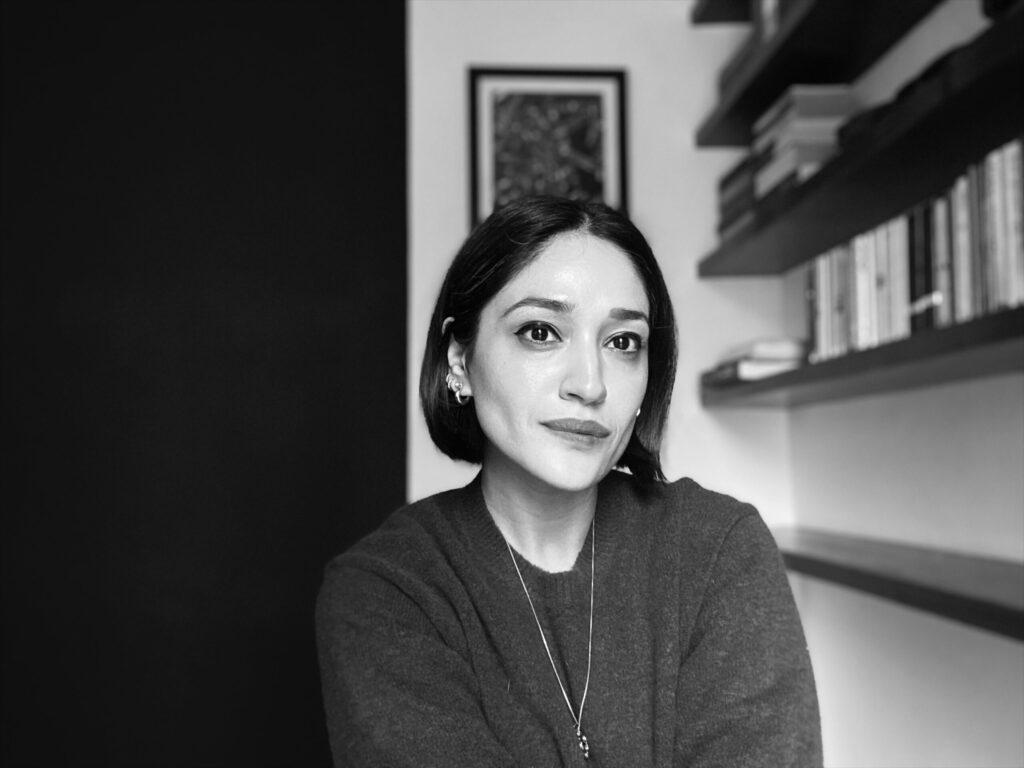
About the Guest(s):
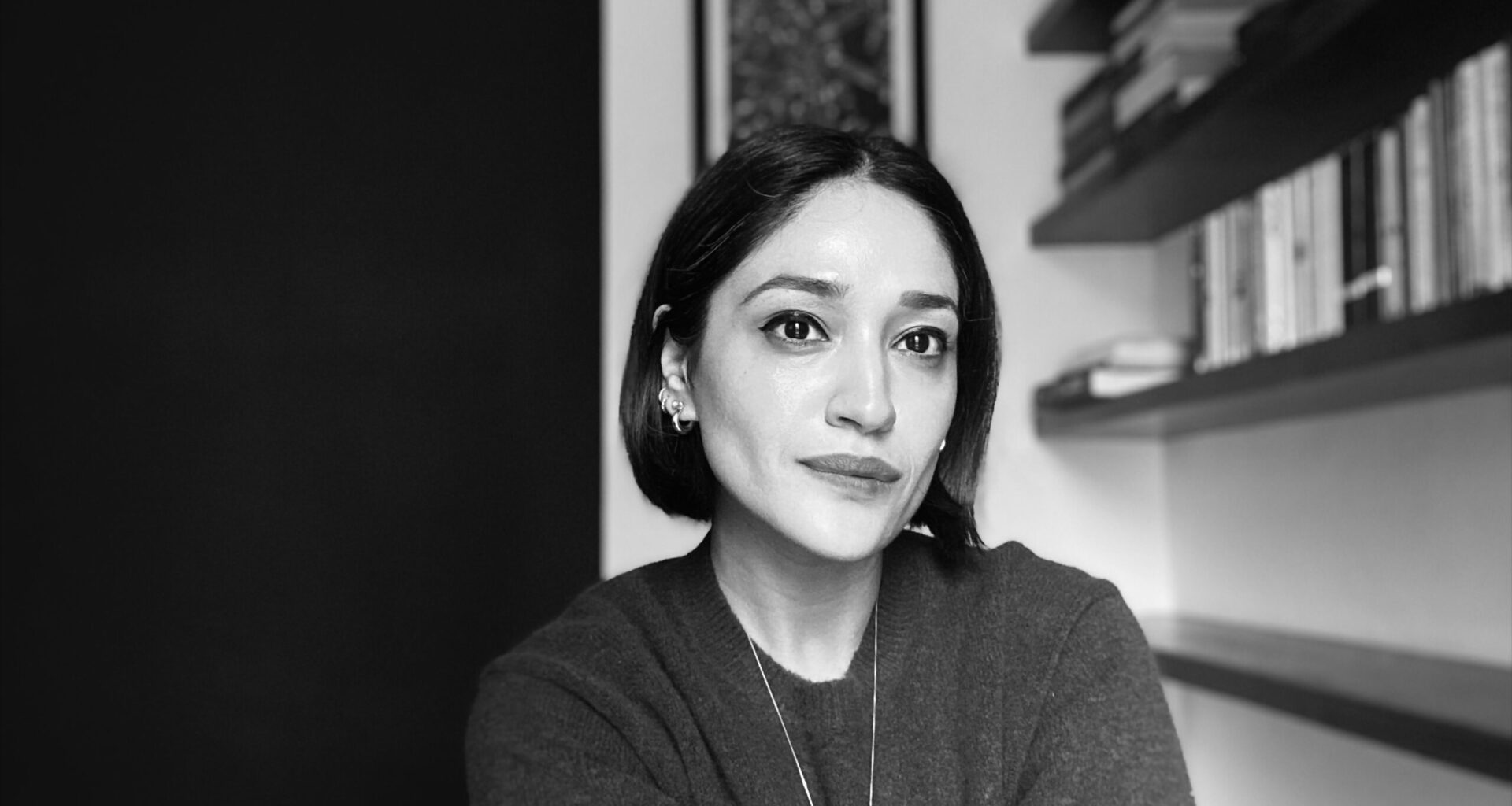
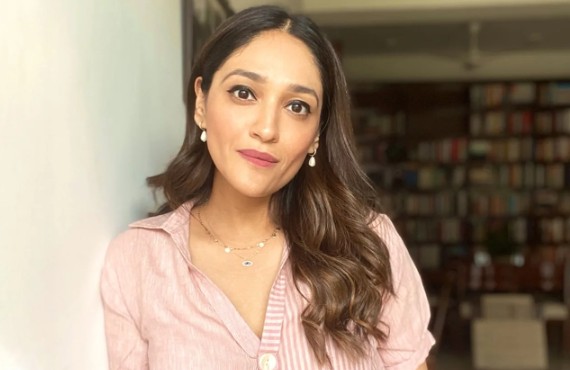
Aanchal Malhotra (b.1990) is an oral historian and writer from New Delhi, India. She is the co-founder of the Museum of Material Memory, a crowd-sourced digital repository tracing family histories and social ethnography through heirlooms, collectables and antiques from the Indian subcontinent. Malhotra has written extensively on the 1947 Partition and its related topics. Her first book, published in South Asia as Remnants of a Separation (2017) and internationally as Remnants of Partition (2019), won the Council for Museum Anthropology Book Award 2022, and was shortlisted for the Sahitya Akademi Yuva Puraskar, British Academy Book Prize, Hindu Lit for Life Non Fiction Prize, Kamaladevi Chattopadhyay NIF Book Prize and the Shakti Bhatt First Book Prize. Her second book, In the Language of Remembering, tracing the long-term, cross-border, generational legacy of Partition, was published to critical acclaim in early 2022 and named one of History Today’s Best Books of the Year. Malhotra’s latest work is a debut novel titled The Book of Everlasting Things.
David Godwin Associates represent her.
Episode Summary:
In this engaging conversation, Aanchal Malhotra shares her journey as a writer and artist, exploring the significance of stories, material culture, and the impact of partition on personal narratives. She discusses her creative process, the importance of intimacy in storytelling, and her project, the Museum of Material Memory, which aims to democratize the narrative of material culture in South Asia. The discussion highlights the common threads that connect diverse experiences and the evolving nature of intimacy in a digital age.
Key Takeaways
- Takeaways
- Aanchal Malhotra emphasizes the importance of stories in shaping our identities.
- Growing up in a literary family influenced her journey as a writer.
- The impact of partition is deeply personal and often unspoken.
- Material culture serves as a powerful medium for storytelling.
- The Museum of Material Memory aims to democratize narratives of material culture.
- Intimacy in storytelling is crucial for connecting with others.
- Human adaptability is a significant aspect of survival and resilience.
- The act of listening is becoming increasingly rare in today’s fast-paced world.
- Art and memory are intertwined, creating a rich tapestry of experiences.
- The significance of personal objects in preserving memories and histories.
Notable Quotes:
“You can only travel through books.”
“Human adaptability is enormous.”
“I would probably say like intimacy.”
Charuka Arora is the founder of the Arts to Hearts Project and Host of the Arts to Hearts Podcast. She is also an acclaimed Indian artist known for her contemporary embellished paintings. Her unique blend of gouache, collage, embroidery, painting, and drawing explores the intersection of art, culture, heritage, and womanhood. Through her work, she tells stories of female strength and encapsulates them in pieces that can be treasured for generations.
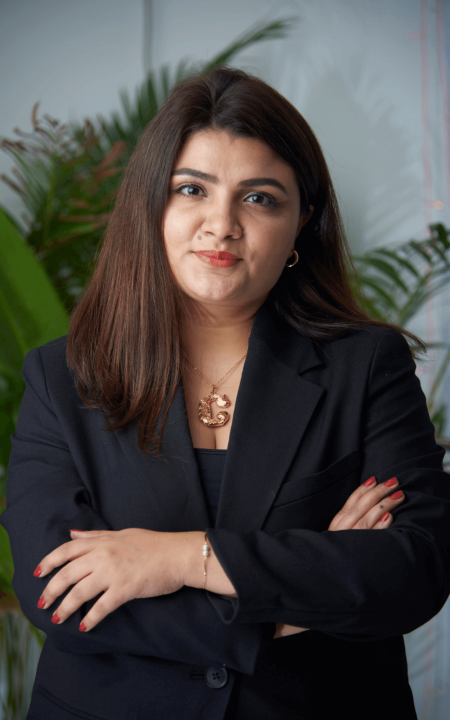
Charuka’s work draws inspiration from Hindu mythology, recognizing women as vessels of Shakti, the cosmic energy. She beautifully portrays powerful goddesses like Durga Maa riding a tiger or lion, symbolizing their unlimited power to protect virtue and combat evil.
Through her art, Charuka invites us into the world of women, showcasing their beauty, strength, and resilience. Her creations not only exhibit exceptional talent but also serve as an inspiration and a symbol of hope for those challenging societal norms.
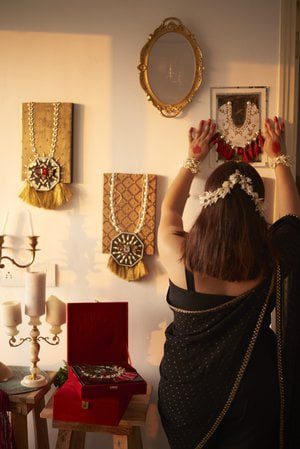
Arts to Hearts Podcast is a show delving into the lives and passions of renowned artists. From running creative businesses and studio art practices to cultivating a successful mindset, Charuka Arora engages in heartfelt conversations with her guests. Experience your personal happy hour with your favorite artists right in your studio.
Through candid discussions, Charuka and her guests reveal the joys and challenges of a vibrant creative life, both within and beyond our studios. Get ready to be inspired and uplifted as you tune in.
Aanchal Malhotra (b.1990) is an oral historian and writer from New Delhi, India. She is the co-founder of the Museum of Material Memory, a crowd-sourced digital repository tracing family histories and social ethnography through heirlooms, collectables and antiques from the Indian subcontinent. Malhotra has written extensively on the 1947 Partition and its related topics. Her first book, published in South Asia as Remnants of a Separation (2017) and internationally as Remnants of Partition (2019), won the Council for Museum Anthropology Book Award 2022, and was shortlisted for the Sahitya Akademi Yuva Puraskar, British Academy Book Prize, Hindu Lit for Life Non Fiction Prize, Kamaladevi Chattopadhyay NIF Book Prize and the Shakti Bhatt First Book Prize. Her second book, In the Language of Remembering, tracing the long-term, cross-border, generational legacy of Partition, was published to critical acclaim in early 2022 and named one of History Today’s Best Books of the Year. Malhotra’s latest work is a debut novel titled The Book of Everlasting Things.
David Godwin Associates represent her.
Some conversations feel less like interviews and more like sitting across from someone with a cup of tea, piecing together fragments of memory. My recent chat with writer and historian Aanchal Malhotra for the Arts to Hearts Project podcast was one of those. We spoke about stories, heirlooms, history, and the way objects hold lives within them.
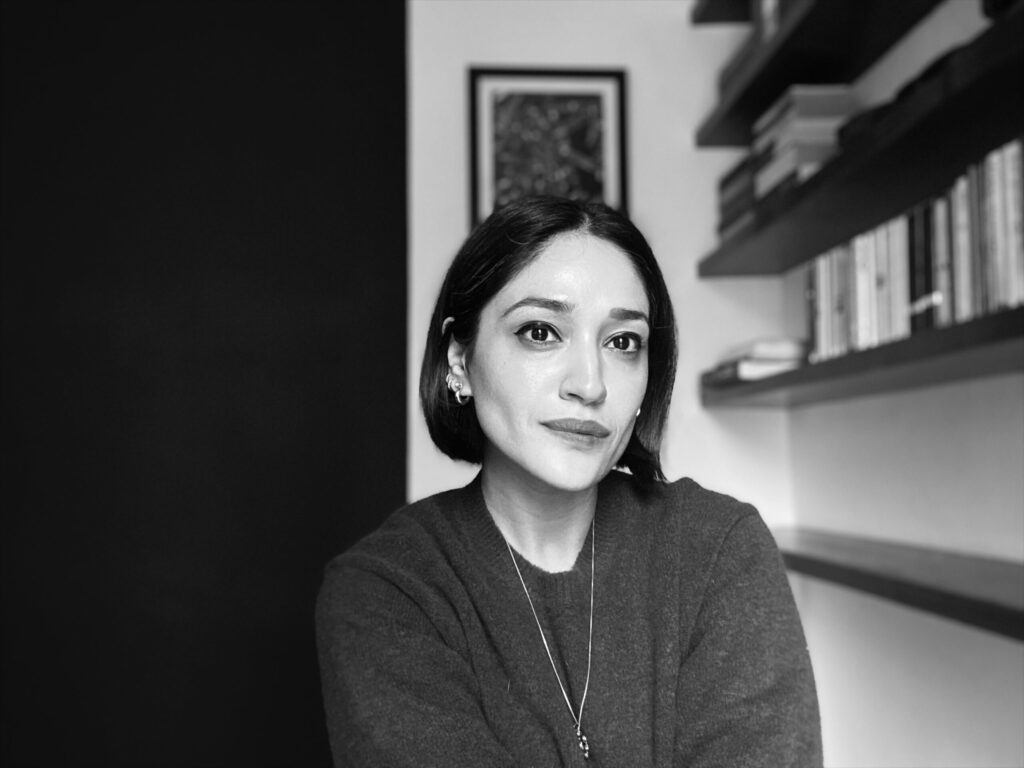
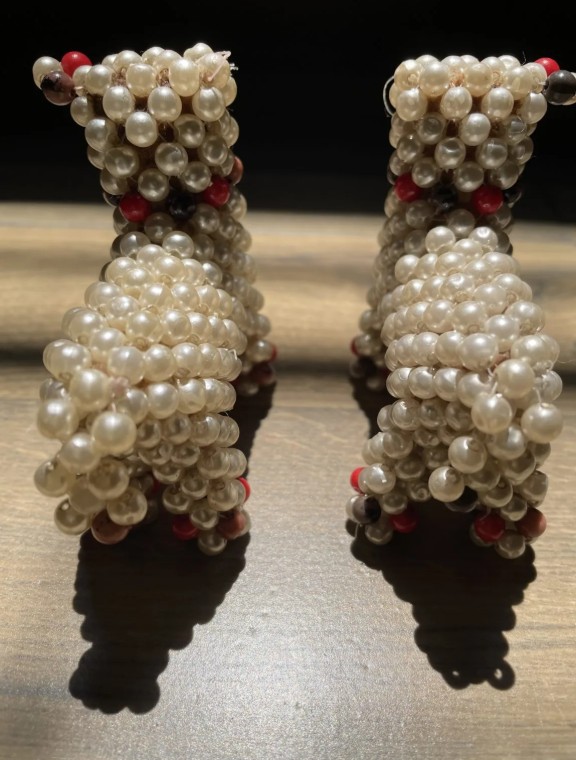
Growing up with books everywhere
Aanchal was born into a family that runs one of Delhi’s oldest bookstores. “When you grow up reading books, and books are sort of like the wallpaper of your lives, you don’t think that you’re going to have something as good to say ever to be published in one of those books.” She explained that while books were always around, nobody forced her to read or prescribed what she should read. It was her curiosity that led her to find comfort in them. Her grandfather, who started the shop in the 1950s, would often let children sit and read for hours without buying—something that continues at the shop to this day.
From dreams of art to the discipline of printmaking
As a child, Aanchal wanted to be an artist. She studied visual arts and specialised in metal engraving and printmaking. For her, the printing press was not just technical, but also a way to merge creativity with structure: “I really spent time with the printing press and devoted myself to it. I think that’s when I started thriving because I understood that I need a bit of structure in my life, even in the form that I’m pursuing, and printing gave that to me.” The blend of science, mechanics, and creativity in printing made her feel at home. It was a discipline that demanded the body, the mind, and the heart to work together.
Discovering the silence around Partition
During her master’s thesis, Aanchal turned her attention to a subject that had always hovered in silence—the Partition of India in 1947. All four of her grandparents came from what became Pakistan, yet she realised she knew almost nothing about their experiences. “I was shocked at the fact that someone I knew had lived through something so momentous that had been taught to us in history books, but not with the same urgency and relevance that would make us go home and ask about it.” When she asked her family about Partition, the answers didn’t come easily. She was often met with questions in return: Why do you want to know? Or what do you know about it? She later understood that trauma frequently buries itself under silence, shame, and grief.
When you live in the West, the idea that someone else can tell your story is so crippling because it’s always been done. I just realized living there that it’s so important to put words—our own words—to our own story.
Aanchal Malhotra- Arts to Hearts podcast s05e06
Objects as time travel
As we spoke, I shared my own story of how I now see my late mother’s clothes differently. Her sarees, once just material, have become a way to carry her presence with me. Wearing them feels like stepping back into moments we shared. “You know, these are not clothes anymore. They are time travellers. They let me hold her presence when she is not physically here,” I told Aanchal. This exchange tied beautifully with her work. Both of us found that things are never just things—they are carriers of memory, character, and intimacy. Navigating identity and expression in the West, Aanchal also spoke about her time studying abroad, where she often faced expectations about what “Indian art” should look like. She emphasised that arriving at the point of drawing from cultural memory isn’t automatic. It comes after a phase of rebellion, after pushing away expectations, and after finally realising the importance of telling your story in your way.
What we learn from stories and heirlooms
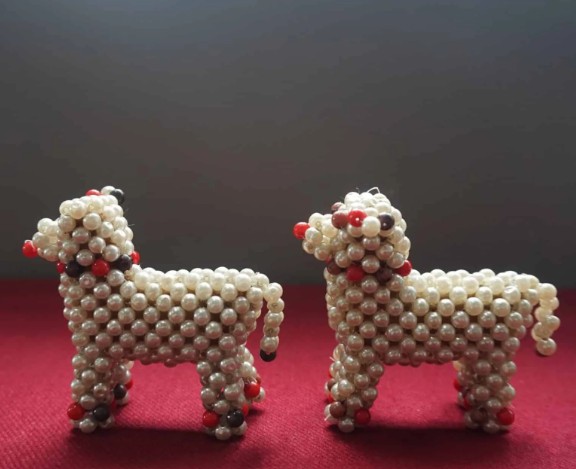
This conversation reminded me that memory is layered—it’s spoken, unspoken, and sometimes preserved in objects we carry forward. Aanchal’s journey from visual art to oral history, and from silence to storytelling through objects, shows us how the past is never truly gone. It lives on in the things we inherit, the stories we ask, and the silences we choose to listen to. As she put it: “You can’t not do it. You have to feel so strongly about a subject, almost obsessively, to give all your time, brain space, effort, energy, to it.”
When objects stop being just things
When we think of objects, most of us see them as just things. Clothes, books, utensils—everyday items that surround us. But in this conversation between Charuka and writer-historian Aanchal Malhotra, these “things” take on a new life. They become carriers of memory, intimacy, and history—sometimes more alive than the people they once belonged to. Charuka begins by sharing how her mother’s sarees have transformed into something far more than clothing: “These are not clothes anymore. They are time travellers. Like she’s not here physically, but for me, these have become things for me to be able to carry her with me physically, to be able to feel that kind of intimacy.” This resonated with Aanchal’s research on memory and migration. She points out that an object only comes alive when infused with memory: “An object is just an object until you infuse it with memory, and only then does it become so full of life that sometimes it’s more painful than having the person that it originally belonged to near you.”
Memory, migration, and what people carried
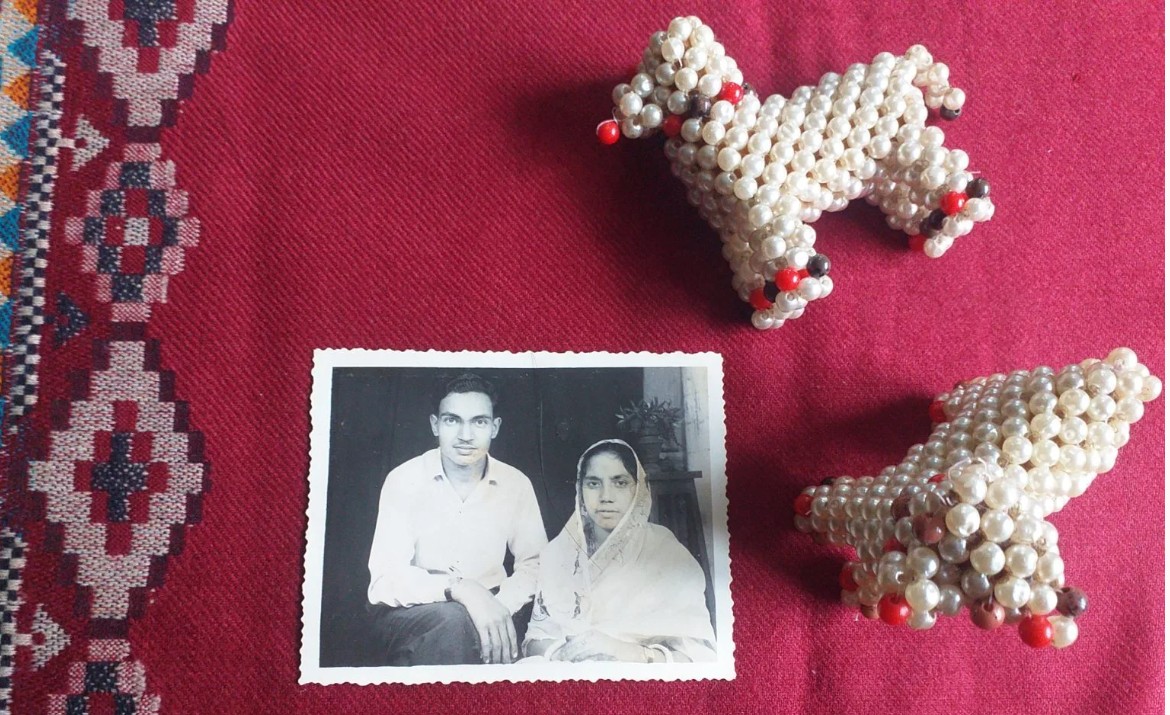
From sarees to locks and keys, objects narrate stories of migration and longing. Aanchal explains how, during Partition, many people carried the simplest of objects—keys, a dupatta, a lock from their home—believing they would soon return. For many, that return never came. “The things you carry show the state of your migration as well. And then of course, there’s the thing of what do you wish you could have carried that you didn’t carry.” Through her work, she has seen how these objects speak not only of personal lives but also of large-scale histories of violence, loss, and rebuilding.
Living in a time of speed and noise
The conversation then moves into today’s world—where immediacy, technology, and noise dominate. Aanchal shares how she struggles with this pace: “The immediacy of everything has robbed us of the act of respect and waiting. I feel like I’m always trying to live a simpler life… not so interested in accumulating stuff or churning out book after book. I’d rather, 20 years later, someone still be reading me because I spent five years working on something long-lasting.” For her, a slower and smaller life means focusing on depth, intimacy, and respect—for people’s stories, for history, and for the time it takes to tell them well.
Touch, tactility, and fading intimacy
Charuka reflects on how physicality and tactility shaped her—shopping for fabrics with her mother, holding hands with grandparents, and the comfort of touch. She worries that this tactility is vanishing in a digital world. Aanchal agrees, but explains how her work allows her to keep that intimacy alive: “The fact that you can sit in front of somebody, record their story, if they start crying, reach out and hold their hand, it means something. And I think I’ve taken a very conscious choice to have a career that allows me to do that, to really listen to the voice, not just hear it.”
The Museum of Material Memory
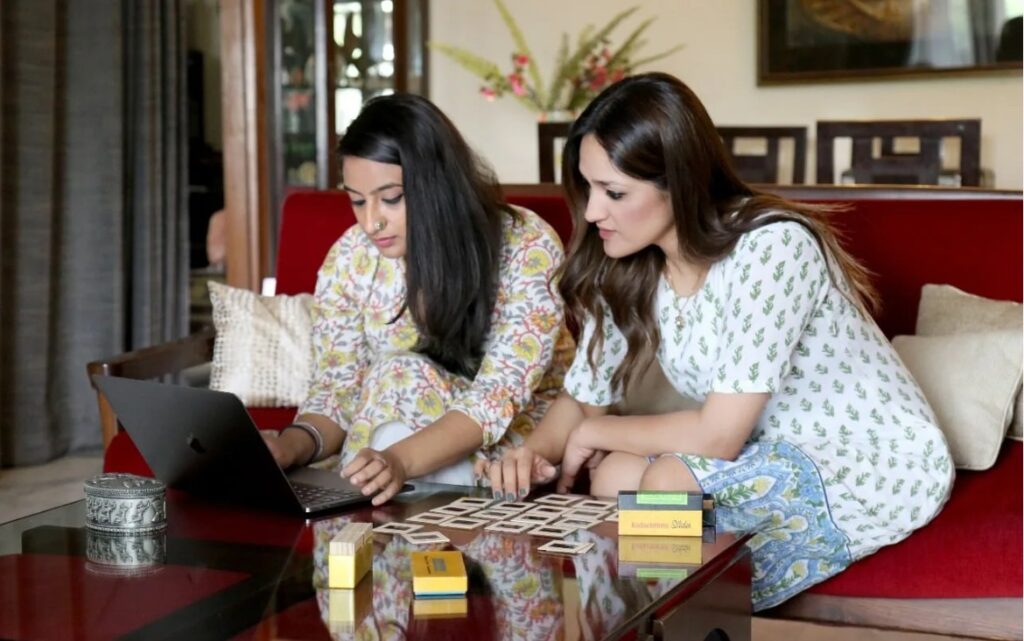
One of the highlights of Aanchal’s work is the Museum of Material Memory, a digital platform she co-founded. It is a growing archive of everyday objects from across South Asia. Unlike traditional museums, where items are placed behind glass, this digital archive allows people to submit their family heirlooms, photographs, utensils, or books along with the stories tied to them. “We humanise the narrative. So an object is not just an ink pot from 19th-century India. It is a particular ink pot that once belonged to a family that used it in this way.” The idea is to democratize history, to allow ordinary people to document what shaped them, and to show how different lives intersect through material culture.
Similar lives, different places
Charuka shares her realisation from running the podcast: despite cultural and geographical differences, women across the world experience surprisingly similar struggles. Whether in India, Canada, Europe, or the US, women continue to navigate questions of identity, tradition, and roles in society. Even ancient stories like that of Draupadi in The Palace of Illusions resonate today.
Quick questions with Aanchal
To end the conversation on a light note, Charuka asks Aanchal a series of rapid-fire questions. Some highlights:
One object she’d never part with: “A watch that once belonged to my grandfather’s sister.”
Partition objects that moved her most: “The ordinary ones—the lock someone brought from their home, the set of keys, the dupatta they wore when they came.”
Her creative escape: “Music. Usually classical, Indian or Western.”
A city whose history she’d love to archive: “Calcutta. It’s a syncretic city with perceptible history in every road.”
One word for her work: “Intimacy.”
A book that shaped her storytelling: The Reader by Bernhard Schlink.
This episode is a reminder that memory is not just about the past—it is alive in the present through the objects we inherit, the stories we tell, and the ways we carry history forward. For Aanchal, it’s about intimacy, listening, and slowing down in a world that constantly demands speed.
As she beautifully puts it:
“When you infuse memory with material culture, really there is such a magic that happens because you see how the object comes to life because it’s used in life.”
Aanchal Malhotra- Arts to Hearts podcast s05e06
And perhaps that is the invitation this episode leaves us with—to look again at the things around us, and to see the stories quietly waiting inside them.
To learn more about Anchal, visit her website and Instagram link.
Click here to read more about the Arts to Hearts Podcast and its episodes.
Listen to this & other episodes on
How Artist Sarah Fishbein Turns 1950s Romance Comics into Modern Paintings
Inside Susie Sprinkel’s Art Stories Woven with Fabric and Thread
How The Restless Creative Anita Clipston Turns Trauma into Art
Inside Radhika Gupta-Buckley’s Creative Journey with Indian Roots