

How the Unseen Parts of Life Make Their Way Into Art | Katarina Jacobs

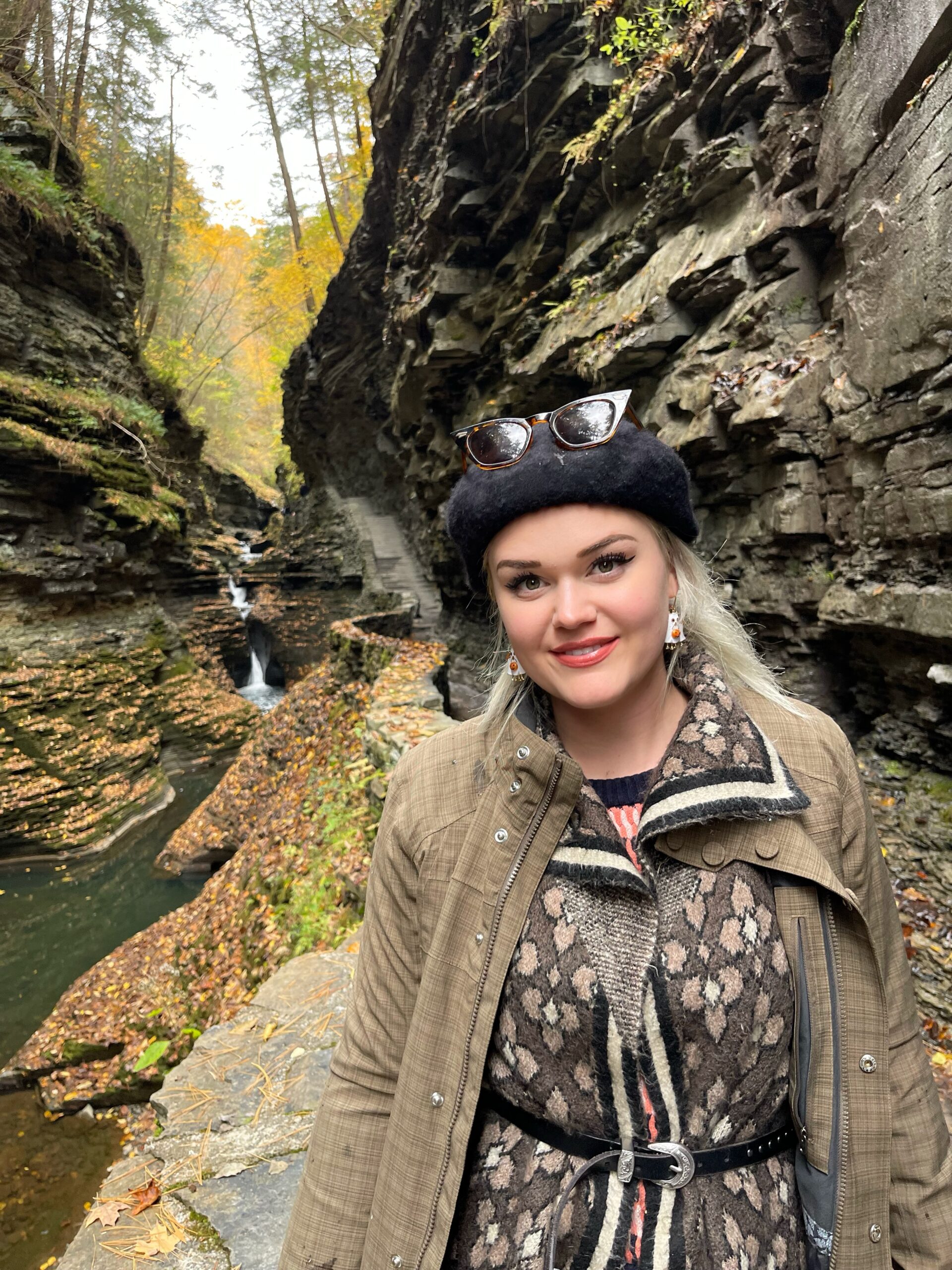
In this Arts to Hearts Project interview, we speak with painter Katarina Jacobs, whose work is shaped by a fascination with nature, biology, and the hidden layers of human emotion. Katarina walks us through her creative world—one that’s filled with twisting, biomorphic shapes and immersive environments that seem to breathe and shift with every glance. She shares how her paintings come from a mix of curiosity, sensation, and the constant push and pull between control and spontaneity.
Through our conversation, we learn how her work explores what lies beneath the surface—both in the natural world and within ourselves. Katarina talks about starting with familiar forms and then taking them into unfamiliar territory, about finding meaning in mistakes, and about how everything—our thoughts, bodies, and relationships—is connected in quiet, intricate ways.
Katarina Jacobs is a featured artist in our book, “100 Emerging Artists 2025” You can explore her journey and the stories of other artists by purchasing the book here:
https://shop.artstoheartsproject.com/products/the-creative-process-book

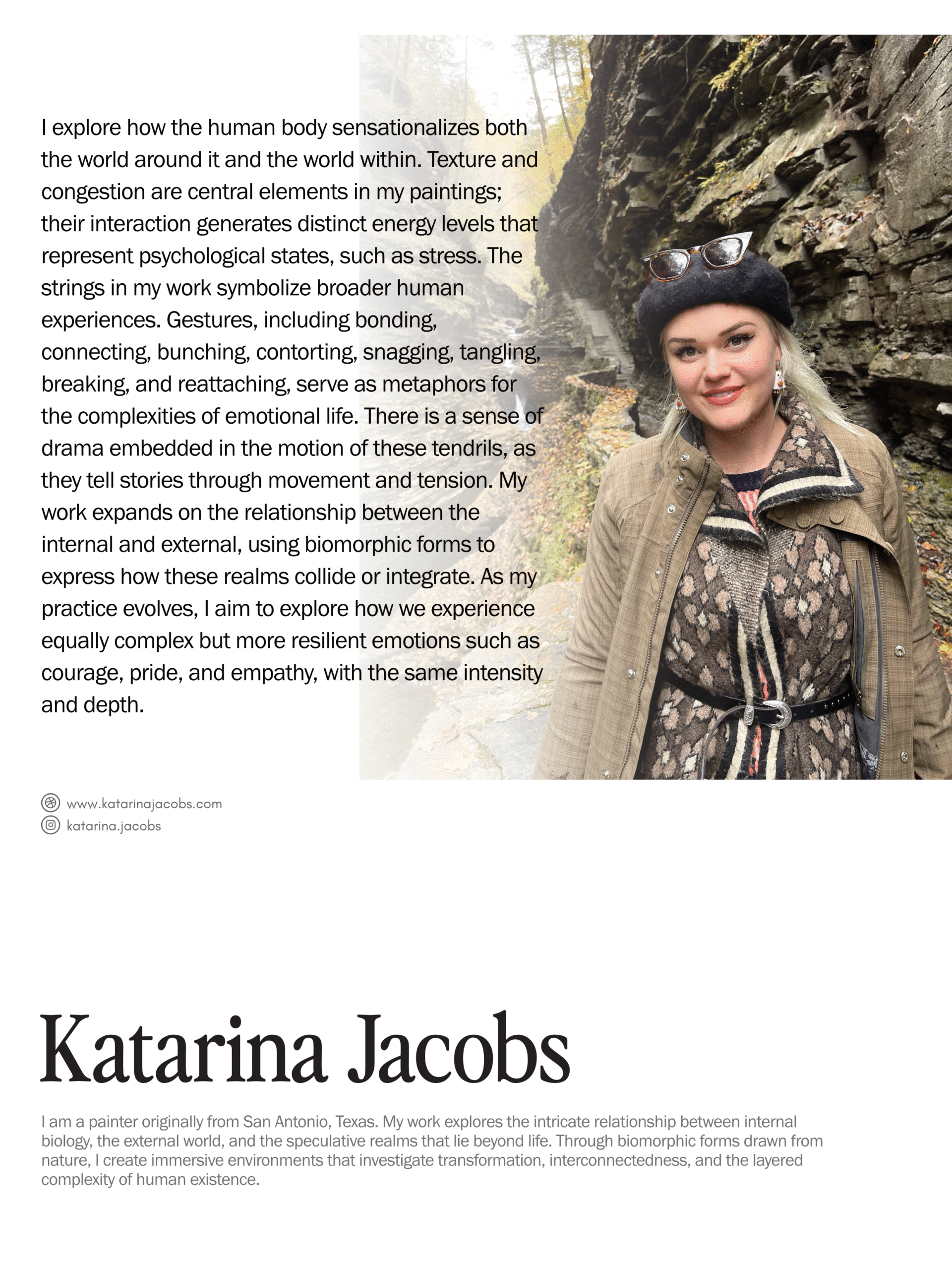
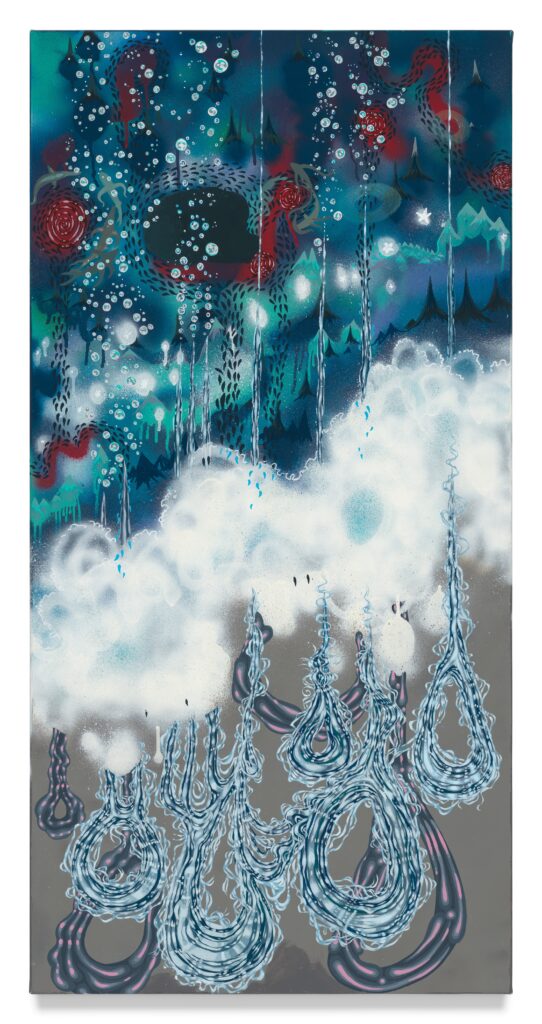
My paintings explore the natural occurrence of organic complexity within our biology, world, and beyond. Through naturally occurring biomorphic forms, I create immersive environments that embody transformation and interconnectedness. Inspired by natural structures, unseen forces, subconscious imagery, and bodily sensations, I attempt to blur the boundaries between comforting familiarity and the unpleasant unknown. My process involves both spontaneity and control, reflecting the tension between the fear of uncharted territory and the impulsive excitement of exploring it. This internal curiosity drives a personal quest to understand our individual existence.
1. You’re drawn to biomorphic forms and natural structures—what first led you to explore these shapes in your work?
I’ve always been enchanted by the way nature embodies complexity and transformation, particularly in the organic forms that make up our biological and environmental worlds. From cellular structures to the unseen forces shaping our surroundings, these forms speak to the interconnectedness of all life and the discovery of ourselves. My work began as an attempt to visualize these hidden structures and their relationship to raw human experience. I found biomorphic shapes and tendrils to be a powerful tool for exploring transformation, growth, and the way we perceive ourselves in relation to our environment. These forms, which often appear both familiar and alien, are a way for me to evoke the tension between the known and the unknown within ourselves, drawing the viewer into a deeper dialogue with the natural world and the subconscious.
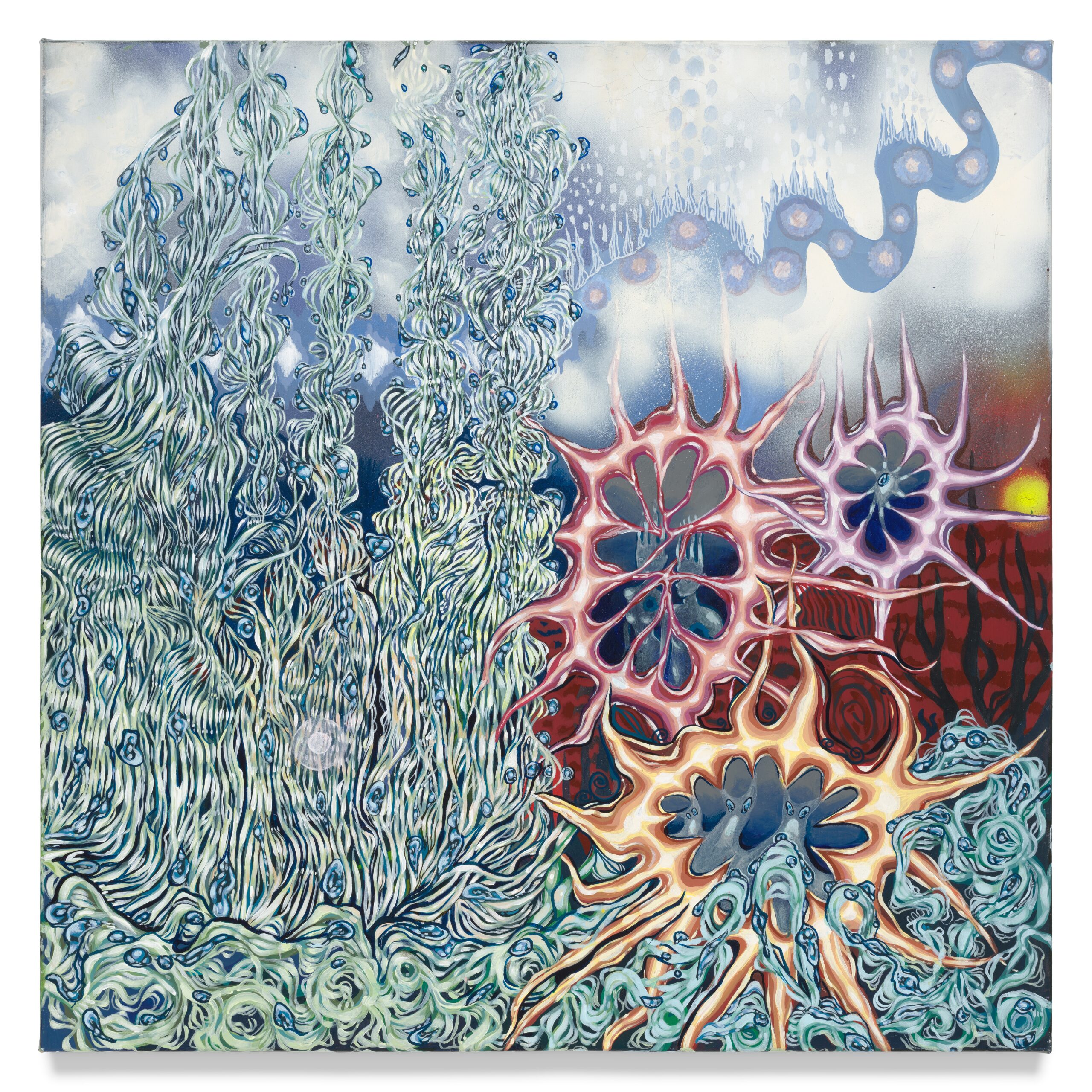
2. You talk about blurring the line between the familiar and the unknown—how do you navigate that tension while painting?
I often start with forms and structures that are inherently familiar, biomorphic shapes, natural patterns and organic textures, because they provide a grounding point for the viewer. From there, I deliberately push these shapes into unfamiliar or unexpected territory, whether through the distortion of form, the use of abstracted colors, or the layering of elements that evoke subconscious imagery and symbolism. I’m drawn to opposites- such as biology and technology, evolution and spirituality, and strength in vulnerability and how these forces blur together in unexpected ways.
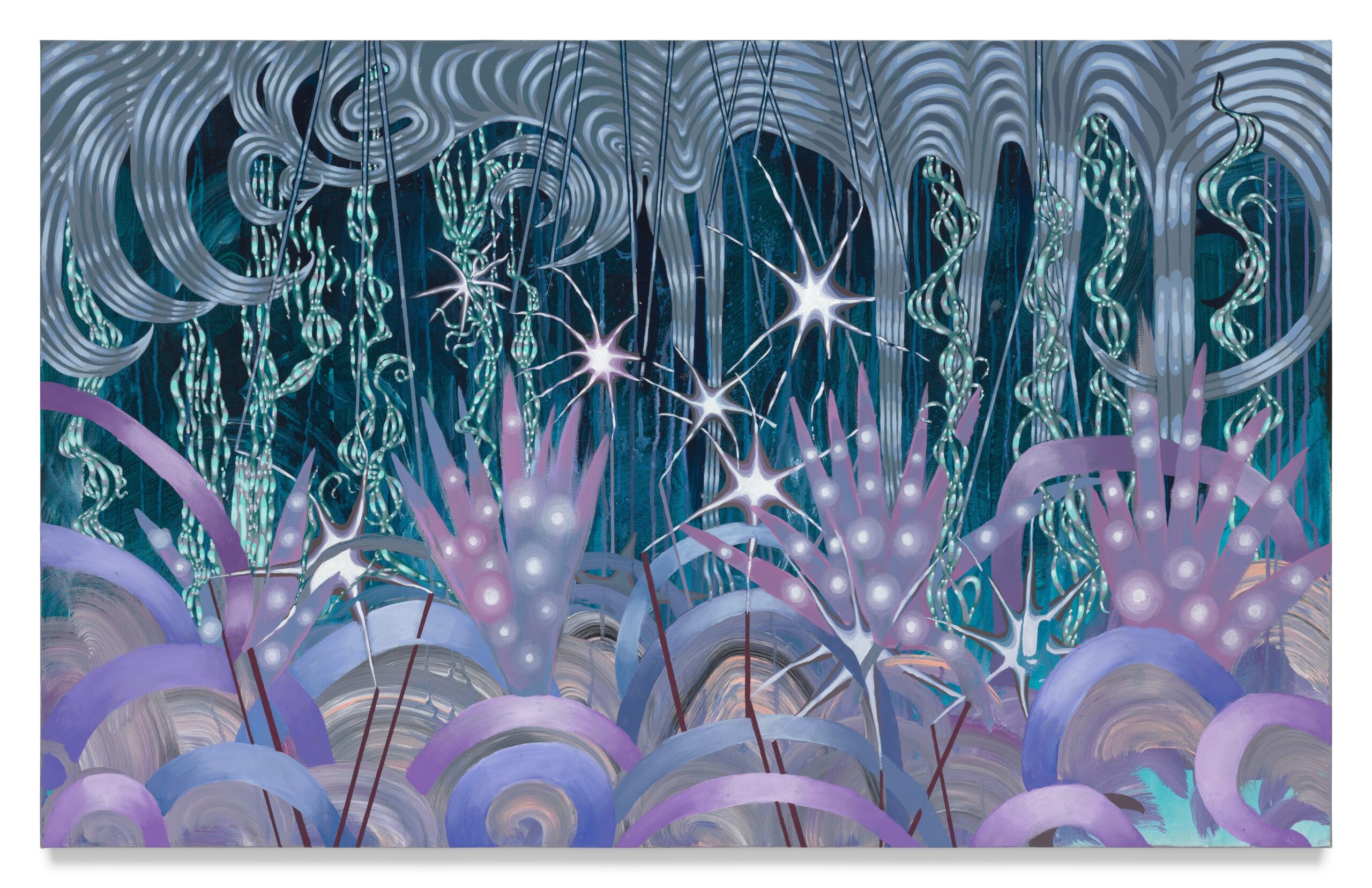
3. Your process involves both control and spontaneity—how do those two forces show up in the studio?
I remind myself that although I’m rewarded by the technically driven aesthetic detail of a painting, I am most fulfilled by the authenticity of mistakes. I have a tendency to control whatever I can in my life, so these “mistakes” are multifaceted and maybe performative, similar to authentic human emotion. I tend to incorporate certain elements that are visceral and stand out quickly in the congested and overly-controlled base of my paintings. Subconsciously, the density and time-consuming areas of the painting are complemented by the quickness of spontaneity, amplifying their sensory impact like a change in tempo in a song.
4. Do you see your work as a way to process bodily sensation or emotion, or is it more of a visual investigation?
Both. It’s a sensory exploration of emotion. My work processes internal experience through external form. There’s a translation happening between what’s felt and what’s seen. I use biomorphic shapes and dense, layered environments to mirror the complexity of emotional and physical sensation. I often need to feel something intensely to feel satisfied with my production, which is a challenge. It’s not just about representation, but about revealing the internal rhythm or dissonance that we sometimes call the soul.
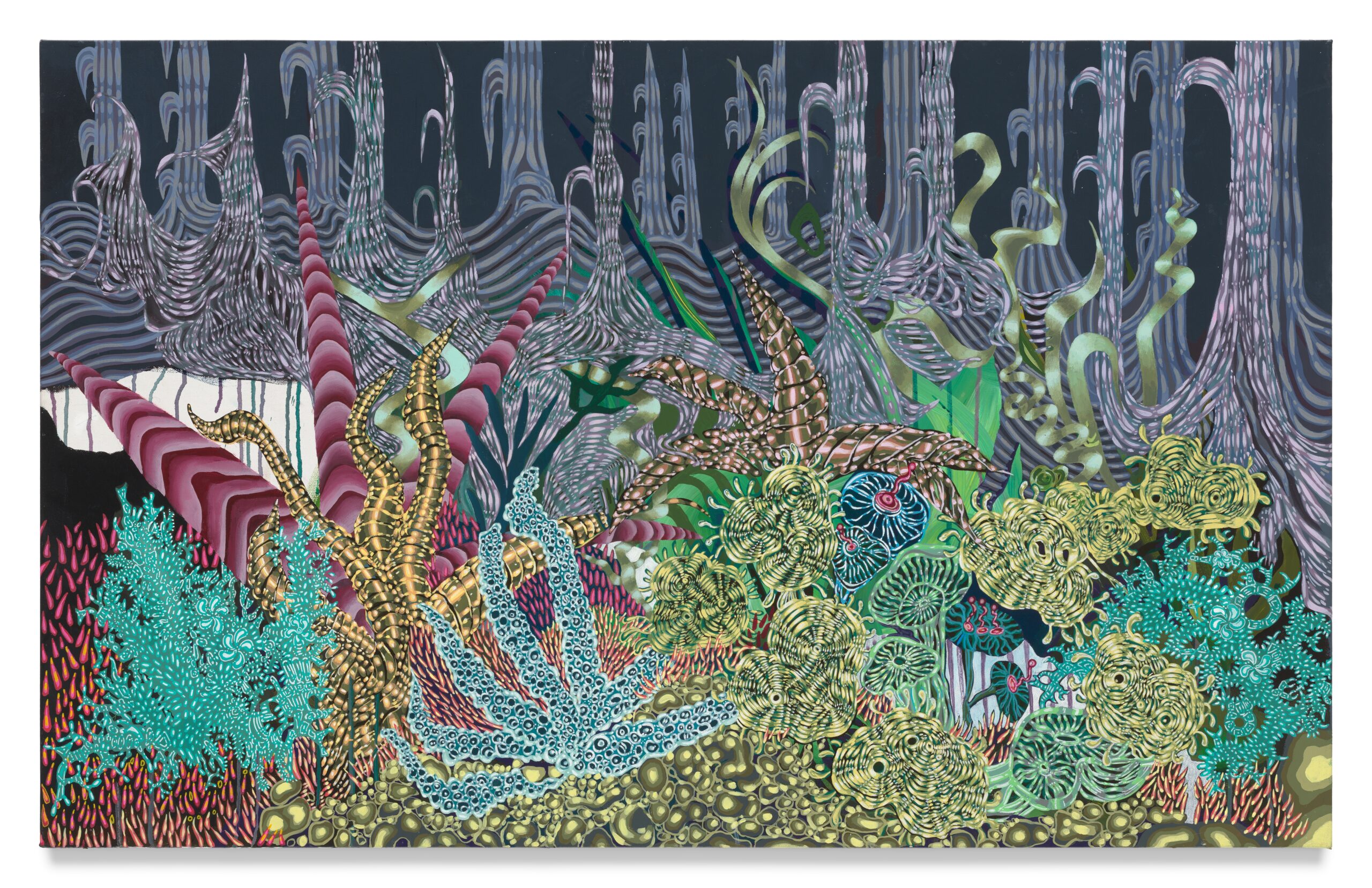
I remind myself that although I’m rewarded by the technically driven aesthetic detail of a painting, I am most fulfilled by the authenticity of mistakes.
Katarina Jacobs
5. What does ‘interconnectedness’ mean to you when you’re building these immersive environments on canvas?
When I’m building these immersive environments, I’m thinking about how everything is bound by patterns, biological, psychological, and social. The forms I paint often tangle, merge, or pull against one another, mimicking the way our internal states are affected by external pressures and relationships. It’s not just about visual cohesion; it’s about showing how tension, attraction, or imbalance between elements can mirror the way we navigate connection in life.
6. Has your curiosity about biology and the unseen shifted over time, or is it a constant thread in your work?
I was initially curious about biology in a more literal or structural way. Over time, that curiosity deepened as I began to understand how the body responds to more complex emotional states, like stress or anxiety. The unseen became less about anatomy and more about the sensation of psychological weight manifesting physically. Now, my work explores that blurry space where emotion and biology intertwine, and how internal shifts can reshape our perception on the world around us.
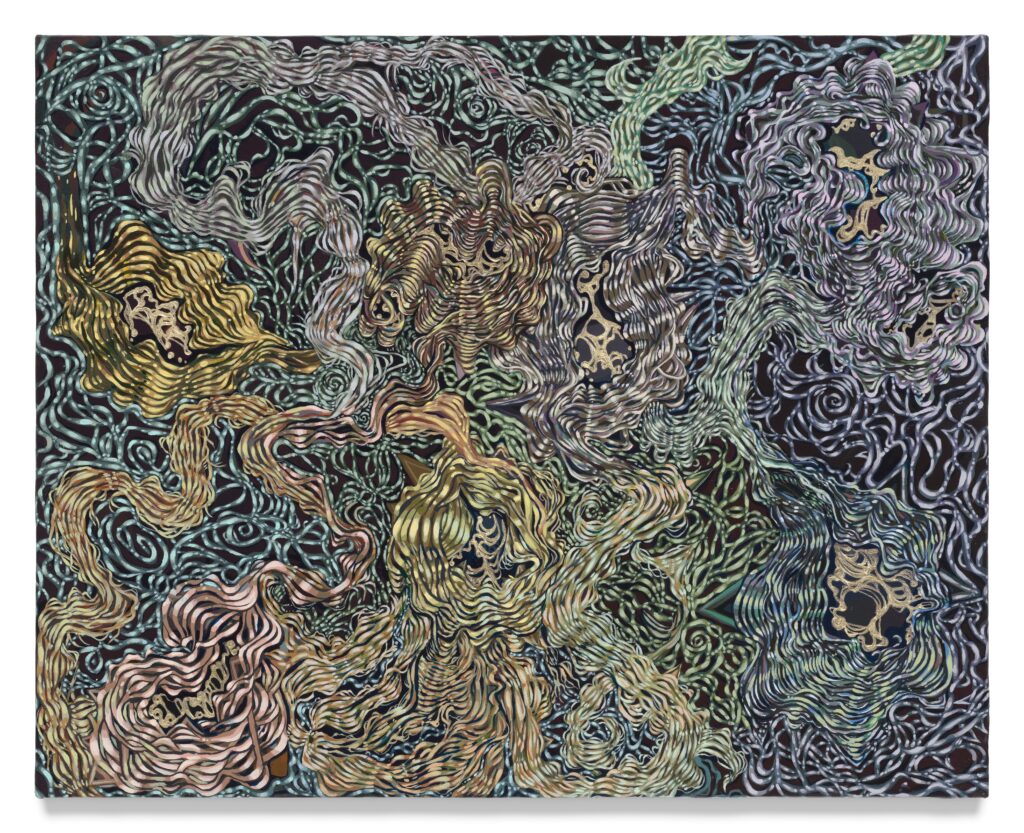
Katarina Jacobs’ artwork invites us into spaces that are as curious as they are layered. Through tangled forms and shifting textures, she explores how biology, emotion, and environment are all tied together. Her paintings are less about showing something specific and more about creating a feeling—of movement, of tension, of being pulled between the familiar and the unfamiliar.
From her process, we’ve learned how important it is to let go of full control, to welcome both precision and chaos in the studio. Katarina’s journey reminds us that what we feel inside often finds its way to the surface, and that it’s worth paying attention to the things we can’t always explain.
To learn more about Katarina, click the following links to visit her profile.
Arts to Hearts Project is a global media, publishing, and education company for
Artists & Creatives: An international audience will see your work of art, patrons, collectors, gallerists, and fellow artists: access exclusive publishing opportunities and over 1,000 resources to grow your career and connect with like-minded creatives worldwide. Click here to learn about our open calls.