



What Makes a Gallery Matter? Galleri Ramfjord Opens Up in This Must-Read Interview for Artists

👁 124 Views
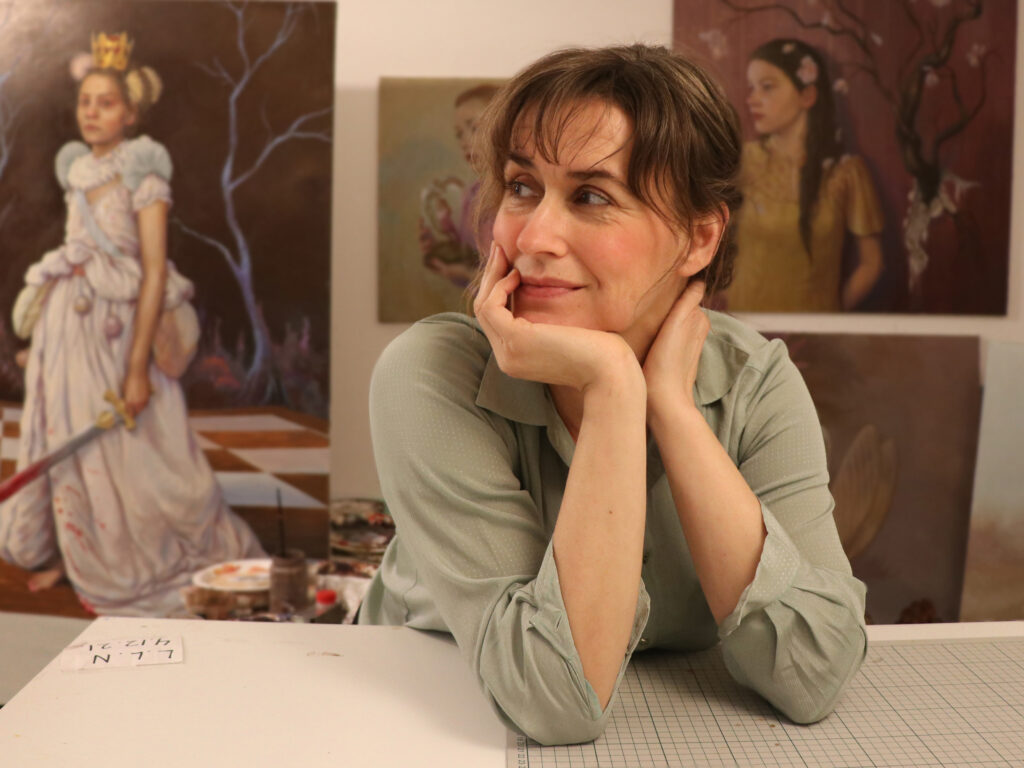
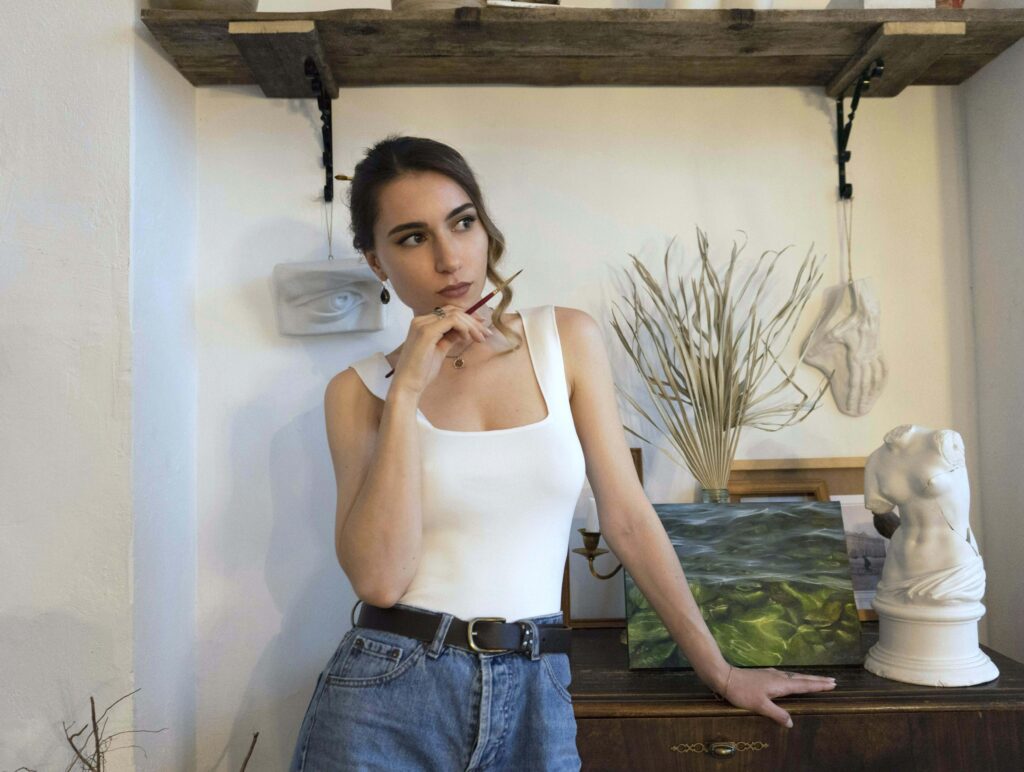
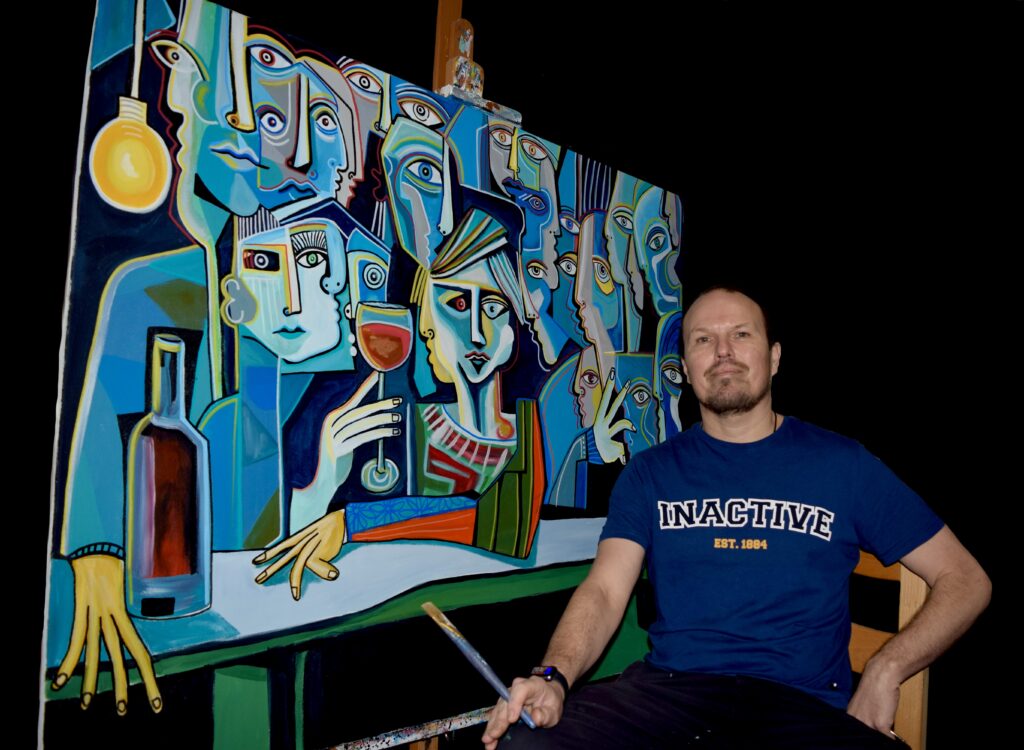
In today’s interview, we are delighted to have Galleri Ramfjord, a popular name in the Nordic art scene since 1998. With a mission rooted in discovery and mentorship, the gallery has become a storehouse for established voices as well as a nurturing ground for emerging artists. Its approach is deeply personal and inclusive, bridging the traditional with a spirit of contemporary art. Representing artists from across the globe, the gallery carves experiences that go beyond the visual, where each exhibition is a conversation, and each piece gives a fresh perspective into new emotional terrains. In this interview, Galleri Ramfjord shares its vision, process, and passion for cultivating creativity that speaks across borders and generations.
Galleri Ramfjord was founded in 1998. How has the gallery’s mission evolved from championing newcomers to balancing emerging and established artists?
When I founded Galleri Ramfjord in 1998, the primary mission was to provide a platform for emerging artists who hadn’t yet found a space within the commercial art world. I was passionate about discovering new talent and creating opportunities for artists who deserved to be seen.
Over the years, as many of those “emerging” artists developed into established names, the gallery naturally grew with them. This evolution has allowed us to strike a unique balance—continuing to support new voices while also presenting internationally recognized artists. We see it as a dynamic dialogue between generations: established artists bring credibility and depth, while emerging artists bring energy and experimentation. That tension keeps the program alive and relevant. Today, our mission remains rooted in discovery, but we also aim to create long-term careers for our artists by placing their works in collections, institutions, and international contexts. Whether they’re just beginning or already known, we look for authenticity, craftsmanship, and a compelling visual language.

What role does your gallery play in shaping public engagement with contemporary art?
Galleri Ramfjord aims to make contemporary art accessible and relatable. We create a welcoming space where people—regardless of their background or experience—can connect with art on an emotional level. Through exhibitions, artist talks, online and physical auctions, and international art fairs, we try to bridge the gap between the public and the art world. By supporting artists at all stages of their careers and encouraging dialogue around their work, we hope to foster curiosity, connection, and a deeper appreciation for contemporary art. We have hosted several artist residencies at the gallery, opening our doors to the public on weekends. This has given visitors a unique opportunity to meet the artists, engage with them, and witness the creative process as their works take shape.
Describe how you select artists for your gallery and how do you ensure their works align with your gallery’s philosophy
Each year, we receive over 2,000 applications from artists around the world. With the capacity to represent approximately 40 artists—primarily within figurative art—we maintain close contact with those we work with, planning future collaborations and exhibitions. Social media has played a key role in connecting us globally and discovering new artists who align with the gallery’s vision and aesthetic. For us, art has always been about connection. From the beginning, I wanted Galleri Ramfjord to be a space where people feel welcome—where the art speaks to them, no matter their background or level of experience. I’ve never been drawn to the part of the art world that feels exclusive or disconnected. We work hard to create exhibitions that are emotionally engaging and visually strong, and to represent artists whose work resonates on a human level. Whether it’s through exhibitions or conversations, I see the gallery as a meeting point—between artist and viewer, emotion and expression.

Your gallery has participated in the Market Art Fair (Stockholm), Volta Basel, and Enter Copenhagen. Does participation in these art fairs influence your choice of artists?
Art fairs definitely play a role in how we think about presenting the gallery’s program, but they don’t dictate which artists we represent. I choose artists based on a strong emotional and visual connection to their work—not because I think they’ll fit a specific fair. That said, fairs do encourage me to consider how an artist’s work might translate in different international contexts. Each fair has its own audience, atmosphere, and focus, so I carefully curate the selection for each one. It’s about finding the right balance—staying true to the artist’s voice while also thinking about how their work will engage with new viewers. Ultimately, it’s very intuitive. If the work is strong and authentic, it usually speaks for itself—whether it’s in our gallery in Oslo or on an international stage. Participation is an important step in our long-term investment in artists who are ready for broader exposure and an international platform.
How does your gallery support emerging artists in developing their careers?
Supporting emerging artists has always been at the heart of Galleri Ramfjord. It’s not just about giving them a first exhibition—it’s about building a relationship and helping them grow over time. I work closely with almost all the artists, offering guidance on everything from pricing and presentation to long-term career planning.
We also create opportunities for exposure through solo shows, group exhibitions, and
international art fairs. When possible, we help place their work in collections or connect them with institutions. But just as important is creating a space where they feel supported
creatively—where they can take risks and develop their own voice. I never ask an artist to
make certain works or ask them to adapt to a certain market. I even rarely recommend
artists to make commissions unless it’s very special occasion. An artist’s voice needs to be
unique. Watching an artist evolve and find their path is one of the most rewarding parts of
what I do.

With evolving technology and changing buyer behavior, what do you think about online viewrooms and the intervention of digital media?
Digital tools have definitely changed the way we connect with audiences, and I see that as a positive development—as long as it doesn’t replace the physical experience of art. Online viewrooms, videos, and social media have allowed us to reach collectors and viewers around the world, and during the pandemic, it became a vital way to stay connected. That said, nothing compares to standing in front of an artwork—feeling its scale, texture, and energy in person. Digital media can support that experience, but not fully replace it.
At Galleri Ramfjord, we try to strike a balance: embracing online platforms and communication, while still prioritizing the in-person encounter with art. In the end, I see technology as a tool—not a direction. It’s about using it to enhance connection, not dilute it.

As our conversation with Galleri Ramfjord comes to an end, we are reminded of the role galleries play in shaping the cultural landscape; not just as spaces for display, but as catalysts for connection, experimentation, and artistic courage. Galleri Ramfjord leaves us with an inspiring glimpse into a world where emerging talent is championed, risk-taking is encouraged, and storytelling through art is honored with care and conviction. We thank the gallery for giving us insights about its creative orbit, where community and vision come together to pave way for an ever-evolving journey of contemporary art.