



How To Enjoy Your Holidays Without Stress
👁 103 Views
The holiday week rarely feels empty, even when work slows down. Days fill up with plans, people, messages, errands, and conversations that have been waiting all year to happen. There is joy in that, but there is also a tiredness that builds underneath it. By evening, you may have done nothing “important” on paper, yet feel completely spent.
When life is that full, calm does not simply appear. The mind keeps moving, jumping from one thing to the next, holding onto small worries, half-finished thoughts, and the feeling that there is still something you should be doing. For creative people, this inner noise can be especially loud, because ideas do not clock out just because the season changes.
That is why calm during the holidays often has to be chosen on purpose. Not through long stretches of rest, but through small moments that slow you down. A few minutes where nothing is expected of you, where your attention can soften instead of staying alert.
Creative rituals help create those moments. They are not about discipline or output. They are tiny agreements you make with yourself to pause, breathe, and return to your body and mind, even when the day is busy.
The rituals ahead are made for real holiday weeks. They fit between plans, obligations, and interruptions, asking very little while giving back a sense of steadiness. Small practices that make a full week feel calmer.
1. The “Before Anyone Needs Me” Ritual
This ritual exists for a simple reason. To remind you that you belong to yourself before the day gets its hands on you. Not as a concept, not as a goal.
You do not need an hour. Ten or fifteen minutes works. Timing matters more than length. This happens before the phone wakes up, before plans start stacking, before you shift into responding. In that small window, there is still a version of you that has not been asked for anything yet.
The no consuming, no producing rule matters more than most people expect. Consuming keeps you reacting. Producing asks you to perform, even gently. This space sits outside both. You might open a sketchbook and not touch the page. You might look at an unfinished piece without trying to fix it. You might sit with your tools and notice how they feel in your hands. Nothing needs to happen.
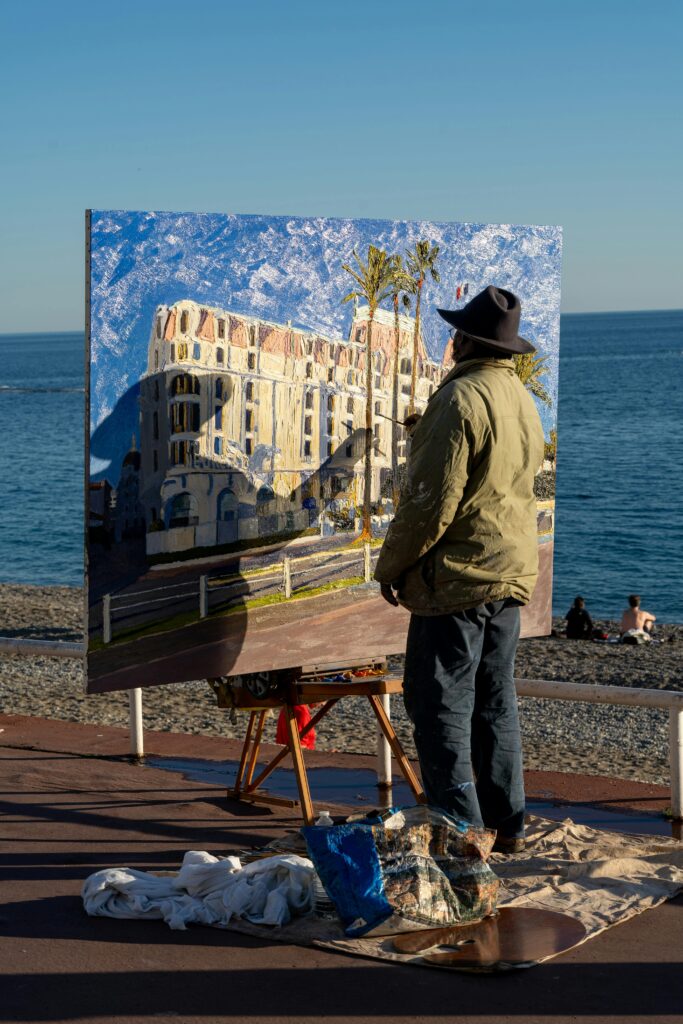
Most artists live in response mode. Deadlines, opportunities, feedback, expectations, even imagined futures. Over time, that outward pull builds tension. Creativity starts to feel tight, watched, slightly behind. These few minutes interrupt that pattern. Your creative self does not owe anyone anything here. It is allowed to exist without being useful.
During holiday weeks, when days feel full but oddly shapeless, this small practice becomes an anchor. Even if everything else gets loud or chaotic, you already met yourself first. That meeting leaves a steadiness behind. You move through the day less braced, less rushed, less on edge.
When done consistently, something deeper shifts. The body starts expecting a gentler opening. The mind stops preparing for impact first thing in the morning. Mornings feel less like something to push through and more like a place you arrive in, already grounded.
2. One Artwork, No Judgment
This ritual asks you to be with art without standing above it. One artwork a day. No fixing. No improving. No running mental diagnostics. It can be yours or someone else’s, as long as you can meet it without switching into professional mode.
Artists are trained to evaluate constantly. That skill keeps careers moving, but it also keeps tension humming in the background. Even during rest, the mind keeps measuring and correcting. During the holidays, when time slows just enough to notice, that voice often gets louder. This practice gives it nowhere to land.
Sitting with a piece this way changes the experience. You notice things you usually skim past. A color that still holds warmth. A small decision that suddenly feels right. Sometimes nothing stands out at all, and that is fine too. Letting the work exist without extracting meaning from it has a calming effect most people do not expect.
Over time, the relationship with art itself softens. Work stops feeling like something you need to solve and starts feeling like something you can sit beside. That shift settles in the body. The shoulders drop. The breath slows. The constant low-grade pressure eases.
After several days, the hovering tension around your own work begins to loosen. The sense of being watched by your own standards fades. Creativity starts to feel companionable again, less demanding, less conditional. That ease quietly carries into the rest of your day.
3. The “Gentle Close” Ritual
This ritual exists because days rarely end cleanly, especially during the holidays. Work spills into evening. Ideas linger. Guilt sneaks into rest. The body lies down, but the mind stays standing. This practice creates a clear, gentle ending.
Five minutes is enough. Do it at roughly the same time each evening, no matter how the day went. Consistency matters more than depth. Start by clearing your space. Put tools away. Straighten what was handled. These actions are not about tidiness. They signal closure. When your eyes see the day wrapped up, your nervous system follows.
Keep a notebook nearby. Write a few lines. What stayed with you. One thing that mattered. One thing you are leaving behind. Naming the residue of the day keeps it from following you into the night.
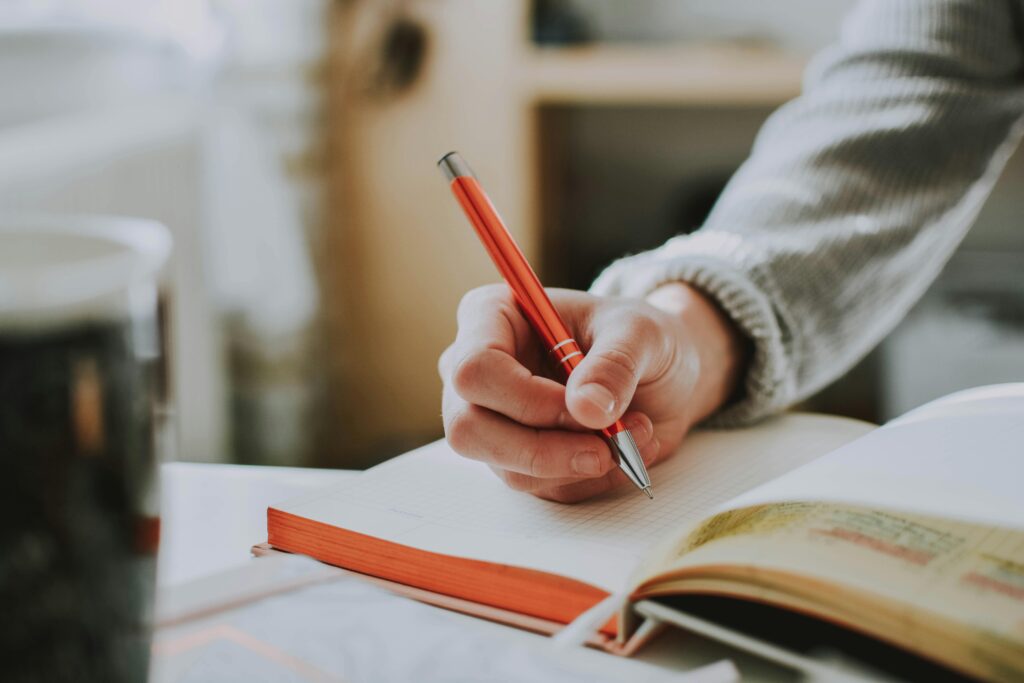
Artists carry unfinished energy long after the work stops. Thoughts loop. Ideas revisit themselves. Rest stays shallow. This ritual draws a line and says the day has held what it can hold. The rest can wait. Repeating that line teaches the mind it does not need to stay alert forever.
After a few days, the body responds faster. Shoulders drop sooner. Breathing deepens without effort. Sleep comes with less guarding. Even scattered or unproductive days feel contained. The day closes cleanly, and the next one opens without yesterday crowding the doorway.
4. The “No One Will See This” Ritual
This ritual is all about creating something purely for yourself, with no expectation of sharing it with anyone. No posting online, no saving it for later, no thinking about how it might look to someone else. The moment you start, the work exists entirely for the act of making it, and that can feel unexpectedly liberating. There’s a soft kind of freedom in knowing no one is watching, no one is judging, and no one will ever see it.
We artists live under constant pressure, even when it’s “just for fun.” Holidays can make that pressure even more, because suddenly there’s extra time and your mind fills it with expectations, comparisons, or worries. This ritual cuts through that weight and lets you be present in the moment with your creativity, without adding stress or performance.You might experiment in ways you normally wouldn’t, try mediums you’ve been avoiding, or make choices that feel messy, unfinished, or unconventional.
You could stop halfway through without a thought of failure or disappointment. When no one is watching, your body eases, your mind quiets, and ideas appear at their own pace.
It’s also a powerful reminder that creativity doesn’t always need a purpose. You don’t need to produce a finished piece, achieve something, or even understand why you’re doing it. That simple permission can quiet the inner critic that often amplifies itself during busy weeks, letting the holidays feel more manageable.
Practicing this regularly rebuilds trust in your own process. Your creativity becomes something you enjoy rather than something you manage or control. It teaches your mind and body that calm can exist even in a full schedule, and it helps you approach all your work from a lighter, more grounded place.
5. Creative Planning That Is Not a To-Do List
This ritual begins by stepping away from the instinct to organize your way out of discomfort. There is no fixing here, no forward mapping, no attempt to make the week behave. You are not trying to improve your creativity. You are trying to listen to it without interrupting.
Take a page and write three things that feel heavy, three that feel neutral, and three that feel supportive. Nothing more. No explanations. No rearranging once they are written. Let them land however they land. Some may feel obvious. Others may surprise you by showing up at all.

What often exhausts artists is not the weight itself, but the constant effort of carrying it invisibly. When something stays in your head, it keeps demanding attention. On paper, it becomes quieter. It stops pressing against the inside of your thoughts. The act of naming creates distance, and distance creates relief.
Holiday weeks blur perception. Everything feels urgent and meaningless at the same time. Planning becomes a way to reassure yourself that you are still in control, even when your energy says otherwise. This ritual refuses that performance. It lets you see the truth of your current state without asking you to do anything about it.
Once the page is filled, you may notice a small shift. Not clarity in the dramatic sense, but a softening. A sense that you are not as behind as you thought. That not everything is heavy. That some things are quietly holding you up without asking for recognition.
Returning to this ritual over several days builds trust with your own internal signals. You learn that awareness alone can steady you. That you do not need to be productive to be oriented. Over time, this kind of noticing becomes a form of care, one that makes even crowded weeks feel less internally chaotic.
6. Body First, Art Second
This ritual asks you to stop pretending that creativity lives only in the mind. Before you reach for your tools, before you open a document or sit down to work, you check in with the place where stress actually lives.
Stretch without urgency. Walk without direction. Stand still long enough to feel your weight settle into the floor. Breathe until the breath feels lower, slower, less defensive. These actions are small, almost unnoticeable, yet they speak directly to the nervous system in a language it understands.
During the holidays, the body carries more than usual. Noise, social energy, disrupted routines, subtle pressure to be present and available. Artists often ignore these signals and try to think their way into focus. The result is resistance, restlessness, and a constant feeling of friction.
When you begin with the body, something loosens. The mind follows rather than leads. You are no longer dragging yourself toward the work. You are arriving to it already steadied, already inside yourself.
This changes the texture of making. Lines soften. Decisions come more easily. You stop fighting your own attention span. The work feels less like a demand and more like a place you can enter without armor.
Practiced regularly, this ritual retrains your relationship with effort. Creativity stops being something that costs you physically. Instead, it becomes something that meets you where you are, responding to care rather than pressure. That ease carries forward, influencing not just how you work, but how you move through the rest of the day.
7. The “One Sentence to Carry Forward” Reflection
This ritual belongs at the quiet end of the holiday week, when the noise has not fully returned but you can feel it approaching. It asks you to pause before momentum takes over again.
Write one sentence. Only one. Not a resolution. Not a promise. Just something that feels true enough to hold onto. Something that steadies you when you read it back.
The sentence might name how you want to move through your work. It might protect something fragile you noticed during the holidays. It might remind you of a boundary you do not want to cross again. Keep it simple. Let it be something your body recognizes as grounding.
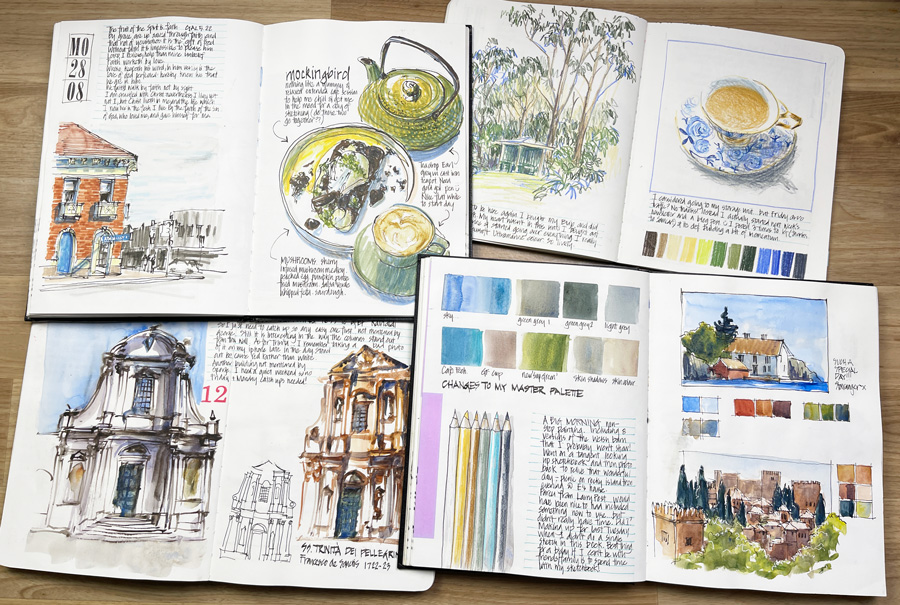
Artists rarely mark transitions. One season bleeds into the next. Tension carries forward unnoticed. This ritual gives the week a closing edge. It tells your nervous system that something has ended, and that you are allowed to choose what comes with you.
Writing the sentence often brings a quiet sense of completion. Not relief exactly, but a settling. A feeling that you do not need to keep rehearsing everything in your head. That one clear line is enough for now.
Later, when the pace tightens and expectations resurface, those words become an anchor. You return to it when things start to feel crowded again. It does not solve anything. It does not need to. It simply reminds you of the calm you touched, and the fact that you know how to return to it.