

Top Art Trends Coming in 2026

2026 is approaching, and the art world is already shifting in subtle but noticeable ways. New colours, materials, and ideas are emerging, while some older approaches are being reconsidered or reinterpreted. Paying attention to these movements helps artists understand the conversation happening around their work and the work of others. It gives context to the choices being made in galleries, online spaces, and even within studios, offering a broader perspective on what resonates in the creative community right now.
Trends reveal more than just aesthetic preference. They highlight what ideas, forms, and emotions are connecting with audiences and collectors, which in turn can help artists think more strategically about their practice. Noticing these patterns doesn’t mean copying them; it means recognizing where attention is focused, which approaches are gaining traction, and what kinds of work are generating dialogue. Observing these shifts can be like reading the pulse of the art world, providing insight into the cultural and visual currents shaping the moment.
Watching trends closely can sharpen artistic decision-making. Recognizing which themes , like hybridity, sustainability, digital experimentation, or a renewed interest in traditional techniques , are gaining attention allows artists to reflect on how their own work might engage with these currents. It can inspire new ideas, highlight possibilities for innovation, or even reinforce the directions they were already pursuing. Being aware of trends helps artists make choices from a place of knowledge rather than guesswork.
Trends can also inform practical decisions, from selecting which pieces to include in exhibitions to determining what kind of projects to focus on in the coming months. Paying attention provides a framework for prioritizing efforts, identifying opportunities for connection with audiences, and evaluating which concepts are likely to resonate. While trends give guidance, they do not replace the importance of individuality , understanding the landscape simply allows artists to navigate it with greater clarity and intention.
The sections ahead highlight key currents in contemporary art that are drawing attention as the year turns. They explore the movements, techniques, materials, and thematic focuses that are shaping conversations in the art world. These observations are designed to spark ideas, reflection, and dialogue, offering artists practical insight into what is emerging and how they might position their work thoughtfully as 2026 begins.
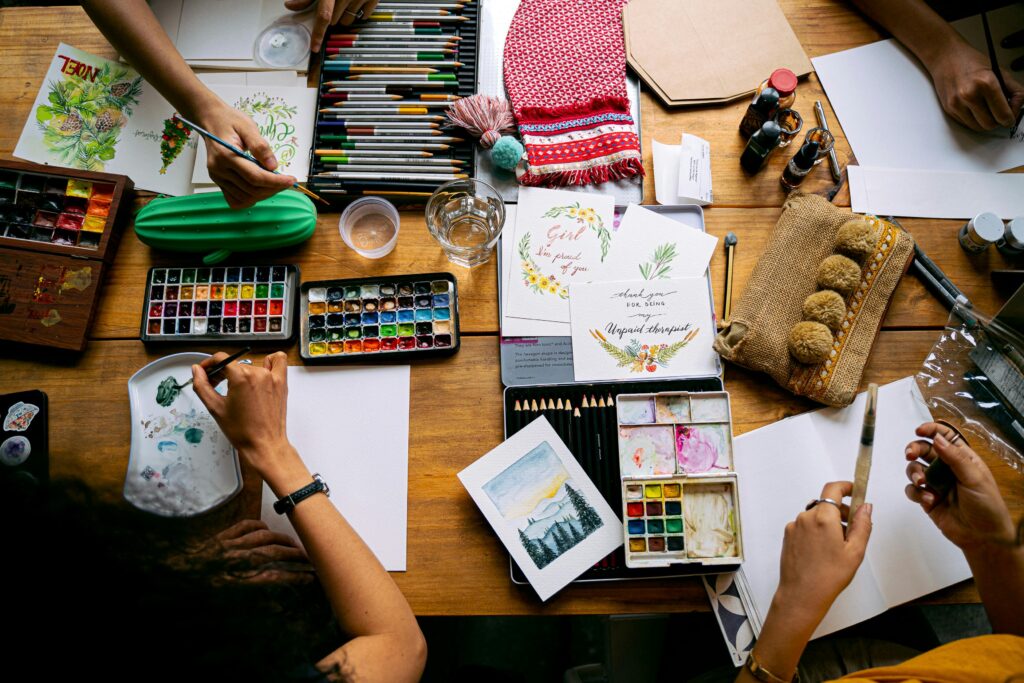
1. What’s Happening With Online Sales , and Why It Matters
The art market is shifting , and online presence is becoming more important than ever. Recent reports show that by mid‑2024, around 18 % of global art sales by value happened online , a share that has grown substantially since 2019.
For artists, this means that showing your work online is no longer optional. Galleries and collectors are increasingly scanning virtual portfolios, social‑media pages, and online marketplaces before considering a physical show or sale.
Because of this, presentation matters hugely. A clean, easy-to-navigate website or portfolio and high‑quality images are no longer nice extras , they’re essentials. If you can share work cleanly and share your voice (statement, process, background) online, you reach a global audience , not just local galleries. This shift levels the playing field in many ways.
Moreover, mid‑tier and more affordable artworks (works under a certain price threshold) are seeing growing demand. Some art‑market data show that when the high‑end declines, the demand for accessible, affordable art remains stable, even grows.
For you, that means there’s space to build a career without chasing high‑value auctions or rare collector interest , consistent, sincere work presented online can find its people.
So 2026 will likely deepen this online‑market trend. If you build your presentation skills, website/portfolio presence, and online visibility now , you prepare yourself for opportunities that won’t come just from locality or gallery networks.
2. Sustainability and Eco‑Conscious Art Is More Than a Trend
A major shift across the art world is greater attention to sustainability, environmental awareness, and eco‑conscious art practices. Many artists and galleries are embracing recycled materials, up‑cycled works, and art that speaks to ecological concerns or uses low‑impact methods.
This isn’t just ethical , it’s also resonating with buyers and institutions. As environmental issues remain urgent globally, collectors and curators are often drawn to artwork that reflects awareness, responsibility, or activism. Environmentally conscious pieces are increasingly featured in exhibitions and markets.
For you, this means rethinking your materials and process can pay off creatively and professionally. Using recycled canvases, natural dyes, found objects, or reusing scraps doesn’t only reduce waste , it builds a deeper narrative around your work. That narrative can help your art feel relevant and necessary.
Also, sustainable practices don’t limit you , they expand possibilities. They invite experimentation, thoughtful choice, and authenticity. And in a time when many people crave meaning beyond surface aesthetics, eco‑conscious art feels timely and valuable.
So if you’ve been hesitant to explore up‑cycling, found‑object work, or sustainable art, 2026 could be a strong time to revisit those ideas. The art world , and its audiences , may be more receptive than ever.
3. Mixed‑Media and Sensory‑Rich Art Is Making a Comeback
One of the strongest developments recently is the surge in interest in mixed‑media, multisensory, and hybrid artworks. Artists are blending paint, fabric, found objects, digital elements, and even sound or environment-based components to create immersive experiences.
This trend moves art beyond flat surfaces. It invites audiences to engage with texture, space, memory , reminding viewers art can be layered, physical, and alive. Mixed‑media pieces often feel raw and honest, which resonates in a world seeking authenticity.
From a practical standpoint, this opens many doors for artists who don’t have access to high‑end materials or big budgets. You can work with what’s around you , fabric scraps, found wood, recycled items, old canvases , and still produce work that feels current and compelling.
Also, galleries and collectors seem more open to these forms now. As the art world evolves, there’s increasing appreciation for work that challenges traditional categories. Mixed‑media and hybrid art are gaining space not just in niche galleries, but in mainstream exhibitions and markets.
If you’ve been hesitating to try mixed media or combine materials, now may be a great moment. The shift is toward inclusivity: mediums, styles, messages. You don’t need to follow a formula , just stay true to your voice while experimenting with what’s available.
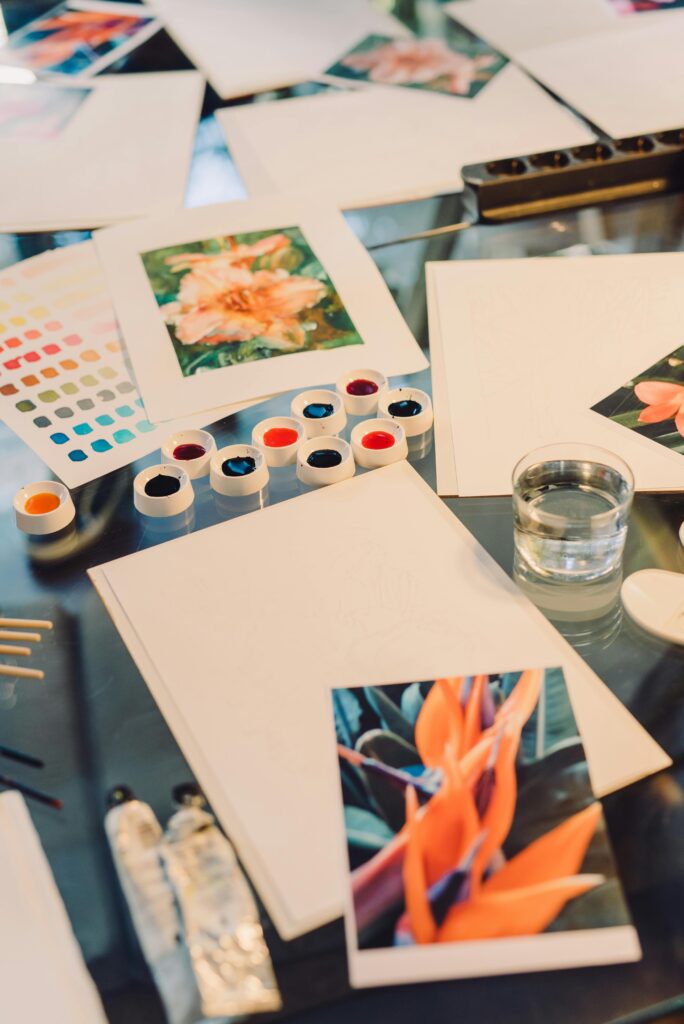
4. Global Voices, Cultural Fusion and Diverse Narratives Are Rising
The global art conversation is changing. There’s growing interest in work from the Global South, in cross‑cultural storytelling, diverse voices, and artworks that reflect layered identities.
Collectors, galleries, and curators are actively seeking diversity , not just in style, but in perspective. This shift isn’t solely about aesthetics. It’s about representation, about stories that reflect multiple geographies, histories, and lived experiences. The art world is broadening.
For emerging artists from underrepresented regions or backgrounds, this is a real chance. Authenticity, cultural heritage, personal narrative , these are valuable assets now. Work that engages with identity, memory, diaspora, or cultural fusion can attract attention and relevance.
Even beyond representation, blending cultural references, techniques, traditional craft with contemporary language is trending. The interplay between heritage and modernity often yields work that feels rich, textured, and meaningful , increasing its resonance in today’s globalized art discourse.
If your art draws from personal or cultural roots, this moment can amplify that voice. The world is more open to diversity, to varied perspectives, and to layered storytelling.
5. Digital Tools, AI, and Hybrid Art Spaces Are Shaping Possibilities
Technology is no longer just a side tool in art , it is becoming integral. Digital platforms, online galleries, and AI‑assisted art are influencing how art is made, shared, and sold.
Art buyers and galleries are adapting too. Many plan to focus more on online engagement and sales: one survey found that approximately 43% of galleries intend to strengthen their online sales presence, and many more are building digital strategies for visibility and outreach.
For artists, this means learning to work with digital tools can expand reach significantly. Whether you use digital illustration, combine traditional and digital media, or just present your portfolio online , having a digital‑ready workflow boosts your flexibility.
Hybrid art spaces , where digital and physical meet , are also trending. Virtual exhibitions, VR experiences, or online showcases allow artists to present their work globally. Such formats lower access barriers (for both artists and viewers) and offer new ways to experience art beyond conventional galleries.
If you keep an open mind toward technology , using it thoughtfully rather than as a substitute , it can become a powerful extension of your practice. 2026 is shaping up to favour artists who allow flexibility, curiosity, and digital fluency to blend with traditional craftsmanship.
6. The Return of Texture, Layers, and Handcrafted Detail
After years of minimalism dominating some galleries, there’s a growing interest in texture, layering, and hand‑made details. Viewers are drawn to pieces that feel tactile, human, and approachable. Even a simple collage of painted scraps, layered paper, or stitched fabric can stand out when other works are sleek or digital.
This trend has real implications for how artists approach their practice. It encourages experimentation with materials you already own, whether leftover paints, fabrics, cardboard, or even personal ephemera. Adding layers and textures can transform small scraps into a piece that feels deliberate and visually rich.
Collectors and curators also notice these details. Studies and gallery feedback suggest that tactile, layered works can create more engagement in exhibitions , viewers spend more time observing and discussing them. Even small textural details can become focal points that make work memorable.
If you haven’t experimented with layers or texture before, start with small projects. Combine old canvases with paint, fabric, or collage elements. Even subtle layering can dramatically shift how your work reads in a gallery or online portfolio.
This trend is also aligned with sustainability , using scraps and leftovers not only adds texture but reduces waste. It’s a practical, aesthetic, and meaningful approach to contemporary creation.
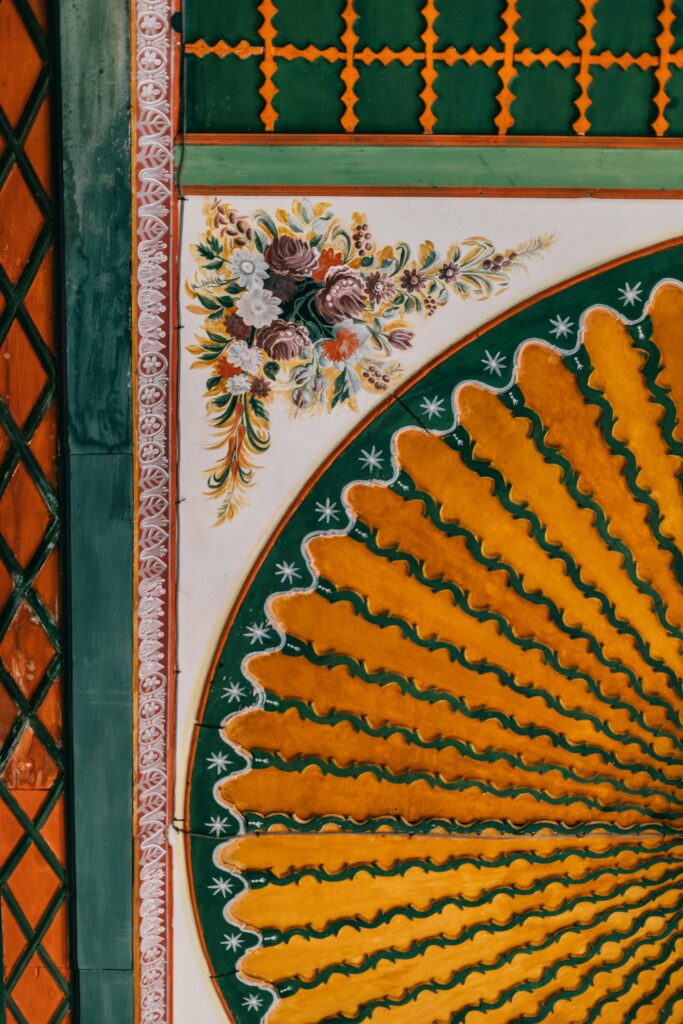
7. Art That Speaks to Time, Memory, and Experience
Narrative-driven works , those that reflect personal history, collective memory, or societal experience , are increasingly visible in galleries and online spaces. People respond to art that resonates emotionally and intellectually. Recent observations suggest that works engaging with nostalgia or lived experience see higher engagement on social platforms and during exhibition viewings.
For artists, this means thinking critically about the stories behind your work. Even abstract pieces can hint at personal experience through texture, composition, or choice of medium. Context matters. Sharing process, intent, and reflection alongside the work strengthens that connection.
In practice, consider integrating personal fragments , old sketches, letters, or objects , into new work. Mixed media and collage are particularly effective here. These elements communicate layered meaning, inviting viewers to engage beyond surface aesthetics.
Being intentional about narrative doesn’t require creating literal scenes. Suggesting experiences through form, texture, and materials can be just as powerful. Viewers often appreciate the open-ended invitation to interpret, which makes the engagement more personal and lasting.
Ultimately, the trend is about depth over spectacle. Work that conveys thoughtfulness and authenticity resonates, and in 2026, it will likely continue to shape galleries’ programming and online curation.
8. Affordable, Accessible Art and the Shift in Collector Habits
A notable trend for 2026 is the increasing interest in approachable, lower‑priced artworks. The high-end art market may fluctuate, but mid-tier works are gaining attention. Galleries and online platforms are prioritizing accessibility, which benefits emerging and mid-career artists.
For practical application, this means you can focus on producing work that is consistent, high-quality, and priced realistically, rather than chasing the rare big-ticket sale. Collectors are looking for pieces they can buy, display, and experience without the intimidation factor of ultra-high prices.
If you’re planning an exhibition or an online release, consider offering small works, series, or editions. This strategy encourages first-time collectors to engage with your art and can establish long-term relationships. Data shows that collectors who start with accessible works often return for higher-value pieces in the future.
Affordable art trends also tie back to online sales. A work priced realistically and presented well digitally can reach a global audience, increasing both visibility and sales potential. It’s a practical, strategic approach for navigating the contemporary market while staying true to your vision.
9. Collaborations, Communities, and Art Networks Are Expanding
The way artists work is evolving. Collaboration , both with other artists and interdisciplinary creators , is increasingly visible. Shared studio projects, co-created works, and joint exhibitions are becoming standard in some circles. Communities and networks that support artists are growing in importance as platforms for exposure and learning.
Being part of networks or collaborative projects opens opportunities beyond your solo practice. Sharing resources, ideas, and audiences often leads to work that feels richer and reaches more people. Galleries, curators, and online audiences increasingly notice collaborative and community-driven projects.
If you want to take advantage of this trend, consider co-creating with artists in complementary disciplines, hosting group projects, or participating in curated collective shows. Even small collaborations can expand visibility, create momentum, and build supportive relationships.
For those looking to pitch to galleries or join curated exhibitions, tools like the How to Pitch to Galleries Email Template can help you communicate clearly, professionally, and confidently. Using a well-structured pitch saves time and positions your work for the attention it deserves.
10. Digital Art, NFTs, and Hybrid Presentation Are Still Evolving
Digital mediums remain a major trend as the art world navigates new ways to present and sell work. Virtual exhibitions, hybrid physical-digital shows, and even NFT-based or blockchain-linked artwork are becoming increasingly mainstream. While this doesn’t replace traditional practice, it expands opportunities for visibility, engagement, and sales.
Artists who experiment with digital presentation often find that it complements physical work rather than competing with it. High-quality images, videos, or AR elements can bring depth to portfolios and exhibitions, allowing remote audiences to interact with your work meaningfully.
Data indicates that hybrid presentations increase engagement and broaden collector reach. Exhibitions with digital documentation or interactive components see higher online traffic and sharing, often translating into inquiries and sales.
Even if digital work is not your focus, understanding how hybrid presentation works helps you remain relevant. Galleries now expect artists to have online-ready materials, video walkthroughs, or high-quality digital archives. This is a practical trend that, when embraced, makes navigating 2026 smoother and more productive.


Comments 1