
This artist follows instinct, not perfection

👁 106 Views

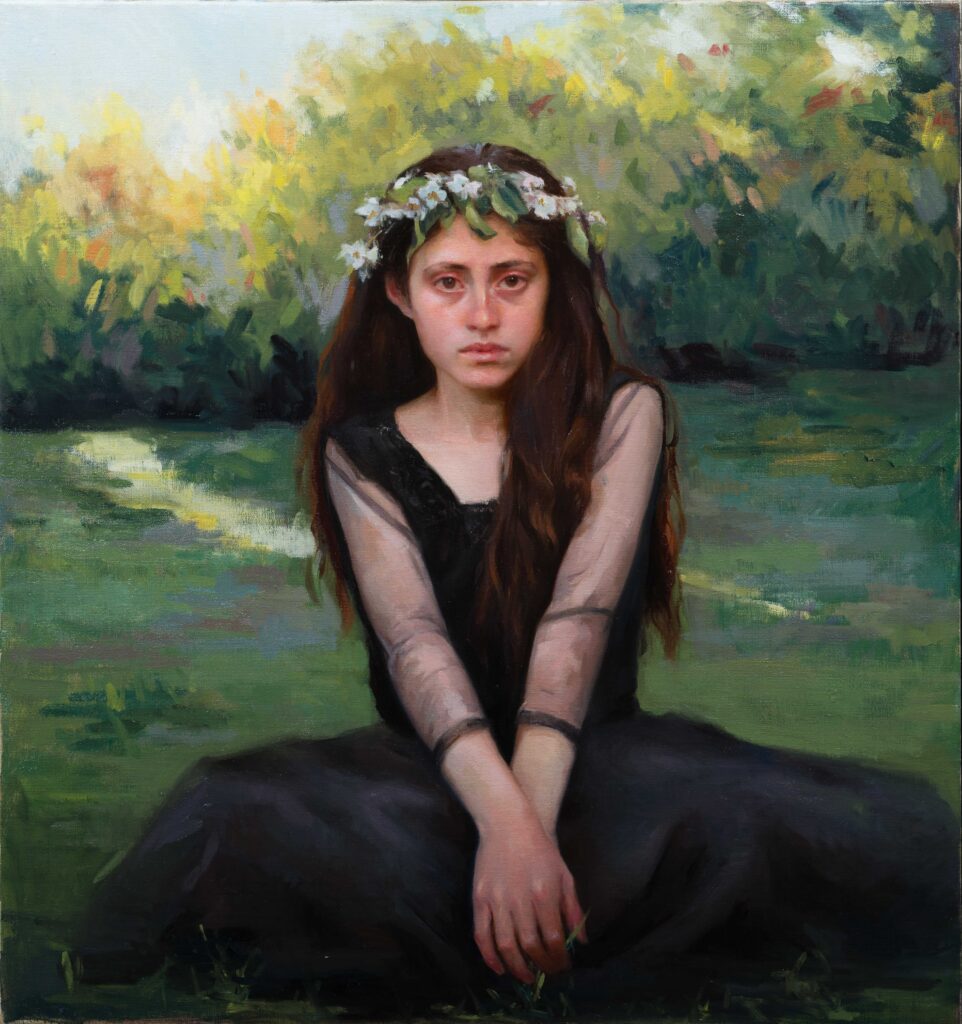
This interview brings us into the quiet and curious world of Melbourne-based visual artist Nani Puspasari, whose journey began in Borneo, surrounded by stories, nature and community rituals. She speaks about migration, memory and the gentle humour that threads through her work, offering a glimpse into how she makes sense of belonging across places. Nani works across painting, illustration, installation and clay, yet it is clay that feels closest to her. She talks about it almost like a living companion in the studio, something that listens, resists and sometimes leads the way during the making process.
Throughout the conversation, Nani shares how playfulness can sit right next to longing, and how a light, friendly touch often helps her approach themes that sit quietly under the surface. She explains how ideas do not always arrive as grand concepts, but instead appear during the act of making a slight adjustment here, a subtle change there, a small gesture sparking a memory. Her time spent moving between Asia and Australia has also shaped her practice, giving her the space to honour inherited stories while reimagining them in new surroundings.
We also learn about her approach to language, from the way she titles exhibitions to the subtle jokes embedded in her pieces. What emerges is an artist who works through feelings, curiosity, and patience. By the end of this interview, we step away with a clearer picture of how history, humour, clay and memory meet in her studio, forming a practice that grows gently from lived experience and attentive making.
Nani Puspasari is a featured artist in our book, “Art and Woman 2025” You can explore her journey and the stories of other artists by purchasing the book here:
https://shop.artstoheartsproject.com/products/art-and-woman-edition-
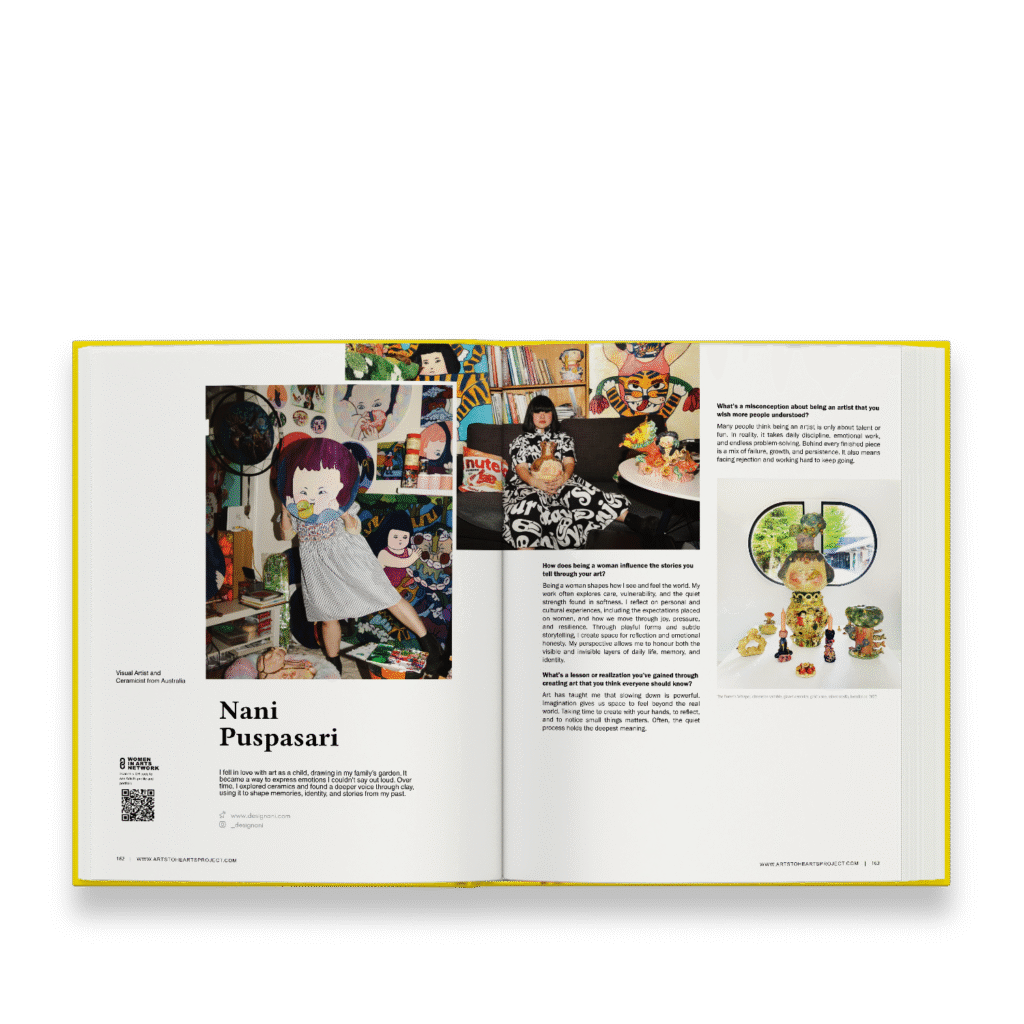
I’m a visual artist based in Melbourne, Australia. My practice moves between ceramics, painting, illustration, and installation, each becoming a language for storytelling. I grew up in Borneo surrounded by nature, folk tales, and community rituals that later intertwined with my experience of migration to Australia. My work explores memory, identity, and belonging through playful yet tender narratives that reimagine fragments of childhood and cultural hybridity. I often blend humour and emotion to bridge generations, using familiar forms to express deeper reflections on where I come from and who I’ve become.

1. Clay seems to play such an emotional and symbolic role in your work. When you’re shaping it, do you feel like it’s guiding you as much as you’re guiding it?
Absolutely. Working with clay feels like having a quiet conversation with something alive. Sometimes I start with a clear idea, but as I pinch, roll, or carve, the clay resists or surprises me and I follow. It remembers touch, softness, and hesitation. That push and pull between control and surrender often mirrors life itself. In many ways, the clay teaches me patience and acceptance.
Humour has always been my way of coping and connecting. The playfulness disarms the viewer, then slowly reveals something more tender beneath.
Nani Puspasari
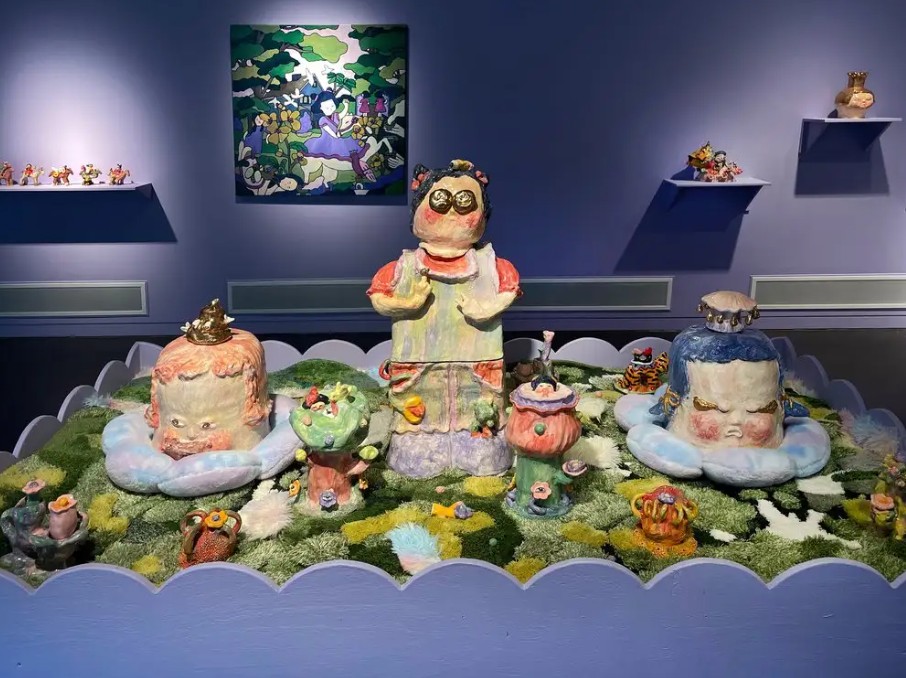
2. Your pieces often feel playful at first glance but carry a quiet tenderness underneath. How do you find that mix between humour and something more introspective?
Humour has always been my way of coping and connecting. I use it as an entry point like offering a smile before sharing a story that might be bittersweet. The playfulness disarms the viewer, then slowly reveals something more personal or emotional beneath. Life is never one tone; it’s laughter and longing tangled together. My work tries to honour that mix.
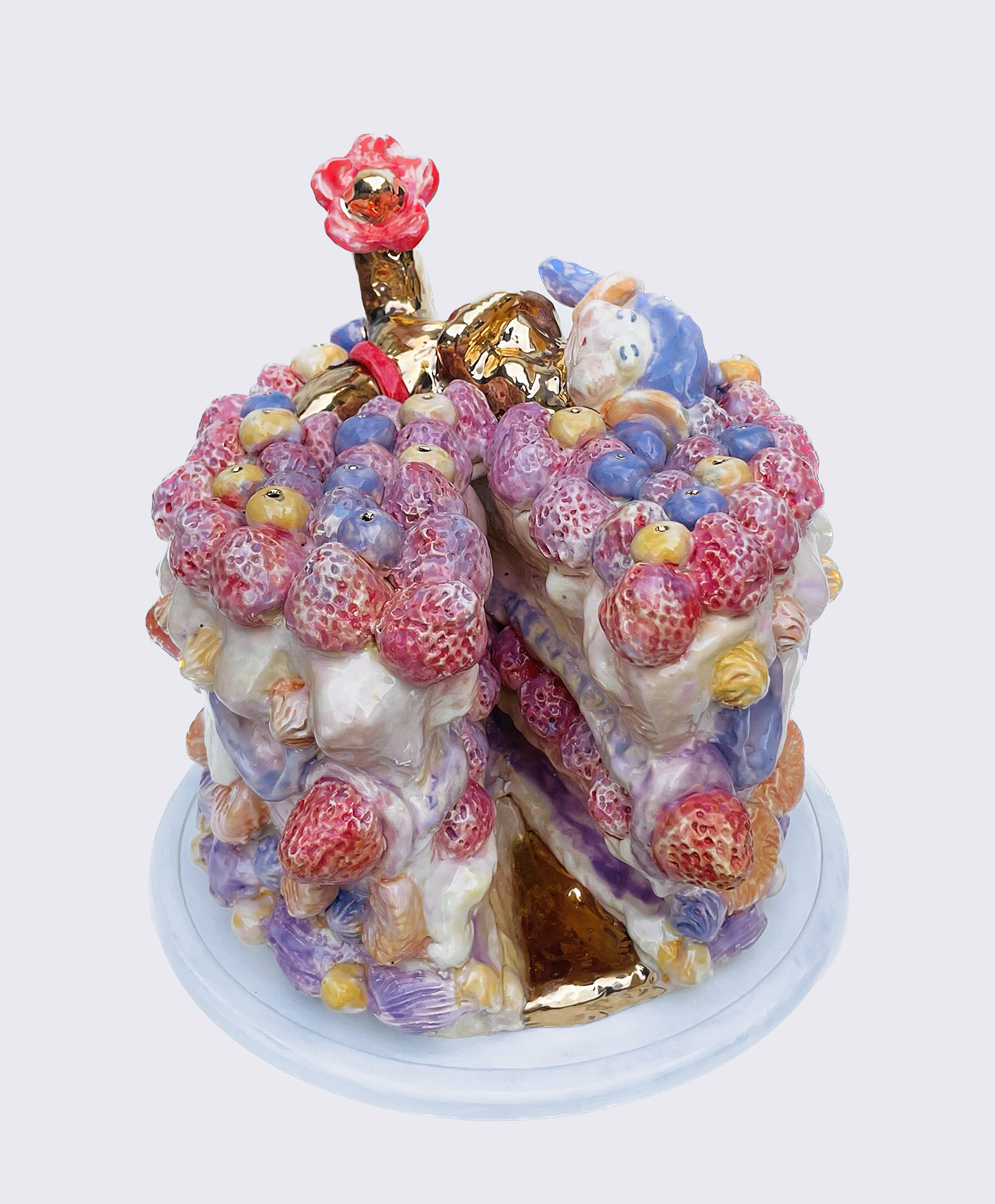
3. You’ve explored so many mediums over the years, painting, illustration, installation and now ceramics. What is it about clay that keeps you coming back to it?
Clay feels the most human to me. It’s fragile and strong, just like us. Unlike a digital canvas or paint, clay carries weight, warmth, and a sense of memory. It cracks, melts, and transforms with fire. Every process leaves traces of time and imperfection. I believe that honesty keeps me coming back. Clay allows me to build something that feels both ancient and alive.
4. You’ve spent time working and exhibiting across Asia and Australia. Have those different environments changed the way you think about your materials or the stories you want to tell?
Definitely, living and creating between places has taught me how identity can be fluid and layered. In Asia, I’m reminded of ancestral craftsmanship and community-based making; in Australia, I find space to experiment and reimagine traditions with freedom. Each environment shapes not only my materials but also the rhythm of my storytelling, sometimes more rooted, sometimes more abstract, but always connected by curiosity and memory.
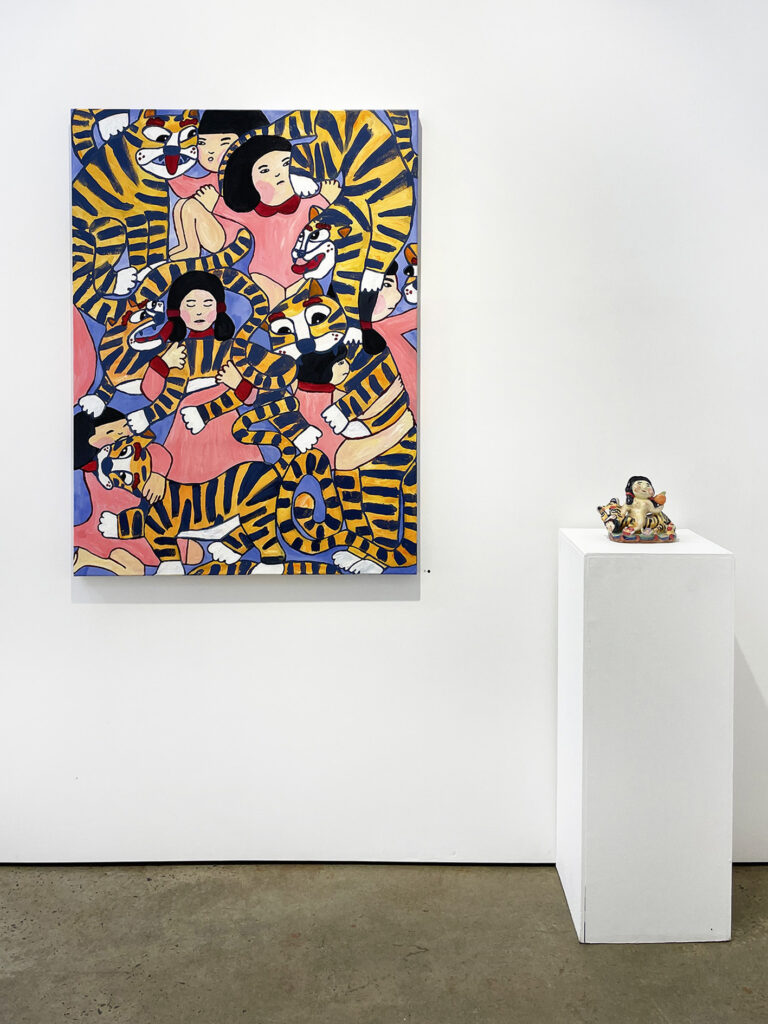
Working with clay feels like having a quiet conversation with something alive.
Nani Puspasari
5. A lot of your work touches on themes of identity, memory, and belonging. How do those ideas surface for you when you’re in the studio? Do they arrive naturally through the making process?
They appear naturally, like ghosts of old memories. I rarely start with a fixed concept; instead, the act of making unlocks things I didn’t realise I was holding. A texture might remind me of home, or a crack in the glaze might mirror the fragility of migration. Through making, I rediscover stories I thought I had forgotten.
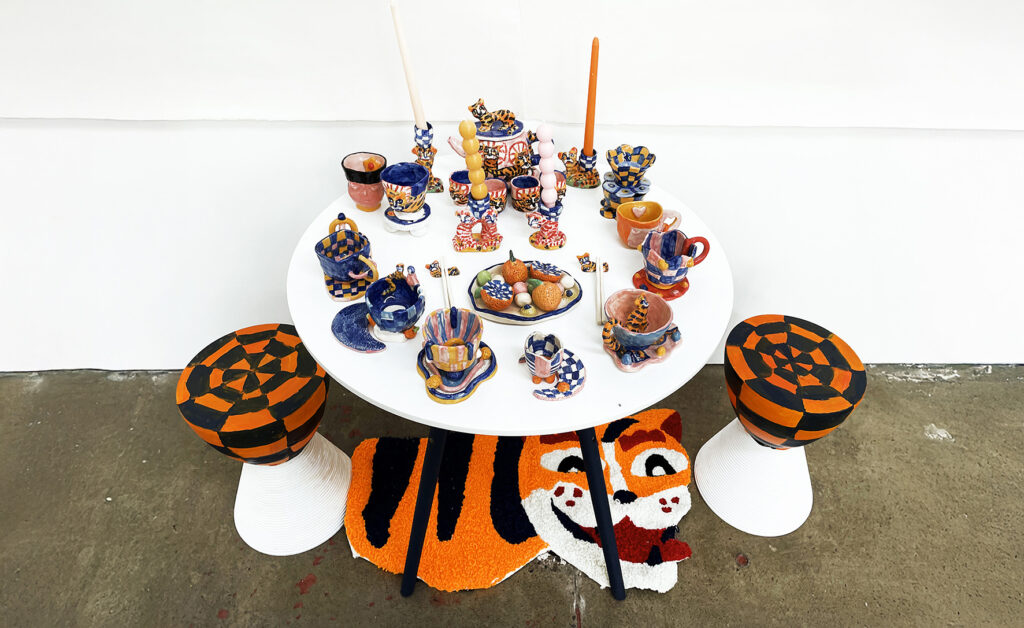
6. Even the titles of your shows, like “Boxed In” or “Childhood Cheeks, Grown-Up Madness,” seem to carry a sense of play and narrative. How do you come up with them, and what do they mean to you in relation to the work?
Titles are like clues or whispers; they help people step into my world. I often write down phrases that make me smile or reflect a contradiction. “Boxed In” spoke about both limitation and comfort, while “Childhood Cheeks, Grown-Up Madness” captured the tension between innocence and adult absurdity. I enjoy wordplay that feels slightly mischievous but still meaningful. It’s another way of storytelling.
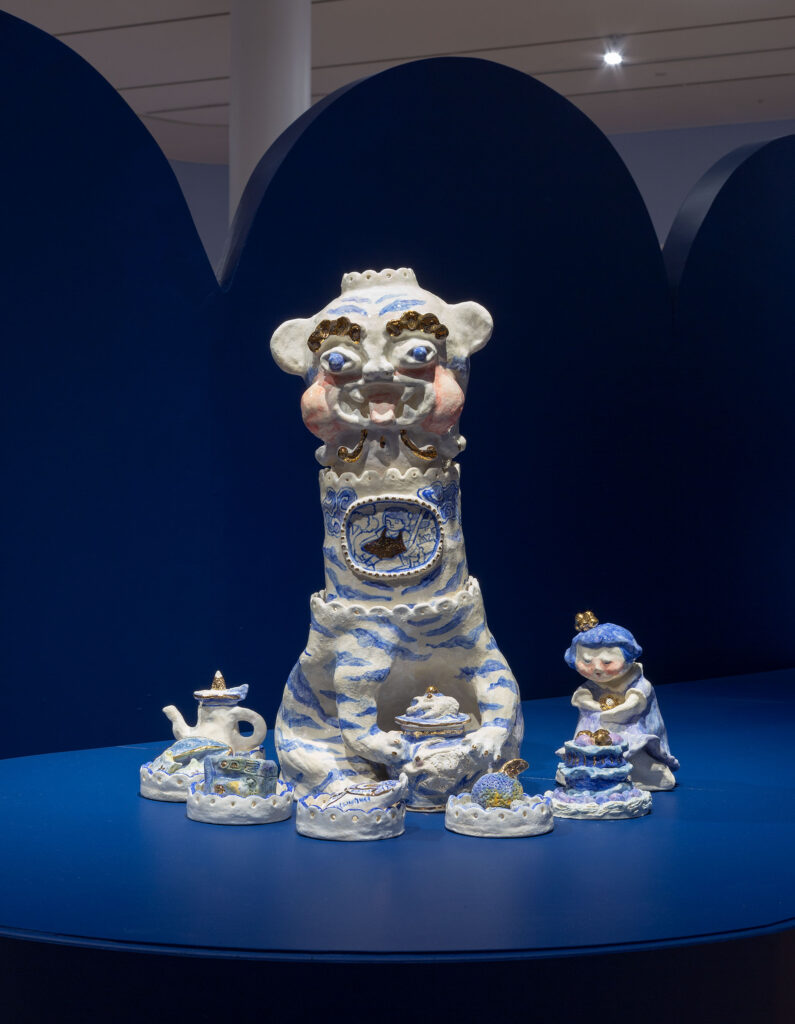
Nani’s work circles around memory, childhood echoes and the feeling of belonging to more than one place. Her pieces begin with play and curiosity, then gradually carry you toward softer moments tied to home, migration, and growing into a new life. Through clay and other materials, she does not chase perfection; she follows touch, time and the stories that rise when she lets her hands lead.
Speaking with her gives us a sense of how making can be quiet, steady and emotional without being heavy. Her journey demonstrates how humour, tenderness, and patience can coexist, shaping work that feels lived-in and human.
To learn more about Nani, click the following links to visit her profile.
Arts to Hearts Project is a global media, publishing, and education company for
Artists & Creatives. where an international audience will see your work of art patrons, collectors, gallerists, and fellow artists. Access exclusive publishing opportunities and over 1,000 resources to grow your career and connect with like-minded creatives worldwide. Click here to learn about our open calls.