


The Psychology Behind Why People Buy Art

👁 453 Views
Do you know why someone stops in front of one painting and walks right past another? It’s not just taste, it’s psychology in motion. Every collector, casual buyer, or first-time art lover brings a swirl of emotions, memories, and instincts to that moment of connection. They think they’re choosing with their eyes, but really, it’s their brain, and their heart, doing most of the work.
What’s fascinating is how often people can’t even explain why they love a certain piece. They’ll say, “It just spoke to me,” without realizing that color, composition, and even scale have been quietly guiding that feeling. A burst of red can trigger energy, nostalgia, or passion. A calm blue? Safety, serenity, or trust. Artists don’t just create visuals; they create emotional experiences that buyers want to feel again and again.
The truth is, art buying has far less to do with logic than with emotion. No one needs another painting for their living room, yet they’ll still make space, and budget, for one that makes them feel something real. That’s the beauty of it. Buying art is one of the rare moments in life where emotion gets to lead the transaction.
And if you understand what actually drives those decisions, you can stop wondering why one piece sells instantly while another, equally strong, sits unseen. You start to see the invisible factors at play, the psychology of attraction, trust, and belonging that shapes every purchase.
So before you assume your work isn’t selling because you’re missing something technical, maybe what’s missing is understanding the people on the other side. The ones who aren’t just buying your art, but buying the feeling of seeing themselves in it.
People Don’t Just Buy Art, They Buy a Feeling
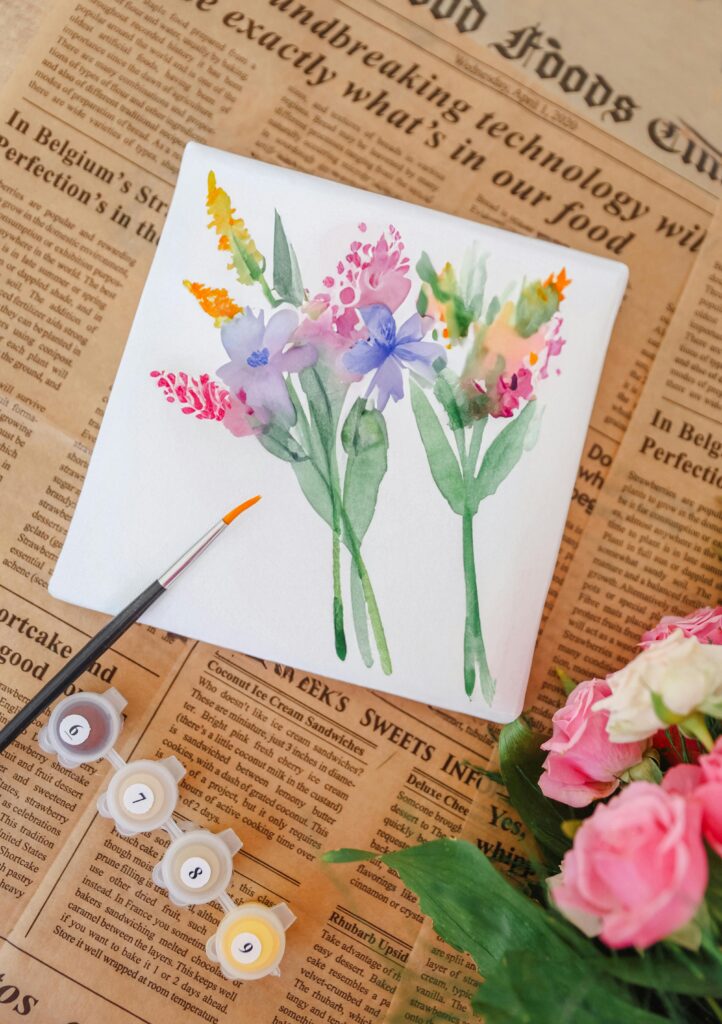
Every art buyer, whether they admit it or not, is chasing a feeling. It could be comfort, pride, curiosity, or even nostalgia. The painting might remind them of a childhood summer or the quiet of a room they once loved. They are not thinking in terms of technique or color theory, but emotion. Your work becomes a mirror for something they already feel inside.
The strongest collectors often say, “I just felt something.” That instinctive reaction is where most art decisions begin. Sometimes it happens instantly, other times it builds slowly over weeks of seeing your work online. Either way, emotion is the spark. People are far more likely to spend when something feels personal, not just beautiful.
When you create, you’re translating feelings into visuals. But when they buy, they’re translating those visuals back into their own feelings. That shared emotional loop is what makes an artwork truly stick in someone’s mind. It becomes more than an image; it becomes a reminder, a reflection, a story.
The funny thing is, emotion often wins over logic in art purchases. Someone might be on a strict budget, but one painting feels too much like them to walk away from. That’s the invisible power of emotional connection. It bypasses reasoning and heads straight for the heart.
So, when you’re thinking about how to present your art, ask yourself: what emotion lives inside this piece? What does it invite people to feel? Because that’s what they’ll be buying , not canvas, not pigment, but that tiny piece of themselves reflected back.
Storytelling Makes Art Stick
Every collector wants to tell a story when someone asks, “Where did you get this?” The richer your story, the more valuable the piece feels. People aren’t just investing in your work; they’re investing in the narrative around it. The process, the meaning, the moment that sparked it , those are the parts that make them proud to hang your art.
A good story doesn’t have to be long or poetic. It just has to sound real. Maybe you painted through a power outage, or maybe you mixed the perfect color by accident and kept it. Those honest, imperfect stories make your art human. And that’s what people crave , humanity behind beauty.
Think of your art like a book cover. The image catches their eye, but the story makes them stay. A collector who connects with your “why” will value the piece differently. It becomes something to talk about, to share, to show off , and that keeps your name alive in conversations you’ll never even hear.
When you write your captions, exhibition texts, or website bios, sprinkle in the small details. What music played while you worked? What question were you trying to answer with color? The smallest truths are often what build the strongest bridges.
Because when people feel your story, they don’t just buy your work , they carry it forward. It becomes part of their own personal mythology, and that’s what keeps them coming back for more.
Art Collecting Is Often About Identity
When someone buys art, they’re really saying something about who they are. Every piece they hang is like a sentence in the story of their identity. “This is what I value.” “This is how I see the world.” Your art becomes part of their self-expression, especially for people who can’t paint but still want to live surrounded by creativity.
That’s why collectors tend to buy from artists whose values align with their own. If your art celebrates freedom, boldness, or stillness , it attracts people who crave or embody those same things. They’re not just looking for something pretty, they’re looking for something that represents them.
It’s also why authenticity matters so much. People can sense when an artist is making from a place of truth rather than trend. The more grounded and honest your practice feels, the easier it is for others to see themselves in it.
This is what turns casual buyers into lifelong supporters. They feel seen, reflected, and validated through your creative choices. They want to be part of your story because it mirrors something in their own.
So the next time someone says, “I love your art, it feels like me,” remember that’s not just a compliment , that’s the deepest form of connection you can create.
Visual Harmony Calms the Mind (Even When People Don’t Know Why)
Most people buy art intuitively, but there’s a lot of quiet psychology behind what catches their eye. The human brain loves patterns, balance, and rhythm. Even in abstract art, there’s often a sense of structure that creates calm. People might not be able to explain why they like a piece, but their body already knows.
That’s why some artworks instantly feel “right” in a space. The color relationships, the flow of composition, or the subtle repetition , all these create a sense of balance. When people feel that harmony, they often describe it as “soothing” or “peaceful,” even if the piece is bold.
Your work can literally change how someone feels in their home. Soft blues can lower stress, warm reds can spark energy, muted tones can bring clarity. Color psychology isn’t new, but it still shapes decisions more than most realize.
The best part is, buyers don’t need to consciously understand any of this. They just need to feel it. When an artwork visually “settles” them, the decision to buy becomes emotional rather than rational.
That’s why presentation matters , lighting, framing, even the background of your photos can change how harmonious your work feels. It’s not manipulation; it’s mindfulness. The better you frame your art’s balance, the easier it is for others to feel it.
People Want Connection, Not Just Decoration
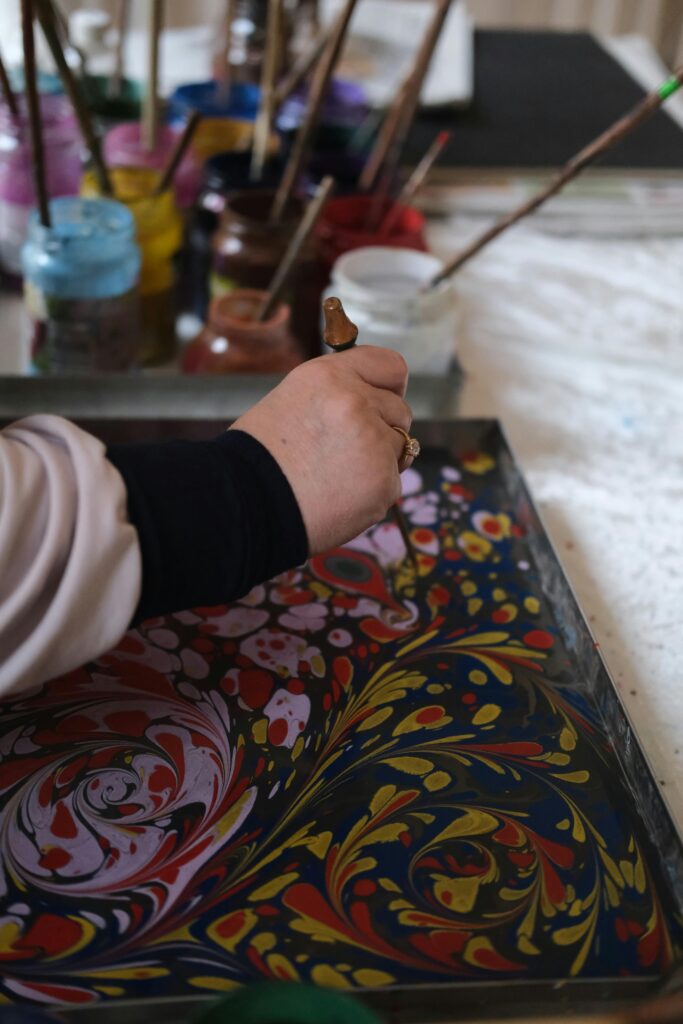
At the end of the day, people don’t want to fill walls , they want to fill space with meaning. Art buyers crave connection, both to the piece and to the person who made it. They want to feel like they’re part of something real, something made by human hands, not algorithms or factories.
When collectors buy your art, they’re saying, “I believe in your eye.” It’s a quiet kind of trust. They’re bringing a part of your imagination into their most intimate spaces , their living room, their workspace, maybe even their bedroom. That’s not a casual transaction; it’s personal.
That’s why showing up matters. When you share your process, your thoughts, your progress , people feel like they know you. That connection turns viewers into supporters and supporters into collectors.
Even a small thank-you note, a behind-the-scenes story, or a glimpse of your messy desk makes a difference. People remember artists who make them feel included, not just sold to.
Because ultimately, art buying is about belonging. It’s one person saying, “Your way of seeing the world feels like home to me.” That’s not a sale , that’s a relationship.
People Don’t Just Buy Art, They Buy a Story
Every piece of art carries a backstory, and that’s what people fall for. Maybe it’s the late nights you spent repainting the same section until it felt right, or the memory that sparked that bold color choice. Buyers love to feel they’re taking home a part of that story. When they talk about the piece later, they get to tell your story , and that’s half the joy of owning it.
Think about it: people rarely describe a painting by listing its colors. They say, “The artist made this during lockdown” or “She said this was inspired by her hometown.” Those little narrative hooks make the piece stick. It’s no longer just art, it’s a memory, a human moment, a conversation starter that never really ends.
That’s why the captions you write, the behind-the-scenes reels, and even the way you talk about your process matter more than you think. They’re your story’s doorway, and collectors walk through it to feel connected. A sterile description shuts that door; a real story keeps it open.
This doesn’t mean oversharing or inventing drama. It’s about letting your audience see the thread between you and your work. Maybe the light hit your canvas in a way that changed everything, or a random walk gave you a color idea. That’s the kind of honesty that makes art personal.
And when your story resonates with someone’s own experiences, your work becomes a reflection of them. They see something of themselves in what you created, and suddenly, buying it feels like claiming that connection. It’s human nature , we want to hold onto the things that remind us we’re not alone.
So next time you post or present your work, give it context. Tell the story behind it, even if it’s simple. Because art isn’t only seen , it’s felt through stories that linger long after the brushstrokes fade.
Writing about your own art can feel like trying to explain why you love someone , you know it, but saying it is hard. That’s where a little structure helps. The Artist Statement Template from Arts to Hearts Project takes out the guesswork and helps you express what your work really stands for, in your own voice. It’s not stiff or formal, just a simple way to turn your thoughts into the kind of story buyers and curators remember. You can find it in their shop, and honestly, it’s one of those small tools that makes a huge difference in how confidently you share your art.
Emotion Beats Logic Every Time
Collectors may analyze sizes, prices, and framing options, but the final decision almost always comes from feeling. Something about the piece tugs at them, even if they can’t explain why. Maybe it reminds them of a person, a season, or a dream they can’t name. That’s emotion doing its work quietly in the background.
As an artist, your job isn’t to explain the emotion , it’s to evoke it. The moment your work makes someone stop scrolling or lean in closer, you’ve already won half the battle. People remember how art made them feel far longer than what it depicted.
That’s also why photos and videos that capture the texture, movement, and energy of your work are so powerful. They help your audience feel something before they even see the piece in person. It’s the emotional preview that sparks curiosity and connection.
And when a person connects emotionally, logic bends to match. Suddenly, the price doesn’t feel like a number; it feels like the cost of owning something that speaks to them. That’s when purchase decisions happen , not from spreadsheets, but from sparks.
You can see this in how people talk about art they’ve bought. They rarely say, “I bought it because it matched my sofa.” They say, “It just felt right.” That “just felt right” moment is what every artist should aim to create.
The takeaway is simple: emotion drives art sales more than anything else. So instead of focusing on convincing, focus on connecting. Let your work do what logic never can , move people deeply enough to act.
The Power of Familiarity in Art Buying
People gravitate toward what feels familiar, even when they crave something new. It’s a strange balance , they want discovery, but within comfort. That’s why a collector might love your bold new abstract but still say it “feels like” your style. It’s recognition with a twist, and that’s comforting.
Artists often underestimate how much familiarity influences purchase decisions. A consistent color palette, recurring theme, or recognizable mood makes buyers trust your work more. It signals reliability, even in creativity. They feel like they know what they’re investing in.
That’s why your artistic voice matters more than you think. When people recognize your signature tone or texture, it helps them form emotional loyalty. They don’t just like one piece; they start following your whole body of work. That’s how one sale turns into a relationship.
Think of famous artists , even without seeing a name, you can identify their pieces. That’s not luck, that’s brand clarity built over time. And in the psychology of buying, trust and familiarity go hand in hand.
So while experimentation is healthy, don’t abandon your recognizable essence. Let it evolve, not vanish. A strong thread through your work builds the kind of recognition that turns casual admirers into committed collectors.
In the end, people buy what feels both exciting and safe. Your style gives them that bridge , a familiar starting point in the unpredictable world of art.

The Social Side of Art Purchases
Buying art can feel deeply personal, but it’s often social at its core. People love sharing their finds, showing off new pieces, and talking about what they represent. A great artwork doesn’t just live on a wall; it becomes part of how someone expresses themselves to others.
That’s why art that sparks conversation often sells better. If a painting makes someone say, “I can’t wait to show my friends this,” it already has social currency. People want to feel seen for their taste, and art helps them express that identity.
Collectors also trust what others are drawn to. Seeing your work in someone’s home, on a gallery wall, or shared by other artists can create the kind of validation that drives purchases. It’s not peer pressure, it’s reassurance , “If they love it, I probably will too.”
This is where online presence plays a huge role. Social media lets people imagine how your art fits into their own life. Lifestyle shots, collector stories, or simple studio glimpses help potential buyers visualize connection before they even meet you.
But the social side isn’t just about visibility. It’s about community. When people buy from artists they feel part of, they’re not just purchasing art , they’re joining a story, a creative circle that reflects their values.
So treat every post, email, or chat as an opportunity to build that sense of belonging. People buy art, but they stay for community.
The Need to Feel Seen Through Art
At the deepest level, people buy art to feel understood. They might not say it out loud, but what they’re really doing is seeking reflection , a piece that mirrors something inside them. When they find that, it feels almost magical.
That’s why collectors describe certain works as “speaking” to them. It’s not just language; it’s resonance. Your art becomes a mirror that says, “I see you,” even when words fall short. That feeling is powerful, and it’s what turns a viewer into a buyer.
This is where authenticity becomes your strongest asset. The more your work reflects your truth, the more it connects with someone else’s. That’s not a coincidence; it’s emotional alignment, and it can’t be faked.
Art that tries too hard to please everyone loses that spark. But art that feels unapologetically honest? That’s what people remember, share, and invest in. Buyers sense when something has real emotion behind it , they can feel the pulse through the paint.
When you think about it, selling art isn’t about pushing for a transaction. It’s about creating a moment of recognition between two people who’ve never met. That’s the real psychology of art sales , connection through meaning.
So when you create, remember this: someone out there is waiting to feel seen, and your work might be the mirror they need.