




How to Start an Art Collection You’ll Love for Years to Come
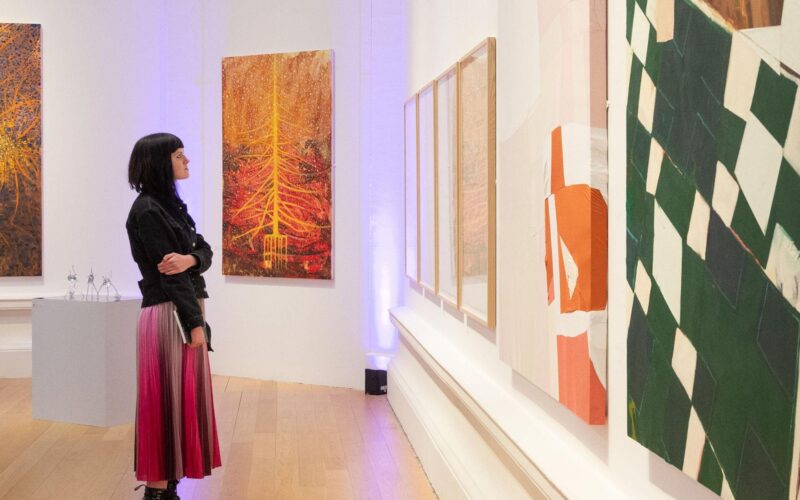
When most people think about how to start an art collection, they often imagine needing a large budget, insider connections, or years of art-world experience. They picture someone raising a paddle at a high-profile auction, bidding millions on a masterpiece, or walking through exclusive art fairs with a team of advisors close behind.
But that’s only one version of the story.
The truth is that many art collections begin far more quietly. Sometimes they start with a small print purchased from a local exhibition. Sometimes with a painting discovered at an artist-run space. Sometimes with a photograph that lingers in your mind long after you’ve left the gallery.
Long before someone becomes a collector, they are simply someone who loves art.
Collecting art isn’t reserved for the wealthy, the well-connected, or those with formal art training. It is, at its heart, an act of curiosity. A way of surrounding yourself with ideas, stories, and perspectives that matter to you. The size of your budget matters far less than your willingness to look closely, learn continuously, and trust your instincts.
In recent years, contemporary art has become more accessible than ever. Online platforms, artist websites, open studios, independent galleries, and art fairs have created opportunities for people to discover and support artists from around the world. Today, a meaningful collection can begin with a limited-edition print, a photograph, a ceramic work, or a small painting by an emerging artist whose practice resonates with you.
Yet buying a piece of art and building a collection are not quite the same thing.
A collection is more than a group of objects gathered over time. It reflects your interests, values, memories, and evolving relationship with art. Each acquisition becomes part of a larger story, one that is uniquely yours.
The good news is that there is no single right way to collect. Some collectors focus on emerging artists. Others are drawn to photography, abstraction, sculpture, or specific themes. What connects them is not a particular strategy but a genuine engagement with the art they choose to live with.
Whether you’re considering your very first purchase or hoping to build a collection with greater intention, these eight ideas will help you approach contemporary art collecting with confidence, curiosity, and a deeper appreciation for the artists shaping our world today.
1. Train Your Eye Before You Buy
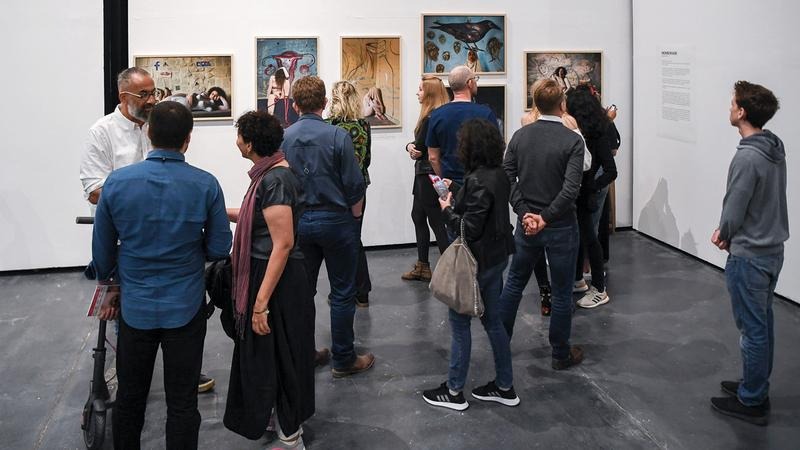
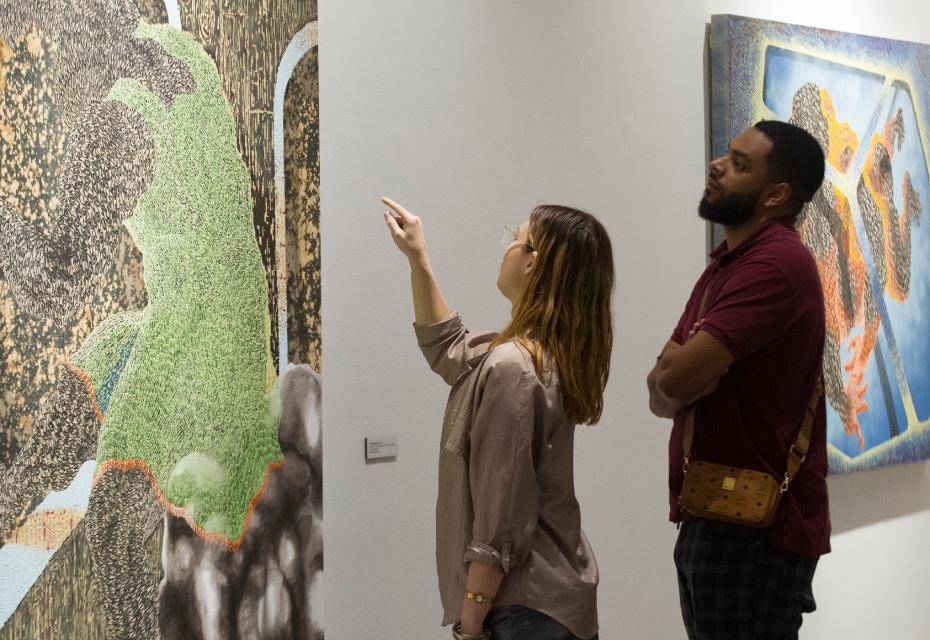
When people imagine starting an art collection, they often picture the moment of purchase: spotting a piece they love, asking about the price, and bringing it home. But the most important part of collecting happens long before any money changes hands.
It begins with learning how to look.
One of the biggest misconceptions about collecting art is that you need formal training or extensive knowledge before you can make good choices. In reality, many experienced collectors will tell you that developing your eye is less about expertise and more about exposure. The more art you encounter, the more you begin to recognize what genuinely captures your attention.
Try visiting galleries, museums, artist-run spaces, art fairs, and graduate exhibitions. Pay attention to which works make you stop and linger. Is it bold color? Quiet minimalism? Figurative painting? Photography? Installation art? Over time, patterns begin to emerge.
A fascinating example is the renowned collectors Herbert Vogel and Dorothy Vogel. Neither came from wealth, yet they built one of the most respected contemporary art collections in the United States. Rather than chasing famous names, they spent years visiting artists’ studios, looking closely at new work, and trusting their evolving instincts. Their collection eventually grew to thousands of artworks and was donated to institutions across the country.

Today, training your eye can happen far beyond museum walls. Follow artists on social media, browse gallery websites, read exhibition reviews, and pay attention to emerging voices. Create a folder of artworks that stay with you. You may not know exactly why you are drawn to them yet, and that’s okay.
The goal isn’t to become an art historian overnight. It’s to become familiar with your own taste.
Before you buy your first artwork, challenge yourself to spend time simply looking. The collector who has seen a thousand artworks before making a purchase often makes more confident decisions than the collector who rushes to buy the first piece that catches their eye.
A meaningful collection rarely begins with a credit card. More often, it begins with curiosity.
2. Buy What You Love, Not What Everyone Else Loves
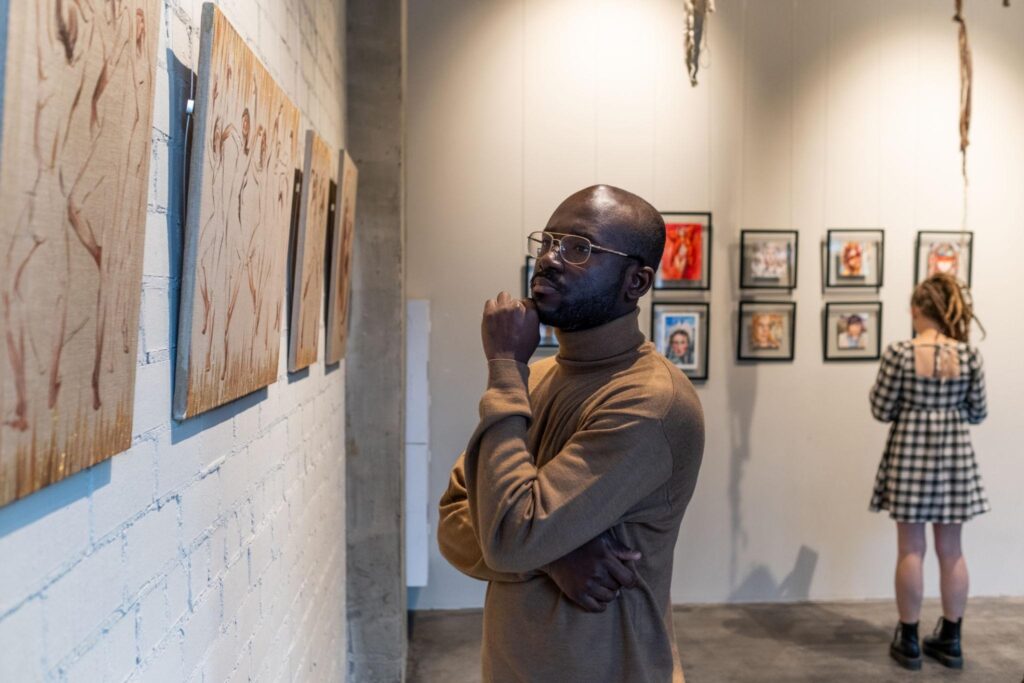
One of the first questions new collectors often ask is, “What kind of art should I buy?” But a better question might be: “What kind of art can I imagine living with for years?”
In a world where auction records make headlines and social media can turn artists into overnight sensations, it’s easy to feel pressured to buy what’s popular. Yet the strongest collections are rarely built around trends. They are built around genuine connection.
Think about the artworks you remember long after you’ve left a gallery. Often, they’re not the ones with the highest price tags or the biggest crowds gathered around them. They’re the pieces that stirred something personal, a memory, a question, a feeling, or even a sense of discomfort that stayed with you.
Many collectors follow a simple rule: if they are still thinking about a work days or weeks after seeing it, it’s worth considering more seriously. That lingering connection often says more than market predictions ever could.
A well-known example is Peggy Guggenheim, whose collection reflected her personal enthusiasm for groundbreaking artists long before many of them became household names. She supported artists because she believed in their work, not because the market told her to. Today, many of those artists are considered some of the most influential figures of the twentieth century.
This doesn’t mean you should ignore quality or research. It means that personal connection should be part of the equation. Ask yourself: Would I still love this artwork if I didn’t know the artist’s name? Would I want to see it every day? Does it reveal something new each time I look at it?
Collecting art is one of the few forms of collecting where emotion isn’t a weakness, it’s often the foundation. Trends will come and go, tastes in the wider market will shift, and headlines will move on to the next big thing. What remains is the artwork hanging on your wall and the relationship you’ve built with it.
The best collections don’t try to impress everyone. They tell the story of the person who built them. And that story begins by choosing art that speaks to you, rather than art that everyone else is talking about.
3. Learn the Stories Behind the Art
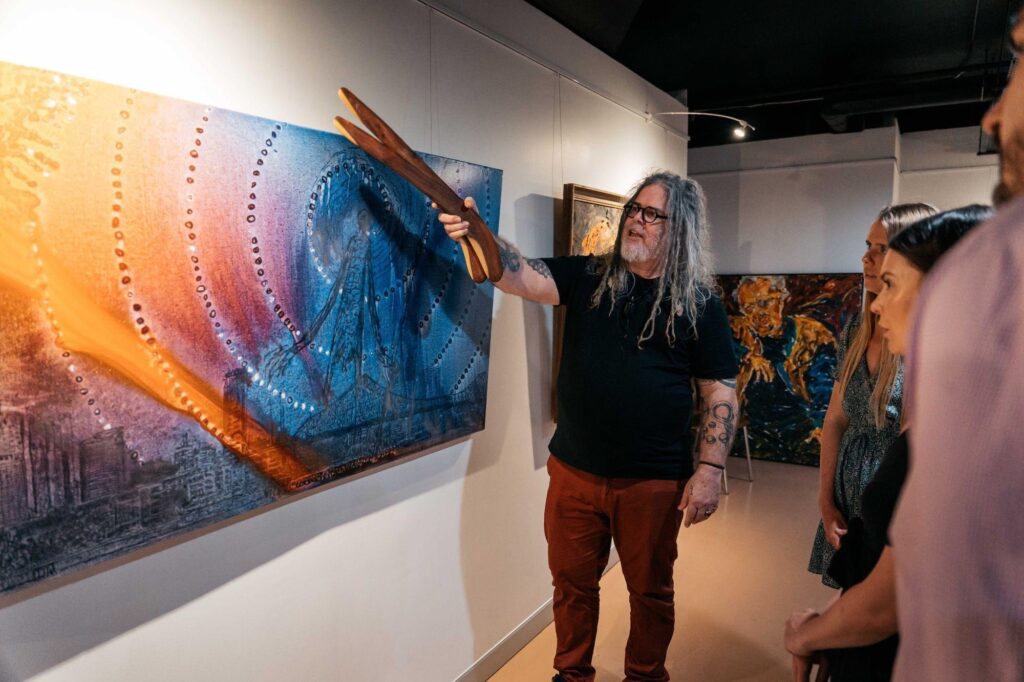
An artwork can capture your attention in seconds. Understanding it, however, often takes a little longer.
One of the most rewarding parts of collecting contemporary art is discovering the stories that exist beyond the frame. Every artwork is connected to a person, a process, a moment in time, and often a larger conversation about culture, identity, memory, or society. The more you learn about these stories, the richer your experience as a collector becomes.
Imagine standing in front of a painting that immediately draws you in. At first, you might respond to its colors, composition, or subject matter. Then you learn that the artist created it while exploring themes of migration, family history, or environmental change. Suddenly, the work begins to reveal new layers. What was once visually appealing becomes intellectually and emotionally engaging.
This is why seasoned collectors rarely stop at simply viewing an artwork. They read artist statements, explore portfolios, attend artist talks, and seek out interviews. Understanding an artist’s motivations can often transform the way a work is perceived.
Take Yayoi Kusama, for example. Her iconic polka dots and immersive installations are instantly recognizable, but their significance becomes far more profound when viewed through the lens of her lifelong experiences with hallucinations, repetition, and self-expression. Knowing that context doesn’t diminish the visual impact of her work, it deepens it.

The same principle applies when collecting emerging artists. Before making a purchase, spend time learning about their practice. What themes appear repeatedly in their work? What materials do they use, and why? How has their artistic voice evolved over time? These questions not only help you make informed decisions but also create a stronger connection between you and the artwork you choose to live with.
In many ways, collecting art is also collecting stories. The artworks that remain meaningful over the years are often those whose narratives continue to unfold every time you revisit them.
The next time a piece catches your eye, resist the urge to stop at first impressions. Look a little deeper. Sometimes the most compelling part of an artwork isn’t what you see, it’s what you discover after you start asking questions.
4. Understand the Market Without Chasing Trends
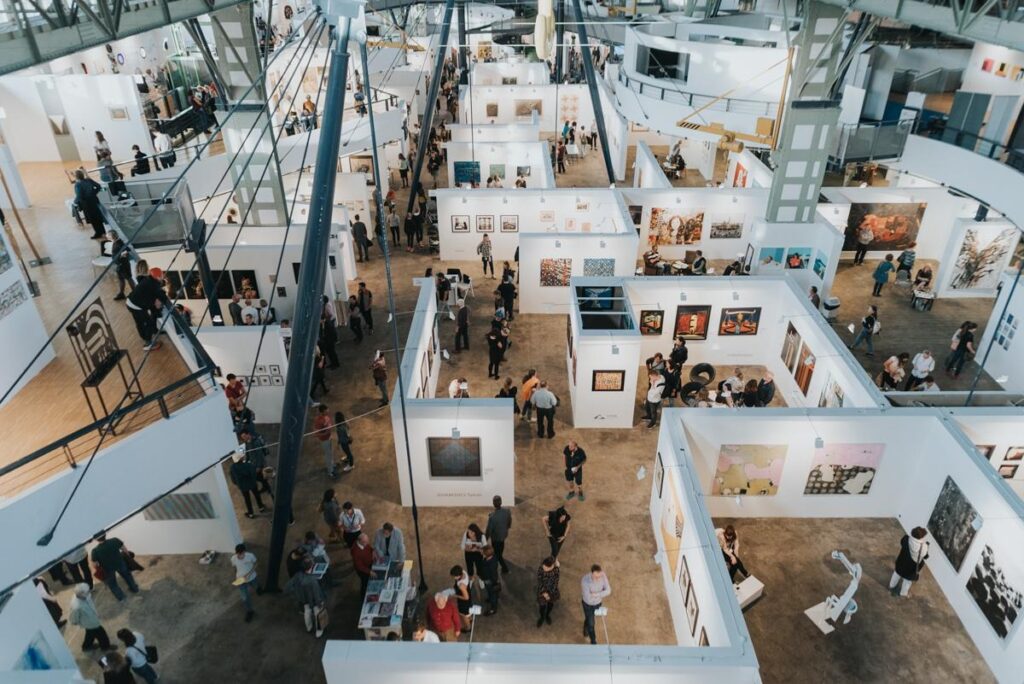

Sooner or later, every collector encounters the art market.
You’ll see headlines announcing record-breaking auction sales, articles predicting the next rising star, and social media posts declaring certain artists “must-buys.” While these stories can be fascinating, they can also create the impression that collecting art is a race to discover the next big thing before everyone else does.
In reality, the market is only one part of the collecting experience.
Understanding how the art market works is valuable because it helps you make informed decisions. Learning about primary and secondary markets, artist representation, editions, provenance, and auction results can provide important context when evaluating an artwork. Knowledge protects collectors from making impulsive purchases based solely on hype.
However, the most meaningful collections are rarely built by following trends alone.
A useful example can be found in the changing fortunes of artistic movements throughout history. Artists who were once overlooked have later become celebrated, while others who dominated headlines during their lifetime have gradually faded from public attention. The market reflects cultural interests, but it does not always predict lasting significance.
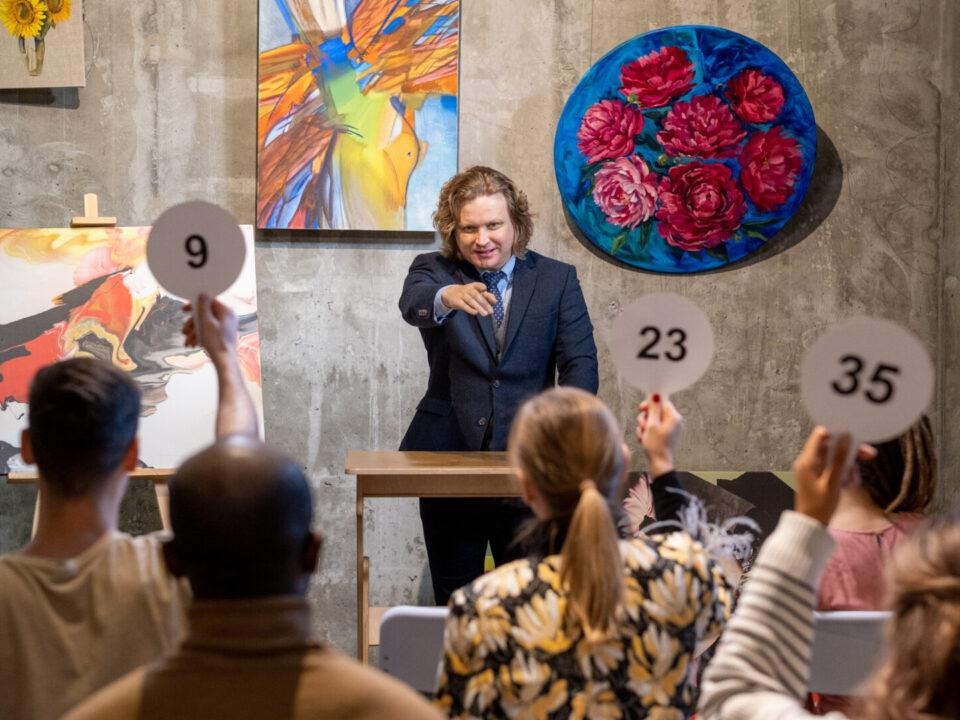
Today’s contemporary art world moves faster than ever. A single viral post can bring enormous attention to an artist overnight. Yet popularity and importance are not always the same thing. Collectors who buy solely because an artist is trending often discover that excitement can be temporary.
Instead of asking, “Is this artist hot right now?” consider asking different questions:
- Does this work resonate with me?
- Is the artist developing a distinctive voice?
- Do I admire the ideas behind their practice?
- Would I still value this artwork if its market price never increased?
The most confident collectors stay informed without becoming consumed by speculation. They read, research, and follow developments in the art world, but they don’t allow market noise to drown out their own judgment.
Think of the market as a tool rather than a compass. It can provide useful information, but it shouldn’t determine every direction you take. After all, the goal of collecting isn’t simply to own what’s popular today. It’s to build a collection that remains meaningful long after today’s trends have passed.
5. Let Your Collection Grow Naturally

Many first-time collectors believe they need a clear theme before they buy their first artwork. They imagine successful collections are built around a carefully planned concept, abstract painting, landscape photography, women artists, or a specific movement. While some collections do begin with a defined focus, many of the most interesting ones discover their identity along the way.
A collection doesn’t need to start with a blueprint.
In fact, trying too hard to create a perfectly coherent collection from the beginning can sometimes limit the joy of discovery. The early stages of collecting are often about exploration, learning what excites you, surprises you, and continues to hold your attention over time.
As your collection grows, you may begin to notice unexpected connections. Perhaps you’re repeatedly drawn to works that explore memory and nostalgia. Maybe you find yourself collecting artists who use bold color palettes or who reflect on themes of nature, identity, or place. These patterns often emerge naturally, revealing something about your interests before you’ve consciously recognized them.

A wonderful example is the collection assembled by Gertrude Stein and her family in early twentieth-century Paris. Rather than following a rigid formula, they acquired works by artists they admired and believed in. Over time, those choices created one of the most influential collections of modern art, featuring artists who would later reshape art history.
For contemporary collectors, the same principle applies. Instead of asking whether a new artwork fits a predetermined theme, ask whether it feels connected to the broader story you’re already building. The connection doesn’t have to be obvious. Sometimes a collection’s strength comes from subtle relationships between works rather than visual similarity.
Think of your collection as an ongoing conversation rather than a completed project. Each new artwork adds a voice, a perspective, or a question to that dialogue. Some pieces may challenge one another. Others may unexpectedly complement each other years later.
The beauty of collecting is that your tastes will evolve. What attracts you today may lead you somewhere entirely different tomorrow. By allowing your collection to grow organically, you create space for surprise, growth, and a collection that feels genuinely personal rather than carefully manufactured.
6. Start Small and Collect Within Your Means
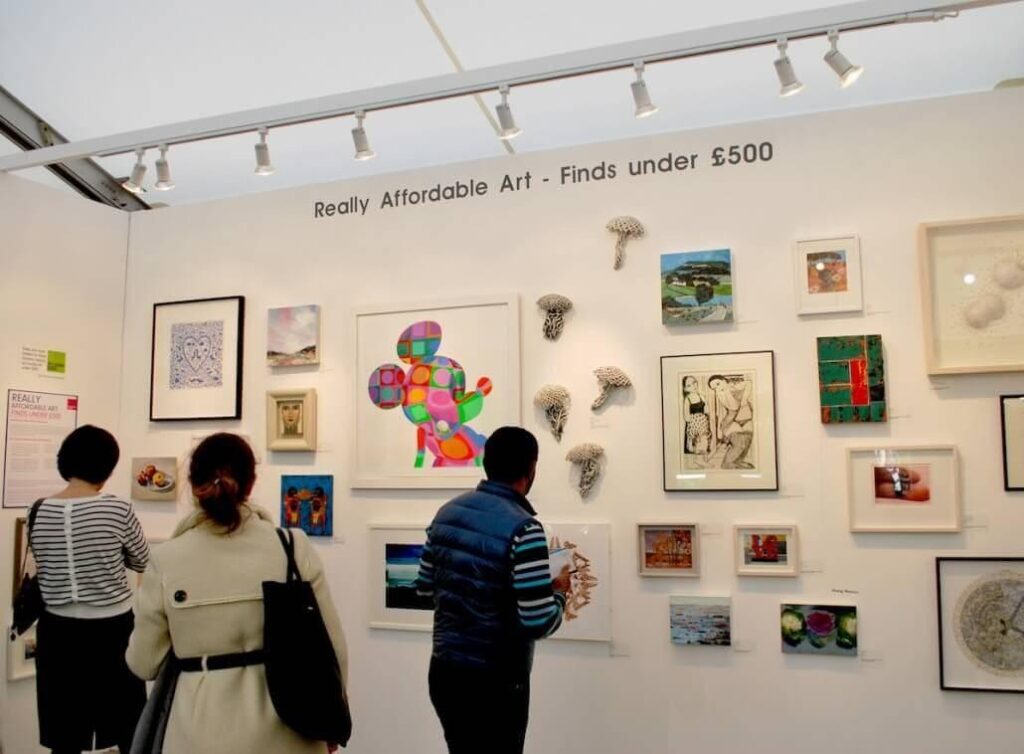
One of the most persistent myths about art collecting is that it is a hobby reserved for the wealthy. Images of multimillion-dollar auction sales and museum-worthy masterpieces can make collecting feel out of reach for ordinary art lovers. The truth is far more encouraging: many great collections begin with modest purchases, careful choices, and a genuine passion for art.
You do not need a large budget to become a collector.
Some of today’s most respected collectors started by purchasing affordable works from emerging artists whose practices they admired. In many cases, those early acquisitions became some of the most meaningful pieces in their collections, not because they increased in value, but because they marked the beginning of a long relationship with art.
Contemporary collecting offers more opportunities than ever before. Original works on paper, photography, limited editions, prints, ceramics, and small-scale paintings can provide accessible entry points for new collectors. Emerging artists, in particular, often offer works at prices that are significantly more approachable than those of established names.
The renowned collectors Herbert Vogel and Dorothy Vogel are often cited as proof that passion matters more than wealth. Living on modest salaries, they built an extraordinary contemporary art collection by purchasing affordable works from young artists they believed in. Their collection eventually grew into one of the most celebrated examples of twentieth-century collecting.
Starting small also gives you something equally valuable: time. Rather than feeling pressured to make major purchases, you can learn, refine your taste, and build confidence with each acquisition. A carefully chosen print that you genuinely love will always contribute more to your collection than an expensive artwork purchased simply for status.
It’s also worth remembering that collecting isn’t a competition. There is no minimum budget, no required number of artworks, and no deadline for building a collection. Some collectors acquire several works each year, while others add only a few pieces over decades.
The goal is not to collect quickly. The goal is to collect thoughtfully.
A meaningful collection isn’t measured by how much money was spent creating it. It’s measured by the connections, discoveries, and stories that each artwork brings into your life.
7. Support Living Artists Whenever You Can
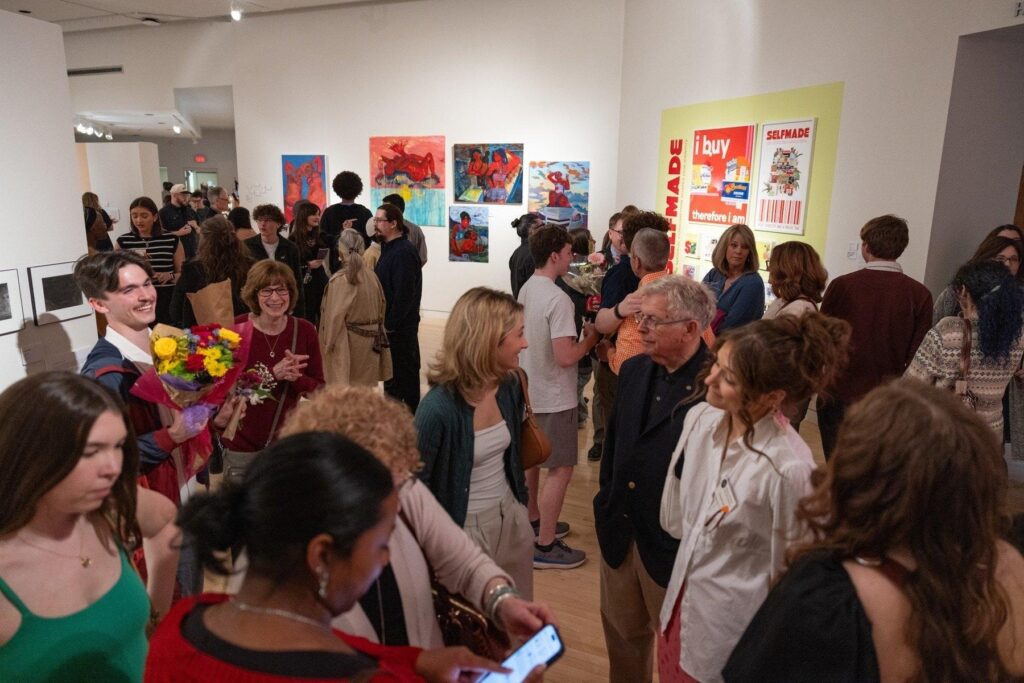
One of the most unique aspects of collecting contemporary art is that the story is still being written.
Unlike collecting works by artists from centuries past, collecting contemporary art offers something far more personal: the opportunity to engage with artists who are actively creating, experimenting, and shaping the cultural conversations of our time. When you collect their work, you are not just acquiring an object, you are becoming part of their journey.
Many collectors describe some of their most meaningful acquisitions as works purchased directly from artists or early in an artist’s career. There is something special about watching an artist’s practice evolve over the years and knowing that you supported their work at a crucial stage of their development.
Consider the many collectors who championed artists such as Jean-Michel Basquiat or Cindy Sherman before they became internationally recognized figures. While not every emerging artist will achieve global fame, the principle remains the same: collecting can be an act of belief as much as an act of acquisition.
Supporting living artists also helps sustain the broader creative ecosystem. Behind every artwork are countless hours of research, experimentation, failed attempts, revisions, and dedication. Purchasing directly from artists, galleries, artist-run spaces, or reputable platforms contributes to the continuation of that creative practice and enables artists to keep producing new work.
Beyond financial support, collecting contemporary art can create genuine connections. Attend artist talks, visit open studios, follow artists’ journeys online, and engage with their ideas. These experiences often deepen your understanding of the artwork and transform collecting into something far more rewarding than ownership alone.
For many collectors, the most treasured works are not necessarily the most expensive or the most famous. They are the pieces connected to artists whose careers they have followed, whose stories they understand, and whose growth they have witnessed firsthand.
In a rapidly changing art world, supporting living artists is also a way of investing in the future. Today’s emerging voices may become tomorrow’s influential figures, but even if they don’t, their work still captures something essential about the world we live in right now.
And that is one of the greatest privileges of collecting contemporary art: the chance to collect the present while helping shape its future.
8. Trust Your Instincts More Than Trends

Every collector receives advice.
Buy established artists. Follow auction results. Pay attention to market forecasts. Watch what major collectors are acquiring. While these insights can be useful, there comes a point when every collector faces the same challenge: deciding whether to trust outside opinions or their own instincts.
The most memorable collections are rarely built by following someone else’s blueprint.
As you spend more time looking at art, visiting exhibitions, and learning about artists, you’ll begin to develop something incredibly valuable, your own perspective. You may not always be able to explain why a particular artwork moves you, but that instinct is often the result of countless observations, experiences, and emotional responses accumulated over time.
Many of history’s most admired collectors became known not because they followed trends, but because they trusted their vision before others did. They were willing to take risks, support unfamiliar artists, and choose works that felt meaningful to them, even when those choices seemed unconventional.
Of course, trusting your instincts doesn’t mean abandoning research or making impulsive purchases. It means allowing your personal connection to remain at the center of the decision-making process. If an artwork continues to stay with you, sparks your curiosity, or reveals something new each time you encounter it, that response matters.
A useful question to ask yourself is: Would I still want to live with this artwork if nobody else ever saw it?
If the answer is yes, you’re probably paying attention to the right voice.
Over time, a collection becomes more than a group of objects. It becomes a reflection of your interests, values, memories, and evolving relationship with art. The artworks you choose tell a story, not just about the artists who created them, but about the person who collected them.
Trends will change. Markets will fluctuate. New movements will emerge, and old ones will return. But a collection built on genuine curiosity and personal connection has something far more enduring than popularity: authenticity.
In the end, the goal isn’t to build a collection that looks like everyone else’s. It’s to build one that could only belong to you.
A Collection Is Really a Portrait of Its Collector
The idea of starting an art collection can feel intimidating at first. There are artists to discover, markets to understand, and countless artworks competing for your attention. Yet every meaningful collection begins the same way, with curiosity.
You don’t need a large budget, insider connections, or an art history degree to become a collector. What matters most is your willingness to look closely, ask questions, learn continuously, and trust your instincts along the way.
The most compelling collections are not necessarily the largest or the most valuable. They are the ones built thoughtfully over time, shaped by personal experiences, evolving interests, and genuine connections to the artworks they contain. Each piece becomes a marker of a moment, a discovery, or a belief in an artist’s vision.
Whether you’re purchasing your first print from an emerging artist or considering a major acquisition, remember that collecting is not about perfection. It is about building relationships, with artists, with ideas, and ultimately with yourself.
A collection grows artwork by artwork, year by year. And before long, what began as a single purchase becomes something much larger: a reflection of the stories, questions, and perspectives that matter most to you.
If you were to start your collection today, what would be the first artwork you’d choose?
If you enjoy exploring the stories and figures that continue to inspire artists across time, you may also enjoy reading our article on 8 Legendary Female Warriors Artists Never Stopped Painting.