

How Old Photos Speak Differently Every Time We See Them

👁 69 Views
This interview follows Mara through the experiences that shaped how she works today, beginning with the small camera she received as a child and moving through her early career in acting. She explains how those first spontaneous experiments with photography stayed with her and how acting sharpened her awareness of gestures, timing and the unspoken things that unfold between people. That mix now guides her whenever she steps behind the camera.
Throughout our conversation, she talks openly about shifting between portrait, abstract and documentary approaches rather than choosing a fixed path. For her, each direction answers something different. Her behind the scenes work shows this clearly. She pays close attention to the quiet moments that most people overlook and looks for the single frame that carries more than it first reveals.
A turning point in the interview comes when she discusses her current series shaped by a simple question that grew from a conversation with a friend. What would happen if all socially assigned expectations of men and women were set aside. Instead of answering that question in theory, she chose to explore it through photography, working with people in real situations to see what might surface.
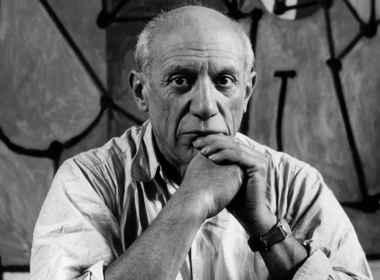
She also describes what it is like to revisit her earlier photographs. The images themselves do not change, but the way she sees them does. With time she notices angles, shadows or moods she missed before, and this shows how her way of observing situations continues to shift.
Her early encounters with the work of Sebastião Salgado and the imagery linked to Frida Kahlo still influence her. They taught her to look for meaning even in places that feel harsh, temporary or staged. Whether she is on a set, in a rehearsal room or watching friends interact, she searches for signs of movement or transition that say something about the moment she is witnessing.
What we learn from this interview is that Mara approaches photography with curiosity, attention and a sense of story shaped by her acting background. She invites us to look more closely at the spaces between people, the expectations placed on them and the subtle moments that can hint at much larger questions.
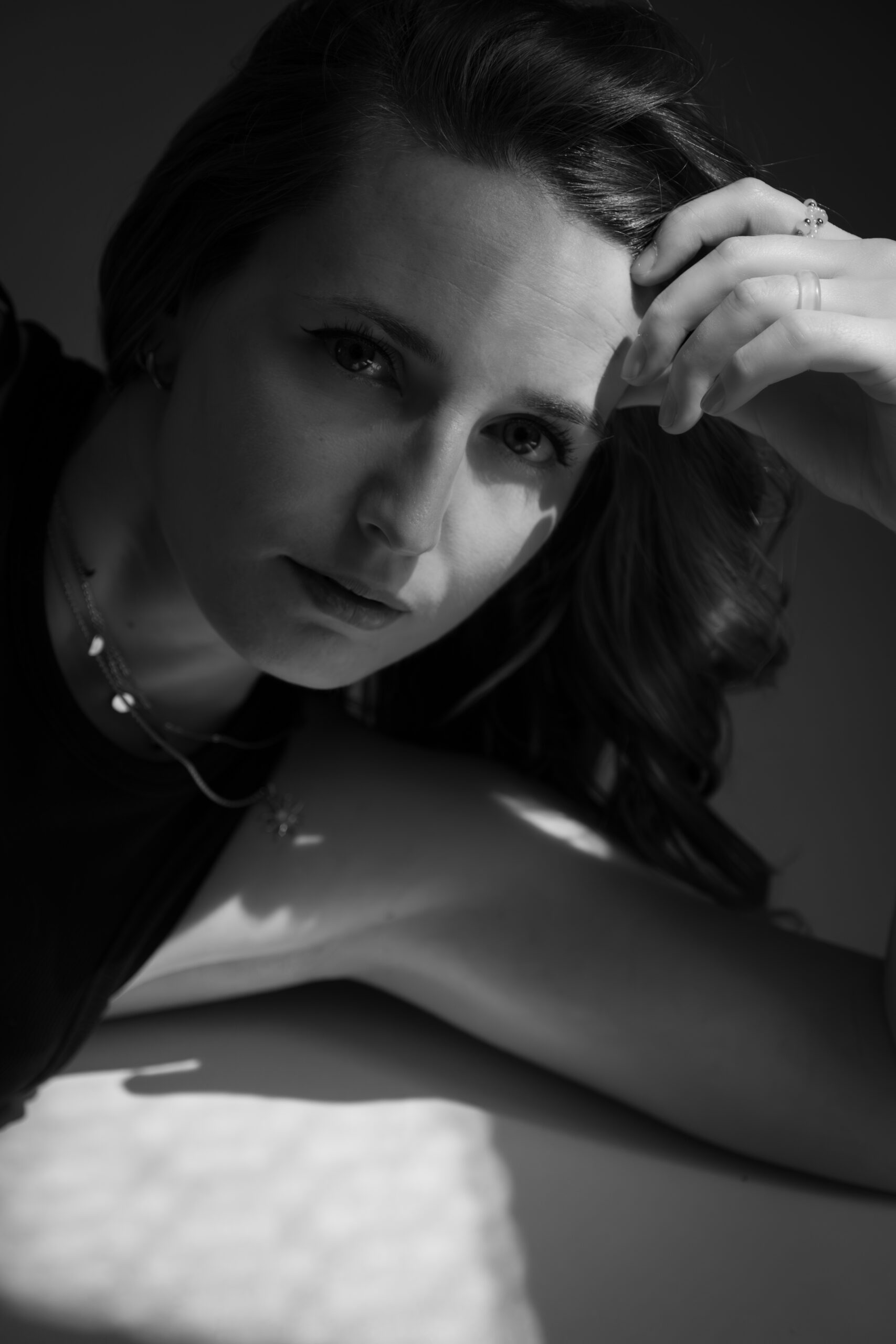
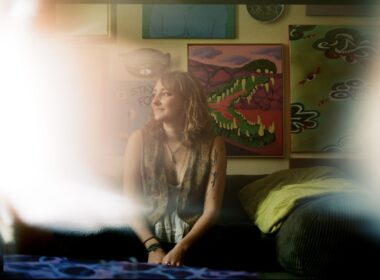
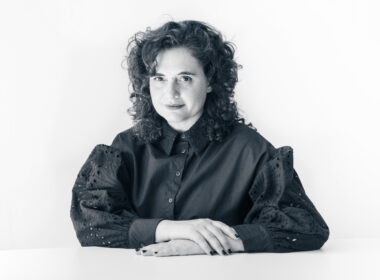
Mara lives and works in Hamburg. At the age of eight, she received her first camera as a gift a moment that sparked a lifelong passion for photography. Originally trained as an actress, she eventually found her artistic expression in photography and, without formal training, developed an independent visual language. Her work moves between portrait, abstract, and documentary photography. In particular, her “Behind the Scenes” photography combines observation with artistic condensation. Central questions in her practice are how a single image can tell an entire story and how people can appear meaningful even in seemingly inhuman environments. She is currently working on a feminist series that explores what remains when societal expectations of women and men are stripped away. With her art, Mara seeks to inspire, to encourage reflection and rethinking, and to motivate people to realize that they can create more movement in their lives than they might believe possible.
1. How did your early experiences with a camera influence the way you approach photography today, especially after beginning your career in acting?
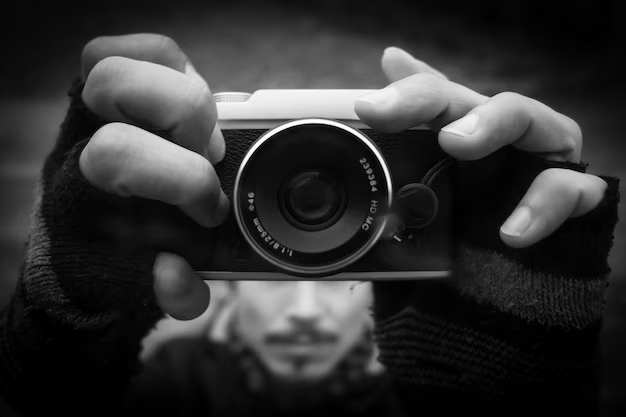
My earliest experiences with a camera were very instinctive. I wasn’t thinking about technique so much as I was chasing moments, gestures, and emotions in a way only a child could. That raw curiosity shaped the way I still approach photography today. Once I began my career in acting, I realized how much those early experiments taught me about presence and storytelling. Acting sharpened my awareness of body language, rhythm, and the subtle shifts in emotion, and now when I photograph, I bring that same sensitivity to the frame. I don’t just see a subject. I feel the narrative unfolding, almost like directing a scene. The camera became not only a tool for capturing images but also a way of translating the performative energy I know from acting into visual form.
It’s not the image that changes over time but I do.
Mara
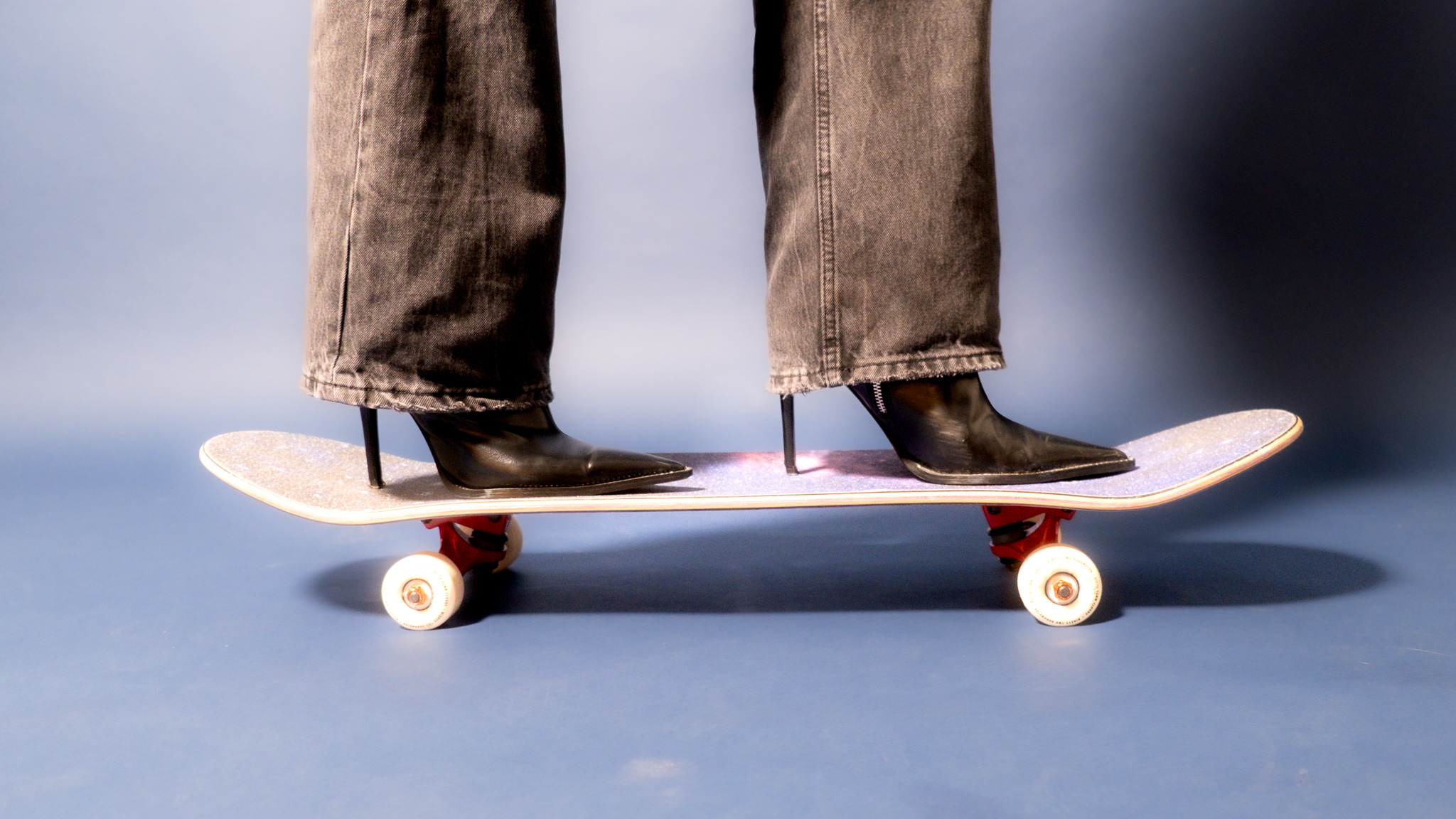
2. Your work moves between portrait, abstract, and documentary approaches. What draws you toward shifting between these fields rather than staying within one genre?
Moving between these genres keeps my practice alive. It mirrors the way I shift roles as an actress, adapting to different stories and perspectives. For me, it’s less about choosing one genre and more about embracing the full spectrum of human experience.
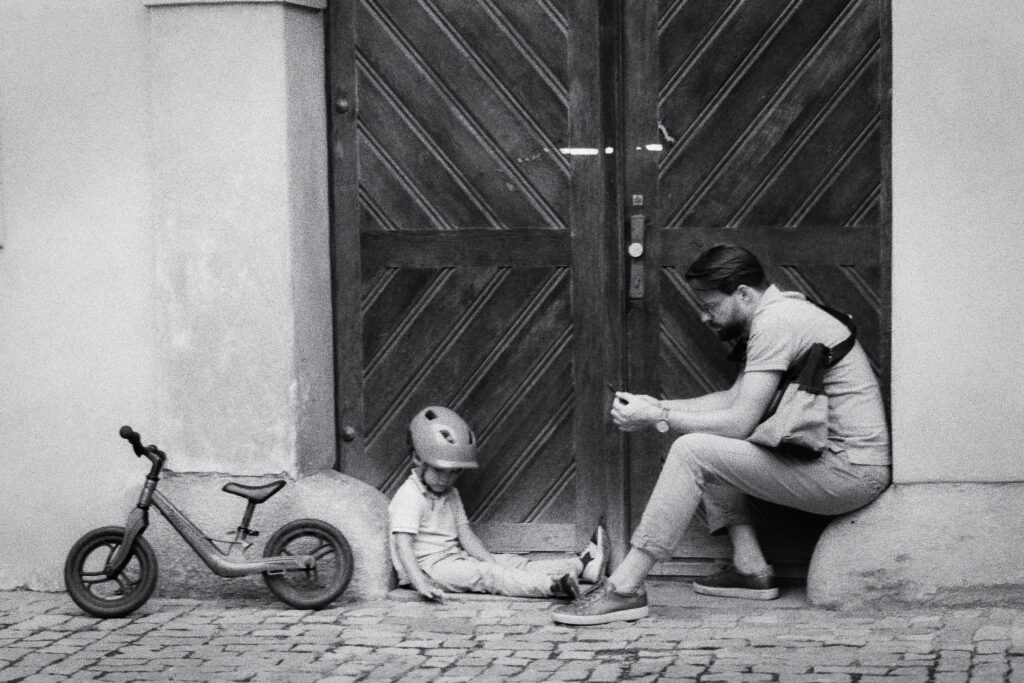
3. In your “Behind the Scenes” photography, you focus on moments that often go unnoticed. What do you look for when deciding that a single image can carry a whole story?
When I’m behind the scenes, I’m drawn to the in‑between moments—the gestures, glances, or fragments of atmosphere that might seem small but reveal the emotional truth of a situation. look for images that hold tension or intimacy, something that suggests what happened before and what might come after. If one frame can make you feel like you’ve stepped into a larger narrative, then I know it carries a whole story.
4. Your current series examines what remains when traditional ideas of gender are taken away. What sparked the need to explore this theme through photography rather than another medium?
Like a lot of things in life the inspiration for this topic or rather question came when i least expected it and wasn’t looking for it either. A good male friend of mine felt lonely as his relationship just had ended and asked me why it was considered gay when he would just cuddle up with his best mate just for comfort he knows women do it all the time and for them its no issue at all but society decided that that only goes for women not men. So I asked him what would happen if we would strip away all genderspecific norms and expectations, what would we do how would we live? And he said lets try out and make a whole Photoseries about it.
My earliest experiences with a camera were very instinctive. I wasn’t thinking about technique as much as I was chasing moments, gestures and emotions in a way only a child could.
Mara
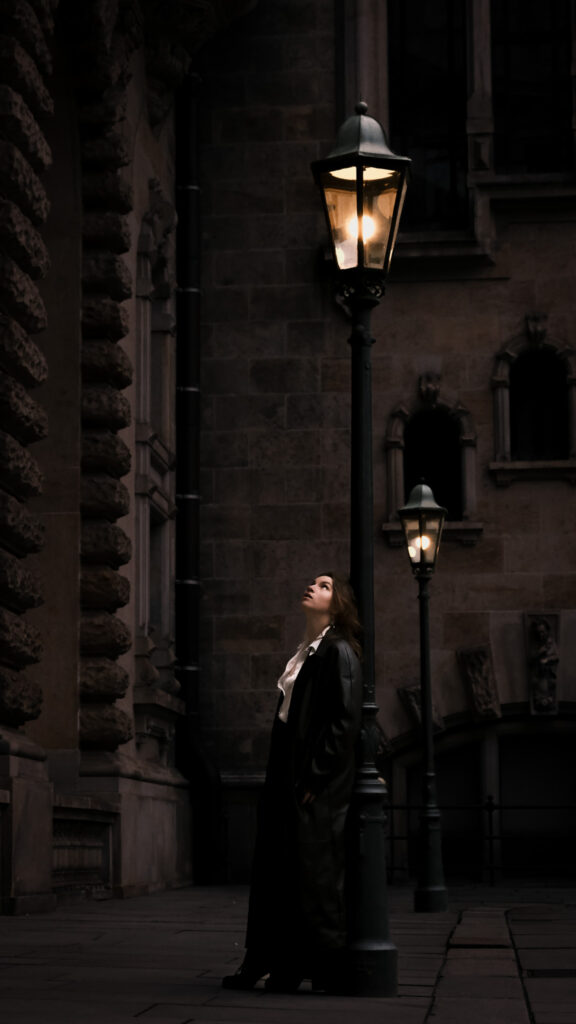
5. You’ve said that older images sometimes gain new meaning for you over time. What does that process of returning to earlier work teach you about how you see people and situations?
It’s not exactly that the meaning or the image itself that changes but with time my growth as a photographer and simply my way to look at things changes so i see the picture differently I see shadows that I didnt see before or a special angle that makes the picture more dynamic. Its not the image that changes over time but I do.
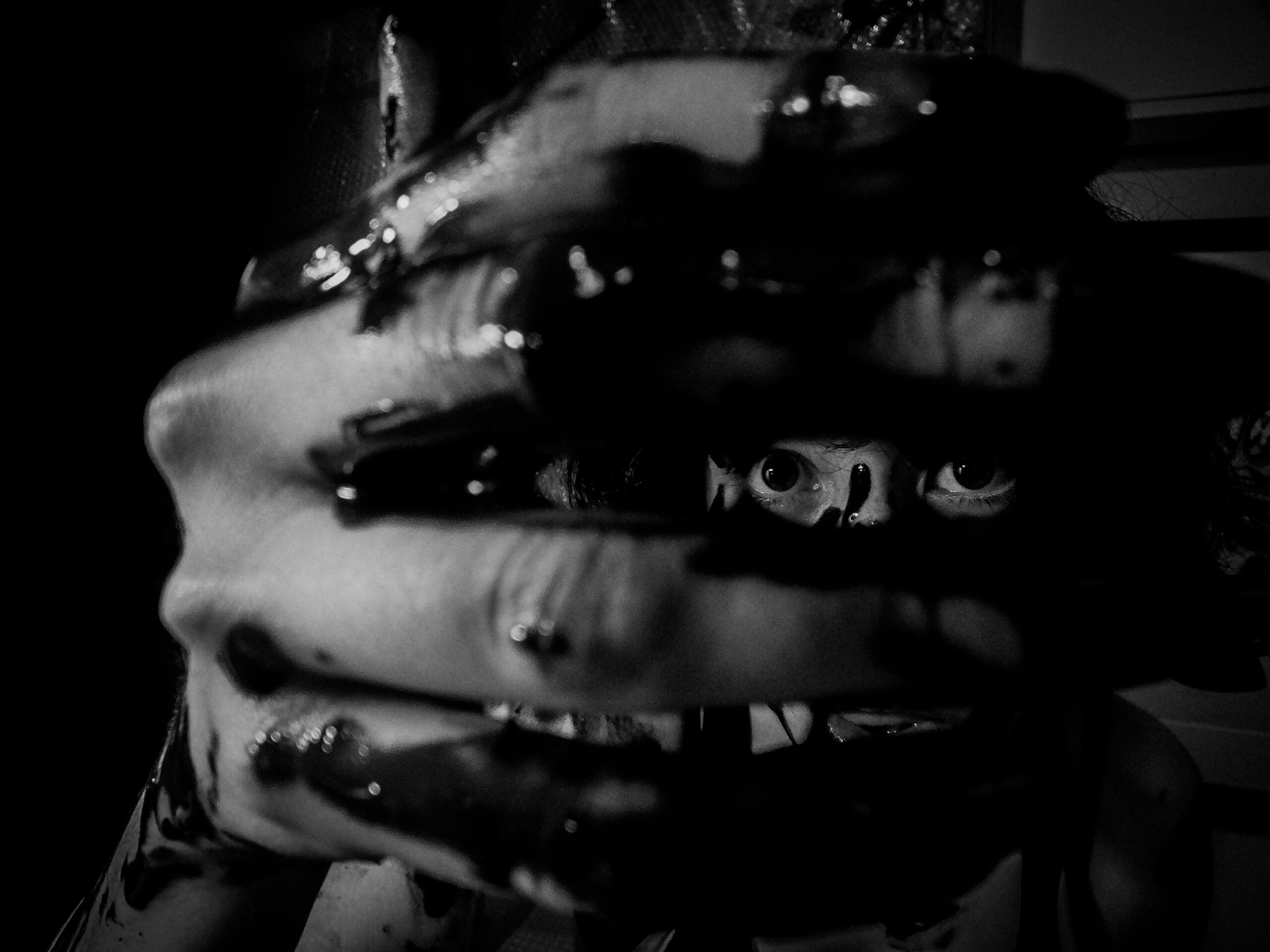
6. Your influences, from Salgado to the imagery linked with Frida Kahlo, seem rooted in intensity and symbolism. How have these early impressions shaped the way you observe environments that feel harsh, staged, or in transition?
Discovering Salgado’s work and the imagery tied to Frida Kahlo at a young age gave me permission to see the world with both honesty and imagination. As a teenager, I was still forming my voice, but those influences taught me that even harsh or staged environments carry layers of meaning. Salgado showed me how intensity can reveal dignity in difficult circumstances, while Kahlo’s symbolism taught me to look beyond the surface and notice emotional truths. So when I photograph spaces in transition whether it’s a construction site, a rehearsal room, or even a fleeting moment with friends I’m searching for that mix of raw reality and hidden symbolism. It’s less about documenting what’s there and more about asking “What story or feeling is unfolding beneath it?”
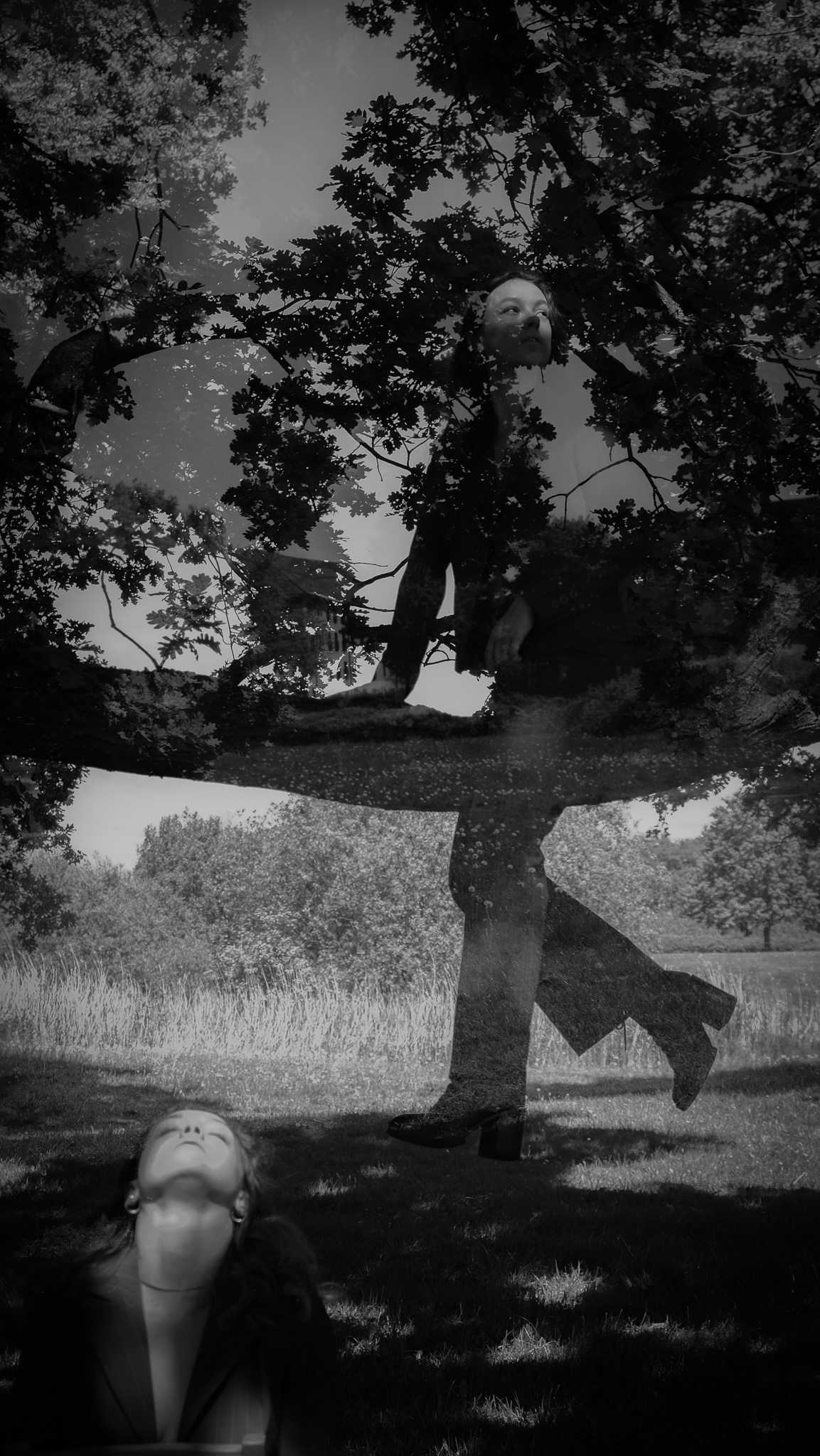
Following Mara through her journey shows how her photography grows from instinct, curiosity and a steady interest in the stories that people carry with them. Her work moves between portrait, abstract and documentary approaches, yet each part of her practice revolves around the same question: how much can a single moment reveal.
Her current focus on gender expectations pushes this even further, inviting viewers to look at how people behave when familiar rules are removed. What stands out from her story is how she uses her background in acting, her early attraction to small details, and her evolving way of seeing to create images that open up larger conversations. From her childhood camera to her latest series, she shows us how attention, patience and a willingness to question norms can shape an entire body of work.
To learn more about Mara, click the following links to visit her profile.
Arts to Hearts Project is a global media, publishing, and education company for
Artists & Creatives. where an international audience will see your work of art patrons, collectors, gallerists, and fellow artists. Access exclusive publishing opportunities and over 1,000 resources to grow your career and connect with like-minded creatives worldwide. Click here to learn about our open calls.