

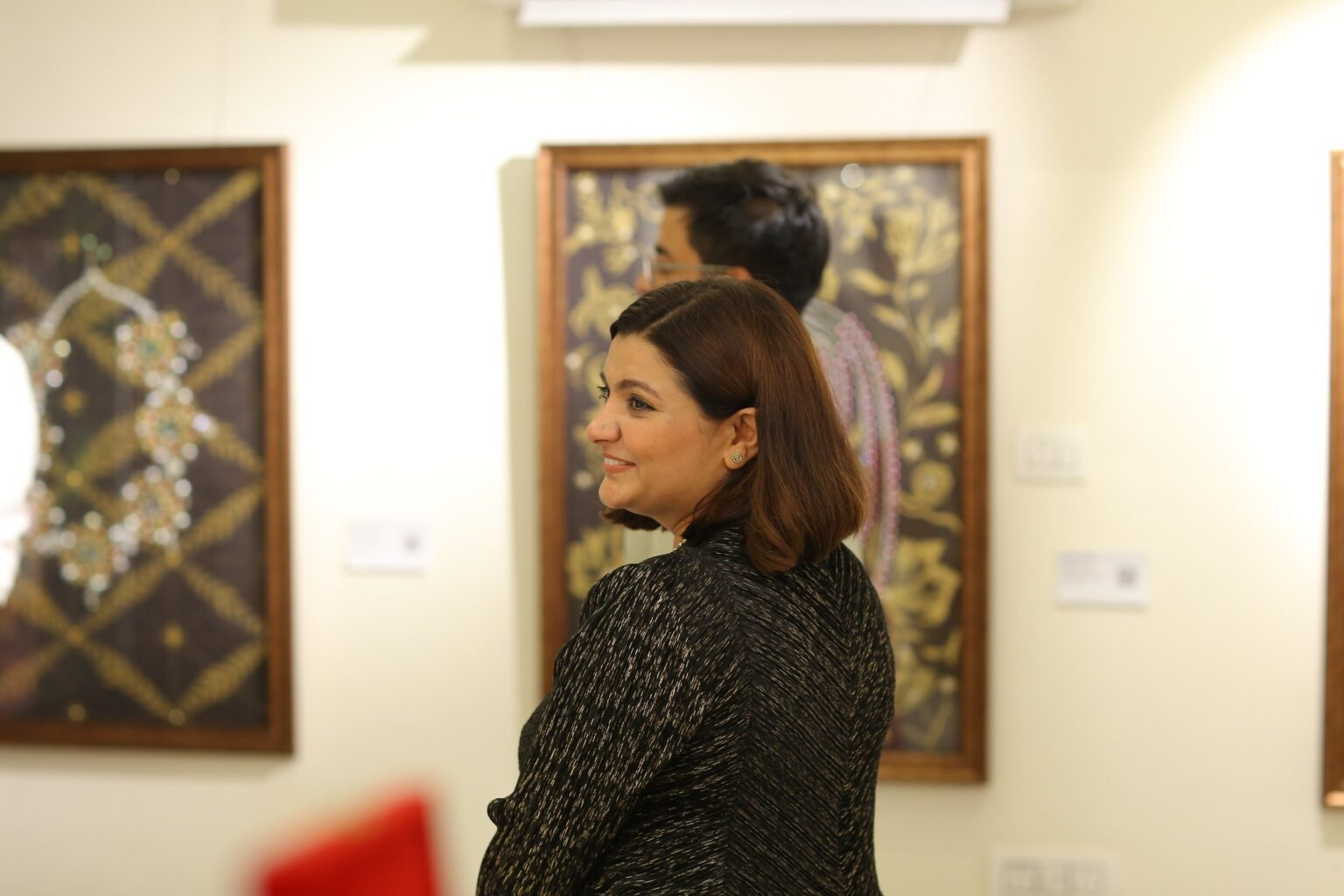

Watch & Listen to this podcast Episode.
There’s a certain kind of illusion the internet has created around creative projects. We see the final book launch, the perfect reel, the clean spreads, the finished publication sitting beautifully on a table somewhere, and slowly we begin believing creative work always looks polished while it’s happening.
But listening to Charuka Arora founder of Arts to Hearts Project talk about how Arts to Hearts books are actually made completely breaks that illusion in the best possible way. Because behind every finished publication is chaos not glamorous chaos, but real chaos.
Factories sending wrong samples, color mismatches, deadlines constantly shifting, layouts being revised again and again, hundreds of artist interviews, proofreading rounds, production checks, shipping coordination, and a small team trying to hold all of it together at once.
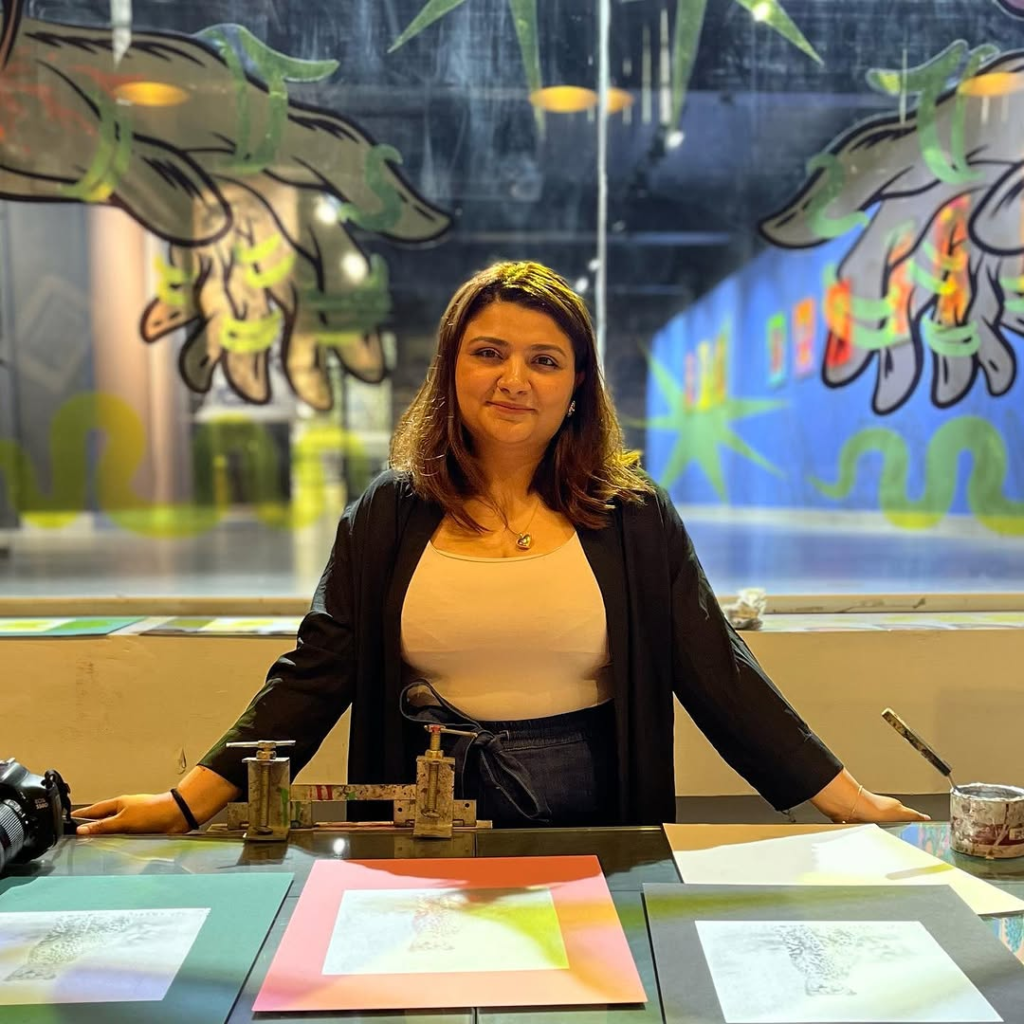
What makes the episode interesting isn’t simply learning how the books are made, but realizing how much invisible work exists behind something people consume in a few minutes online.
Suddenly the books stop feeling like neat final objects and start feeling more like the outcome of months of conversations, revisions, mistakes, experimentation, problem-solving, and people quietly trying to build something meaningful despite how messy the process actually becomes behind the scenes.
The Finished Version Hides Everything That Came Before It
We’ve kind of been conditioned by the internet to believe creative projects happen way faster and way more smoothly than they actually do. A book launches online, the reel looks beautiful, the pages flip perfectly, and suddenly it feels like the whole thing probably came together in a few weeks with everything magically working out.
But hearing Charuka Arora talk about how Arts to Hearts publications are actually made completely changes that perception.
She explains that a single publication can take anywhere between two to six months depending on how smoothly things go behind the scenes, and honestly, once you hear everything involved, that timeline starts sounding stressful rather than long.
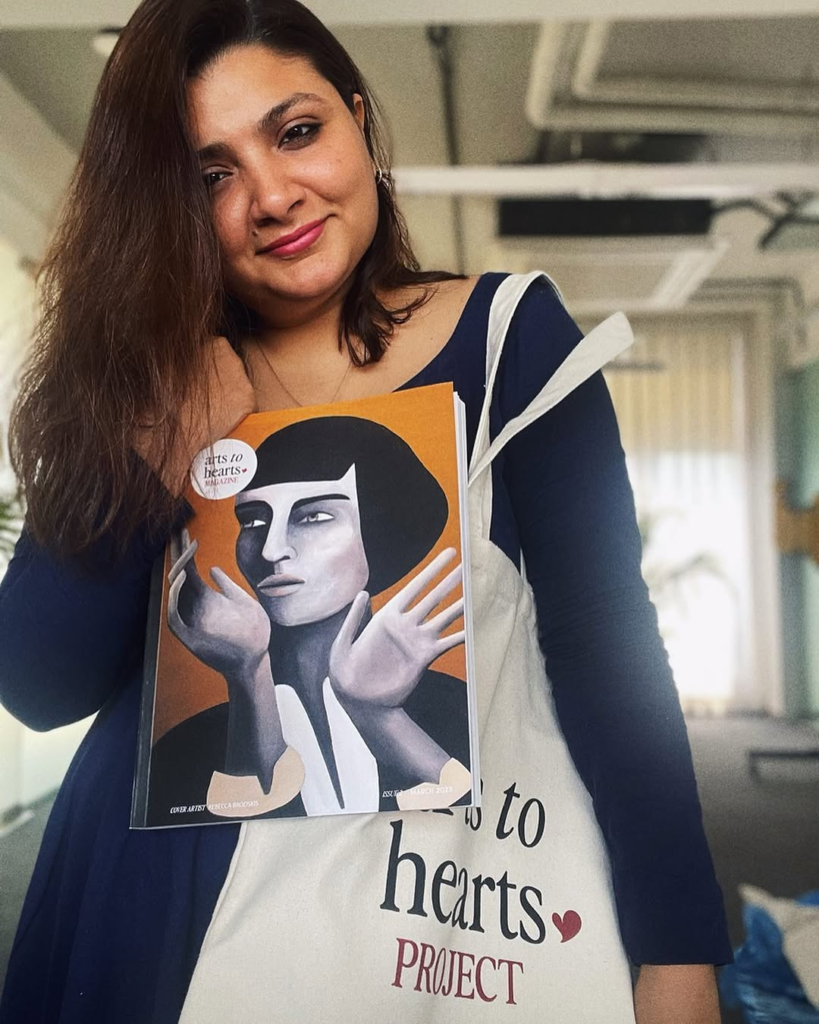
There are open calls, artist interviews, jury reviews, layouts, mockups, production samples, proofreading rounds, color checks, warehouse quality control, international shipping, and constant revisions all happening simultaneously. And even after doing all of that, things still go wrong. Samples arrive incorrectly, colors print differently than expected, deadlines shift, and production mistakes happen unexpectedly.
Charuka even shares how one of the magazine samples accidentally arrived as a hardcover instead of a softcover because of a factory mix-up, and weirdly enough, that small moment probably explains creative work better than anything else in the episode.
Because from the outside, creative projects usually look polished and effortless. But behind almost every finished thing online are exhausted people solving problems in real time while trying to make sure the final work still feels beautiful, intentional, and worth all the chaos it took to get there.
The Difference Between Content and Something Thoughtfully Made
One thing that quietly stands out throughout the episode is how intentional the Arts to Hearts publications actually are. These books are not assembled quickly just to keep up with content cycles or constantly feed algorithms. There’s a real attempt to build experiences around artists and their work in a way that feels thoughtful and immersive.
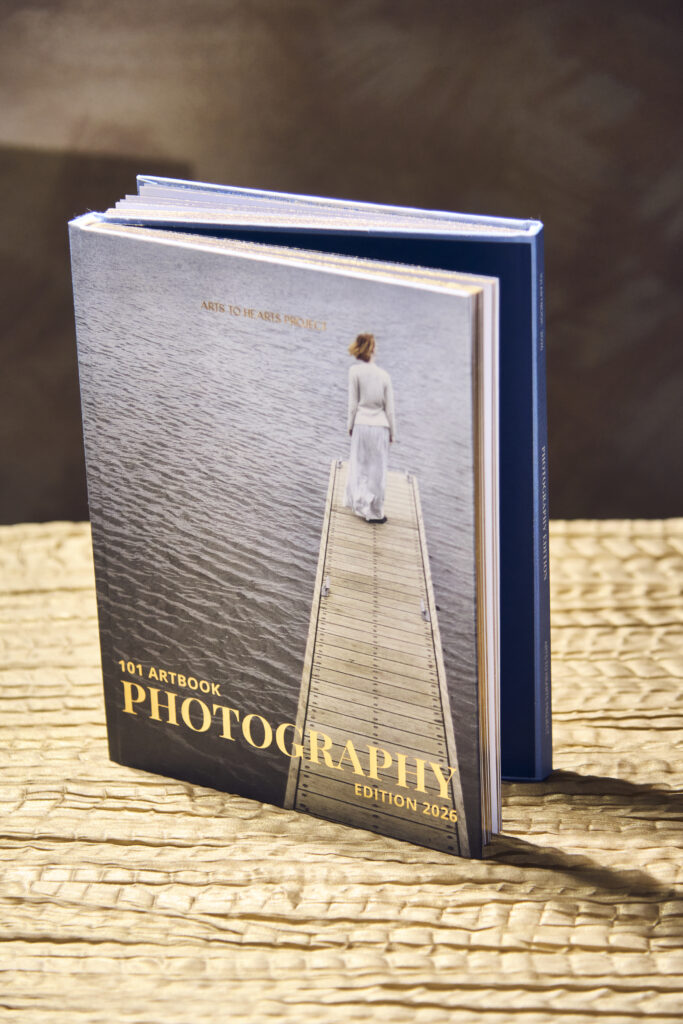
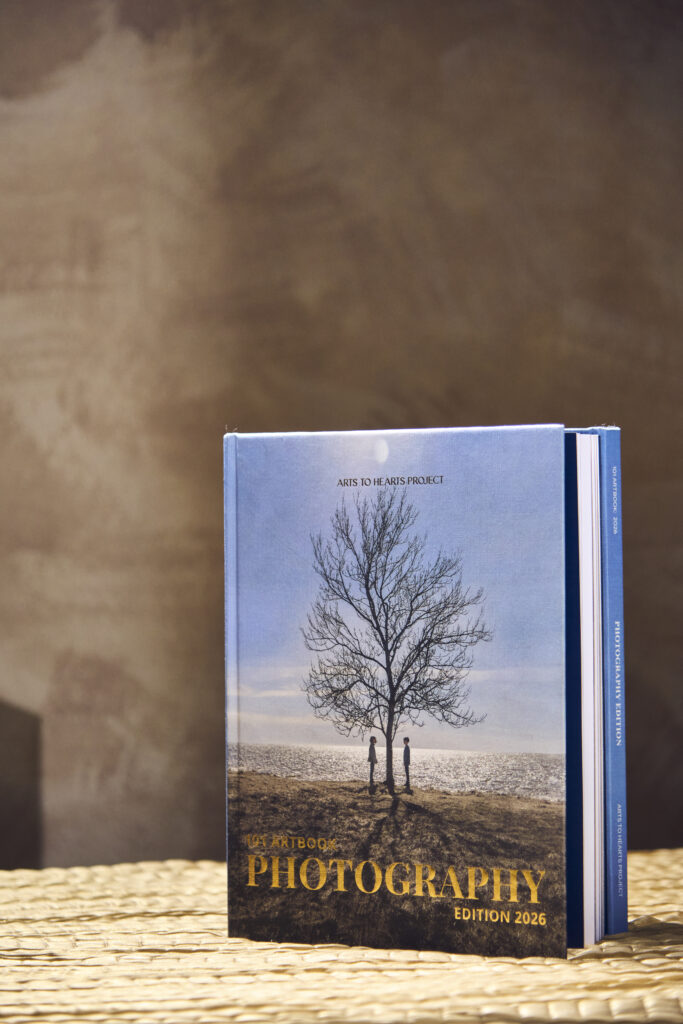
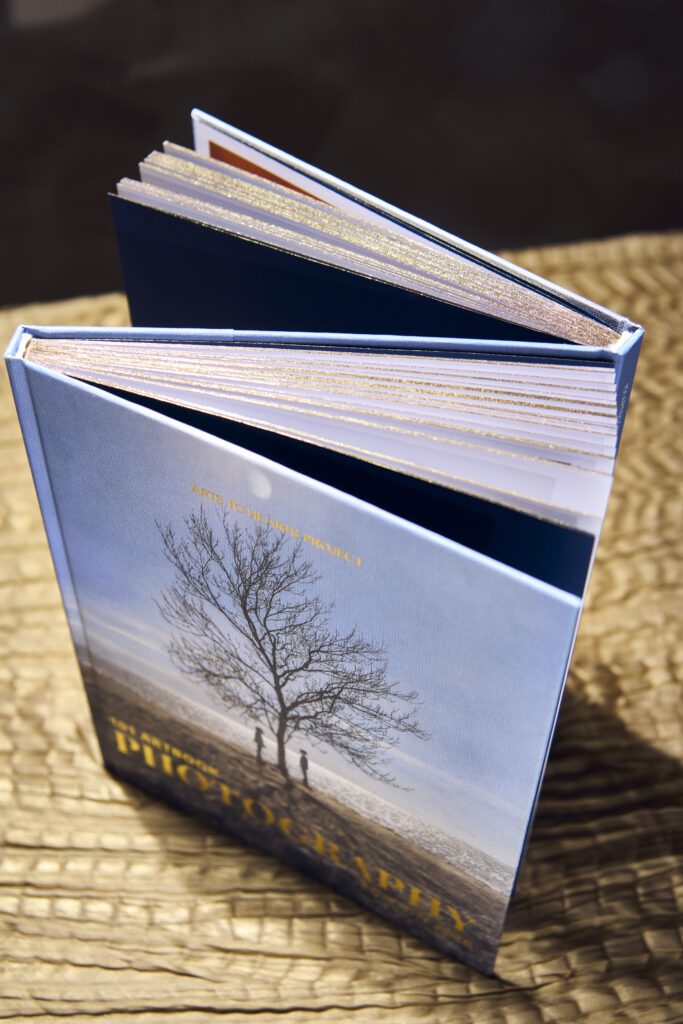
Charuka talks about experimenting with layouts internally, testing different cover artists, balancing invited artists with artists discovered through open calls, and shaping how each publication should emotionally feel before it’s finalized. And honestly, hearing that changes how you look at the books entirely.
They stop feeling like products and start feeling more like carefully constructed spaces where artists, stories, interviews, and artworks are all meant to exist together intentionally. At a time when so much art online disappears in seconds, there’s something surprisingly meaningful about people still choosing to spend months building physical objects that ask audiences to slow down and actually spend time with the work.
Small Creative Teams Are Doing More Than We Realize
Another thing the episode quietly reveals is how much independent publishing depends on people constantly working behind the scenes. It’s easy to look at a finished Arts to Hearts book and only see the final polished version, but hearing Charuka talk about the actual process completely changes that perspective.
Artists are submitting works and interviews, designers are spending hours testing layouts, editors are reviewing text repeatedly, printers are creating multiple production samples, and teams are checking colours, proofs, and technical details before anything is finally approved for print.
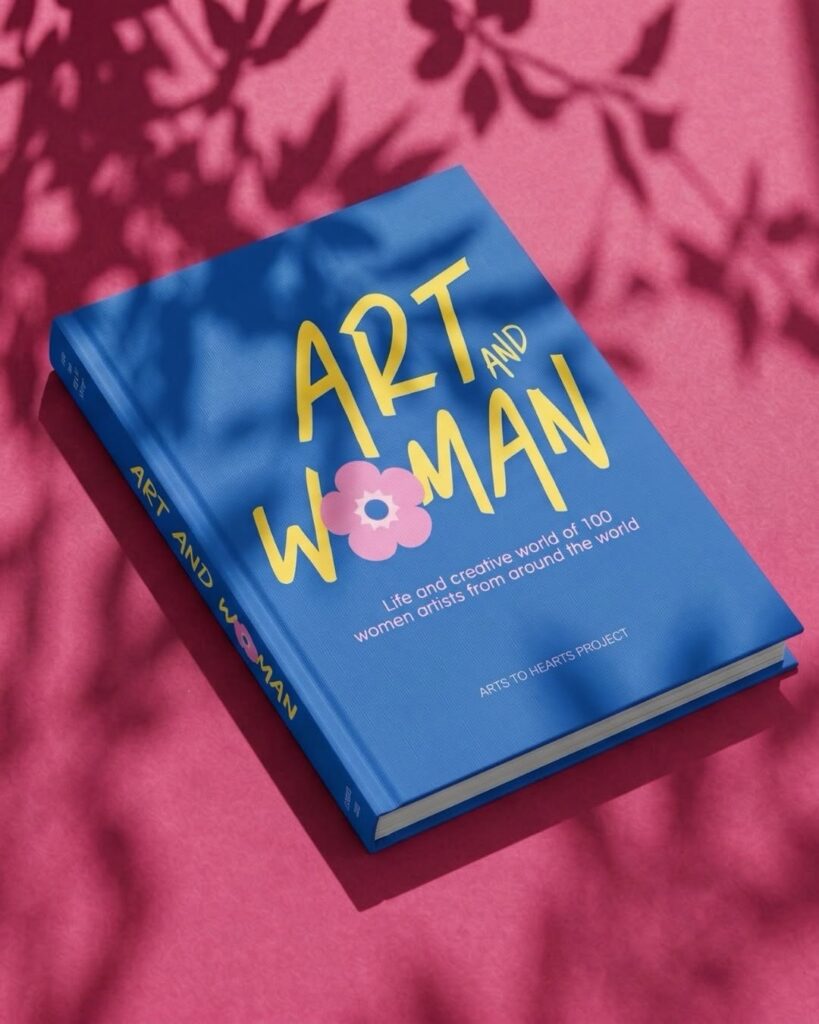
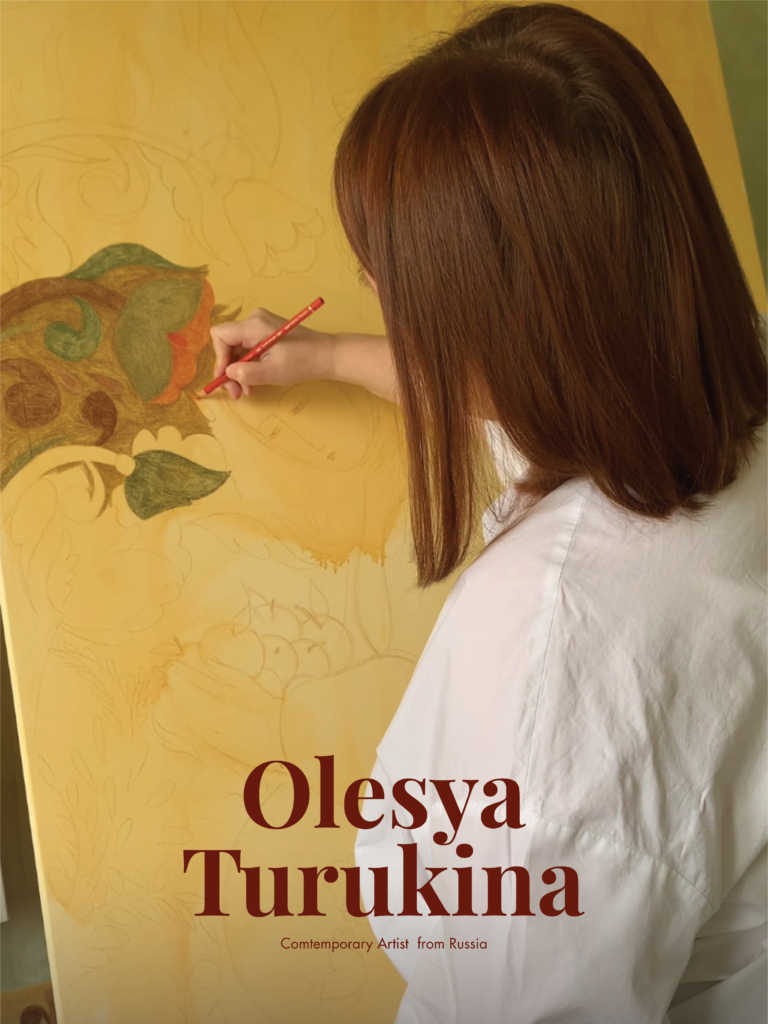
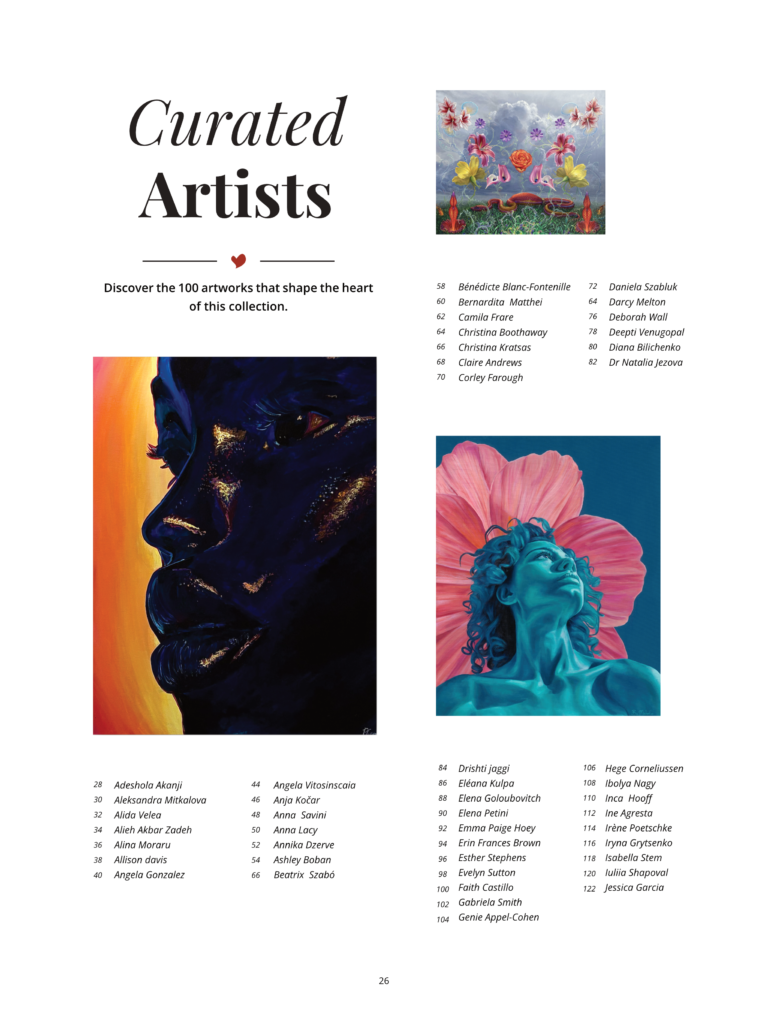
Charuka also mentions that the team handles over 300 artist interviews every month, and suddenly the scale of everything becomes hard to ignore. The books stop feeling like neat final objects and start feeling more like the result of hundreds of conversations, revisions, corrections, deadlines, emails, technical issues, and people trying very hard to make sure artists are represented thoughtfully.
And honestly, maybe that’s the part younger creatives don’t hear enough about right now. Creative careers are rarely just about creativity alone. A huge part of building anything meaningful is communication, logistics, revisions, delays, mistakes, problem-solving, and figuring out how to continue even when the process becomes exhausting or stops looking inspiring halfway through.
Why These Books Feel More Human Than Most Things Online
By the end of the episode, the most interesting thing isn’t actually the books themselves, but everything sitting underneath them. The revisions, the stress, the mistakes, the experimentation, the unpredictability, the late changes, the production issues, the endless problem-solving, and the amount of care it takes to keep something creative moving forward even when things stop going smoothly behind the scenes.
And honestly, that’s probably why projects like Arts to Hearts Project continue resonating with so many artists around the world.
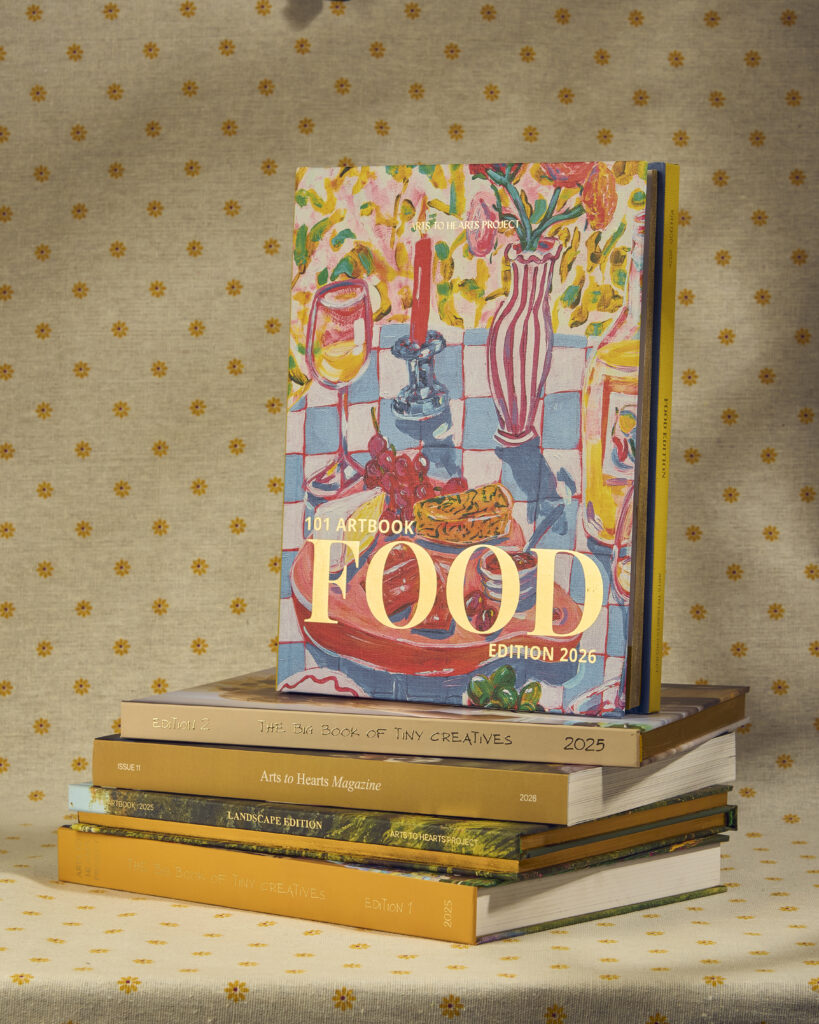
Because beneath all the layouts, interviews, deadlines, production schedules, and publishing logistics, the platform still feels deeply connected to something very simple: real people trying to create meaningful space for artists in an internet culture that increasingly treats creative work like fast-moving content instead of something people should actually spend time with.
To hear more about the process behind Arts to Hearts books, the reality of independent publishing, and everything that goes into creating these publications behind the scenes, listen to the full episode with Charuka Arora.
To read more about the Arts to Hearts Podcast and its episodes, click here.
Listen to this & other episodes on