

Every Child Begins as an Artist
👁 11 Views
Creativity is one of the few instincts we all begin life with, yet it is also one of the first we learn to doubt. Long before children understand rules, standards, or expectations, they create freely, drawing, building, imagining, and inventing worlds that exist only in their minds. In these early moments we begin to see creativity not simply as a charming stage of childhood, but as one of the most natural forms of human expression.
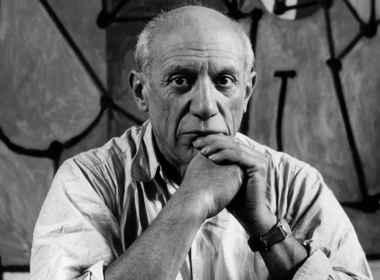
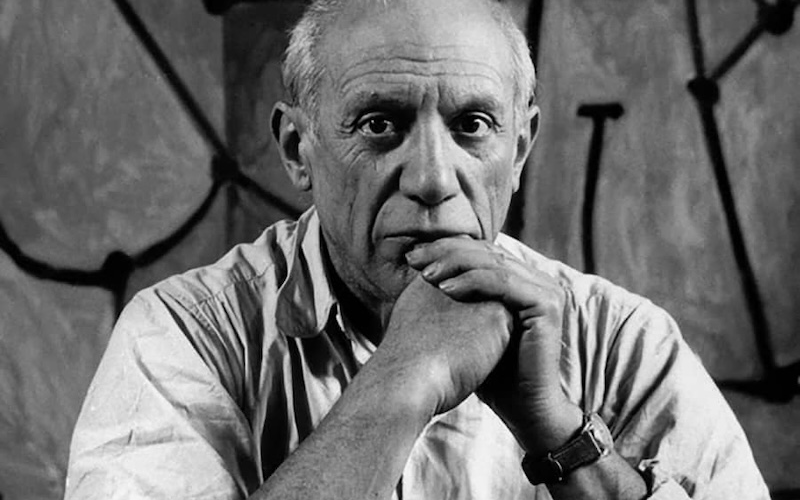
“Every child is an artist. The problem is how to remain an artist once we grow up.” When Pablo Picasso said this, he was not simply celebrating childhood imagination. He was pointing to a paradox. Creativity seems to arrive effortlessly in childhood, yet as people grow older many begin to question whether they are creative at all.
The story of Pablo Picasso himself also reflects how powerful early encouragement can be. Picasso’s father, José Ruiz Blasco, was an art teacher who recognised his son’s talent when he was still very young and began formally teaching him drawing and painting. By the time Picasso was a teenager, his technical skill had already become remarkable. According to several accounts, his father eventually set aside his own painting practice after realising how quickly his son had surpassed him, an early sign of the extraordinary artistic career that would follow.
Children rarely approach creativity with hesitation. They draw without worrying about whether a picture looks realistic, and they invent stories without asking whether the ideas make sense to anyone else. For them, creativity is less about producing something impressive and more about exploring possibilities. A simple drawing becomes a place where thoughts, memories, and imagination intersect.
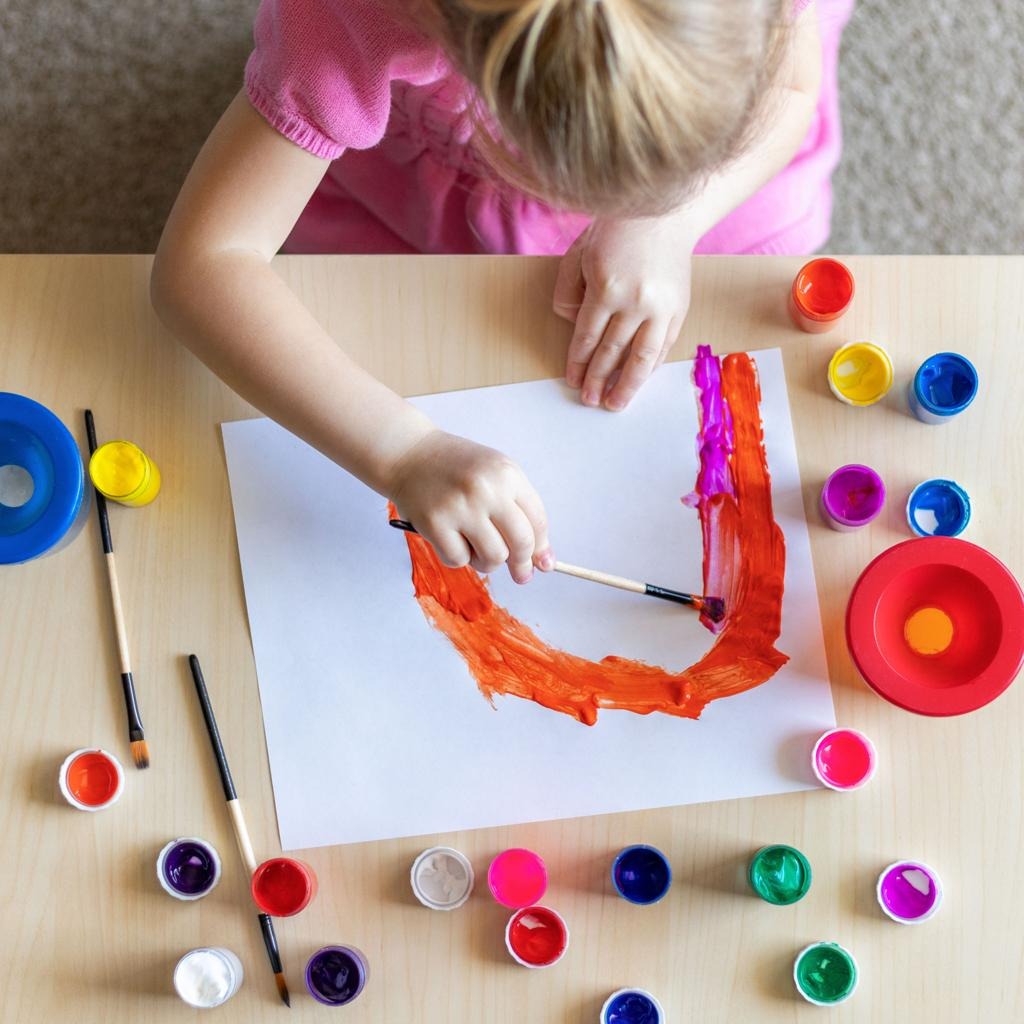
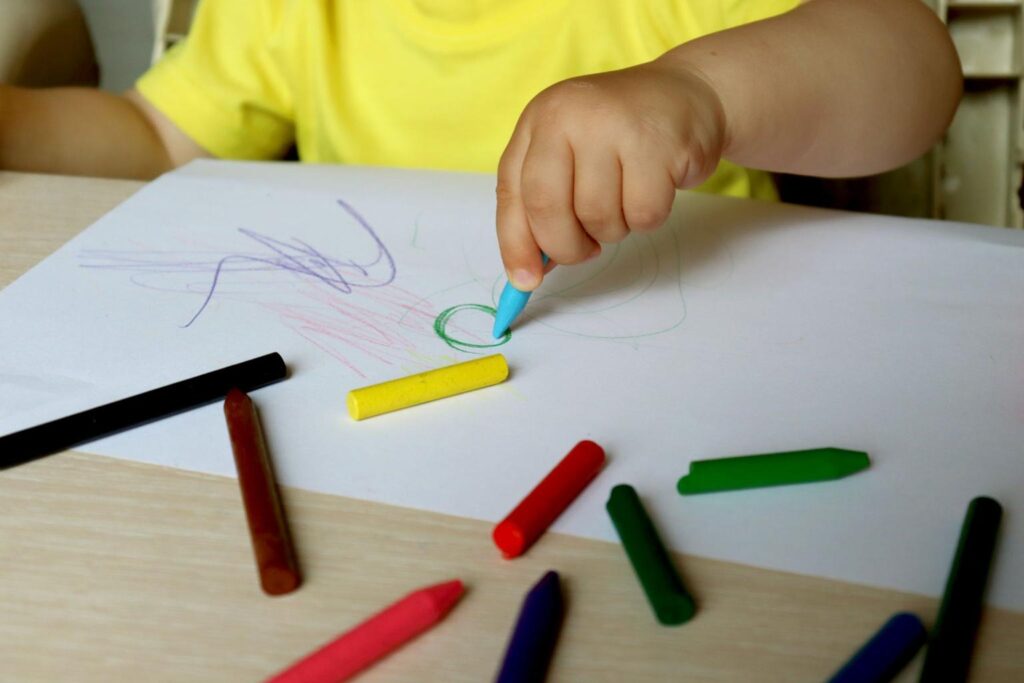
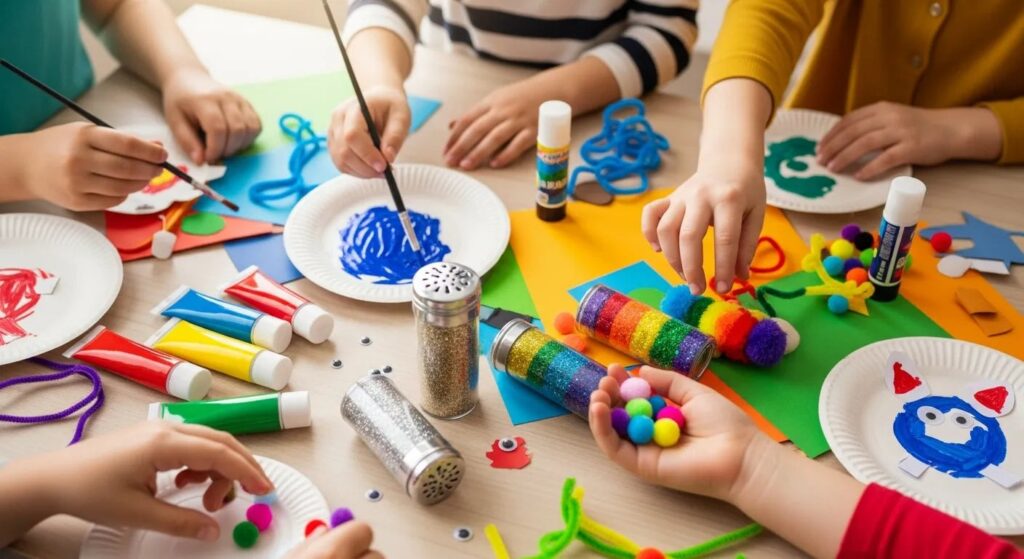
What makes childhood creativity remarkable is not technical skill but honesty. Young creators rarely measure their ideas against expectations. Instead, they experiment. Colors move freely across a page, shapes appear without careful planning, and stories unfold as the drawing develops. This openness allows children to notice connections adults sometimes overlook.
Over time, however, the world begins to reshape that instinct. Education systems, workplaces, and social expectations often prioritize certainty and measurable outcomes. Creativity becomes something associated with professionals artists, designers, musicians rather than something every person practices in everyday life. Gradually, many people begin to believe that creativity belongs to a small group of talented individuals.
When that shift happens, imagination can start to feel less important than practicality. Drawings become temporary objects placed on refrigerators or tucked into folders. They are remembered fondly but rarely examined closely. Yet these early works are more than childhood souvenirs. They represent how children interpret the world around them, what they observe, what they value, and what they imagine.
This is why so many artists have been fascinated by children’s art. In the early twentieth century, painters searching for new visual languages began studying children’s drawings with curiosity. Artists such as Wassily Kandinsky and Joan Miró were drawn to the bold colors, expressive shapes, and emotional immediacy they found in these works. What they saw was not a lack of sophistication but a form of visual thinking untouched by strict artistic conventions.
For these artists, children’s creativity represented something worth rediscovering. It suggested that art did not always need to follow established traditions to communicate meaning. A spontaneous drawing could express emotion as powerfully as a carefully planned composition. The imaginative freedom of childhood became a reminder that creativity begins not with mastery but with curiosity.
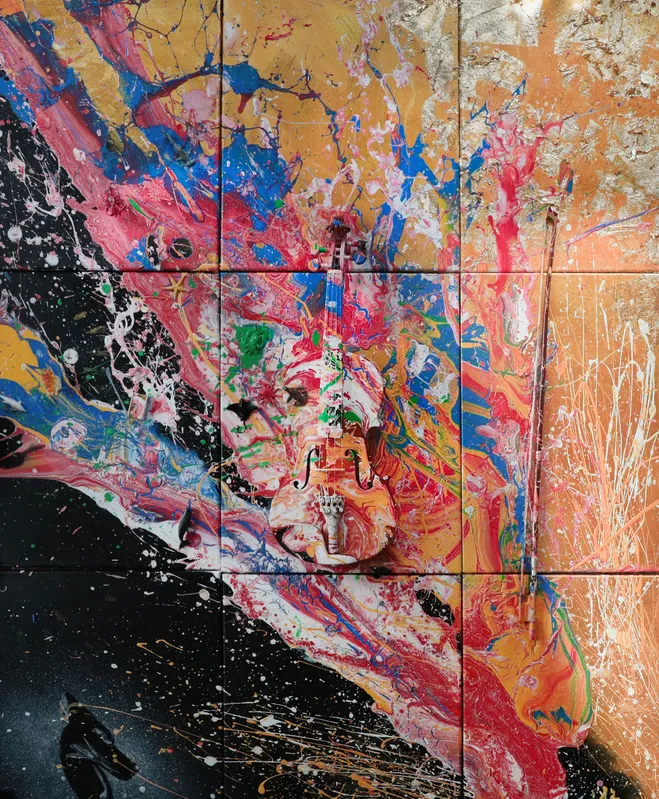
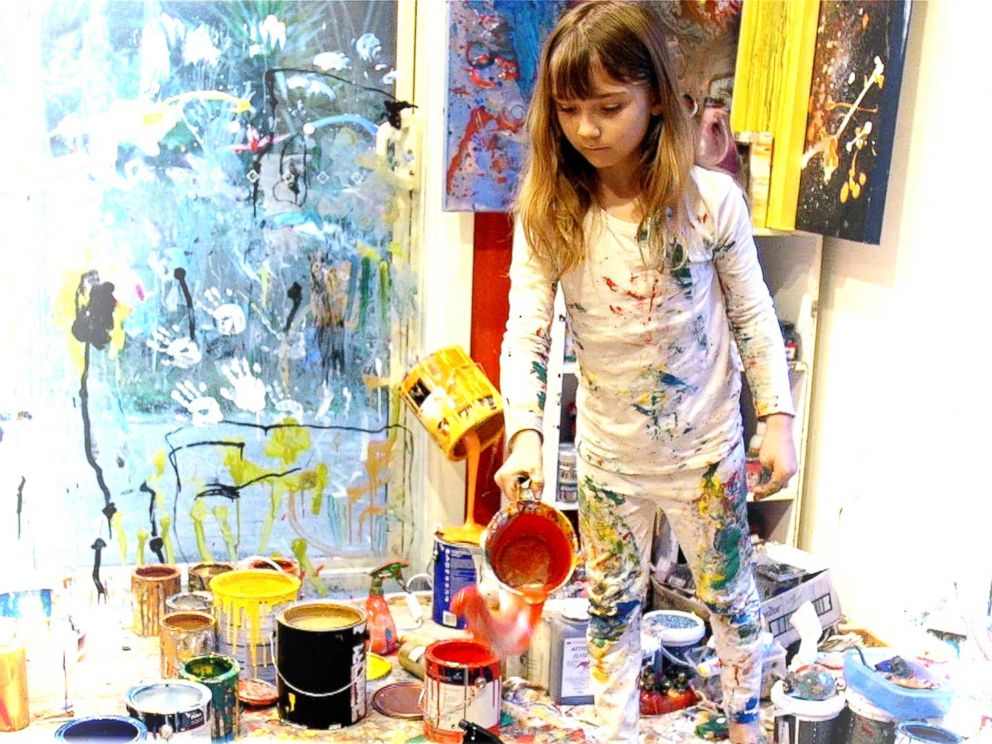
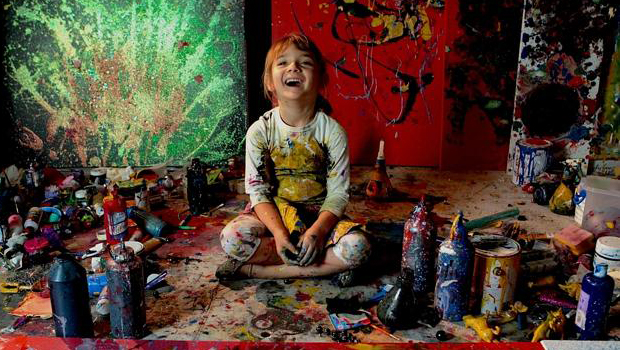
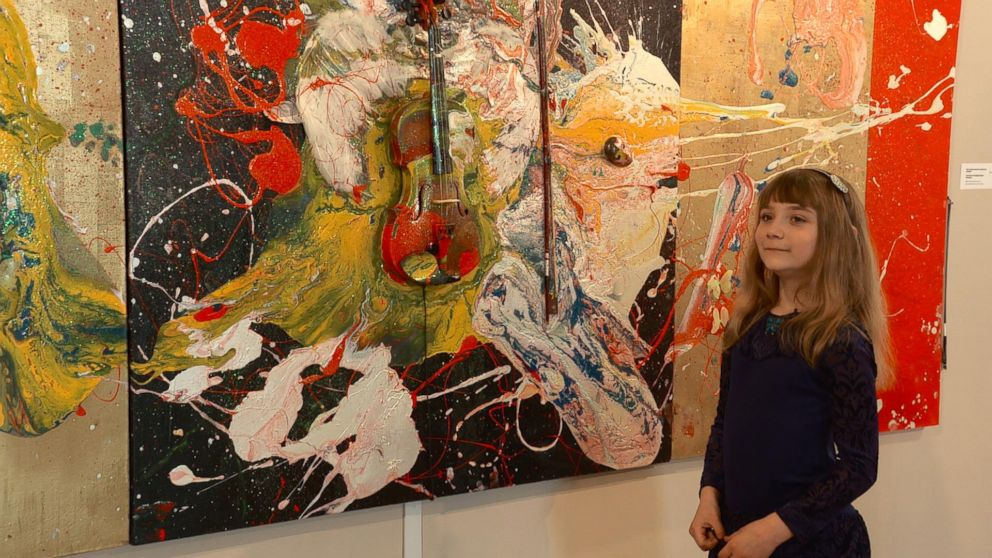
One contemporary example that captured public imagination is Aelita Andre. Andre began painting before the age of two and held her first solo exhibition in New York when she was just four years old. Viewers who encountered her paintings often noticed the same qualities that fascinated many modern artists decades earlier, bold colors, spontaneous forms, and a visual language that felt instinctive rather than calculated. Her work sparked curiosity not simply because of her age, but because it reminded audiences how naturally expressive creativity can be in childhood.
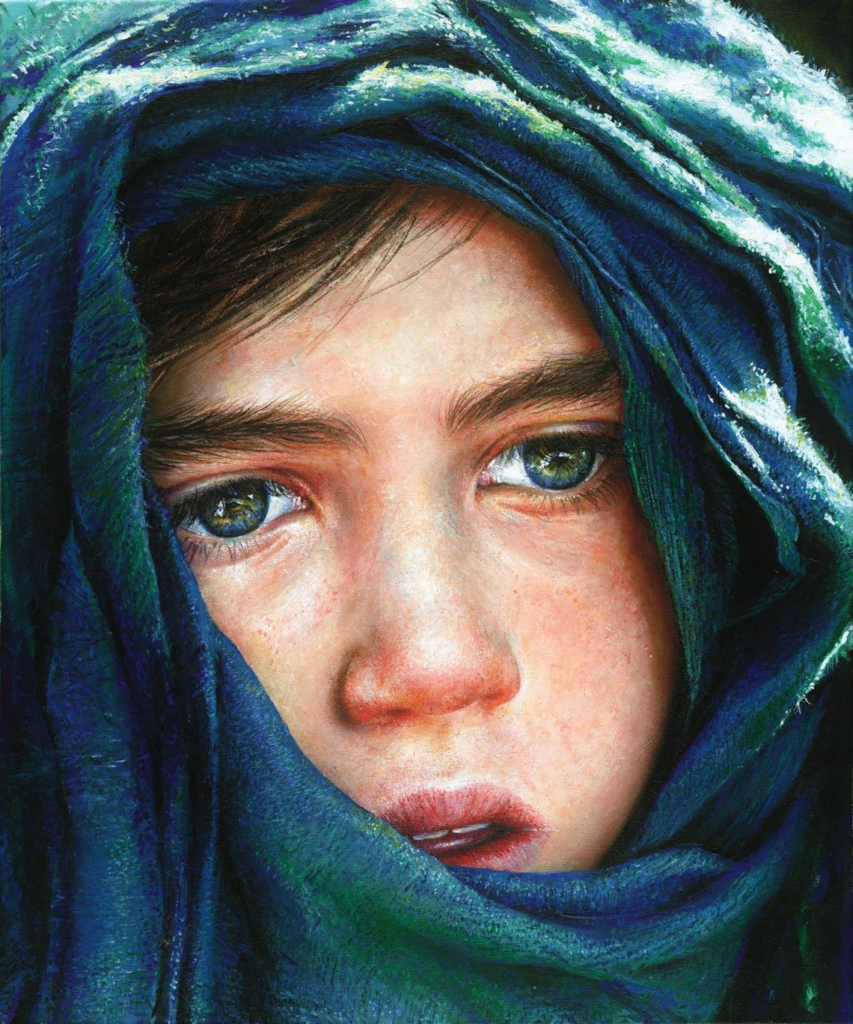
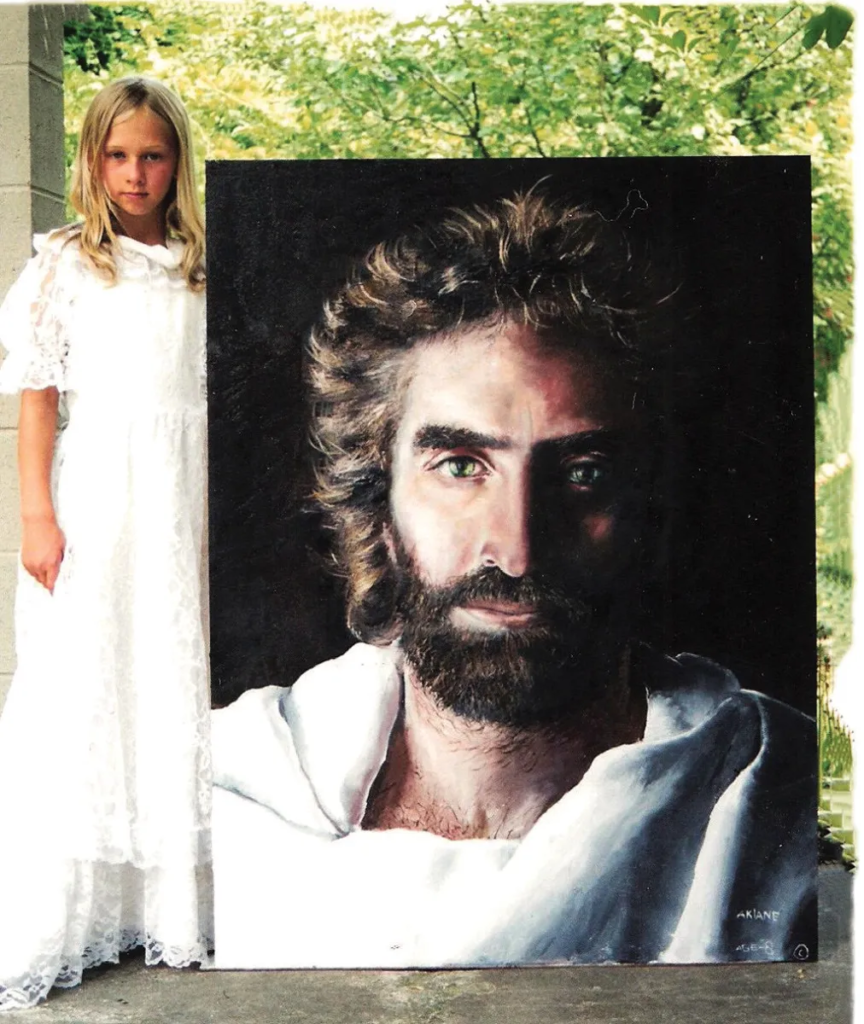

Another example comes from Akiane Kramarik, who began painting and writing poetry at the age of four. Her highly detailed works gained international attention while she was still a child, demonstrating that powerful artistic expression can emerge long before formal training or academic recognition. Stories like these challenge the assumption that creativity only becomes meaningful after years of study.
A growing number of cultural initiatives today are beginning to recognize the importance of giving young creators a platform. Exhibitions and programs dedicated to young artists have appeared in museums and galleries around the world, offering children opportunities to share their work publicly. The Royal Academy of Arts, for example, hosts the Young Artists’ Summer Show, an open submission exhibition that invites children and teenagers to display their artworks alongside one another. With tens of thousands of submissions each year, the exhibition reveals the extraordinary range of imagination present in young creators.
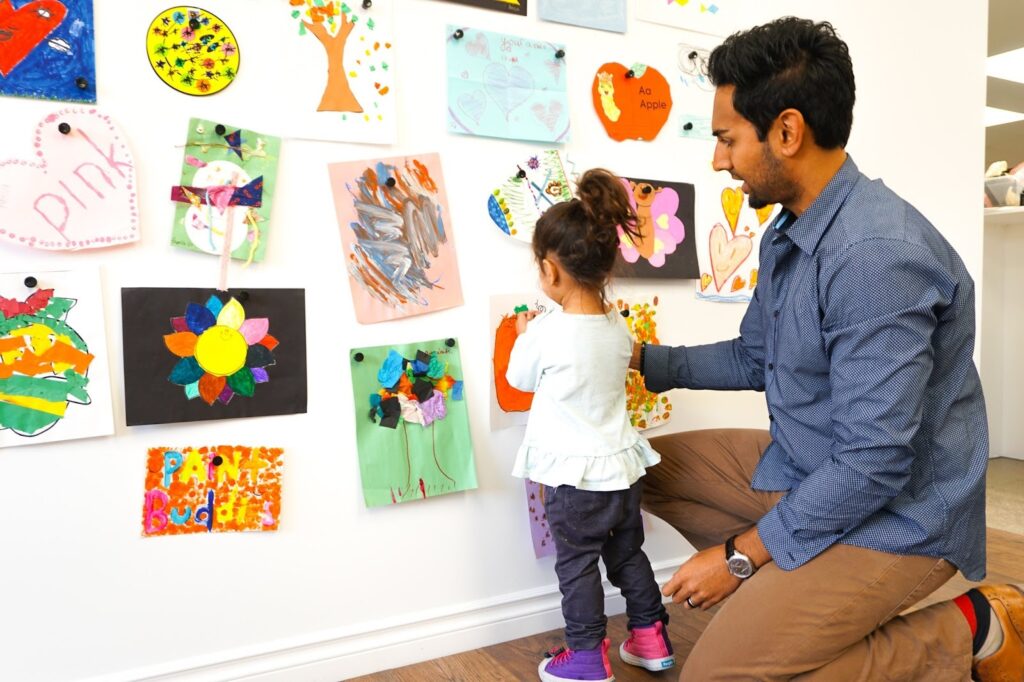
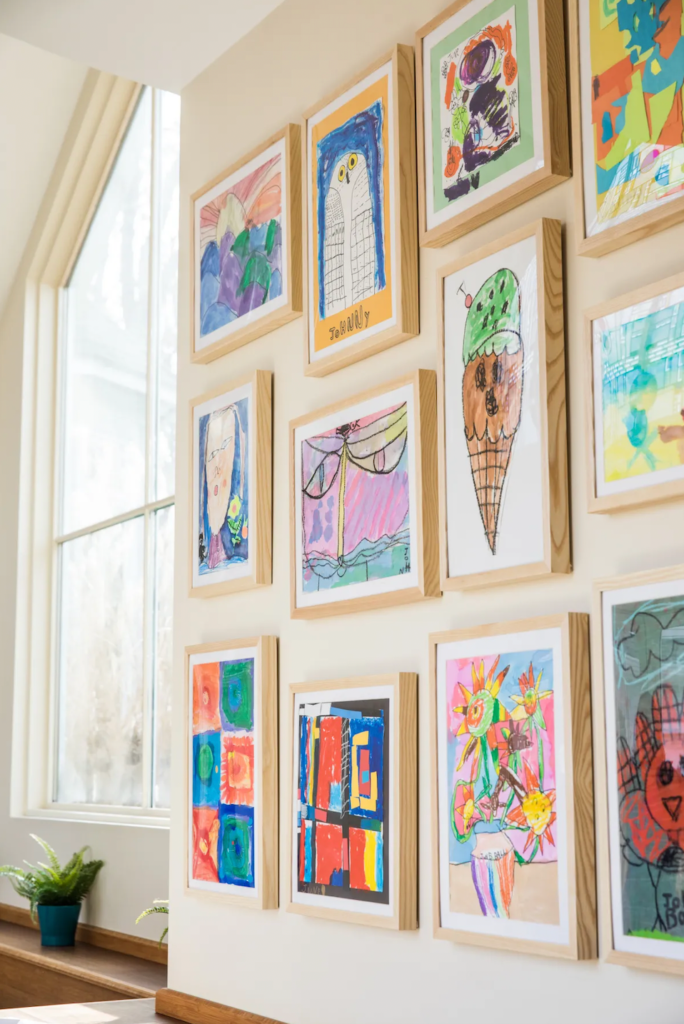
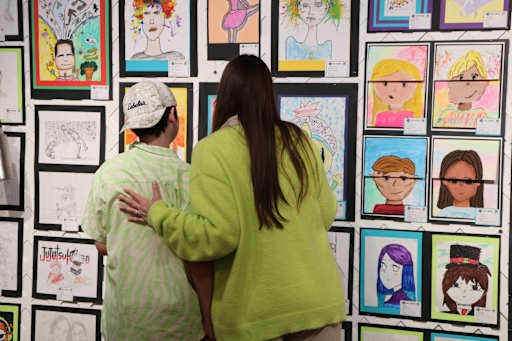
Seeing children’s artworks presented in a gallery context can be surprisingly powerful. Placed side by side, these drawings and paintings reveal patterns of curiosity and invention that transcend geography and culture. Children observe their surroundings closely, reinterpret them freely, and translate those observations into visual stories.
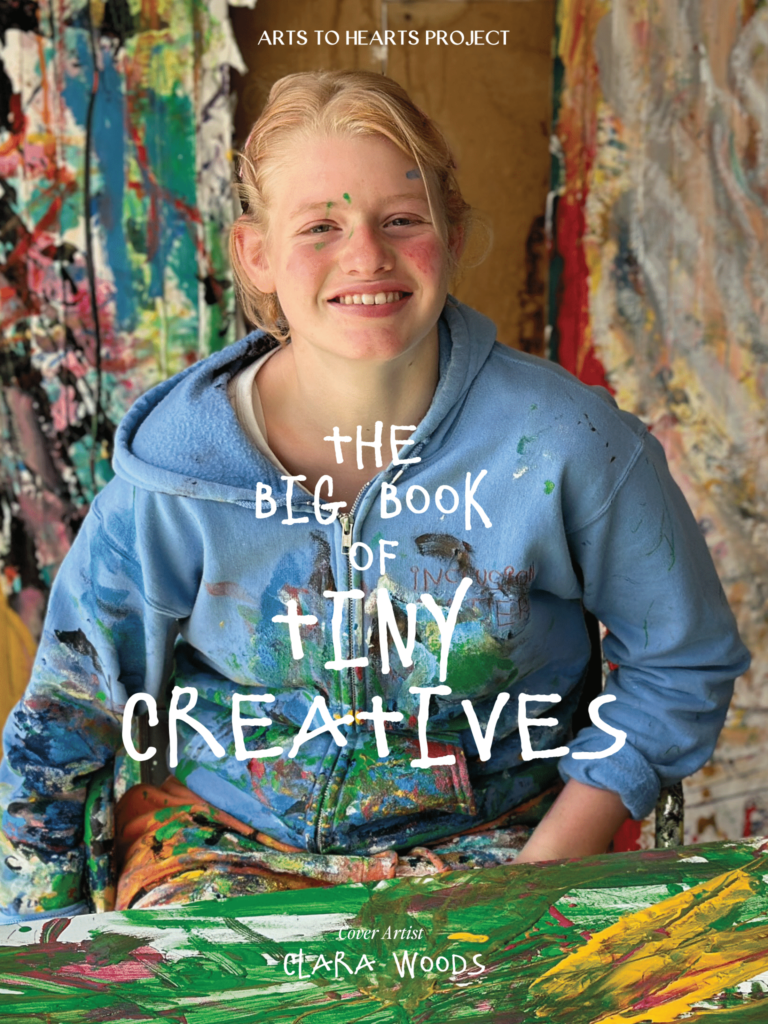
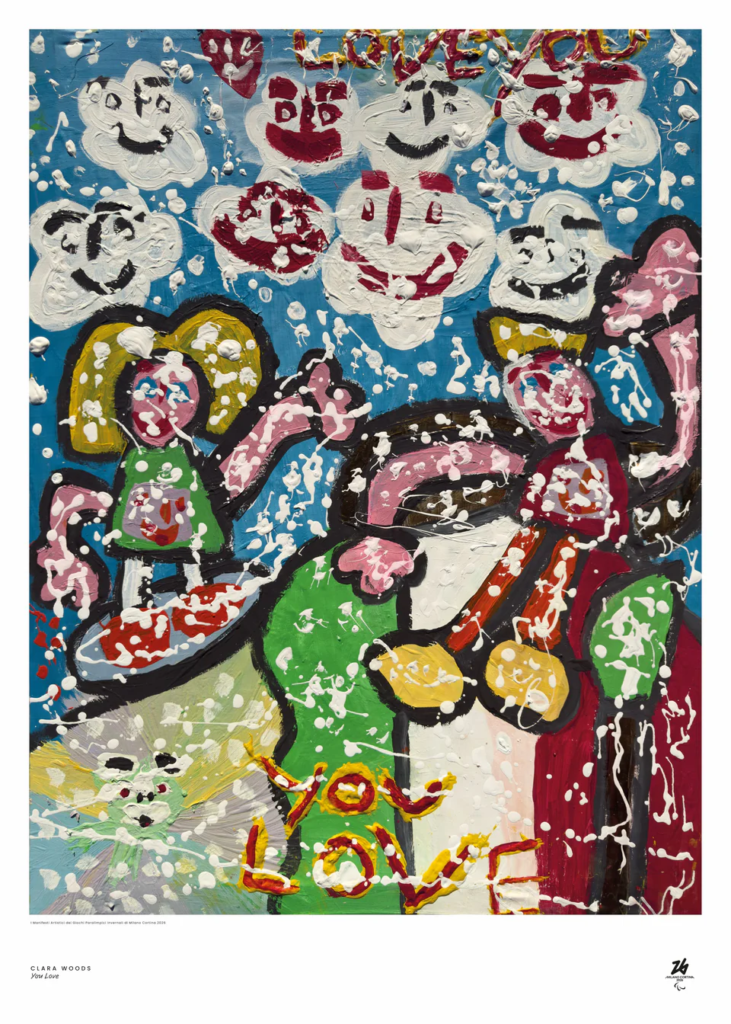
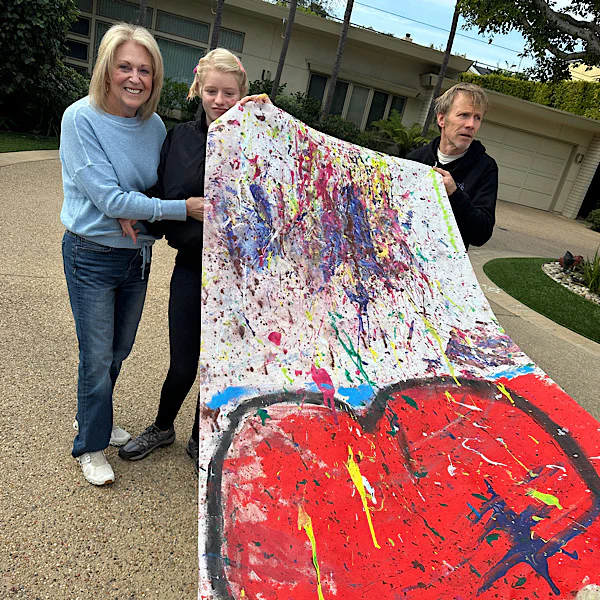
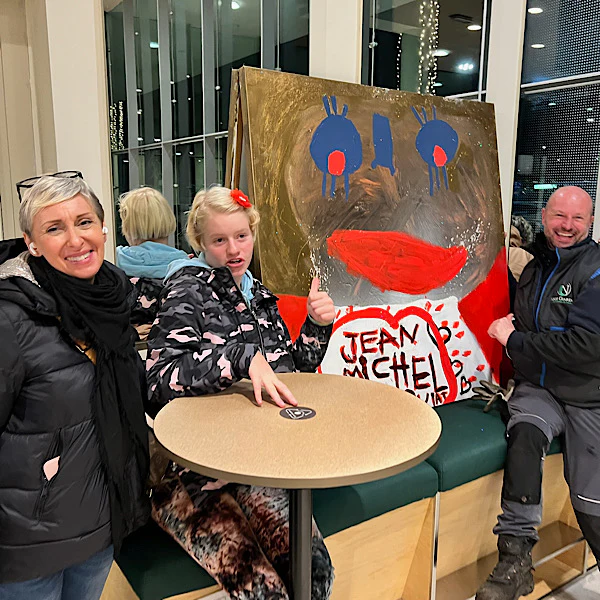
Projects like The Big Book of Tiny Creatives Ed. 3, an upcoming publication by the Arts to Hearts Project, reflects a similar effort to celebrate young creative voices. The project is currently accepting submissions from artists between the ages of 2 and 18, offering young creators a platform to share their work with a global audience. Earlier editions of the book have already highlighted the remarkable range of imagination found in childhood. The first edition featured artist Clara Woods as its cover artist, while the second edition showcased B’ from the Bear Home. Across its previous volumes, the publication has featured the work of more than 200 young artists, each bringing their own perspective, curiosity, and creative voice to the page.
Seen collectively, these works remind us that creativity does not require years of training to be meaningful. Sometimes it simply requires the opportunity to be seen.
Perhaps the deeper message behind Picasso’s words is not that childhood creativity is rare, but that it is universal. Every child begins with the instinct to explore, invent, and express ideas. What varies is whether that instinct is encouraged or gradually set aside as children adapt to the expectations of the world around them.
To nurture creativity, then, is not only about raising future artists. It is about protecting the freedom to imagine. Long before creativity becomes a profession or a discipline, it begins as something far simpler: the human impulse to make something that did not exist before.
Every child begins as an artist. The real question is whether we allow that artist to continue growing or whether, somewhere along the way, we quietly teach it to disappear.
Perhaps the deeper lesson in this idea is not only about children, but about all of us. Creativity does not vanish overnight; it slowly fades when curiosity is replaced with hesitation, when imagination is measured against expectations, and when the freedom to experiment begins to feel risky rather than natural.
Yet the instinct itself rarely disappears completely. It lingers in the memories of the things we once loved to make, draw, build, or imagine before the world taught us to be cautious with our ideas.
When you look back at your own childhood, do you remember a moment when creativity felt effortless and what helped you keep, or lose, that instinct over time? What do you think about it? If you have thoughts you’d like to share, write to us at support@artstoheartsproject.com we’d love to hear from you.