
These 5 Watercolour Artists Are Keeping the Medium Wonderfully Alive

Watercolour is a medium that keeps us honest. There’s no way to hide mistakes or paint over what didn’t work. Every mark shows up. Every decision stays. Maybe that’s why the artists who choose watercolour often talk about it as a relationship built on patience, trust, and paying attention.
It’s a slower way of creating. The paint needs time to settle. The water moves at its own pace. You can’t rush it. And in a world that constantly pushes us to move faster, watercolour gives us permission to pause. To watch. To breathe.
The artists featured here don’t chase perfection. They look for moments that feel real a bit of sunlight through a window, the calm of an early morning, a memory that keeps returning. Their work reminds us that small things can hold a lot of meaning, especially when we take the time to notice them.
Watercolour also has a way of reflecting life back at us. Some areas stay bright and clear. Others blur and change. Sometimes the paint goes places we didn’t expect. Artists learn to adjust, to adapt, to make room for surprise. There’s something comforting about that, a reminder that not everything needs to go exactly as planned to turn out beautifully.
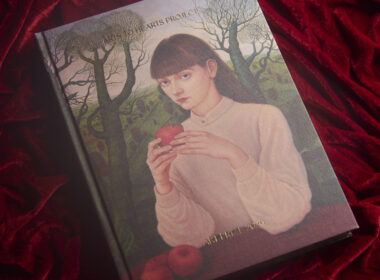
At the Arts to Hearts Project, we love celebrating the artists who find meaning in everyday moments and turn them into something we can feel. Their work shows us that art doesn’t have to be loud or dramatic to stay with us. Sometimes the softest colours, the lightest touch, can tell the most honest stories.
These artists show us that watercolour isn’t just a technique. It’s a way of seeing the world with patience, curiosity, and an open heart.
Robert Hamilton‑Pennell @hpwatermedia
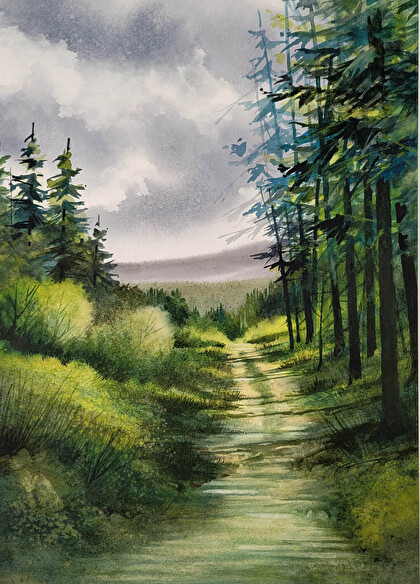
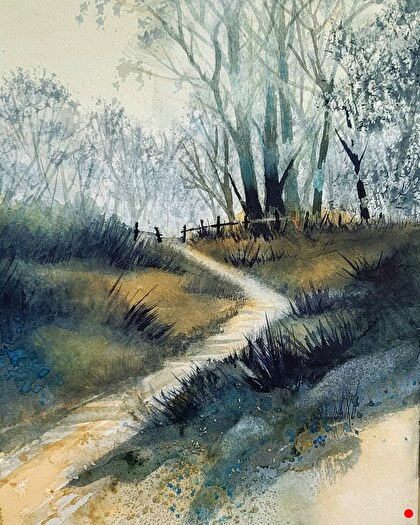
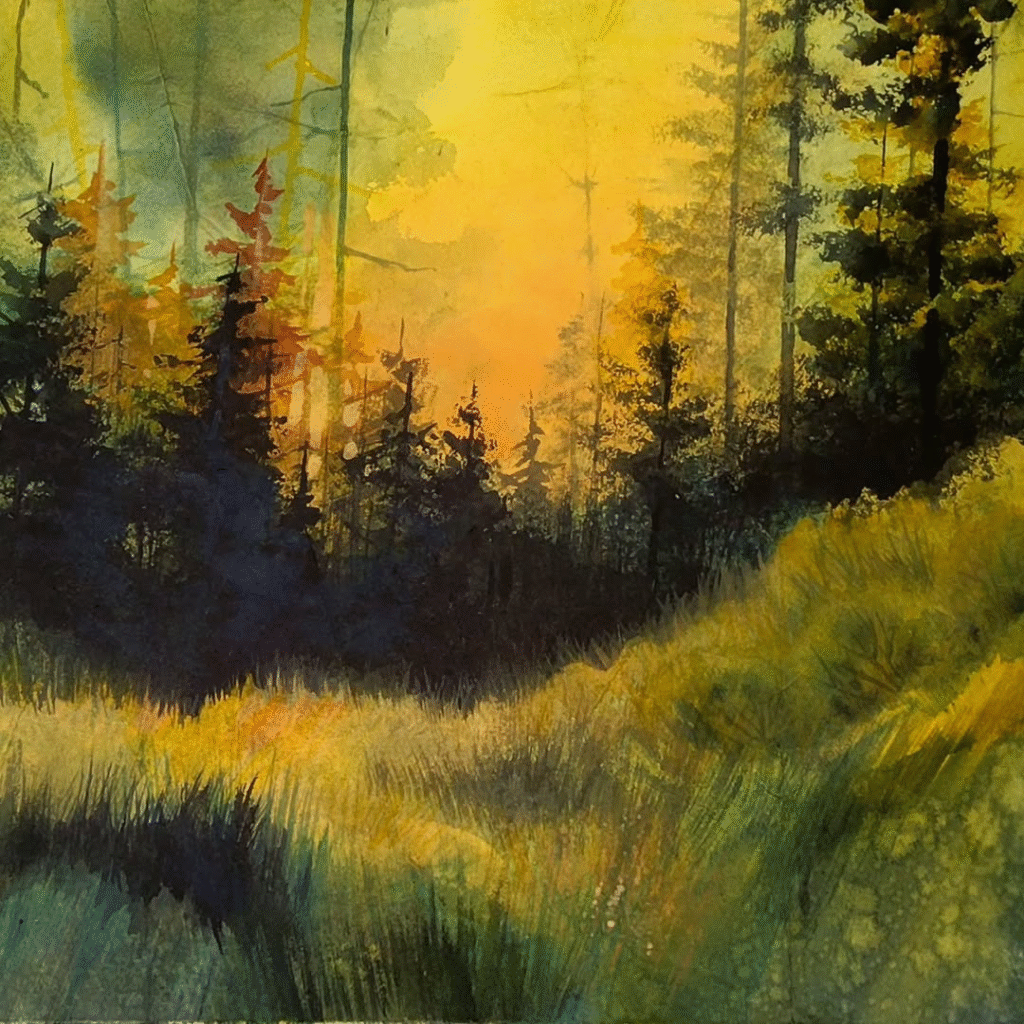
There is a quiet assurance in Robert Hamilton-Pennell’s watercolour work, a way of seeing nature not just as scenery but as a living presence. Raised in Oregon’s Willamette Valley, he studied art, architecture and education at Washington State University and the University of Oregon, blending his love of structure with his love of the wild. His studio identity, known as HP Watermedia, captures this junction of precision and spontaneity. Robert describes his mission as “capturing the spirit of nature in watercolor.” Under that banner he explores landscapes in which light, air and quiet detail hold equal weight. The scene is less a backdrop and more a space to breathe in. His process is both rooted and free. He carries the paint kit on hikes, and allows the fluid medium to speak back letting pigment flow, lift, blur, merge.
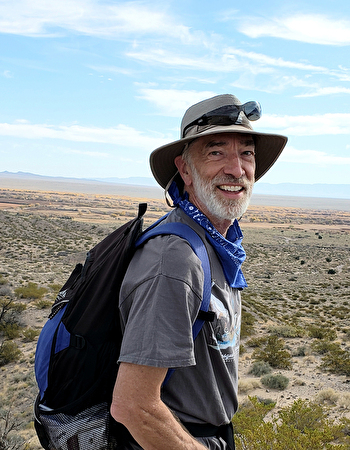
What he seeks isn’t always sharp detail, but the moment when nature’s rhythms and his perception align a softly lit woodland edge, a shaft of light through trees, a stillness at dusk. He says: “
Using watercolour to tell you about my love for the land, the light, and the stillness.”
Robert doesn’t treat watercolour as a fixed, rigid technique but as a companion. He prepares surfaces, tests colour mixes, and still remains open to chance and surprise. His work acknowledges that watercolor has its own life and he works alongside it rather than against it. For the viewer, his paintings offer more than visual pleasure. They offer an invitation: to pause. To breathe. To remember that a landscape isn’t just out there, but also inside us. The air in his work, the soft transitions, the quiet moments of light they draw us in. They remind us that seeing well means slowing down, feeling, being present. In Robert Hamilton-Pennell’s practice, watercolour becomes more than pigment on paper. It becomes a quiet way of being with place, with time, with oneself. His art invites us to look, to listen, and to lean into the calm that the world already holds.
Lisa Gardner @irishill
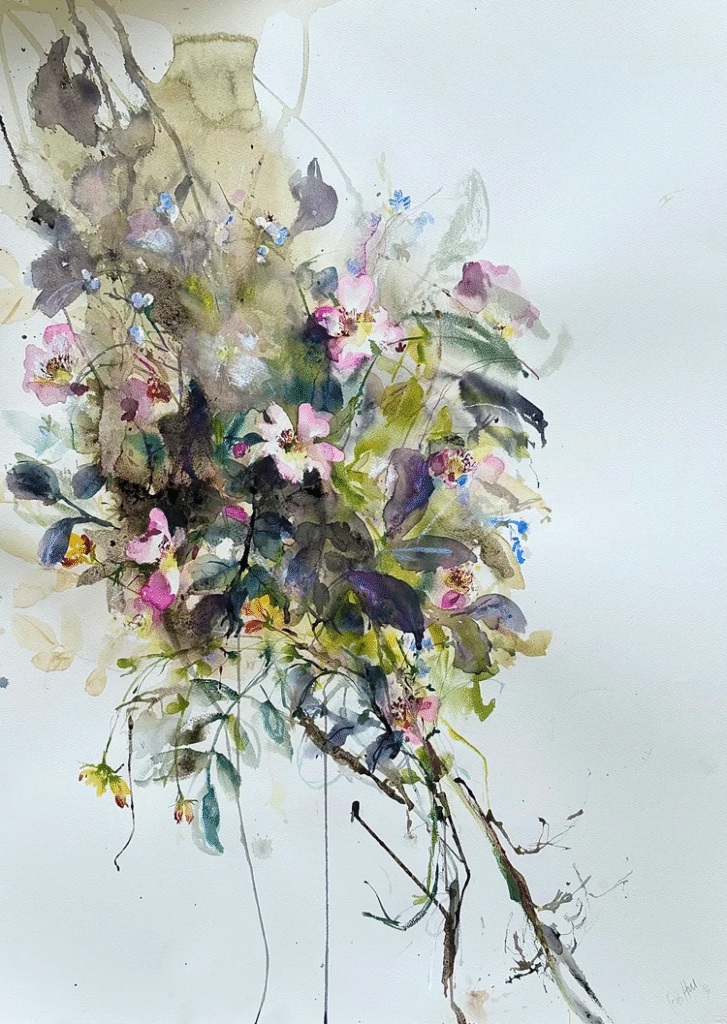
Lisa, working under the name Iris Hill in tribute to her grandmother, uses watercolour not simply to depict wildflower meadows and grass-land ecosystems, but to honour them. She believes art holds a responsibility, a quiet duty, to conservation and connection. On her journey as the inaugural Artist in Residence for the conservation charity Plantlife, Lisa travelled through the UK’s Important Plant Areas, immersing herself in landscape, colour, form and silence. Her work is rooted in presence: the water that flows over pigment mirrors the wind that passes over grass; the soft layer of colour echoes the delicate bloom of a wildflower; the openness of the page becomes the invitation to slow down and breathe. She often works in nature, acknowledging that watercolour demands surrender and collaboration:
“My work embraces the water element, inviting the pigment to flow and move with my breath.
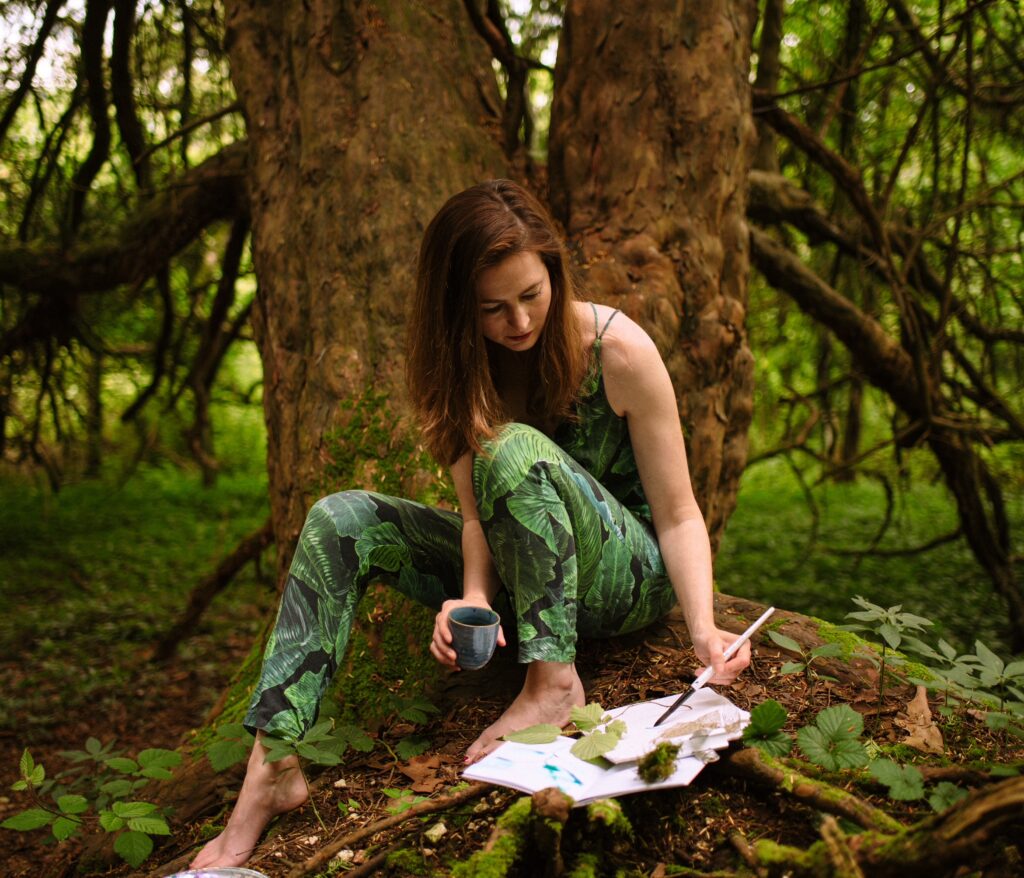
Connecting our inhale to nature’s exhale and she takes that to heart by leaving some of her large works outdoors weathered by wind and rain when permission allows so the art and the element become part of one story. Lisa’s art holds two worlds together: beauty and meaning, calm and urgency. The soft blues and greens of a meadow become a quiet call to preserve, while the delicate edges of colour remind us that nothing in nature is permanent unless we choose to care for it. In Lisa’s hands, watercolour becomes a language of hope. It says: sit, look, listen. It says: this earth is changing, and we can respond by being present. It says: beauty invites us into action, simply by making us feel connected.
Annett Coumont @art.annettcoumont
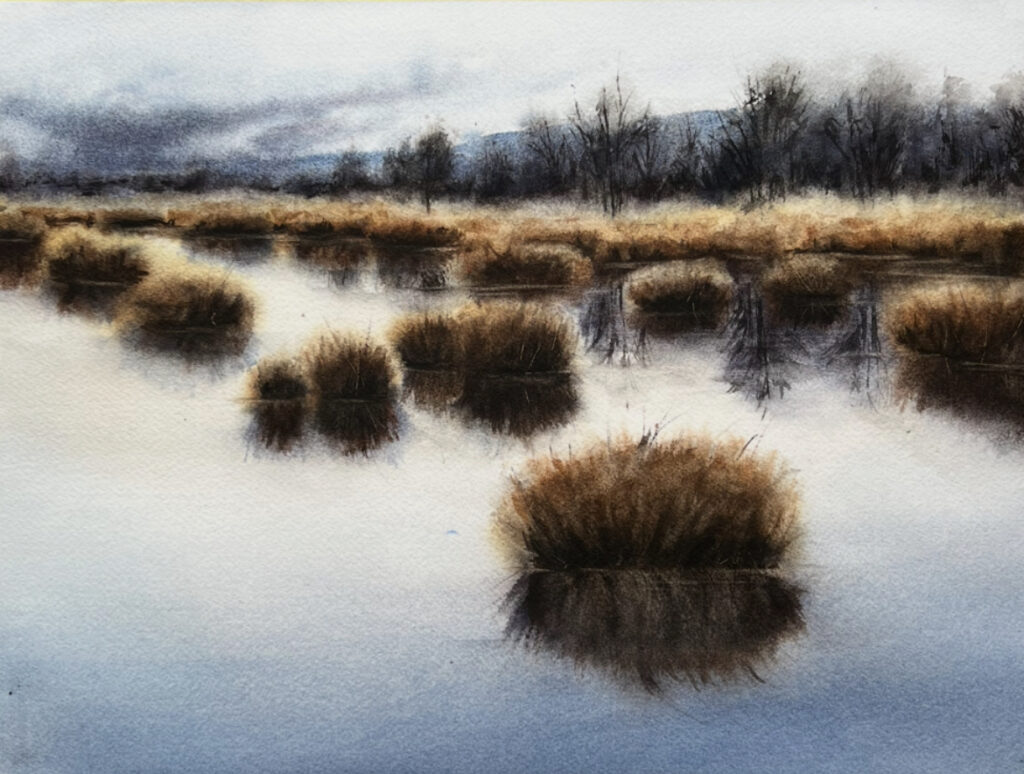
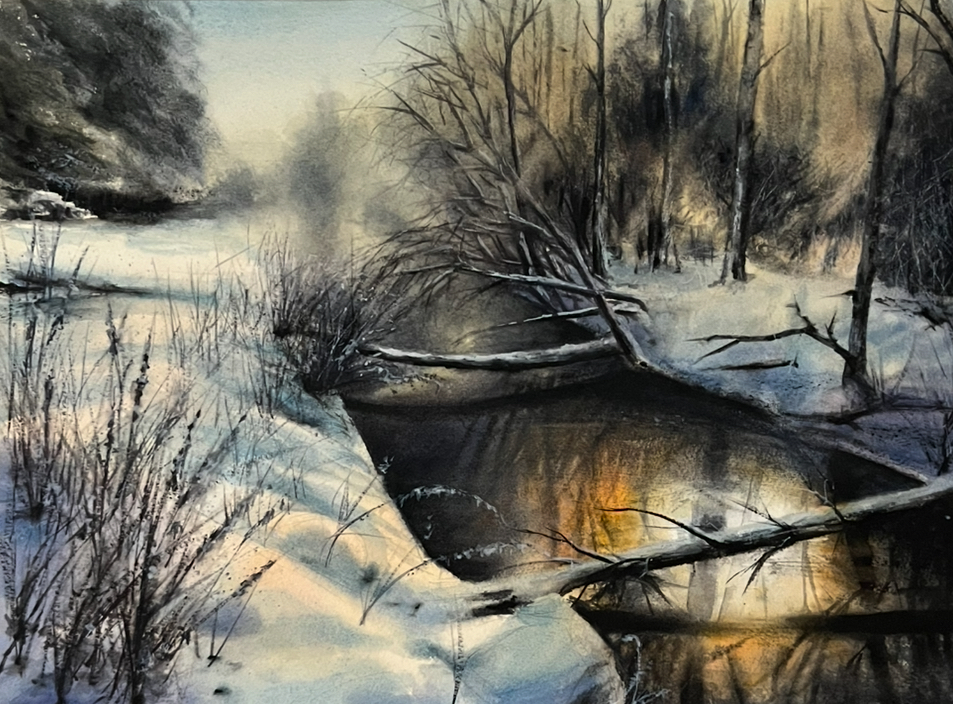
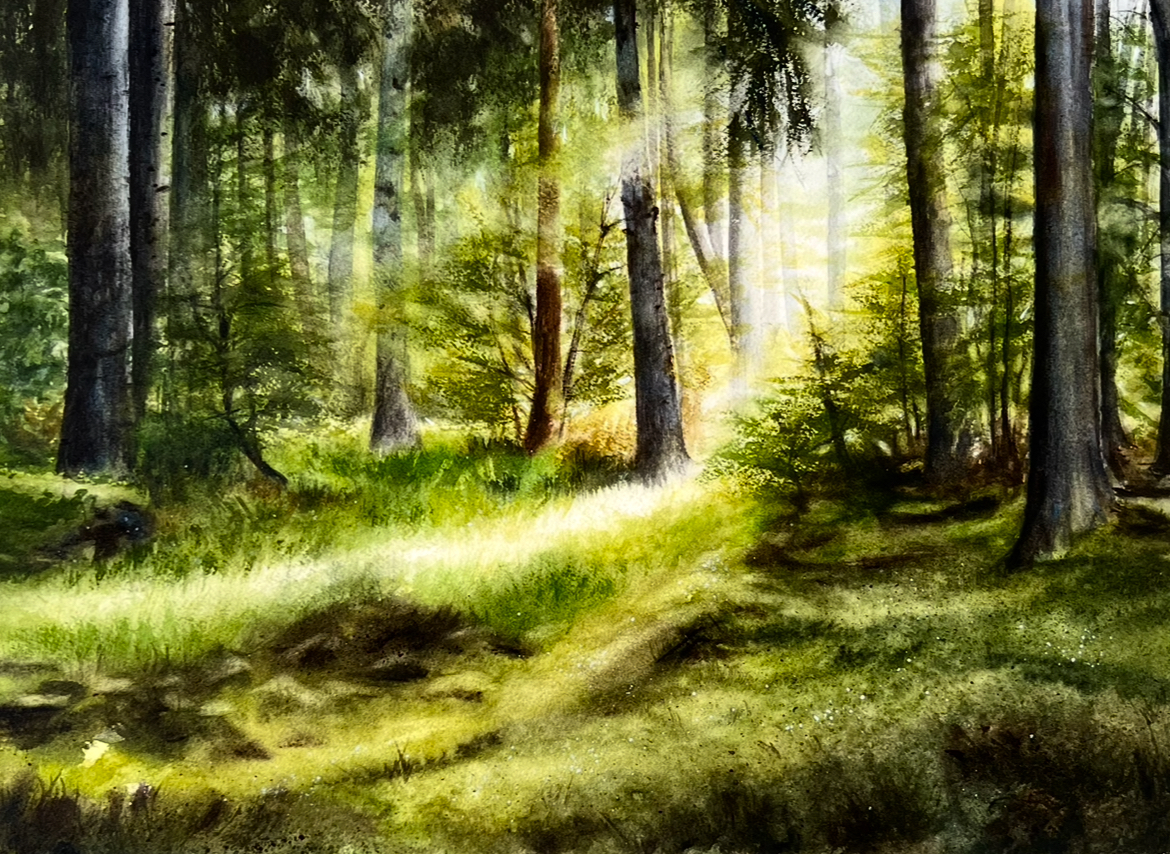
Annett Coumont is a German watercolour artist based in Bergisch Gladbach, whose work grows from a quiet devotion to nature and to the fleeting moments that might otherwise pass unnoticed. Her art doesn’t rush to impress; it observes, listens, and lets the moment reveal itself. For Annett, watercolour is not just a material it’s a companion in discovery, one that mirrors the rhythm of nature itself. It allows her to work in that delicate space where planning meets coincidence, where the artist guides the flow but never entirely controls it. “Only in harmony,” she writes, “on that narrow edge between intention and chance, can true artistic results be achieved.” This belief runs through everything she creates. Much of Annett’s inspiration comes from time spent outdoors walking through forests, watching the light change over open fields, or standing quietly by water. The sky, trees, reflections, even the stillness of moorlands all find a place in her work.
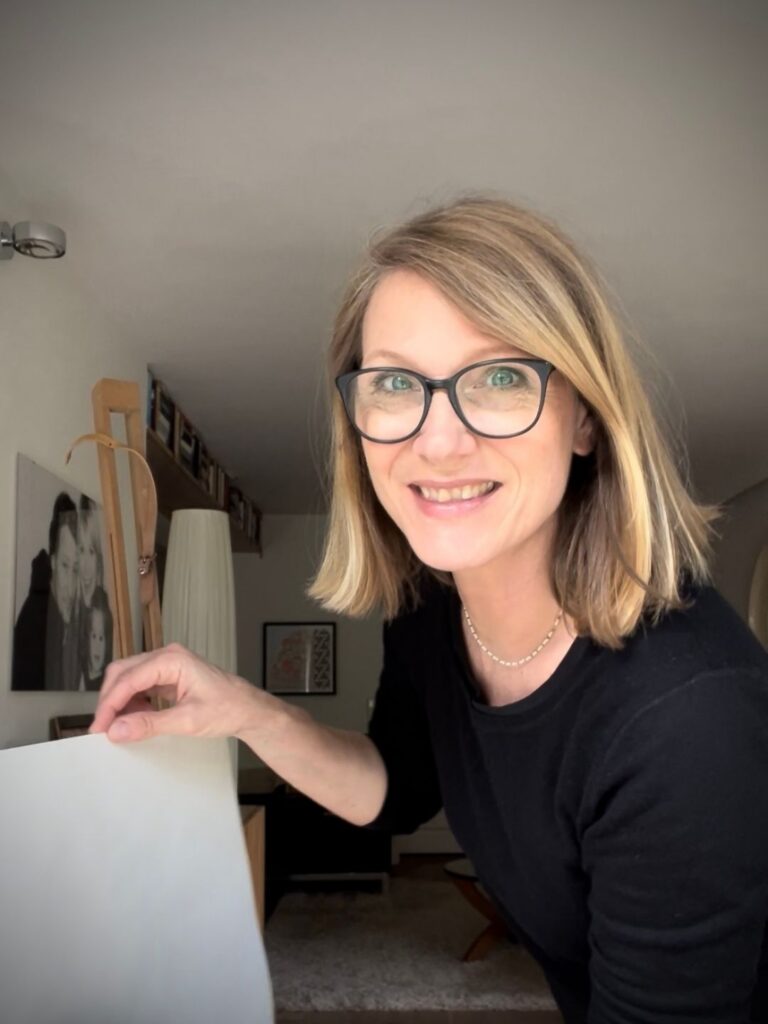
Each of her paintings carries a gentle dialogue between clarity and openness. The way she captures light becomes a language of reassurance, while the fragile edges of colour remind us of that beauty, too, is transient. Through tone and texture, Annett invites her viewers to linger to feel the calm that comes when one truly looks. Her work often speaks of refuge: of landscapes that hold peace, of still water that reflects not just the sky but the quiet within us. Through watercolour, Annett finds a mirror for life’s rhythm fluid, unpredictable, but always full of possibility. The pigment moves as wind does over grass, as light does across water. In every brushstroke, there’s acceptance: of change, of imperfection, of time passing. And in that acceptance lies her message that beauty is found not in permanence, but in noticing. Annett Caumont’s work reminds us that to paint is to listen to colour, to movement, to the quiet pulse of the natural world. Her art becomes a way of slowing down, of reconnecting with the pace of the earth itself. In her hands, watercolour turns into a soft act of mindfulness, an invitation to pause, to see, and to rest for a moment inside the calm she so beautifully captures.’
Adeline‑Julie @adelinejuliebee
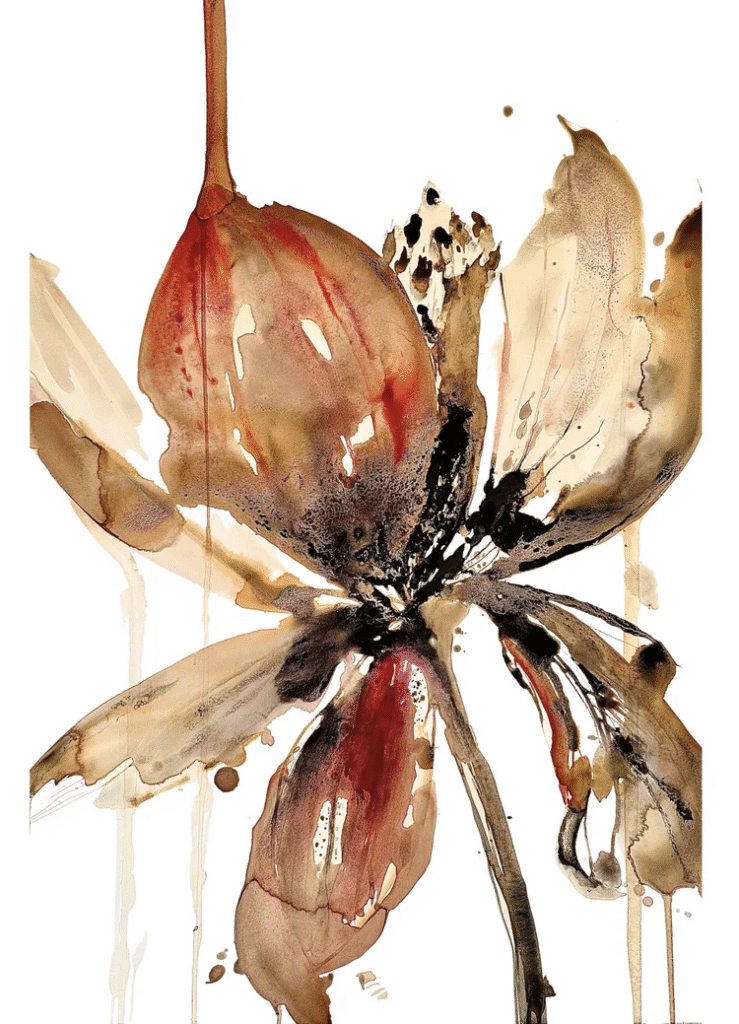
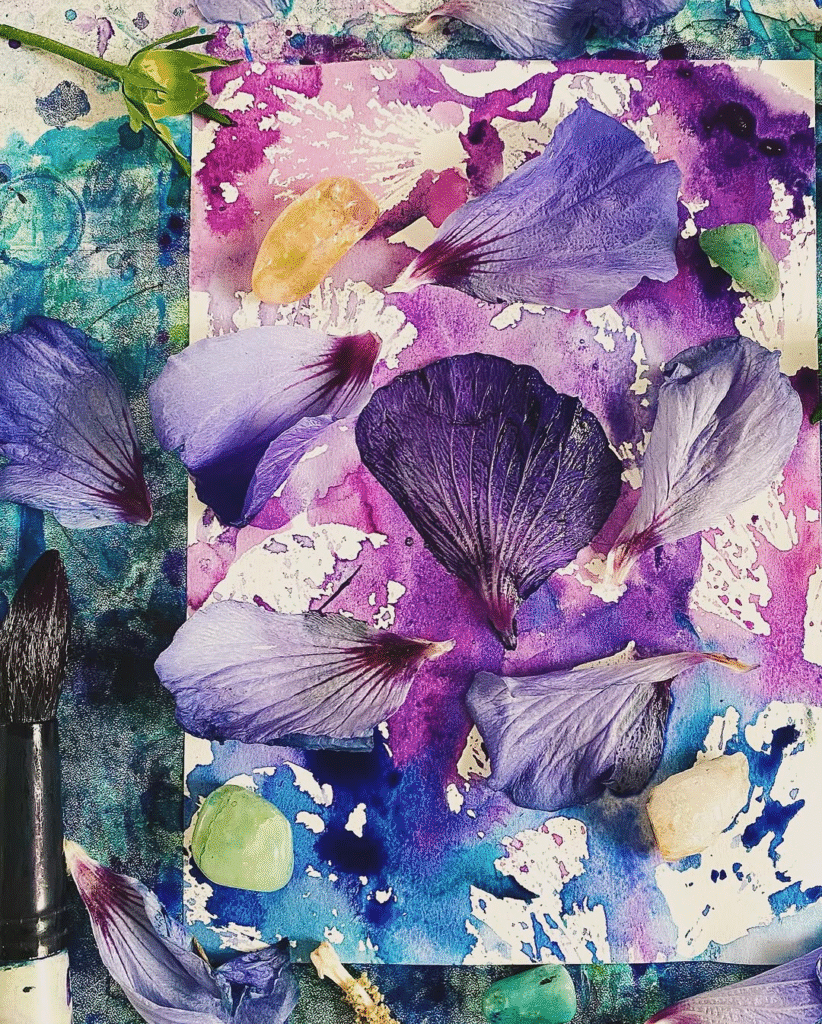
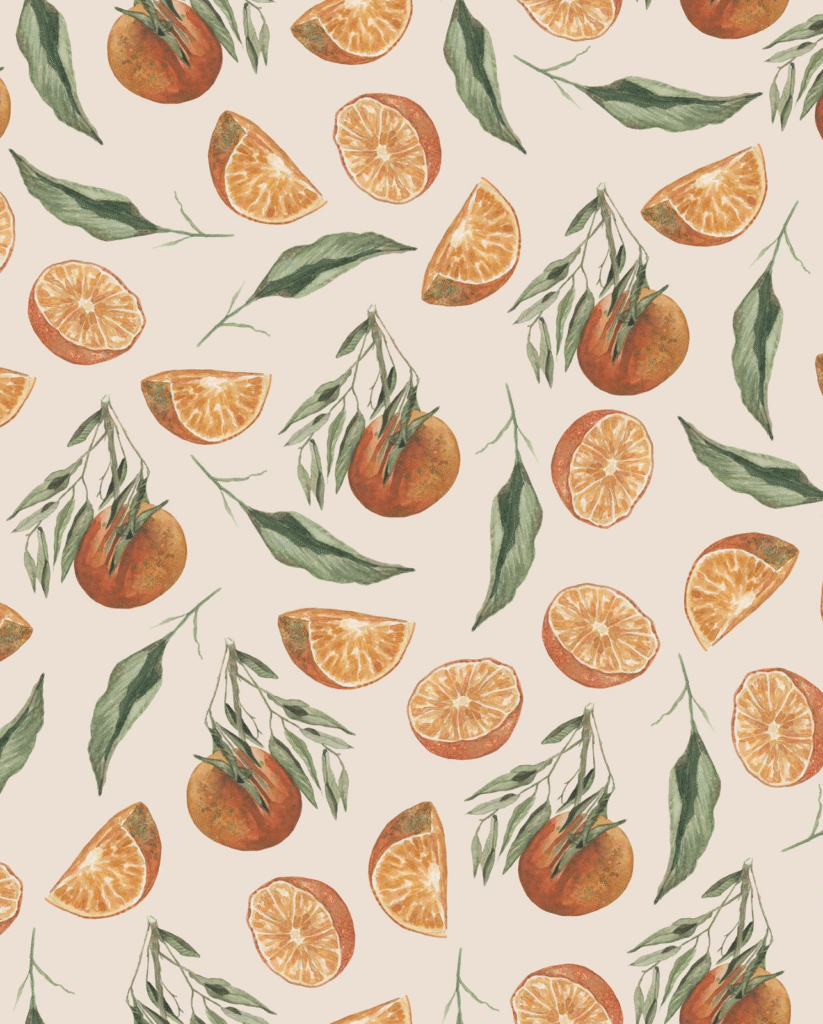
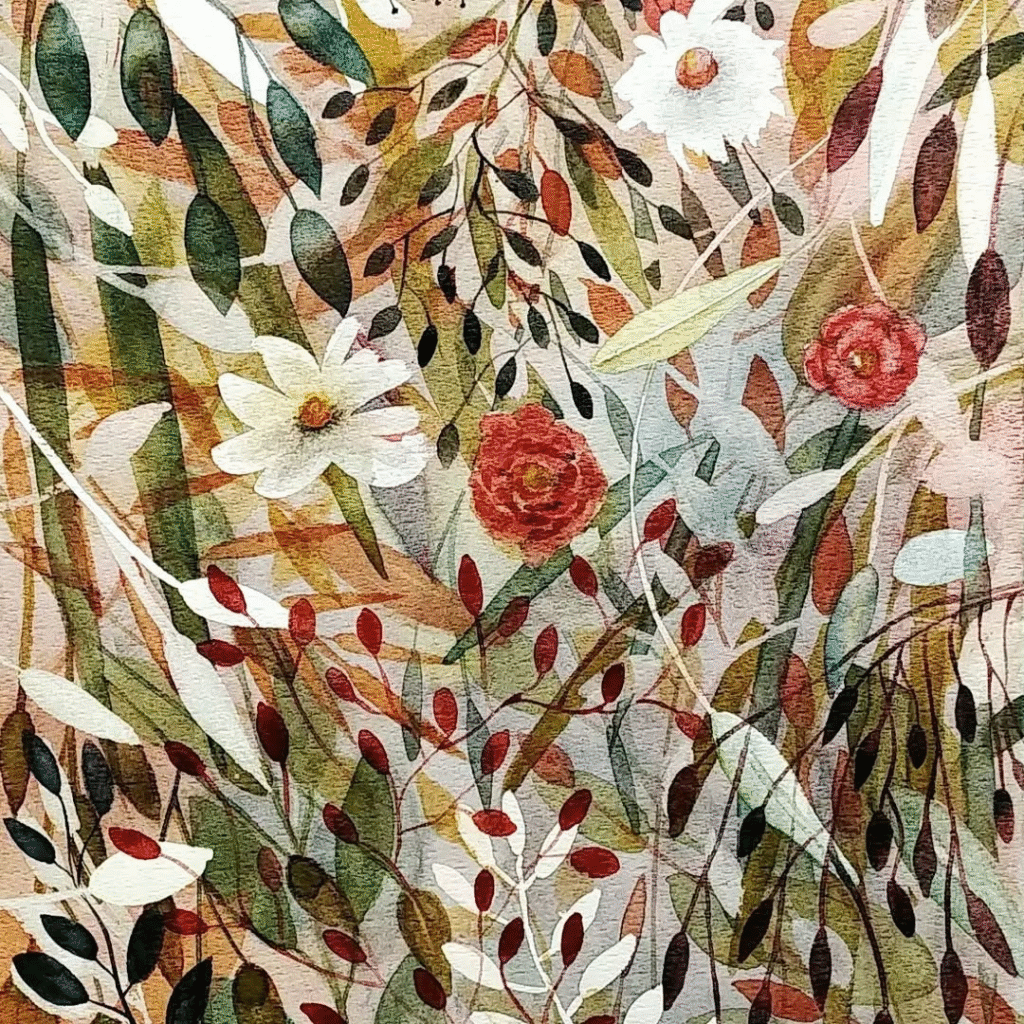
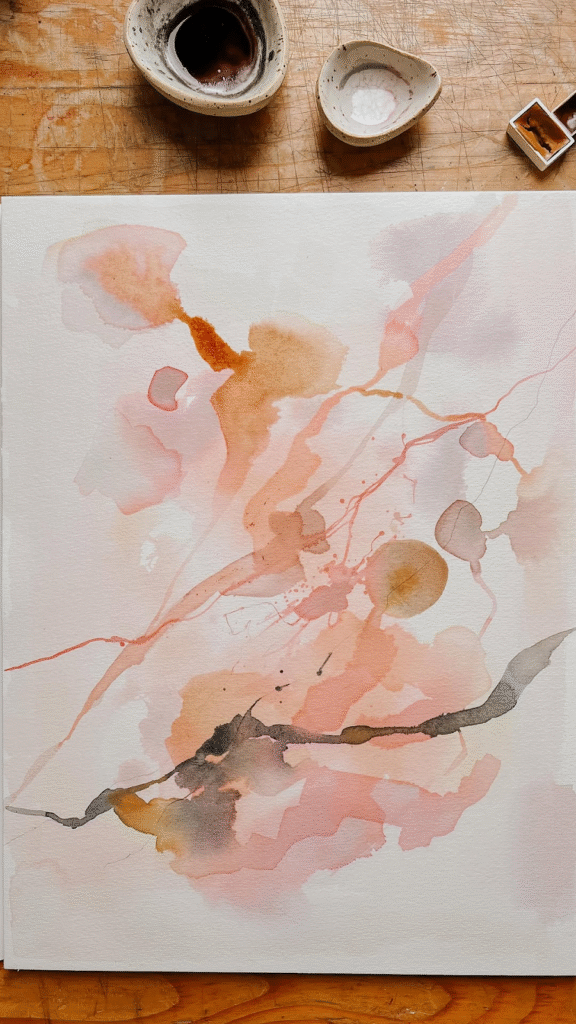
Adeline-Julie’s art carries a sense of stillness, the kind that comes from truly seeing. Working from her studio in Belgium, she uses watercolor and handmade natural pigments to create pieces that feel organic and alive. Her paintings are not about capturing nature, but about moving in rhythm with it letting water and pigment find their own voice. For Adeline-Julie, the medium of watercolor is a friend rather than a constraint. She creates many of her own inks and pigments, often drawing inspiration from plants, berries, and natural dyes. In her studio, pigment meets paper, color meets water, and the result is something that feels alive, open, and quietly expressive. Her paintings might begin as floral or botanical motifs, but they grow into patterns, prints, and textiles that carry the same spirit of wonder.
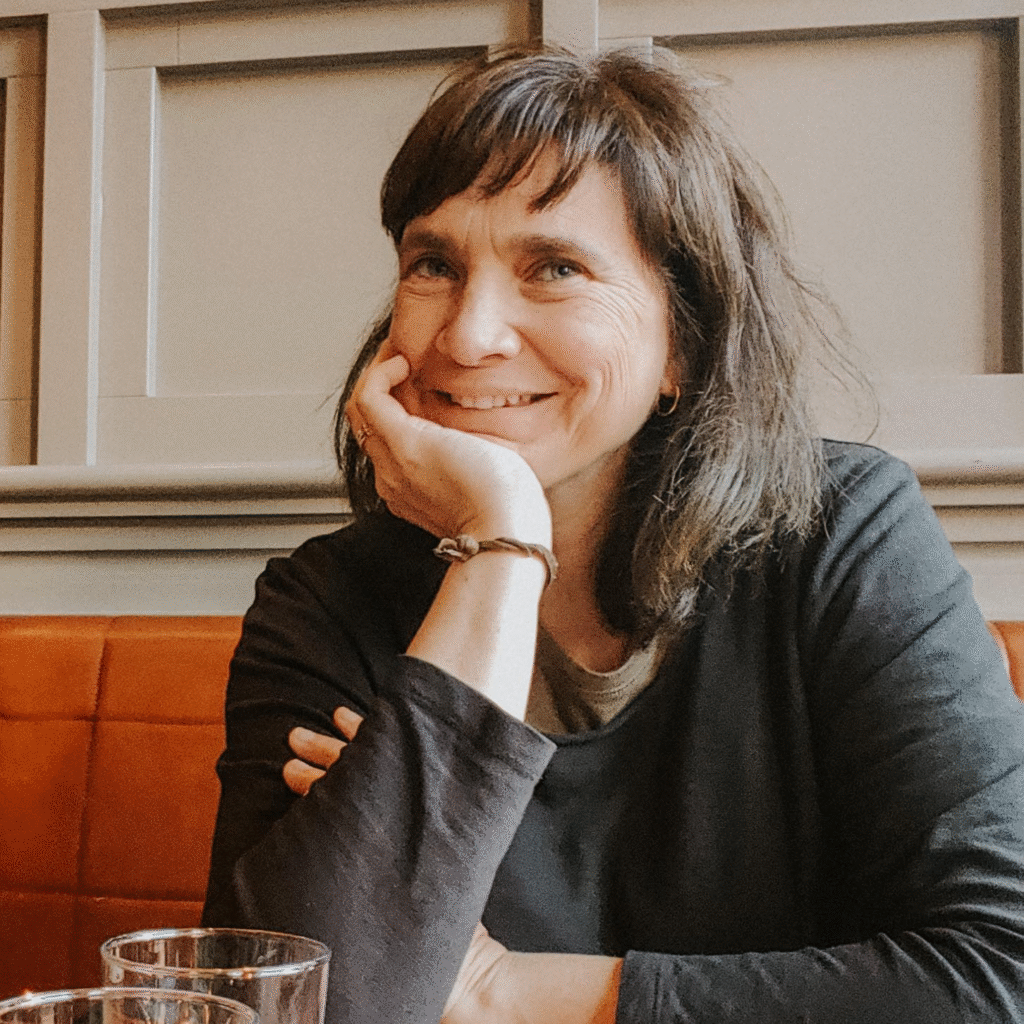
Her process is one of both attention and surrender. She observes nature, her walks, the changing light, the textures of leaves and bark and then she lets watercolor respond. The flow of color, the drip of pigment, the soft edges where water meets paper these are not accidents but part of her artistic language. What she produces is more than decoration. It’s a visual reflection of how she sees the world: alive, interconnected, and always revealing something new if we look closely. In Adeline-Julie’s hands, watercolour becomes both gentle and vivid. It speaks of seasons, of growth, of subtle transformations. Her patterns, prints, and original paintings invite us to slow down, to notice colour and shape in a new way, to remember that nature’s small wonders matter. Her art reminds us that creativity isn’t always about grand gestures; it can also be about quiet attentiveness, about making space for light and shadow, about honouring the materials and letting them lead a little. Through her work, we are encouraged not just to look but to feel.
Melissa Kemper Westbrook @m.kemper.westbrook
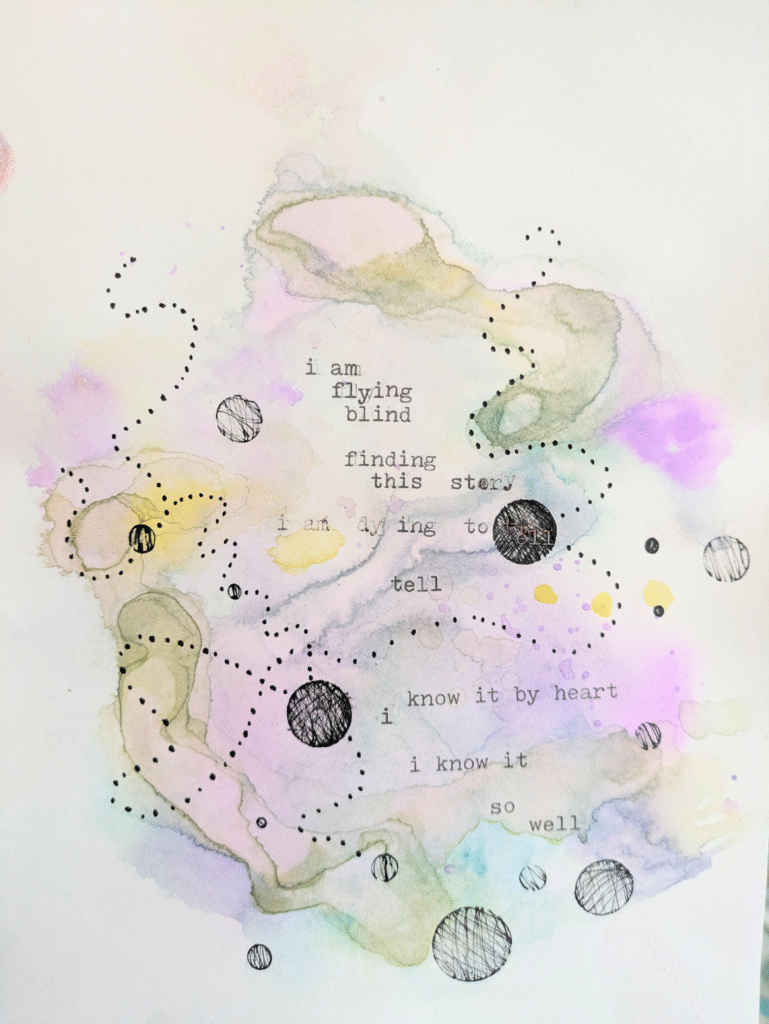
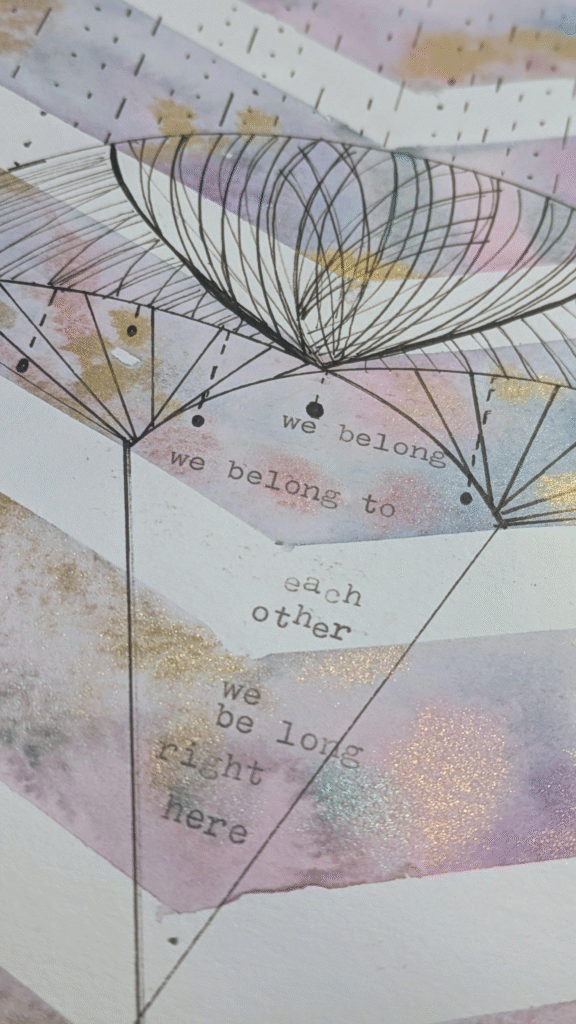
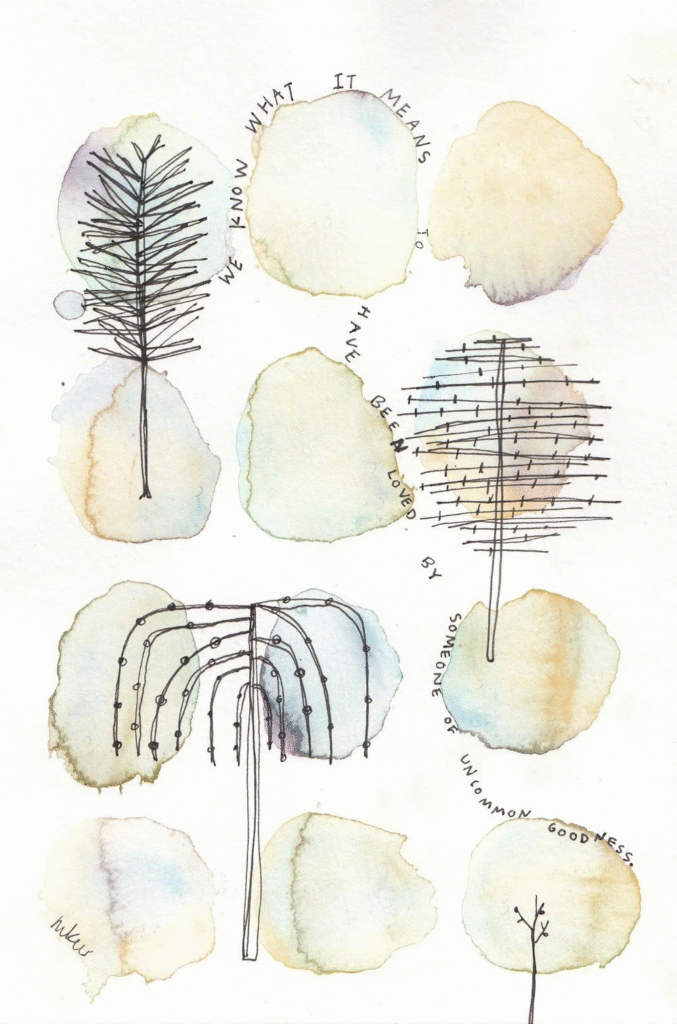
Melissa Kemper Westbrook makes art that feels like taking a deep breath. Her watercolors and poetry give shape to feelings we often carry quietly the mix of loss and love, the exhaustion and the joy, the ache and the gratitude that live side by side. An American artist and poet based in East Atlanta, she creates from a small porch studio where the sound of traffic and the laughter of her four young sons become part of the rhythm around her. What began as simple play with her children’s watercolor set has grown into a thoughtful practice that joins words and color in a way that feels both personal and universal. Her work is grounded in ordinary life: familiar trees, small gestures, moments that might go unnoticed. Melissa strips away background and noise, allowing soft washes of watercolor to hold attention and emotion without distraction. Into these gentle spaces she threads short lines of poetry direct, spare, and honest.

With so little on the page, what remains becomes essential: the feeling itself. Her pieces often look like stillness, but they hold movement beneath the surface, a reminder that living with feeling is its own kind of courage. Though she studied English and drama and spent many years teaching high school literature and theatre, Melissa’s shift into art was sparked by experience, not theory. After losing her father in 2020, painting and writing together became a way to stay connected to memory while learning to keep going. That blending of mediums fragile pigment beside steady words has become the heart of her work. Her art stays with people. Her marks are light, her poems short, yet their honesty lands with weight. They make us feel seen. They remind us that the small, everyday moments carry the full story of who we are. In Melissa’s hands, watercolor becomes a place to rest, to remember what we’ve lived through, and to trust that we can hold both the tenderness and the strength that come with being human.
From soft meadows to shifting skies, from quiet introspection to vivid light, these watercolourists show us how art can hold both fragility and strength. Their work reminds us that beauty doesn’t always shout; sometimes, it whispers through colour that fades like breath, through brushstrokes that follow the rhythm of rain, through the patience it takes to let water find its own way.
Each of these artists paints not only what they see, but what they feel the silence between sounds, the light that moves through memory, the spaces where nature and emotion meet. Their art becomes an act of care: for the world, for the moment, for the self that pauses to notice.
At the Arts to Hearts Project, we believe in that kind of art. The kind that meets you where you are, that brings attention back to what’s real and close and often overlooked. These artists show us that watercolour has a quiet power, the power to help us slow down, feel more deeply, and remember that even soft things can make a lasting impression.