







Meet the Emerging Art Collectors Shaping the Market
👁 13 Views
For a long time, the art market felt predictable, shaped by a relatively small circle of collectors, galleries, and institutions that largely decided what mattered and when. That structure hasn’t disappeared, but it’s no longer the only force at play. The growing presence of emerging art collectors is starting to shift that balance in ways that feel both subtle and undeniable.
What’s different about this generation isn’t just their age, it’s how they arrive. Many are not coming through traditional routes or waiting to be introduced to the “right” spaces. They are discovering artists on Instagram, following their work over time, and often buying long before those artists appear on platforms like Artsy or in major fairs. The distance between artist and collector has shortened, and with it, the idea that validation must come first.
There’s also a noticeable shift in what drives these decisions. For many emerging art collectors, the question is no longer just what is worth buying, but what feels worth supporting. That might mean collecting artists from specific regions, engaging with practices that reflect identity and lived experience, or simply choosing work that holds personal relevance rather than market certainty.
None of this is happening loudly. But taken together, it is changing how the art market moves, who gets seen, who gets supported, and how value begins to form in the first place.
Before we get into individual practices, here are a few emerging art collectors to look out for names that are steadily shaping conversations across different regions and contexts.
What’s worth noting is that these names are only a small part of a much larger shift. A growing number of younger collectors are shaping the art market in quieter but equally significant ways, some building deeply personal collections, others supporting artists within their immediate communities, and many navigating the space without institutional visibility. Figures such as Tobias Gombert and Katherine Raz point to how varied this landscape has become, sitting alongside more visible names while contributing to the same evolving ecosystem.
Jack Siebert (Los Angeles, United States)
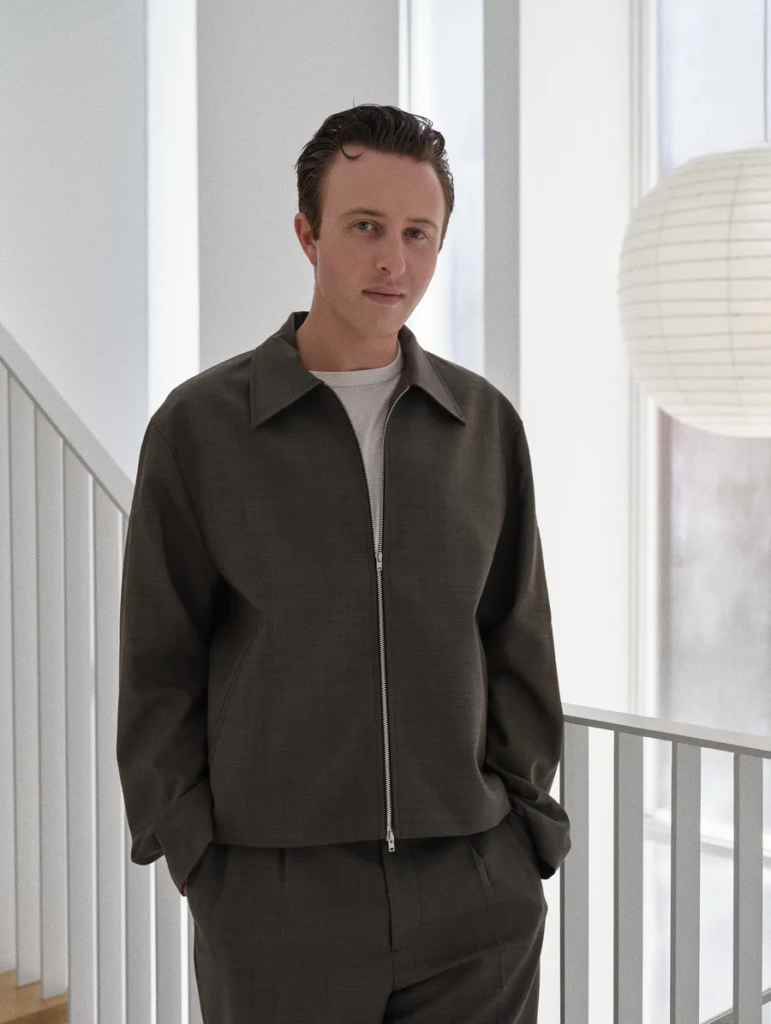
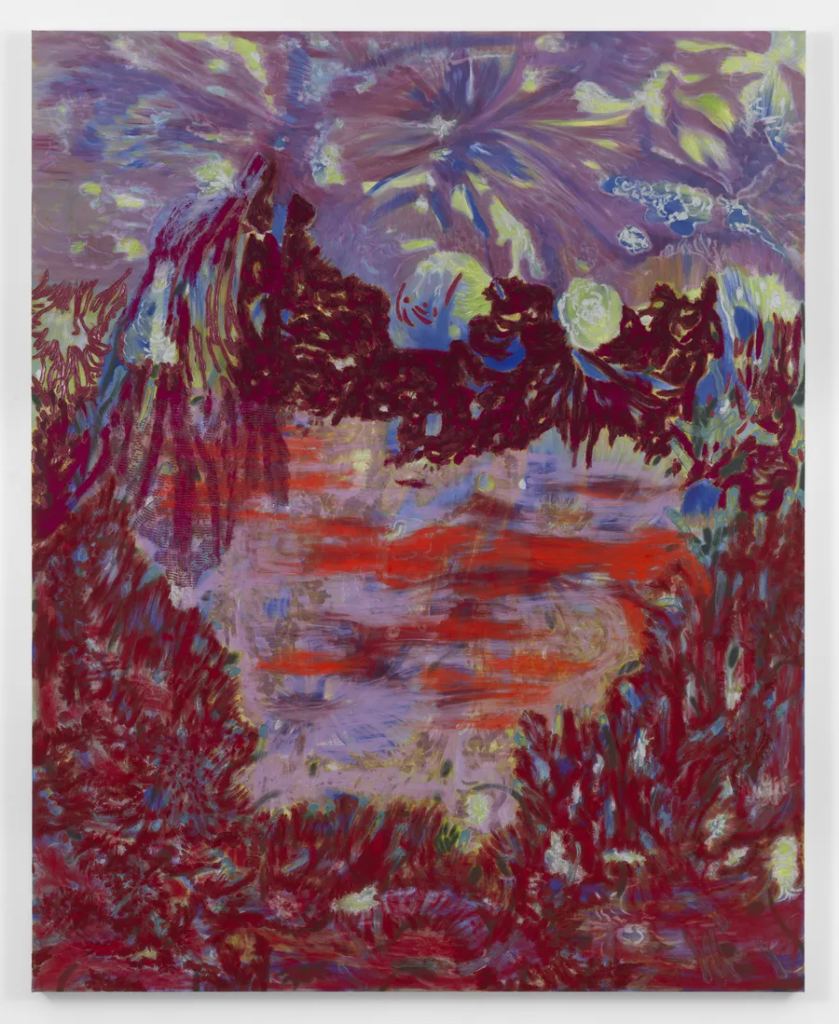
Operating at the intersection of collecting and exhibition-making, Jack Siebert represents a model of engagement that feels increasingly characteristic of a younger generation. Through his Los Angeles–based project space, Jack Siebert Projects, his involvement with art extends beyond acquisition into creating contexts where artists can be seen, tested, and experienced outside traditional gallery structures.
What distinguishes Siebert’s approach is the way collecting and curating begin to overlap. Rather than separating the roles of buyer and facilitator, his work suggests that collecting can function as a starting point, one that leads into exhibition-making, collaboration, and dialogue. This creates a more active relationship with the work itself, where ownership is only one part of a larger, ongoing process.
There is also an emphasis on experimentation. Project spaces, by nature, allow for a different kind of flexibility, supporting practices that may not yet fit within commercial frameworks. In this environment, the act of collecting becomes closely tied to risk and discovery, often engaging with artists at earlier stages in their careers.
At the same time, Siebert’s presence reflects a broader shift within the art world, where younger collectors are not waiting to enter established systems but are building their own. By creating spaces alongside collecting, they are contributing to how art is encountered and understood, shaping the ecosystem in ways that extend well beyond the works they acquire.
Rhea Kuruvilla (India)
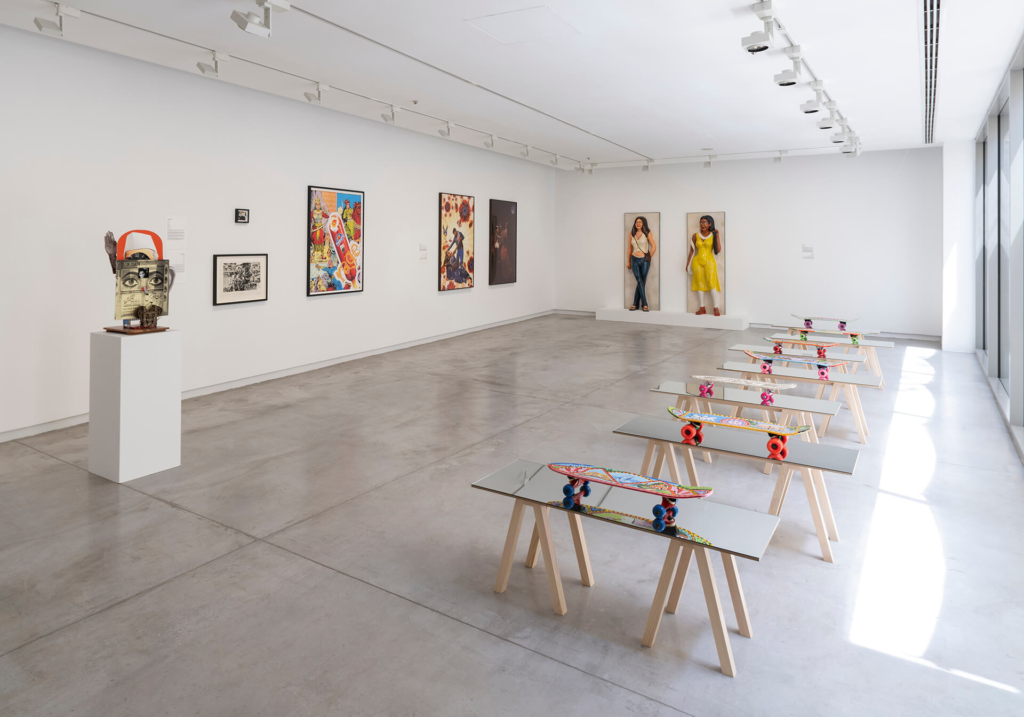
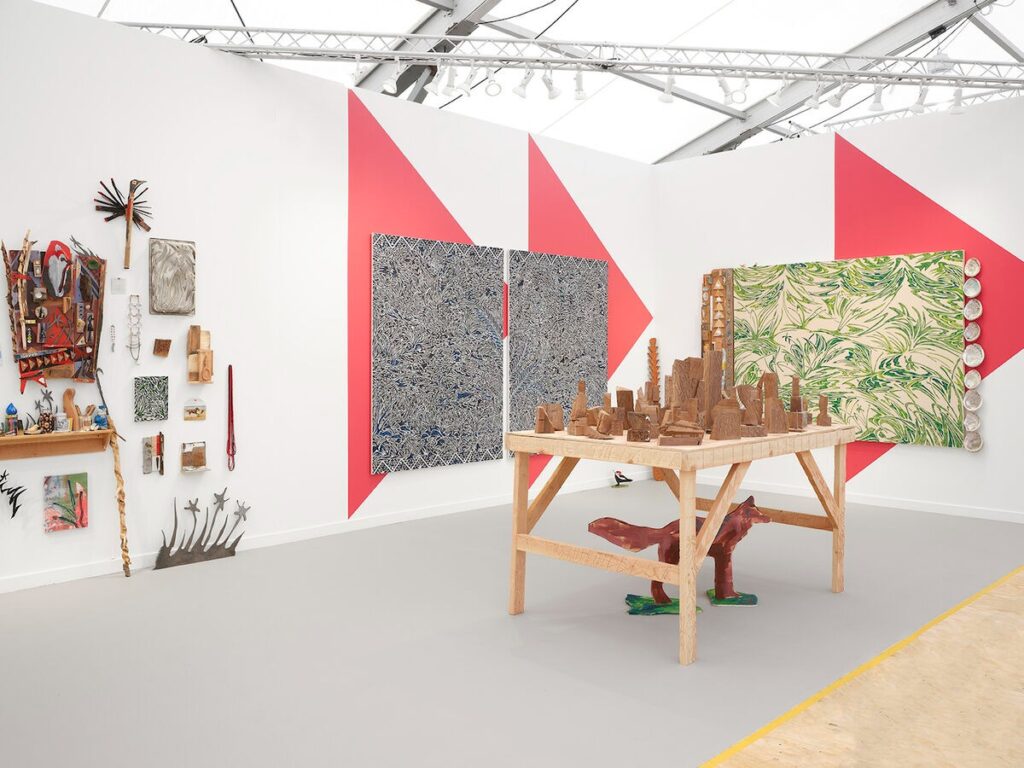
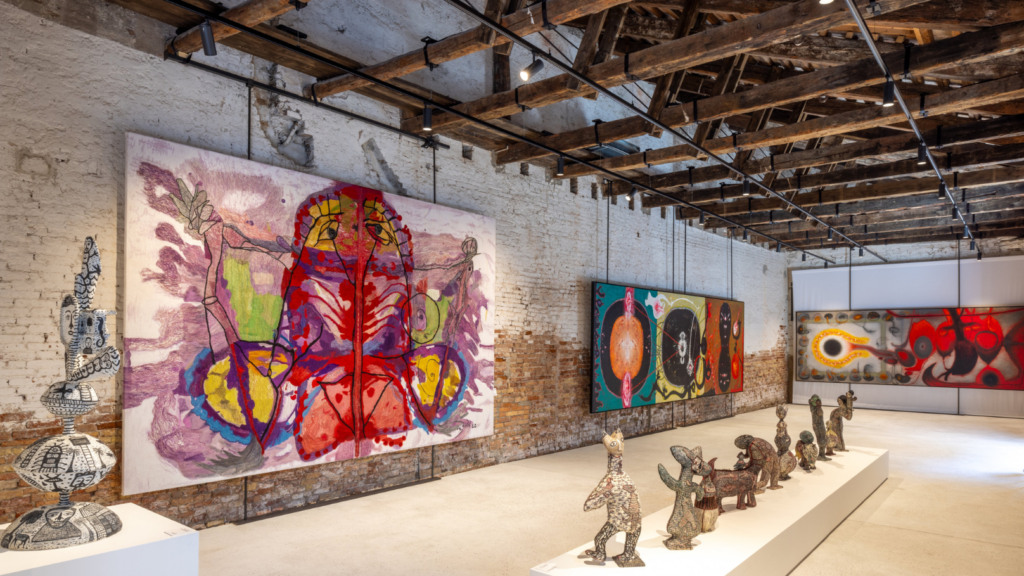
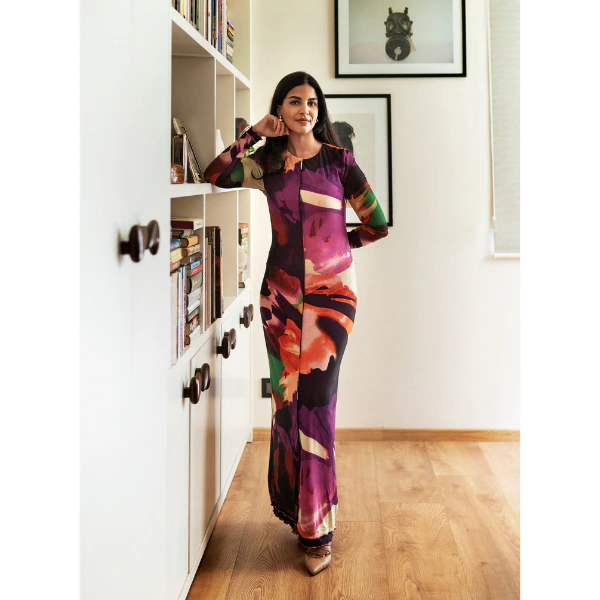
Working between advisory, access, and global platforms, Rhea Kuruvilla represents a quieter but increasingly influential presence within contemporary collecting. Her engagement with art is not limited to acquisition, it’s shaped by an understanding of how artists move across contexts, from local studios to international fairs like Frieze Art Fair.
What stands out in her approach is the way South Asian art is positioned not as something peripheral, but as part of an ongoing global conversation. Rather than framing artists through geography alone, there’s an emphasis on how their work operates conceptually and materially alongside international peers. This shift may seem subtle, but it reflects a larger change in how younger collectors are thinking about representation: less as inclusion, more as presence.
Kuruvilla’s role also highlights how collecting today often exists alongside mediation. Through advisory work, she participates in shaping collections beyond her own, guiding new buyers, introducing artists, and influencing how works are placed within broader narratives. This kind of involvement expands the idea of what a collector does. It’s no longer just about ownership, but about circulation, who sees the work, where it travels, and how it is understood.
There is also a long-term sensibility at play. Instead of reacting to market momentum, the focus leans toward sustained engagement, following artists over time, understanding their practice, and supporting it in ways that extend beyond a single purchase. In that sense, collecting becomes less transactional and more relational, built on continuity rather than immediacy.
Dylan Abruscato (Los Angeles)
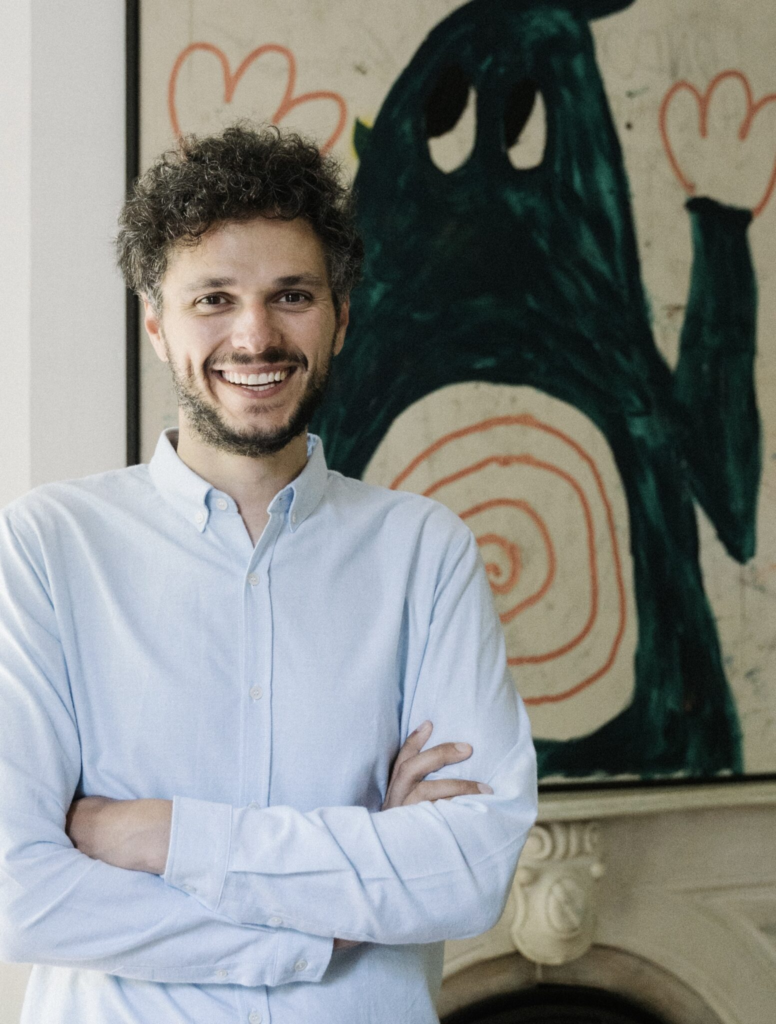
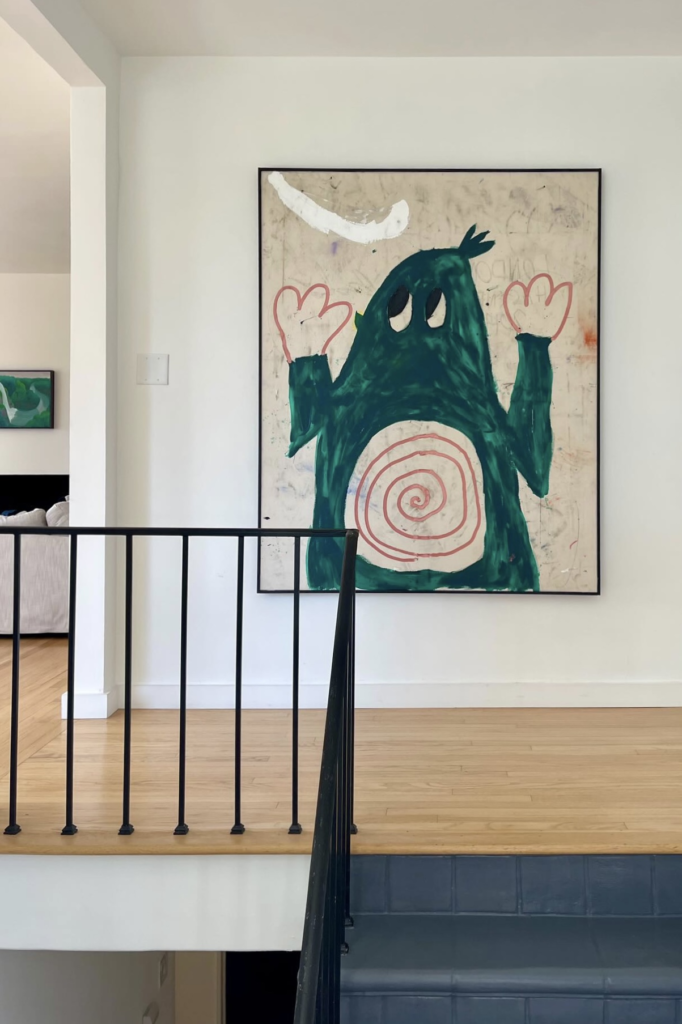
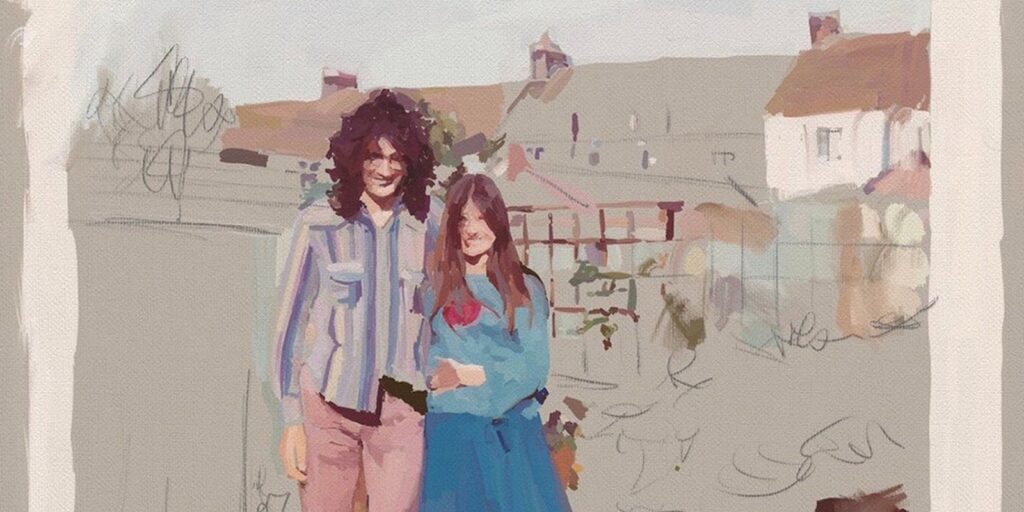
For Dylan Abruscato, collecting is shaped as much by environment as it is by instinct and that environment is largely digital. Unlike earlier generations who entered the art world through galleries, fairs, or established networks, his engagement with art begins in a space that is constant, fast-moving, and highly accessible.
Platforms like Instagram have redefined how artists are encountered, allowing collectors to follow practices over time rather than through isolated exhibitions. This creates a different kind of familiarity one built through repetition and proximity. The decision to acquire a work is no longer tied to a single moment of viewing, but to an ongoing relationship with the artist’s output.
What this also introduces is a shift in timing. Collectors like Abruscato are often engaging with artists at much earlier stages, before institutional recognition or gallery representation solidifies their position. This changes the nature of collecting from something reactive to something anticipatory guided less by consensus and more by individual reading.
At the same time, this mode of discovery does not necessarily reduce depth. If anything, it allows for a more sustained engagement, where the collector witnesses the evolution of a practice in real time. The process becomes less about entering a closed system and more about navigating an open field one where access is continuous and the boundaries between artist and collector are increasingly fluid.
Delora Xuanqiao Che (China / Global)

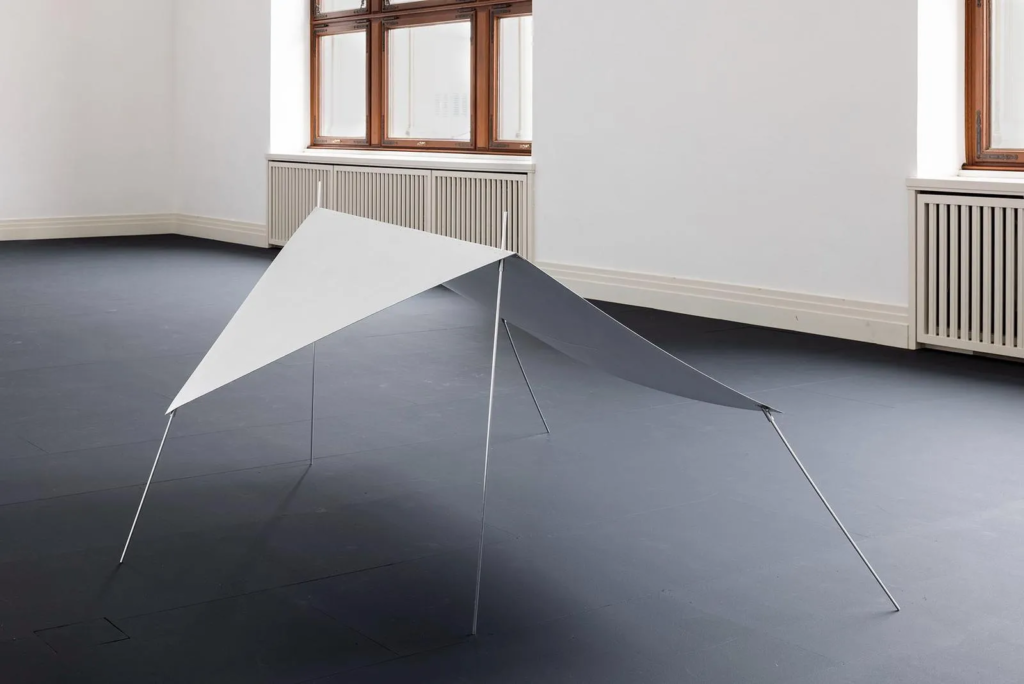
Positioned between collecting and patronage, Delora Xuanqiao Che represents a strand of younger collectors who are less visible in traditional market narratives, but increasingly influential in shaping how art is supported and sustained. Her approach moves beyond the idea of collecting as accumulation, leaning instead toward building relationships, between artists, institutions, and audiences.
What distinguishes Che’s engagement is a clear awareness of structure. Rather than focusing only on acquiring works, there is an emphasis on how those works exist within a larger ecosystem, how they are exhibited, contextualized, and given space to evolve. This introduces a more long-term perspective into collecting, where the impact of a work is considered beyond its immediate presence within a collection.
Her position also reflects the growing interconnectedness of the art world. Operating across geographies, Che’s approach is shaped by a dialogue between different cultural contexts, allowing for a more fluid understanding of contemporary practice. This kind of cross-regional engagement is becoming increasingly common among younger collectors, who are less bound by a single market or location.
In many ways, her practice points toward a shift from ownership to stewardship. The role of the collector expands, not just as someone who acquires, but as someone who supports the conditions in which art can continue to exist, circulate, and be experienced over time.
Varun Kaji (India / New York)
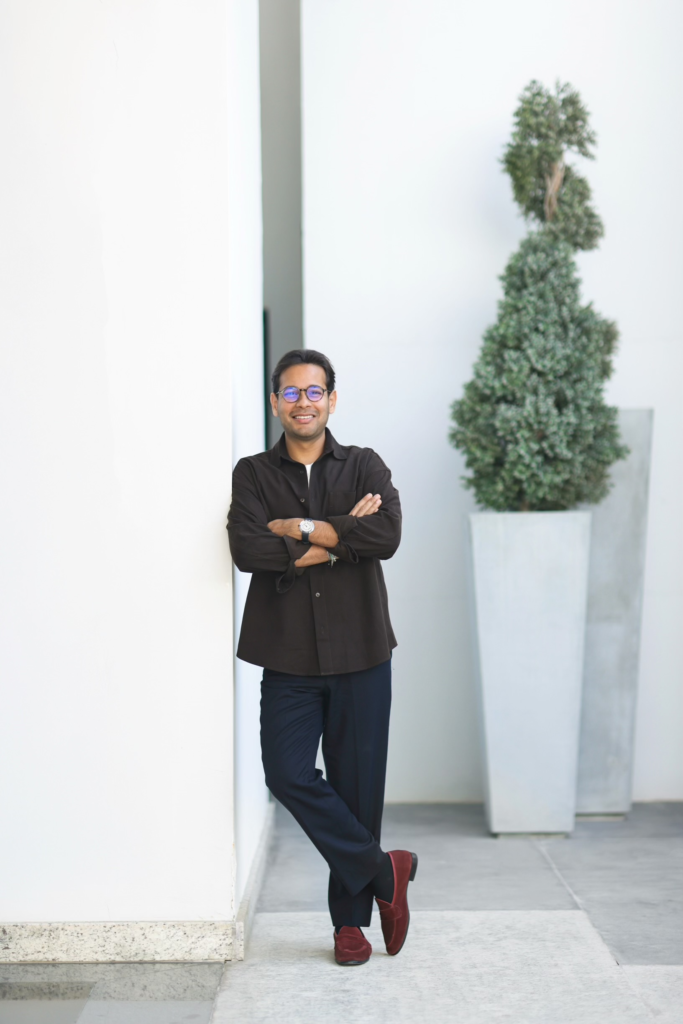
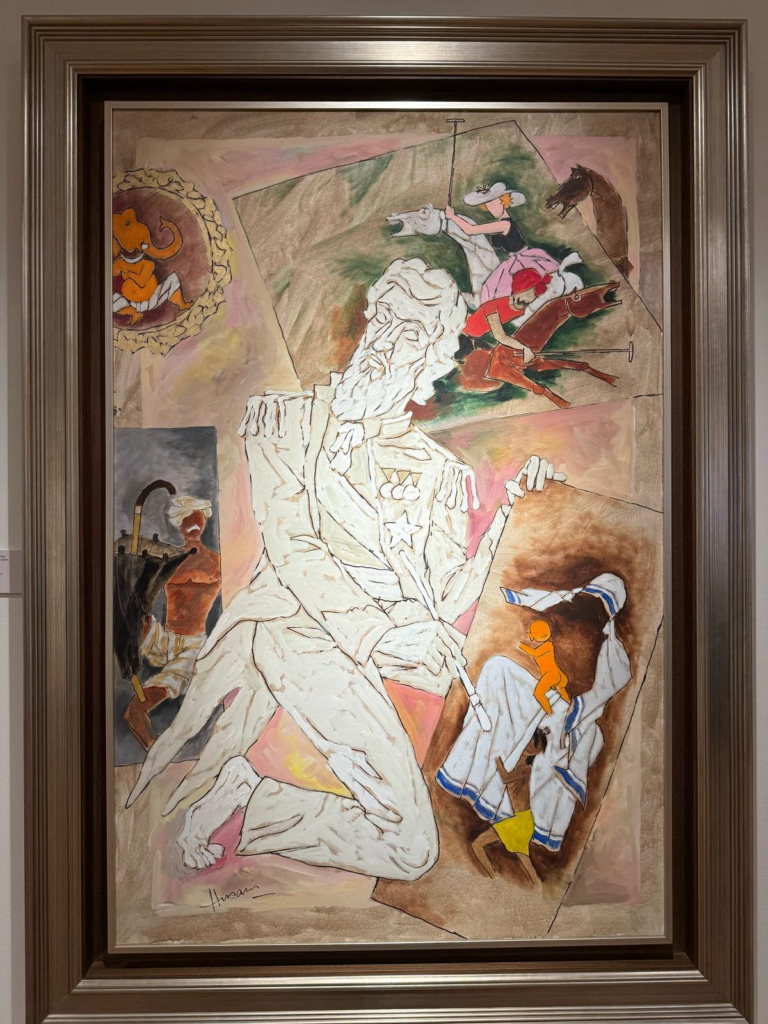
Moving between Mumbai and New York, Varun Kaji represents a generation for whom collecting is inseparable from curation. His work doesn’t sit neatly within the boundaries of buying and holding; instead, it extends into shaping how art is experienced, positioned, and circulated across different contexts.
This dual engagement reflects a broader shift in the role of the collector. Where collections were once largely private, there is now a growing tendency to activate them, through exhibitions, collaborations, and advisory-led projects. In Kaji’s case, collecting becomes part of a larger framework of involvement, where the emphasis is not only on what is acquired, but on how those works are introduced into conversation.
There is also a strong sense of movement in his approach. Operating across two cities allows for a constant exchange between different art scenes, each with its own rhythms and priorities. This exposure creates a collecting perspective that is less fixed and more adaptive, informed by multiple contexts rather than a single market viewpoint.
What emerges from this way of working is a collector who is not positioned at the end of the art ecosystem, but within it. The decisions being made are not isolated, they are connected to artists, institutions, and audiences in real time. In that sense, collecting becomes a form of participation, where influence is shaped through engagement rather than distance.
Sandile Xayiya (Johannesburg)
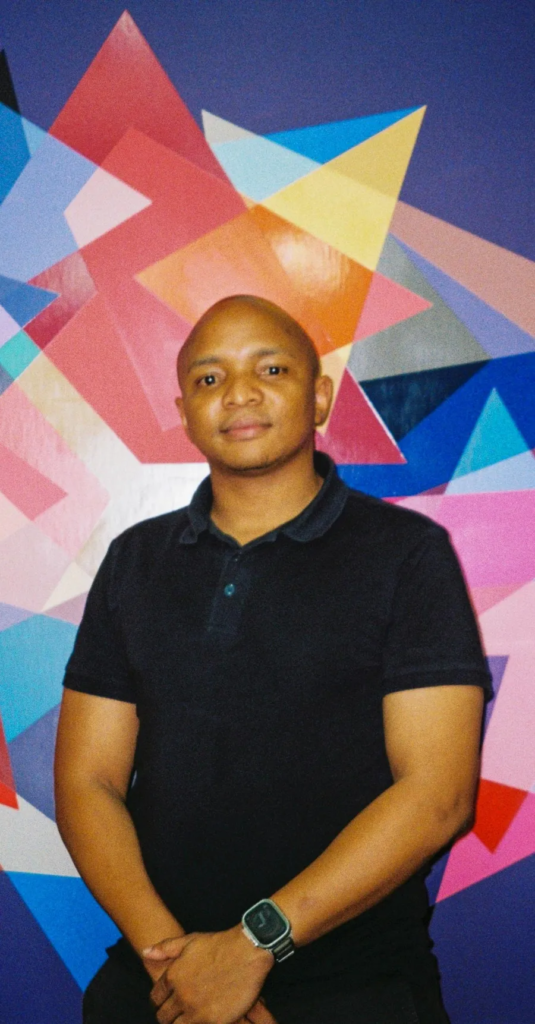
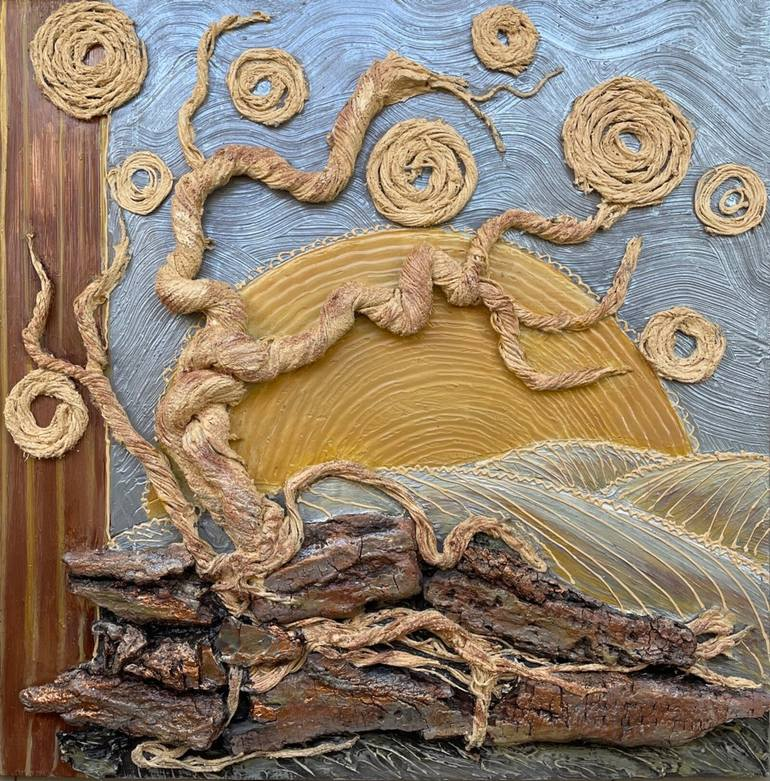
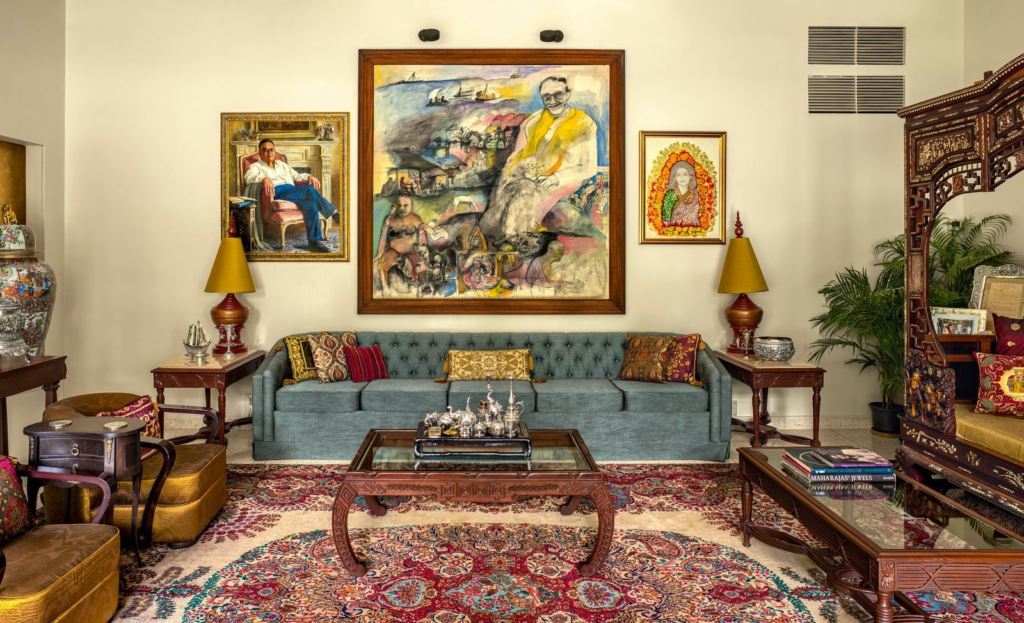
The collecting journey of Sandile Xayiya is shaped as much by exposure as it is by intention. Growing up in South Africa, his early encounters with art were not confined to formal institutions but were part of a broader cultural environment where visual expression carried both personal and political weight. That foundation continues to inform how he approaches collecting today.
What distinguishes Xayiya’s perspective is the clarity with which he understands the role of access. For him, collecting is not simply about acquiring works, but about recognizing how visibility operates, who is seen, who is supported, and how narratives are formed around artists from the African continent. This awareness translates into a collection that feels grounded in context rather than detached from it.
There is also a strong sense of responsibility embedded in his approach. Many of the artists he engages with are part of a rapidly evolving contemporary African art scene, one that is gaining international attention but still navigating uneven structures of representation. By collecting within this space, Xayiya participates in a larger shift, one that moves beyond passive appreciation toward active support.
At the same time, his collecting remains personal. The works he gravitates toward are not chosen to illustrate a trend, but because they resonate with lived experience and cultural memory. This balance between awareness and instinct creates a collection that feels both considered and deeply connected to place.
Gabrielle Levitt (New York)
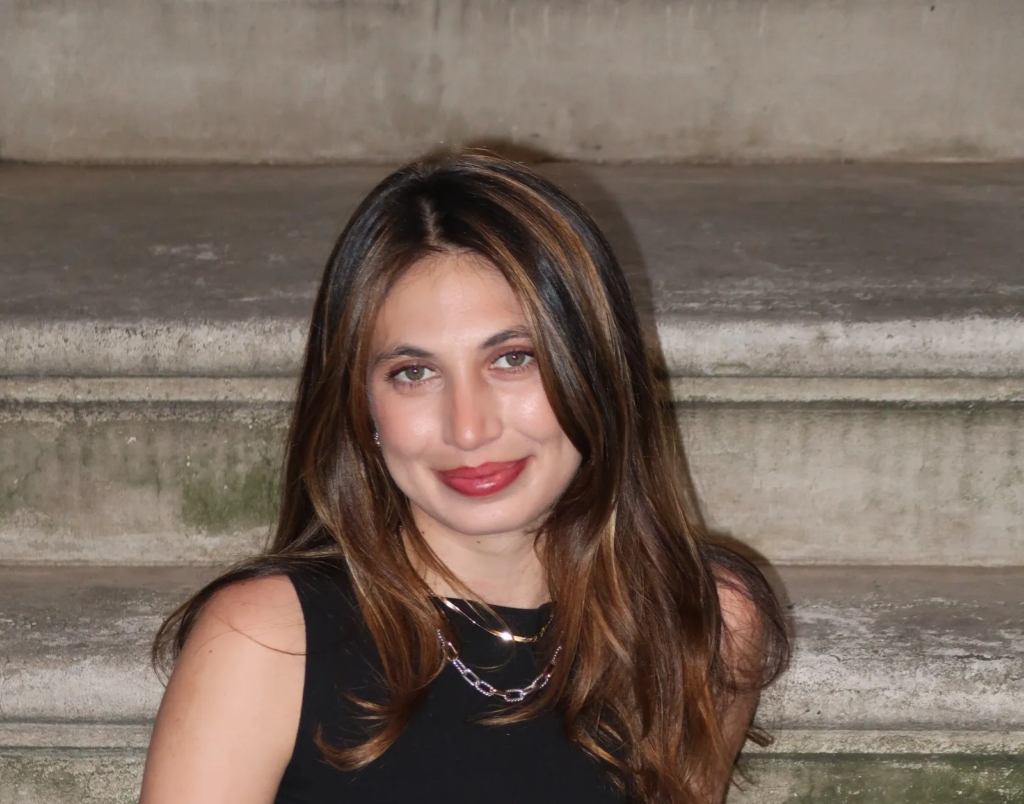
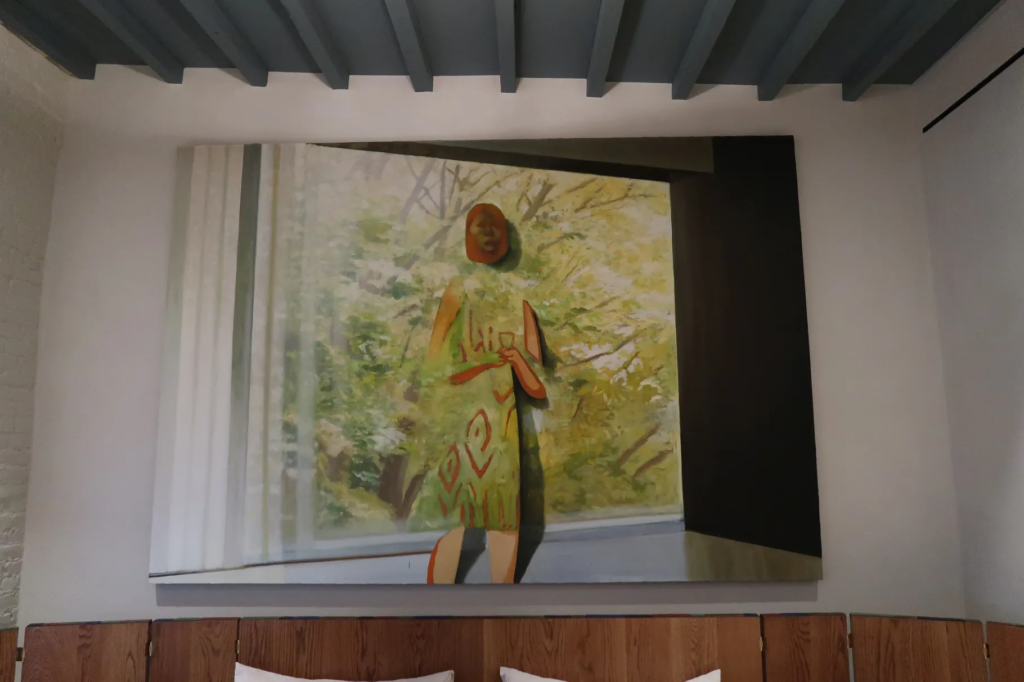
For Gabrielle Levitt, collecting begins from a place that feels far more accessible than traditional narratives of the art world might suggest. Her entry into collecting is not defined by legacy or deep institutional ties, but by curiosity and openness to discovering artists and learning through the process itself.
What makes her perspective particularly relevant is how closely it mirrors that of many first-time collectors today. Rather than waiting to feel “ready,” Levitt engages with art in a way that is gradual and self-directed, building familiarity over time. Platforms like Instagram play a role here, offering a space where artists can be followed, revisited, and understood beyond a single exhibition or moment of visibility.
Her approach also reflects a shift in how value is perceived. Instead of focusing on established names or market validation, there is a clear emphasis on connection, what draws you in, what stays with you, and what feels worth living alongside. This creates a collection that evolves organically, shaped by experience rather than expectation.
At the same time, Levitt’s way of collecting highlights an important change in tone within the art market. Collecting no longer feels reserved for a select few; it feels possible, even approachable. In that sense, her presence represents more than just an individual journey, it reflects a broader opening up of the art world, where new collectors are finding their place on their own terms.
Michael Xufu Huang (China / United States)
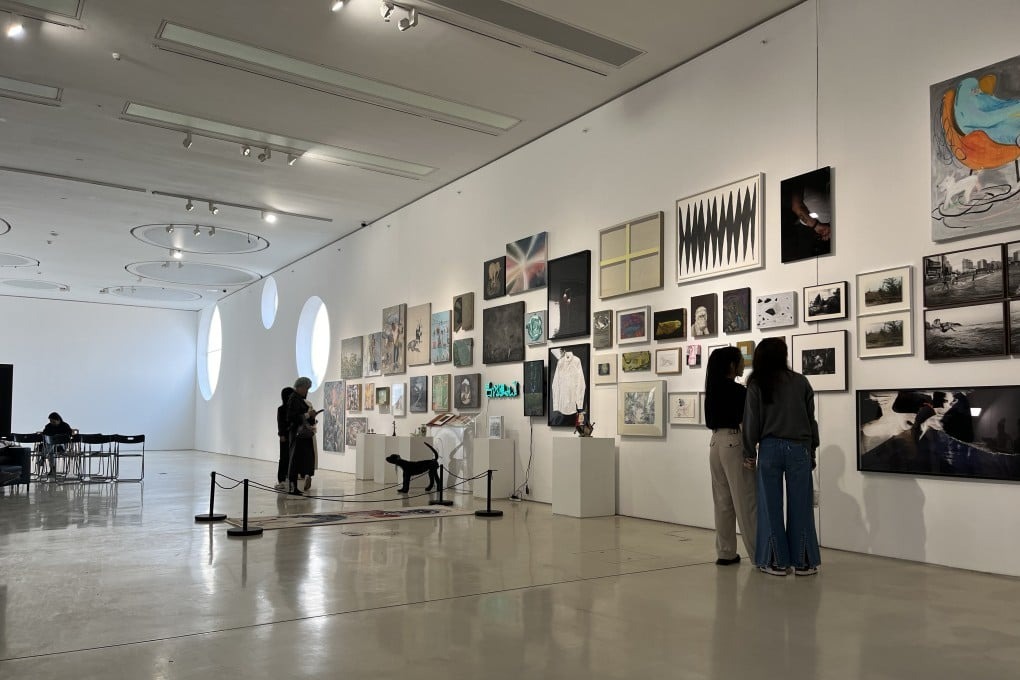
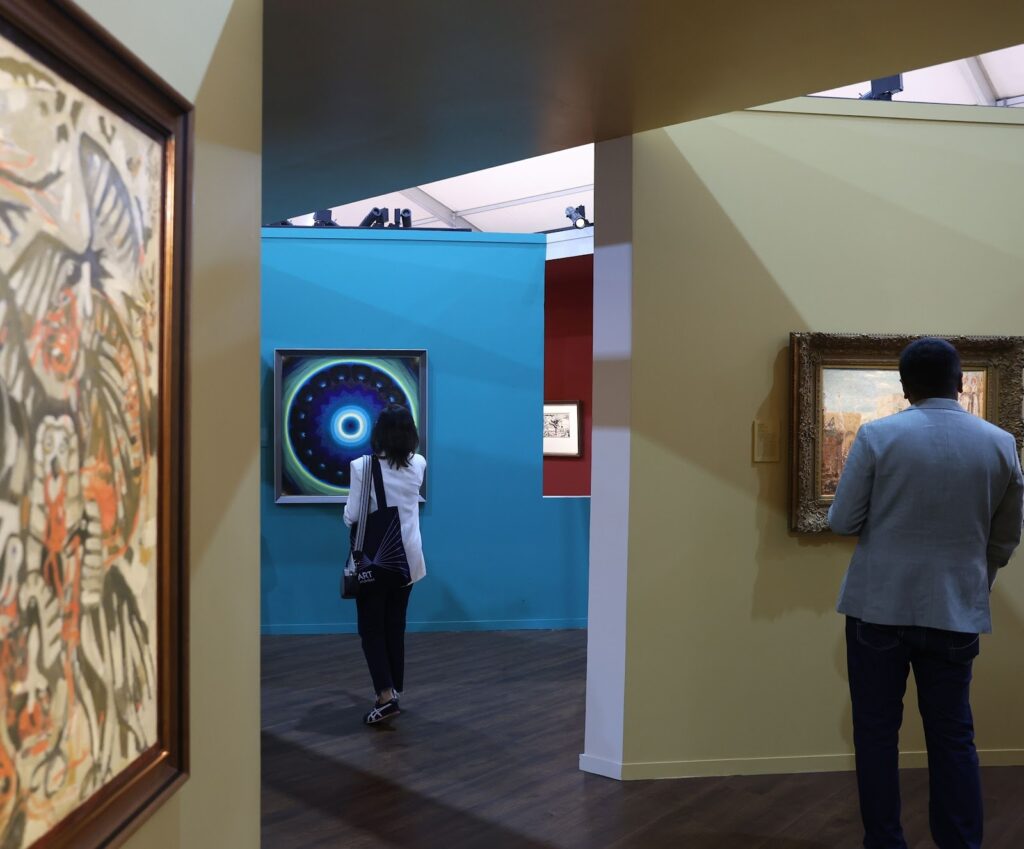
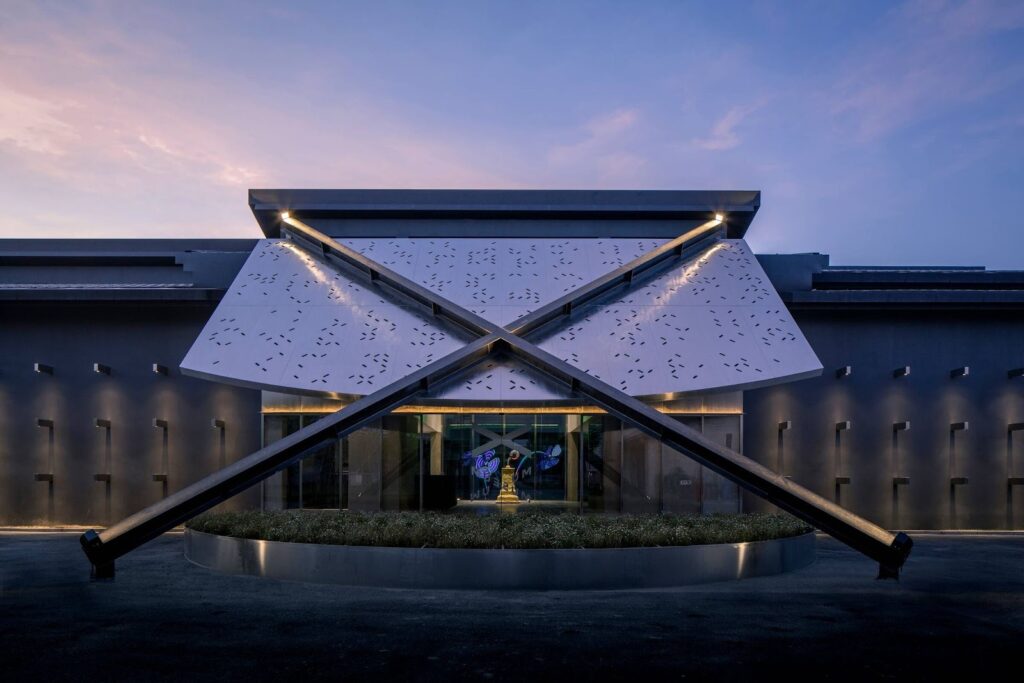
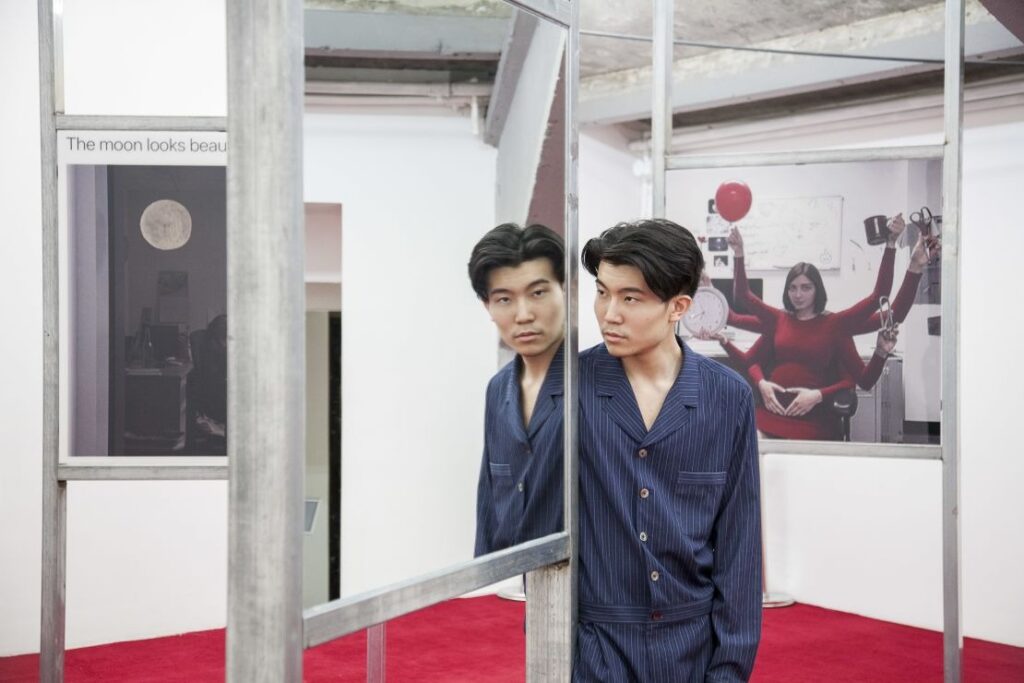
Few collectors of his generation have shaped the conversation around contemporary art as visibly as Michael Xufu Huang. Based between Beijing and New York, his approach moves beyond collecting as a private act and into the realm of institution-building, where ownership becomes only one part of a much larger engagement with art.
Huang is best known as the founder of the X Museum, a space dedicated to supporting emerging artists and experimental practices. This initiative reflects a broader shift among younger collectors, one where collecting is not confined to assembling works, but extends into creating platforms that allow those works to be seen, discussed, and sustained over time. It is a model that places equal emphasis on visibility and infrastructure.
What distinguishes his approach is the way it operates across geographies. Moving between China and the United States, Huang’s perspective is shaped by multiple art ecosystems, allowing him to engage with artists in a way that is both local and global. This fluidity challenges older ideas of the art market as being centered in a few dominant cities, replacing it with a more interconnected network.
At the core of his practice is a long-term vision. Rather than reacting to trends, Huang’s work suggests an investment in continuity, supporting artists, building institutions, and contributing to a cultural landscape that extends beyond individual acquisitions.
What these collectors make clear is that there isn’t a single way into the art world anymore, only different ways of engaging with it. And somewhere within that shift, a simple question begins to take shape: if you were to start collecting today, what would you look for first?