

10 Books Every Art Lover Should Read
👁 19 Views
Art has always been more than just what hangs on a gallery wall. It is a conversation across centuries between artists, audiences, ideas, and the cultures that shape them. Whether you are an artist, a collector, a student of art history, or simply someone who finds joy in standing in front of a painting a little longer than others do, the books you read can profoundly influence the way you experience art. If you’re looking for 10 books every art lover should read, this curated list brings together influential titles that explore art history, creative thinking, and the lives of remarkable artists.
Some books teach us how to look at art. Others reveal the stories behind artists and movements, while a few open a window into the inner lives and philosophies that shape creative work. Together, they deepen our understanding of why art exists, how it evolves, and why it continues to matter.
In the art world, certain books have quietly become essential companions for curious minds. These are the titles artists pass to one another in studios, the ones art students annotate in the margins, and the volumes that critics and curators often reference when thinking about images and ideas.
This list brings together ten such books that explore art from different perspectives: visual culture, art history, artistic philosophy, technique, and the lives of artists themselves. Some will challenge the way you see images, others will guide you through centuries of artistic innovation, and a few will offer intimate glimpses into the creative process.
From John Berger’s revolutionary reflections on visual perception to memoirs by contemporary artists who have reshaped the role of art in society, these books collectively offer a rich journey through the world of art.
So if you’re looking for your next meaningful read, whether during a quiet weekend, a long train ride, or simply an evening spent with a cup of tea, these titles are a wonderful place to begin.
Let’s start with a book that completely changed the way many people think about images and artworks.
1. Ways of Seeing – John Berger
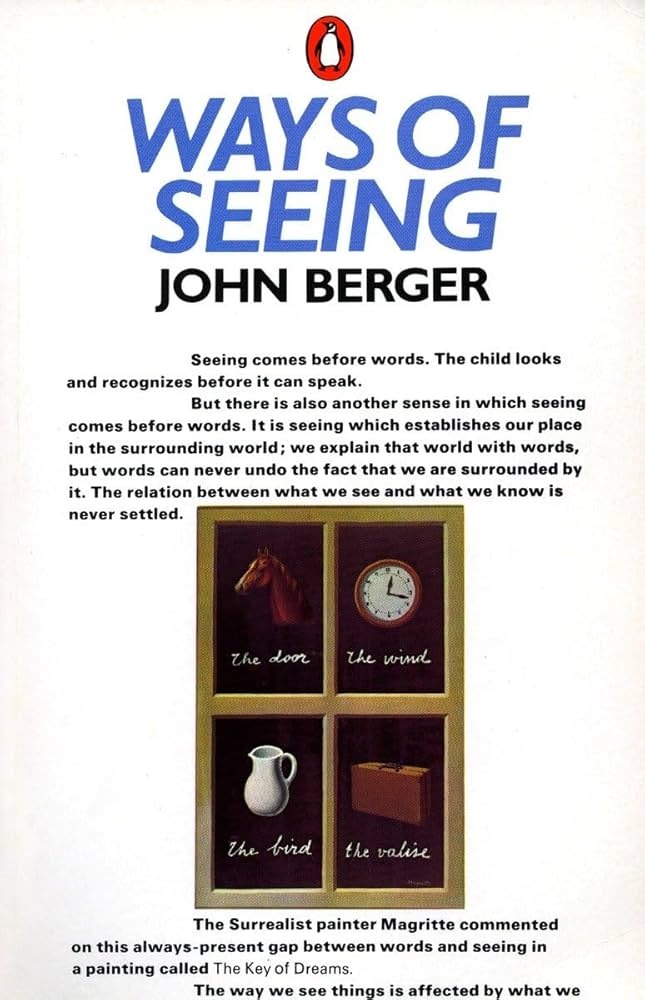
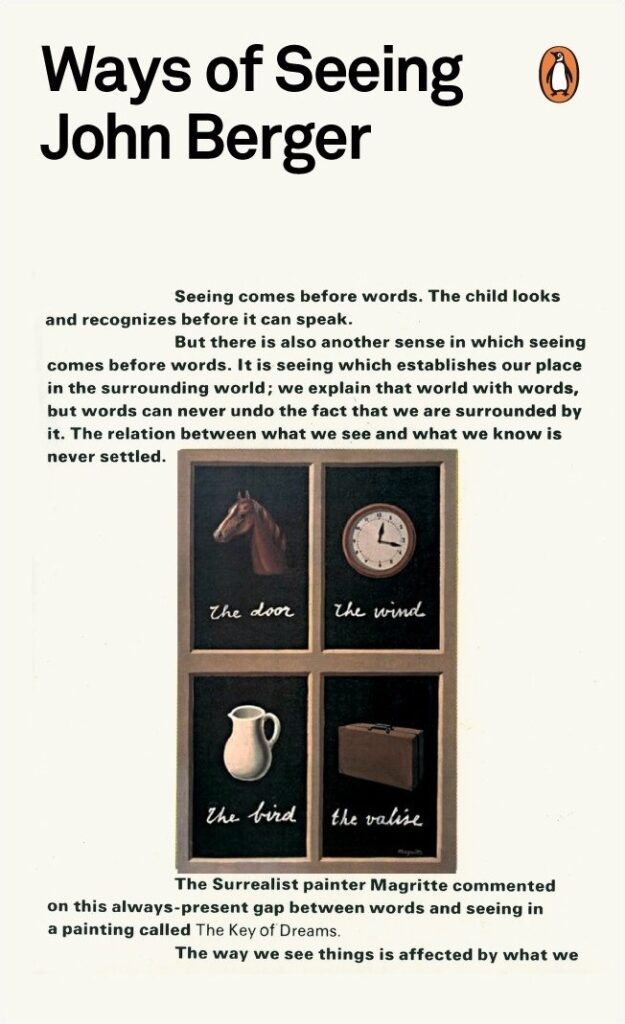
Few books about art have had as profound an impact on how people interpret images as Ways of Seeing by John Berger. First published in 1972 and originally developed as a BBC television series, the book remains one of the most influential texts on visual culture ever written.
Rather than presenting art history as a timeline of masterpieces, Berger challenges readers to reconsider how and why we look at images in the first place. His argument is simple yet revolutionary: the meaning of art is not fixed. Instead, it shifts depending on the viewer, cultural context, and systems of power that shape our perception.
Berger famously examines how European oil paintings, advertising, and modern media influence the way we interpret visual images. One of the book’s most discussed ideas explores how traditional Western paintings often reflected systems of wealth, ownership, and status. What might initially appear as simple depictions of beauty or landscape frequently carried deeper messages about power and privilege.
Another powerful section of the book focuses on the representation of women in art, analyzing how historical artworks often positioned women as objects to be viewed rather than individuals with agency. Berger’s insights helped spark conversations that continue today in discussions around gender and representation in visual culture.
What makes Ways of Seeing particularly engaging is its accessible and conversational tone. Berger writes not as a distant academic but as a thoughtful guide inviting readers to question what they see. The book also includes striking image comparisons that encourage readers to actively analyze artworks rather than passively admire them.
For artists, this book can fundamentally reshape how you think about your own work and the images that surround you daily from museum paintings to social media photography.
More than fifty years after its publication, Ways of Seeing continues to influence artists, curators, and critics around the world. It reminds us that looking at art is never a neutral act, it is always shaped by history, culture, and perspective.
📖 Source:
You can learn more about the book here:
https://www.penguinrandomhouse.com/books/324430/ways-of-seeing-by-john-berger/
2. How to See: Looking, Talking and Thinking About Art – David Salle
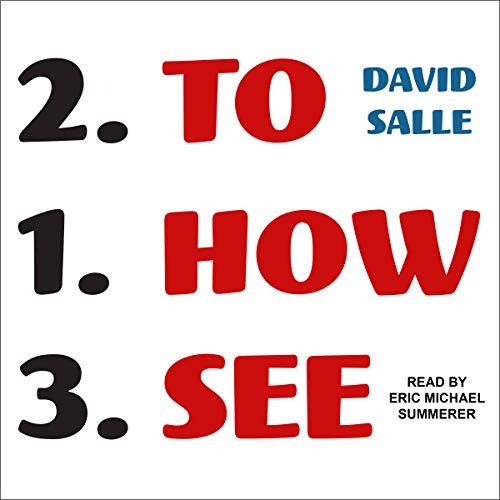
After questioning how we look at images through John Berger’s Ways of Seeing, the next step is learning how artists themselves interpret and talk about art. Painter and writer David Salle offers exactly that perspective in How to See: Looking, Talking and Thinking About Art.
Published in 2016, this collection of essays provides a rare opportunity to enter the mind of a practicing artist reflecting on the work of others. Salle, known for his layered and often provocative paintings, approaches art criticism not from an academic distance but from the studio floor. His writing feels less like a lecture and more like a thoughtful conversation between artists.
The book brings together essays on a wide range of artists, including figures such as Gerhard Richter, John Baldessari, and Roy Lichtenstein. Through these reflections, Salle explores how artists develop ideas, respond to visual culture, and build meaning within their work.
One of the most compelling aspects of How to See is its emphasis on close looking. Salle encourages readers to slow down when encountering art and to observe the subtle details that shape an artwork’s emotional and intellectual impact. Instead of offering rigid interpretations, he shows how artworks can open multiple paths of thought depending on the viewer’s perspective.
His writing also reveals how artists learn from one another across generations. By discussing works that have influenced him personally, Salle demonstrates how artistic ideas evolve through dialogue, experimentation, and reinterpretation.
For readers who may feel intimidated by art criticism, this book offers an accessible entry point. Salle’s essays blend humor, curiosity, and insight, making complex artistic discussions feel surprisingly approachable.
Ultimately, How to See reminds us that engaging with art is not about finding a single “correct” interpretation. Rather, it is about developing the ability to observe, question, and think critically about the images that surround us.
📖 Source:
Learn more about the book:https://www.amazon.com/How-See-Looking-Talking-Thinking/dp/0393248135
3. The Story of Art – E.H. Gombrich
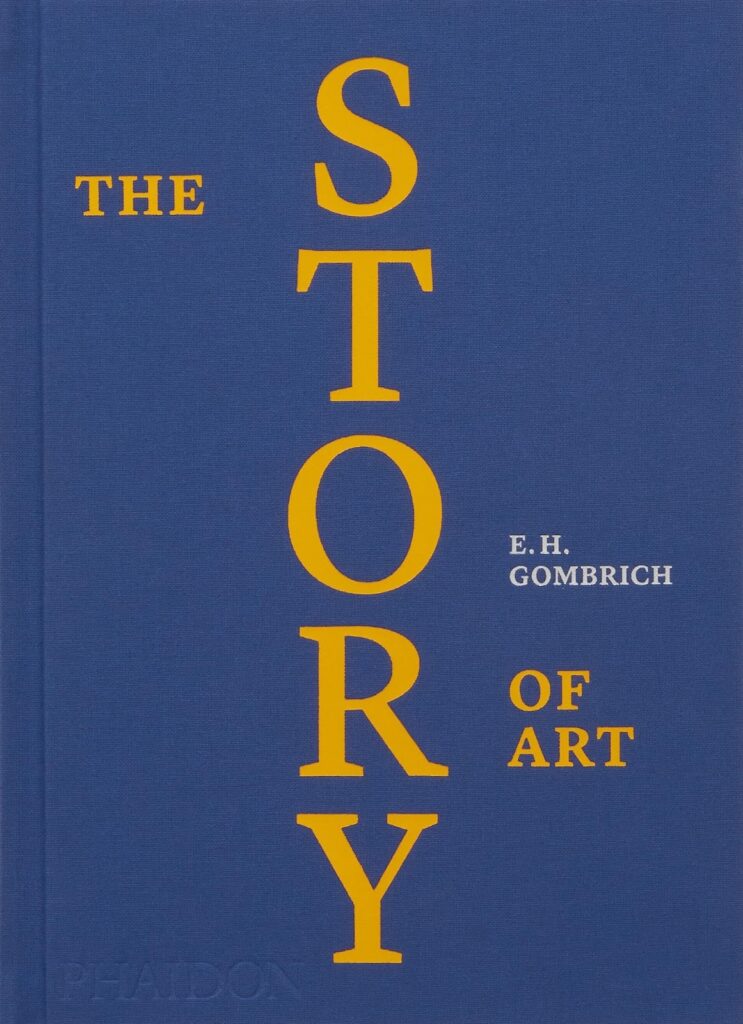
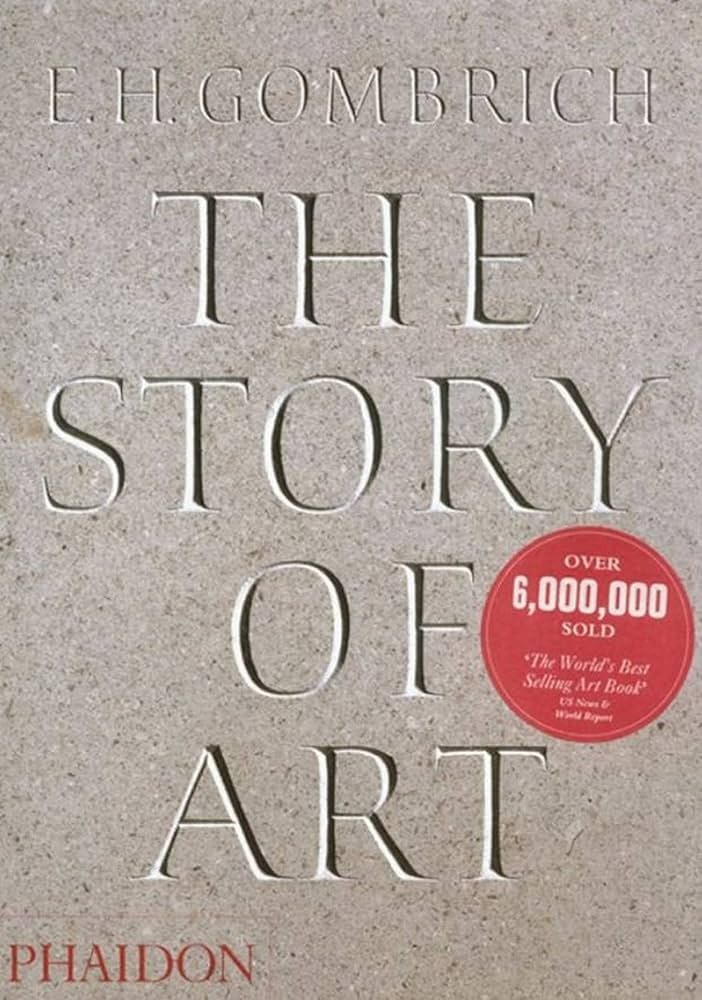
If there is one book that has introduced generations of readers to the vast and fascinating world of art history, it is The Story of Art by Ernst Hans Gombrich. First published in 1950, this classic text remains one of the most widely read and accessible introductions to art ever written.
Unlike many academic art history books, Gombrich’s approach is remarkably conversational. Rather than overwhelming readers with complex terminology, he begins with a simple but powerful statement: “There really is no such thing as Art. There are only artists.” With this line, Gombrich shifts the focus from abstract theories to the people behind the works, the painters, sculptors, and creators whose ideas shaped artistic movements across centuries.
The book takes readers on a journey through the evolution of art, beginning with prehistoric cave paintings and ancient civilizations before moving through the artistic innovations of Greece, Rome, the Renaissance, and the modern era. Along the way, Gombrich introduces some of the most influential figures in art history, including Leonardo da Vinci, Michelangelo, Rembrandt, and Vincent van Gogh.
One of the reasons The Story of Art remains so beloved is its ability to explain complex artistic developments in an engaging and approachable way. Gombrich carefully illustrates how each generation of artists responded to the challenges and ideas of their time, gradually transforming artistic traditions. Readers begin to see how movements such as Impressionism, Cubism, and Surrealism emerged not in isolation but as part of a larger historical conversation.
The book is also richly illustrated, allowing readers to encounter iconic artworks alongside Gombrich’s explanations. This combination of images and narrative helps readers develop a deeper appreciation for how style, technique, and cultural context influence artistic expression.
For students, artists, and curious readers alike, The Story of Art often becomes a starting point a gateway into the broader world of museums, exhibitions, and artistic scholarship.
More than seventy years after its publication, the book continues to inspire readers to explore art with curiosity and wonder, reminding us that every artwork carries a story waiting to be discovered.
Source:
Learn more about the book here:
https://www.phaidon.com/en-int/products/the-story-of-art-16th-edition?_pos=4&_sid=14a90c610&_ss=r
4. The Art Spirit – Robert Henri
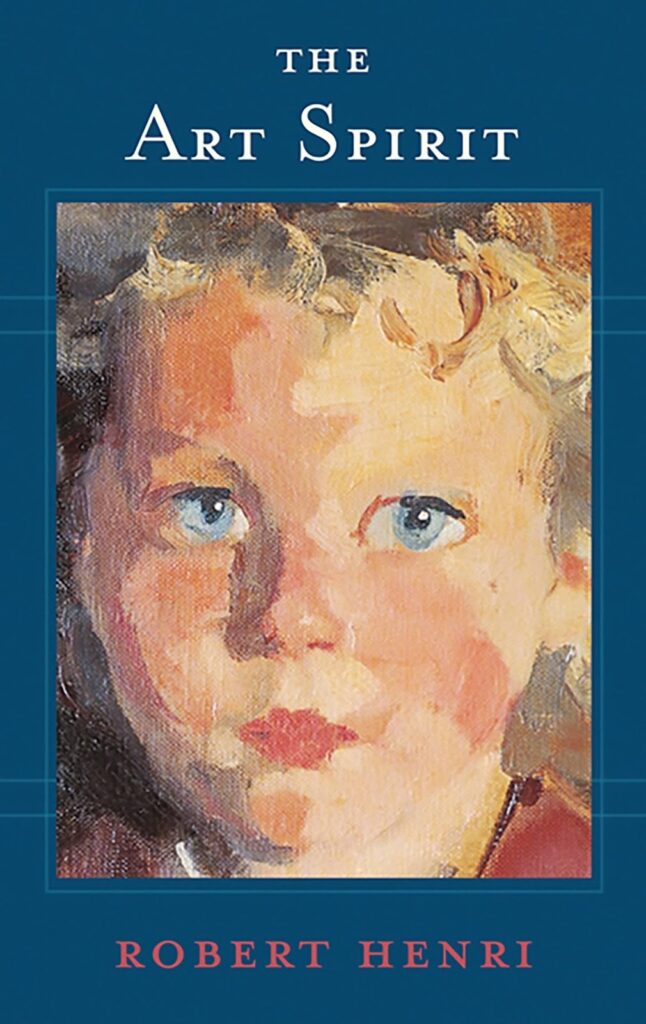
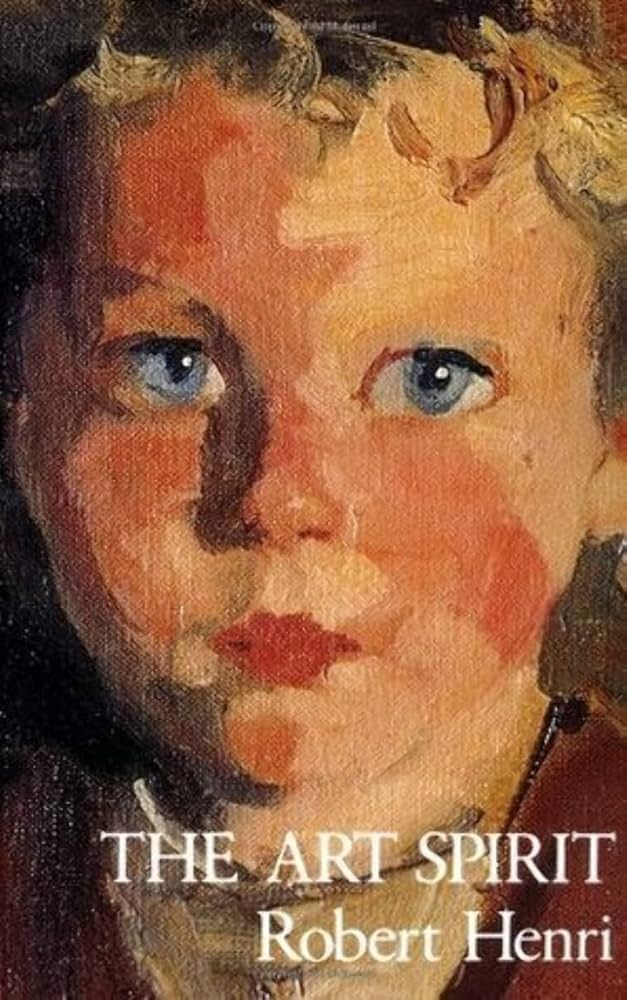
While many books about art focus on history or technique, The Art Spirit by Robert Henri explores something far more personal, the mindset and philosophy that shape an artist’s life. First published in 1923, the book remains one of the most beloved and influential reflections on creativity, artistic purpose, and self-expression.
Robert Henri, a prominent American painter and teacher associated with the Ashcan School, compiled this book from notes, lectures, and letters he shared with his students at the Art Students League in New York. Rather than presenting formal lessons on painting, Henri offered encouragement, guidance, and reflections on what it truly means to live as an artist.
One of the central ideas of The Art Spirit is that art should emerge from authentic experience and personal vision. Henri encouraged his students to look beyond technical perfection and instead focus on expressing the vitality and individuality that make each artist unique. For him, the role of art was not simply to replicate reality but to reveal the emotional and human truths behind it.
Throughout the book, Henri shares thoughtful observations about creativity, discipline, and courage. He believed that artists must cultivate curiosity about the world around them, drawing inspiration from everyday life, people, and experiences. In many ways, his philosophy echoes ideas that remain relevant to contemporary artists today, the importance of experimentation, risk-taking, and staying true to one’s creative instincts.
What makes The Art Spirit particularly powerful is its conversational tone. Reading the book feels almost like sitting in a classroom with Henri himself, listening to a passionate mentor encourage young artists to trust their vision and pursue their work with conviction.
Over the decades, the book has become a quiet staple in studios and art schools, passed from one generation of artists to the next. Its message is timeless: art is not just about skill or recognition, but about cultivating a deeper awareness of life and translating that awareness into creative expression.
For anyone seeking inspiration or clarity in their artistic journey, The Art Spirit remains a deeply rewarding read.
Source:
Learn more about the book here:
https://www.amazon.com/Art-Spirit-Robert-Henri/dp/0465002633
5. Letters to a Young Poet – Rainer Maria Rilke
Although Letters to a Young Poet was originally written for an aspiring writer, the reflections within its pages have resonated deeply with artists across every discipline, from painters and sculptors to photographers and musicians. Written by Austrian poet Rainer Maria Rilke between 1903 and 1908, the book is a collection of ten letters addressed to a young military cadet, Franz Xaver Kappus, who had asked Rilke for advice about becoming a writer.
Rather than offering direct technical guidance, Rilke responds with something far more profound: a meditation on creativity, solitude, patience, and the inner life of an artist.
At the heart of the book is a simple but powerful idea true creativity must come from within. Rilke encourages the young poet to look inward rather than outward for validation. Instead of seeking approval from critics or audiences, he advises artists to ask themselves a deeper question: “Must I write?” If the answer is yes, then the act of creation becomes an essential part of one’s existence.
Rilke’s reflections extend far beyond literature. He speaks about the importance of embracing solitude, cultivating sensitivity toward life, and allowing experiences to mature slowly within the artist. According to him, creativity cannot be rushed; it grows quietly through observation, reflection, and emotional depth.
Many artists return to Letters to a Young Poet throughout their lives because its wisdom feels timeless. The book reminds readers that uncertainty and doubt are natural parts of the creative journey. Rather than resisting them, artists must learn to live with these questions and allow their work to evolve organically.
What makes the book especially compelling is its intimate tone. The letters feel personal, thoughtful, and sincere as if a wise mentor is speaking directly to the reader.
More than a century after they were written, Rilke’s words continue to inspire artists to trust their instincts, embrace patience, and approach creativity with sincerity and courage.
Source:
Learn more about the book here:
https://www.penguinrandomhouse.com/books/643471/letters-to-a-young-poet-by-rainer-maria-rilke-translated-by-anita-barrows-and-joanna-macy/
6. Creatives on Creativity – Steve Brouwers
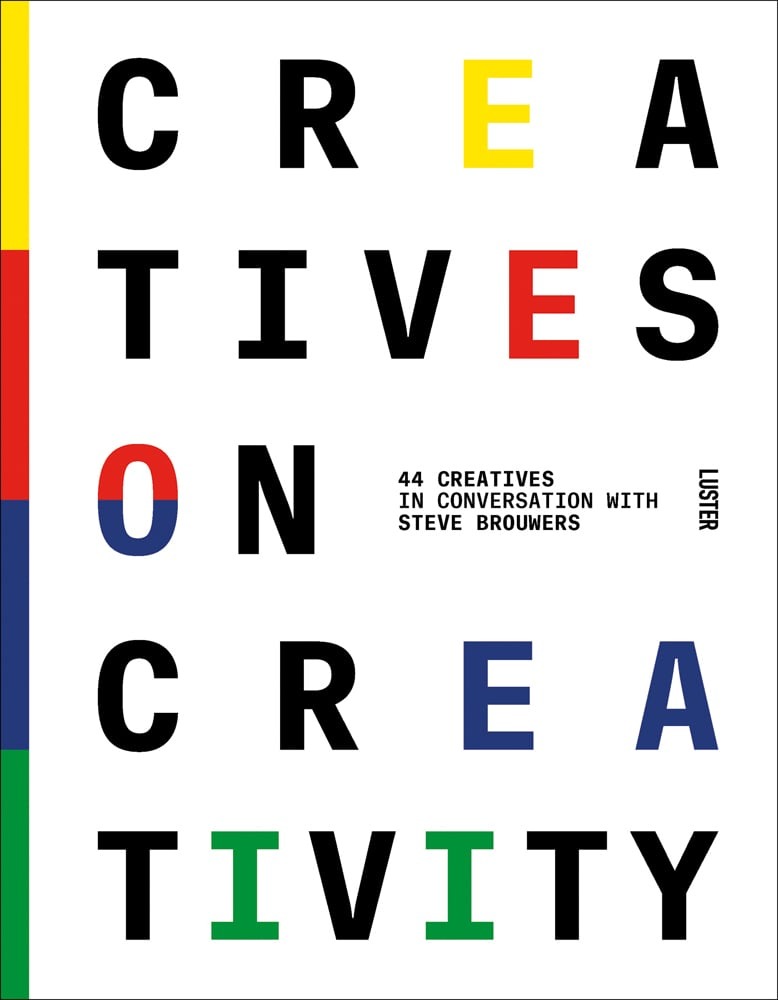
While many books about art focus on theory or history, Creatives on Creativity by Steve Brouwers takes a different approach, it lets artists and creative professionals speak for themselves. Published by ACC Art Books, the volume is a compelling collection of conversations with 44 creative minds from around the world, offering readers a rare glimpse into how artists actually think, work, and navigate their creative lives.
Steve Brouwers, a Belgian creative director, brings together voices from across disciplines including visual artists, photographers, designers, and illustrators. The result is a dynamic and diverse exploration of creativity as both a profession and a way of thinking. Among the contributors are well-known figures such as Magnum photographer Harry Gruyaert, conceptual artist Ryan Gander, and celebrated illustrator Maira Kalman.
What makes the book particularly engaging is its format. Rather than presenting a single viewpoint on creativity, Creatives on Creativity unfolds as a series of conversations. Each interview explores how different artists approach their practice, where they find inspiration, and how they deal with challenges such as self-doubt, creative blocks, or the pressure to constantly produce new work.
Reading these reflections can feel reassuring for anyone involved in creative work. Many of the artists speak candidly about the uncertainty and experimentation that shape their processes. Their stories reveal that creativity rarely follows a straight path; it often involves trial and error, curiosity, and a willingness to embrace unexpected outcomes.
Another strength of the book is its breadth. By including artists from various fields and cultural backgrounds, Brouwers highlights how creativity manifests in countless forms from photography and design to conceptual art and illustration. This diversity reminds readers that there is no single formula for artistic success.
For emerging artists and students, the book offers valuable insights into the realities of creative careers. For art enthusiasts, it provides a fascinating look at the minds behind contemporary visual culture.
Ultimately, Creatives on Creativity celebrates the shared curiosity that connects artists across disciplines, reminding us that the creative process is as varied and unpredictable as the people who pursue it.
Source:
Learn more about the book here:
https://www.amazon.com/Creatives-Creativity-Steve-Brouwers/dp/1788841016
7. Color and Light: A Guide for the Realist Painter – James Gurney
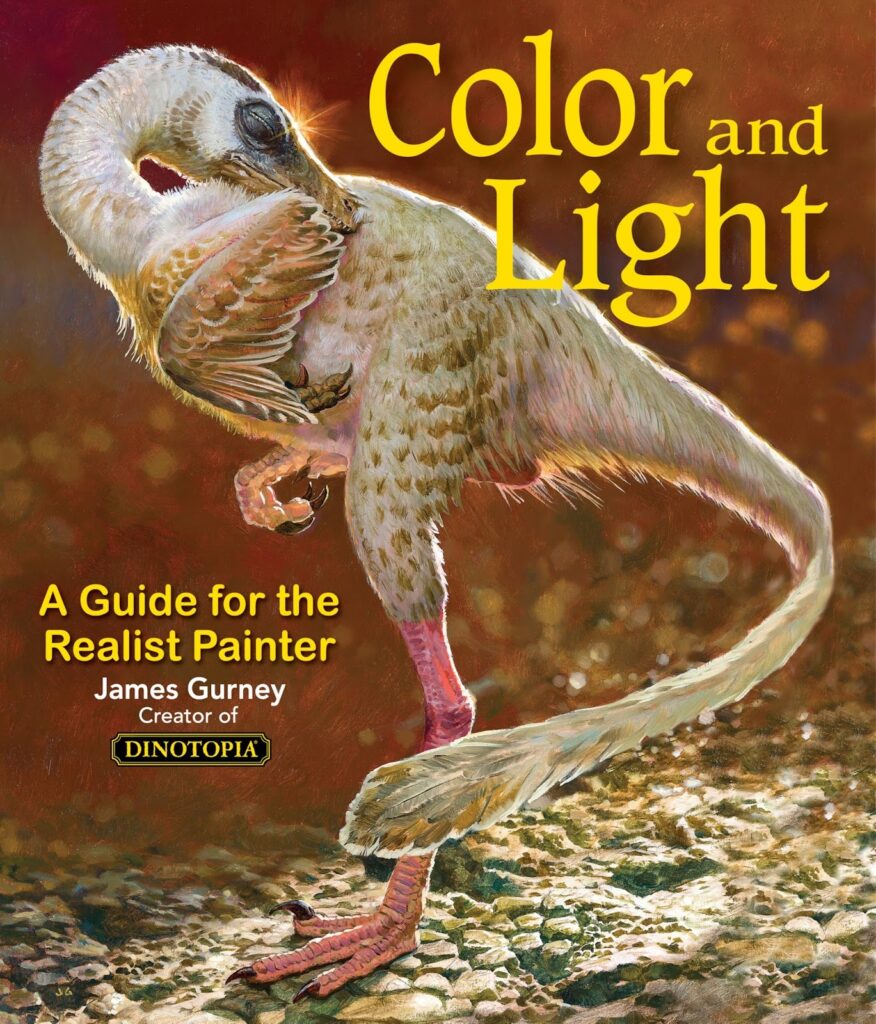
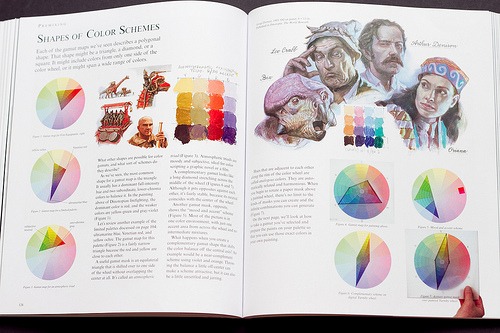
For artists interested in understanding the technical foundations of painting, few books are as respected as Color and Light: A Guide for the Realist Painter by James Gurney. Published in 2010, the book has become a favorite among painters, illustrators, and concept artists for its clear explanations of how light, color, and atmosphere function in visual art.
James Gurney, best known as the creator of the illustrated Dinotopia series, brings both scientific curiosity and artistic experience to the subject. Drawing from years of painting outdoors, studying classical techniques, and observing natural light, Gurney presents an in-depth exploration of how artists can translate the complexity of the visible world onto a flat surface.
The book examines a wide range of topics related to visual perception and painting. Gurney explains how different types of light such as sunlight, firelight, and artificial lighting affect color and mood within an image. He also discusses atmospheric perspective, reflections, color temperature, and how shadows interact with surrounding light sources.
One of the most valuable aspects of Color and Light is its balance between theory and practical guidance. Instead of presenting rigid rules, Gurney encourages artists to observe the world carefully and experiment with different approaches to painting. Through diagrams, sketches, and finished artworks, he demonstrates how painters can capture subtle shifts in color and illumination.
Another strength of the book lies in its accessibility. While the material draws on principles of optics and visual science, Gurney explains these ideas in a way that remains engaging and understandable even for beginners. At the same time, experienced artists often return to the book as a reference for refining their understanding of light and color relationships.
For anyone interested in representational painting, illustration, or visual storytelling, Color and Light offers invaluable insights into how artists transform observation into expressive imagery.
More broadly, the book reminds readers that mastering art often begins with learning to see the world with greater attention and sensitivity.
Source:
Learn more about the book here:
https://www.amazon.com/Color-Light-Guide-Realist-Painter/dp/0740797719
8. The Practice and Science of Drawing – Harold Speed
Long before modern art schools and online tutorials became widely accessible, artists relied on foundational texts to understand the principles behind drawing. One of the most respected among these is The Practice and Science of Drawing by British artist and educator Harold Speed. First published in 1913, the book remains a timeless guide to the structure, rhythm, and visual harmony that underpin successful drawing.
Rather than presenting drawing as a purely technical skill, Speed approaches it as both a science and an art. He believed that effective drawing requires not only careful observation but also a deeper understanding of design, balance, and movement within a composition. Throughout the book, Speed explains how artists can translate what they see into lines and shapes that communicate energy and structure.
One of the central ideas explored in the book is the relationship between line and mass. Speed emphasizes that drawing is not simply about outlining objects; it is about capturing the underlying rhythm that connects forms within an image. By understanding how shapes interact and flow together, artists can create drawings that feel dynamic and alive rather than static.
The book also explores essential concepts such as proportion, perspective, tone, and composition. Speed carefully explains how these elements work together to create convincing and expressive drawings. While some of the language reflects the academic traditions of early twentieth-century art education, the insights remain highly relevant to contemporary artists.
What makes The Practice and Science of Drawing particularly valuable is its ability to bridge theory and practice. Speed encourages artists to move beyond copying appearances and instead develop a deeper awareness of visual relationships. This approach helps artists cultivate a stronger sense of design and essential skill not only in drawing but in painting, sculpture, and other visual arts.
Over the decades, the book has influenced countless artists and teachers, earning a reputation as one of the classic texts on drawing instruction. For anyone seeking to understand the fundamentals of visual structure, The Practice and Science of Drawing continues to be an invaluable resource.
Source:
Learn more about the book here:
https://www.amazon.com/Practice-Science-Drawing-Harold-Speed/dp/048622865X
9. Magritte: A Life – Alex Danchev
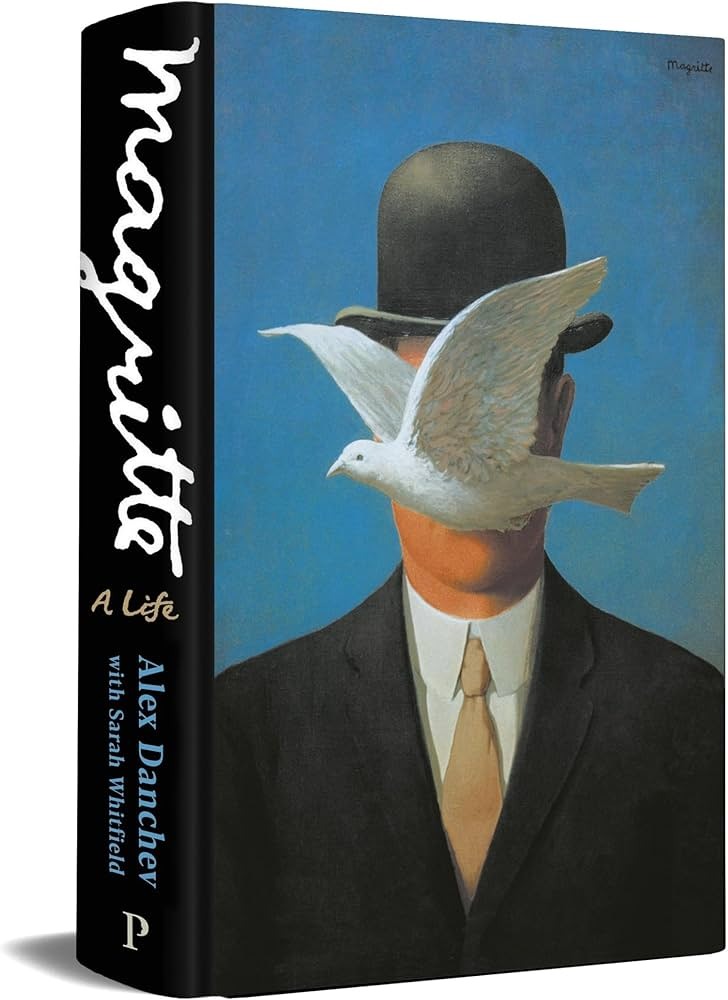
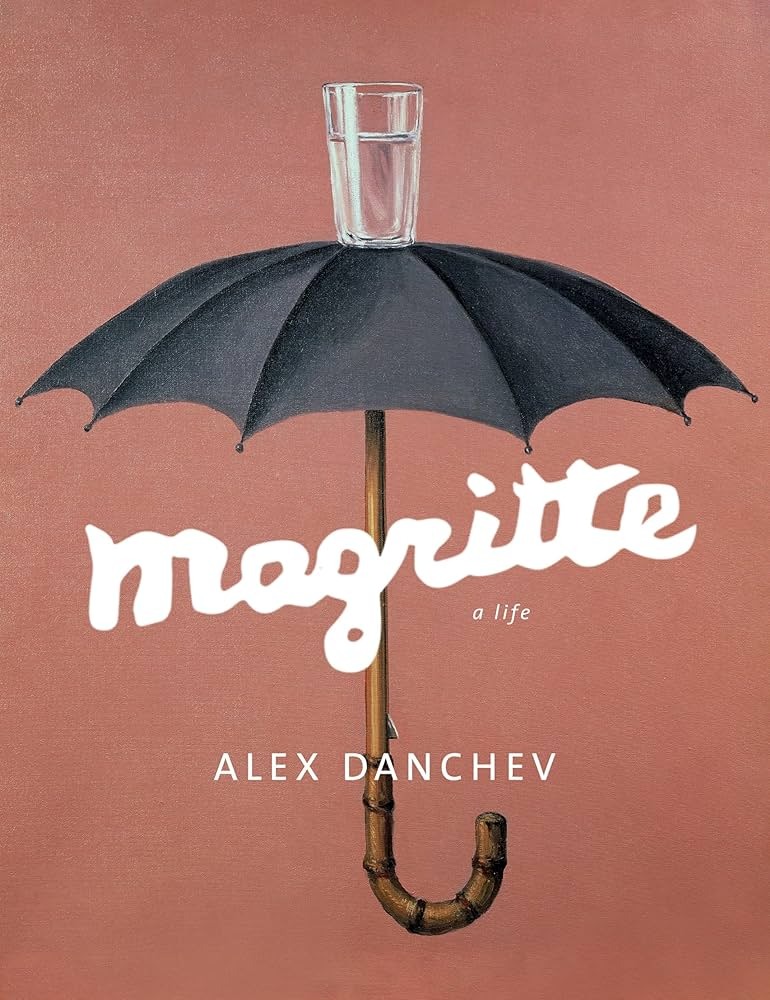
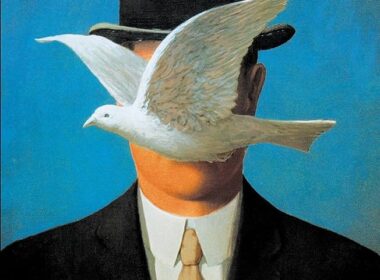
Few artists have shaped the visual language of modern art as profoundly as René Magritte. Known for his enigmatic paintings, where everyday objects appear in unexpected combinations Magritte transformed ordinary scenes into philosophical puzzles that continue to intrigue viewers today. In Magritte: A Life, historian and biographer Alex Danchev offers one of the most comprehensive and engaging accounts of the surrealist artist’s life and creative journey.
Published in 2021, this biography traces Magritte’s path from his early years in Belgium to his rise as one of the defining figures of the Surrealist movement. Danchev carefully examines how the artist’s experiences, personal relationships, and philosophical interests shaped the distinctive visual language that made his work instantly recognizable.
Magritte’s paintings often challenge our assumptions about reality and representation. Works such as The Treachery of Images famous for the phrase “Ceci n’est pas une pipe” question the relationship between objects, images, and language. Danchev’s biography explores the intellectual ideas behind these works, revealing how Magritte’s fascination with philosophy, poetry, and perception influenced his artistic practice.
The book also sheds light on the quieter aspects of Magritte’s life. Unlike many avant-garde artists of his time, Magritte lived a relatively modest and private life, often working from a simple home studio in Brussels. Yet his ideas would go on to influence generations of artists, designers, filmmakers, and even musicians.
Danchev enriches the narrative with extensive research, personal letters, and historical context, allowing readers to understand both the man behind the paintings and the cultural environment in which he worked. The book also features numerous illustrations that help readers connect Magritte’s life events with the evolution of his artistic style.
For art lovers interested in Surrealism or the lives of influential artists, Magritte: A Life offers a fascinating glimpse into the imagination of a painter who forever changed how we perceive images.
Source:
Learn more about the book here:
https://www.amazon.com/Magritte-Life-Alex-Danchev/dp/1101870699
10. 1000 Years of Joys and Sorrows – Ai Weiwei
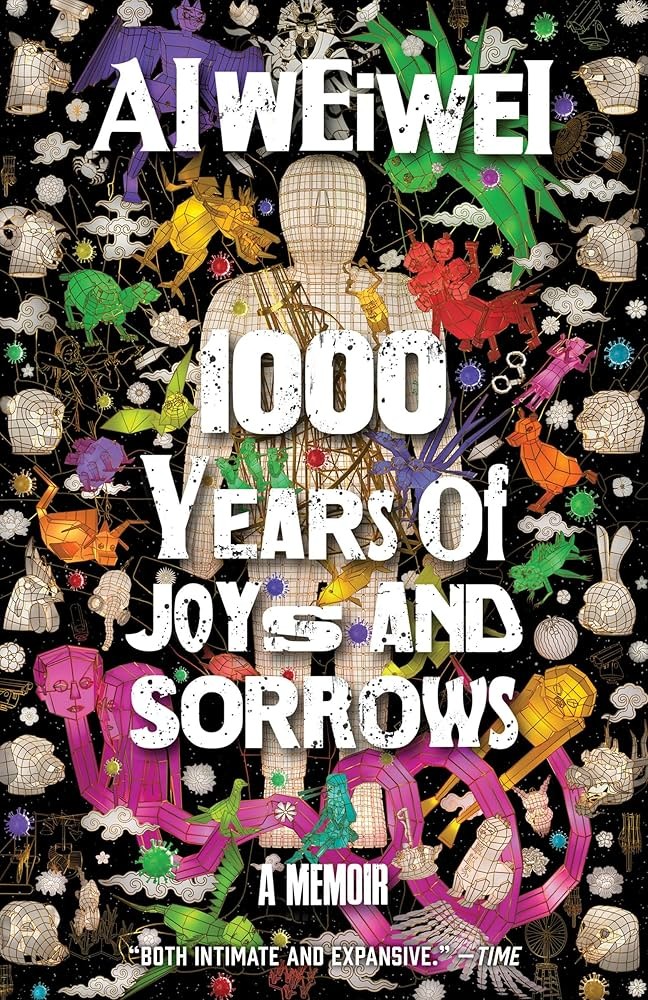
Few contemporary artists have blurred the boundaries between art, activism, and political commentary as powerfully as Ai Weiwei. In his memoir 1000 Years of Joys and Sorrows, the internationally renowned Chinese artist reflects on his life, his family history, and the experiences that shaped his artistic and political voice.
Published in 2021, the book is both deeply personal and historically significant. Ai Weiwei structures the memoir partly as a message to his young son, Ai Lao, recounting the story of their family across three generations. Through this narrative, readers gain insight not only into the artist’s life but also into the turbulent political history of modern China.
A significant portion of the book explores the life of Ai Weiwei’s father, Ai Qing, a celebrated poet who was persecuted during China’s Anti-Rightist Campaign in the late 1950s. The family was exiled to remote regions of the country, where they endured years of hardship and political repression. These early experiences profoundly shaped Ai Weiwei’s understanding of freedom, authority, and the role of art in society.
As the memoir unfolds, Ai Weiwei describes his journey from a young artist experimenting with ideas in New York during the 1980s to becoming one of the most recognized and outspoken figures in contemporary art. His installations, sculptures, and conceptual works often challenge political systems and address issues such as censorship, migration, and human rights.
The book also recounts the events surrounding his detention by Chinese authorities in 2011, an experience that drew global attention and sparked widespread support from the international art community. Through these reflections, Ai Weiwei reveals how artistic expression can become a powerful tool for questioning authority and advocating for social change.
More than just a biography, 1000 Years of Joys and Sorrows offers a thoughtful meditation on memory, resilience, and the enduring relationship between art and freedom.
For readers interested in contemporary art and the broader cultural forces that shape it, Ai Weiwei’s memoir provides an unforgettable and deeply human perspective.
Source:
Learn more about the book here:
https://www.amazon.com/1000-Years-Joys-Sorrows-Memoir/dp/1524747090
Before You Add These to Your Reading List
Books have always played a quiet but powerful role in shaping how we understand art. While exhibitions and museums allow us to encounter artworks directly, books offer something equally valuable, they give us the time and space to think about art more deeply. Through the reflections of artists, historians, critics, and thinkers, we begin to see artworks not just as images but as ideas, stories, and conversations that stretch across generations.
The books in this list each approach art from a different perspective. Some guide us through the vast landscape of art history, helping us understand how artistic movements emerged and evolved. Others offer insight into the creative mind itself, revealing how artists observe the world, develop ideas, and transform experiences into visual expression. A few take us even further, inviting us into the personal lives of artists whose work has shaped contemporary culture.
Together, these books remind us that engaging with art is not only about technical knowledge or historical facts, it is also about learning how to look carefully, think critically, and remain curious about the world around us. Whether you are an artist searching for inspiration, a student exploring art history, or simply someone who enjoys discovering new ideas, these titles offer meaningful entry points into the ever-evolving world of art.
Reading about art can change the way we experience it. The next time you step into a museum, scroll through images online, or encounter a painting in a gallery, you may find yourself noticing new details, asking different questions, or connecting more deeply with the artist’s intentions.
And that is perhaps the greatest gift these books offer: they remind us that the act of looking at art is never passive, it is a dialogue between the artwork and the viewer.
Now we’d love to hear from you:
Is there a book about art that has changed the way you see the world or influenced your creative journey? Share your recommendations with us – we’re always looking to expand our reading list.
If you have thoughts you’d like to share, write to us at support@artstoheartsproject.com we’d love to hear from you.