
She Treats the Art World as a Place for Responsibility, Not Performance I Lize Krüger
👁 161 Views
At Arts to Hearts Project, we believe the best art doesn’t just show you something, it makes you feel something you didn’t know you were carrying. It takes you to a place where beauty and devastation sit side by side, where grief and hope don’t cancel each other out, where you’re allowed to hold complexity without needing answers.
That’s what we felt when we saw Lize Krüger’s work.
Through our International Artist Award, we search for artists whose work doesn’t just demonstrate skill, it demonstrates courage. Artists who engage with what’s difficult, what’s necessary, what most would rather not see. Artists who create with ethical responsibility, who understand that bearing witness requires restraint, that dignity matters more than spectacle.
Lize is one of those artists. We’re honoured to feature her as a selected artist for the International Artist Award, and her work will be included in The Great Book of Art Makers, a publication born from this award to celebrate artists who are shaping how we see, remember, and hold what matters.
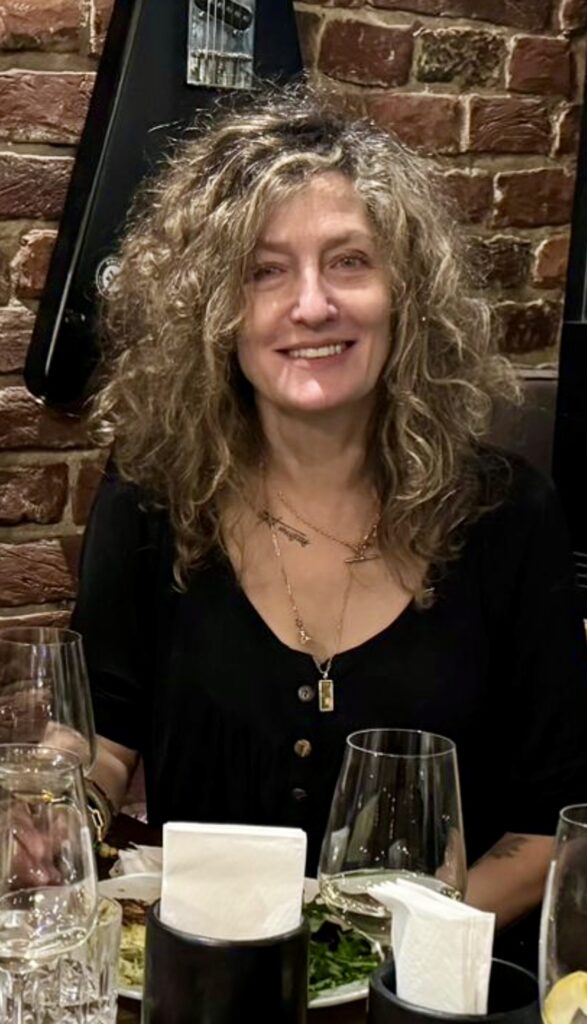
Lize is a UK-based digital artist whose work explores memory, ethical witnessing, and the body as a site of endurance. She works with layered collage, archival fragments, and quiet symbolism. Her practice addresses grief, injustice, and resilience without spectacle always with dignity, attentiveness, and care.
Her work exists in the space between fragility and endurance. Lace sits alongside rupture. Florals frame loss. Beauty doesn’t soften suffering it complicates how we see it. She’s asking you to look differently. To stay present with what’s hard. To hold complexity without needing closure.
Daily life grounds everything she makes. The garden, ordinary objects, fragments of the domestic they slow her attention and bring her back to the body. Many of the textures in her collages come from there: lace, petals, vessels, soil, worn surfaces. Working from this closeness keeps the work human, rooted, attentive to small forms of endurance.
She doesn’t aim for balance she aims for honesty. A piece is finished when the tension inside it feels held rather than forced. The light doesn’t arrive as optimism; it arrives as clarity. She’s not interested in resolving darkness, only in ensuring it can breathe.
Children and future generations drive her work. They represent both vulnerability and continuity. They carry what we leave behind ethically, politically, emotionally. That awareness makes her careful about what she visualizes and how. She wants to bear witness in a way that preserves dignity and complexity for those who come after us.
Now, let’s hear from Lize about how daily life grounds her creative process, how she knows when a piece has found enough light to rest, what responsibility to future generations means for the subjects she explores, and how she stays open to accidents while guiding her work toward meaning.
I started our conversation by asking Lize to tell me about herself and share what drives her work.
Lize Krüger is a UK-based digital artist whose work explores memory, ethical witnessing, and the body as a site of endurance. Working with layered collage, archival fragments, and quiet symbolism, she moves between the personal and the political with restraint. Her practice addresses grief, injustice, and resilience without spectacle, foregrounding dignity, attentiveness, and care. Artist Statement My work is driven by attention—how we look, what we carry, and what persists when certainty falls away. I work primarily with digital collage, layering photography, texture, and archival fragments to create images that feel both intimate and unsettled. The process mirrors memory itself: fragmented, repetitive, and resistant to clean narratives. Rather than offering resolution, I’m interested in presence. Many of my works sit in the space between fragility and endurance, where beauty and devastation coexist without cancelling each other out. Lace, florals, and formal elegance often appear alongside rupture and loss not to soften them, but to complicate how suffering is seen and consumed. Concepts such as microchimerism the idea of lasting physical residue inform my thinking structurally rather than illustratively. They shape how images inhabit one another, suggesting persistence without visibility. Ethical restraint is central to my practice, particularly when engaging with experiences beyond my own. I aim to bear witness without appropriation, allowing space for dignity, ambiguity, and silence. Ultimately, my work asks viewers to slow down and stay present to hold complexity without demand for closure.
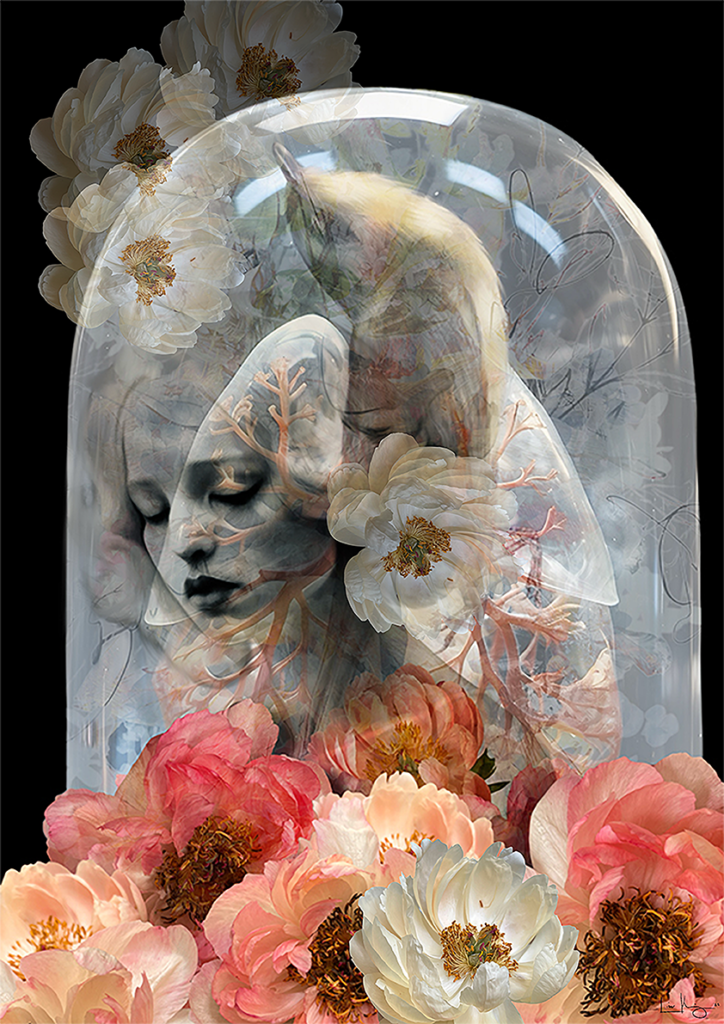
Talking with Lize, I noticed how much her daily life shows up in her work the garden, small objects, quiet moments. I asked her how these surroundings actually shape what ends up in her collages.
Daily life grounds my work. The garden, ordinary objects, fragments of the domestic—they slow my attention and bring me back to the body. These quiet surroundings aren’t subjects so much as conditions. They create a space where noticing becomes possible again. Many of the textures and motifs in my collages originate there: lace, petals, vessels, soil, worn surfaces. They carry a lived-in quality. Working from this proximity prevents the work from becoming abstract or rhetorical. It keeps it human, rooted, and attentive to small forms of endurance.
Her work holds so much at once grief, injustice, love, hope all sitting together. I wanted to understand how she knows when a piece is done, when it’s found enough light to finally rest.
I don’t aim for balance so much as honesty. A piece is finished when it stops asking for correction—when the tension inside it feels held rather than forced. The light doesn’t arrive as optimism; it arrives as clarity. If the work still feels heavy but truthful, I let it rest. I’m not interested in resolving darkness, only in ensuring it isn’t closed in on itself. The presence of light, for me, means the work can breathe.
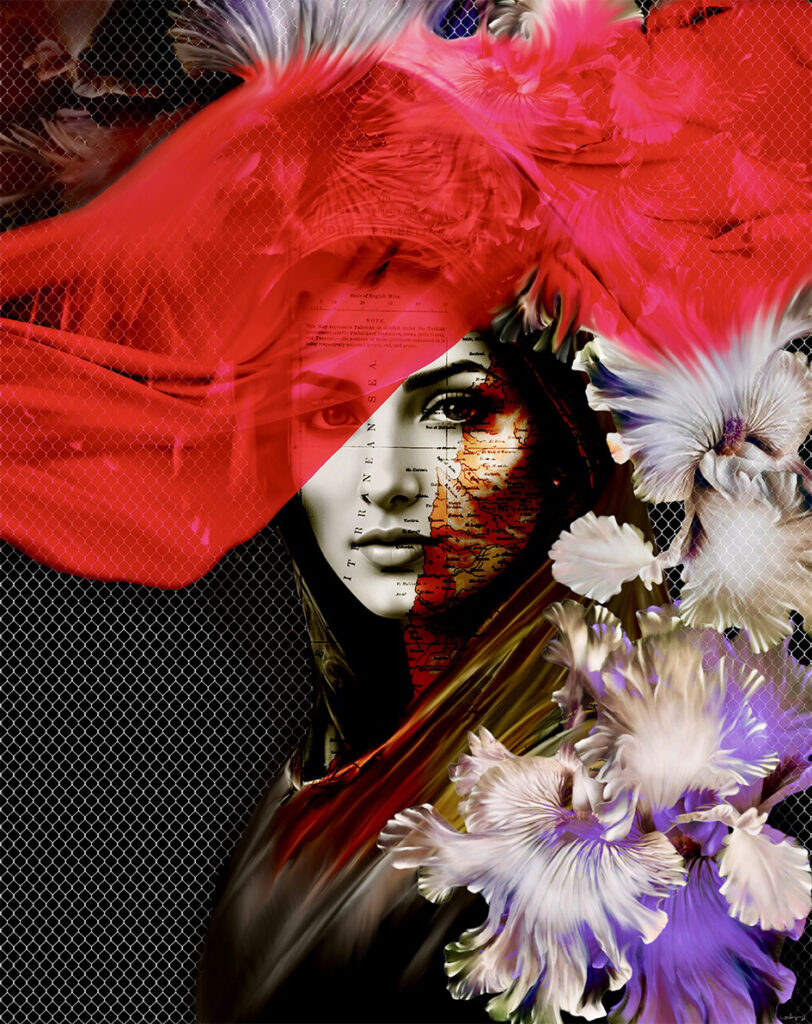
Children and future generations keep coming up in Lize’s thinking. I was curious how that sense of responsibility shapes what she chooses to explore.
Children represent both vulnerability and continuity. They carry what we leave behind—ethically, politically, emotionally. That awareness makes me careful about what I visualise and how. I’m drawn to subjects where innocence is endangered, erased, or instrumentalised by systems of power. But responsibility also means restraint. I don’t want to overwhelm; I want to bear witness in a way that preserves dignity and complexity for those who come after us.
Digital collage is unpredictable images meet by chance, things shift. I asked Lize how she stays open to those accidents while still guiding the work toward something meaningful.
I hold the work between control and listening. I allow chance to interrupt my intentions, but I remain accountable to the internal logic of the piece. An accident stays only if it deepens the emotional or conceptual clarity. If it distracts, it’s removed. Openness doesn’t mean surrendering authorship—it means recognising when the work knows something before I do.
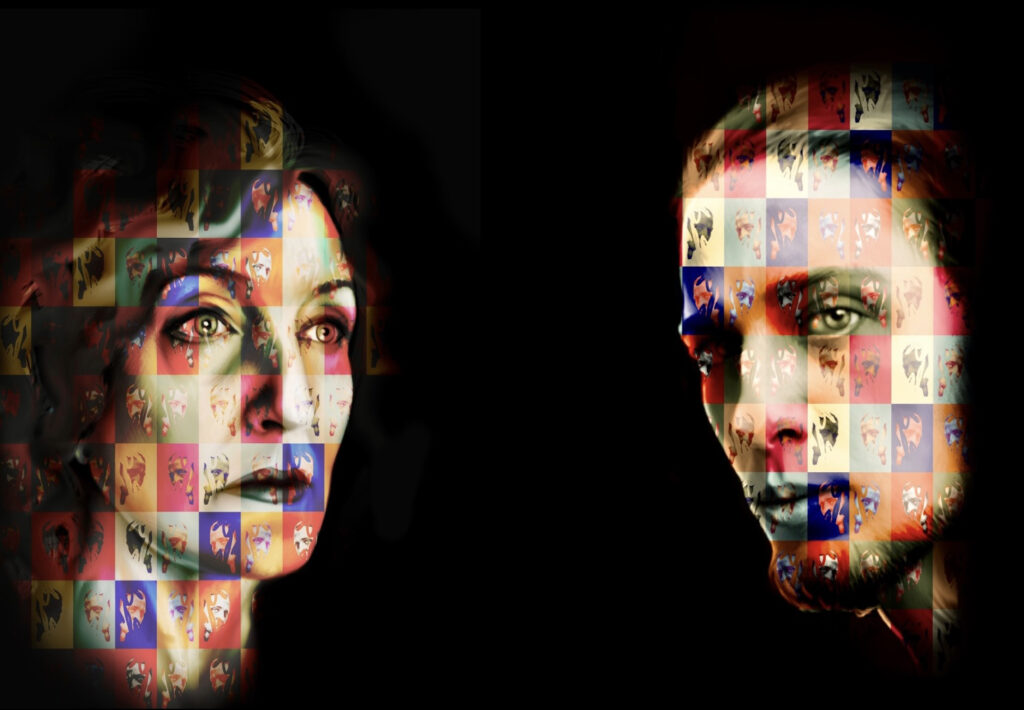
As we talked more, Lize mentioned going through a long period where she felt lost where making work became impossible. Then something shifted, and she came back to it. I asked what helped her trust the process again after that kind of absence.
I stopped expecting certainty. Trust returned when I allowed the work to be tentative, unfinished, and slow. The commission that brought me back offered structure without pressure, which mattered. I learned to show up without demanding outcomes. Over time, repetition rebuilt confidence not through inspiration, but through practice. Trust came back quietly.
Looking through her work, I kept seeing these intertwined robins, they show up again and again, quiet but unmistakable. I wanted to understand what that symbol means to her and how carrying it with her shapes the way she approaches each piece.
The robins are a reminder of connection between presence and absence, fragility and endurance. Working under that sign keeps me attentive to scale and tenderness. They anchor the work emotionally without fixing its meaning. I don’t treat them as an emblem to explain, but as a quiet witness that accompanies the process rather than directs it.
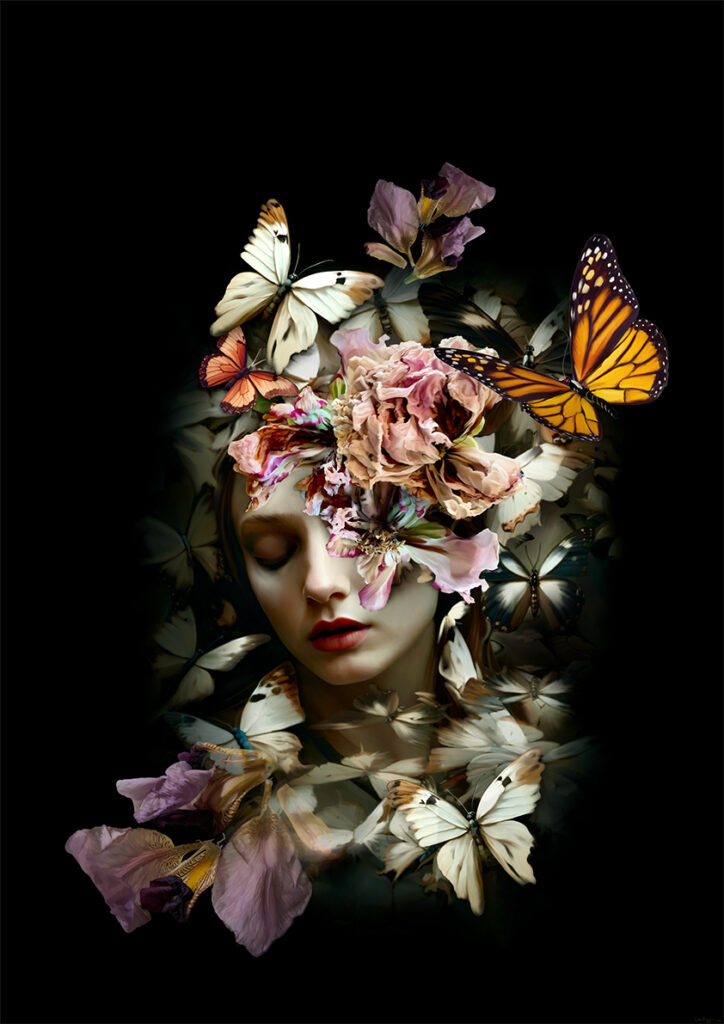
As the conversation drew to a close, what I kept coming back to was something Lize said about light that it doesn’t arrive as optimism, but as clarity. That distinction matters more than I think we realize. She’s not trying to make darkness palatable or wrap suffering in something pretty so we can stomach it. She’s saying: this is heavy, this is truthful, and it can still breathe. That takes more courage than offering false hope ever could.
What strikes me about Lize’s work is that she’s figured out something most artists spend their whole lives avoiding: how to witness suffering without turning it into spectacle. How to hold grief without performing it. How to place lace next to rupture and have it mean something deeper than decoration. She’s asking us to see that beauty doesn’t erase devastation it complicates our relationship to it. It forces us to look longer, more carefully, with less certainty about what we’re supposed to feel.
I think what makes her practice so necessary right now is the restraint. In a world where everything demands your immediate reaction, where images are designed to provoke and move on, Lize is creating work that refuses to be consumed quickly. She’s making images that ask you to stay. To sit with discomfort. To hold complexity without needing it resolved. That’s not just artistic choice that’s ethical stance.
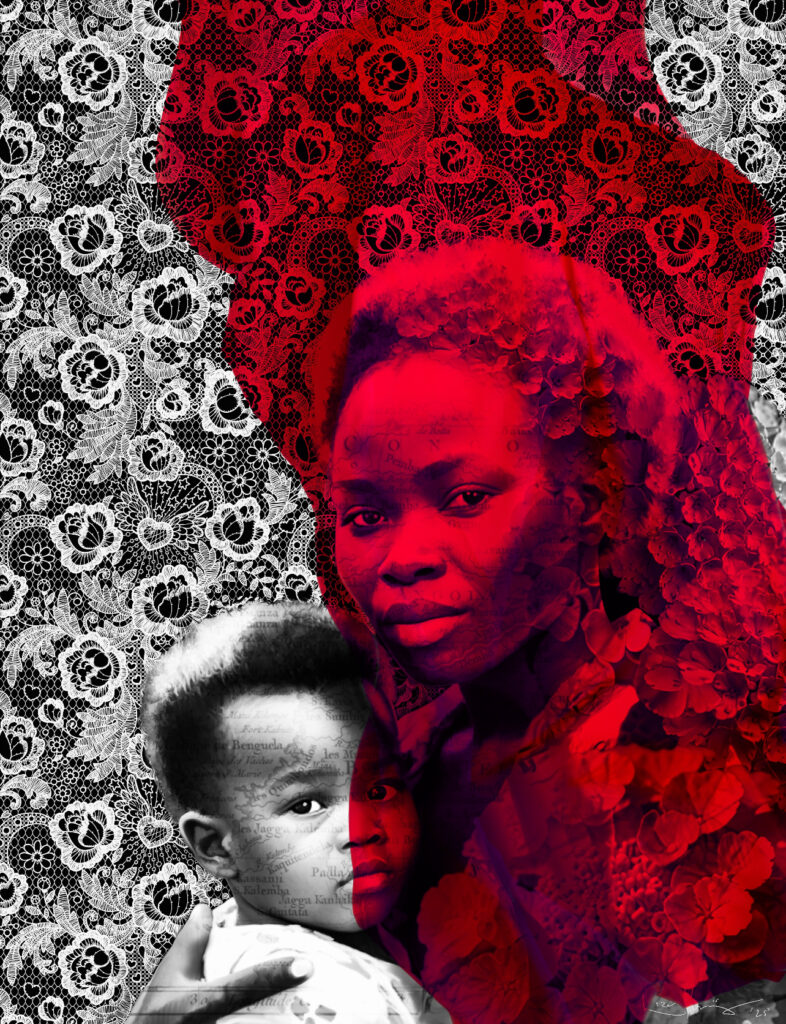
Her commitment to future generations isn’t abstract. It’s not some vague idea about legacy. It’s concrete and present in every decision she makes what to show, how to show it, what to leave unsaid. She understands that children will inherit the visual language we create around suffering, around injustice, around what bodies endure. And she’s refusing to add to the noise. She’s choosing dignity over drama. Presence over resolution. That kind of responsibility, quiet and unflinching, is what separates work that matters from work that just gets attention.
I keep thinking about what she said about accidents in her process that openness doesn’t mean surrendering authorship, it means recognizing when the work knows something before she does. That’s trust. That’s the hardest thing to learn as an artist: when to lead and when to follow. Most of us spend years trying to control every element, force every piece into our vision. Lize has learned to listen. To let chance interrupt. To stay accountable to the internal logic of the work even when it takes her somewhere unexpected. That’s maturity. That’s what separates artists who make what they planned from artists who make what needs to exist.
Here’s what I believe after talking with Lize: we don’t need more art that resolves things. We need more art that holds things. We don’t need optimism masquerading as light. We need clarity that allows darkness to breathe without suffocating us. We don’t need artists who turn suffering into something consumable. We need artists who bear witness with restraint, with care, with attention to what persists when certainty falls away.
Lize Krüger is that kind of artist. Her work doesn’t offer you answers. It offers you presence. And honestly? That’s harder. That’s braver. That’s what we need more of.
Follow Lize Krüger’s work through the links below. Spend time with it. Her images don’t rush. Neither should you.