
From Photography to Performance: 10 Art Exhibitions to Experience This July

There was a time when visiting an exhibition meant simply standing before a painting or sculpture. Today, the experience is far more expansive. Contemporary exhibitions have become places where history is questioned, technology is imagined, forgotten voices are reclaimed, and difficult conversations unfold through art. They invite us not only to look but to participate, reflect, and sometimes even challenge what we thought we knew.
If you’re looking for Art Exhibitions to Experience This July, you’ll quickly discover that this month’s cultural calendar offers far more than remarkable artworks. Museums, galleries, and cultural spaces around the world are presenting exhibitions that explore some of today’s most compelling ideas. From immersive digital worlds shaped by artificial intelligence to photography that captures the fragile nature of memory, from large-scale protest banners born out of activism to textile installations that weave together generations of cultural knowledge, these exhibitions reveal the many ways artists are responding to the questions shaping our time.
What makes this month’s lineup especially compelling is its global perspective. Spanning five continents, these exhibitions demonstrate that while artists work within different cultures and traditions, many are exploring remarkably similar themes, identity, belonging, labor, climate, technology, community, and the stories history has chosen to remember or forget. Some celebrate emerging voices, while others revisit influential figures whose work continues to shape contemporary practice. Together, they offer a fascinating snapshot of where the art world stands in 2026.
Whether you’re planning your next museum visit, adding destinations to your travel list, or simply looking for inspiration from afar, these exhibitions deserve a place on your radar. More than seasonal highlights, they represent some of the most thought-provoking artistic conversations happening around the world right now.
Here are 10 must-see art exhibitions around the world this July, and why each one is worth experiencing.
1. Les Rencontres d’Arles (Arles, France)
Venue: Various venues, Arles, France
Dates: July 6 – October 4, 2026
Where Photography Stops Capturing Reality and Starts Reimagining It
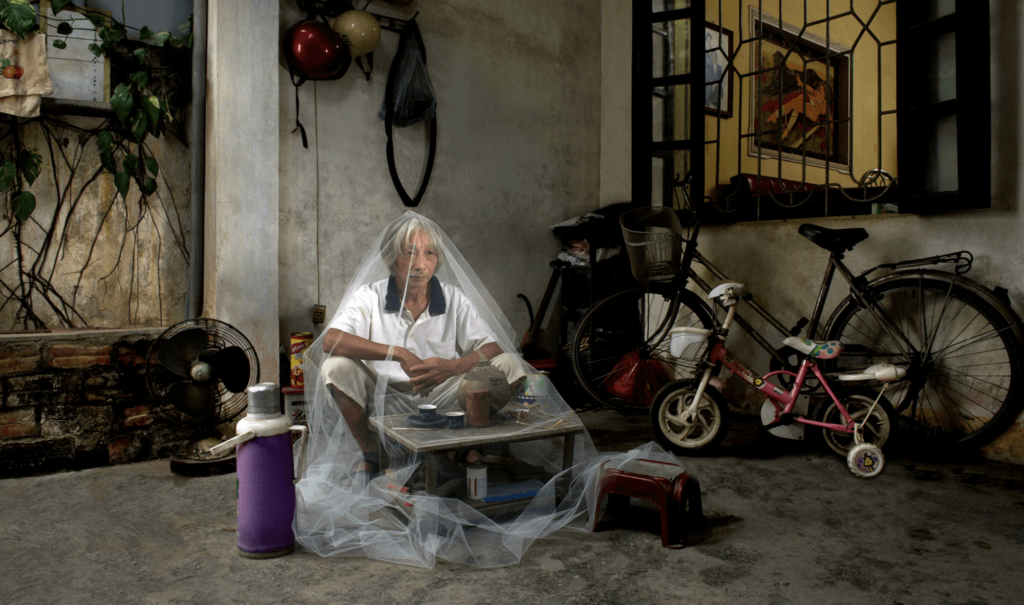
Every summer, the historic streets of Arles, a picturesque city in southern France once immortalized by Vincent van Gogh, become the center of the photography world. Founded in 1970, Les Rencontres d’Arles has evolved into one of the most influential photography festivals internationally, drawing artists, curators, and visitors from across the globe. This year’s edition transforms churches, industrial buildings, museums, and centuries-old landmarks into exhibition spaces, presenting 46 exhibitions that explore the many possibilities of photography beyond the traditional image.
Rather than treating photography as a simple record of reality, many of this year’s featured artists use it to question how history is constructed, whose stories are remembered, and what remains invisible. Vietnamese artist Phan Quang‘s Re/cover moves between documentary and staged imagery, challenging viewers to reconsider the relationship between seeing and remembering. South African artist Thato Toeba combines family photographs, archival materials, and found images to unravel the visual legacy of colonialism, while American artist Meghann Riepenhoff removes the camera from the process almost entirely, allowing waves, rain, ice, and sediment to imprint directly onto cyanotype paper. Meanwhile, Aman Alam’s Ozymandias, inspired by his grandmother’s experience with Alzheimer’s disease, transforms photography into an emotional meditation on memory, loss, and the fragile traces people leave behind.
What makes Les Rencontres d’Arles remarkable isn’t simply its scale but its ability to continually redefine what photography can be. Here, photographs become living archives, environmental collaborations, political commentaries, and deeply personal narratives rather than static images frozen in time. At a moment when artificial intelligence, digital manipulation, and rapidly evolving image technologies are reshaping visual culture, the festival feels particularly relevant. It reminds us that photography has never been solely about documenting the world, it has always been about interpreting it.
Why it’s worth seeing: Whether you’re a photographer, artist, or simply fascinated by visual storytelling, Les Rencontres d’Arles offers an inspiring glimpse into the future of photography, where every image becomes a conversation about memory, identity, and the changing ways we experience the world.
2. Asia, The Apparatus (Gwangju, South Korea)
Venue: Asian Culture Center, Gwangju, South Korea
Dates: Through September 27, 2026
An Exhibition That Asks Who Gets to Write History and Who Gets Left Out
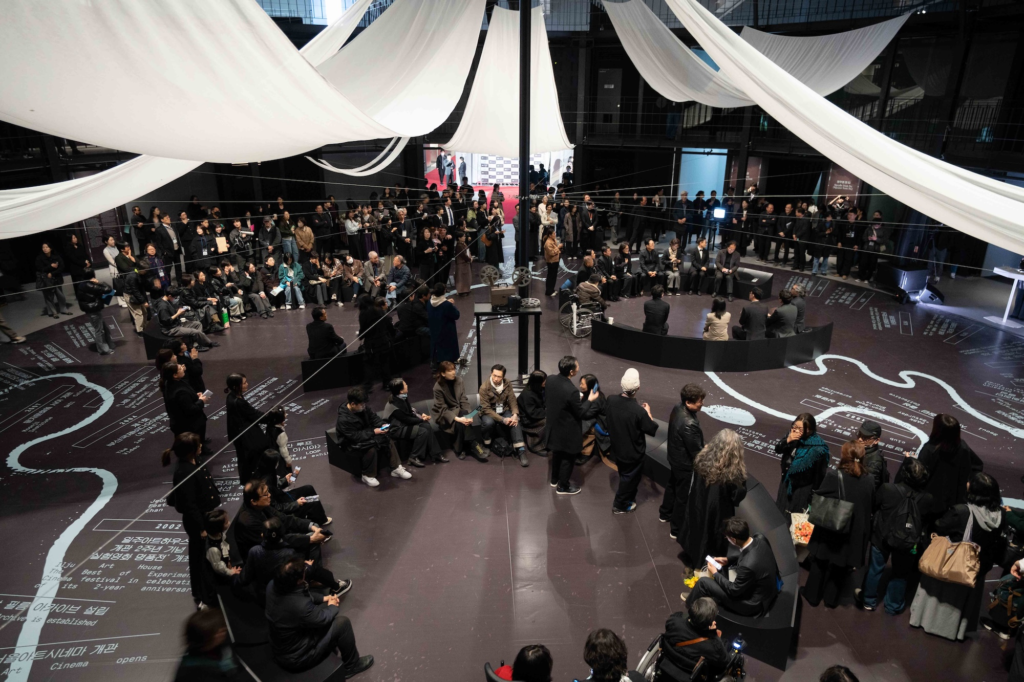
History is often preserved through monuments, official archives, and textbooks. But what happens to the stories that never make it into those records? Asia, The Apparatus, presented at the Asian Culture Center (ACC) in Gwangju, explores exactly that question. Created to mark the institution’s tenth anniversary, the exhibition brings together 64 works by 31 artists, examining how video art, experimental film, and moving images can challenge the systems that shape collective memory. Rather than treating cameras and screens as passive recording devices, the exhibition presents them as tools capable of revealing hidden histories and questioning long-held narratives.
A defining strength of the exhibition is its commitment to voices that have often been overlooked. Korean women artists feature prominently throughout the galleries, while works from across Asia reveal stories that have remained largely absent from mainstream historical accounts. Among the highlights are rarely exhibited works by the late Theresa Hak Kyung Cha, whose unfinished project White Dust from Mongolia explores language, displacement, and identity through the experience of a woman living with aphasia. Elsewhere, artists Kim Dong-ryung and Park Kyoung-tae revisit the lives of women connected to former U.S. military camptowns in Korea, exposing histories that have long existed on the margins. Visitors can also encounter Academy Award-winning filmmaker Bong Joon-ho’s first live-action short film, White Man (1994), which subtly reflects on inequality during South Korea’s rapid economic transformation.
Rather than presenting history as something fixed, Asia, The Apparatus demonstrates that it is constantly being rewritten through art. The exhibition reflects a broader shift taking place in museums worldwide, where institutions are expanding whose stories are collected, preserved, and shared. It also highlights the growing influence of contemporary Asian artists, whose work increasingly shapes global conversations about identity, migration, memory, and representation.
Why it’s worth seeing: More than an exhibition of moving images, Asia, The Apparatus offers a powerful reminder that artists are often historians in their own right. For anyone interested in contemporary art, cinema, or cultural memory, it provides an unforgettable exploration of the stories that deserve to be seen, and remembered.
3. Ayoung Kim: Delivery Dancer: Time Curves (Eindhoven, Netherlands)
Venue: Van Abbemuseum, Eindhoven, Netherlands
Dates: Through April 1, 2027
What If the Algorithms That Guide Your Daily Life Became the Story of an Artwork?
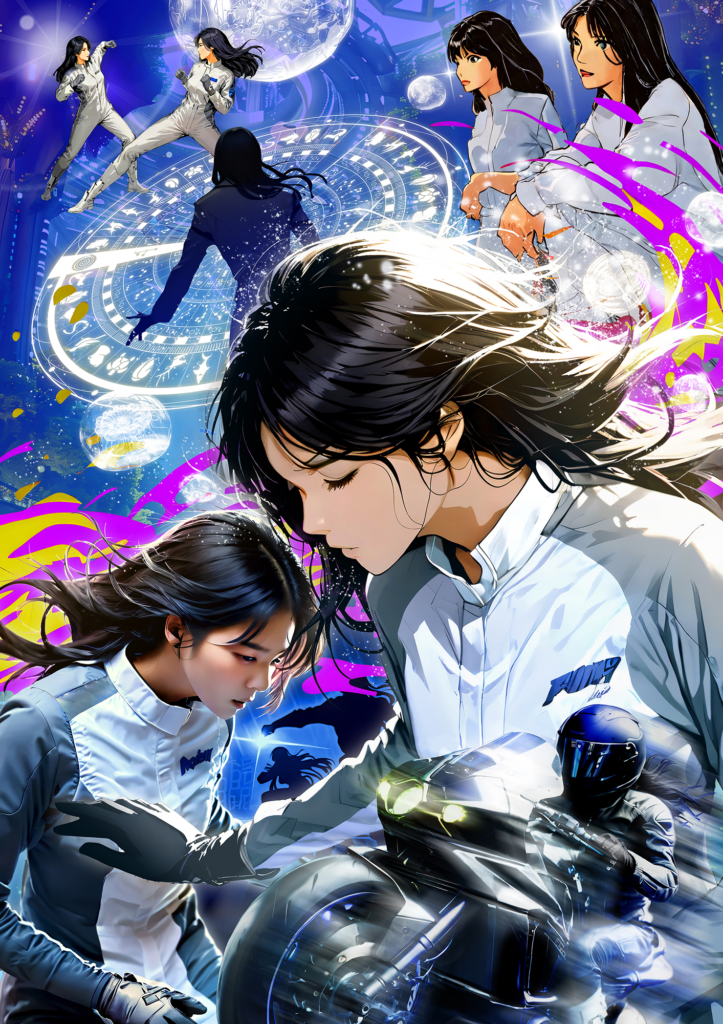
Every day, invisible systems quietly influence how we live. Navigation apps determine the quickest route home, recommendation engines shape what we watch, and delivery platforms optimize the movements of thousands of workers in real time. These technologies have become so familiar that they often fade into the background of everyday life. Korean artist Ayoung Kim, however, brings them into sharp focus. In Delivery Dancer: Time Curves, currently on view at the Van Abbemuseum in Eindhoven, she transforms the hidden architecture of digital infrastructure into an immersive artistic experience that explores the future of labor, technology, and human movement.
The exhibition combines multi-channel video, game-engine animation, sculpture, synchronized lighting, sound, and immersive installation to create a speculative world where delivery workers navigate cities governed almost entirely by algorithms. Rather than portraying the gig economy as a straightforward social issue, Kim imagines a reality in which logistics networks behave like living ecosystems, constantly directing bodies through space and time. Circular projection screens, nonlinear storytelling, and digitally constructed environments blur the boundaries between reality and simulation, encouraging visitors to reflect on how technology increasingly shapes not only where we go, but also how we experience time, work, and human connection.
The exhibition arrives at a pivotal moment as conversations surrounding artificial intelligence, automation, and platform economies continue to reshape daily life. While museums have traditionally looked to the past, artists like Ayoung Kim are turning toward the future, using speculative fiction to imagine possibilities before they become reality. Her work represents a growing movement within contemporary art that embraces immersive storytelling and digital world-building to explore complex questions that statistics or policy debates alone cannot answer.
Why it’s worth seeing: Delivery Dancer: Time Curves is more than an exhibition about technology, it is an exploration of the invisible systems that increasingly define modern existence. For anyone curious about artificial intelligence, gaming culture, digital labor, or the future of contemporary art, Ayoung Kim offers a compelling glimpse into a world that feels remarkably close to our own.
4. Riar Rizaldi: KKK (Yogyakarta, Indonesia)
Venue: Ruang MES 56, Yogyakarta, Indonesia
Dates: Through July 17, 2026
The Exhibition That Turns Workplace Safety Into a Powerful Critique of Modern Labor
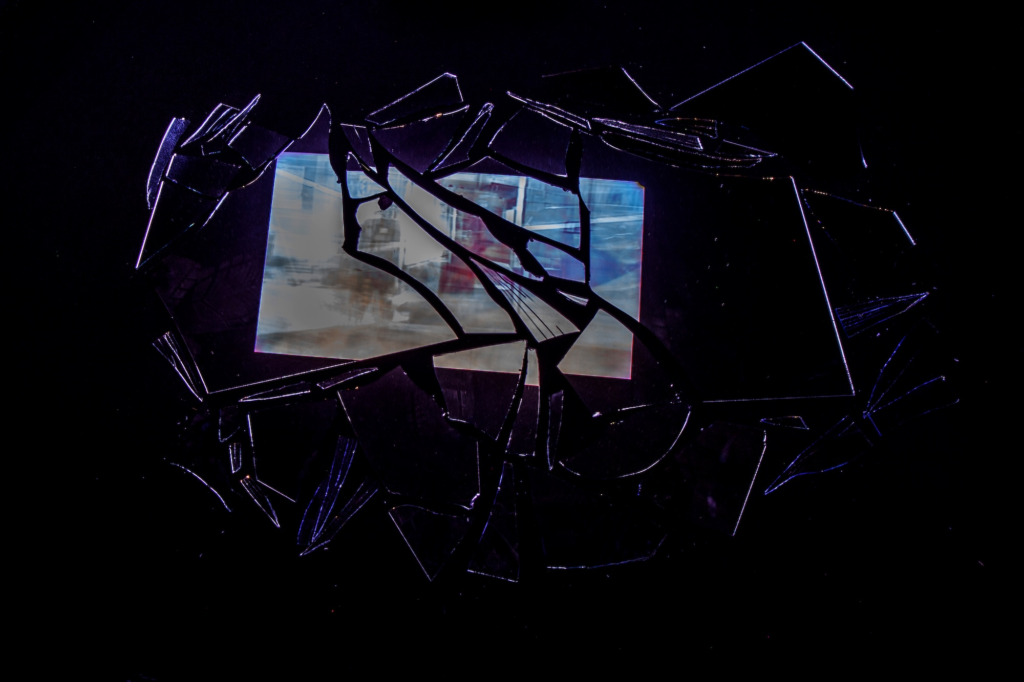
Workplace safety manuals are rarely associated with contemporary art. They’re designed to be practical, instructional, and often overlooked. But Indonesian artist and filmmaker Riar Rizaldi transforms these ordinary visual materials into something far more unsettling in KKK – short for Keselamatan dan Kesehatan Kerja, or Occupational Safety and Health. Presented at Ruang MES 56 in Yogyakarta, the exhibition examines how industries use images, films, and regulations not only to prevent accidents but also to normalize the systems of labor that make those accidents possible. Through a combination of archival footage, experimental filmmaking, and dark humor, Rizaldi invites viewers to look beyond safety protocols and question the economic structures they quietly uphold.
The exhibition brings together three video works that merge documentary research with pop culture, satire, and horror. One of its standout pieces, Studies on Cinematic Protocols of Workplace Accidents (2026), assembles found footage spanning more than a century, from early twentieth-century educational films and graphic workplace safety videos of the 1970s to contemporary CGI accident simulations. The result is both absurd and deeply unsettling, revealing how visual culture has long been used to shape our understanding of risk and responsibility. Another work, Larung (2024), adopts the form of a melancholic rock music video, following three sailors mourning a deceased colleague while exposing the emotional realities often hidden behind industrial labor. By blending humor with moments of discomfort, Rizaldi challenges viewers to see beyond polished corporate messaging and confront the human cost of economic progress.
Over the past decade, Riar Rizaldi has emerged as one of Southeast Asia’s most compelling contemporary artists, known for exploring the intersections of labor, technology, capitalism, and environmental change. Rather than offering straightforward political commentary, he uses cinema as a tool to reveal the invisible systems that shape everyday life. KKK reflects a growing movement within contemporary art that examines not only what we produce but also the structures that determine how, and at what cost, we produce it. In doing so, the exhibition expands the conversation around work beyond economics, asking viewers to consider its psychological, social, and ethical dimensions.
Why it’s worth seeing: KKK proves that contemporary art can uncover extraordinary meaning in the most ordinary materials. Through inventive filmmaking and sharp social observation, Riar Rizaldi transforms workplace safety imagery into a compelling reflection on labor, power, and the hidden realities of modern industry.
5. NXTHVN Cohort 07: Material Conditions of Becoming (New York, USA)
Venue: Boesky Gallery, New York, USA
Dates: Through July 24, 2026
The Exhibition That Proves Supporting Artists Can Be as Important as Exhibiting Them
Behind every successful artist whose work hangs in a museum or gallery is a story that often goes untold, a story of mentorship, financial support, studio space, and the rare opportunity to create without the constant pressure of survival. While exhibitions usually celebrate finished artworks, Material Conditions of Becoming, the culminating showcase of NXTHVN’s Cohort 07, shifts the spotlight toward something equally important: the ecosystem that allows artists to thrive in the first place. Presented at Boesky Gallery in New York, the exhibition demonstrates that nurturing creativity isn’t simply about displaying art, it’s about investing in the people who make it.
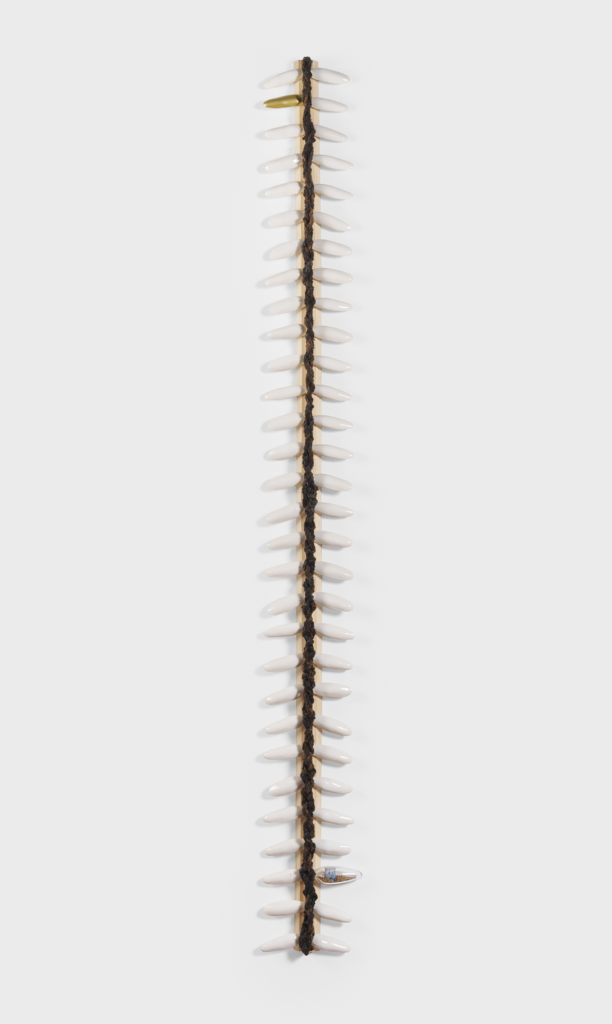
Founded by acclaimed artist Titus Kaphar and arts leader Jason Price, NXTHVN has become one of the most respected artist residency and professional development programs in the United States. Each year, a small group of emerging artists and curators receives ten months of studio space, mentorship, subsidized housing, and financial support, creating an environment where experimentation can flourish without the immediate pressures of the commercial art market. Material Conditions of Becoming marks the culmination of that journey, featuring works by artists including S. Yemisi Adeyemo, Alexandra Bell, Benita Nnachortam, Masud Olufani, Haejin Park, Chayse Sampy, and Kristopher Wright. Their practices span sculpture, installation, ceramics, photography, painting, and mixed media, yet each reflects deeply personal explorations of identity, migration, memory, ancestry, and belonging. Among the exhibition’s highlights is Masud Olufani’s Backbone (2026), a monumental sculpture crafted from stoneware, glass, and rice that evokes both the strength of a spine and the delicate act of mending what has been broken.
What makes Material Conditions of Becoming especially compelling is that it reframes success in the art world. Rather than celebrating only established names or market achievements, it emphasizes the importance of building sustainable pathways for emerging artists. At a time when conversations about precarity, accessibility, and equitable opportunities are becoming increasingly urgent, NXTHVN offers a model for what meaningful investment in creative communities can look like. The exhibition serves as a reminder that groundbreaking art rarely emerges in isolation, it grows from environments where artists are given the time, resources, and confidence to take risks.
Why it’s worth seeing: More than a showcase of promising contemporary artists, Material Conditions of Becoming offers a hopeful vision of what the future of the art world could be. It celebrates not only remarkable artworks but also the systems of mentorship and support that make artistic innovation possible.
6. Taring Padi: Rakyat Pasti Menang (London, United Kingdom)
Venue: Ibraaz, London, United Kingdom
Dates: July 8 – November 22, 2026
The Collective That Shows Art Can Be a Form of Resistance
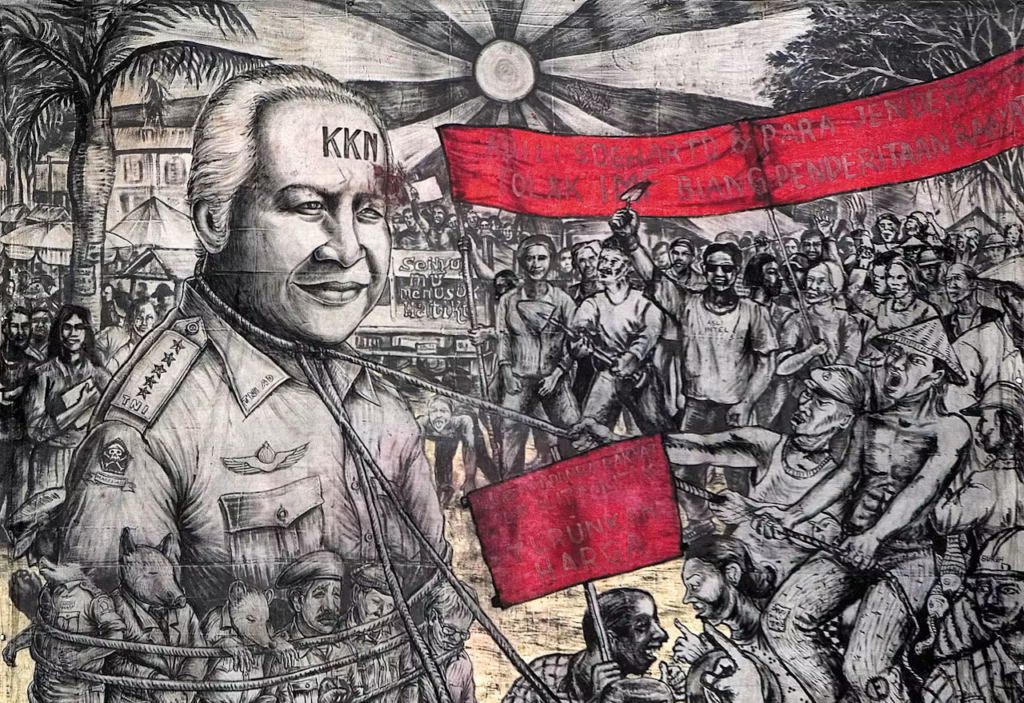
Can a painting spark a movement? Can a banner become a symbol of resistance? For the Indonesian artist collective Taring Padi, the answer has always been yes. Since its founding in 1998, in the wake of Indonesia’s Reformasi movement that helped bring an end to President Suharto’s authoritarian regime, the collective has viewed art not as something confined to museums but as a powerful tool for education, activism, and social change. Their latest exhibition, Rakyat Pasti Menang, translated as The People Will Surely Win, brings that philosophy to Ibraaz in London, where monumental protest banners, woodcut prints, posters, and community-driven projects demonstrate how art can become an instrument for collective action rather than individual expression.
Unlike traditional exhibitions centered on a single artist or body of work, Rakyat Pasti Menang celebrates collaboration. Taring Padi’s large-scale banners are rich with bold imagery, satire, and political symbolism, addressing themes ranging from democracy and workers’ rights to environmental justice and social inequality. Yet the exhibition extends beyond what hangs on the gallery walls. Throughout its run, the collective leads public workshops on woodcut printing, puppet making, and community organizing, inviting visitors to participate rather than simply observe. This emphasis on shared creativity reflects the group’s long-standing belief that art should empower communities, encourage dialogue, and inspire civic engagement. Even when their work has sparked controversy, Taring Padi has remained committed to using visual culture as a means of questioning power and amplifying marginalized voices.
In recent years, socially engaged art has gained renewed attention worldwide, as artists increasingly respond to political upheaval, climate crises, and questions of human rights. Taring Padi stands at the forefront of this movement, demonstrating that collective practice can be just as influential as individual artistic vision. Their work reminds us that creativity is not only about producing beautiful objects, it is also about building solidarity, preserving shared histories, and imagining fairer futures. By bringing decades of grassroots activism into an international gallery setting, Rakyat Pasti Menang challenges visitors to rethink what an exhibition can be and what role art should play in public life.
Why it’s worth seeing: Rakyat Pasti Menang is more than an exhibition of prints and banners, it’s a living example of how art can unite communities, challenge injustice, and inspire meaningful conversation. For anyone interested in activism, contemporary art, or the power of collective creativity, this is one of the most thought-provoking exhibitions of the year.
7. Syncretic Wilds: Phasmahammer and Natasha Tontey (Melbourne, Australia)
Venue: Monash University Museum of Art (MUMA), Melbourne, Australia
Dates: July 17 – September 19, 2026
Where Ancient Myths Meet Science Fiction, and the Future Feels Wildly Imaginative
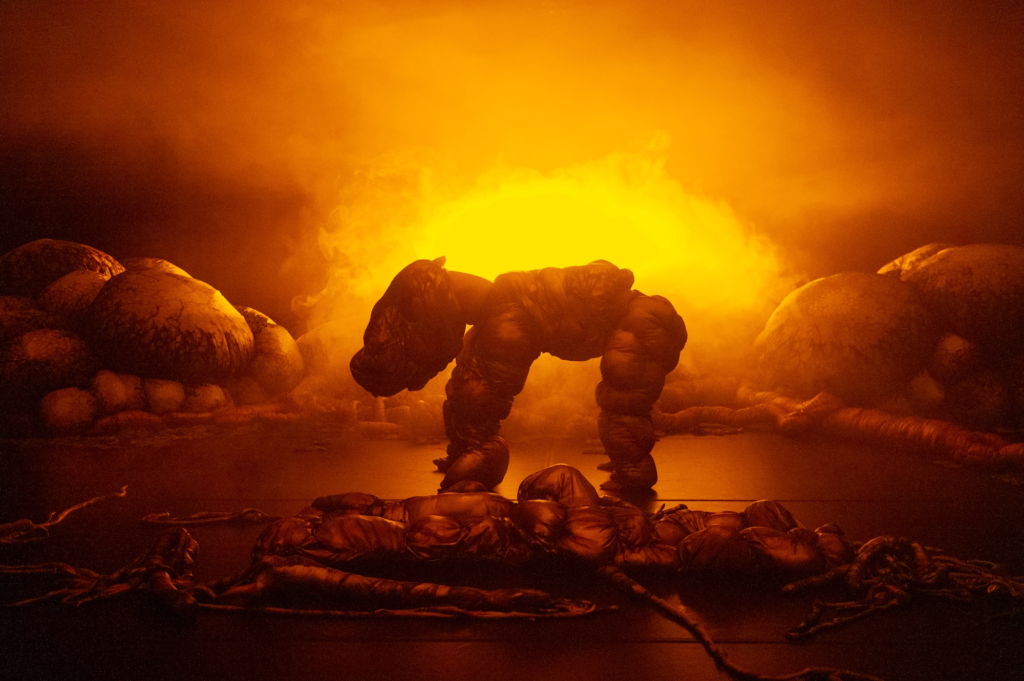
Some exhibitions ask us to look at the world differently. Others invite us into entirely new worlds. Syncretic Wilds, opening at the Monash University Museum of Art (MUMA) in Melbourne, does exactly that. Bringing together the fantastical practices of Indonesian artist Natasha Tontey and Filipino-Australian performance artist Justin Shoulder, better known by the persona Phasmahammer, the exhibition creates a universe where indigenous folklore, speculative fiction, queer futurism, and ecological imagination collide. Instead of presenting mythology as something confined to the past, both artists reimagine it as a living language for understanding the present—and imagining radically different futures.
At the heart of the exhibition is Natasha Tontey’s unmistakable visual world, inspired by the myths, spiritual traditions, and overlooked histories of Indonesia’s North Sulawesi region. Her immersive video installations feature surreal characters—motorbike-riding fish deities, hybrid creatures, and supernatural beings—that blur the boundaries between folklore, science fiction, and social commentary. Alongside her work is Phasmahammer, whose elaborate handcrafted costumes, sculptural performances, and transformative alter egos draw on ancestral Filipino mythology while exploring themes of identity, queerness, and belonging. Rather than existing as separate practices, the two artists’ imagined worlds intertwine, creating an immersive environment where visitors move through shifting landscapes populated by extraordinary beings that feel both ancient and futuristic. The result is an exhibition that is playful, visually extravagant, and deeply thought-provoking, challenging conventional ideas about culture, identity, and storytelling.
What makes Syncretic Wilds particularly compelling is its celebration of speculative imagination as a form of cultural preservation. Around the world, contemporary artists are increasingly turning to indigenous knowledge, mythology, and local traditions—not to recreate the past, but to envision alternative futures rooted in ancestral wisdom. This growing movement, often described as speculative or indigenous futurism, offers powerful alternatives to dominant Western narratives of technology and progress. Through humor, fantasy, and immersive world-building, Tontey and Phasmahammer demonstrate that myths are far from outdated; they remain dynamic tools for questioning society, reclaiming identity, and imagining worlds that are more inclusive, interconnected, and ecologically aware.
Why it’s worth seeing: Syncretic Wilds is an unforgettable journey into two richly imagined artistic universes where folklore, performance, and speculative fiction merge. For anyone fascinated by immersive installations, mythology, or the evolving possibilities of contemporary art, it offers one of the year’s most inventive and visually captivating exhibition experiences.
8. Peter Clarke: The Departure & Mawande Ka Zenzile: Indlela Ibuzwa Kwabaphambili (Cape Town, South Africa)
Venue: Stevenson, Cape Town, South Africa
Dates: July 4 – August 15, 2026
Two Artists, Two Generations, One Powerful Conversation About Identity and Memory
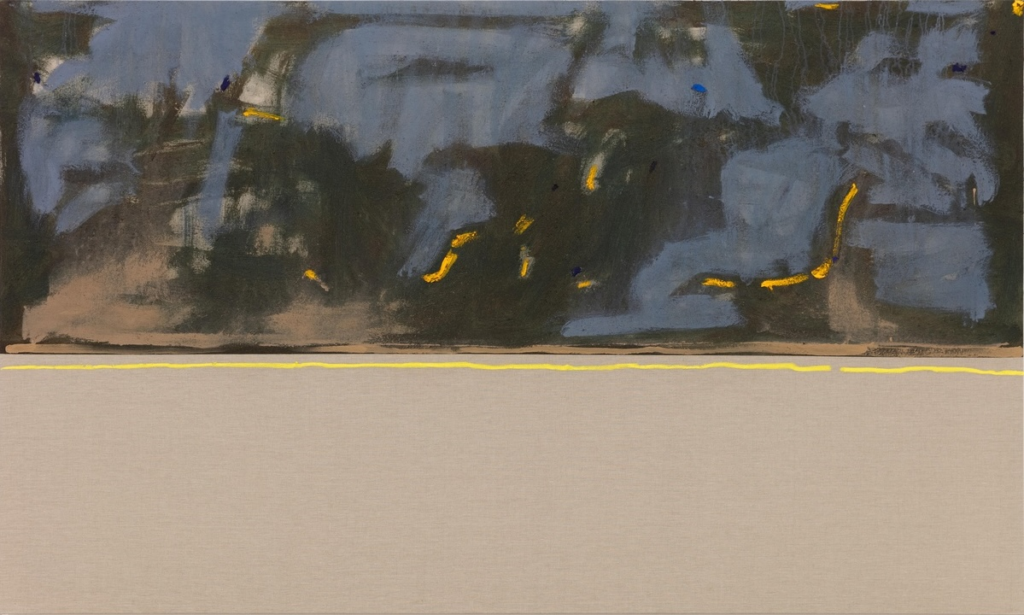
What happens when two artists from different generations begin speaking to each other across time? At Stevenson in Cape Town, two parallel exhibitions do exactly that. While Peter Clarke: The Departure looks back at the life and work of one of South Africa’s most influential modern artists, Mawande Ka Zenzile: Indlela Ibuzwa Kwabaphambili (“The path is laid by those who have gone before”) pushes that conversation into the present. Together, these exhibitions create a compelling dialogue about memory, identity, resilience, and the enduring influence of history on contemporary artistic practice. Rather than treating the past and present as separate stories, they reveal how one continually shapes the other.
Peter Clarke occupies a significant place in South African art history. Working during apartheid, he documented everyday life with remarkable empathy, portraying the country’s Coloured communities with a quiet dignity that challenged stereotypes and official narratives. The Departure, curated by artist Igshaan Adams and gallery director Alexander Richards, draws its title from a short story Clarke wrote in 1955, weaving together his literary and artistic practice to explore themes of displacement, belonging, and social change. Running alongside it, Mawande Ka Zenzile presents paintings that merge oil paint, raw pigments, cow dung, and traditional materials to examine how African knowledge systems continue to exist within contemporary life. His richly layered canvases don’t simply reference history, they embody it, suggesting that cultural memory lives not only in stories but also in materials, rituals, and artistic processes themselves.
Seen together, these exhibitions offer something larger than a retrospective or a solo presentation. They reflect a growing movement within museums and galleries to place artists from different generations into conversation, revealing how questions of identity, colonial history, and cultural inheritance continue to evolve rather than disappear. Clarke’s humanistic observations provide the historical foundation upon which Ka Zenzile builds, creating new visual languages that look toward the future while remaining deeply rooted in ancestral knowledge. It’s a reminder that art history is never static, it is an ongoing dialogue between those who came before and those who continue the conversation today.
Why it’s worth seeing: These parallel exhibitions offer a rare opportunity to experience South African art across generations, revealing how memory, heritage, and identity continue to shape contemporary creativity. Thoughtful, visually rich, and emotionally resonant, they demonstrate that the most meaningful artistic conversations often happen across time rather than within it.
9. Isaac Chong Wai: An Intimate Surrender (Hong Kong)
Venue: Tai Kwun Contemporary, Hong Kong
Dates: July 10 – August 9, 2026
When Performance Art Becomes a Conversation About Identity, Gender, and the Roles We Play
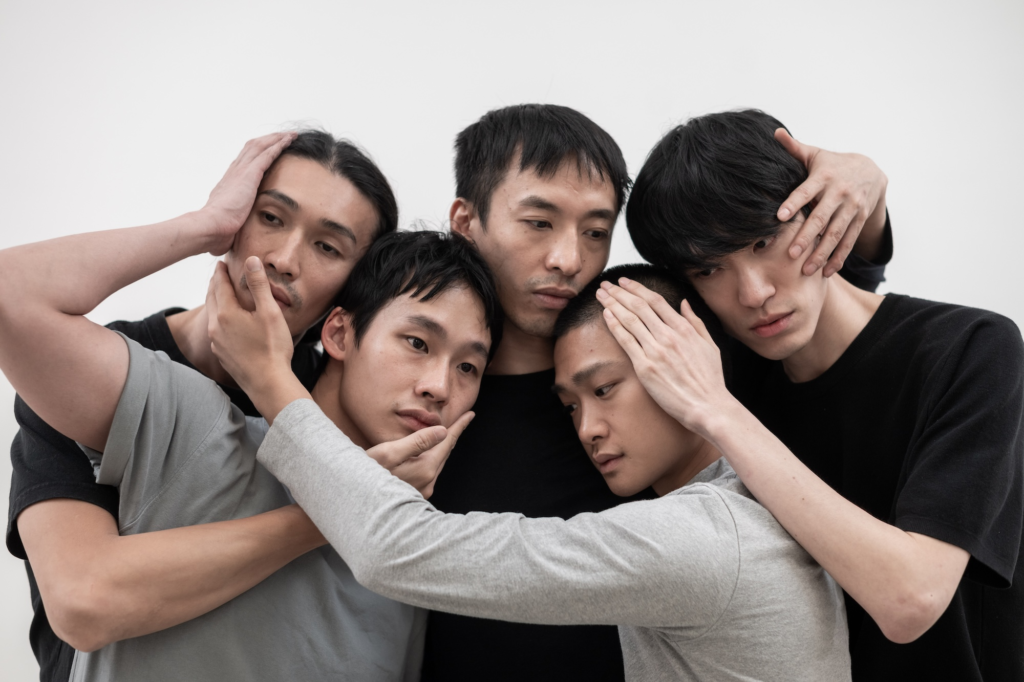
Some exhibitions are meant to be observed. Others ask you to become part of the experience. Isaac Chong Wai’s An Intimate Surrender, presented at Tai Kwun Contemporary in Hong Kong, belongs firmly to the latter. Rather than filling galleries with static objects, the Berlin-based artist transforms the museum into a constantly evolving stage where performance, film, installation, and architecture merge. Inspired by Chen Kaige’s acclaimed 1993 film Farewell My Concubine, the exhibition explores the fluid relationship between performance and everyday life, inviting visitors to consider how identity itself is something we continually rehearse, negotiate, and redefine.
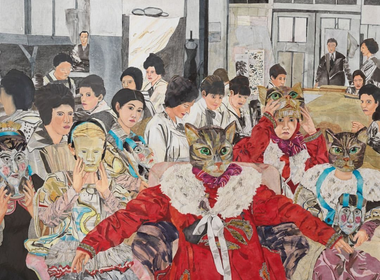
The exhibition unfolds like a theatrical production without a fixed beginning or end. Monumental installations recreate the atmosphere of a rehearsal room, film set, and performance stage, while live actors, including Isaac Chong Wai himself, move through the space, blurring the boundaries between audience and performer. Drawing inspiration from the traditions of Peking Opera, where male performers historically portrayed female roles, the exhibition examines how gender has long been understood as something performed rather than predetermined. Through carefully choreographed movement, immersive environments, and cinematic storytelling, visitors witness bodies continually shifting between roles, identities, and emotional states. Instead of offering clear answers, the exhibition creates space for reflection, encouraging audiences to question how history, culture, and social expectations shape the ways we present ourselves to the world.
Performance art has become one of the fastest-evolving forms of contemporary artistic practice, allowing artists to address subjects that resist traditional mediums. In An Intimate Surrender, Isaac Chong Wai uses live performance not simply as spectacle but as a powerful tool for exploring vulnerability, memory, gender, and belonging. The exhibition reflects broader conversations taking place across museums and cultural institutions worldwide, where artists increasingly use immersive experiences to foster empathy rather than passive observation. By placing visitors within the performance itself, Chong Wai reminds us that identity is never fixed, it is constantly shaped through our interactions with others and the stories we inherit.
Why it’s worth seeing: An Intimate Surrender offers far more than an exhibition, it is an immersive encounter with the complexities of identity, memory, and human connection. For anyone interested in performance art, contemporary theatre, or the evolving ways artists explore gender and culture, this is one of the most emotionally engaging exhibitions of the year.
10. Hyundai Translocal Series: Entangled and Woven (Manchester, United Kingdom)
Venue: The Whitworth, Manchester, United Kingdom
Dates: July 10, 2026 – January 3, 2027
The Exhibition That Proves Textiles Are No Longer Just Craft,They’re Contemporary Art’s Most Powerful Language
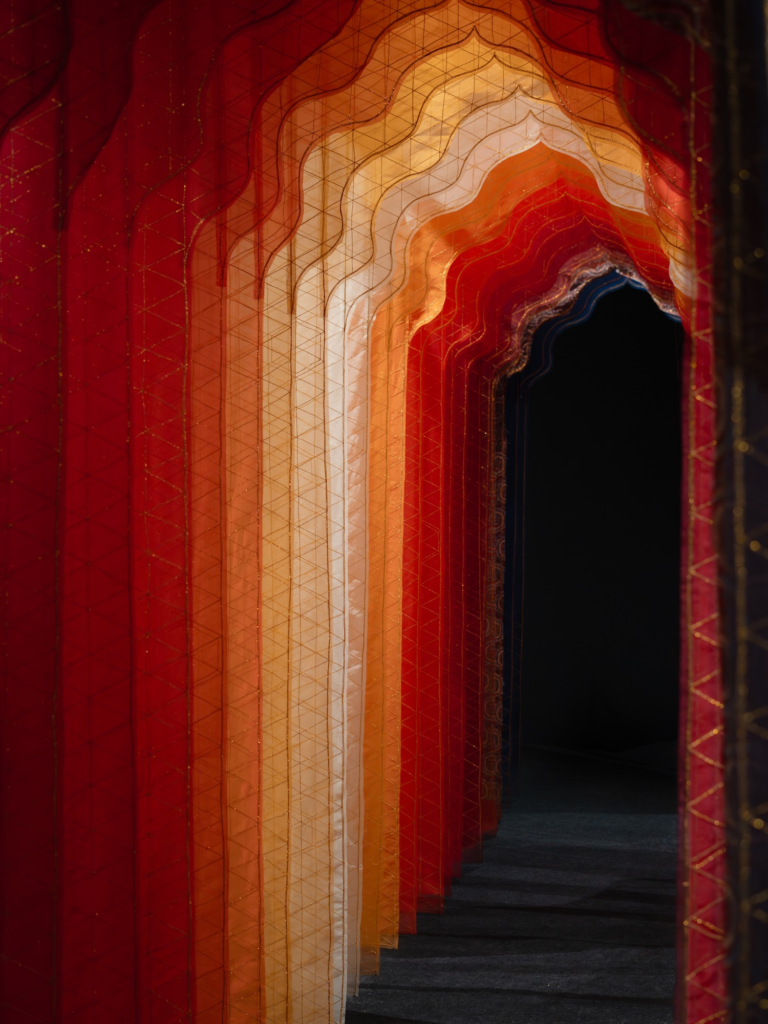
For centuries, textiles have been dismissed as decorative craft, beautiful, functional, and often overlooked within the hierarchy of fine art. But over the past decade, fiber-based practices have undergone a remarkable transformation, becoming one of the most exciting movements in contemporary art. Entangled and Woven, presented as part of the Hyundai Translocal Series at The Whitworth in Manchester, captures this shift beautifully. Bringing together newly commissioned works by artists and collectives from South Korea and India, the exhibition explores how weaving, embroidery, stitching, and fabric can carry stories of migration, identity, labor, memory, and cultural exchange. More than a celebration of textile traditions, it demonstrates how one of humanity’s oldest artistic practices continues to evolve in surprising and deeply relevant ways.
The exhibition is built around dialogue, between countries, generations, artistic traditions, and materials. Contemporary works are displayed alongside historic textiles from The Whitworth’s collection, encouraging visitors to see how techniques and ideas continue to travel across time and geography. Featured artists explore an extraordinary range of approaches, from sculptural installations and handwoven garments to meditative textile practices and conceptual works that question gender, labor, and cultural value. Rather than treating textiles as secondary to painting or sculpture, Entangled and Woven positions fabric itself as a powerful storytelling medium, capable of preserving personal histories and expressing complex social narratives. By placing Korean and Indian artistic practices in conversation, the exhibition also highlights the richness of cross-cultural collaboration and the shared traditions that connect communities across borders.
The renewed interest in textile art reflects one of the most significant developments in today’s global art world. Museums and biennials are increasingly recognizing fiber art as a contemporary practice that intersects with sustainability, craftsmanship, feminism, and cultural heritage. In an era dominated by digital images and rapid technological change, textiles offer something profoundly tactile and human. Every thread carries evidence of time, patience, and the hand of its maker, reminding viewers that some of the most meaningful artistic experiences emerge through slow, deliberate acts of creation. Entangled and Woven celebrates that philosophy, showing how ancient techniques continue to inspire some of the most innovative artistic voices working today.
Why it’s worth seeing: Entangled and Woven is a thoughtful reminder that contemporary art doesn’t always rely on new technologies or unconventional materials to feel groundbreaking. Sometimes, the oldest traditions have the greatest capacity to tell new stories. For artists, designers, and anyone fascinated by craft, culture, and global collaboration, this exhibition offers an inspiring look at why textile art is experiencing a remarkable renaissance.
From photography festivals in France and experimental video art in South Korea to politically charged installations in Indonesia and community-led activism in London, this month’s exhibitions span continents, cultures, and artistic disciplines. Yet despite their differences, they share a striking common thread: each asks us to look beyond the artwork itself and consider the world that shaped it.
These exhibitions remind us that contemporary art is no longer confined to galleries or traditional mediums. It unfolds through performance, digital technology, archival research, textiles, mythology, film, activism, and collective storytelling. Artists are becoming historians, futurists, environmental observers, and social commentators, using creativity not only to reflect reality but also to question it, preserve it, and imagine new possibilities.
Perhaps that’s what makes July 2026 such an exciting moment in the global art calendar. Whether exploring artificial intelligence through immersive installations, reclaiming overlooked histories through moving images, or transforming protest banners into powerful acts of collective expression, these exhibitions demonstrate that art continues to evolve alongside the world around it. They invite us to slow down, ask difficult questions, and see familiar subjects through entirely new perspectives.
Of course, not everyone will have the chance to visit these exhibitions in person. But their ideas travel far beyond museum walls. They shape conversations, inspire artists, influence future exhibitions, and remind us why art remains one of the most powerful ways to understand the complexities of our time.
Whether you’re planning your next cultural trip, looking for creative inspiration, or simply keeping an eye on what’s happening across the global art scene, these ten exhibitions offer a compelling glimpse into where contemporary art is headed, and why it’s worth paying attention.
If you could see just one of these exhibitions, which would you choose?
Looking for more art to discover? Read our feature, Beyond Van Gogh’s “The Starry Night”: 10 Masterpieces Every Art Lover Should Know, and explore the remarkable works that deserve a place alongside one of history’s most celebrated paintings.