

7 Art Books to Read This Pride Month

Pride Month often brings with it reading lists filled with memoirs, novels, and histories, but some of the most fascinating stories can be found within the pages of art books. If you’re looking for art books to read this Pride Month, these publications offer a deeper understanding of the artists, communities, and cultural movements that have shaped queer history and contemporary visual culture through photography, painting, performance, archives, and personal narratives.
For decades, LGBTQ+ artists have challenged conventions, expanded ideas of identity and self-expression, and created spaces where creativity and activism intersect. Their contributions have transformed the worlds of art, photography, performance, and popular culture, often in ways that extend far beyond the institutions that eventually came to celebrate them. Yet many of these stories remain lesser known, waiting to be discovered through the artists’ works, archives, and lived experiences.
This Pride Month, we’ve gathered seven books that explore queer creativity from different angles. Some revisit influential figures whose legacies continue to inspire new generations, while others spotlight communities, cultural spaces, and artistic movements that have left a lasting impact on visual culture. Together, they offer a rich and multifaceted portrait of queer art, one that is as much about resilience and community as it is about artistic innovation.
Whether you’re an artist, collector, curator, or simply someone looking to deepen your understanding of LGBTQ+ creative histories, these books offer an engaging place to begin. From intimate biographies and exhibition catalogs to explorations of nightlife, photography, and cultural identity, each title invites readers to see queer art not as a separate chapter in history, but as an essential part of the story of contemporary art itself.
1. Queer Art: From Canvas to Club, and the Spaces Between by Gemma Rolls-Bentley

If you’ve ever wondered why queer artists are so often discussed in fragments, mentioned in exhibitions, referenced in conversations, but rarely presented as part of a larger story,Queer Art: From Canvas to Club, and the Spaces Between offers a compelling answer. Rather than focusing on a single artist or movement, curator and writer Gemma Rolls-Bentley brings together a vibrant collection of artists, artworks, and cultural moments that demonstrate just how deeply queer creativity has shaped contemporary visual culture.
Spanning painting, photography, performance, digital art, activism, and community-building, the book traces the many ways queer artists have used art to explore identity, challenge social norms, and imagine new possibilities for living and belonging. Organized around themes such as spaces, bodies, and power, it moves fluidly between established figures and emerging voices, creating connections across generations and disciplines. Readers will encounter influential artists including Catherine Opie, Salman Toor, Juliana Huxtable, Paul Mpagi Sepuya, and many others whose work continues to redefine what contemporary art can be.
What makes this book particularly valuable is its accessibility. Rather than reading like a dense academic survey, it invites readers to browse, discover, and make connections for themselves. Each page reveals a different perspective on queerness, not as a single experience, but as a constantly evolving conversation shaped by diverse communities around the world.
For anyone looking for an entry point into queer art history this Pride Month, this book is an ideal place to begin. It reminds us that queer art isn’t a niche category within art history; it is an essential part of the story itself.
2. Candy Darling: Dreamer, Icon, Superstar by Cynthia Carr

Long before conversations around gender identity entered the mainstream, Candy Darling was creating her own space within American culture. Best known as one of Andy Warhol’s superstars, Darling became a symbol of glamour, self-invention, and artistic freedom at a time when visibility for trans women was extraordinarily rare. Yet Cynthia Carr’s Candy Darling: Dreamer, Icon, Superstar reveals a far more complex story than the carefully curated image that made her famous.
Drawing on extensive research and firsthand accounts, Carr traces Darling’s journey from a young dreamer fascinated by old Hollywood films to a cultural figure who would leave an enduring mark on art, film, fashion, and queer history. The biography explores her collaborations with artists, filmmakers, photographers, and musicians while also examining the challenges she faced navigating a society that was often unwilling to accept her on her own terms.
What makes the book particularly compelling is its refusal to reduce Darling to a cultural symbol. Instead, Carr presents her as a multidimensional person, ambitious, vulnerable, determined, and deeply committed to crafting the life she envisioned for herself. Through this lens, readers gain insight not only into Darling’s world but also into the broader creative communities that flourished in New York during the 1960s and 1970s.
For artists and creatives, Darling’s story serves as a powerful reminder of the role imagination can play in shaping identity. Her influence continues to echo through contemporary art and culture, inspiring generations of artists who challenge conventions and expand ideas of self-expression. This Pride Month, Candy Darling offers a fascinating portrait of a figure whose legacy remains as relevant as ever.
3. The Wonderful World That Almost Was: A Life of Peter Hujar and Paul Thek by Andrew Durbin

Art history often celebrates individual genius, but The Wonderful World That Almost Was takes a different approach. In this deeply researched and beautifully written dual biography, Andrew Durbin explores the intertwined lives of photographer Peter Hujar and artist Paul Thek, two influential figures whose work helped shape the cultural landscape of New York’s downtown art scene during the second half of the twentieth century.
Rather than presenting a straightforward chronological account, Durbin examines the relationship between the two artists as lovers, collaborators, friends, rivals, and, at times, strangers to one another. Their lives intersected with some of the most important creative circles of the era, yet the book remains focused on the human connections that influenced their artistic journeys. Through letters, archives, conversations, and artworks, Durbin pieces together a portrait of two artists whose lives were as compelling as the work they left behind.
The book also offers a fascinating glimpse into a transformative period in American art, when experimentation, community, and collaboration often mattered as much as the finished artwork itself. Hujar’s striking photographs and Thek’s unconventional sculptures emerge not simply as isolated achievements, but as products of a vibrant network of relationships, conversations, and shared experiences.
What makes this biography particularly memorable is its exploration of how artists shape one another’s lives. Durbin suggests that understanding art sometimes requires understanding the people behind it, the friendships, tensions, loves, and losses that quietly influence creative work. For readers interested in queer art history, artistic communities, and the lives behind some of the twentieth century’s most influential artworks, The Wonderful World That Almost Was offers an intimate and deeply rewarding read.
4. Catherine Opie: To Be Seen, edited by Clare Freestone

Few photographers have documented communities with the care, intimacy, and curiosity that Catherine Opie has brought to her work over the past three decades. Published alongside a major survey exhibition at London’s National Portrait Gallery, Catherine Opie: To Be Seen offers a comprehensive look at an artist whose photographs have continually challenged conventional ideas about identity, belonging, and representation.
At first glance, Opie’s work seems to move between two distinct worlds. On one hand are her carefully composed portraits, rich in color and detail; on the other are her documentary-style photographs that capture everyday lives, landscapes, and communities. Yet this publication reveals how deeply connected these bodies of work truly are. Throughout her career, Opie has remained interested in one central question: how do people create community, and what does it mean to be seen within it?
The catalog brings together some of her most celebrated series, including Domestic (1995–98), which documents lesbian couples and families across the United States with warmth and authenticity. These images challenge stereotypes while offering a nuanced portrait of everyday life, demonstrating Opie’s ability to balance personal storytelling with broader social commentary.
What makes To Be Seen particularly relevant today is its emphasis on visibility, not as a simple act of recognition, but as a deeper exploration of connection, identity, and shared experience. Opie’s photographs remind viewers that communities are built through relationships, care, and mutual understanding.
For artists, photographers, and anyone interested in how images shape cultural narratives, Catherine Opie: To Be Seen is both an inspiring visual journey and a powerful reflection on the importance of representation in contemporary art.
5. Sex, Clubs, Dissent: Visualising Queer Nightlife, edited by Amelia Abraham

For generations, queer nightlife has been far more than entertainment. Clubs, bars, dance floors, and underground parties have served as places of connection, self-expression, activism, and survival. Sex, Clubs, Dissent: Visualising Queer Nightlife captures this rich history through a remarkable collection of photographs, essays, and personal reflections that celebrate the communities built after dark.
Edited by journalist Amelia Abraham, the book traces the evolution of queer nightlife across decades and geographies, bringing together artists, photographers, writers, and cultural thinkers who explore the creative energy of these spaces. From photographs of drag balls and underground parties to images documenting activism during the HIV/AIDS crisis, the book reveals how nightlife has long functioned as a site of resistance, joy, and collective care.
What makes this volume particularly fascinating is the way it treats nightlife as a vital part of visual culture. The dance floor becomes a stage for self-invention, while clubs emerge as spaces where art, fashion, performance, and politics intersect. The collection includes diverse perspectives and stories, highlighting how queer communities have continually created environments where people could gather, experiment, and imagine different futures.
Beyond its striking imagery, the book offers an important reminder that many cultural movements begin not within institutions but within communities themselves. The aesthetics, ideas, and creative collaborations born in these spaces often ripple outward, influencing art, music, photography, and popular culture in unexpected ways.
This Pride Month, Sex, Clubs, Dissent invites readers to look beyond galleries and museums and consider the dance floor as an archive of queer history, one filled with resilience, creativity, and the enduring power of community.
6. Vaginal Davis: Magnificent Product, edited by Hendrik Folkerts

Before conversations around gender fluidity, chosen family, and intersectionality became common within contemporary culture, artist Vaginal Davis was already exploring these ideas through her work. Vaginal Davis: Magnificent Product celebrates the groundbreaking career of one of the most influential yet historically underrecognized figures in queer art, offering readers a closer look at an artist whose practice has consistently challenged conventions while building new forms of community.
Published alongside Davis’s recent retrospective, the catalog brings together essays, archival materials, photographs, and critical reflections that trace her multifaceted career as a performer, filmmaker, writer, curator, musician, and cultural provocateur. Moving between Los Angeles, New York, and Berlin, Davis developed an artistic language that combined punk aesthetics, humor, political critique, and deeply personal storytelling, creating work that resisted easy categorization.
What makes this publication particularly compelling is its focus on Davis’s commitment to community. Long before institutions embraced conversations around inclusivity and representation, she was centering collaboration, chosen family, and collective creativity within her practice. Her work consistently explored race, gender, sexuality, and class while refusing to separate activism from artistic expression.
The catalog also helps contextualize Davis’s growing influence on contemporary art. Many of the themes and approaches that feel urgently relevant today, fluid identities, alternative communities, interdisciplinary practice, and resistance through creativity, have been central to her work for decades. Yet despite her impact, much of her contribution remained outside mainstream recognition for years.
For readers interested in contemporary art, performance, and queer cultural history, Vaginal Davis: Magnificent Product offers an essential introduction to an artist whose legacy continues to inspire new generations of creatives. It is both a celebration of an extraordinary career and a reminder that some of the most influential cultural movements begin at the margins before reshaping the center.
7. Martin Wong: Chinatown USA, edited by Yasufumi Nakamori
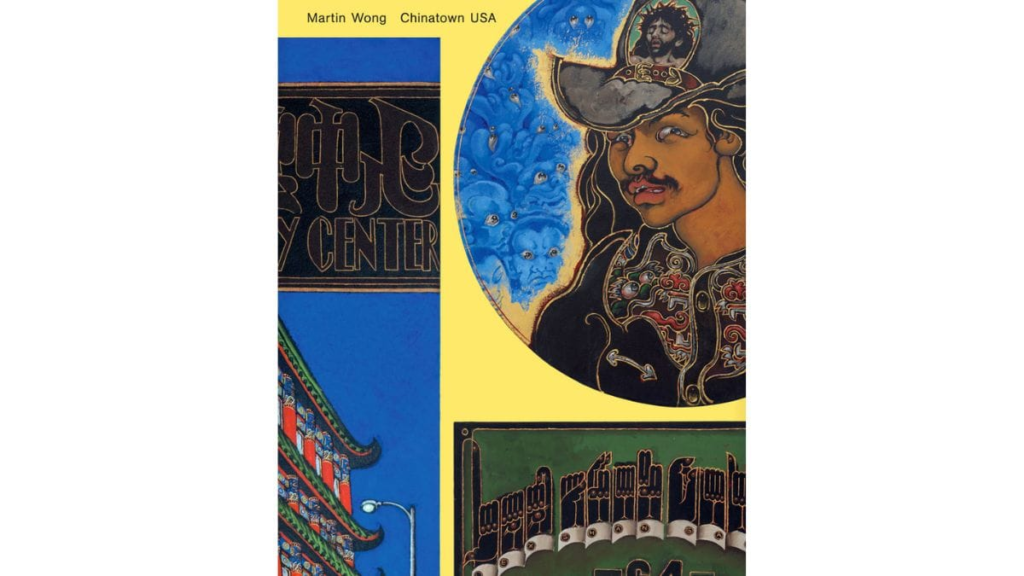
Martin Wong remains one of the most distinctive voices in late twentieth-century American art. Known for his meticulously detailed paintings of New York City’s Lower East Side, Wong created works that blended architecture, language, community, and personal identity into visual narratives unlike anything else being produced at the time. Martin Wong: Chinatown USA offers a fresh perspective on the artist’s life and work, examining the cultural influences that shaped his practice and the complexities that continue to make his art so compelling.
Published in conjunction with an exhibition at Wrightwood 659 in Chicago, the catalog brings together newly commissioned essays from scholars, writers, and curators who explore Wong’s relationship with identity, place, and language. Rather than presenting a straightforward overview of his career, the book investigates lesser-known aspects of his artistic development, including the connections between New York’s Chinatown and the San Francisco neighborhoods where he grew up.
One of the most fascinating aspects of Wong’s work is his engagement with different forms of communication. His paintings frequently incorporate American Sign Language, handwritten text, calligraphy, and architectural details that function almost like coded messages embedded within urban landscapes. Through these recurring motifs, Wong transformed city streets into complex visual archives filled with personal, cultural, and social histories.
What makes Martin Wong: Chinatown USA particularly rewarding is its willingness to embrace contradiction. The essays do not attempt to simplify Wong’s identity or artistic motivations. Instead, they reveal an artist who continuously navigated multiple worlds and perspectives, creating work that remains open to interpretation.
For readers interested in painting, cultural identity, queer art history, and the ways artists document the communities around them, this catalog offers an insightful look at a figure whose work continues to resonate across generations. It serves as a fitting conclusion to this list, a reminder that some of the most powerful art emerges from the intersections of culture, memory, and lived experience.
The books on this list remind us that queer art history is far too expansive, complex, and influential to be confined to a single narrative. From the intimate portraits of Catherine Opie and the cultural worlds captured by Martin Wong to the radical creativity of Vaginal Davis and the vibrant communities documented in queer nightlife archives, these stories reveal the many ways artists have used their work to challenge norms, build connections, and imagine new possibilities.
What makes these books particularly meaningful during Pride Month is their ability to illuminate both the personal and collective dimensions of queer experience. They celebrate artists who forged paths where none existed, preserved histories that might otherwise have been forgotten, and created work that continues to resonate across generations. Together, they offer a richer understanding of the people, places, and movements that have shaped contemporary visual culture.
Whether you’re discovering these artists for the first time or revisiting familiar names through a new lens, each book offers an opportunity to engage with the creativity, resilience, and innovation that define queer artistic legacies. This Pride Month, let these pages serve as an invitation to explore, reflect, and celebrate the enduring impact of LGBTQ+ artists on the world of art and beyond.
Have you read any art books recently that you’d recommend?
Looking for more ways to stay connected to the art world? Don’t miss our latest roundup of exhibitions, events, and cultural conversations shaping the global art scene in The Latest in the Art World.