


A Studio Visit and Interview with Artist Pia Wessels

👁 83 Views
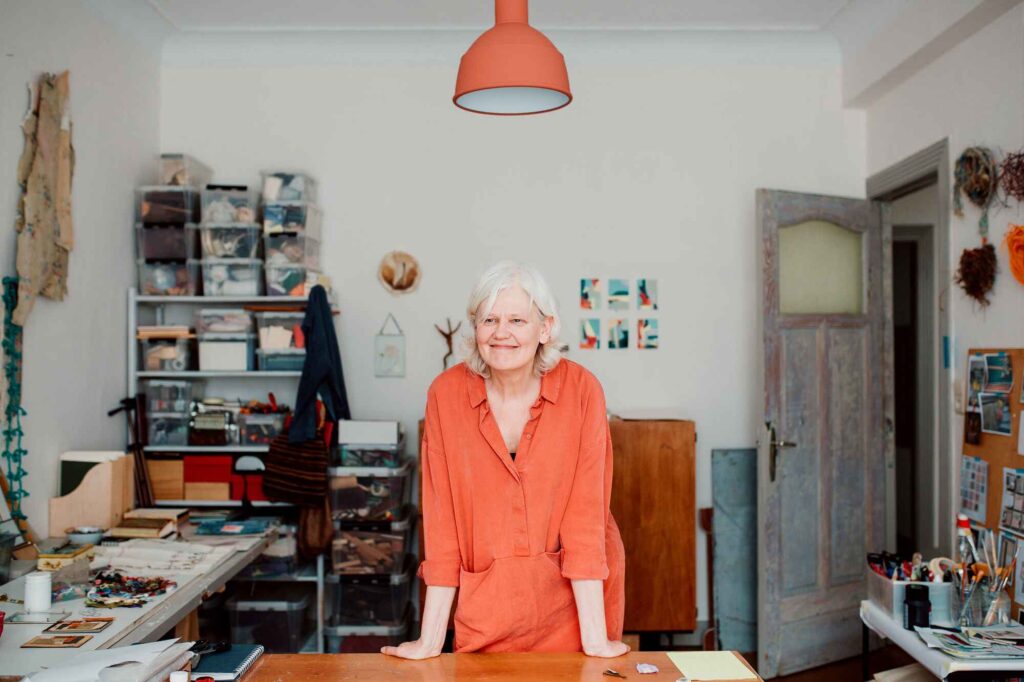
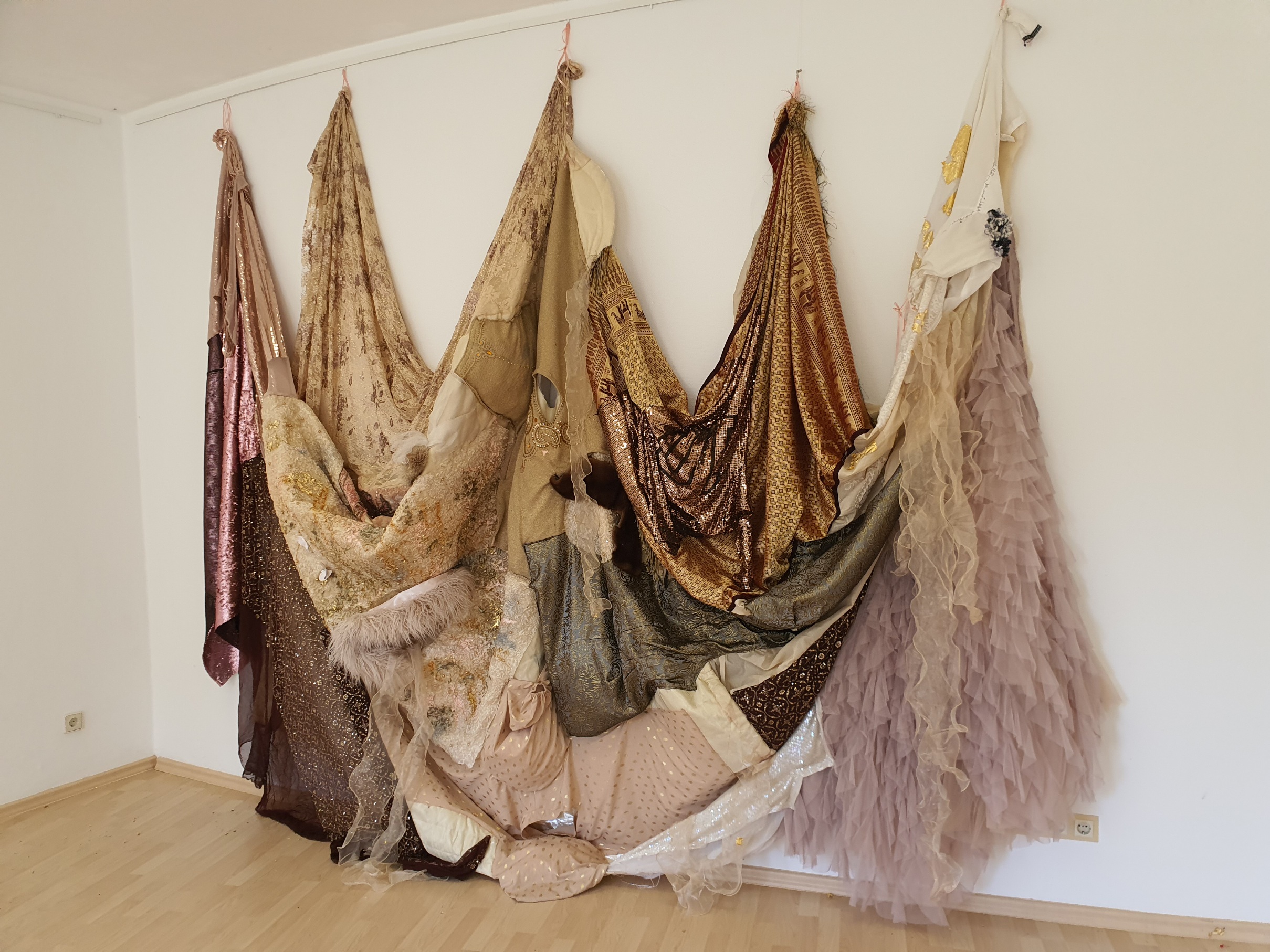
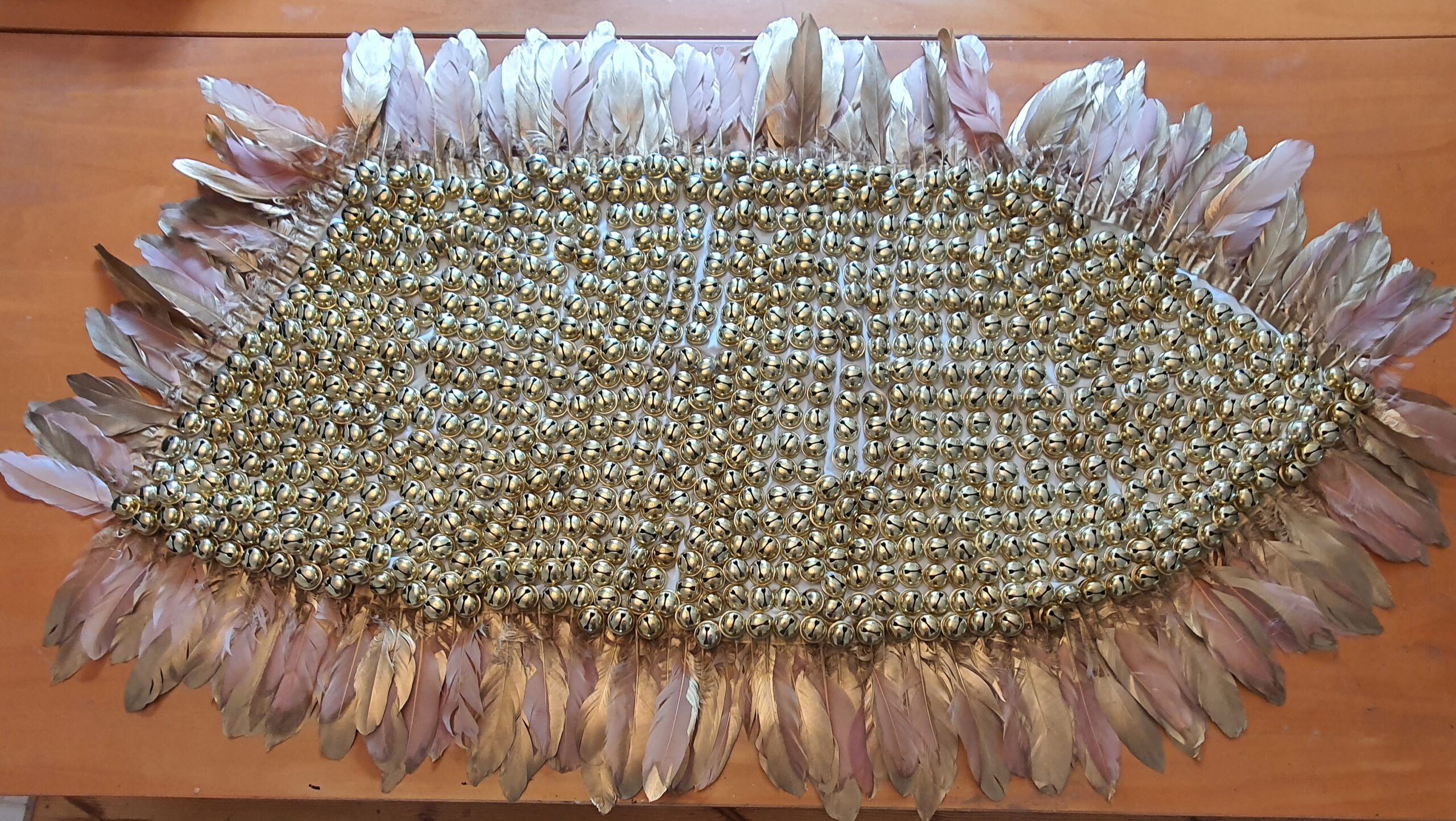
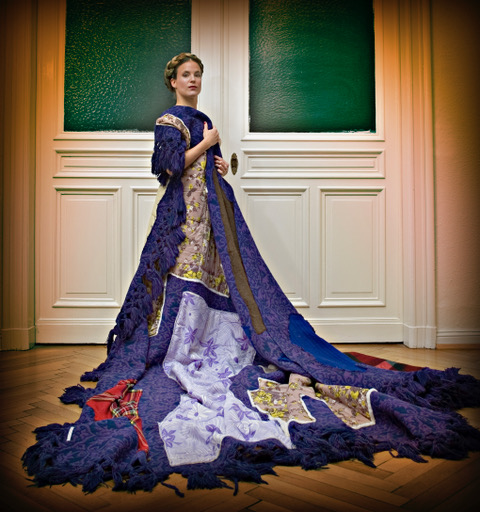
This studio visit takes us into the quiet, lived-in workspace of textile artist and costume designer Pia Wessels. Her studio sits inside her home, a place she can step into at any moment, and the first thing you notice is the smell, a mix of wood, fibre and textiles that immediately hints at the kind of work taking shape there. In this interview, Pia talks about how her love for textiles began when she was a child, thanks to two elderly neighbours in Berlin who had once worked on stage as dancers and soubrettes. Their theatre costumes and old clothing drew her in, and that early fascination has stayed with her ever since.
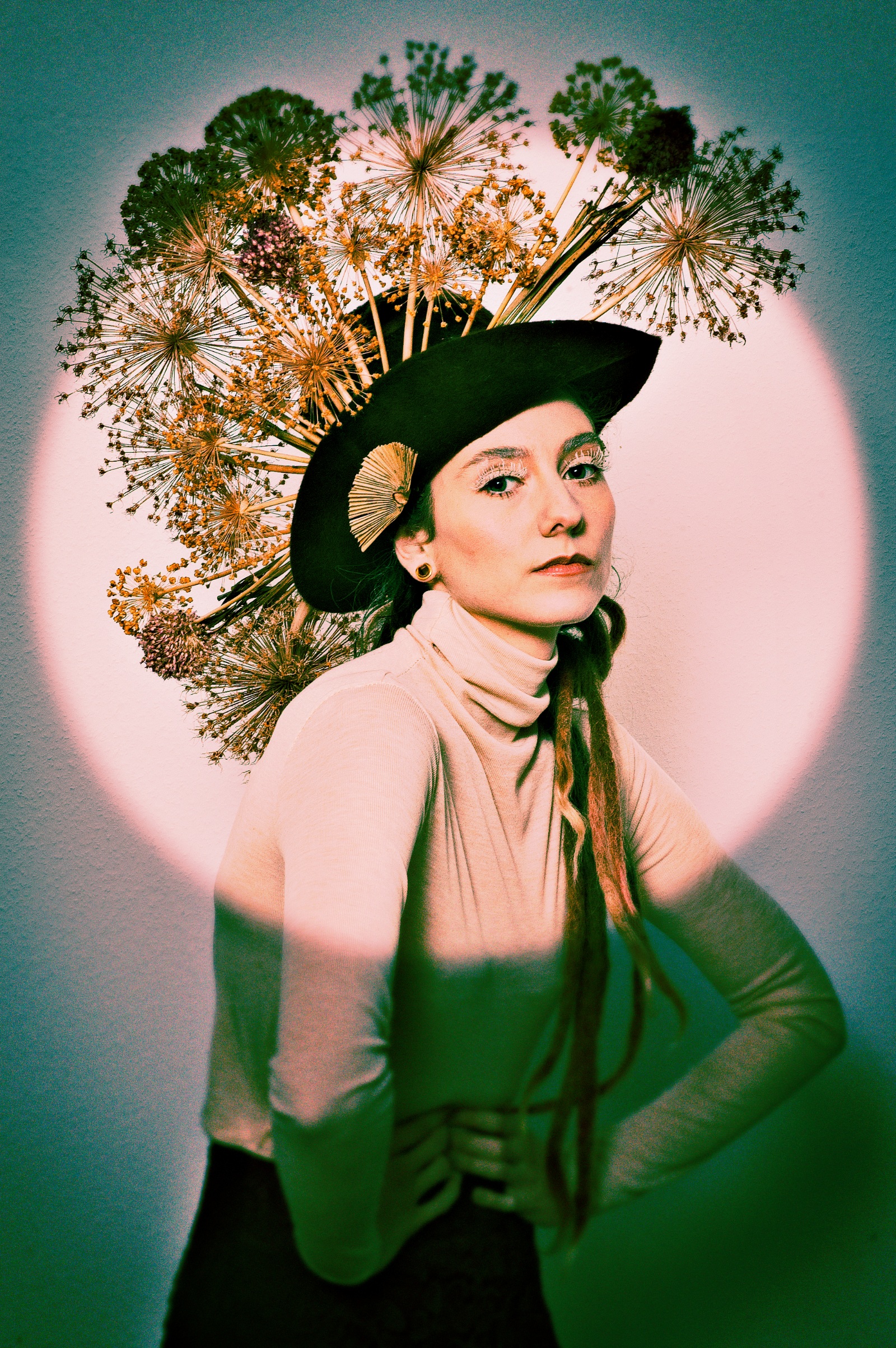
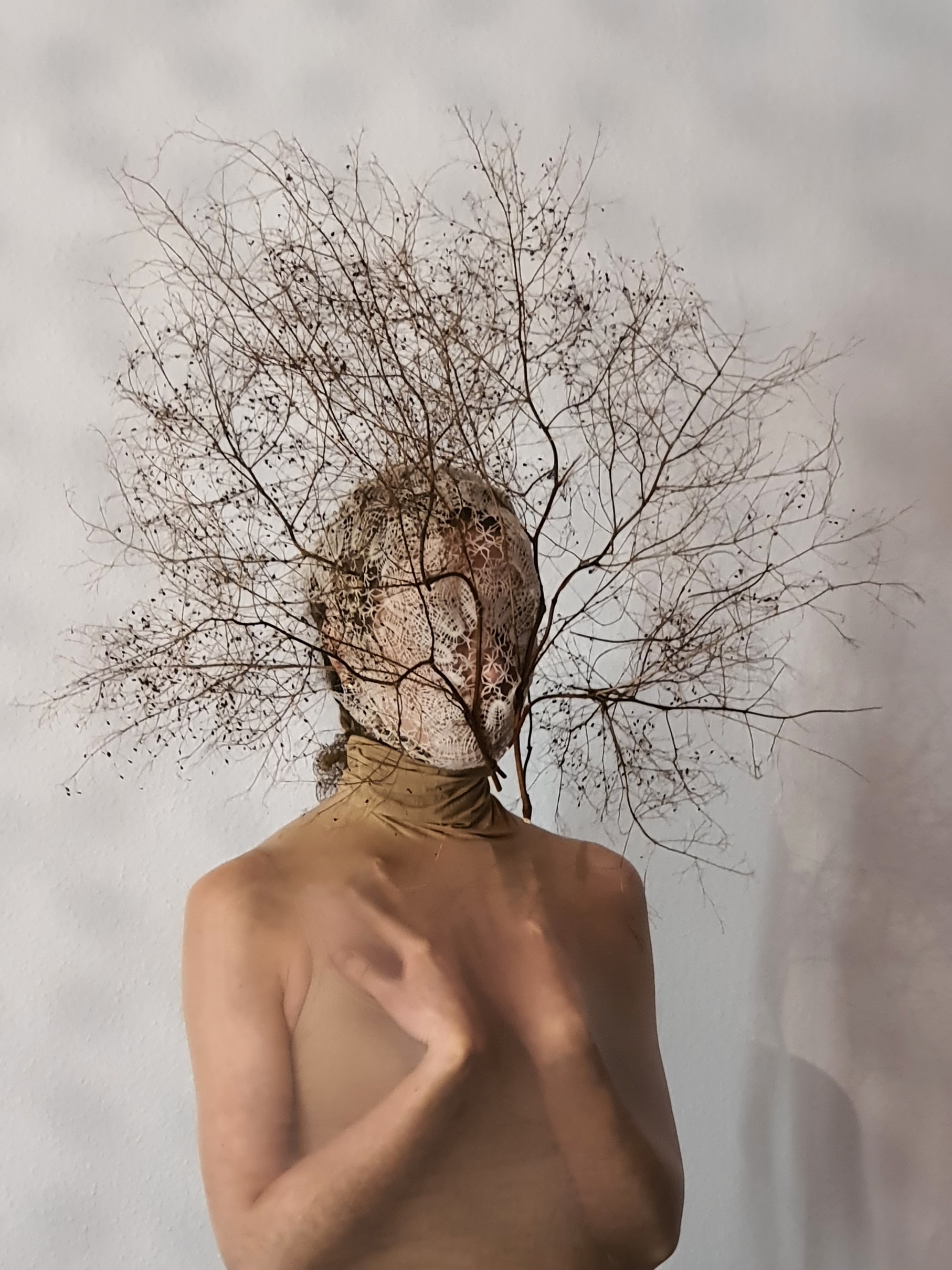
She shares how this passion has guided her through many kinds of making, from historical garments and theatre costumes to projects like Fashion Botanica, born from her time in the garden, and her experimental Intarsia Coats and Urban Jungle pieces. Pia describes her days in the studio as a series of small moments. Because her workspace is at home, she wanders in and out, sometimes working, sometimes simply looking, giving herself the distance she needs to return with a clearer mind. She also speaks openly about the times she feels unsure of her work, and how putting things aside and coming back later often shows her that the process needs time.
Only one person regularly shares her studio with her, her sister, who is the rare visitor allowed to watch or even work beside her. Pia tells us about the comfort of the old armchair in the corner, the one space she especially loves, and how she tries to keep her table clear even if the rest of the studio fills up quickly. She also lets us in on what may come next, including a large idea inspired by Homer’s Odyssey, something she has been thinking about for months but has not yet dared to start.

As a child, I was introduced to the world of textiles by two elderly ladies, our neighbours. They worked as dancers and souprettes on Berlin stages, captivating me with their theatre costumes and historical clothing. A passion that never lets go and continues to inspire me in all its facets. Classical craftsmanship and knowledge of textile processing are just as much a part of it as textile art and the many possibilities of expression. A small collection of historical costumes has emerged. Designing theatre costumes, in particular, opened up a dimension for me to connect different themes. Textile border crossings (Fashion Botanica) and experiments (Intarsia Coats/Urban Jungle) are part of my expression and my enjoyment of experimentation. For me, fashion and textiles are also an art. Therefore, I regularly initiate textile art projects that I exhibit with colleagues in museums and galleries. I find the interaction and dialogue with colleagues, visitors and viewers very enriching, as well as the sharing of knowledge and teaching, which involves learning together.

1. Can you describe your typical day in the studio and your creative process?
I always tend to work in small sections. That is because my studio is in my house, and so I’ve got the chance to go there whenever I like or have a look around and decide what to do next. So working is intertwined with my day-to-day work. I want to step back in a way to have a fresh look of my process of art.

2. What is the primary inspiration behind your current body of work?
My primary inspiration is my love of textiles in all forms. People, art, street fashion, everything can be inspirational. I learned that one should keep an open mind. Be aware of what surrounds you. Everything can be interesting – as it was in my garden. Experiencing the beauty of nature made me realise I wanted to incorporate it into my art. This is how “Fashion Botanica” came to life.
3. What is your favourite memory or incident from your studio?
I very often think I failed. Or that I am not content with what I’ve done. But putting things to the side, giving yourself time and the inner freedom to look at it again, very often told me to go on with the process. It is not as bad as I thought. Art needs time.
4. Do you have any studio assistants, or do any visitors, like pets or kids, often accompany you?
Honestly, not too often. I like to keep things to myself, and I am a bit scared that someone is asking questions I can not answer. The only one who is very welcome is my sister. She is the one who is allowed to have a look, or sometimes we are working together in my studio.
5. How would you describe a dream studio for yourself?
My dream studio would have enough space to store everything.
6. What does your studio smell of right now?
Wood and fibre and textiles
7. If you get a chance to set up your studio anywhere in the world, where would it be?
It would be London
8. Can you discuss any ongoing projects or plans you have for your work?
This is a difficult task. I have a massive project in mind. Homer’s “Odyssey”. It is an idea I’ve kept in mind for a few months, but I don’t dare to start… for whatever reason.
9. How do you organise your space?
I am trying to keep my working table clear.
10. What is your favourite corner in the studio?
The one with the old armchair
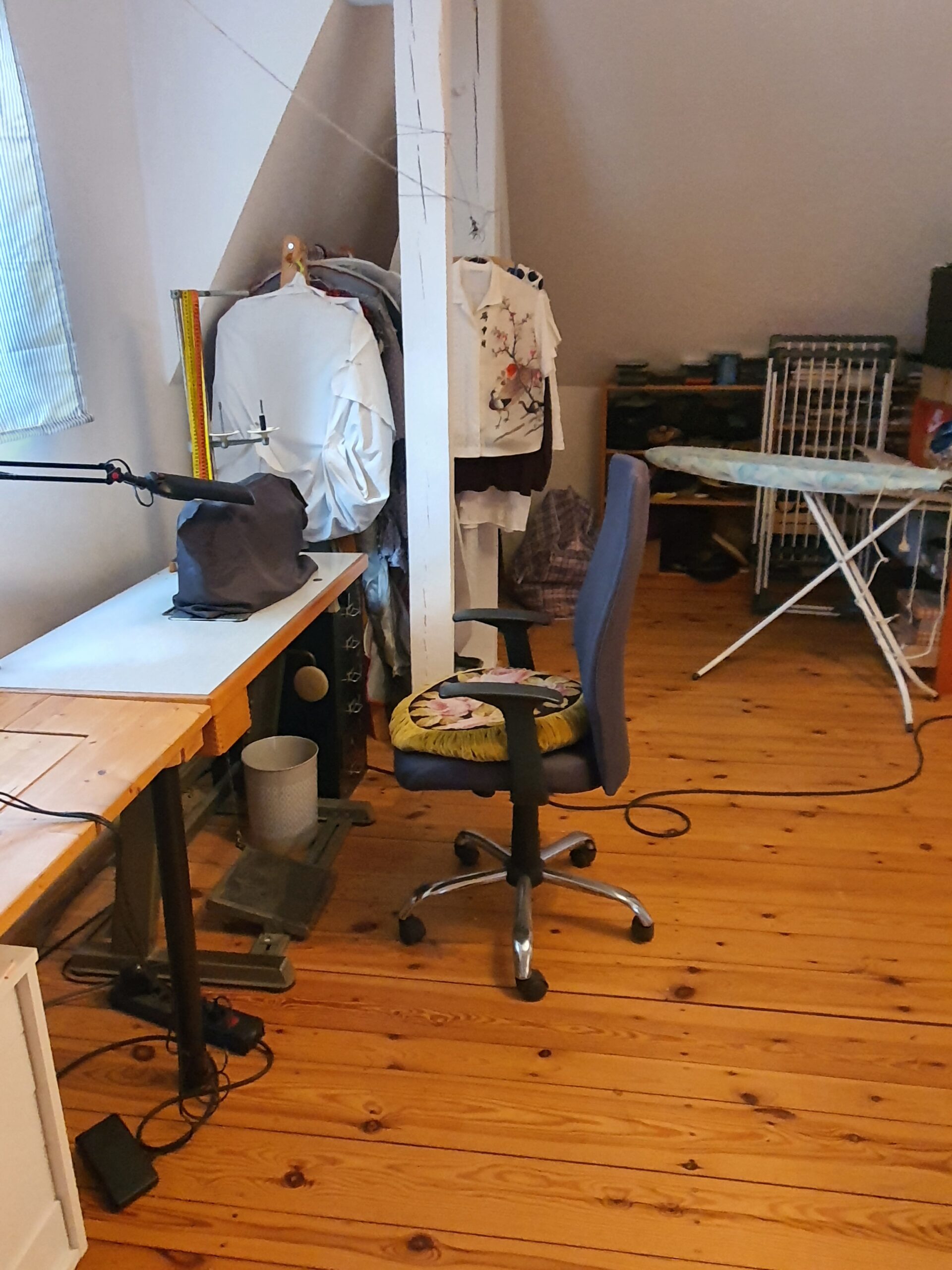
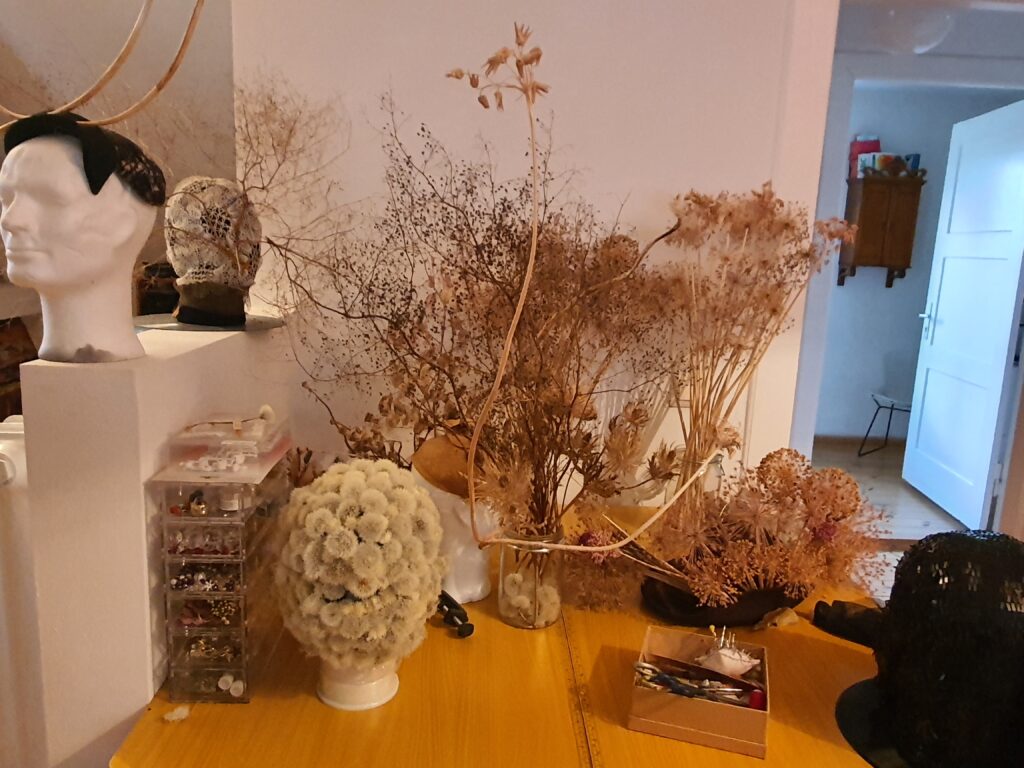
From the way Pia describes it, her studio feels calm, lived in and a bit tucked away from the outside world. Because it sits inside her home, it carries a sense of ease a place she can step into whenever a thought or idea appears. The smell of wood, fibre and textiles gives it a warm, workshop-like atmosphere, the kind of scent that makes you feel someone has been creating there for a long time.
It also seems like a very private place. She prefers to work alone, in quiet stretches of time, and the room holds that sense of focus. There is an old armchair in the corner that she loves, suggesting a softer, comforting spot where she can sit and think. And with her sister being the only regular visitor, the studio feels even more like a personal retreat, a space where ideas can grow slowly without pressure.
Overall, the studio feels gentle, practical and full of small details that support her way of working, from the clear table she tries to maintain to the shelves and materials that surround her. It feels like a place where time moves a little differently, shaped by her process and her rhythm rather than by strict structure.
Visit our website to explore the virtual studio spaces of other artists. To be featured on our website, remember to apply for this month’s call for art.
Read more about Pia on her Website and Instagram.
Arts to Hearts Project is a global media, publishing, and education company for
Artists & Creatives, where an international audience will see your work of art, patrons, collectors, gallerists, and fellow artists. Access exclusive publishing opportunities and over 1,000 resources to grow your career and connect with like-minded creatives worldwide. Click here to learn about our open calls.