





Five Museums to Visit in Tokyo
Tokyo has a way of making you feel as though you have stepped into several different cities at once.
There is the Tokyo of glowing signs and crowded crossings, the Tokyo of quiet neighbourhood streets and tiny cafés, the Tokyo of old temples and gardens, and then there is the Tokyo that lives inside its museums, a city of paintings, objects, stories, ideas and memories.
For anyone who loves art, museums can be one of the most rewarding ways to get to know the city. They offer a chance to look beyond the Tokyo we usually see in photographs and spend some time with the things that have shaped Japan’s visual culture, history and creative life.
And there is no shortage of them. Tokyo’s museum scene stretches from enormous national institutions to tiny, wonderfully specific spaces, from centuries-old art to experimental contemporary work.
Choosing just five, then, is less about creating a definitive list and more about creating a good place to begin.
These five museums each offer something different, and together, they make for a lovely introduction to the many ways Tokyo tells its story.
Tokyo National Museum
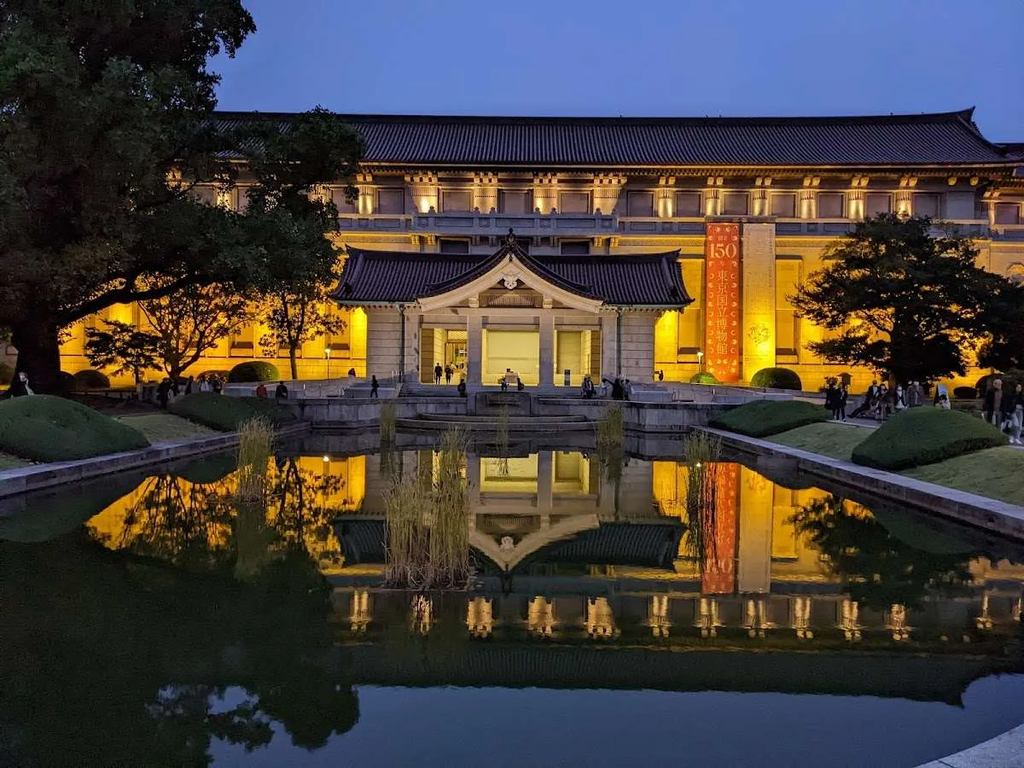
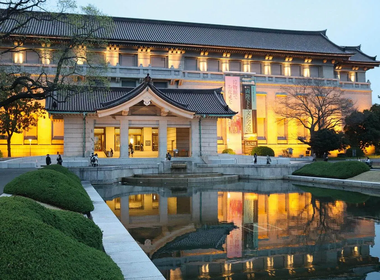
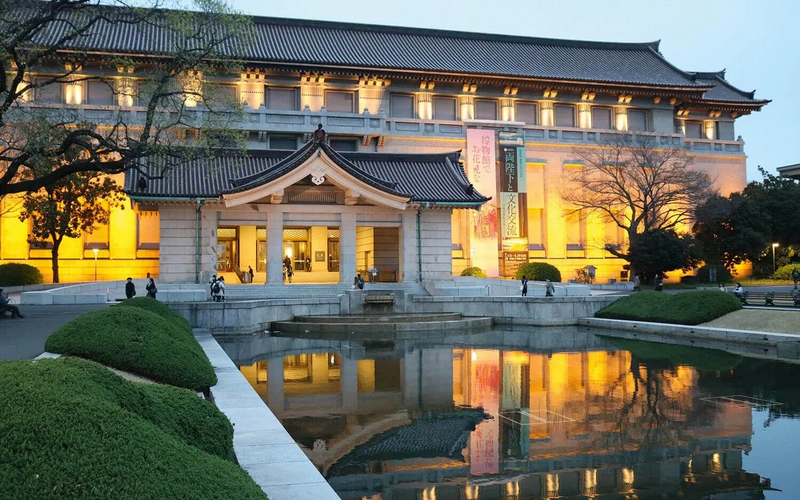
If you want to begin with Japanese art, history and craftsmanship, the Tokyo National Museum is a beautiful place to start.
Set inside Ueno Park, it is Japan’s oldest museum, founded in 1872, and its collection encompasses an extraordinary range of Japanese art and archaeological objects alongside art from across Asia. The museum complex itself includes several galleries, including the Japanese Gallery, and its collection runs from paintings and sculpture to ceramics, lacquerware, textiles, armour and objects connected to traditions such as tea, Noh and Kabuki.
What makes a visit especially rewarding is the sheer variety.
You might find yourself standing in front of an intricately made piece of lacquerware one moment and looking at samurai armour the next. A painting might lead you toward a different period of Japanese history, while a small object reveals just how much thought and skill can live inside something seemingly simple.
For artists, this is a museum worth taking slowly. Look closely at the materials. Notice the details. Pay attention to how colour, line, texture and craftsmanship change across different periods.
And when you need a break, step outside.
The museum sits within the greenery of Ueno Park, with its own traditional garden and teahouses. It is the sort of place where you can spend a morning looking at art and then wander outside with no particular destination in mind.
Sometimes that is the nicest way to experience a museum.
Edo-Tokyo Museum
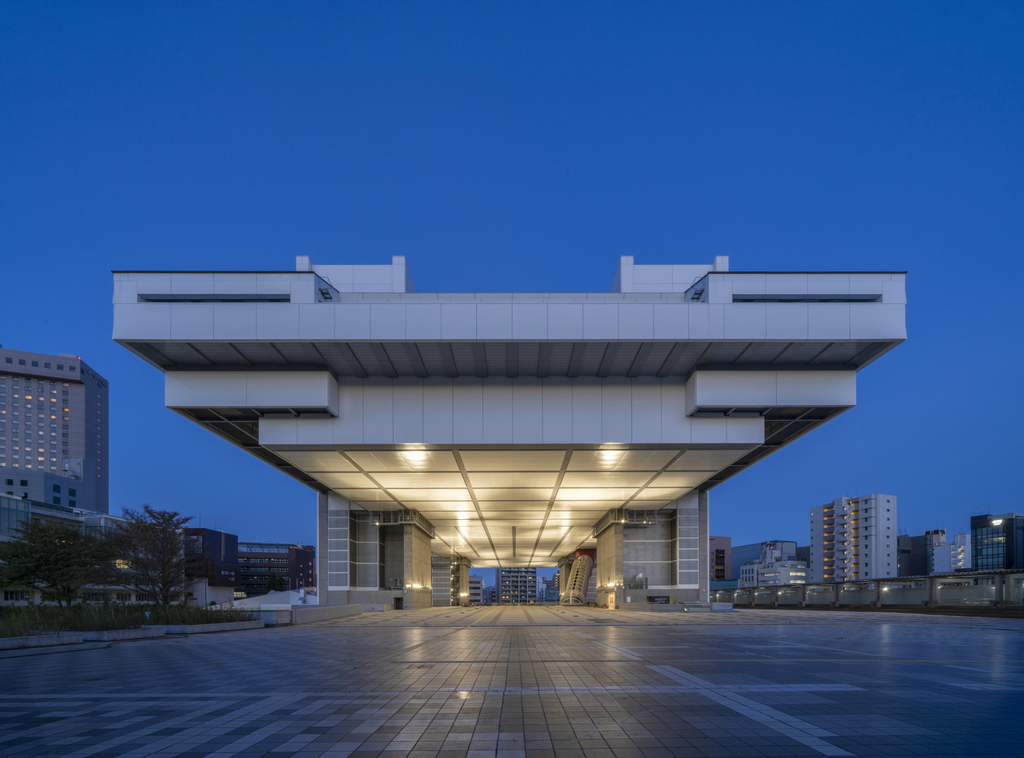
Museums can tell you about art, but they can also tell you about a place.
The Edo-Tokyo Museum does exactly that.
After a major renovation, the museum reopened on March 31, 2026, bringing back one of Tokyo’s most fascinating spaces for understanding how the city grew from Edo into the metropolis we know today.
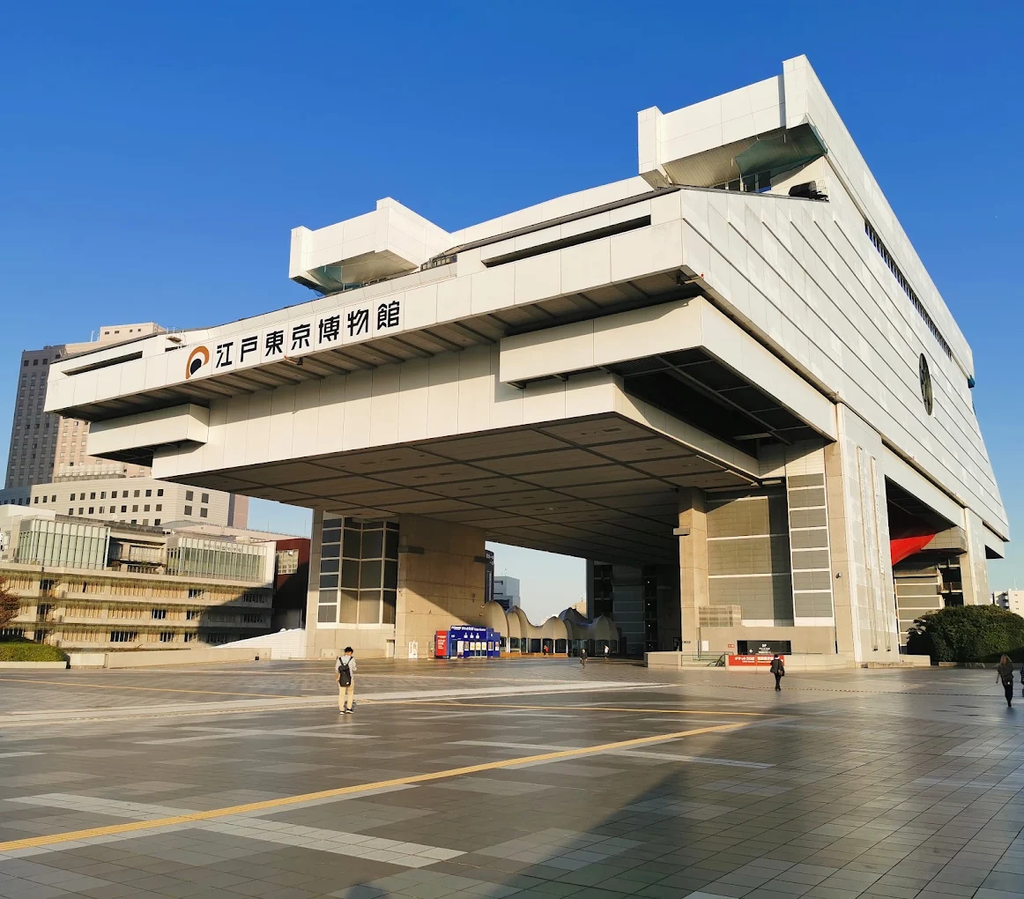
The permanent exhibition is spread across a huge space and explores both Edo and Tokyo through full-scale reconstructions, detailed models, historical objects and everyday things used by people in the past. Rather than simply presenting history as a sequence of dates, the museum gives you a sense of what life actually looked and felt like.
And that is where it becomes particularly interesting.
What did the streets look like? How did people live? What kinds of buildings surrounded them? What did they make, use and carry with them?
For anyone interested in architecture, design, cities or visual culture, there is plenty to look at. But even if history isn’t normally the first thing you seek out on a trip, the museum has a way of making the past feel surprisingly close.
It also gives you a different perspective on Tokyo itself.
After spending time here, the enormous modern city outside feels slightly different. You begin to notice that underneath all those towers, stations and streets is a much older city with its own layers of stories.
Nezu Museum
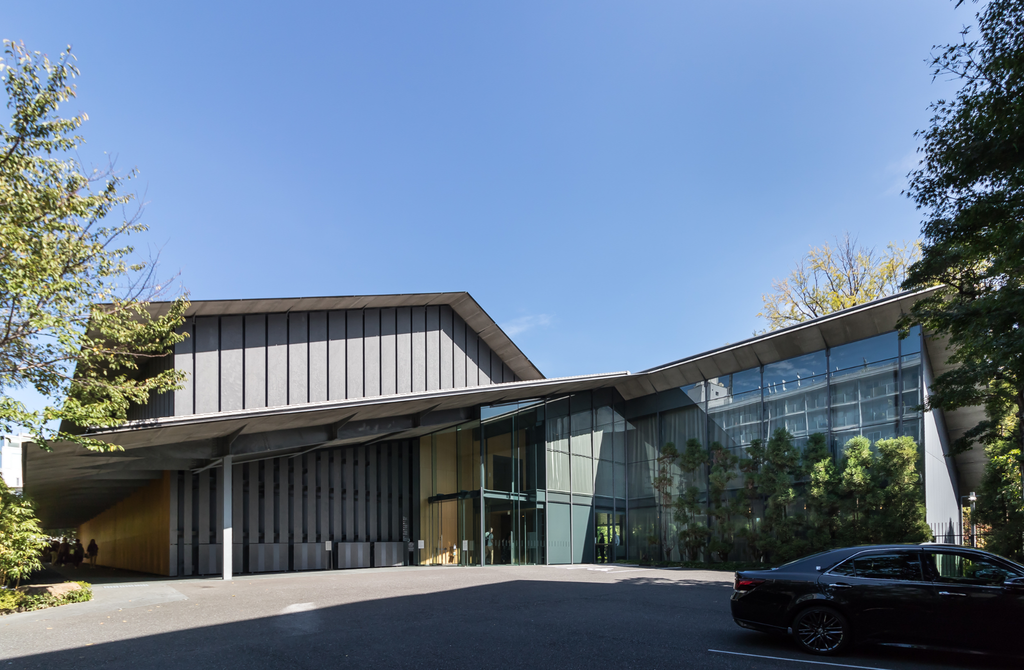
There are some museums where the journey between the artwork and the world outside is almost as important as the collection itself.
The Nezu Museum is one of those places.
Located in Aoyama, the museum houses more than 7,600 works of pre-modern Japanese and East Asian art, including paintings, calligraphy, ceramics, lacquerware, textiles, metalwork and sculpture. Its collection also includes National Treasures, and exhibitions change throughout the year.
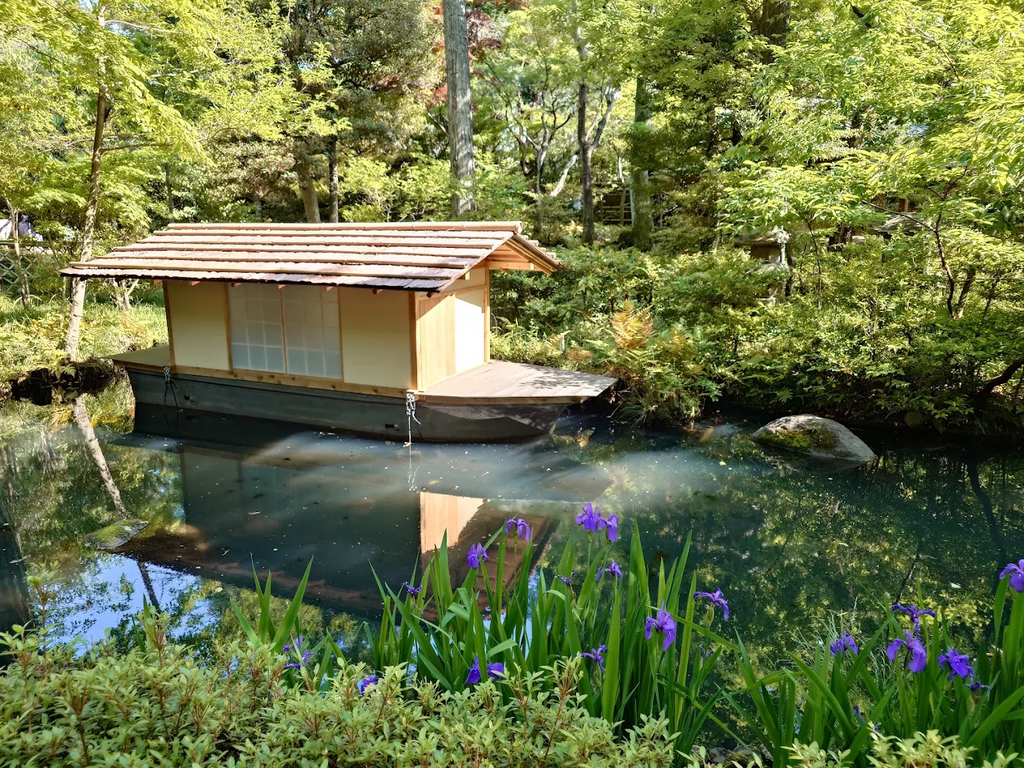
But the reason to visit Nezu goes beyond what is hanging on the walls.
The museum was redesigned by architect Kengo Kuma, and behind the galleries is a beautiful garden that feels wonderfully removed from the city around it. Paths wind through greenery, ponds and traditional landscape elements, with teahouses tucked into the garden.
It is an experience of contrasts.
Aoyama outside is fashionable, busy and constantly moving. Inside, everything feels quieter. The architecture gives the artworks space, and the garden gives you space to think about what you have just seen.
For artists, there is something particularly lovely about this relationship between art, architecture and nature. The museum does not feel as though the garden was added as an afterthought. The two experiences speak to each other.
If your idea of a good museum visit includes a little wandering, a little quiet and plenty of beauty, leave room for Nezu.
Mori Art Museum
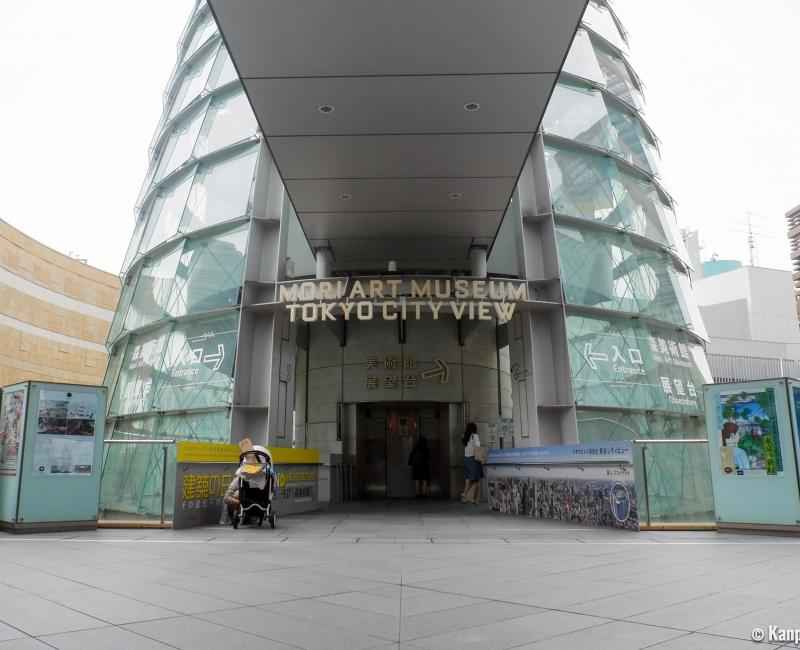
Tokyo’s contemporary art scene deserves a place of its own, and the Mori Art Museum is one of the city’s major destinations for it.
Located on the 53rd floor of Roppongi Hills Mori Tower, the museum has a distinctly contemporary outlook, presenting visual art, architecture, design and other creative practices from Japan, Asia and around the world.
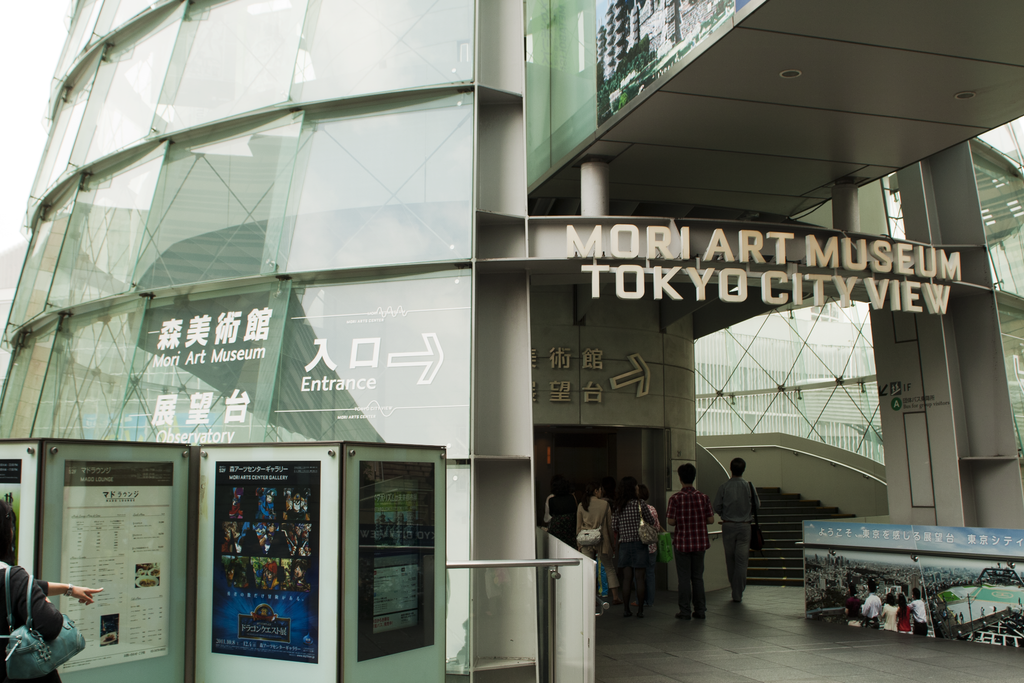
This is the museum to visit when you want to see what artists are thinking about now.
Rather than being tied to one particular medium, its exhibitions can move between painting, sculpture, installation, video, architecture and other forms of creative practice. The museum also runs smaller programmes alongside its major exhibitions, including collection displays, screenings, research projects and experimental artist projects.
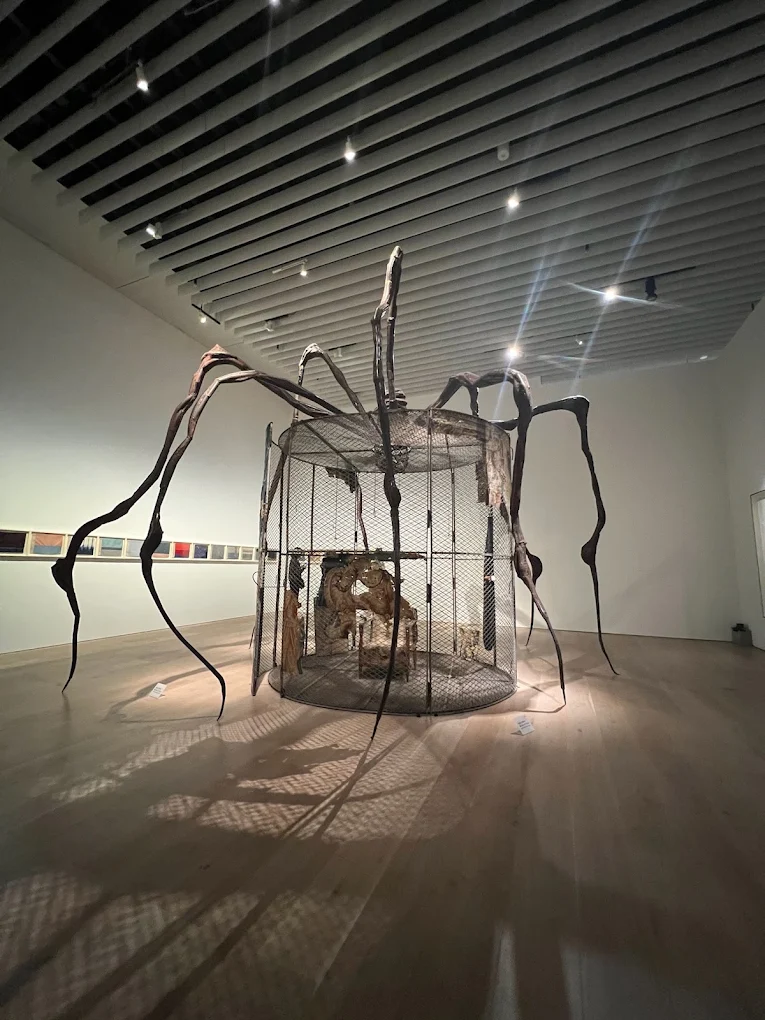
For artists and anyone interested in contemporary practice, that variety can be energising.
You are not necessarily being asked to admire something because it is old or historically important. Instead, you are being invited to think, question and sometimes simply wonder what on earth you are looking at.
And then there is the city outside the gallery.
Being high above Roppongi gives the visit another dimension. After spending time immersed in contemporary art, you can look out at the Tokyo skyline and see the city itself as a kind of enormous, constantly changing composition.
Art inside. Tokyo outside.
It is hard to imagine a more fitting combination.
The National Museum of Modern Art, Tokyo
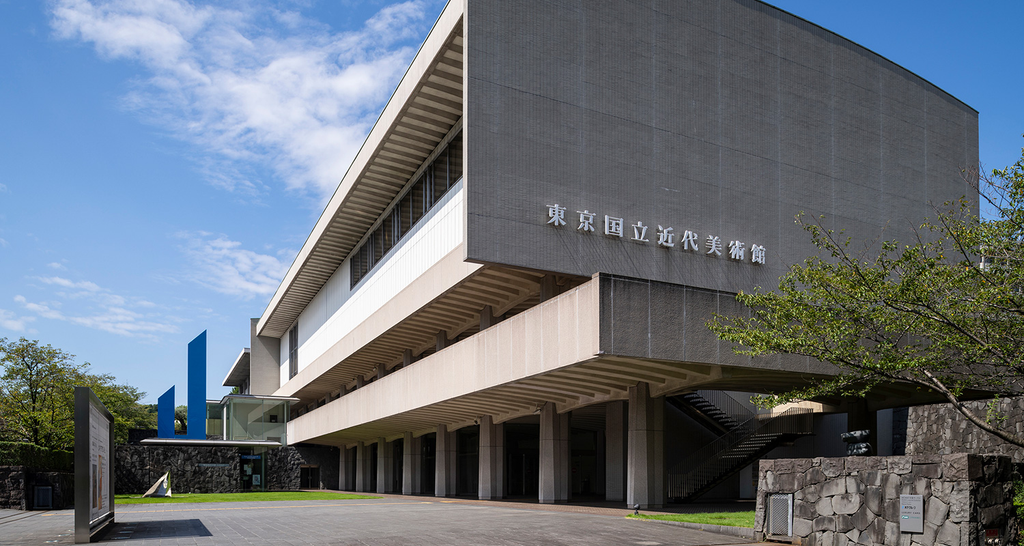
If the Mori Art Museum asks what contemporary art looks like today, The National Museum of Modern Art, Tokyo, better known as MOMAT, gives you a chance to trace how modern Japanese art arrived here.
Located near the Imperial Palace, MOMAT was Japan’s first national art museum. Its collection contains more than 13,000 works, with around 200 selected for display at a time, allowing visitors to follow the development of Japanese modern and contemporary art from the late nineteenth century onwards.
What makes that journey so interesting is the conversation between tradition and change.
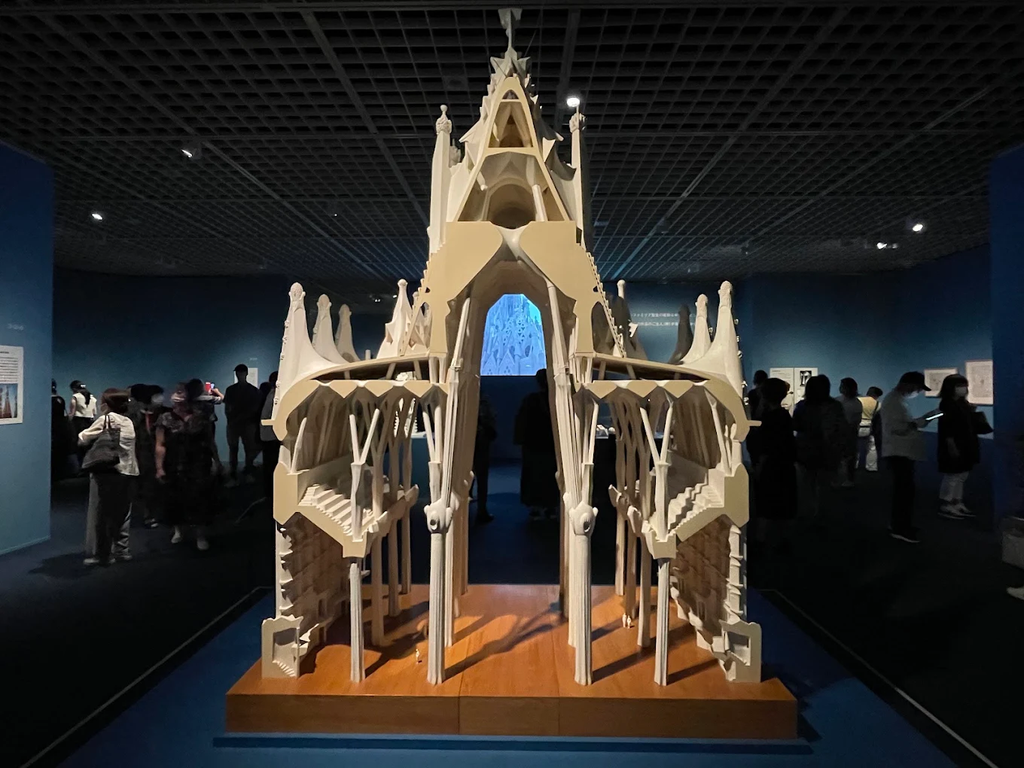
Japanese artists encountered new ideas, movements and influences from outside the country while continuing to work within their own artistic histories. The result is not a simple story of Japan moving from “traditional” to “modern.” It is much more layered than that.
For artists, this is where the museum becomes particularly rewarding.
Spend time looking at how artists respond to changing ideas about the world around them. Look at what stays, what changes and what gets reinvented. You may find yourself thinking less about a particular period and more about the creative process itself, how artists absorb influences without losing their own sense of place.
MOMAT also has a lovely final pause: its top-floor lounge offers views towards the Imperial Palace and the Tokyo Station area.
After a few hours with modern Japanese art, it is a fitting place to look back out at the city.
Read More : The Story Behind Girl with a Pearl Earring
And this is only the beginning
Five museums can only ever be a starting point in Tokyo.
There are simply too many wonderful places to fit into one list, and the right museum for you might not be the right museum for someone else. If you are fascinated by ukiyo-e, the Sumida Hokusai Museum is worth adding to your itinerary. If photography is your thing, look toward the Tokyo Photographic Art Museum. The National Art Center, Tokyo is another major stop for changing exhibitions, while the National Museum of Western Art brings together an important collection of Western art inside its remarkable Le Corbusier-designed building.
And then there are Tokyo’s more unexpected museum experiences, from immersive digital art and miniature worlds to advertising, architecture, science and wonderfully niche collections.
That is perhaps what makes exploring museums in Tokyo so much fun.
There is no single route through the city’s cultural life. You can spend one day surrounded by centuries-old Japanese art and another thinking about contemporary artists and the future. You can follow the history of Tokyo itself, disappear into a quiet garden, or stumble upon something so wonderfully specific that you wonder how you ever knew the museum existed.
So don’t try to see everything.
Pick a few that genuinely speak to you. Give yourself time to wander. And leave a little room for the unexpected.
Because in a city as layered and curious as Tokyo, sometimes the museum you didn’t plan to visit becomes the one you remember.
Explore the current open calls and submit your work: apply.artstoheartsproject.com