

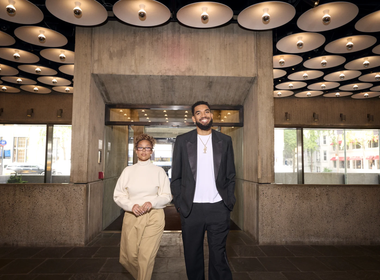


Watch & Listen to this podcast Episode.
If you have been a creative for any length of time, you already know the feeling.
You are working on something. You believe in it. You are trying. And yet from the outside, almost nothing seems to be moving. The posts are not landing. The opportunities are not arriving. The audience is not growing the way it does for everyone else online, and somewhere along the way you have started to quietly wonder whether the problem might actually be you.
Whether you waited too long. Whether you started in the wrong place. Whether you do not come from the right city, the right circle, the right kind of family. Whether the creative life you want was secretly always built for someone else.
Almost every creative carries some version of this feeling. Many of us carry it for years. Most of us never say it out loud.
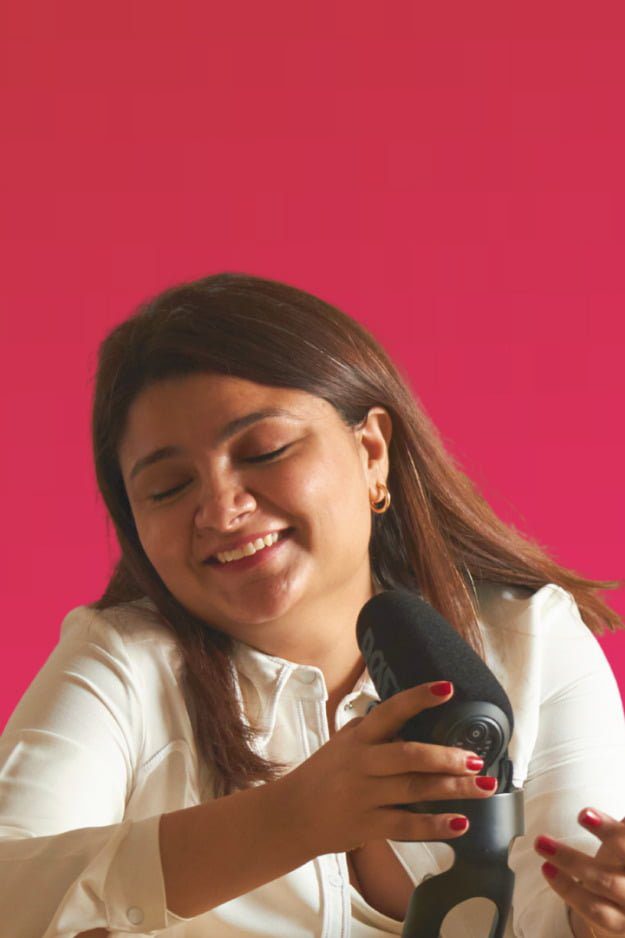
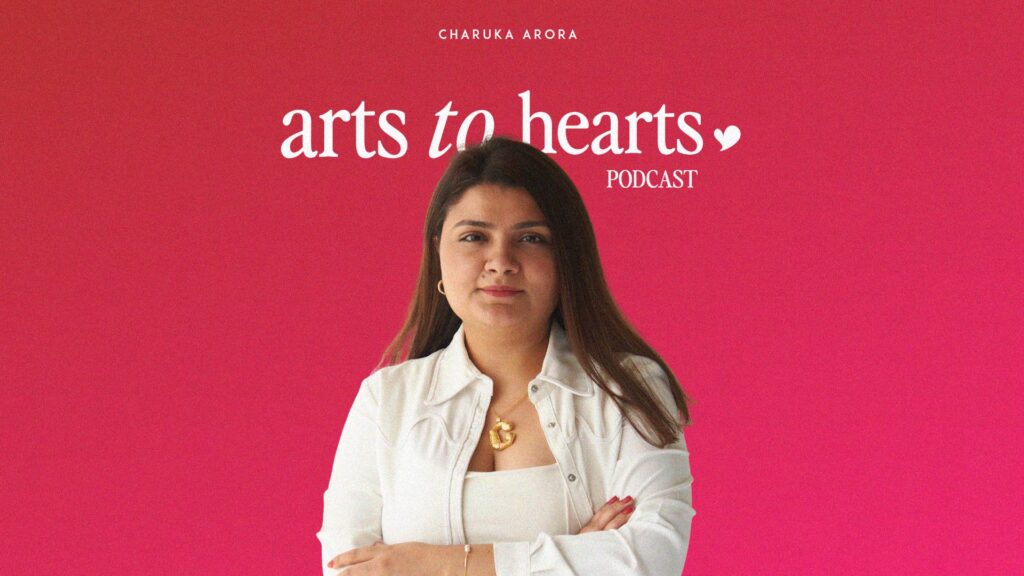
In this episode of Season 6 of the Arts to Hearts Podcast, Charuka Arora finally does.

She talks about how she believed for most of her creative life that success belonged to a certain kind of person, people from the right country, the right family, the right opportunities. She did not see herself in that picture. For a long time, she did not think she ever would.
A decade of building Arts to Hearts changed her mind. Watching artists, founders, and creatives build careers from nothing changed her mind even more.
This episode is, in a quiet way, her saying out loud what most of us have needed to hear for a long time. That the people who eventually build something real are almost never the people who were supposed to. They are simply the ones who continued long enough for the continuing to start working.
Nobody Sees the Years Before Something Starts Working
Most creative careers have a long stretch in the middle that nobody photographs.
The years where the work is good but the audience has not arrived. The years where you are applying, emailing, posting, showing up, and hearing almost nothing back. The years where you are not sure whether what you are building is going to become something real, or whether you have quietly been pouring yourself into a void.
If you are inside that stretch right now, it is almost impossible to feel anything other than behind.

Especially online. The internet, by design, only shows the moment something started working. Almost nobody documents the years before. Which means most creatives spend their middle years comparing themselves to other people’s finished chapters and quietly losing faith in their own.
The episode names this stretch plainly. It calls it what it actually is — the invisible phase. The part of building a creative career where nothing externally confirms the effort is working. The part where most people quit.
And the part, almost always, where the real foundation is being poured.
Before Arts to Hearts project became a community, It was just an idea
Today, Arts to Hearts project looks like the finished version. The podcast. The books. The magazines. The artists. The international community.
But if you go back to where it actually started, you find something a lot smaller. A blog. An Instagram page. One person trying to create the kind of community she could not find anywhere else.
There is a temptation, when you look at any creative platform from the outside, to assume it must have always been the way it is now. It almost never has.
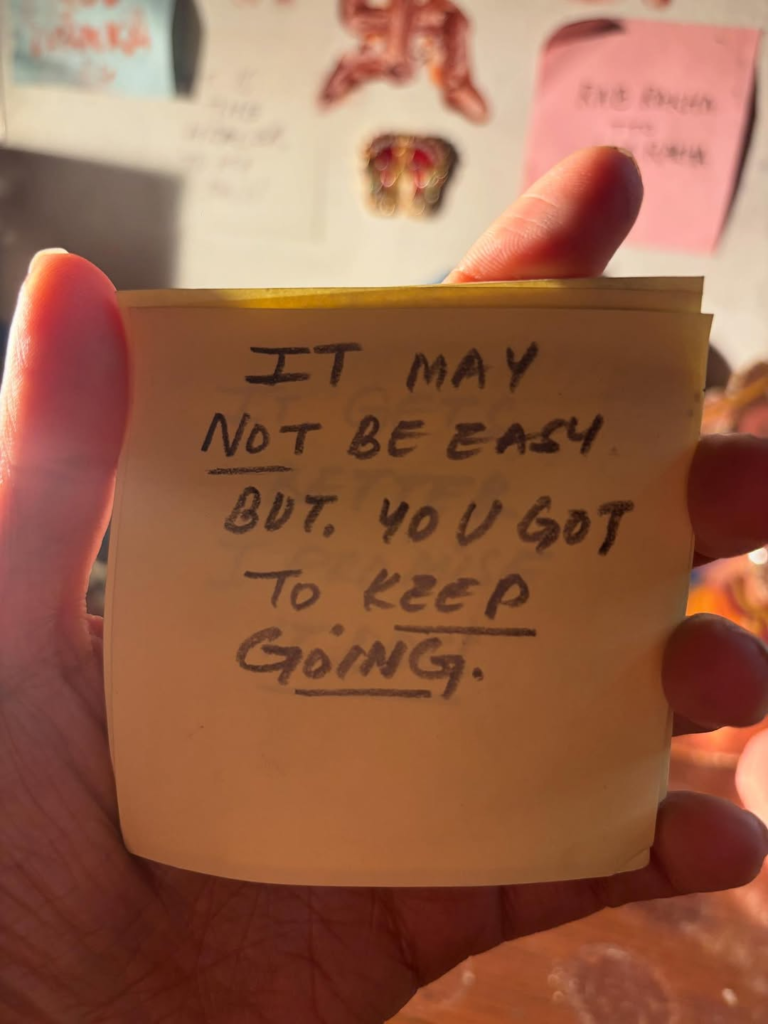
Most of what we admire was built quietly for years before anyone noticed. There were probably long stretches when even the person building it was not sure whether anyone was paying attention.
That stretch is not the exception. It is the actual job.
And the people who eventually build something real are almost always the people who stayed inside that stretch the longest, doing the same unglamorous things over and over again, without proof that any of it was going to work.
The Painting She Sold in Three Days
There is one small story in the episode that somehow holds the whole argument inside it.
Early in her career as an artist, Charuka created a series called Gulab. She put everything into it. Built a website. Photographed every piece. And then she did the thing most artists never bring themselves to do.
She emailed strangers. Lots of them. With the work attached. Asking them to look. Some replied. Most didn’t. She did not care.
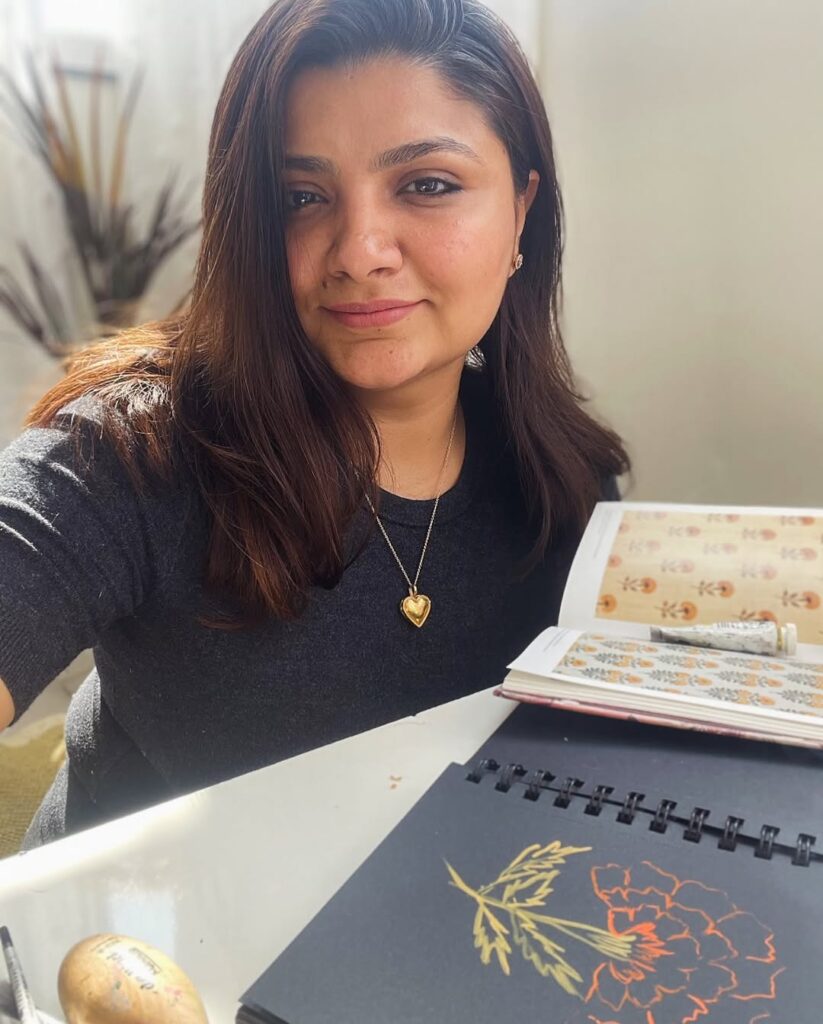
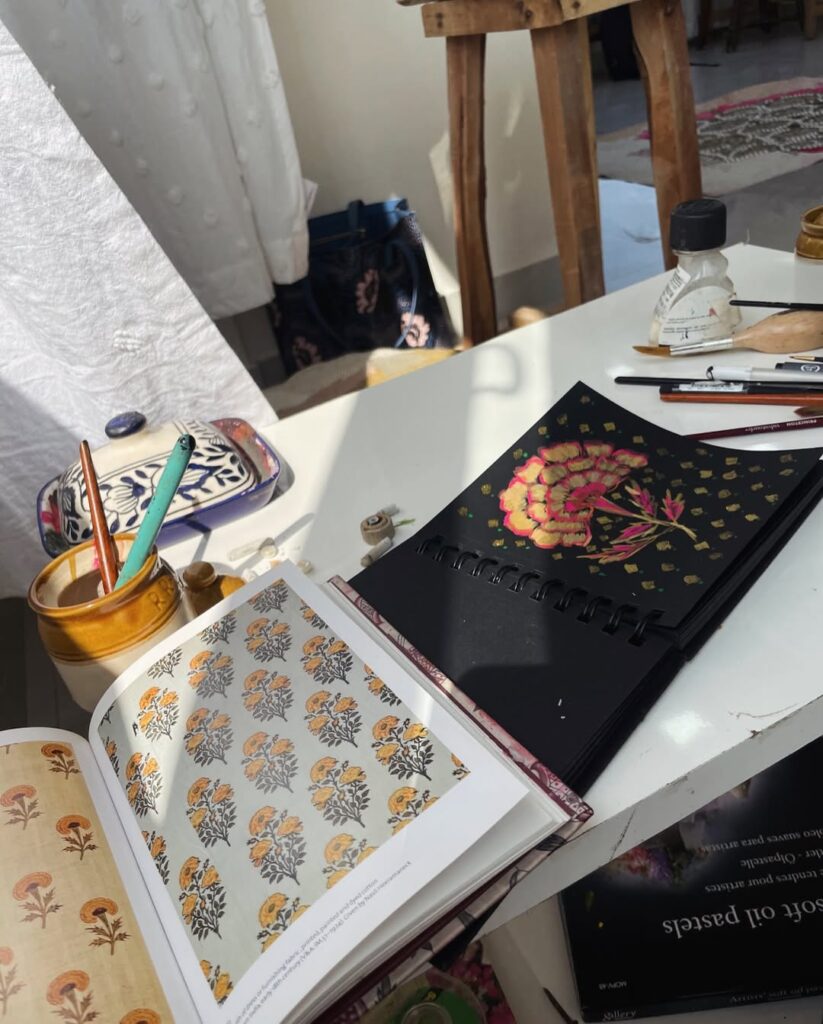
She kept sharing the same series, in the same direction, to anyone willing to look. And the entire collection sold out in three days.
It sounds almost too simple to be the lesson. But that is the whole point. The people who eventually break through in the creative world are not running secret playbooks. They are just doing the obvious, slightly uncomfortable things, over and over again, long after most people have politely given up.
It is not the strategy that is rare. It is the willingness to keep going.
The Hardest Part Is Continuing When Life Gets Heavy
What gives this episode its emotional weight is the honesty about what continuing actually looks like.
Charuka speaks openly about losing her mother during the pandemic. About continuing to show up — for recordings, for meetings, for Instagram Lives, for the responsibilities connected to a project that, at the time, was not yet a real business. About doing all of it while she was breaking underneath.
Not because she suddenly felt ready. Not because anything became easier. But because somewhere along the way she had quietly committed to building something meaningful, and she could not bring herself to stop, even in the year stopping would have made the most sense. That version of consistency is the one nobody talks about.
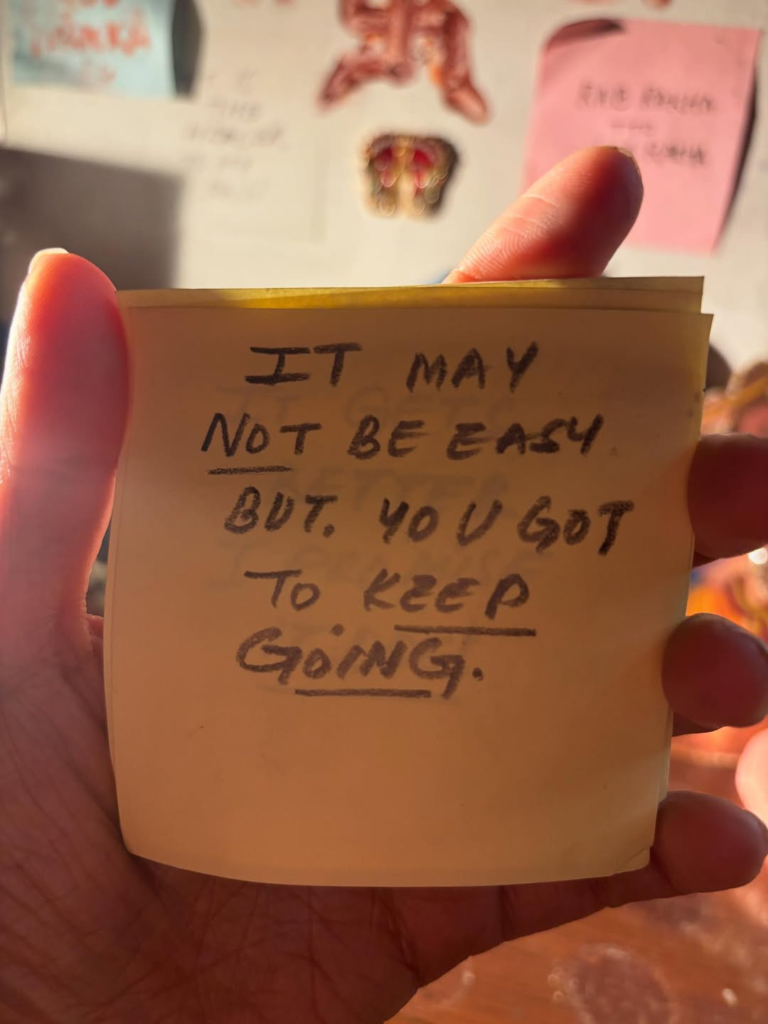
Online, consistency usually gets framed as discipline, productivity, routine, willpower. But real consistency, the kind that actually compounds into a creative life, almost never looks like that. It looks like continuing while overwhelmed. Continuing while grieving. Continuing while uncertain. Continuing while doubting whether any of it is leading anywhere.
If you have ever shown up for your work during a month when stopping would have been completely understandable, you already know what this looks like. You are already further inside this version of consistency than most people online ever talk about.
Maybe Success Has Less to Do With “Belonging” Than We Think
A lot of creatives spend years quietly believing they are not the kind of person things happen for. That they are too late. Too far from the centre. Too disconnected. Too inexperienced. From the wrong city, the wrong background, the wrong starting point.
Charuka spent years believing this herself. What changed her mind was not a single moment. It was a decade of watching what actually happens to people who eventually build something real. The pattern was not what she expected. The people who broke through were not always the loudest. Not always the most connected. Not always the most talented.
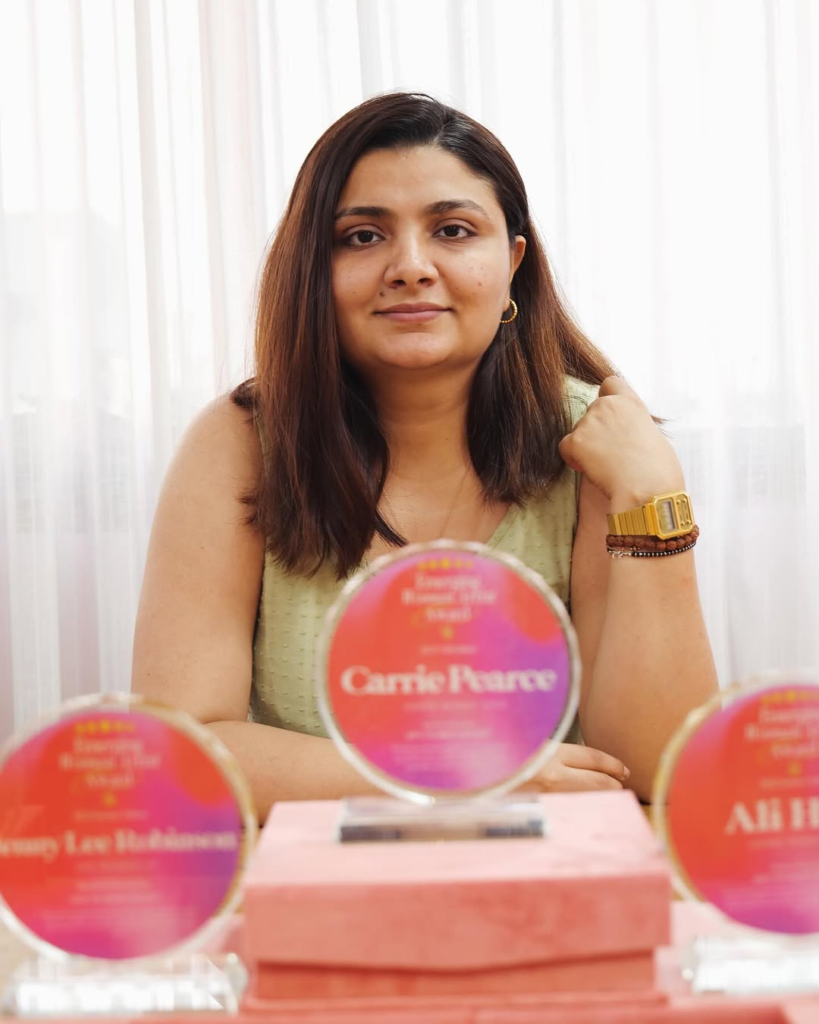
They were the people willing to keep going in one direction for far longer than everyone around them. That is, in the end, the only consistent thing she has observed. Not the cities they came from. Not the schools they went to. Not the rooms they walked into.
Just the stubbornness to continue, well past the point where most people quietly stop.
What Compounds When Nobody Is Watching
There is a word that runs underneath this entire episode, and it is worth pulling out and looking at directly.
Compounding. The work compounds. The relationships compound. The skill compounds. The instinct compounds. The audience compounds. But almost none of it compounds visibly. It happens in the years that look uneventful from the outside, and only later sometimes much later does it reveal itself as the foundation everything else has quietly been resting on.
Most creatives quit somewhere in the middle of the compounding, before it has a chance to show up.
If you are inside that middle right now, this is probably the most important thing this episode is trying to tell you. The slowness you are experiencing is not a sign that the work is not working. It is, almost always, the sign that it is. The foundation is being poured underneath you in years you will only understand much later.
You will not be able to see it yet. That is normal. What matters is whether you stay inside the slowness long enough for the slowness to do its job.
What Charuka Actually Wants You To Know
Have you ever quietly wondered whether the creative life you want was built for someone else?
If you have, you are not alone. Almost every creative carries some version of that feeling. The feeling of working hard and watching nothing move. The feeling of posting something and watching it sit there. The feeling of pouring yourself into a project nobody seems to notice. The feeling of looking at someone else’s career and quietly wondering what they have that you don’t. Most of us are living inside some version of that feeling right now.
What this episode does, gently and without trying too hard, is name that feeling for what it actually is.
It is not a verdict. It is not a sign that the work isn’t working. It is not proof that you are behind, or late, or somehow not the kind of person things happen for. It is simply what the middle of building something real feels like from the inside.
The careers we look up to from a distance always look obvious from where we are standing now. From where they were standing, in the middle of their slow years, those careers did not look like anything. They looked like exactly what most of us are living through right now.
The people who eventually got somewhere were not braver. They were not more talented. They were not more connected. They were just willing to stay in the slow years long enough for the slow years to do their work.
That is, in the end, what Charuka is really saying in this episode.
You are not behind. You are not too late. You are not the wrong kind of person for the creative life you want. You are just somewhere in the middle of the part nobody talks abou, the part where the foundation is being quietly poured underneath you, even when you cannot see it yet.
Watch this full episode now and hear how Charuka came to believe creative success has nothing to do with where you start.
Watch & Listen to this podcast Episode.
Listen to this & other episodes on