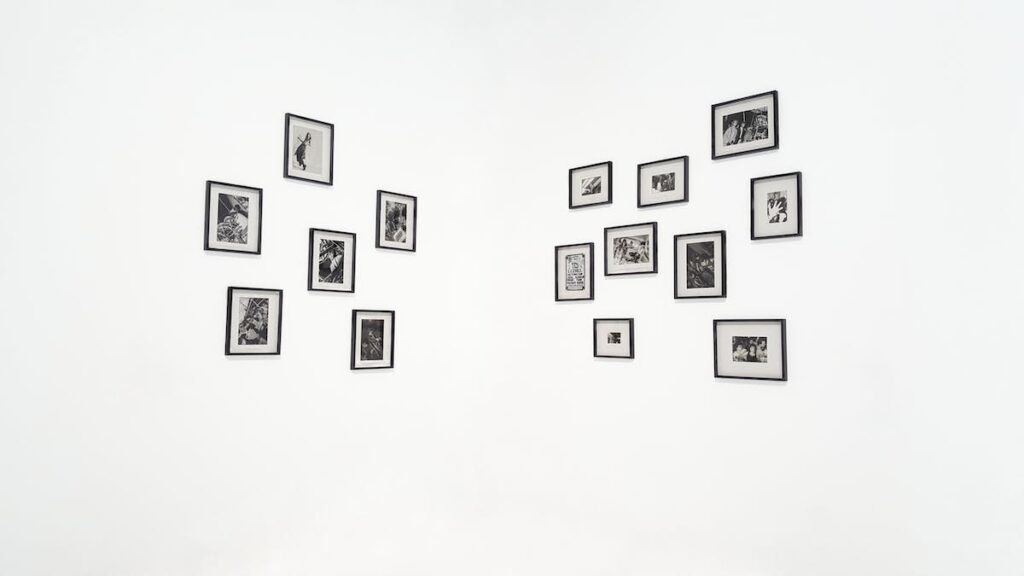




The Art of Collecting — Part 05: How to Read an Artwork Listing

Buying an artwork can feel exciting, but it can also come with a strange little moment of uncertainty. You find a painting you love. You keep looking at it. You can already imagine it on your wall. Then you open the listing and suddenly you are faced with dimensions, medium, edition numbers, framing details, provenance, shipping information, and a price that may or may not include everything you were expecting.
What exactly are you supposed to look at? An artwork listing is more than a place to see the title and price of a piece. It gives you important information about what you are actually buying, how the work was made, its physical size, whether it is unique or part of an edition, and sometimes even where it has been before.
Learning how to read these details can make collecting feel much less intimidating. You do not need to know everything about art before buying a piece. You simply need to know which questions to ask.
Start With The Artwork Itself
Before getting into the technical details, spend some time actually looking at the work. What caught your attention in the first place? Maybe it was the colour. Maybe the subject reminded you of somewhere you have been. Maybe there was something about the composition that you could not stop looking at.
This matters because collecting is not simply about understanding information. It is also about developing your own eye and figuring out what stays with you. Look at the available images carefully. If there are multiple photographs, see whether you can find a full view, a close-up, and an image showing the work in its surroundings. Detail photographs can be especially useful for paintings, mixed-media works and textured surfaces because they can show things that a single image cannot.
And if you love the piece, do not be afraid to look at it more than once. Sometimes the first reaction is excitement. The second or third look tells you whether you genuinely connect with the work.
Pay Attention To The Title, Artist And Date
The basic information at the top of a listing can tell you more than you might expect. The artist’s name is obviously important, but so are the title and date of the artwork. A title can give you another way into the work. Sometimes it tells you directly what inspired it. Other times it creates an entirely different mood or invites you to interpret the piece for yourself.
The date can also help place the artwork within an artist’s practice. Was it made early in their career? Is it part of a recent body of work? Does it belong to a particular series? You do not need to know the entire history of the artist to understand this. If something about the work interests you, looking at a few other pieces from around the same period can help you see whether there are recurring colours, subjects, materials or ideas.
Understand The Medium
“Oil on canvas,” “acrylic on paper,” “ceramic,” “archival pigment print,” “mixed media”, these descriptions are not just art-world vocabulary.
The medium tells you what the artwork is physically made from, and that can affect its appearance, texture, longevity, framing and care. For example, an oil painting and a photographic print may look very different in person even if their online images appear similar.
Mixed media deserves particular attention because it can mean many different things. It could involve paint combined with collage, fabric, found objects, paper or other materials. If the listing simply says “mixed media” and you are curious about what that means in this particular work, look for a more detailed description or ask the gallery or artist. There is no silly question here. If you are considering spending money on an artwork, you should know what you are buying.
Do Not Skip The Dimensions
This is one of the easiest details to overlook when you are falling in love with an artwork online.
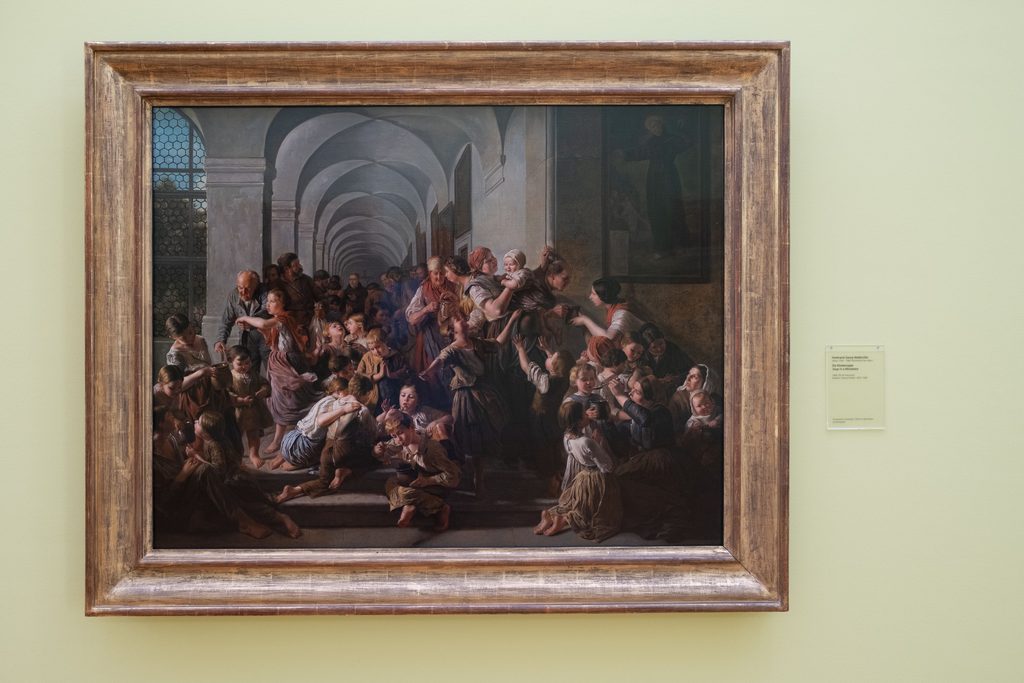
An artwork can look large on your screen and turn out to be surprisingly small in person. Or a piece that seems manageable online can take up considerably more space than you expected. Always check the dimensions. Look at the height, width and, where relevant, depth. If the listing gives both artwork dimensions and framed dimensions, pay attention to both.
And then do something very simple: measure your wall. You can even mark the approximate dimensions with painter’s tape before buying. It gives you a much better sense of how the work will actually sit within your space. Scale can completely change the experience of an artwork. A small work can feel intimate and personal. A large work can transform an entire room.
Look For Framing Information
An artwork listing may say “framed,” “unframed,” or provide framing details separately. Do not assume that a frame shown in the photograph is automatically included. If the artwork is framed, check whether the listed dimensions refer to the artwork itself or the framed piece. This can make a meaningful difference when you are planning where to display it.
For works on paper especially, framing can also be important for protection. If a work is unframed, consider whether you will need to arrange framing after purchase and include that cost in your overall budget. The price of the artwork is not always the complete cost of bringing it home.
Know Whether It Is An Original Or An Edition
This is one of the most important things to understand before purchasing. An original artwork is generally a unique work. A painting, drawing or sculpture may be one individual piece created by the artist. An editioned work, on the other hand, is produced as part of a limited number of works.
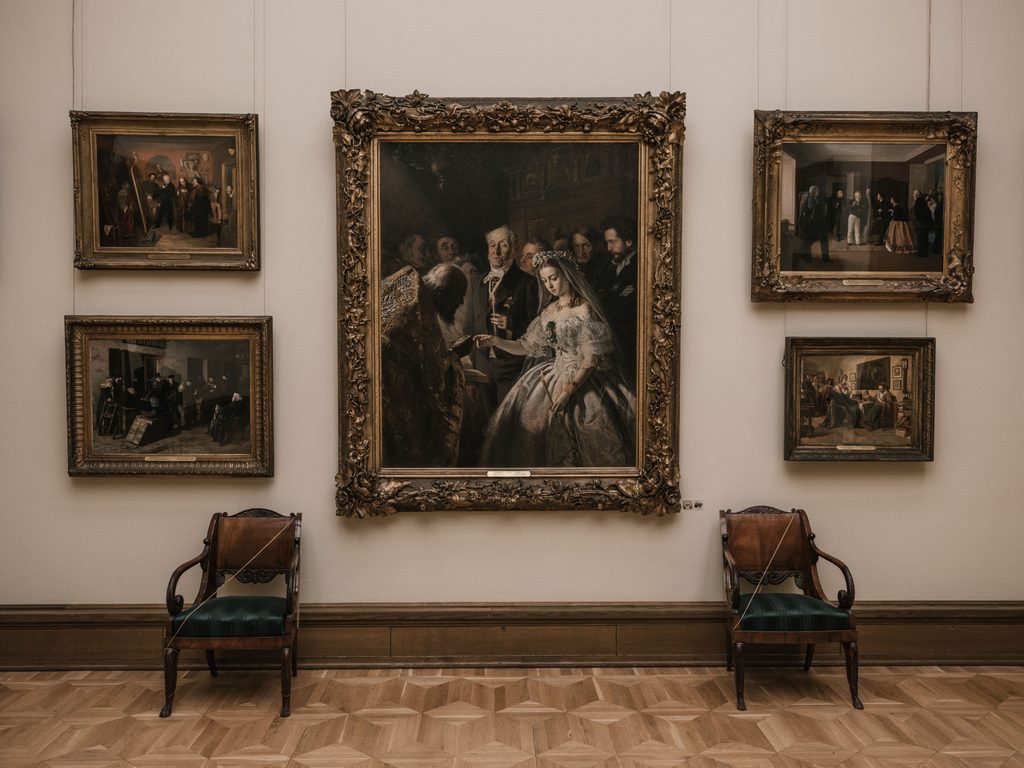
You might see something like “Edition of 20” or “5/20.” The first number identifies the particular work and the second tells you the total edition size. For example, 5/20 means you are looking at the fifth work in an edition of twenty. Editions are common with photography, printmaking and certain other forms of art. They are not simply “copies” in the casual sense. The production process, materials and way the edition is made all matter. If you see an edition number, check whether the listing also tells you how many exist in total.
Read The Artwork Description
This is where the listing often becomes much more interesting. A good artwork description can tell you what inspired the piece, what the artist was exploring, where the work sits within a larger series, or what viewers might notice about it. But do not feel that you have to agree with or fully understand the artist’s explanation before you can appreciate the work.
Sometimes you connect with an artwork before you know why. Read the description as another layer of information rather than an instruction manual for how you are supposed to feel. You might discover something that makes you look at the work differently. Or you might simply return to the image and realise that you noticed something entirely different yourself. Both are part of collecting.
Check The Signature
For many collectors, the artist’s signature is a small but meaningful detail. Depending on the medium, it might appear on the front, back, base or another part of the work. The listing may also mention where the artwork is signed.
If you are buying an edition, you may see additional information such as the edition number or artist’s signature. For prints, details about the printmaker or publisher may also be included. You do not need to become an expert in authentication just to buy art, but if you are purchasing a particularly valuable work, it is worth asking what documentation accompanies it.
Look At The Certificate Of Authenticity
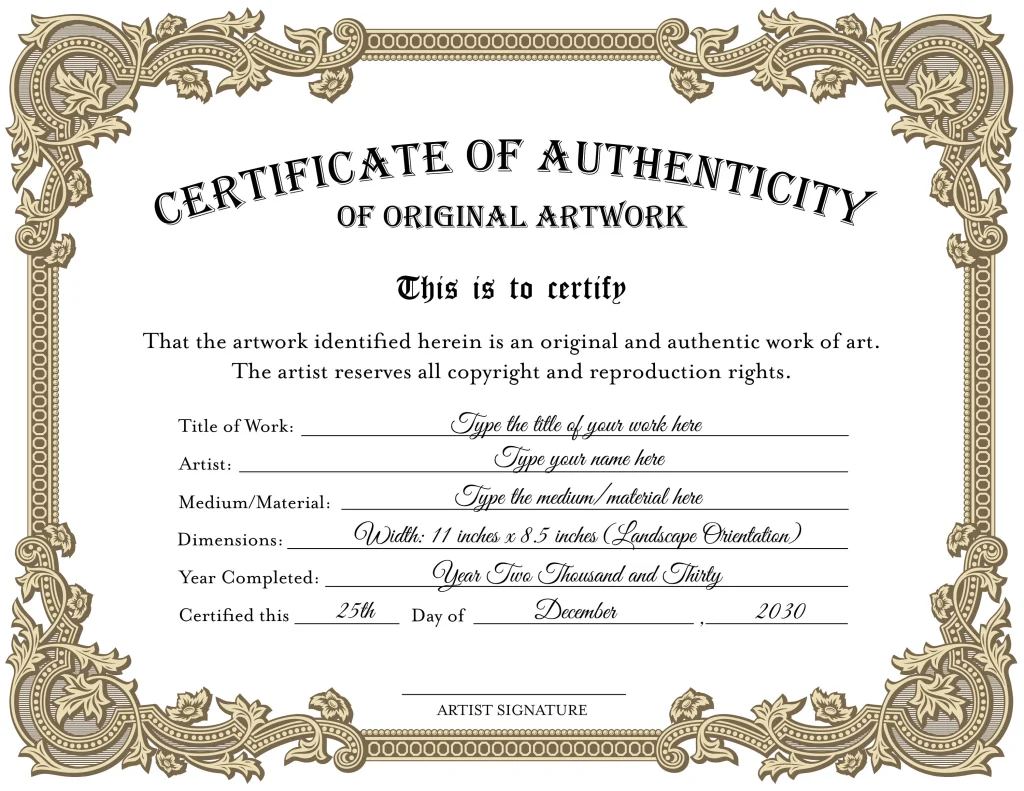
A Certificate of Authenticity, often called a COA, can provide documentation that identifies an artwork and confirms its authenticity. Depending on the artist, gallery or platform, it may include details such as the artist’s name, title, date, medium, dimensions and edition information. Not every artwork will come with a COA, and the importance of documentation can vary depending on the type and value of the work.
Still, if you are making a significant purchase, it is reasonable to ask what paperwork will come with the artwork and whether you should keep it for your records. Think of it as part of the artwork’s documentation, not an afterthought.
Look Beyond The Price
The price is obviously important, but it should not be the only number you look at. Check what the listed price actually includes. Is the artwork framed? Is shipping included? Will there be taxes or customs charges? Are there additional handling or insurance costs?
This becomes particularly important when buying internationally. A work that looks affordable at first can have additional costs attached to getting it safely from one country to another. If anything is unclear, ask before purchasing rather than making assumptions.
Pay Attention To Shipping And Packaging
Artwork is not something you want arriving at your doorstep like an ordinary parcel. Look for information about how the work will be packaged and shipped. For paintings and other fragile pieces, professional packaging can make a significant difference.
If the artwork is large, three-dimensional, glazed, framed or particularly delicate, check whether special shipping arrangements are required. International buyers should also pay attention to customs information. The seller may be able to tell you how the work will be declared for shipping and which costs, if any, will be your responsibility. The more you know before pressing “buy,” the fewer surprises there are later.
Look For Provenance And Exhibition History
You may come across the word provenance in listings for certain artworks. In simple terms, provenance refers to the documented history of ownership of an artwork. A listing might also mention previous exhibitions, publications, awards or collections in which the work has appeared.

These details can provide useful context about the artwork’s history. Not every artwork will have an extensive provenance record, especially newer works being sold directly from an artist’s studio. That does not make the work less meaningful. Instead, think of provenance as one part of an artwork’s story when documentation exists.
Ask About Condition
If an artwork is new and being sold directly from the artist, condition may seem like an obvious detail. For older works, previously exhibited pieces, sculptures, works on paper, or artworks that have been stored for some time, it becomes more important. Look for terms such as “excellent condition,” “minor wear,” or “condition report.”
If something is not clear, ask. You can also request additional photographs if you are considering a work seriously. A good seller should understand why a collector might want to see details that are difficult to judge from an online listing.
Read The Fine Print Before You Buy
Once you have fallen for an artwork, it is very tempting to jump straight to the purchase button. Take a minute. Check the return policy. Check shipping arrangements. Check whether the work is available immediately or made to order. Check estimated delivery times. If it is an edition, check the edition size.
And if you are buying from a gallery or platform, make sure you understand who you are purchasing from and who to contact if there is a problem. These details are not the exciting part of collecting. But they are the part that helps make the experience smoother.
When You Are Still Unsure, Ask
One of the biggest misconceptions about collecting art is that you are supposed to already know everything. You are not. If you do not understand something in a listing, ask the gallery. Ask the artist. Ask the platform selling the work. You can ask:
What exactly is included in the listed price?
Are the dimensions framed or unframed?
Is the work signed?
Does it come with a Certificate of Authenticity?
How will it be packaged and shipped?
Are there any additional taxes or customs charges?
Can I see additional detailed photographs?
These are normal questions. In fact, knowing what you want to ask is one of the most useful skills you can develop as a collector.
If you found this feature on Artwork Listing helpful, read more of our Art of Collecting Series Articles about Finding out What You Actually Like and Where Art is Really Sold.
Let The Listing Inform You, Not Decide For You
An artwork listing can tell you a great deal about a piece, but it cannot tell you whether you will love living with it. That part is personal. You might fall for a work by an artist you had never heard of. You might prefer a small drawing to a monumental painting. You might connect with a piece because of a colour that reminds you of your childhood, or because something about it simply feels right.
The practical details help you make an informed purchase. Your own response to the artwork is what makes the purchase meaningful. So the next time you find yourself scrolling through an artwork listing, slow down. Look at the work. Read the details. Check the dimensions. Understand the medium. Find out what is included. Ask questions where something is unclear.
And then give yourself a little time to look again. Because becoming a collector is not about learning how to buy art quickly. It is about learning how to look carefully, ask better questions, and build a collection that feels like your own.