
Chloe Wilder Uses Humour to Paint the Complicated Reality of Being a Woman
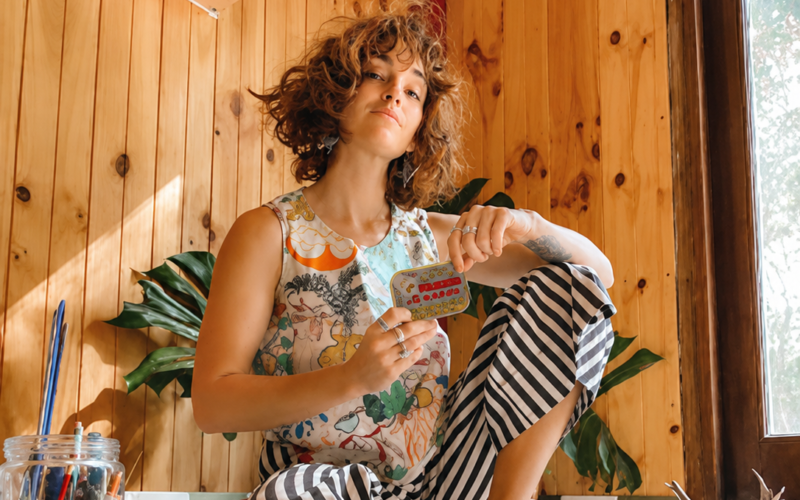
At Arts to Hearts, everything we do comes back to one belief, that artists deserve to be celebrated. Not just the ones with the longest exhibition records or the most prestigious gallery representation, but the ones doing something genuinely alive.
The ones whose work makes you stop and feel something you were not expecting to feel. Our editorial work, our features, our Best of the Art World series all of it exists for that reason. To find those artists and bring them to the people who need to discover them. And today we are so genuinely excited to introduce you to one who stopped us completely.
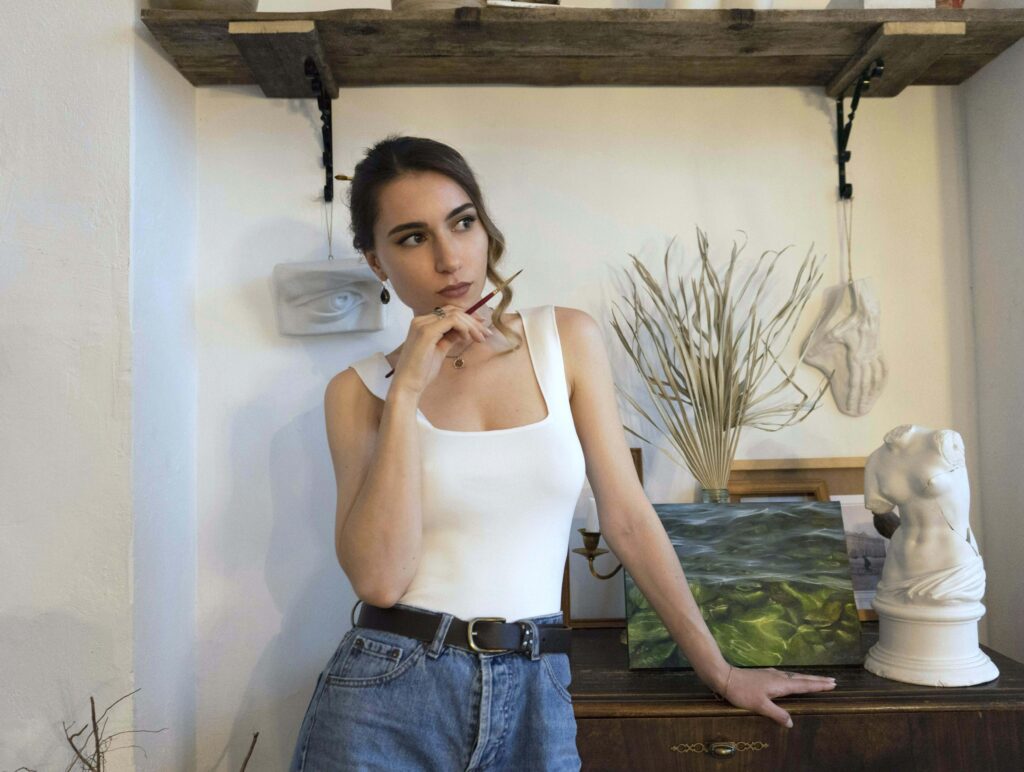
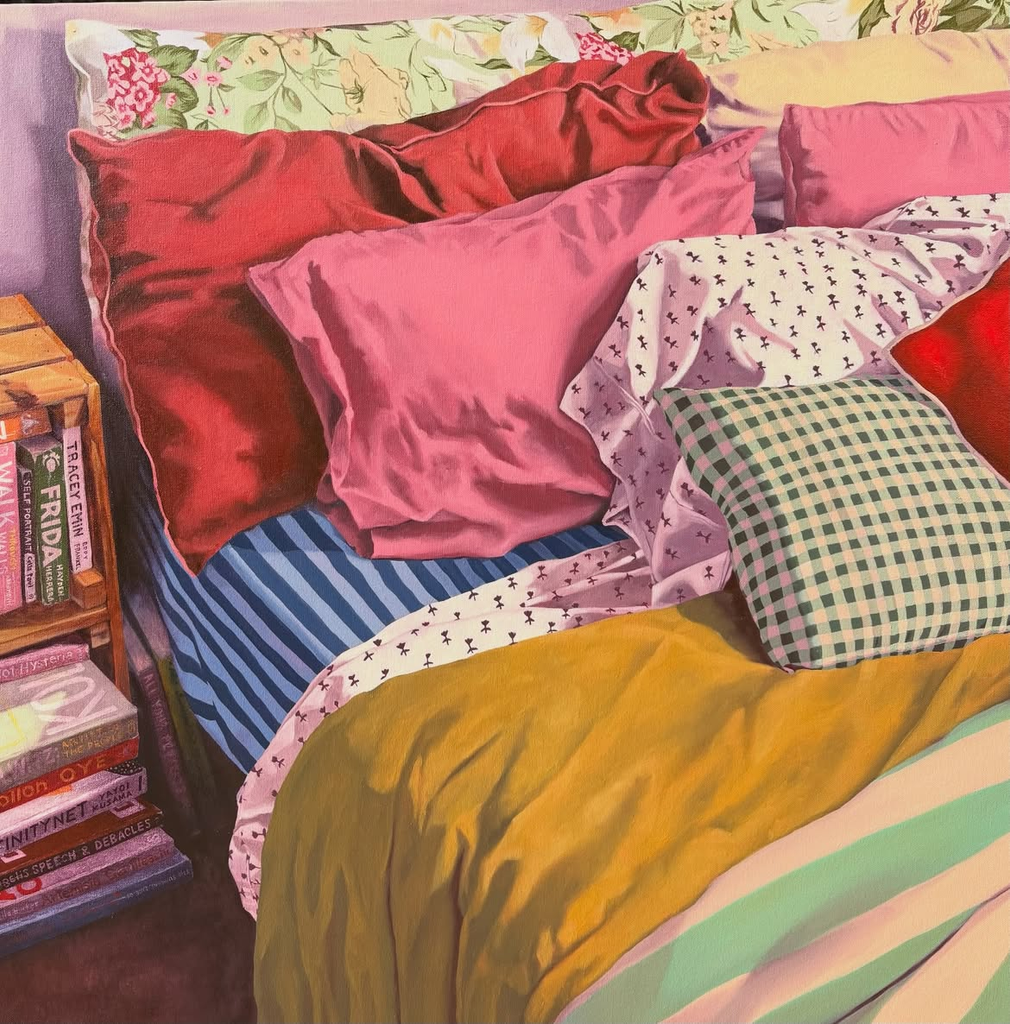
Chloe Wilder is an Australian painter, ceramicist, printmaker, and maker of many things, based in the Margaret River region of Western Australia and the moment you encounter her work, you understand immediately that you are dealing with someone entirely and joyfully her own. Her paintings are bright, detailed, humorous, warm, and full of a particular kind of female energy that feels less like a theme and more like a worldview.
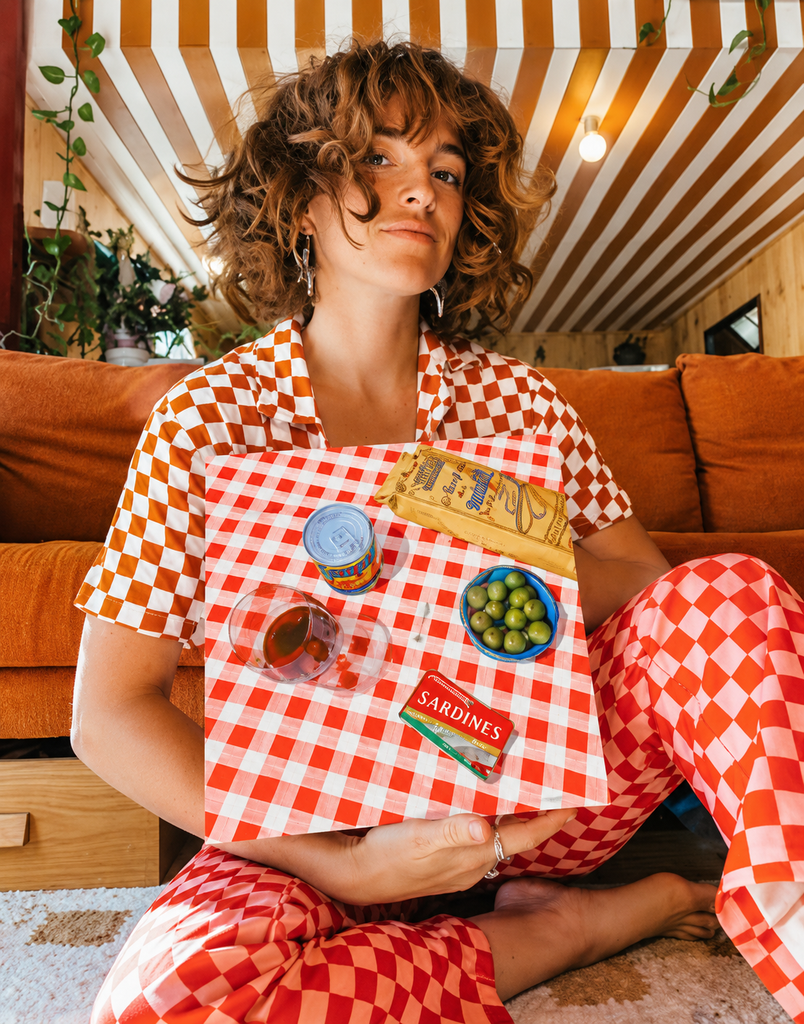
She paints women the way women actually are multifaceted, powerful, funny, complicated, beautiful in ways that have nothing to do with being easy to look at. And she does it with a technical skill and a visual specificity that rewards every second you spend with it.
She came to painting through marine research through a man at a research base in Broome who noticed that she could spend hours in the sun collecting data from the early hours of the morning and still have energy to paint signs, and who asked her the question nobody had thought to ask before.
Why don’t you do that as a job? That one moment of belief, in a life full of people telling her art was nice but not practical, was all it took.
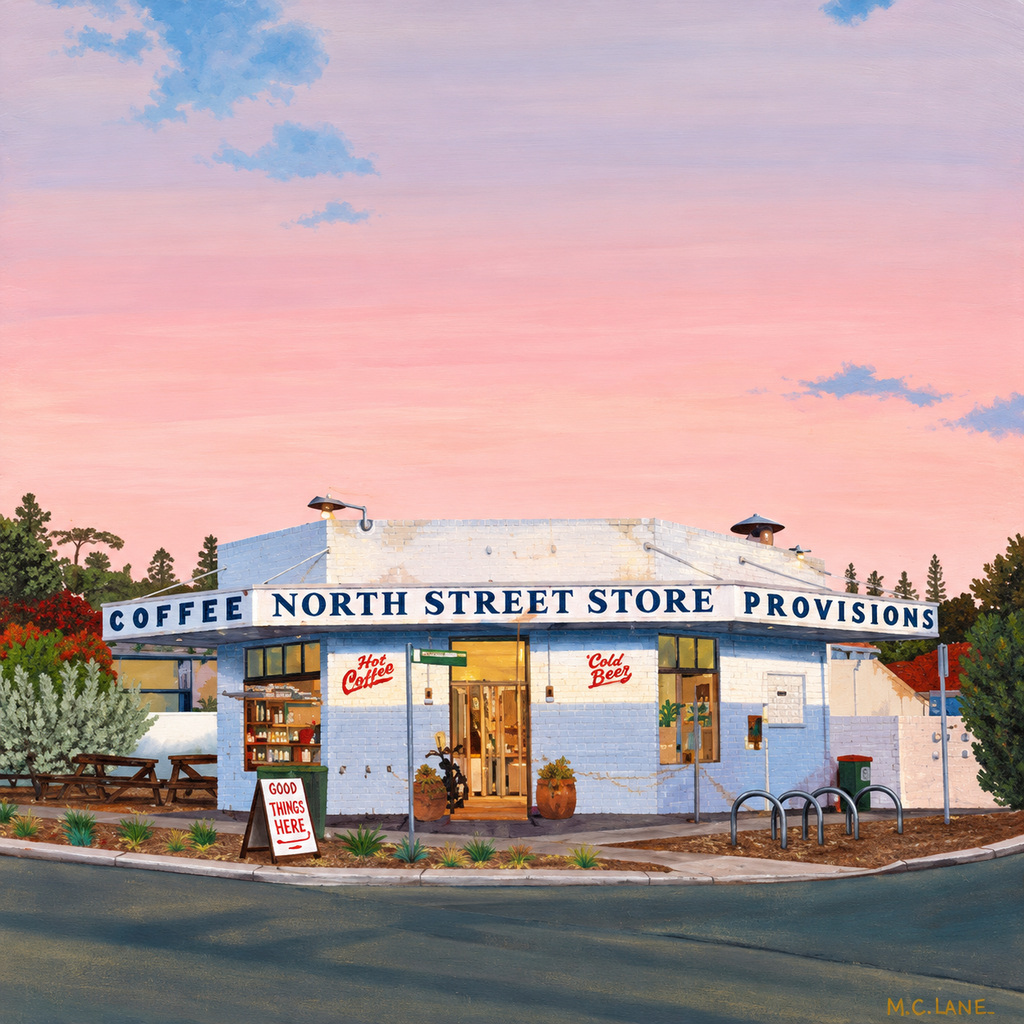
She has been building her practice from that moment with the same unbridled energy she describes bringing to everything since childhood when she made her own toys, puppets, and clothes with total confidence and no concern for whether she actually knew how.
She works across painting, ceramics, printmaking, drawing, hide tanning, spoon carving, weaving, and candle making. Not as separate disciplines but as different ways of filling her creative tank each one feeding the others, each one making the whole practice stronger and more distinctly hers.
Let’s get to know Chloe through our conversation with her, where she shares the marine research, the gut wrench of finding a muse, and what it really means to just do it any way you can.
Q1. Could you take us back to the beginning of your creative journey and share what first pulled you toward painting?
I have been a creative forever.as a child I made my own toys, puppets, clothes, everything. I was convinced I could make anything I saw (I couldn’t but I tried with unbridled delusional confidence regardless of my age, skills or the materials available to me)
Q2. You once worked in marine research before pursuing art more seriously. What helped you recognise painting as a possible career?
I loved my marine research role it was a childhood dream realised. I used to make extremely Greenpeace posters against whaling and dolphin slaughter when I was little I am very surprised seeing them now that no one thought to put me in therapy, but I digress.
When I was working in Broome I had been asked to paint signs for the research base and the lovely man that ran the base one day pointed out that in would spend hours out in the sun collecting data from the wee hours of the morning and yet when it came to painting the signs I still had energy to do it, so he asked me…why don’t you do that as a job?
After every single person for so long saying “art is nice but you can’t do it as a career” just having that one person believing that it was possible was all it took to make me change my view on art as a career.
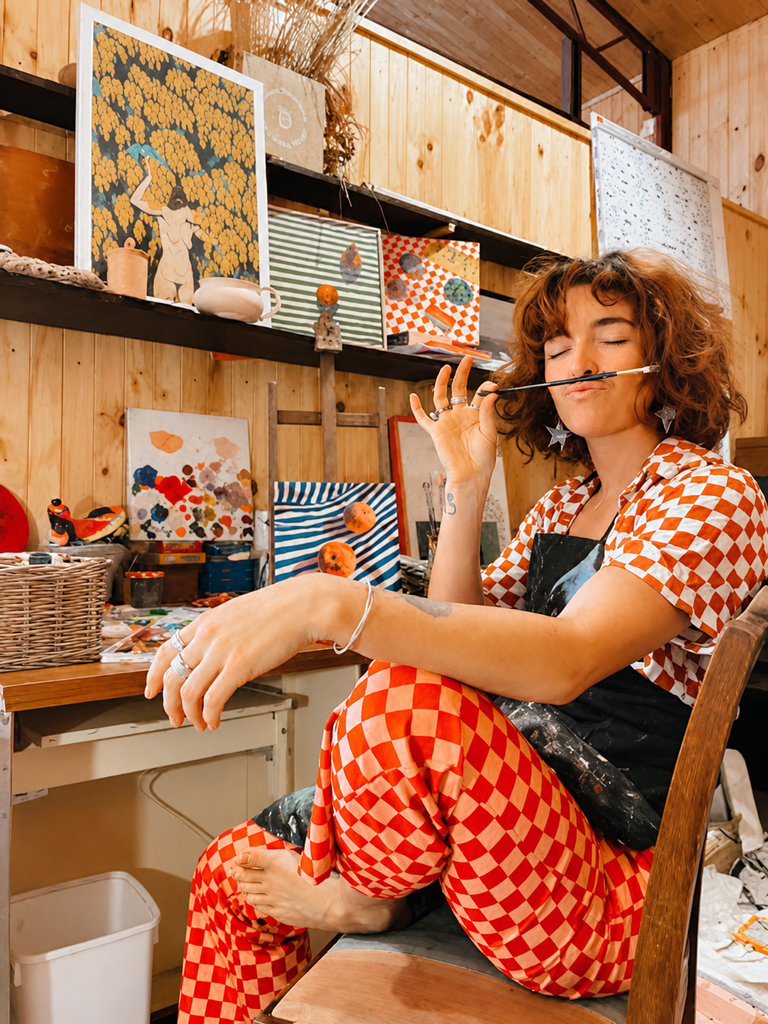
Q3. Your work brings together bright colour, realism, humour, and individuality. How did this distinctive visual language take shape?
That’s a big question. But the simple answer i guess I thought to myself what is important to me? What do I see that is jumping out at me? I stopped thinking about what other wanted and what was popular and what “would sell” and that was not only so much more enjoyable but also helped me to unknowingly develop a visual language that is ever evolving, as I am.
Q4. Women are central to many of your paintings, often shown with strength, humour, and individuality. What makes the female figure such an important subject for you?
I spent a long time wishing I wasn’t a woman because of the way I was treated (hellooo NSFW trauma) and measured against males and believing the lies I was told and I am furious at myself for ever thinking that way.
Seeing women now in all their multifaceted beauty and ugliness is the most beautiful gift and I want nothing more than to celebrate that.
Q5. You have spoken about discovering faces on social media that connect with something you are feeling. What makes a particular face stand out to you?
I started that series many years ago, it’s been a long time since it has been completed but it was very joyful. I had to feel the lurch. The pull in my stomach like I was about to vomit with….excitement? Reverie? De ja vous? I’m not sure but that feeling would stop me in my tracks.
It never had to be someone famous or trained in a certain look, it was just a woman being a woman. There is no other way to describe it other than the shock of finding a muse.
Q6. When you paint someone, you have discovered online, how does not knowing them personally shape the way you portray them?
It’s true for everyone that different Versions of ourselves exist in the minds of ever person we meet.
I was working purely on gut feeling in that series and I don’t think that feeling someone’s inner power through their gaze or their posture is imagination, I think it’s there. I think our intuition is much stronger than we give it credit.
When I get the gut wrench of recognition I also don’t get to know if this painting is for me or for someone else, this is true for all paintings I do, I can’t produce something I don’t get the gut wrench for. I don’t know if it’s for me or for someone else until the person it is meant for finds it.
Or if the person who I have painted ever gets to see it and see a side of themselves, they haven’t yet recognised. This series developed organically into being about the power of women when initially I had idea about power and ownership on social media but but instead of people being freaked out that I took their photo and painted it they all were very happy (I of course asked for convent to share after.
I would never have shared if the person was not happy, the paintings that were not there would have been a part of the social experiment that provided interesting conversation and context as much as the ones that were but it became irrelevant as women loved being seen for their inner power) like anything creative it had a mind of its own
Q7. You work across painting, ceramics, drawing, and other creative forms. How do these different practices support your artistic life?
Rest. Recalibration. Inspiration. I need to fill my tank in a lot of ways and understanding different art forms also gives me a lot of respect for other creatives
It’s all fodder for a larger creative practise it’s all the same really. Sometimes it’s practical. I couldn’t use poisonous materials when pregnant or with tiny babies attached my breast 25/8 so I started to carve spoons and my babies would wake up covered in wood shavings. I needed to move my body so I started tanning hides. I needed something I could busy my hands with so I started weaving.
I needed something to relax and be present so I started making candles. I needed something very different from painting and to have some time with a friend so my friend suggested we start making ceramics. They all fill different needs. But they all make a web that created a strong practise. Also think that the way you stir your tea and the way you answer the phone and the way you treat other people feed into your art too.
Q8. Living in the Margaret River region, surrounded by an agricultural landscape, how does your environment influence what you make and notice?
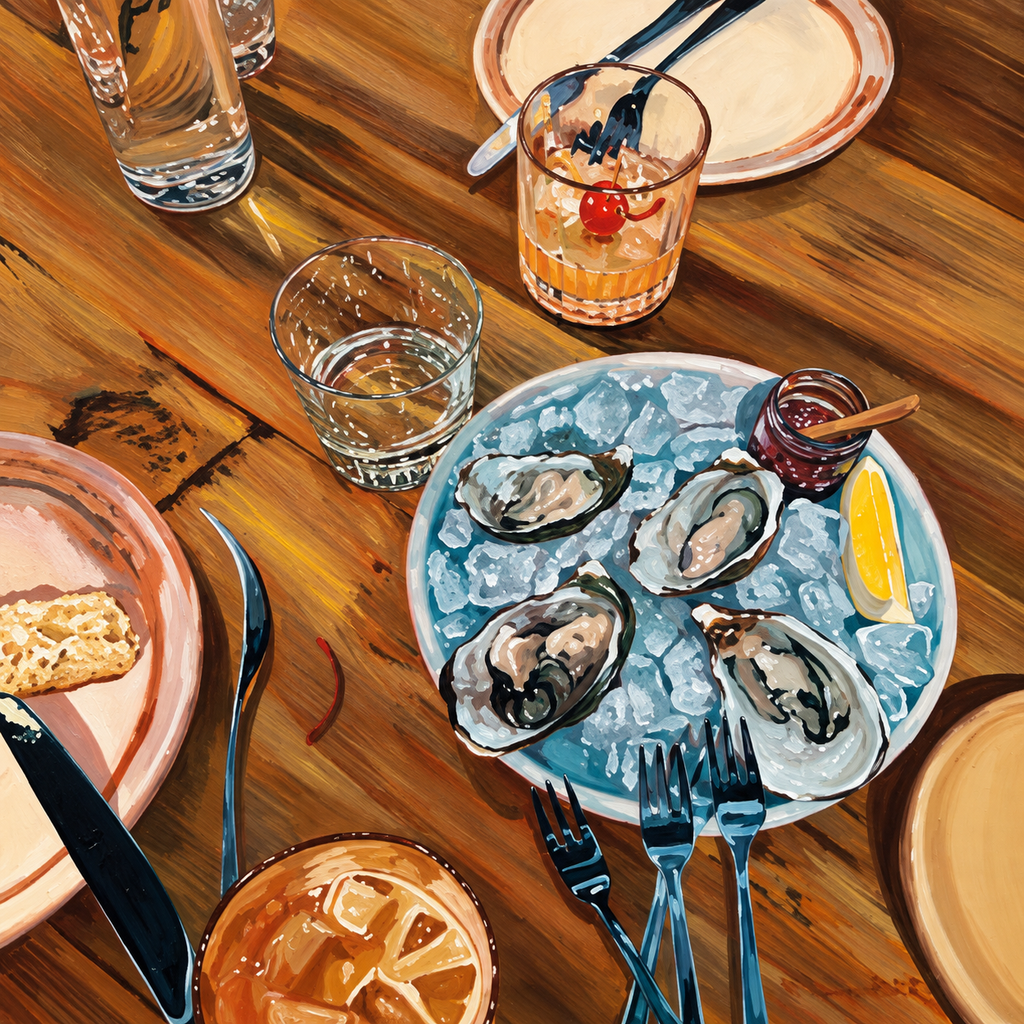
What fills your cup is where you are. I reflect my surroundings but I also cannot capture their true beauty, the immensity is part of it and I can’t put that in a tiny frame. the fact that that level of beauty exists is astounding to me. I can only handle a small slice of it without having a complete appreciation meltdown. And it’s the small moments in this life that tend to get me the most anyway.
The way the light hits an object on the counter, while the birds sing outside and the cows are lowing and the cockatoos are whipping gum nuts at the roof. I am moved by it all, the most mundane is truely the most beautiful…and the sheer dumb luck of being able to experience it. It’s a practise of appreciation that I am realising as I write this, is in no small part dedicated to seeing the cycles of life, both long and short play out here.
It’s impossible to ignore the fleeting beauty of a life I get to live and of this pace I get to experience.
Q9. You create fine art as well as prints, cards, and posters. How do you balance making original work with making art more accessible?
I never used to want to do prints, there are some works that are not transferable to that art form it takes something away from them and it feels disrespectful to the original intention of the work. But I have come around to other works that I don’t mind reproducing if it doesn’t effect the original intention, or if it means that someone who connects with it can access it.
I don’t make many paintings a year, they are very detailed so I am very much constrained by that so being able to make prints can help me to maintain that level of detail that I would otherwise have to forego in order to make more paintings and I dont want to sacrifice that quality.
I can also make peace with it thanks to the many children that light up when I trade them a drawing for a postcard or give them a print that might be their first artwork. I can do that if I have prints, I can afford to do that if other people buy them too. My favourite was last year when I traded with a little girl in my son’s class, a tiny soft clay clam shell she made for a stack of postcards. It’s become an important part of my practise.
Q10. What do you think makes us want to keep looking when our eyes encounter repetition?
I believe it is a very primal part of our brains that are attracted not only to patterns but to variations in those patterns. There’s both safety and tension there.
Q11. You have said that you find wonder in everyday life. What kinds of small, ordinary moments tend to catch your attention?
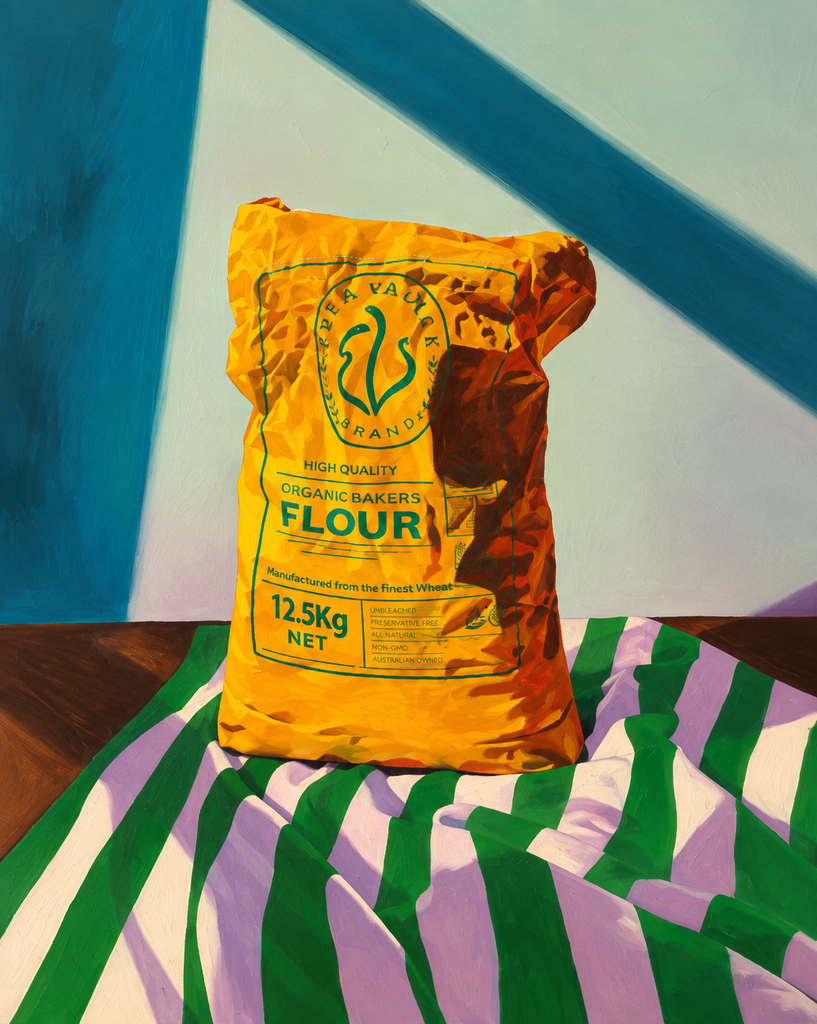
Oh my god, I have been know to cry at the water table at a restaurant. I have left tomatoes on the counter for weeks because they were in the right spot. “Don’t use those they’re the bench tomatoes!” I don’t get to control when a bag of flour, or shoes under a table make me feel like I’ve been slapped in the face with a wet fish.
Q12. What have the realities of building an artistic career taught you beyond the studio?
Not to listen to people who do not have artistic careers that you actually respect.
Q13. Humour appears throughout your work, even when you are exploring femininity and empowerment. What role does humour play in your practice?
It is innate, it is my coping mechanism, it is not able to be removed from my personality and so I must tout the lessons I have learnt as an alumnus of the academy of silly walks for all eternity.
Q14. What has become most important to you as your practice has developed?
If the answer to this is anything but “continuing to make” I would be very suspicious of that person
Q15. Has success in one medium, such as painting or ceramics, encouraged you to take more risks in another?
Success has nothing to do with it. I will try anything once, twice or thrice.
There is always risk, that’s the fun part. If interest everything as an experiment it can never fail anyway.
Q16. What would you say to artists who are still trying to find their own voice and wondering whether they should take the leap?
Figure out what you like and just do that. No matter what anyone says or how “niche” it is. Experiment all the time, treat everything as play. And you do not need the “right pen” and quiet room or whatever. Restrictions can develop stronger voices.
When i was a dirt-poor student I used to paint with found cans of paint on boards I pulled from skip bins.
Whatever you love, Just do it any way you can. When you’re focusing on a subject you actually truly love you can fit it in whenever, late nights, lunch breaks and still feel energised that’s how you know you’re on the right path you become obsessed. The leap to career will come when your passion needs more of your time and is giving you enough to make it work.
Something about our conversation with Chloe left us feeling lighter. And we think it is because she is one of those rare people who has figured out that the whole thing is supposed to be fun.
Not fun in a shallow way. Fun in the way that only happens when someone is completely, honestly doing exactly what they were always supposed to be doing. When the work comes from a gut wrench rather than a calculation. When the process is play rather than performance. When the artist is so fully themselves that encountering their work feels less like looking at something and more like meeting someone.
And meeting Chloe even through a conversation does something to you. Because she is the kind of artist who makes you question the way the contemporary art world tends to treat joy. As if warmth and humour are somehow less serious than austerity.
As if a painting that makes you smile is doing less work than one that makes you feel unsettled. Chloe’s paintings do both. They make you smile first. And then they make you look closer. And the closer you look, the more you find the technical precision, the psychological specificity, the particular way she sees and celebrates women in all their complicated, multifaceted, unglamorous, powerful reality.
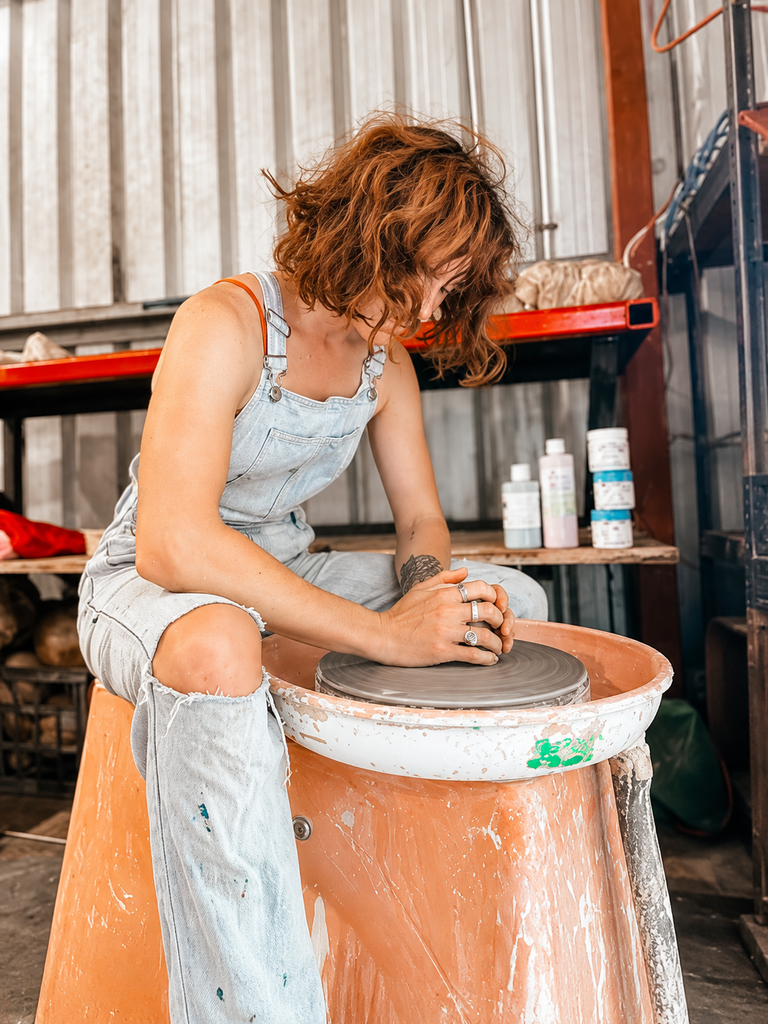
There is also something worth saying about the breadth of her practice painting, ceramics, printmaking, hide tanning, spoon carving, weaving. In a world that rewards singular focus, Chloe treats every medium as part of the same creative conversation.
And that breadth does not dilute the painting. It deepens it. Everything she makes feeds something back into the canvas. And the result is a practice that is richer and more distinctly personal than any single discipline could have produced alone.
For those who collect work that brings something genuinely alive into a space work that was made by someone fully, joyfully present while making it, that earns its place on a wall every single morning Chloe’s paintings are exactly that.
Follow Chloe Wilder through the links below and see her work for yourself. We think you will feel lighter too.