



How to Start Collecting Art on a Real Budget
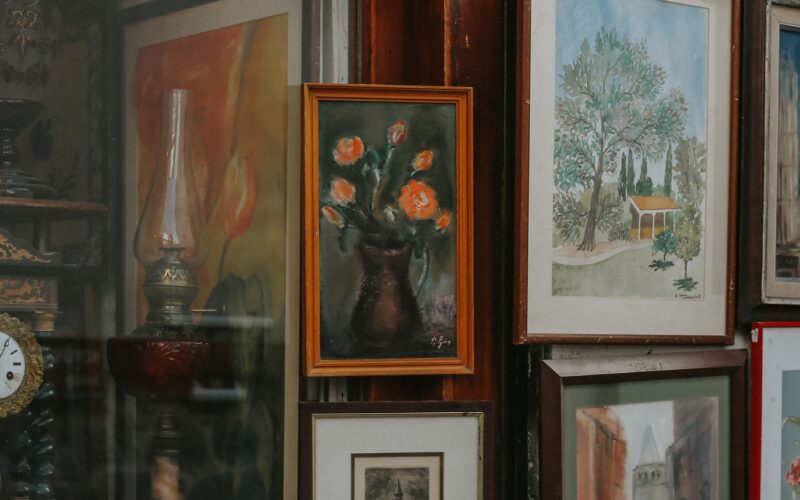
When people hear the words art collector, they might picture auction houses, private galleries, enormous homes and price tags with far too many zeroes.
But you don’t need any of those things to start collecting art.
You don’t need a six-figure budget. You don’t need an art history degree. You don’t even need to know exactly what your taste is yet.
If you are someone who loves looking at art, saves artists on Instagram, spends too long in museum gift shops or has ever seen a piece and thought, I wish I could take this home, you already have the most important ingredient: curiosity.
A collection can begin with one small painting, a photograph, a print or a drawing that means something to you. The goal isn’t to buy the most expensive piece you can afford. It’s to slowly surround yourself with work you genuinely want to live with.
Start With a Number, Not a Dream
Before you start browsing, decide what you can comfortably spend.
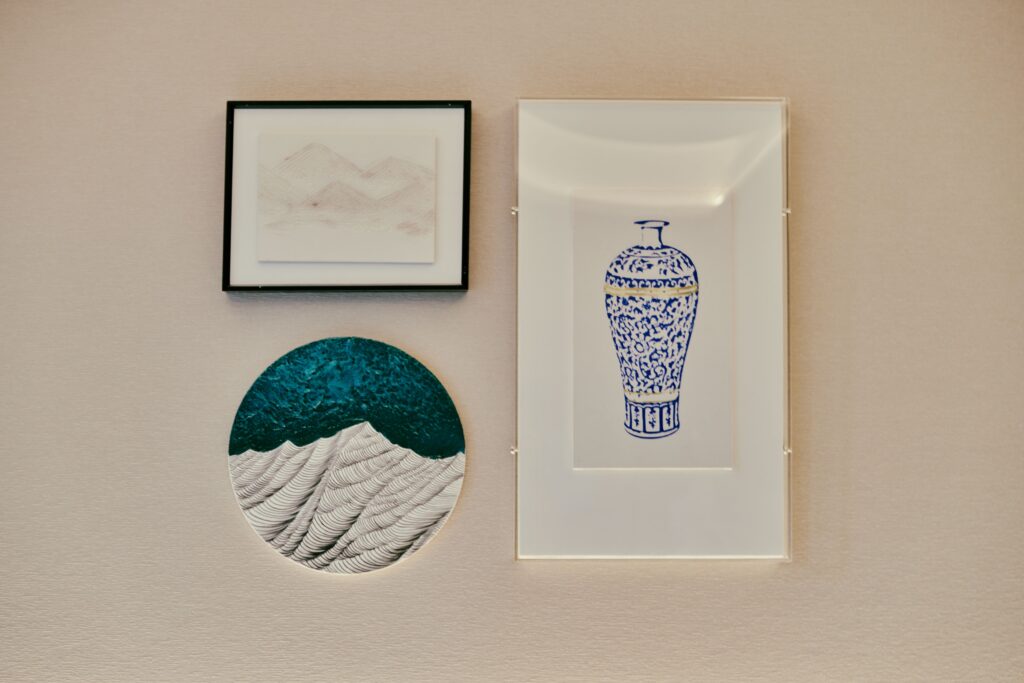
It might be $100. It might be $300. It might be $1,000. There is no universally correct starting budget.
The important part is that your art budget should be disposable money, not money you need for rent, bills or savings.
Once you have your number, treat it as a boundary rather than a challenge. If you decide that your first purchase will be $300, you don’t need to convince yourself that spending $700 is justified because you found something extraordinary.
Having a budget can actually make collecting more enjoyable. Instead of asking, Can I afford to be an art collector?, you can ask a much better question: What can I find within my budget?
And there is more than you might expect.
Online galleries currently offer original works by emerging artists at a wide range of prices, including small paintings, drawings, photography and prints.
Don’t Start With the Artist Everyone Is Talking About
If you’re working with a modest budget, don’t make your first goal buying a famous name.
Instead, look for emerging and early-career artists.
Artists who are still building their exhibition history and collector base often price their work considerably lower than established artists. That doesn’t automatically mean the work is less interesting or less accomplished.
In fact, one of the joys of collecting emerging art is that you get to discover an artist before everyone else is talking about them.
You can also look beyond traditional paintings. Works on paper, drawings, photography, small sculptures and limited-edition prints can all be excellent entry points. Smaller works are often less expensive and easier to display, particularly if you live in a small apartment or move frequently.
The point isn’t to find the next Picasso. It’s to find an artist whose work makes you want to look twice.
Your First Piece Doesn’t Have to Be a Painting
There is a strange assumption that a “real” art collection begins with a large oil painting.
It doesn’t.
A limited-edition photograph can be a wonderful first purchase. So can a signed print, a small drawing, a ceramic piece or an original work on paper.
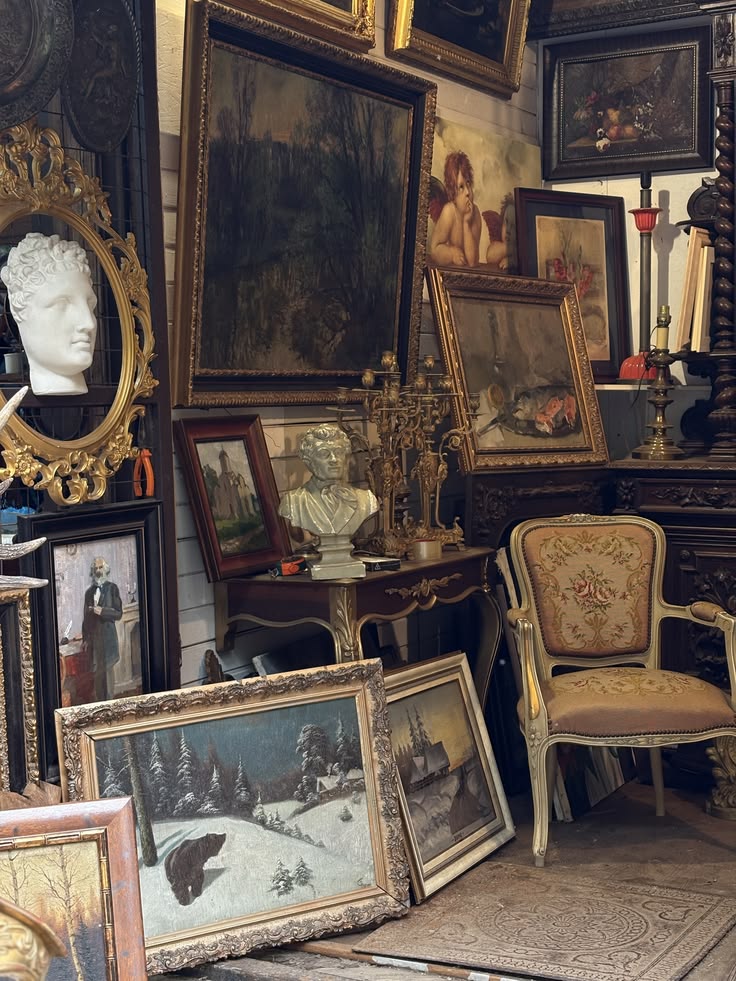
Photography, in particular, has historically been an accessible entry point for new collectors, while prints and editions can allow buyers to own work connected to artists they admire without paying the price of a unique large-scale painting.
Just pay attention to what you’re actually buying.
If it’s an edition, find out how many were produced. If it’s a print, check whether it is signed and numbered. For an original, ask about the medium, dimensions, condition and whether it comes framed.
“Affordable” should never mean “I didn’t bother checking what this is.”
Look Somewhere Other Than the Big Galleries
You don’t have to walk into a prestigious gallery and hope nobody notices that you don’t know what you’re doing.
Start where emerging artists actually show their work.
Online Galleries
Platforms such as Artsy, Saatchi Art, and Artfinder allow buyers to browse original work by independent and emerging artists, often with filters for price, medium and size.
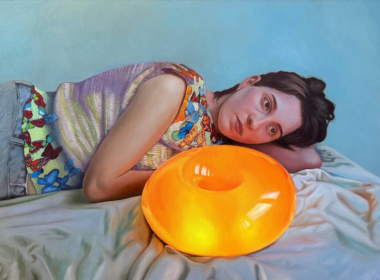
You can explore 31 beautiful art pieces from Arts to Heart’s recent Virtual Exhibition, “The Flowers I couldn’t Keep” live on Artsy through August 31st, 2026. Each piece is unique and depicts longing in a warm and intriguing way.
Local Art Fairs
Art fairs can be intimidating, but they can also be fantastic places to discover artists.
Don’t go with the intention of buying immediately. Walk around. Take notes. Photograph artists’ names when permitted. Ask questions. See what repeatedly catches your attention.
Some fairs also have emerging-artist sections, student showcases or smaller works specifically suited to new collectors.
Art-school Exhibitions
This is one of the most underrated places to look.
Graduating exhibitions and degree shows introduce you to artists at the beginning of their professional careers. You may discover someone whose practice eventually develops significantly, but you’re also supporting them at a stage when that support genuinely matters.
Artists themselves
Follow artists whose work you love. Many artists sell directly through their websites or social media pages, particularly for smaller works, prints and editions.
Buying directly can also make the experience more personal. You may learn the story behind the piece, understand how it was made and actually have a conversation with the person who created it.
That’s something a price tag can’t really provide.
Learn to Recognize a Good Purchase
You don’t need to become an expert before buying your first piece, but you should become a careful buyer.
Before purchasing, look at the artist’s website or CV. Have they exhibited anywhere? Do they have a consistent body of work? Is the piece actually made by them? Is the edition information clear?
If you’re buying online, check the seller’s return and shipping policies. Remember that a $250 artwork can become considerably more expensive once shipping, framing and taxes are added.
Also ask about framing.
Sometimes the artwork is affordable but the framing isn’t.
A small unframed work on paper may be a much smarter first purchase than a large canvas that suddenly requires an expensive custom frame.
Give Yourself a “Wait” Period
Here’s one of the easiest ways to avoid buyer’s remorse:
Don’t buy immediately.
If you see something you love, save it. Look at it again tomorrow. Then look at it again a week later. If you’re still thinking about it, that’s useful information.
Not every purchase needs a year-long waiting period. But giving yourself 24 hours before spending your budget can make a surprising difference.
Don’t Buy Art Because You Think It Will Make You Money
This is perhaps the most important rule for a beginner.
Don’t buy a piece you dislike because someone told you the artist is “the next big thing.”
Art can appreciate in value, but predicting which emerging artists will become major market names is extremely difficult. A purchase should be something you are happy to own even if its financial value never increases.
Think of it this way:
If you spend $300 on a work and love seeing it every morning for the next ten years, you already received something valuable from that purchase.
You don’t need the work to become worth $3,000 for the experience to have been worthwhile.
Your Collection Can Have a Story
One of the nicest things about collecting on a budget is that your collection can become a record of your life.
Maybe your first piece is a photograph you bought on a trip. Your second might be by an artist from your hometown. The third might remind you of a particular year.
Eventually, you may notice that you keep gravitating toward portraits, landscapes, textile-based work or strange little sculptures. That’s when collecting becomes more than shopping. You’re developing a visual language of your own. And your collection doesn’t need to match. In fact, it probably shouldn’t.
As you start your art collection, it is also important to learn how to properly store and preserve your paintings and sculptures. Luckily, we have complete guides on that.
The Collectors Who Started Small
One of the best arguments against the idea that collecting belongs only to the wealthy is the story of Herbert and Dorothy Vogel.
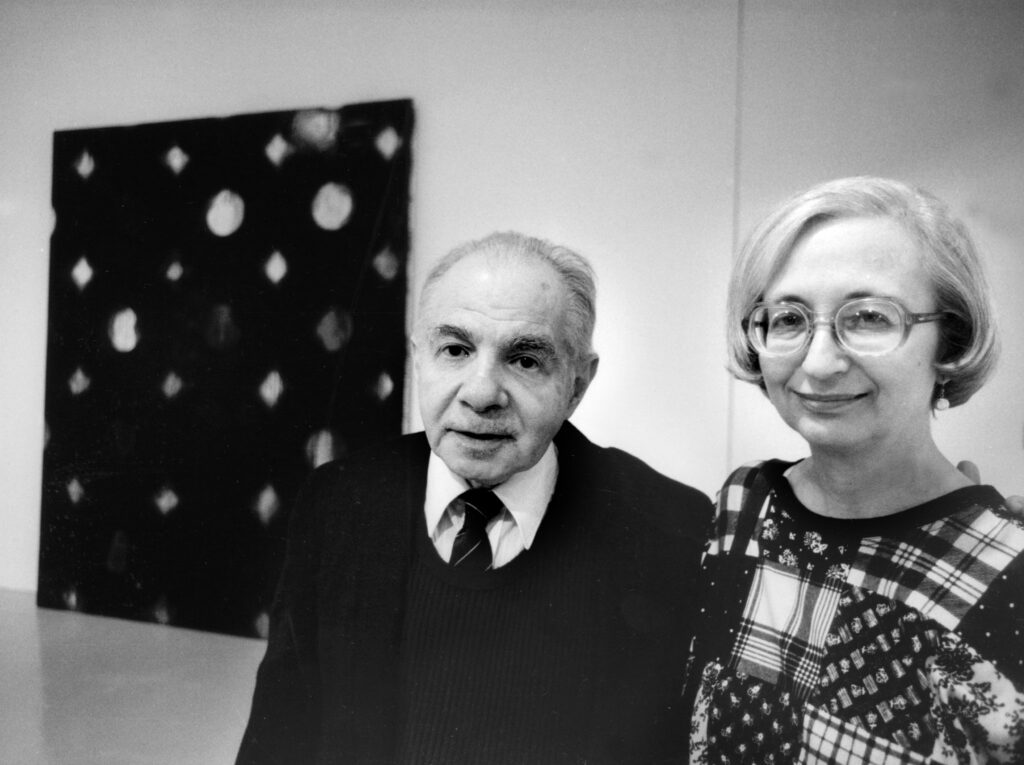
The New York couple worked as a postal clerk and librarian and built one of the most remarkable collections of contemporary American art in the twentieth century. Rather than chasing expensive names, they focused on artists whose work was still affordable and often overlooked, including artists who would later become major figures in Minimalism and Conceptual art. Their collection eventually grew to more than 4,000 works.
They also imposed practical limits on themselves: works had to be affordable, transportable by taxi or subway and capable of fitting inside their small one-bedroom apartment.
Their collection eventually entered museums across the United States. The lesson isn’t that everyone should try to replicate the Vogels. It’s that meaningful collecting has never required enormous wealth.
There are other equally relatable beginnings. Collector Liane Rossler began building her contemporary Australian art collection with a painting by Peter Atkins. Parmesh Shahani bought his first artwork at 21, using his first paycheck to purchase a small portrait by then-lesser-known artist Nauzer Daruwalla; he was even a few hundred rupees short at the time.
Those first purchases weren’t museum trophies. They were simply pieces that made the buyers want to own them.
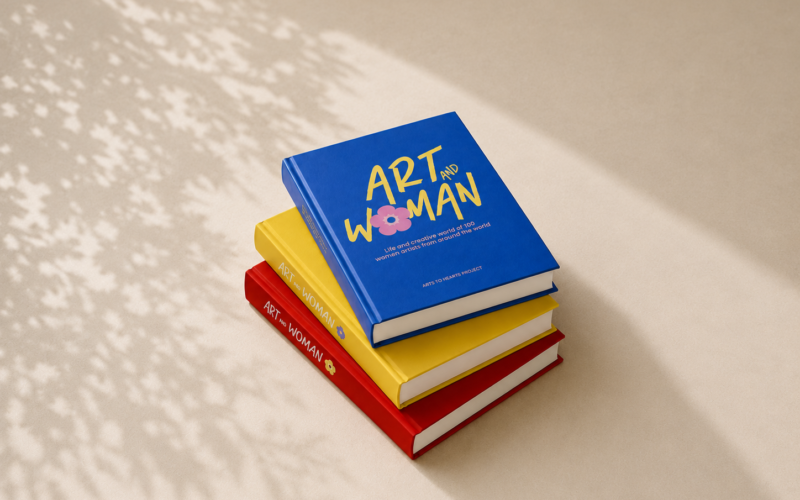
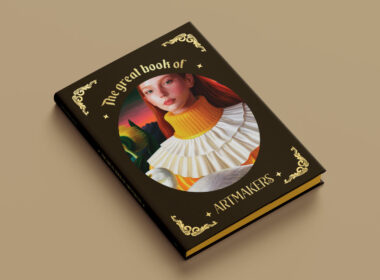
If you’re a collector with a love for art books, read our feature on 5 Arts to Hearts books every art collector should Own, featuring unique works by emerging and established artists from around the world.
Discover inspiring collections, diverse artistic voices, and books worth adding to your own art shelf.
Start With One At a Time
You don’t need ten artworks to call yourself a collector. You don’t need a dedicated room. You don’t need an investment strategy, a gallery membership or an art advisor.
Start with one.
Set aside an amount that won’t make you anxious. Spend time looking. Visit exhibitions. Follow artists. Browse online galleries. Ask questions. Learn how editions work. Compare prices. And when you find something that genuinely stays with you, consider bringing it home.
Your first artwork might cost $100. It might cost $500. It might be a tiny drawing that barely takes up any wall space.
Years from now, you may own work that costs considerably more. Or you may simply have a home filled with pieces that remind you of places you’ve been, people you’ve met and things you found beautiful.
Both are collections. Because collecting art was never really about having enough money to buy everything you want. It’s about caring enough to begin.
Editor’s Note:
Submit your work to the newest 101 Art Book: Faces edition before submissions close.
Share your perspective, your art, and your story, there’s still time to be part of it.