
Why Every Art Collector Should Keep Detailed Collection Records

Imagine needing to file an insurance claim, only to discover you don’t have the records needed to prove what you owned. Or finding a buyer for a painting years later, only to have them walk away because there’s no paperwork confirming its history. Poor documentation can quietly reduce an artwork’s resale value, complicate insurance claims, and create unnecessary challenges when you least expect them.
That’s why keeping records isn’t just administrative work. It’s one of the smartest habits any art collector can develop. While collectors often spend months researching artists, visiting galleries, and carefully choosing each piece they bring home, documenting those acquisitions is often overlooked.
Yet collecting art is about far more than simply filling walls or acquiring beautiful objects. Every piece you bring into your collection represents a moment in your journey. It might remind you of a gallery visit you still think about, introduce you to an emerging artist whose work immediately spoke to you, or mark a milestone in your life. Over time, a collection becomes a reflection of your personal taste, experiences, and the stories you’ve chosen to preserve. Keeping accurate records ensures those stories, along with the artwork’s history and value, aren’t lost over time.
The good news is that keeping records doesn’t require complicated software or hours of administrative work. Whether your collection consists of a few cherished originals, limited-edition prints, or even digital art and NFTs, a simple system can help you stay organized while protecting both your investment and the history behind every piece. In this guide, we’ll explore why documenting your collection matters, what information you should keep, and how a few thoughtful habits today can help protect your collection for years to come.
Why Keeping Records Matters More Than You Think
It’s easy to assume that record-keeping is only necessary for museums, galleries, or seasoned collectors with hundreds of pieces. In reality, it becomes valuable the moment you purchase your very first artwork. Whether it’s an original painting from a local exhibition, a limited-edition print you’ve saved up for, or a ceramic piece bought while traveling, every addition to your collection has a story worth preserving.
Think about how much you can forget over time. A few years from now, would you remember the exact title of a piece? The artist’s full name? Which gallery you purchased it from, or how much you paid? These details often seem unforgettable in the moment, but memories fade, receipts disappear, and digital confirmations get buried in overflowing inboxes.
Keeping records also means you’re prepared for situations you hope never happen. If an artwork is damaged, stolen, or affected by a natural disaster, having photographs, purchase receipts, and documentation can make insurance claims far less stressful. If you decide to sell a piece years later, buyers and galleries will appreciate complete information about its history, helping establish authenticity and confidence in the purchase.
Beyond the practical benefits, documenting your collection is also a way of honoring it. Each artwork represents an artist’s time, skill, and creative vision, as well as your own decision to become part of its story. Recording its journey, from where you discovered it to how it has become part of your home, transforms a simple inventory into a personal archive that grows alongside your collection.
Ultimately, good record-keeping isn’t about paperwork. It’s about protecting the memories, value, and history connected to every piece you choose to live with. A little organization today can save countless questions and complications tomorrow, allowing you to enjoy your collection with greater confidence and peace of mind.
The Essential Details Every Collector Should Record
The best collection records are the ones you’ll actually maintain. You don’t need a complicated database or expensive software to get started. A spreadsheet, digital document, or dedicated collection app can all work well, as long as you’re consistent about updating it whenever you acquire a new piece.

For every artwork in your collection, aim to record the following details.
Artist, Title, and Year
Record the artist’s full name, the artwork’s official title, and the year it was created. Double-check these details against the certificate of authenticity, invoice, or gallery label, and save the artist’s website or professional profile if available. Keeping this information accurate makes it easier to verify provenance, follow the artist’s career, and identify the work in the future.
Medium, Dimensions, and Purchase Details
Record the artwork’s medium and materials as specifically as possible, such as oil on canvas or mixed media on wood panel, along with its dimensions, noting whether the measurements include the frame. Also keep a record of where and when you purchased the piece, who sold it, and how much you paid. Save invoices and receipts, as they’ll be invaluable for insurance, appraisals, future valuations, and potential resale.
Documentation and Provenance
Keep the artwork’s certificate of authenticity in a safe place and store both physical and digital copies whenever possible. Record its provenance, including previous ownership or whether it was purchased directly from the artist or through a gallery, as this helps establish authenticity and value. Finally, take clear, high-resolution photographs of the front, back, signature, labels, and any distinguishing details to create a reliable visual record for insurance, identification, and future reference.
You don’t have to gather every detail in a single afternoon. If you’re documenting an existing collection, work through it one piece at a time. What matters most is creating a habit that keeps your records accurate and up to date. Your future self, and anyone who may care for your collection one day, will be grateful you did.
Documenting Digital Art and NFTs
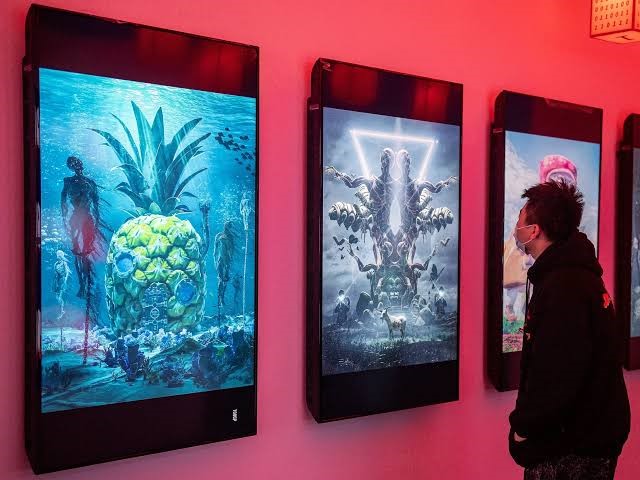
Art collecting is no longer limited to paintings, prints, and sculptures. Today, many collectors are also acquiring digital artworks, NFTs, and other blockchain-based collectibles. While these pieces don’t require physical storage or framing, they still need thorough documentation. In fact, because digital assets rely on technology rather than physical paperwork, keeping accurate records is just as important.
Record Blockchain and Purchase Details
Unlike traditional artworks, NFTs come with a permanent blockchain record that verifies ownership. Save the blockchain transaction ID (hash), wallet address, marketplace where the purchase was made, purchase date, and the amount paid. These details provide a verifiable ownership history and make it easier to track the asset if you ever decide to sell or transfer it.
Keep Copies of Certificates and Digital Files
Many digital artists provide certificates of authenticity, edition details, or licensing information alongside their work. Download and securely store these files instead of relying solely on the marketplace where you purchased the artwork. If the platform changes, shuts down, or removes listings, you’ll still have important documentation available.
For digital artworks that are not NFTs, keep the highest-resolution version of the file, along with any invoices, emails, contracts, or proof of purchase. These documents help establish authenticity and ownership just as receipts and certificates do for traditional art.
Understand What You Actually Own
Buying digital art doesn’t always mean purchasing the copyright. In many cases, collectors own the artwork itself while the artist retains intellectual property rights. Keep a copy of the license agreement or terms of sale so you know whether you can display the work publicly, reproduce it, or use it commercially. Understanding these rights helps avoid confusion in the future.
Back Up Everything Securely
Digital collections are only as secure as the systems protecting them. Store copies of certificates, contracts, invoices, and artwork files in multiple locations, such as encrypted cloud storage and an external hard drive. NFT collectors should also maintain secure backups of wallet recovery phrases and follow best practices for protecting digital wallets, as losing wallet access could mean permanently losing access to the collection itself.
Keep Your Digital Collection Organized
As your digital collection grows, organize records just as you would for physical art. Create a spreadsheet or collection database that includes the artist’s name, artwork title, edition number, purchase date, blockchain details if applicable, file location, licensing information, and links to supporting documents. A consistent record-keeping system makes it easier to manage your collection, verify ownership, and preserve its history over time, regardless of whether the artwork hangs on a wall or exists entirely online.
Why Good Records Matter
Good documentation protects more than the artwork itself. It protects its value, history, and credibility. Whether you’re filing an insurance claim, arranging an appraisal, loaning a piece to an exhibition, or planning to sell it in the future, accurate records make the process far smoother. Documents such as purchase receipts, certificates of authenticity, photographs, valuation reports, and condition notes provide the proof that collectors, insurers, galleries, and buyers often require.

As Your Collection Grows, Records Become Essential
It’s easy to remember the details of a few artworks, but as your collection expands, those memories become harder to rely on. A well-organized record helps you quickly answer practical questions like when you bought a piece, where it came from, how much you paid, whether it has been restored, and where its documentation is stored. Keeping both physical and digital copies ensures this information remains accessible for years to come.
Keep Your Records Current
Documentation isn’t something you create once and forget. Update your records whenever you acquire a new artwork, move it, have it reframed, or receive a new appraisal. A few minutes of maintenance today can save hours of searching and uncertainty in the future while preserving the complete history of your collection.
What Flawed Documentation Can Cost You
Many collectors don’t think about documentation until they need it. By then, missing information can create challenges that are difficult or even impossible to fix. Here are some of the most common consequences of incomplete records.
Lower Resale Value
Collectors, galleries, and auction houses want confidence in what they’re buying. Without purchase records, certificates of authenticity, or a clear ownership history, buyers may question an artwork’s provenance or authenticity. Even exceptional pieces can become harder to sell or attract lower offers when their documentation is incomplete.
Insurance Claims Become More Complicated
If an artwork is damaged, lost, or stolen, insurers will often ask for proof of ownership, purchase details, photographs, or valuation documents. Without these records, claims may take longer to process, result in lower payouts, or, in some cases, be denied altogether.
Appraisals Take Longer
An appraiser can assess an artwork more accurately when they have access to its purchase history, previous valuations, exhibition records, and supporting documents. Missing information often means more research, greater uncertainty, and sometimes a less precise valuation.
Future Generations Lose the Story
One day, your collection may be inherited, donated, or gifted to someone else. Without proper documentation, future owners may not know who created a work, where it came from, or why it mattered. Keeping detailed records preserves not only an artwork’s value but also the story that makes it part of your collection.
Every Artwork Has a Story. Keep Yours Complete.
Every collection begins with a single piece, but what gives it lasting meaning is everything that surrounds it, the memories of where you found it, the artist whose work resonated with you, the conversations it sparked, and the journey it has taken since becoming part of your life.
Keeping records may never be the most glamorous part of collecting, but it is one of the most rewarding. It ensures that years from now, you’ll still know the stories behind the pieces you love, while also protecting them for practical moments like insurance, loans, conservation, or resale.
Keeping detailed records is only one part of protecting your collection. Proper storage, archival framing, and preventive care are equally important for preserving an artwork’s condition over time. If you’d like to learn how to keep your paintings safe for decades to come, explore our guide on storing, framing, and preserving your paintings.
You don’t have to build the perfect catalog overnight. Start with one artwork. Gather its photographs, save its documents, note its details, and repeat the process each time your collection grows. Before long, you’ll have created something just as valuable as the collection itself: a thoughtful archive that preserves its history, celebrates the artists behind it, and safeguards your own journey as a collector.
After all, art has the power to outlive us. Good record-keeping helps ensure that the stories behind each piece can do the same.